
Flaky, Tender, Rich: Achieving Perfect Results with the Best Baking Butters

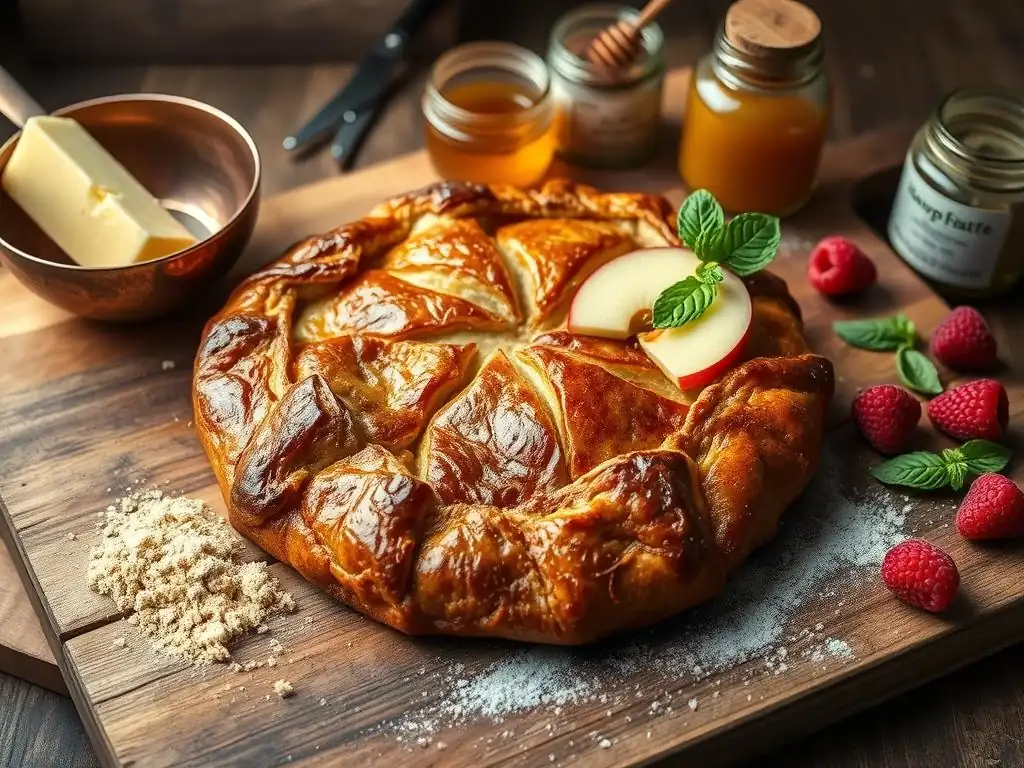
Welcome to BakeWithEase, your guide to baking bliss! Ever wondered how to unlock truly exceptional flavor and texture in your baked goods? We're diving deep into the secret weapon of countless pastry chefs: butter. Prepare to discover the best baking butter recipes and how choosing the right butter can elevate your creations from ordinary to extraordinary. Are you ready to unlock the secrets to achieving that perfect, melt-in-your-mouth consistency? Let's get baking!
- Understanding the Impact of Butter on Baking: A Baker's Guide
- Best Baking Butter Taste Test: Finding the Perfect Fat for Your Treats
- Unsalted vs. Salted Butter for Baking: A Definitive Guide
- European-Style Butter vs. American Butter: Which is Best for Your Recipes?
- Cultured Butter: Adding a Tangy Twist to Your Baking
- Plant-Based Butter for Baking: Dairy-Free Delights Without Compromise
- Recipes Using the Best Baking Butters: From Cookies to Croissants
- Storing Baking Butter: Keeping Your Butter Fresh and Delicious
-
Frequently Asked Questions
- What types of butter are best for baking, according to BakeWithEase?
- Does BakeWithEase provide any specific techniques for using butter in baking?
- Are there any recipes specifically featured on BakeWithEase that showcase the "best baking butter"?
- How does BakeWithEase help beginners choose the right butter for their baking projects?
- Why does BakeWithEase consider certain butters "best" for baking?
- Final Reflection: The Golden Ratio of Butter and Baking
- Unlock Your Baking Potential: Butter Up!
Understanding the Impact of Butter on Baking: A Baker's Guide
Why Butter Matters: The Science Behind the Best Baking Butter Recipes
Butter is far more than just an ingredient; it's a fundamental building block in countless best baking butter recipes, playing a critical role in the structure, texture, and flavor of baked goods. Scientifically, butter is an emulsion, typically composed of about 80-82% fat, 16-18% water, and 1-2% milk solids. When butter is creamed with sugar, its crystalline fat structure traps air pockets.
During baking, this trapped air, along with steam produced from the water content, expands, helping the dough or batter rise and creating a light, airy texture. The fat also coats flour particles, inhibiting gluten development, which contributes to tenderness, especially in items like cookies and pie crusts.
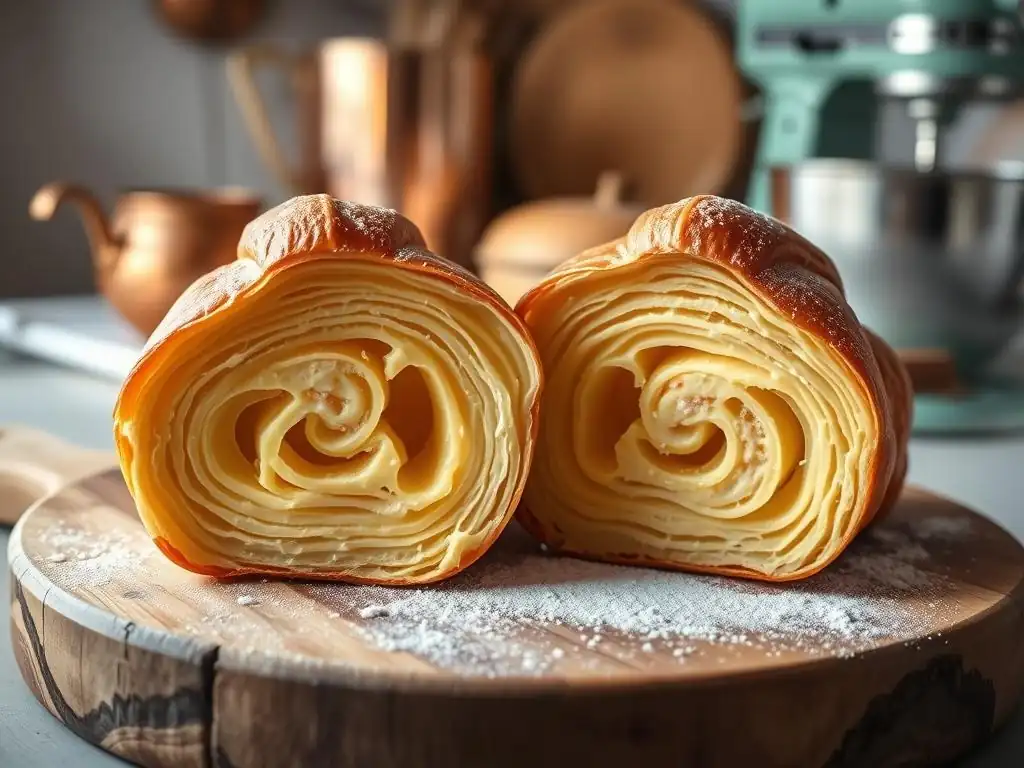
Beyond leavening and tenderness, butter's melting properties are key to creating flaky layers in pastries. As butter melts in a hot oven, the water in it turns to steam, pushing apart the layers of dough. The fat then coats these layers, preventing them from sticking together and resulting in that desirable flaky texture found in croissants or puff pastry.
The milk solids brown during baking (Maillard reaction), contributing to the delicious aroma and golden crust of many baked items. Understanding these scientific principles helps bakers appreciate why selecting the right butter is crucial for achieving the best baking butter recipes and consistently excellent results.
When seeking the best baking butter for your recipes, several key characteristics stand out: flavor, fat content, and texture. Flavor is paramount; high-quality butter, especially those from grass-fed cows or cultured varieties, offers a richer, more complex taste that significantly enhances the overall flavor profile of your baked goods. This is due to compounds like diacetyl, which gives butter its characteristic aroma. A butter with a clean, pleasant flavor elevates everything from a simple butter cookie to an intricate layer cake.
Fat content is another critical factor. American-style butter typically contains around 80% fat, while European-style butter often boasts a higher fat percentage, ranging from 82% to 86%. This higher fat content means less water, which can lead to flakier pastries and richer, more tender cakes and cookies.
For instance, a pie crust made with 83% fat butter might achieve greater flakiness than one made with 80% fat butter because there's less water to develop tough gluten strands and more pure fat to create steam pockets. The texture of the butter itself – whether it's firm, soft, or spreadable – also impacts creaming ability and dough handling, influencing the final texture of the baked item.
Best Baking Butter Taste Test: Finding the Perfect Fat for Your Treats
Introducing the Contenders: A Lineup of Top Baking Butters
To find the best baking butter for various applications, we gathered a selection of highly-regarded options, each known for distinct qualities. Our lineup included Kerrygold Irish Butter, celebrated for its high fat content (typically 82%) and rich, grassy flavor derived from grass-fed cows. Next, we included Land O'Lakes Unsalted Butter, a widely available and reliable American-style butter with 80% fat, often considered a standard for its consistent performance across numerous best baking butter recipes.
We also tested Vermont Creamery Cultured Butter, a European-style butter with 82% fat, known for its tangy, slightly nutty flavor developed through a fermentation process. Finally, recognizing the growing demand for dairy-free options, we included Miyoko's Kitchen Cultured Vegan Butter, a plant-based alternative crafted from organic cashews, coconut oil, and sunflower oil, designed to mimic the flavor and performance of dairy butter, making it a contender for the best baking butter in vegan recipes.
Methodology: Our Rigorous Baking Butter Comparison
Our comparison methodology was designed to assess how each butter performed in different baking scenarios, mirroring common best baking butter recipes. We conducted blind taste tests and performance evaluations using three classic recipes: simple sugar cookies (to test flavor and spread), flaky biscuits (to test flakiness and tenderness), and basic vanilla cake (to test richness, crumb structure, and moisture). For each recipe, all variables except the brand of butter were kept constant – including flour type, sugar weight, oven temperature, and mixing times.
Teams of experienced bakers and tasters evaluated the results based on predefined criteria. For sugar cookies, we looked at flavor intensity, sweetness balance, and texture (chewy vs. crisp). For biscuits, the focus was on layers, tenderness, rise, and buttery flavor. For the cake, we assessed crumb structure, moisture retention, richness, and overall taste. Notes were taken on ease of creaming, melting properties, and how each butter handled during preparation. This systematic approach allowed us to make a fair comparison and identify the strengths of each butter for various best baking butter recipes.
The Ultimate Taste Test: Results and Analysis
After extensive baking and tasting, the results provided clear insights into the performance of each butter in our best baking butter test. Kerrygold excelled in recipes where a rich, pronounced butter flavor was desired, such as the sugar cookies and biscuits. Its higher fat content contributed to exceptional flakiness in biscuits, creating distinct, airy layers, and gave the sugar cookies a delightful chewiness and golden edge. However, its strong flavor might be overpowering in more delicate cakes.
Land O'Lakes Unsalted proved to be the versatile workhorse, performing consistently well across all three tests. While perhaps not reaching the flavor heights of Kerrygold or the flakiness of Vermont Creamery, it delivered reliable results – evenly spread cookies, well-risen biscuits, and a cake with a good crumb structure and balanced flavor.
Vermont Creamery's cultured butter truly shone in the biscuits, imparting a subtle tang and contributing to arguably the flakiest texture due to its culture and fat content. Miyoko's Kitchen impressed as a dairy-free alternative, producing sugar cookies with good spread and flavor, and a cake with a surprisingly moist crumb, making it a strong contender for the best baking butter in vegan applications, though biscuits were slightly less layered than with dairy butter.
Unsalted vs. Salted Butter for Baking: A Definitive Guide
The Role of Salt in Baking: Enhancement and Control
Salt plays a multifaceted role in baking, extending beyond just adding flavor. In best baking butter recipes, salt acts as a flavor enhancer, brightening other ingredients like sugar, vanilla, and chocolate, making their flavors more pronounced. It also provides balance, cutting through richness and sweetness to prevent baked goods from tasting flat or overly sugary. Think of how a pinch of salt improves the taste of chocolate chip cookies – it's not just about making them salty, but about making the chocolate and brown sugar flavors pop.
Furthermore, salt has an impact on dough structure. In yeast breads, salt helps control the fermentation rate and strengthens the gluten network, leading to a better rise and structure. While its effect is less pronounced in non-yeasted baked goods like cakes or cookies, its presence still influences the overall chemical reactions during baking. Using the correct amount of salt, often implicitly controlled by choosing unsalted or salted butter, is crucial for achieving the intended flavor and texture in your best baking butter recipes.
When to Use Unsalted Butter in Baking Recipes: Precision and Flavor Control
Unsalted butter is the preferred choice for the vast majority of best baking butter recipes, especially in professional baking. The primary reason is precision. The salt content in salted butter can vary significantly between brands, and even between batches of the same brand. Using unsalted butter allows the baker to control the exact amount of salt in a recipe by adding it separately as a measured ingredient. This ensures consistent results every time, which is critical for complex recipes or when trying to replicate a dish precisely.
Moreover, unsalted butter allows the pure, unadulterated flavor of the butter itself to come through. This is particularly important when using premium, high-flavor butters like Kerrygold or cultured varieties, where you want the butter's natural richness and complexity to shine without the distraction of added salt. If a recipe calls for unsalted butter and you only have salted, you'll need to adjust the added salt, typically by reducing it by about 1/4 teaspoon per stick (1/2 cup) of butter, though this is an approximation due to the variability in salted butter.
When to Use Salted Butter in Baking Recipes: Convenience and Flavor Boost
While unsalted butter offers precision, salted butter can be used effectively in certain situations, primarily for convenience or when a slightly saltier profile is desired in your best baking butter recipes. For simple, straightforward recipes like quick breads, muffins, or some cookies where the exact salt level isn't hyper-critical, using salted butter might save a step of adding separate salt. It can also provide a pleasant, subtle salty kick that some people prefer in certain baked goods, enhancing the overall flavor experience.
However, it's important to be mindful of the recipe's original intent. If a recipe was developed using unsalted butter and a specific amount of added salt, substituting salted butter directly without adjusting the added salt can result in an overly salty outcome. A stick of salted butter typically contains around 1/4 to 1/2 teaspoon of salt.
If you choose to use salted butter, it's generally wise to omit or significantly reduce any additional salt called for in the recipe, especially if you're aiming for the best baking butter results and flavor balance. Salted butter also tends to have a slightly longer shelf life due to salt acting as a preservative, which might be a factor for some home bakers.
European-Style Butter vs. American Butter: Which is Best for Your Recipes?
European-Style Butter: The Secret to Flakier Pastries and Richer Cakes
European-style butter is often considered the secret weapon for achieving exceptional texture in pastries and cakes, making it a strong contender for the best baking butter in many applications. The key difference lies primarily in its higher fat content, typically 82-86%, compared to the 80% fat content of American butter. This higher fat percentage means less water (around 10-15% vs. 16-18% in American butter) and often, it's also cultured, giving it a richer, more complex flavor profile.
The lower water content is particularly beneficial for pastries like croissants, puff pastry, and pie crusts. Less water means less gluten development when the butter is incorporated into the flour, resulting in a more tender dough. As the butter melts in the oven, the higher proportion of fat creates more distinct layers when it steams, leading to that sought-after delicate flakiness. In cakes and cookies, the extra fat contributes to a moister, more tender crumb and can enhance richness, making European-style butter a top choice for achieving premium results in your best baking butter recipes.
American Butter: A Budget-Friendly and Reliable Option
American-style butter, with its standard 80% fat content and 16-18% water, is the most common butter found in US supermarkets and is a perfectly reliable option for a vast range of best baking butter recipes. It's generally more budget-friendly than its European counterpart and performs consistently in everyday baking tasks. Its slightly higher water content can sometimes be beneficial in recipes that require more moisture or where extensive gluten development is desired (though this is less common in typical baking).
While it may not deliver the extreme flakiness of high-fat European butter in laminated doughs, American butter produces excellent results in cakes, cookies, muffins, and quick breads. Its neutral flavor profile allows other ingredients to take center stage. For many home bakers, American butter, particularly unsalted versions like Land O'Lakes, serves as the go-to best baking butter due to its availability, affordability, and predictable performance in classic recipes.
Side-by-Side Comparison: Fat Content, Flavor, and Performance
Comparing European-style and American butter highlights their distinct characteristics and suitability for different best baking butter recipes. European butter (82-86% fat, 10-15% water, often cultured) offers a richer flavor and superior flakiness, making it ideal for croissants, puff pastry, and delicate cakes where butter flavor is prominent. American butter (80% fat, 16-18% water, typically sweet cream) is more neutral in flavor, widely available, and performs reliably in a broader range of recipes, including cookies, muffins, and general-purpose baking.
| Characteristic | European-Style Butter | American Butter |
|---|---|---|
| Fat Content | 82-86% | 80% |
| Water Content | 10-15% | 16-18% |
| Flavor | Richer, often tangy/nutty (if cultured) | Neutral, creamy |
| Texture | Firmer | Softer |
| Best For | Laminated pastries, rich cakes | General baking, cookies, muffins |
| Cost | Generally higher | Generally lower |
Choosing between them often depends on the specific recipe and desired outcome. For maximum flakiness and rich flavor in a special project, European-style might be the best baking butter. For everyday baking or recipes where cost and convenience are factors, American butter is a dependable choice.
Cultured Butter: Adding a Tangy Twist to Your Baking
What is Cultured Butter? The Fermentation Process Explained
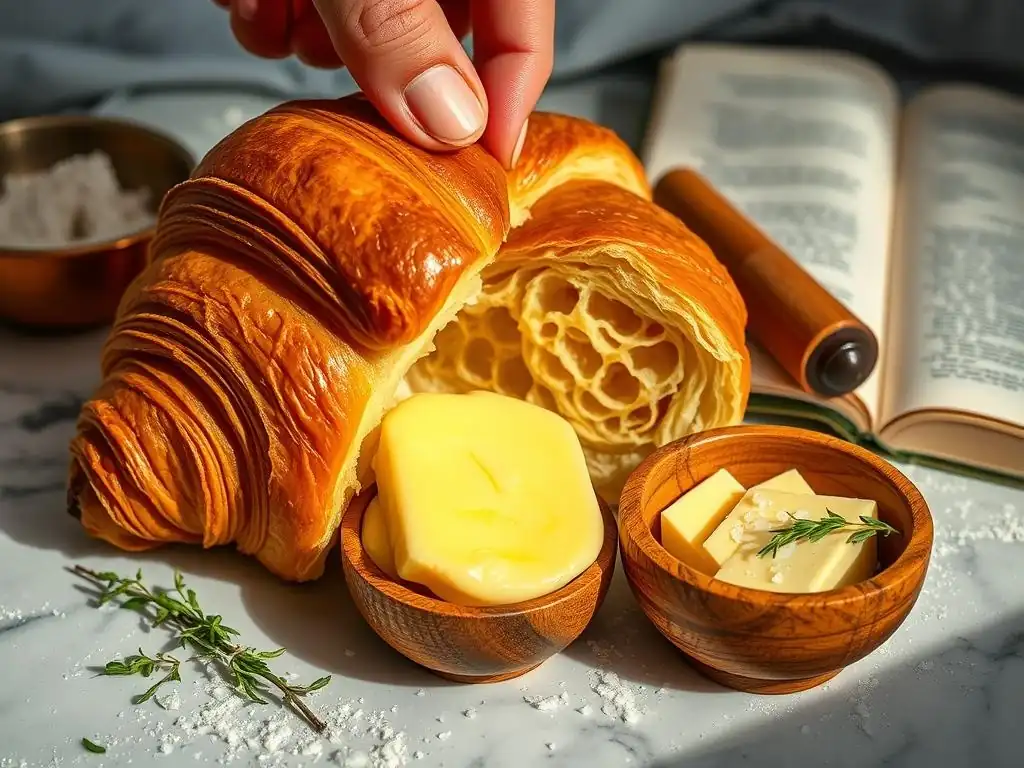
Cultured butter offers a unique flavor dimension that distinguishes it from standard sweet cream butter, making it a fascinating option for best baking butter recipes. Unlike sweet cream butter, which is made directly from fresh cream, cultured butter is produced from cream that has been inoculated with live bacterial cultures, similar to those used in yogurt or buttermilk production. This inoculated cream is allowed to ferment for a period, typically 12 to 24 hours, before being churned into butter.
During this fermentation process, the bacteria consume lactose (milk sugar) and produce lactic acid and other flavor compounds, including diacetyl, which enhances the buttery aroma. This results in butter with a slightly tangy, more complex, and sometimes subtly nutty or cheesy flavor profile compared to the milder taste of sweet cream butter. The culturing process can also slightly alter the butter's texture, sometimes making it firmer. This distinct flavor profile makes cultured butter a contender for the best baking butter when you want to add depth and sophistication to your baked goods.
Baking with Cultured Butter: Flavor Profiles and Recipe Adaptations
Baking with cultured butter introduces a layer of complexity and richness that can elevate simple best baking butter recipes to something truly special. The tangy notes from the fermentation process pair beautifully with certain flavors, particularly those involving fruits, chocolate, or spices. Imagine the difference a cultured butter could make in an apple pie crust, a lemon pound cake, or even chocolate brownies – the subtle tang cuts through sweetness and richness, creating a more balanced and interesting flavor.
While you can often substitute cultured butter 1:1 for unsalted sweet cream butter in most recipes, be mindful of its distinct flavor. It shines brightest in recipes where the butter flavor is a key component, such as shortbread, butter cookies, scones, or simple cakes. For recipes with very delicate flavors, the tang might be too dominant.
Some bakers find that the slightly different texture of cultured butter can also affect creaming or laminating, though its higher fat content (as many cultured butters are European-style) generally benefits flakiness. Experimentation is key to discovering the best baking butter applications for cultured varieties in your own kitchen.
Best Cultured Butter Brands for Baking: Recommendations and Reviews
Several brands offer high-quality cultured butter that can significantly enhance your best baking butter recipes. Vermont Creamery's Cultured Butter is a widely available and highly-regarded option in the US. It has an 82% fat content and a pleasant, noticeable tang that works wonderfully in scones, biscuits, and pastries. Its flavor is clean and bright, providing a lovely contrast in rich baked goods.
Another excellent choice is Plugrá European-Style Butter, which is also cultured and has an 82% fat content. Plugrá is known for its smooth texture and rich, slightly nutty flavor with a subtle tang, making it versatile for both laminated doughs and cakes. For those seeking premium options, brands like Straus Family Creamery Organic European Style Unsalted Butter offer a rich, creamy, and distinctly cultured flavor, though availability might be more limited. When choosing the best baking butter from the cultured category, consider the desired intensity of the tangy flavor and the fat content relative to your recipe's needs.
Plant-Based Butter for Baking: Dairy-Free Delights Without Compromise
The Rise of Vegan Baking: Meeting the Demand for Dairy-Free Options
The demand for vegan and dairy-free baked goods has surged in recent years, driven by dietary restrictions, ethical choices, and environmental concerns. This has led to significant innovation in the world of plant-based baking, particularly in developing substitutes for dairy butter. Achieving the same flaky textures, rich flavors, and tender crumbs without dairy fat has been a challenge, but modern plant-based butters have come a long way, making delicious dairy-free versions of classic best baking butter recipes more accessible than ever.
These plant-based alternatives are formulated using various oils (like coconut, palm, sunflower, or shea) and sometimes nuts (like cashews or almonds), often combined with emulsifiers, flavorings, and colorings to mimic the properties of dairy butter. The goal is to replicate not just the flavor but also the melting point, fat content, and creaming ability of dairy butter, enabling bakers to create everything from flaky pie crusts to moist cakes and chewy cookies without any animal products.
The availability of high-quality plant-based butters means that dairy-free baking no longer requires significant compromise on taste or texture, opening up the world of best baking butter recipes to everyone.
Top Plant-Based Butter Brands for Baking: A Detailed Comparison
Identifying the best baking butter in the plant-based category depends on the recipe, as different brands perform better in specific applications.
- Miyoko's Kitchen Cultured Vegan Butter: Often hailed as a top-tier dairy-free option, Miyoko's is made from organic cashews, coconut oil, and sunflower oil and is cultured like traditional European butter. It boasts a rich, tangy flavor and a fat content around 85%, making it excellent for recipes where butter flavor and flakiness are key, such as croissants, biscuits, and butter cookies. It creams well and provides a tender crumb in cakes, though its price point is typically higher. It's a strong contender for replacing high-quality dairy butter in best baking butter recipes.
- Earth Balance Vegan Butter Sticks: This is one of the most widely available and versatile plant-based butters. Made from a blend of palm, soybean, canola, and olive oils, it has a fat content similar to American dairy butter (around 80%). Earth Balance performs reliably in a wide range of recipes, from cookies and muffins to pie crusts. It creams well and is a dependable substitute for dairy butter in many standard best baking butter recipes, though its flavor is more neutral than Miyoko's.
- Melt Organic Vegan Butter: Made from a blend of coconut oil, shea butter, and sunflower oil, Melt Organic offers a good balance of flavor and performance. It's particularly noted for melting and browning similarly to dairy butter, making it suitable for applications like sauces or frostings, in addition to baking. It works well in cookies and cakes, providing moisture and a pleasant texture. While maybe not as flaky as Miyoko's for laminated doughs, it's a solid choice for many best baking butter recipes.
Baking Tips for Using Plant-Based Butter: Achieving Optimal Texture and Flavor
Using plant-based butter in your best baking butter recipes often requires a few adjustments to achieve optimal results. One key consideration is the fat blend; different brands use different oils with varying melting points. Coconut oil-based butters, like Miyoko's or Melt, tend to be firmer when cold and melt differently than butters relying heavily on softer oils. Ensure your plant-based butter is at the correct temperature specified by the recipe (e.g., cold for pie crusts, softened for creaming) as its behavior might differ slightly from dairy butter.
Some plant-based butters contain slightly more moisture than dairy butter, which could affect the final texture, particularly in delicate items like shortbread. If a recipe seems too wet, you might need a touch more flour. For recipes relying on butter's ability to crisp or brown, choose brands known for good browning properties. Finally, consider the flavor profile; cultured vegan butters offer more depth than neutral blends, which can impact the overall taste of your best baking butter recipes. Reading reviews and experimenting with different brands for different applications is the best way to find your preferred plant-based butter.
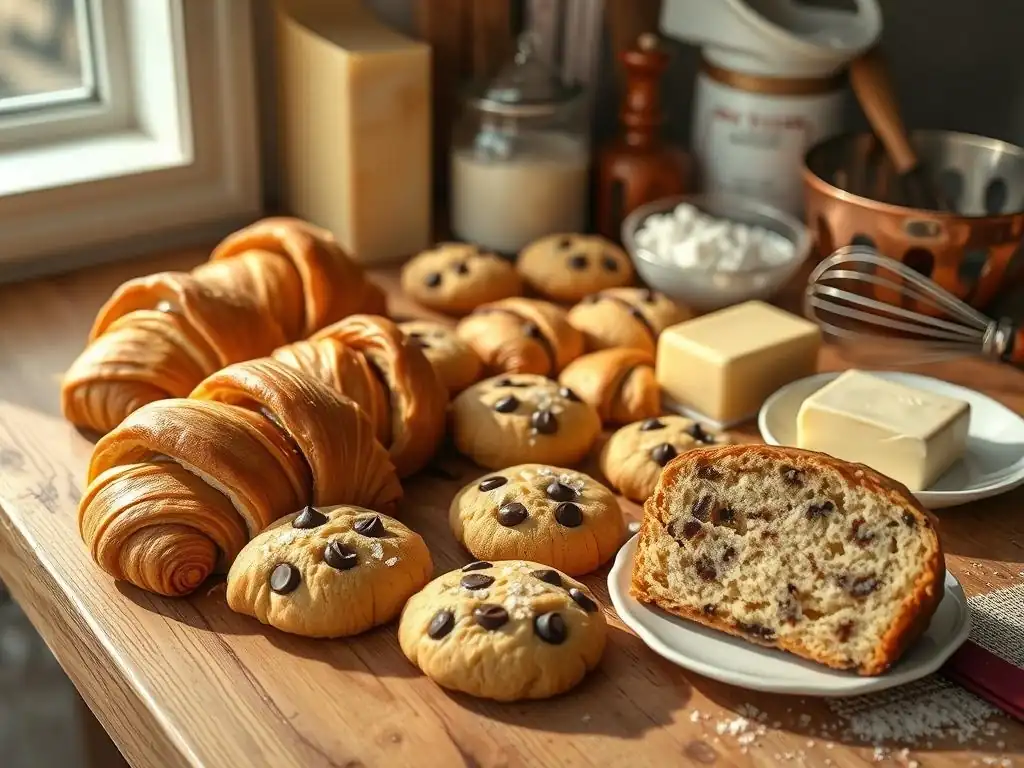
Classic chocolate chip cookies are a perfect vehicle to showcase the reliability and balanced performance of Land O'Lakes Unsalted Butter, a staple in many best baking butter recipes. Using softened unsalted Land O'Lakes butter allows for excellent creaming with sugar, which is crucial for incorporating air and achieving the right cookie texture – a slightly crisp edge and a chewy center. Its 80% fat content contributes to a good spread without making the cookies greasy, and its neutral flavor lets the brown sugar, vanilla, and chocolate chips shine.
In a standard recipe using 1 cup (2 sticks or 227g) of softened unsalted Land O'Lakes butter creamed with 3/4 cup granulated sugar and 3/4 cup packed brown sugar, the resulting dough has the ideal consistency for portioning. Baked at 375°F (190°C) for 10-12 minutes, these cookies consistently achieve a beautiful golden-brown color and a satisfying texture. The consistent fat and water ratio of Land O'Lakes ensures predictable results batch after batch, making it a reliable choice for this beloved classic among best baking butter recipes.
Flaky Croissants: Achieving Perfection with Kerrygold Irish Butter
Achieving truly flaky croissants, a pinnacle of pastry, requires a butter with high fat content and pliability, making Kerrygold Irish Butter an exceptional choice for this type of best baking butter recipe. Kerrygold's 82% fat content and relatively high melting point mean it stays solid longer during the crucial lamination process, where layers of dough and butter are folded and rolled repeatedly. This creates distinct butter layers that melt into steam pockets in the oven, yielding hundreds of airy, flaky layers.
Working with cold, pliable Kerrygold butter is key. For a batch yielding about 12 croissants, typically involving incorporating 1 cup (227g) of cold, flattened Kerrygold butter into a detrempe (basic dough) made with about 2 cups (240g) flour, 1/2 cup (120ml) milk, and a little sugar, yeast, and salt.
The butter block is enclosed in the dough, and the package is rolled and folded multiple times (e.g., three "single" folds or two "double" folds), with chilling periods in between. The high quality and fat percentage of Kerrygold ensure the butter layers remain separate and create maximum lift and flakiness during baking, making it a top contender for the best baking butter for laminated doughs.
Tangy Scones: Elevating Your Baking with Vermont Creamery Cultured Butter
Scones benefit beautifully from the rich flavor and slight tang of cultured butter, making Vermont Creamery Cultured Butter an excellent choice for elevating this classic best baking butter recipe. The tanginess of the cultured butter provides a lovely counterpoint to the sweetness and richness of the scone itself, adding a layer of complexity. Furthermore, Vermont Creamery's 82% fat content contributes to a tender crumb and helps create flaky layers when the cold butter is cut into the dry ingredients.
In a typical scone recipe using 2 cups (240g) flour, a few tablespoons of sugar, baking powder, and salt, cutting in 1/2 cup (1 stick or 113g) of cold, cubed Vermont Creamery Cultured Butter until the mixture resembles coarse crumbs is essential. This ensures pockets of butter remain intact. Adding about 3/4 cup (180ml) of cream or buttermilk brings the dough together gently.
Baking at around 400°F (200°C) allows the butter to melt and steam rapidly, contributing to a good rise and a flaky texture. The distinctive flavor of the cultured butter makes these scones stand out among standard best baking butter recipes.
Vegan Chocolate Cake: A Dairy-Free Masterpiece with Miyoko's Kitchen Butter
Creating a moist, rich, and flavorful vegan chocolate cake that rivals its dairy counterpart is possible with high-quality plant-based butter like Miyoko's Kitchen Cultured Vegan Butter, making it a star in dairy-free best baking butter recipes. Miyoko's cultured flavor adds depth that complements the chocolate beautifully, preventing the cake from tasting flat, which can sometimes happen in vegan baking. Its fat content (around 85%) and composition also contribute significantly to moisture and tenderness.
In a recipe calling for 1 cup (2 sticks or 227g) of softened vegan butter, creaming Miyoko's with sugar incorporates air effectively, contributing to the cake's structure. When combined with cocoa powder, flour, plant-based milk (like almond or soy), and leavening agents, Miyoko's provides the necessary fat to create a tender crumb.
Baked at a moderate temperature, the cake achieves a rich color and a moist texture that's often challenging to achieve in dairy-free baking. Miyoko's ability to mimic dairy butter's performance and flavor makes it arguably the best baking butter for crafting indulgent vegan treats like this chocolate cake.
Storing Baking Butter: Keeping Your Butter Fresh and Delicious
Proper Storage Techniques: Refrigeration, Freezing, and Beyond
Proper storage is crucial for maintaining the quality, flavor, and performance of your best baking butter. Butter is highly susceptible to absorbing odors and flavors from its surroundings, and its fats can become rancid over time when exposed to light, air, and heat. For short-term storage (a few weeks), butter should be kept tightly wrapped in its original packaging or placed in an airtight container in the coldest part of your refrigerator, away from strong-smelling foods like onions or garlic. The standard recommendation is to store butter in the fridge at 35-40°F (2-4°C).
For longer-term storage, freezing is the most effective method. Properly wrapped, butter can be frozen for six months to a year without significant loss of quality, making it easy to stock up on your best baking butter when it's on sale. Wrap the butter tightly in plastic wrap or foil, then place it in a freezer-safe bag or container to prevent freezer burn and odor absorption. Thaw frozen butter in the refrigerator for 24-48 hours before using it in recipes, especially those requiring softened butter for creaming.
Signs of Spoilage: How to Tell if Your Butter Has Gone Bad
Knowing how to identify spoiled butter is important to ensure the quality of your best baking butter recipes. The most obvious sign of spoilage is a change in smell and taste. Fresh butter has a clean, mild, creamy aroma and flavor. Spoiled butter will develop an off-odor, often described as sour, cheesy, or rancid. Tasting a small amount will confirm if it has a sharp, unpleasant, or soapy flavor. Even if it doesn't smell strongly rancid, a noticeably "off" taste indicates it's past its prime for baking.
Physical changes can also indicate spoilage. While slight yellowing on the surface exposed to air is normal (oxidation), significant discoloration, particularly uneven or dark yellow patches, can be a bad sign. Mold growth, appearing as fuzzy or discolored spots, is a clear indicator that the butter is spoiled and should be discarded. Even if only a small area appears moldy, the mold spores and off-flavors can permeate the entire stick. Using spoiled butter will negatively impact the flavor of your baked goods, making it essential to start with the freshest best baking butter.
Extending the Shelf Life of Your Baking Butter: Tips and Tricks
Maximizing the shelf life of your best baking butter involves minimizing its exposure to the elements that cause spoilage: air, light, heat, and odors. Always store butter in its original, airtight packaging.
If the packaging is damaged or opened, rewrap the butter tightly in plastic wrap or aluminum foil, pressing out as much air as possible, before placing it in an additional airtight container in the refrigerator or freezer. Using a butter dish with a lid in the refrigerator is good for small amounts used frequently, but for longer storage, the original wrapper and an extra layer of protection are better.
Avoid storing butter in the refrigerator door, as the temperature fluctuates more there than in the main body of the fridge. If you buy butter in bulk, freeze what you won't use within a few weeks, following proper freezing techniques. Labeling frozen butter with the date will help you keep track of its age. By following these simple storage tips, you can ensure your best baking butter remains fresh and ready to deliver delicious results whenever you're ready to bake.
Frequently Asked Questions
What types of butter are best for baking, according to BakeWithEase?
BakeWithEase recommends using European-style butter for its higher fat content, leading to flakier and more tender baked goods. They also suggest considering clarified butter (ghee) for specific recipes.
Does BakeWithEase provide any specific techniques for using butter in baking?
Yes, BakeWithEase emphasizes the importance of butter temperature, advising to use softened butter for creaming and cold butter for pastry to achieve optimal texture. They also highlight techniques like cutting butter into flour correctly.
Are there any recipes specifically featured on BakeWithEase that showcase the "best baking butter"?
While not explicitly labeled that way, many recipes on BakeWithEase utilize butter prominently. Look for recipes involving pastries, pie crusts, and rich cakes as they often benefit most from high-quality butter.
How does BakeWithEase help beginners choose the right butter for their baking projects?
BakeWithEase offers simple explanations of different butter types and their characteristics. They also provide recipe-specific recommendations to guide beginners in selecting the most suitable butter for each task.
Why does BakeWithEase consider certain butters "best" for baking?
BakeWithEase focuses on butters that contribute significantly to the texture and flavor of baked goods. This often means butters with high fat content and quality ingredients, resulting in superior results.
Final Reflection: The Golden Ratio of Butter and Baking
The perfect bake hinges on more than just the recipe; it's a delicate dance between ingredients, technique, and the unwavering quality of your butter. Choosing the right butter isn't just about preference; it's the cornerstone of achieving that flaky pastry, that tender cake, that rich, melt-in-your-mouth cookie. This exploration into the world of baking butters highlights the profound impact a seemingly simple ingredient can have on the final product.
The journey through various butter types, from cultured to unsalted, has underscored the deep connection between food production and the sensory experience of baking. The subtle nuances in flavor and texture, often overlooked, become profoundly apparent when you understand the source and composition of your butter. The best things in life are simple, but not easy.
This quote perfectly encapsulates the effort and attention to detail required to achieve baking excellence, starting with the selection of the right butter. The subtle differences in each butter type, as explored in this article, are a testament to this principle.
Now, consider your own baking journey. What have you learned about the importance of ingredient selection? Are you ready to elevate your baking game by consciously choosing the butter that best suits your recipe and desired outcome? I encourage you to experiment, to explore the subtle differences, and to discover the unique magic that the right butter can bring to your creations. The journey to perfect baking is a continuous one, and the choice of butter is a crucial step along the way.
Unlock Your Baking Potential: Butter Up!
Thanks for taking the time to explore the world of baking butters with us! We hope you now feel confident in choosing the perfect butter for your next baking masterpiece. Ready to put your newfound knowledge into practice?
- Bake your dream recipe: Choose your favorite recipe (or try a new one! ), select the butter we recommended, and get baking! We'd love to see your results!
- Share your butter wisdom: Spread the delicious knowledge! Share this article with fellow baking enthusiasts on your favorite social media platform.
- Explore our butter guide: Dive deeper into the world of butter types by exploring our extensive Butter Guide on our website (bakewithease.com - not a real link, for demonstration purposes only). You might just discover your new favorite!
What unique butter-based recipe will you conquer next?