
From Cakes to Crusts: The Definitive Guide to Choosing Your Baking Butter

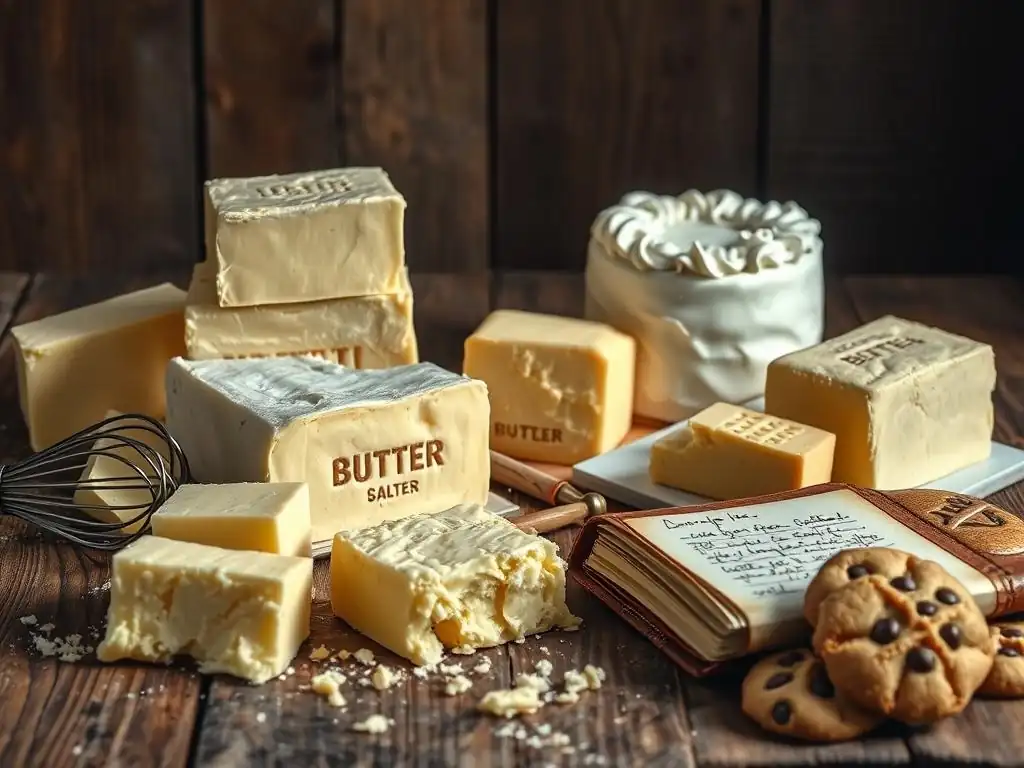
Welcome to BakeWithEase, your haven for unlocking baking brilliance! Ever wondered what truly elevates a cake from ordinary to extraordinary? The secret, more often than not, lies in the butter. Join us as we delve into the world of premium baking ingredients and uncover the definitive guide to choosing the best butter for baking cakes. Prepare to be amazed by the impact of this simple ingredient and discover how to transform your baking forever... Intrigued? Let's get started!
- Understanding Baking Fats: Choosing the Right One for Your Needs
- Best Fats for Baking Cookies: A Comprehensive Comparison
- Taste Test & Comparison: Top Baking Fats Reviewed
- Choosing the Right Fat for Specific Baking Projects
- Maximizing Flavor: Techniques for Using Fats Effectively
- Where to Buy the Best Baking Fats: Online and In-Store Options
- Conclusion: Mastering the Art of Baking with the Perfect Fat
-
Frequently Asked Questions
- What is the best type of butter to use when baking cakes?
- Why is unsalted butter often recommended over salted butter for cakes?
- Does the fat content of butter affect the texture of my cakes?
- Can I use margarine or other butter substitutes when baking cakes?
- How does butter temperature affect the outcome of my cake batter?
- Final Reflection: The Sweet Science of Butter Selection
- Unlock Your Baking Potential: Butter Up!
Understanding Baking Fats: Choosing the Right One for Your Needs
The Crucial Role of Fat in Baking: Flavor, Texture, and Structure
Fat is not just an ingredient in baking; it's a fundamental building block that dictates the final outcome of your creation. It plays a crucial role in developing flavor, influencing texture, and contributing significantly to the structure of baked goods. Without fat, cakes would be dry and tough, cookies wouldn't spread or have that satisfying chew, and pastries would lack flakiness. Different fats bring distinct flavors – butter offers a rich, creamy taste, while olive oil imparts a fruity or peppery note. This flavor contribution is paramount, transforming simple flour, sugar, and eggs into something truly delicious.
Beyond flavor, fat is a master of texture. It coats flour particles, inhibiting gluten development, which is essential for tender cakes and biscuits. In cookies, fat melts during baking, causing spread and contributing to either a crisp or chewy texture depending on the fat type and temperature.
For flaky pastries and pie crusts, solid pieces of cold fat melt in the oven, creating steam pockets that push layers apart. The structure is also impacted; fat helps to create a stable emulsion in batters, contributing to a fine crumb, and in creaming methods, it helps incorporate air, providing lift and tenderness, particularly important when striving for the best butter for baking cakes that rise beautifully.
Beyond Taste: How Fat Impacts Different Baked Goods
The impact of fat extends far beyond just taste; its physical properties dramatically alter the characteristics of various baked goods. Consider cookies: a fat with a lower melting point like butter allows cookies to spread more as it melts quickly in the oven, often resulting in a thinner, crispier edge and a softer center. In contrast, fats with higher melting points, such as shortening, remain solid longer, leading to less spread and a thicker, more uniform cookie. This difference is crucial when targeting a specific cookie texture.
In cakes, the state of the fat is equally important. Using softened butter and creaming it with sugar incorporates air, which is vital for leavening and creating a tender, aerated crumb structure, a hallmark of many classic butter cakes. Liquid fats like oils, however, coat flour particles more thoroughly from the start, leading to a very moist, dense crumb texture, as seen in oil-based cakes like carrot cake.
For pie crusts and biscuits, using cold, solid fat cut into the flour is key. These fat pieces create pockets that steam and expand during baking, separating the layers of dough to produce that desirable flaky texture. Understanding how different fats behave at various temperatures is fundamental to mastering different baking techniques and achieving specific results, whether you're making delicate financiers or robust sourdough.
Unsalted Butter: The Baker's Standard for Control
Unsalted butter is often hailed as the gold standard in cookie baking, and for good reason. Comprising approximately 80-82% fat, about 16-18% water, and 1-2% milk solids, its composition provides a balance that contributes both flavor and structure. Using unsalted butter gives the baker complete control over the salt content in the recipe, allowing for precise seasoning adjustments that can enhance or balance sweetness. Its relatively low melting point, typically around 90-95°F (32-35°C), means it softens and melts readily, contributing to cookie spread during baking.
The milk solids in butter brown during baking, adding depth and nutty notes to the flavor profile, which is particularly desirable in classic recipes like chocolate chip cookies. When creamed with sugar, softened unsalted butter traps air, contributing to leavening and a tender interior crumb. While its water content means it produces a slightly less tender crumb compared to 100% fat shortening, the superior flavor and desirable spread characteristics make unsalted butter the top choice for a vast array of cookie recipes, from simple shortbread to complex layered bars.
Shortening: The Key to Tender Crumbs
Vegetable shortening, often hydrogenated or partially hydrogenated vegetable oil, is a fat composed of nearly 100% fat with virtually no water. This high fat content is its superpower when it comes to creating incredibly tender crumbs. Unlike butter, which contains water that can promote gluten development, shortening's pure fat content effectively coats flour particles, minimizing gluten formation and resulting in a soft, melt-in-your-mouth texture. This makes it particularly effective in recipes where tenderness is paramount, such as pie crusts or certain types of sugar cookies.
Shortening also boasts a higher melting point than butter, typically above 115°F (46°C). This property means it remains solid longer in the oven, limiting cookie spread and helping them maintain their shape and thickness. While shortening provides excellent texture and structure, its primary drawback is a lack of flavor compared to butter.
It is essentially a neutral fat. However, in recipes where other ingredients provide the flavor, or when paired with butter for a combination of flavor and tenderness (like a mix sometimes used for the best butter for baking cakes and cookies), shortening is an invaluable tool for achieving specific textural goals.
Coconut Oil: Adding Tropical Flavor and Moistness
Coconut oil, a plant-based fat extracted from the meat of coconuts, offers a unique profile for cookie baking, especially for those seeking vegan options or a distinct flavor. It's primarily composed of saturated fats, which makes it solid at room temperature (below approximately 76°F or 24°C) but it melts readily at warmer temperatures. This solid-at-room-temp yet melts-easily property can influence texture similarly to butter or shortening depending on its state when used. Virgin coconut oil imparts a noticeable coconut flavor, adding a tropical twist to cookies, while refined coconut oil is largely neutral in taste.
When used in cookies, coconut oil contributes to a moist, tender crumb due to its fat composition. Like shortening, it can help limit spread compared to butter if used in its solid form. However, its specific saturated fatty acid profile, particularly a high percentage of lauric acid, behaves differently than the saturated fats in animal products. Recipes may need slight adjustments to account for its unique melting properties. For vegan bakers or those looking to add subtle flavor notes and moisture, coconut oil is a versatile alternative, offering a different dimension to classic cookie textures and tastes.
Olive Oil: For Savory Bakes and Unique Flavors
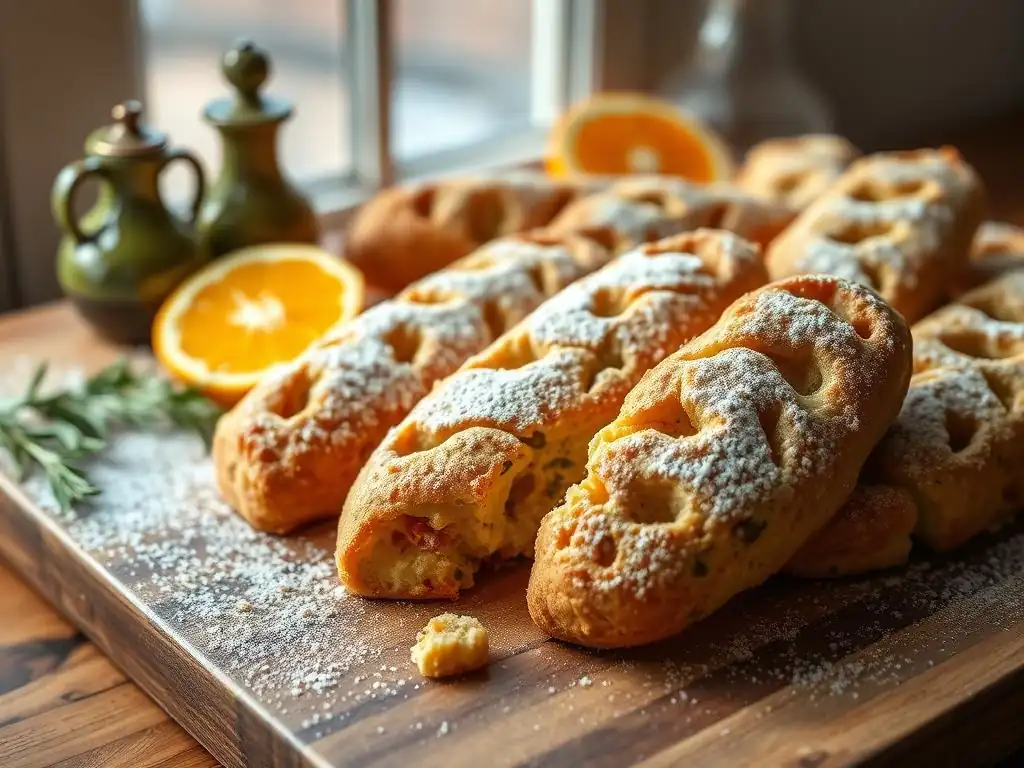
While less common in traditional sweet cookie recipes, olive oil can be an excellent fat choice for savory cookies, crackers, or certain types of rustic sweet bakes. As a liquid fat at room temperature, it behaves very differently from solid fats like butter or shortening. When used in dough, it coats flour particles completely and inhibits gluten development, contributing to tenderness. However, because it's liquid, it doesn't contribute to leavening through creaming or creating steam pockets in the same way solid fats do.
Extra virgin olive oil, with its distinct fruity, peppery, or sometimes bitter notes, imparts a strong flavor that can either complement or overpower other ingredients. It pairs wonderfully with herbs, cheese, or citrus in savory applications. In sweet recipes, it's often used in cakes or quick breads (like a lemon olive oil cake) where its flavor is intended to be prominent and it contributes significant moisture. For cookies, its use is niche, typically reserved for recipes specifically designed to showcase its unique flavor profile, moving away from the classic butter-based cookie expectations towards something more unique and perhaps Mediterranean-inspired.
Nut Butters: Plant-Based Options for Dairy-Free Baking
Nut butters, such as peanut butter, almond butter, or cashew butter, offer intriguing possibilities for dairy-free or vegan cookie baking, bringing both fat and flavor to the mix. Unlike the pure fats discussed previously, nut butters are complex ingredients containing fat, protein, fiber, and natural sugars. Their fat content varies depending on the nut and whether they are natural (oil separates) or processed (stabilized). This combination of components significantly impacts cookie texture and spread.
Using nut butter as the primary fat source typically results in denser, chewier cookies compared to those made with butter or shortening. The protein in nut butters can interact with other ingredients, affecting structure. Natural nut butters, with their separated oil, might require careful mixing to ensure consistent results. However, they excel at providing rich, nutty flavors and can contribute significant moisture. They are the star ingredient in classics like peanut butter cookies and are increasingly used in other recipes to add flavor depth and cater to dietary needs, offering a distinct alternative to traditional fats in baking.
Taste Test & Comparison: Top Baking Fats Reviewed
Unsalted Butter (e.g., Land O'Lakes): A Reliable Everyday Choice
Unsalted butter, often represented by accessible brands like Land O'Lakes in the US or many regional dairies, stands out as a remarkably versatile and reliable fat for the everyday baker. Its widespread availability in grocery stores makes it a convenient choice, and reputable brands generally offer consistent quality, ensuring predictable results from batch to batch.
The primary appeal lies in its rich, creamy flavor, which enhances almost any baked good, from simple sugar cookies to complex layered cakes. When considering the best butter for baking cakes, unsalted butter is consistently at the top of the list for its ability to deliver that classic buttery taste and tender crumb.
However, unsalted butter does have limitations. Its relatively low melting point means it can soften very quickly at room temperature, especially in warm kitchens, which requires careful handling when making things like pie crusts where cold fat is essential.
While excellent for flavor, its higher water content (around 16-18%) compared to shortening (nearly 0%) means it doesn't produce quite the same level of tenderness or flakiness in certain applications. Despite this, for general baking, achieving that desired golden crust on cookies, or creating the base for the best butter for baking cakes, unsalted butter remains an indispensable pantry staple for bakers worldwide.
Pros: Widely available, consistent quality, good flavor.
Cons: Can melt quickly, less stable at high temperatures.
Best For: General baking, cookies, cakes, and everyday recipes.
Vegetable Shortening (e.g., Crisco): Consistent Results and Tenderness
Vegetable shortening, with brands like Crisco being widely recognized, is a powerhouse for achieving specific textures, particularly tenderness and flakiness. Its composition of nearly 100% fat means it is highly effective at inhibiting gluten development, resulting in exceptionally tender baked goods. This makes it the preferred fat for many bakers when making flaky pie crusts or cookies that need to hold their shape with minimal spread. It's also very stable at room temperature, making it easy to work with and store, and it tends to be less expensive than butter.
The main drawback of vegetable shortening is its lack of flavor. It's a neutral fat, contributing texture without the rich taste that butter provides. Some older formulations could also leave a slightly greasy mouthfeel.
While it's excellent for texture, relying solely on shortening can result in baked goods that taste a bit flat compared to those made with butter. For achieving the best butter for baking cakes with maximum flavor, a blend of butter and shortening is sometimes used to combine flavor and tenderness. However, for specific textural needs like producing a very tender cookie or a consistently flaky crust, shortening is an unmatched tool in the baker's arsenal.
Pros: Creates a tender crumb, stable at room temperature, inexpensive.
Cons: Lacks flavor, can leave a greasy mouthfeel.
Best For: Pie crusts, sugar cookies, and recipes requiring a very tender texture.
Refined Coconut Oil: Subtle Flavor and High Smoke Point
Refined coconut oil is a versatile plant-based fat that has gained popularity, particularly in vegan baking. Unlike virgin coconut oil, the refined version has a neutral or very subtle coconut flavor, making it suitable for a wider range of recipes where a strong tropical taste isn't desired. It's solid at cooler room temperatures (below ~76°F/24°C) but melts readily, and its high saturated fat content contributes to a moist and tender crumb in baked goods. This makes it a good substitute for butter or shortening in many recipes, provided its melting point is considered.
One advantage of refined coconut oil is its relatively high smoke point compared to butter, making it suitable for some higher-temperature applications, though this is less critical in standard baking. As a vegan fat, it's essential for egg-free and dairy-free recipes. While it can mimic some of butter's properties when solid, its unique fatty acid profile means it behaves slightly differently, potentially affecting spread or structure in certain complex recipes. It works particularly well in things like granola bars, muffins, and simple cookies where its subtle sweetness and moisture are beneficial, offering a dairy-free path to delicious results.
Pros: Adds a subtle sweetness, vegan-friendly, high smoke point.
Cons: Can impart a coconut flavor, may solidify at cooler temperatures.
Best For: Vegan baking, granola bars, and recipes where a subtle tropical flavor is desired.
Extra Virgin Olive Oil: Adds Depth and Complexity
Extra virgin olive oil (EVOO) is a liquid fat known for its distinctive flavor and health benefits. While perhaps not the first fat that comes to mind for cookies, it's a star in many Mediterranean-inspired baked goods, including certain cakes and savory biscuits. Its flavor profile varies greatly depending on the olives and processing, ranging from mild and fruity to peppery and robust. This strong flavor is its defining characteristic and its primary contribution to baking, adding depth and complexity that other fats cannot.
Because EVOO is liquid at room temperature, it interacts differently with flour than solid fats. It coats gluten strands very effectively, leading to a tender crumb, but it doesn't contribute to leavening in the same way that creaming solid butter does.
Its use is best reserved for recipes specifically developed for liquid fats, such as certain types of muffins, quick breads, and cakes where its flavor is intended to be a prominent feature, like an orange olive oil cake. While not suitable for achieving the flaky layers of a pie crust or the specific spread of a classic chocolate chip cookie, EVOO offers a unique avenue for exploring different flavor dimensions in baking.
Pros: Adds a unique flavor profile, healthier option, high in antioxidants.
Cons: Strong flavor can overpower some recipes, not suitable for all baked goods.
Best For: Savory cookies, breads, and cakes with robust flavors.
Choosing the Right Fat for Specific Baking Projects
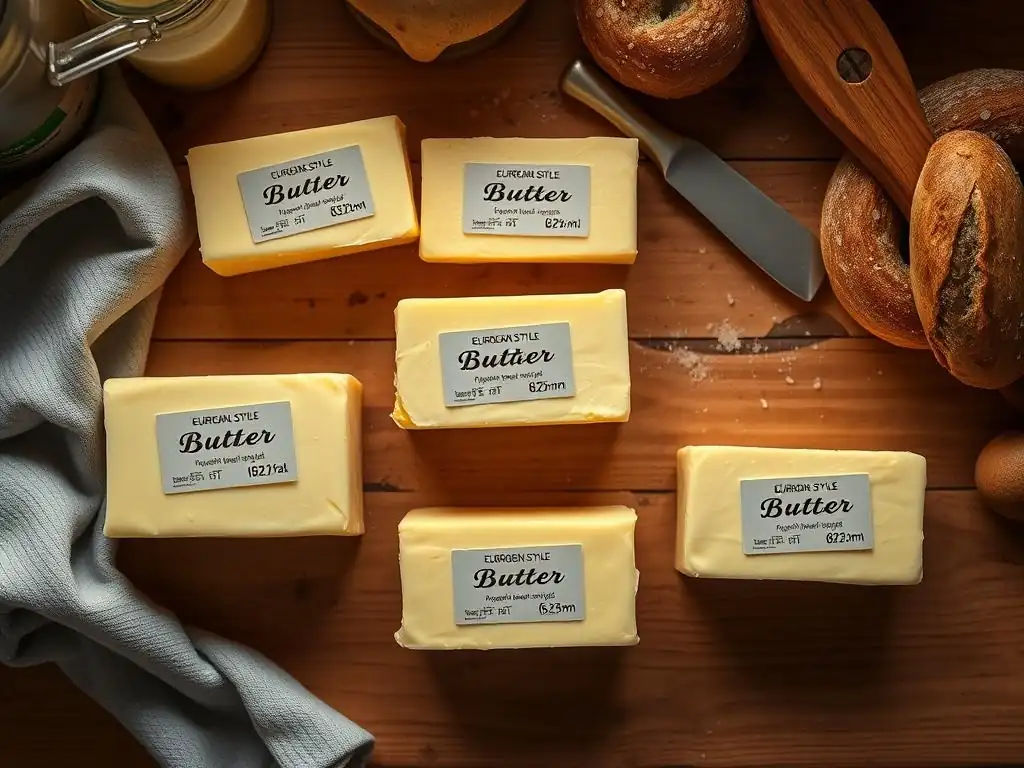
Choosing the right fat for cookies is paramount to achieving the desired texture, whether you crave a thin, crisp cookie with a chewy center or a thick, soft one that holds its shape. Unsalted butter is arguably the most popular choice for classic cookies like chocolate chip because its melting point allows for controlled spread, while its milk solids contribute rich flavor and encourage browning for those coveted golden edges.
Using softened butter and creaming it with sugar also incorporates air, leading to a slightly lighter texture. For recipes like shortbread, butter's flavor is indispensable and its relatively low water content (compared to margarine) helps create a tender snap.
For cookies where minimal spread and maximum tenderness are desired, such as cut-out sugar cookies or snickerdoodles, vegetable shortening is an excellent alternative or addition. Its high melting point keeps cookies from spreading too much, and its 100% fat content ensures a very tender crumb.
Some bakers use a combination of butter and shortening to get the best of both worlds: the flavor of butter and the controlled spread and tenderness of shortening. For vegan options, refined coconut oil can mimic some of butter's properties when solid, offering a tender crumb and controlled spread with the added benefit of being plant-based.
Best Fat for Cakes: Creating Moist and Tender Crumb
When it comes to creating moist and tender cakes, the choice of fat significantly influences the final outcome. For many classic cakes, particularly those made using the creaming method (like pound cake or vanilla layer cake), butter is often considered the best fat. Unsalted butter not only imparts a rich, delicious flavor but also, when properly creamed with sugar, incorporates air bubbles that are crucial for leavening and creating a fine, tender crumb structure.
The moisture from the butter also contributes to a pleasant mouthfeel. Achieving the best butter for baking cakes often hinges on using quality butter at the correct temperature for creaming.
Alternatively, liquid fats like vegetable oil are frequently used in cakes such as carrot cake, zucchini bread, and some chocolate cakes. Oil coats flour particles more thoroughly than solid fats, inhibiting gluten development very effectively and resulting in an incredibly moist and tender crumb that stays soft longer. While oil-based cakes are often moister, they can sometimes lack the flavor complexity that butter provides and may have a slightly denser texture as they don't rely on creaming for aeration.
Some recipes combine butter and oil to get the benefit of butter flavor and oil's moisture. Ultimately, the "best butter for baking cakes" or indeed the best fat depends on the desired flavor profile and texture – whether a light, airy butter cake or a dense, moist oil cake.
Best Fat for Pie Crusts: Creating Flaky, Tender Layers
Achieving a flaky, tender pie crust is a hallmark of skilled baking, and it fundamentally relies on using cold, solid fat. The most traditional and often favored fats for pie crusts are butter, shortening, or a combination of the two, and sometimes lard. The key is to cut the solid fat into the flour until it resembles coarse crumbs with some pea-sized pieces. These pieces of fat remain solid in the dough until they hit the hot oven.
As the fat melts, the water content within it turns to steam (butter has ~16-18% water, lard has ~1%). This steam expands, pushing apart the layers of dough created during rolling and folding, resulting in those desirable flaky layers. Shortening and lard, being 100% fat or nearly so, have higher melting points and contribute to tenderness by inhibiting gluten exceptionally well, often resulting in a more consistently flaky crust than butter alone, especially for beginners.
However, butter contributes superior flavor. Many bakers find the best pie crust results come from a blend – using shortening for tenderness and flakiness, and butter for flavor. Keeping all ingredients, including the fat and water, very cold throughout the process is critical regardless of the fat chosen.
Best Fat for Bread: Enhancing Flavor and Softness
While many lean breads like baguettes or sourdough contain no added fat beyond what's naturally in the flour, enriched breads benefit significantly from the addition of fat. Fat in bread dough serves multiple purposes: it tenderizes the crumb, adds flavor, helps the bread stay fresh longer, and improves the crust color. Butter is a popular choice for enriched breads like challah, brioche, or dinner rolls. It imparts a rich, milky flavor and contributes to a soft, fine crumb. About 2-4 tablespoons of softened butter per loaf can make a noticeable difference in texture and flavor.
Other fats like olive oil or vegetable oil are also commonly used, especially in recipes like focaccia or sandwich breads. Liquid oils blend easily into the dough and are very effective at coating gluten strands, leading to a softer crumb structure. Olive oil, particularly extra virgin, adds a distinct flavor that works well in savory or rustic breads.
Lard or shortening can also be used, contributing tenderness and sometimes a unique flavor depending on the type. The amount of fat used varies, but even a small percentage (2-5% of flour weight) can noticeably improve the bread's texture and shelf life, making the crumb softer and less prone to staling quickly.
Maximizing Flavor: Techniques for Using Fats Effectively
Browning Butter (Beurre Noisette): Adding Nutty Depth to Your Bakes
Browning butter, also known as making beurre noisette (hazelnut butter) in French, is a simple technique that dramatically enhances the flavor of butter, adding a rich, nutty, and toasted dimension to baked goods. This process involves gently melting unsalted butter over medium heat and continuing to cook it past the melting point. As the water evaporates, the milk solids in the butter separate and sink to the bottom of the pan. Continuing to heat allows these milk solids to toast and brown, releasing complex aromatic compounds.
The key is to watch it carefully, swirling the pan occasionally, until the milk solids turn a deep golden-brown color and the butter emits a fragrant, nutty aroma. Once browned, immediately remove it from the heat and transfer it to a heatproof bowl to stop the cooking process.
Using browned butter instead of softened or melted butter in recipes like chocolate chip cookies, brownies, or even certain cakes (especially where the best butter for baking cakes is desired for maximum flavor) adds an incredible depth of flavor that elevates the final product from good to extraordinary. Remember that browning butter reduces its volume slightly as water evaporates, so measure the butter before browning.
Creaming Butter and Sugar: Achieving a Light and Airy Texture
The creaming method is a fundamental technique in baking, particularly for cakes and cookies where a light, airy texture is desired. It involves beating softened solid fat, most commonly unsalted butter (especially when aiming for the best butter for baking cakes with a tender crumb), with sugar until the mixture becomes pale, fluffy, and significantly increased in volume. During this process, the sharp edges of the sugar crystals cut into the softened butter, creating tiny air pockets. As the mixer continues to beat, more air is incorporated and trapped within the network of fat and sugar.
This trapped air is a critical form of leavening. During baking, these air pockets expand, contributing to the rise and creating a tender, open crumb structure in cakes and a pleasant texture in cookies. Proper creaming takes time – typically 3-5 minutes at medium speed with softened butter.
The butter should be soft enough to cream easily (around 65-68°F or 18-20°C), but not melted, as melted fat cannot trap air effectively. This technique is indispensable for achieving that classic, light texture in butter-based cakes and cookies, showcasing why the state and temperature of the fat are just as important as the fat itself.
Cold Fat vs. Softened Fat: Understanding the Impact on Texture
The temperature of your fat when you add it to your dry ingredients profoundly impacts the final texture of your baked goods. Using cold, solid fat, cut into pieces and then cut into the flour (as in recipes for pie crusts, biscuits, or scones), is essential for creating flakiness. The cold fat pieces remain intact within the dough until baking.
As the dough heats in the oven, the fat melts slowly, and any water in the fat turns to steam, creating pockets that push the dough layers apart, resulting in a flaky texture. Examples include using cold butter or shortening cut into flour for a tender, layered pie crust.
In contrast, using softened fat, typically butter at cool room temperature (around 65-68°F), is crucial for the creaming method used in many cake and cookie recipes. Softened butter is pliable enough to incorporate sugar and trap air efficiently when beaten, providing leavening and contributing to a tender, aerated crumb.
If the butter is too cold, it won't cream properly; if it's too warm or melted, it won't hold the air. Understanding when to use cold fat for flakiness and when to use softened fat for creaming and tenderness is a key skill in mastering baking techniques and achieving predictable, desirable results.
Where to Buy the Best Baking Fats: Online and In-Store Options
Online Retailers: Convenient Access to Specialized Fats
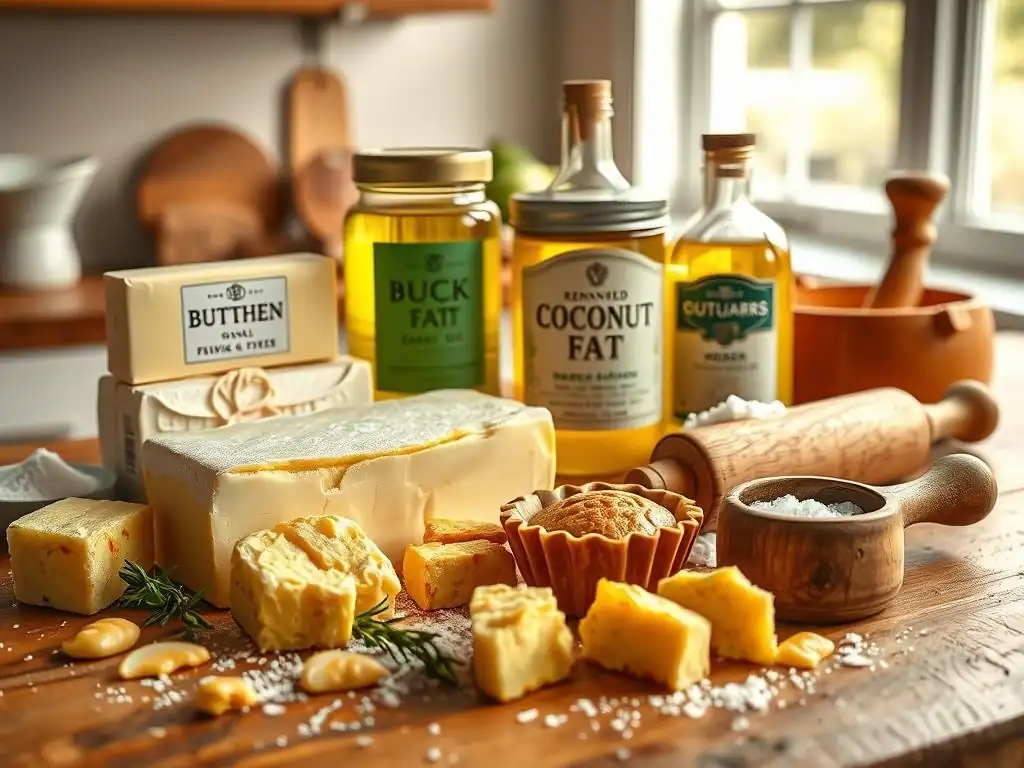
Shopping for baking fats online offers unparalleled convenience and access to a wider variety of products than typically found in local stores. Large online marketplaces provide a vast selection of standard and specialty fats, including European-style butters with higher fat content (often 82-84% fat vs. 80% in standard US butter), organic options, and various types of shortening or oils not readily available everywhere.
Specialty baking supply websites often stock unique fats like leaf lard, specific rendered fats, or high-quality artisan butters that can significantly elevate certain recipes, particularly when seeking the best butter for baking cakes or pastries that require specific fat characteristics.
Buying in bulk is also often an option online, which can be cost-effective for frequent bakers, though storage needs must be considered. While you miss the immediate gratification of an in-store purchase and must factor in shipping costs and times, the ability to source specific fats for particular recipes or dietary needs makes online retailers an invaluable resource for bakers looking to experiment or consistently use high-quality ingredients. Reviews and product details online can also help in selecting the right fat for your project.
Local Grocery Stores: Exploring Regional and Artisan Options
Local grocery stores are the most accessible source for baking fats and offer a variety of everyday options. You'll readily find standard unsalted butter from major national brands (like Land O'Lakes, Kerrygold, or store brands), vegetable shortening (such as Crisco), and various cooking oils (vegetable, canola, olive oil). While the selection might be less specialized than online, many grocery stores now carry a range of butters, including some imported or regionally produced options, which can offer different flavors and fat contents. Checking the dairy aisle for different butter types is always a good first step.
Beyond the standard offerings, exploring local or regional grocery chains, farmer's markets, or even smaller independent stores can sometimes uncover hidden gems. These may carry butter from local dairies with unique flavor profiles influenced by regional pastures, or perhaps artisan-rendered fats like lard or tallow from local farms. While you might not find every obscure fat, your local store is the backbone of your baking pantry, providing the reliable staples needed for most recipes, including readily available options when you need the best butter for baking cakes or everyday cookies.
Specialty Food Stores: Finding Unique and Hard-to-Find Varieties
For bakers on a quest for specific or premium fats, specialty food stores, gourmet shops, or even cheese shops can be treasure troves. These establishments often curate a selection of high-quality ingredients that go beyond the standard grocery store fare. Here, you are more likely to find European-style butters with higher butterfat content, which are prized by pastry chefs for their flavor and performance in laminated doughs and rich cakes. Brands like Plugrá, Kerrygold (widely available but often found here), or specific French or Italian butters are common finds.
These stores might also carry artisanal rendered fats like high-quality leaf lard (considered superior for pie crusts), duck fat, or other unique animal fats. They can also be a source for less common oils or specialized shortenings.
While prices may be higher than a standard grocery store, the quality and unique characteristics of the fats found in specialty stores can significantly impact the flavor and texture of your baked goods, making them worth seeking out for special projects or when trying to replicate professional results, particularly when the goal is to use the absolute best butter for baking cakes or achieving superior pastry layers.
Conclusion: Mastering the Art of Baking with the Perfect Fat
Experimenting with Different Fats: Discovering Your Personal Preferences
Embarking on the journey of understanding baking fats is an exciting step towards mastering the art of baking. Each fat – from humble unsalted butter, often considered the best butter for baking cakes, to the less conventional olive oil – brings its own set of properties to the table, influencing everything from how your cookies spread to how tender your cake crumb is. While recipes provide guidance, the true magic often lies in experimentation. Try baking the same cookie recipe using only butter, then only shortening, and finally a 50/50 blend. Note the differences in texture, spread, and flavor.
Similarly, compare a butter-based vanilla cake with an oil-based one. Pay attention to moisture levels and crumb structure. Don't be afraid to try substituting fats where appropriate, keeping in mind the fat's state (solid vs. liquid) and flavor profile. Perhaps swap refined coconut oil into a recipe calling for shortening for a vegan twist, or try browning your butter for your next batch of brownies. These hands-on comparisons are invaluable for developing your intuition as a baker and discovering which fats you prefer for specific outcomes, ultimately leading you to consistently bake delicious goods tailored to your taste.
Elevating Your Baking: The Importance of Quality Ingredients
As you refine your baking skills, you'll quickly discover that the quality of your ingredients matters immensely, and this is especially true for fats. Using high-quality butter, for instance, particularly one with a good flavor profile and the correct fat percentage for your needs (like a higher fat European butter for rich cakes or flaky pastries), can elevate a simple recipe into something truly exceptional. The flavor of the fat is often a foundational layer upon which other flavors are built.
Investing in good quality unsalted butter when seeking the best butter for baking cakes, or using a reputable brand of vegetable shortening for reliable pie crusts, ensures more consistent and superior results. While it's easy to grab the cheapest option, understanding that fats contribute not just structure but also significant flavor and texture makes a compelling case for choosing the best you can afford and access.
Paying attention to the type and quality of fat you use is a simple yet powerful way to improve your baking, making your creations taste better, look better, and provide that satisfying experience you strive for in every bake.
Frequently Asked Questions
What is the best type of butter to use when baking cakes?
The best butter for baking cakes is often unsalted butter. This allows you to control the amount of salt in your recipe and ensures a consistent flavor profile.
Why is unsalted butter often recommended over salted butter for cakes?
Unsalted butter provides greater control over the salt content, preventing overly salty or inconsistent results. Salted butter varies in salt levels between brands, making it less reliable.
Does the fat content of butter affect the texture of my cakes?
Yes, the fat content significantly impacts texture. Higher fat butter (European-style) often results in richer, more tender cakes due to less water content.
Can I use margarine or other butter substitutes when baking cakes?
While possible, substitutes like margarine can alter the flavor and texture. They often contain more water, potentially leading to a less desirable outcome compared to real butter.
How does butter temperature affect the outcome of my cake batter?
Butter temperature is crucial; softened butter is generally preferred for creaming with sugar. This creates air pockets, resulting in a light and fluffy cake crumb.
Final Reflection: The Sweet Science of Butter Selection
The perfect cake begins with the perfect butter, a seemingly simple truth with profound implications for bakers of all levels. Choosing the right fat isn't just about achieving the ideal texture; it's about unlocking the full potential of your recipe, transforming a simple dessert into a culinary masterpiece. This journey through the world of baking butters has highlighted the subtle yet significant differences between varieties, demonstrating how a seemingly small ingredient choice can dramatically impact the final product.
This exploration has reinforced my own appreciation for the artistry involved in baking. It's not merely a process of following instructions; it's a delicate dance between ingredients, technique, and understanding. The best bakers are those who understand the why, not just the how.
This quote, though not directly about butter, perfectly encapsulates the deeper understanding I've gained through researching and writing this guide. The nuances of butter composition – its fat content, its water content, even its origin – all contribute to the final result, reminding us that even the simplest ingredients hold a wealth of complexity.
Now, armed with this knowledge, I invite you to embark on your own baking adventures. Don't just reach for the first stick of butter you see; consider the type of cake you're making, the desired texture, and the flavor profile you wish to achieve. Experiment, explore, and discover the unique magic that the right butter can bring to your creations. The journey of finding your perfect baking butter is a delicious one, filled with sweet successes and valuable lessons learned along the way. Happy baking!
Unlock Your Baking Potential: Butter Up!
Thanks for taking the time to explore the wonderful world of baking butters with us! We hope you now feel more confident in choosing the perfect fat for your next culinary masterpiece. Ready to put your newfound knowledge into practice?
- Bake a batch of your favorite cookies using your newly chosen butter. See the difference it makes!
- Share your baking triumphs (and maybe even your baking fails!) with us on social media using #BakeWithEaseButter. Let's inspire each other!
- Consider experimenting with different butters in a single recipe – note how the flavor and texture change!
What unexpected flavor will you unleash in your next baking adventure?