
TroubleFree Vanilla: Avoiding Common Mistakes When Baking with Vanilla

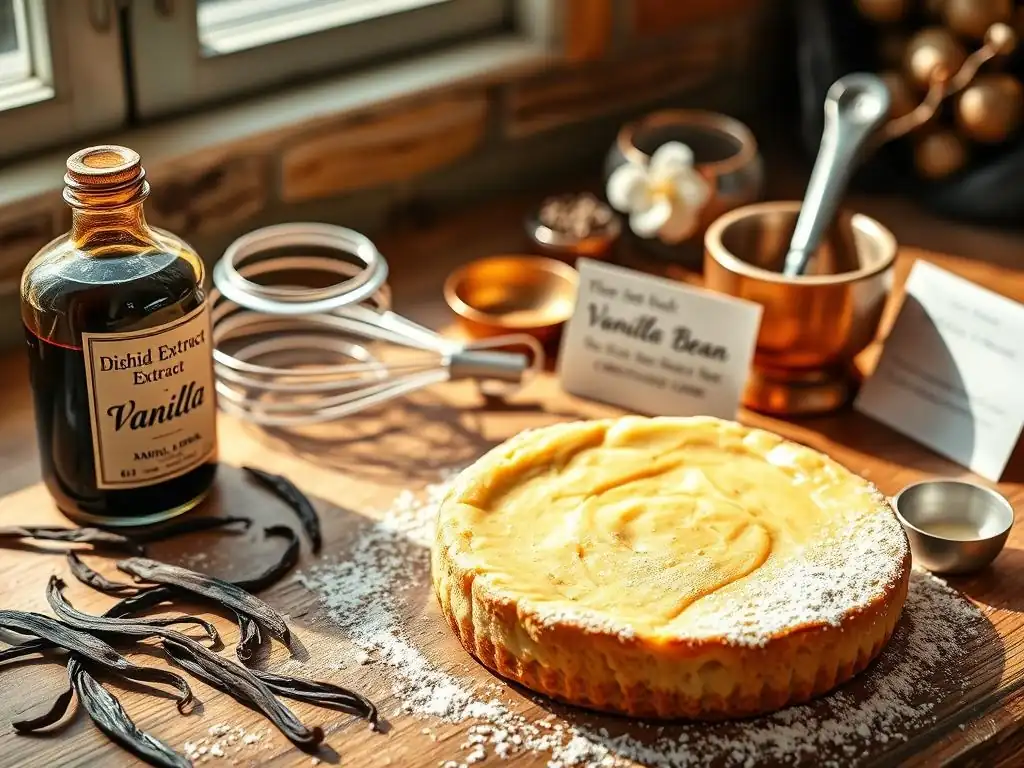
Welcome to BakeWithEase.com, your trusted guide to unlocking baking brilliance!
Ever wonder why your vanilla creations sometimes fall flat? TroubleFree Vanilla baking is within reach! Dive into our guide on avoiding common mistakes when baking with vanilla. We'll reveal secrets to maximizing this premium ingredient's potential, ensuring every bake is a fragrant, flavorful success. Intrigued? Keep reading and say goodbye to vanilla baking woes!
- Mastering Vanilla Baking: A Guide to Avoiding Common Pitfalls
- Troublefree Vanilla Baking Tips: Solutions for Perfect Vanilla Flavor
- Real Cases: Success Stories in Vanilla Baking
- Recommended Vanilla Products for Troublefree Baking
-
Frequently Asked Questions
- What are some common mistakes people make when baking with vanilla?
- How can I ensure my vanilla flavor stands out in my baked goods?
- What is the difference between vanilla extract, vanilla bean paste, and vanilla beans, and when should I use each?
- Can I substitute vanilla extract with something else if I don't have it on hand?
- How should I store vanilla extract to maintain its quality and flavor?
- Final Reflection: The Sweet Science of Trouble-Free Vanilla
- Unlock Your Vanilla Potential: Bake Better Today!
Mastering Vanilla Baking: A Guide to Avoiding Common Pitfalls
Why Vanilla Baking Goes Wrong: Identifying the Root Causes
Baking with vanilla seems simple enough – just measure and add, right? However, achieving that perfectly balanced, rich vanilla flavor can be surprisingly tricky. Often, issues arise from fundamental misunderstandings about vanilla itself, its forms, and how it behaves under heat. Identifying these root causes is the first step towards truly troublefree vanilla baking. It's not just about following a recipe; it's about understanding the ingredient.
Many bakers encounter problems like a weak vanilla flavor that disappears during baking, or conversely, a harsh, artificial taste. These issues typically stem from factors like the quality of the vanilla product used, incorrect measurement leading to imbalanced flavors, or improper handling and storage. Addressing these common pitfalls systematically is key to unlocking the full potential of this beloved ingredient in your baked goods.
- The Impact of Low-Quality Vanilla Extract on Flavor
- Overpowering Flavors: When Vanilla Becomes Too Strong
- Vanilla Extract Evaporation: Maintaining Flavor During Baking
- Storing Vanilla Beans Improperly: Preventing Dryness and Loss of Aroma
Troublefree Vanilla Baking Tips: Solutions for Perfect Vanilla Flavor
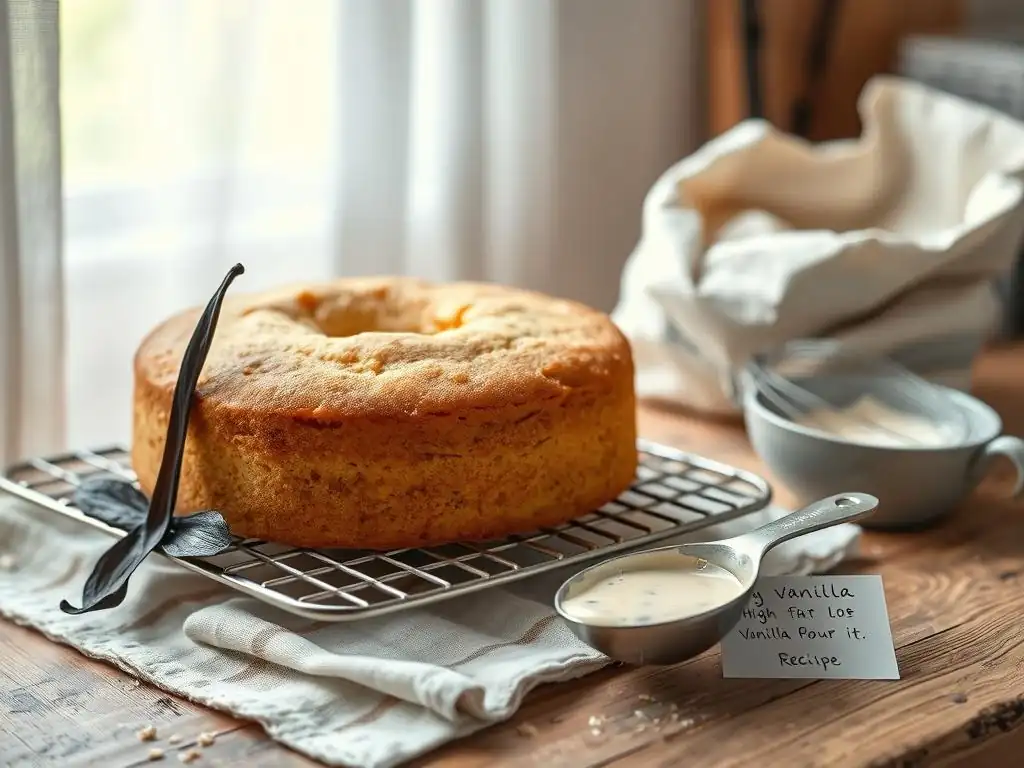
Solution 1: Choosing High-Quality Vanilla Extract for Superior Results
The quality of your vanilla extract is perhaps the single most critical factor in achieving delicious, authentic vanilla flavor in your baking. Cheap extracts often use synthetic vanillin derived from sources like wood pulp or petroleum, mixed with artificial colors and flavors. While they might smell strongly of vanilla initially, this artificial compound lacks the hundreds of subtle flavor notes found in real vanilla beans.
Baking with such extracts often results in a flat, one-dimensional, or even chemical taste that can ruin an otherwise perfect recipe. Investing in a pure vanilla extract made from real vanilla beans and alcohol is essential for a truly rich and complex flavor profile.
High-quality extracts, typically labeled as "Pure Vanilla Extract," are made by percolating or macerating chopped vanilla beans in an alcohol and water solution. This process extracts the natural vanillin and other aromatic compounds from the beans. The origin of the vanilla beans (like Madagascar, Tahitian, or Mexican) also significantly impacts the flavor profile, offering notes ranging from creamy and sweet to fruity and floral.
Understanding these nuances and selecting an extract that matches the desired outcome for your recipe is part of mastering troublefree vanilla baking. A good extract provides depth and longevity to the vanilla flavor, ensuring it shines through in your final product.
- Understanding Vanilla Extract Grades: Grade A vs. Grade B
- Nielsen-Massey Vanilla Extract Review: A Flavorful and Reliable Choice
- The Benefits of Single-Fold vs. Double-Fold Vanilla Extracts
- Consider using Vanilla Bean Paste for a richer, more intense vanilla flavor
Solution 2: Precise Vanilla Measurement for Balanced Flavors
While it might seem counterintuitive, adding too much vanilla extract can actually detract from your baked goods rather than enhancing them. Vanilla, especially high-quality extract, is potent. Over-measurement can lead to a bitter or overwhelming alcohol flavor, masking the other delicate notes in your recipe. Standard recipes are usually calibrated for a balanced flavor profile, and adding 'a little extra' vanilla hoping for a stronger taste often backfires, resulting in an unbalanced or even unpleasant outcome. Achieving troublefree vanilla baking results often hinges on accurate measurement.
Using proper measuring spoons is crucial for precise dosage. Simply pouring from the bottle can easily lead to overshooting the required amount. For instance, a standard cookie recipe calling for 1 teaspoon of vanilla extract typically means a level teaspoon. Using a spoon designed for accurate liquid measurement helps ensure you add just the right amount, allowing the vanilla flavor to complement, not dominate, your other ingredients. For recipes where intense vanilla flavor is desired without adding excess liquid, alternatives like vanilla bean powder or vanilla bean paste can offer a more concentrated and easily controlled dosage.
- How Much Vanilla Extract is Too Much? Finding the Right Balance
- Using Measuring Spoons Accurately: Avoiding Over-Pouring
- Vanilla Bean Powder: A Concentrated Alternative for Precise Dosage
- Example: Balancing Vanilla in Vanilla Bean Cupcakes
Solution 3: Preventing Vanilla Extract Evaporation During Baking
Vanilla extract contains alcohol, which is volatile and evaporates when exposed to heat. If you add vanilla extract at the very beginning of the baking process and bake at high temperatures for an extended period, a significant portion of that precious vanilla flavor can simply evaporate away, leaving your baked goods with a disappointingly weak vanilla note. This is a common issue that many bakers face, wondering why their vanilla flavor isn't as prominent as they hoped. Mastering the timing of vanilla addition is a key troublefree vanilla baking tip.
To preserve the maximum amount of vanilla flavor, consider adding the extract later in the process, such as when adding wet ingredients or even folding it in just before the final mix. For recipes with long baking times or high oven temperatures, techniques like using a water bath can help create a more humid environment in the oven, slightly reducing evaporation. Another effective strategy is using vanilla products less susceptible to heat loss, like vanilla bean paste or vanilla-infused sugar, where the flavor compounds are more bound within the sugar crystals or paste matrix.
- Adding Vanilla Extract at the Right Time: Late-Stage Incorporation
- Sealing Vanilla Flavor In: Baking Temperatures and Techniques
- Using a Water Bath to Maintain Moisture and Prevent Evaporation
- Vanilla Infused Sugar: A subtle and long-lasting vanilla flavor
Solution 4: Proper Vanilla Bean Storage for Optimal Freshness
Vanilla beans are a premium ingredient, prized for their complex and intense aroma. However, they are also delicate and require specific storage conditions to maintain their freshness, pliability, and potent flavor compounds. Exposing vanilla beans to air, light, or fluctuating temperatures will cause them to dry out, becoming brittle and losing their volatile aromatic oils. A dry, scentless vanilla bean will impart minimal flavor to your baking, essentially wasting your investment. Proper storage is fundamental for consistent, troublefree vanilla results when using beans.
The ideal way to store vanilla beans is in an airtight container in a cool, dark place, away from direct sunlight and heat sources like your oven. Glass jars with airtight seals or specialized vacuum-seal bags work well. Avoid refrigerating vanilla beans, as this can introduce excess moisture and potentially lead to mold. If you have a vanilla bean that has become slightly dry, it can often be revived by gently warming it in a liquid called for in your recipe (like milk or cream) before splitting and scraping. This helps rehydrate the pod and release its remaining oils.
- The Ideal Environment for Vanilla Bean Storage: Cool, Dark, and Airtight
- Using OXO Good Grips Airtight Container to Preserve Vanilla Bean Aroma
- Reviving Dry Vanilla Beans: Simple Rehydration Techniques
- Example: How to store vanilla beans after using them
Real Cases: Success Stories in Vanilla Baking
Case 1: From Bitter Brownies to Perfectly Vanilla-Infused Treats
A common complaint among new bakers is that their chocolate baked goods, like brownies, sometimes have a slightly bitter or artificial undertone, even when using vanilla. One baker shared their frustration after multiple attempts at making brownies, each time resulting in a flavor that wasn't quite right. They were using a generic store-brand vanilla extract, adding what seemed like a reasonable amount, but the vanilla flavor was either absent or tasted sharp and chemical.
The solution involved implementing a couple of key troublefree vanilla baking tips. First, they switched to a higher-quality pure vanilla extract, specifically Cook's Vanilla Extract, known for its reliable performance and classic flavor profile. Second, they slightly reduced the quantity used, realizing that a better extract required less volume to achieve the desired flavor intensity. This combination of improved ingredient quality and precise measurement transformed their brownies. The bitterness disappeared, replaced by a subtle, warm vanilla note that perfectly complemented the rich chocolate, proving that sometimes less (of a better ingredient) is more.
- The Problem: Overpowering Vanilla Extract in Brownie Recipe
- The Solution: Switching to Cook's Vanilla Extract and Reducing Quantity
- The Result: Balanced Vanilla Flavor and Delicious Brownies
Case 2: Rescuing a Dry Vanilla Bean: Bringing Back the Aroma
Another baker had purchased premium vanilla beans for a special occasion cake but had forgotten about one bean tucked away in a drawer for several months. When they rediscovered it, the bean was hard, brittle, and seemed to have lost most of its fragrance. Disappointed but unwilling to waste it, they searched for ways to salvage it. This situation highlights the importance of proper storage, but also the possibility of recovery.
The solution was a simple rehydration technique. Following advice, they gently warmed about half a cup of milk (which was needed for the cake recipe anyway) and submerged the dry vanilla bean in it for about 15-20 minutes before splitting it open. The warm milk helped to soften the pod and coax out some of the remaining aromatic oils.
While not as potent as a freshly stored bean, the rehydrated bean regained enough pliability and aroma to be scraped and used successfully in the cake batter. The resulting cake had a noticeable, authentic vanilla flavor, a testament to the resilience of vanilla beans and the value of troublefree vanilla baking techniques like rehydration.
- The Problem: A Forgotten Vanilla Bean That Became Dry and Brittle
- The Solution: Rehydrating the Vanilla Bean in Warm Milk
- The Result: Restored Vanilla Bean with Intense Aroma and Flavor
Recommended Vanilla Products for Troublefree Baking
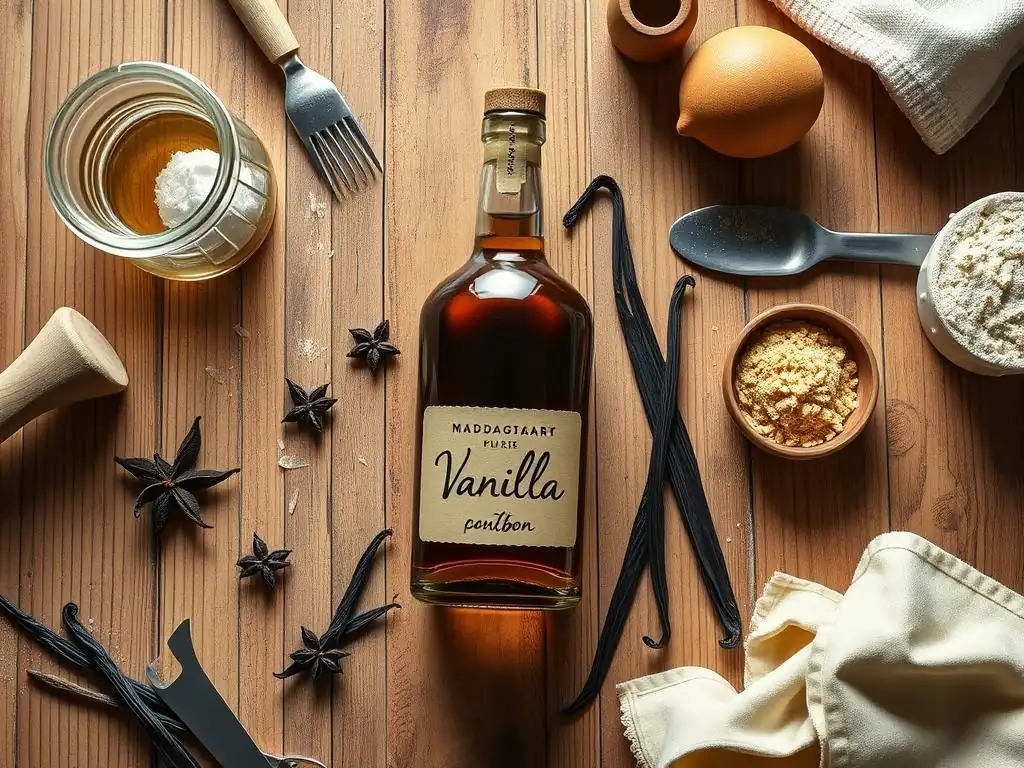
Top Vanilla Extracts for Baking Enthusiasts
Choosing the right vanilla extract is fundamental for troublefree vanilla baking. Here are a few highly regarded options known for their quality and flavor profile. Rodelle Madagascar Bourbon Vanilla Extract is a popular choice, offering a classic, sweet, and creamy flavor that works exceptionally well in a wide range of baked goods, from cookies to cakes. It's a reliable staple for many bakers.
Heilala Tahitian Vanilla Extract provides a different, more complex profile. Tahitian vanilla beans are known for their fruity, floral, and sometimes cherry-like notes, making this extract a fantastic option for recipes where you want a brighter, more aromatic vanilla presence, such as fruit tarts or lighter custards. Exploring different origins can open up new dimensions in your baking.
- Rodelle Madagascar Bourbon Vanilla Extract: A Classic Choice
- Heilala Tahitian Vanilla Extract: A Fruity and Floral Option
- Comparison Table: Vanilla Extract Brands and Flavor Profiles
Essential Vanilla Baking Tools and Accessories
Beyond the vanilla itself, having the right tools can significantly aid in achieving troublefree vanilla baking results. Accurate measurement is paramount, especially for potent ingredients like vanilla extract. A set of Bellemain Stainless Steel Measuring Spoons offers precise measurements for both liquid and dry ingredients, ensuring you add the exact amount called for in your recipe, avoiding the pitfall of over-pouring.
Proper storage for vanilla beans is also crucial. Weck Glass Jars with rubber seals and clamps provide an excellent airtight environment, protecting your valuable vanilla beans from drying out and preserving their aroma for longer periods. While not directly related to vanilla, a ThermoWorks Thermapen One is an invaluable tool for ensuring your oven is at the correct temperature, which indirectly helps prevent vanilla extract evaporation by ensuring consistent baking conditions. These tools, combined with quality vanilla, contribute to a more consistent and successful baking experience.
- Bellemain Stainless Steel Measuring Spoons: Accurate Measurement for Perfect Results
- Weck Glass Jars: Preserving Vanilla Bean Freshness
- ThermoWorks Thermapen One: Ensuring Optimal Baking Temperatures
Frequently Asked Questions
What are some common mistakes people make when baking with vanilla?
Many bakers overuse vanilla extract, thinking more is better, which can lead to a bitter taste. Also, using imitation vanilla instead of pure vanilla extract can significantly impact the final flavor. Finally, adding vanilla too early in the baking process can cause it to evaporate and lose its potency.
How can I ensure my vanilla flavor stands out in my baked goods?
To maximize vanilla flavor, use high-quality pure vanilla extract or vanilla bean paste. Consider adding vanilla at the end of the cooking process when possible to preserve its aroma. You can also use vanilla in conjunction with other complementary flavors like almond or citrus.
What is the difference between vanilla extract, vanilla bean paste, and vanilla beans, and when should I use each?
Vanilla extract is a convenient liquid form, good for everyday baking. Vanilla bean paste contains vanilla bean seeds for a richer flavor and visual appeal. Vanilla beans offer the most intense flavor but require scraping and are best for custards and creams.
Can I substitute vanilla extract with something else if I don't have it on hand?
While not ideal, you can substitute vanilla extract with almond extract (use half the amount) or a similar amount of maple syrup for a slightly different flavor profile. Avoid using nothing at all, as vanilla adds a crucial depth of flavor.
How should I store vanilla extract to maintain its quality and flavor?
Store vanilla extract in a cool, dark place away from direct sunlight and heat. Keep the bottle tightly sealed to prevent evaporation. Properly stored vanilla extract can last for several years.
Final Reflection: The Sweet Science of Trouble-Free Vanilla
The pursuit of the perfect vanilla-infused treat is a journey fraught with potential pitfalls, but mastering the art of vanilla baking is entirely within reach. Understanding the nuances of vanilla extract, beans, and pastes, as explored throughout this article, is key to unlocking consistently delicious results. No longer will uneven flavor profiles or disappointing textures plague your baking endeavors.
The impact of high-quality vanilla on the overall sensory experience of a baked good is undeniable. It's more than just a flavoring; it's a foundational element that elevates the entire creation. The simplest things are often the most beautiful, and the best things are always the simplest.
This quote, while not specifically about baking, perfectly encapsulates the power of a single, high-quality ingredient like vanilla to transform an ordinary recipe into something extraordinary. The subtle complexities of vanilla, often overlooked, are what truly elevate a dessert from good to unforgettable.
Now, armed with the knowledge gleaned from this guide, I invite you to embark on your own vanilla baking adventures. Experiment with different types of vanilla, explore new recipes, and most importantly, savor the process. Don't be afraid to tweak techniques and discover your own personal approach to achieving trouble-free vanilla perfection. The journey of culinary exploration is a rewarding one, and the sweet reward of a perfectly vanilla-infused creation awaits you.
Unlock Your Vanilla Potential: Bake Better Today!
Thanks for diving into the world of vanilla with us! You've now got the knowledge to avoid those pesky baking pitfalls and unlock the true flavor of vanilla. Ready to put your newfound expertise to the test?
- Bake your dream vanilla creation: Whip up that recipe you've been eyeing – a vanilla cake, creamy custard, or fragrant cookies – and let the amazing aroma fill your kitchen. This is your chance to shine!
- Share your vanilla victory: Snap a photo of your delicious bake and tag us on social media – we'd love to see your amazing results!
- Explore different vanilla types: Maybe try Madagascar bourbon vanilla next time for an even richer experience.
What incredible vanilla-infused treat will you be making first?