
New to Vanilla? Your Easy Guide to Starting with Gourmet Varieties

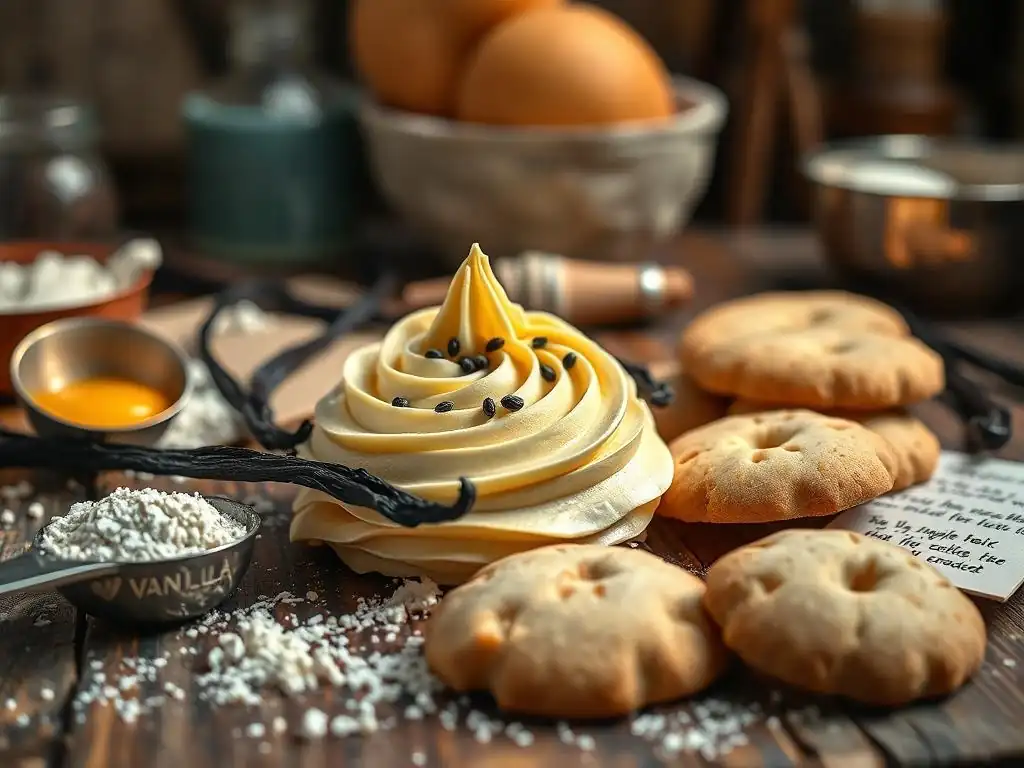
Welcome to BakeWithEase, your trusted companion on your baking journey! Ever wondered about the secret ingredient that elevates ordinary treats to extraordinary delights? Dive in and discover our comprehensive Vanilla Bean Baking Guide. Unlocking the magic of gourmet vanilla is simpler than you think, and we're here to show you how. Prepare to be amazed by the nuanced flavors and aromas you can achieve! Curious to learn more?
- Elevating Your Baking: A Guide to Gourmet Vanilla
- Vanilla Bean Baking Guide: Exploring Gourmet Vanilla
- Exploring Different Types of Vanilla Beans for Baking: A Flavor Spectrum
- How to Use Vanilla Beans in Your Baking Recipes: Step-by-Step Guide
- Vanilla Bean Storage and Preservation: Maximizing Freshness and Flavor
- Vanilla Extract Recommendations: Selecting the Best for Your Baking Needs
- Vanilla Bean Baking Guide: Best Vanilla Bean Baking Recipes to Try
- Troubleshooting Vanilla Bean Baking: Common Issues and Solutions
- Where to Buy Gourmet Vanilla Beans and Extracts: Trusted Suppliers
-
Frequently Asked Questions
- What exactly is a vanilla bean and why should I use it in baking?
- How do I extract the seeds from a vanilla bean for baking?
- Can I substitute vanilla extract for vanilla beans in a recipe?
- How should I store vanilla beans to keep them fresh?
- Are there different types of vanilla beans, and if so, which are best for baking?
- Final Reflection: Savor the Simplicity, Elevate Your Baking
- Unleash Your Inner Pastry Chef: Start Baking with Gourmet Vanilla!
Elevating Your Baking: A Guide to Gourmet Vanilla
Vanilla Bean Baking Guide: Exploring Gourmet Vanilla
Why Gourmet Vanilla Matters for Baking: Enhancing Flavor Complexity
Vanilla is often seen as a simple background flavor, but using high-quality, gourmet vanilla beans or extracts can fundamentally transform your baked goods. Unlike artificial vanilla, which is primarily vanillin (one of over 200 flavor compounds in natural vanilla), real vanilla offers a complex symphony of aromas and tastes – from smoky and woody notes to floral, fruity, and creamy undertones.
This complexity adds depth and nuance that artificial versions simply cannot replicate, making a noticeable difference in everything from a simple sugar cookie to a rich custard. Embracing a comprehensive vanilla bean baking guide starts with understanding this crucial distinction.
Investing in gourmet vanilla is akin to using high-quality chocolate or butter; it's a foundational ingredient that elevates the entire dish. The unique terroir (the environmental factors specific to a region) influences the flavor profile of vanilla beans grown in different parts of the world, much like wine or coffee. By exploring different varieties, bakers can intentionally select flavors that complement their recipes, whether aiming for a classic, comforting taste or something more exotic and aromatic. This careful selection, guided by a thorough vanilla bean baking guide, allows you to unlock new dimensions of flavor in your creations.
Understanding Vanilla Beans: Origins, Varieties, and Flavor Profiles
Vanilla beans are the fruit of the Vanilla planifolia orchid, native to Mexico. The cultivation and curing process is incredibly labor-intensive, involving hand-pollination of the flowers and a lengthy curing period that can take several months. This intricate process is why natural vanilla is one of the world's most expensive spices by weight. The resulting bean pods contain thousands of tiny black seeds suspended in an oily liquid, both packed with flavor compounds.
Different regions produce beans with distinct characteristics. For instance, Madagascar beans are known for their classic, creamy, and sweet profile, while Tahitian beans often exhibit floral and fruity notes. Mexican beans tend to be smoky and spicy. Understanding these origin-specific flavor profiles is key to using vanilla effectively in your baking, providing a solid foundation for any aspiring vanilla bean baking guide. The curing method also plays a significant role; some methods enhance vanillin content, while others bring out more subtle aromatic compounds.
Exploring Different Types of Vanilla Beans for Baking: A Flavor Spectrum
Madagascar Vanilla Beans: The Classic Choice for Baking Perfection
Madagascar, specifically the Bourbon Islands (including Réunion and Comoros), is the world's largest producer of vanilla, accounting for roughly 80% of the global market. The beans from this region, often referred to as Bourbon vanilla, are celebrated for their high vanillin content, which contributes to their rich, sweet, and creamy aroma and flavor. They are plump, dark, and pliable, typically measuring 6-8 inches in length.
These beans are incredibly versatile and are considered the gold standard for many traditional baking applications. Their classic flavor profile complements a wide range of ingredients and recipes, from simple cakes and cookies to custards and ice creams. If you're new to using whole vanilla beans, starting with a high-quality Madagascar Bourbon bean is often recommended in any vanilla bean baking guide due to its familiar and universally loved flavor.
Madagascar Bourbon Vanilla Bean: Rich, Creamy, and Versatile
The term "Bourbon" refers not to the whiskey but to the former name of Réunion Island. Madagascar Bourbon vanilla beans are cured using a specific method involving sun-drying and sweating, which develops their characteristic rich, sweet, and creamy notes. This process takes several months and requires daily attention to prevent mold and ensure even curing.
Their robust flavor holds up well to heat, making them ideal for baked goods that require longer cooking times. They impart a comforting, classic vanilla taste that enhances other flavors without overpowering them. For a reliable starting point in your vanilla bean baking guide journey, the Madagascar Bourbon bean is an excellent choice.
Tahitian Vanilla Beans: Fruity, Floral, and Aromatic Baking Adventures
Tahitian vanilla ( Vanilla tahitensis) is a different species from the Vanilla planifolia grown in Madagascar and Mexico. Cultivated primarily in French Polynesia, Papua New Guinea, and Indonesia, Tahitian beans are typically shorter, plumper, and have a higher oil and water content than Bourbon beans. Their aroma is distinctly floral and fruity, often described as cherry, licorice, or wine-like.
These unique flavor characteristics make Tahitian vanilla beans excellent for recipes where you want the vanilla to stand out and add an exotic twist. They pair beautifully with fruit-based desserts, custards, and lighter baked goods where their delicate floral notes can shine. Including Tahitian beans in your vanilla bean baking guide opens up a world of aromatic possibilities.
Tahitian Vanilla Bean: Intense Aroma for Unique Baking Recipes
The curing process for Tahitian vanilla often involves less exposure to sun and more time sweating, resulting in a softer, more pliable bean. While they may have a lower vanillin content than Bourbon beans, they possess a higher concentration of other aromatic compounds, giving them their distinctive perfume.
Their intense, complex aroma can transform a simple recipe into something truly special. Consider using Tahitian vanilla in panna cotta, crème brûlée, fruit tarts, or even whipped cream to add a layer of sophisticated fragrance. They are a key element for bakers looking to explore beyond the classic vanilla profile in their vanilla bean baking guide repertoire.
Mexican Vanilla Beans: Bold, Spicy, and Complex Vanilla Flavors for Baking
Mexican vanilla beans are the ancestors of all other vanilla varieties, originating in Veracruz, Mexico. These beans are typically thicker and darker than Bourbon beans and offer a bold, smoky, and spicy flavor profile with undertones of chocolate, clove, and nutmeg. They possess a wonderful balance of sweet and savory notes.
Mexican vanilla is fantastic in recipes where you want a more robust vanilla flavor that can stand up to other strong ingredients like chocolate, coffee, or spices. Their complex profile adds depth and warmth, making them a secret weapon in many bakers' arsenals. A comprehensive vanilla bean baking guide wouldn't be complete without exploring the unique character of Mexican vanilla.
Mexican Vanilla Bean: Aromatic and Bold Flavor Profile
The traditional curing method for Mexican vanilla involves sun-drying and sweating, similar to Bourbon vanilla, but often results in a bean with a slightly different texture and a more pronounced smoky note. This smokiness pairs exceptionally well with chocolate, enhancing its richness without being overly sweet.
Use Mexican vanilla beans in chocolate cakes, brownies, spice cookies, or even savory dishes to add a layer of complexity. Their bold aroma and flavor provide a grounding warmth that can elevate familiar recipes. Exploring Mexican vanilla is a must for anyone serious about mastering the art covered in a thorough vanilla bean baking guide.
Vanilla Extract vs. Vanilla Bean: Choosing the Right Option for Your Bake
Choosing between vanilla extract and whole vanilla beans depends on the recipe, desired intensity of flavor, and budget. Vanilla extract is made by macerating vanilla beans in alcohol and water, extracting the flavor compounds. It's convenient, widely available, and provides a consistent vanilla flavor, making it a pantry staple for most bakers. Extracts are generally best added to recipes where the heat isn't too high or prolonged, as excessive heat can cause some of the volatile flavor compounds to evaporate.
Vanilla beans, on the other hand, offer a more nuanced and complex flavor, along with the visual appeal of the tiny black seeds (often called "vanilla caviar"). Using the whole bean, especially scraping out the seeds, imparts a richer and more authentic vanilla taste.
Beans are particularly effective in recipes where vanilla is a primary flavor, such as custards, ice cream bases, and crème brûlée, or in baked goods where the speckles are desired. While more expensive and requiring a bit more effort to prepare, the depth of flavor from a whole bean is often unmatched, a key point in any detailed vanilla bean baking guide.
How to Use Vanilla Beans in Your Baking Recipes: Step-by-Step Guide
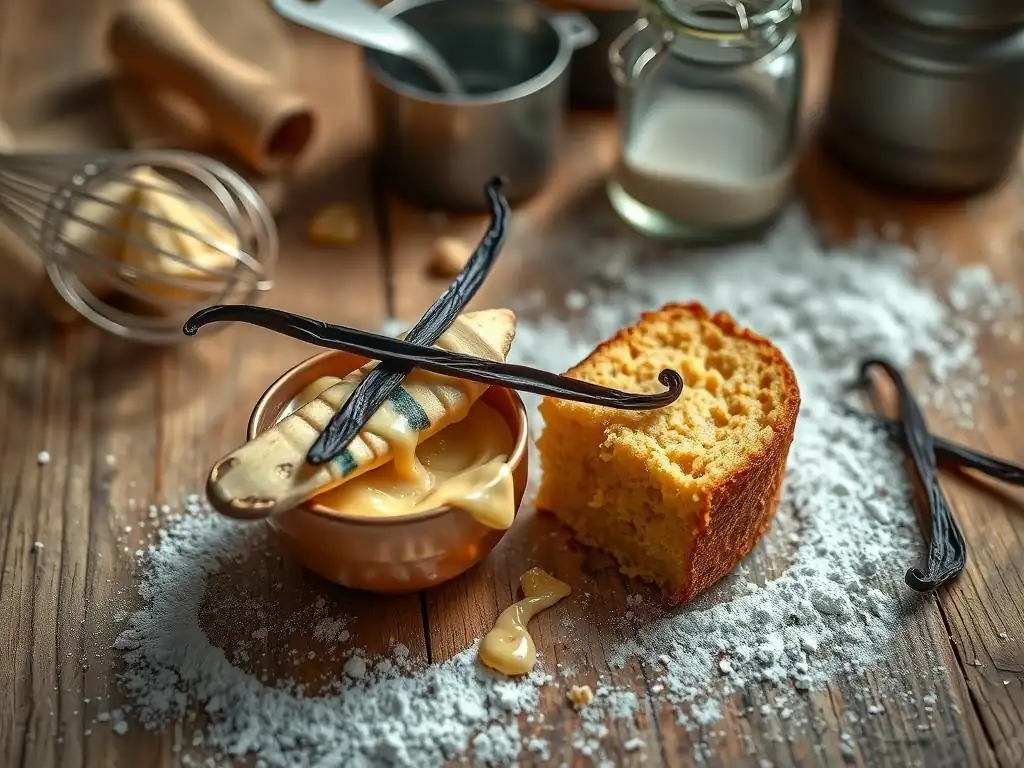
Preparing Vanilla Beans: Slitting, Scraping, and Infusing
Using a whole vanilla bean is a simple process that yields fantastic results. Here's a basic guide:
- Lay the vanilla bean flat on a cutting board.
- Using a sharp paring knife, make a lengthwise slit down the center of the bean, starting about half an inch from one end and stopping about half an inch from the other. Be careful not to cut all the way through the bean.
- Open the bean like a book.
- Hold the split bean flat against the cutting board with one hand. Use the back of your knife blade (or a spoon) to scrape down the length of the bean, collecting the tiny black seeds (the "caviar").
- Add the scraped seeds directly to your recipe as directed. The scraped-out pod itself still contains flavor and can be steeped in liquids (like milk or cream for custards) to infuse more vanilla flavor before being discarded.
Baking with Vanilla Bean Paste: Convenience and Concentrated Flavor
Vanilla bean paste is a fantastic alternative to using whole beans, offering much of the flavor and visual appeal of the seeds with the convenience of an extract. It's a thick, syrupy mixture typically made from vanilla bean extract and vanilla bean seeds, often thickened with a natural gum. It provides a concentrated vanilla flavor and disperses the seeds evenly throughout your batter or dough.
Using vanilla bean paste is straightforward; you typically substitute it measure-for-measure for vanilla extract in recipes, or as directed. For example, if a recipe calls for 1 teaspoon of vanilla extract, you would generally use 1 teaspoon of vanilla bean paste. It's excellent in cakes, cookies, frostings, and especially in recipes where you want those visible specks of vanilla caviar, like panna cotta or ice cream.
Singing Dog Vanilla Bean Paste: High-Quality Vanilla Bean Flavor
Singing Dog Vanilla is a well-regarded brand known for its commitment to organic and fair trade practices. Their vanilla bean paste is made with organic vanilla extract and organic vanilla bean seeds, offering a pure and intense vanilla flavor. It contains visible seeds, providing that desirable "caviar" look in your baked goods.
Using a product like Singing Dog's paste means you get the robust flavor and visual appeal of vanilla beans without the need to scrape pods. It's a convenient option for bakers who want high-quality vanilla readily available. Approximately one tablespoon of paste contains the seeds and flavor equivalent of one whole vanilla bean, though this can vary slightly by brand.
Vanilla Bean Sugar: A Simple Way to Infuse Your Baking with Vanilla
Vanilla bean sugar is a wonderfully simple way to add subtle vanilla flavor to your baking and everyday cooking. It's made by burying used (or fresh, scraped) vanilla bean pods in granulated sugar in an airtight container. Over time, the sugar absorbs the vanilla's volatile oils and aroma, becoming fragrant and subtly flavored.
To make it, simply add your dried, scraped vanilla pods to a jar of sugar. Seal it tightly and let it sit for at least a week, ideally several weeks, shaking occasionally. The sugar will gradually take on a beautiful vanilla scent and flavor. You can use vanilla bean sugar measure-for-measure in place of regular sugar in many recipes, adding a delicate layer of vanilla to cookies, whipped cream, or sprinkled over fruit. It's a great way to get extra mileage out of your vanilla pods, a tip often shared in a comprehensive vanilla bean baking guide.
Vanilla Bean Storage and Preservation: Maximizing Freshness and Flavor
Proper Storage Techniques for Vanilla Beans
Storing vanilla beans correctly is crucial to maintain their freshness, pliability, and flavor compounds. The worst way to store them is exposed to air or in the refrigerator, which can dry them out and cause them to become brittle. The ideal storage method is in an airtight container, away from direct sunlight and heat, at room temperature.
Glass tubes or jars with tight-fitting lids are excellent for storage. Some beans come in sealed vacuum packs, which are good until opened. Once opened, transfer them to an airtight container. If beans start to dry out, you can try placing them with a slightly damp (not wet) paper towel in the sealed container for a day or two, but be careful not to introduce mold. Properly stored, high-quality vanilla beans can remain fresh and flavorful for up to two years.
Shelf Life of Vanilla Beans and Extracts: Knowing When to Replace
While vanilla beans can last for a considerable time if stored correctly, their peak flavor is typically within the first 12-18 months. Over time, they may lose some of their volatile aromatic compounds, resulting in a less intense flavor. You can tell if a bean is past its prime if it's become very dry and brittle, or if the aroma is significantly diminished. However, even dry beans can sometimes be salvaged by infusing them in warm liquid.
Pure vanilla extract, due to its alcohol content, has a very long shelf life, often several years or even indefinitely, though its flavor is best within 2-3 years of opening. Over time, some subtle notes might fade, but it won't spoil in a harmful way. Vanilla bean paste also has a good shelf life, typically 1-2 years once opened, stored in a cool, dark place. Always check for changes in smell or appearance as indicators of quality decline.
Vanilla Extract Recommendations: Selecting the Best for Your Baking Needs
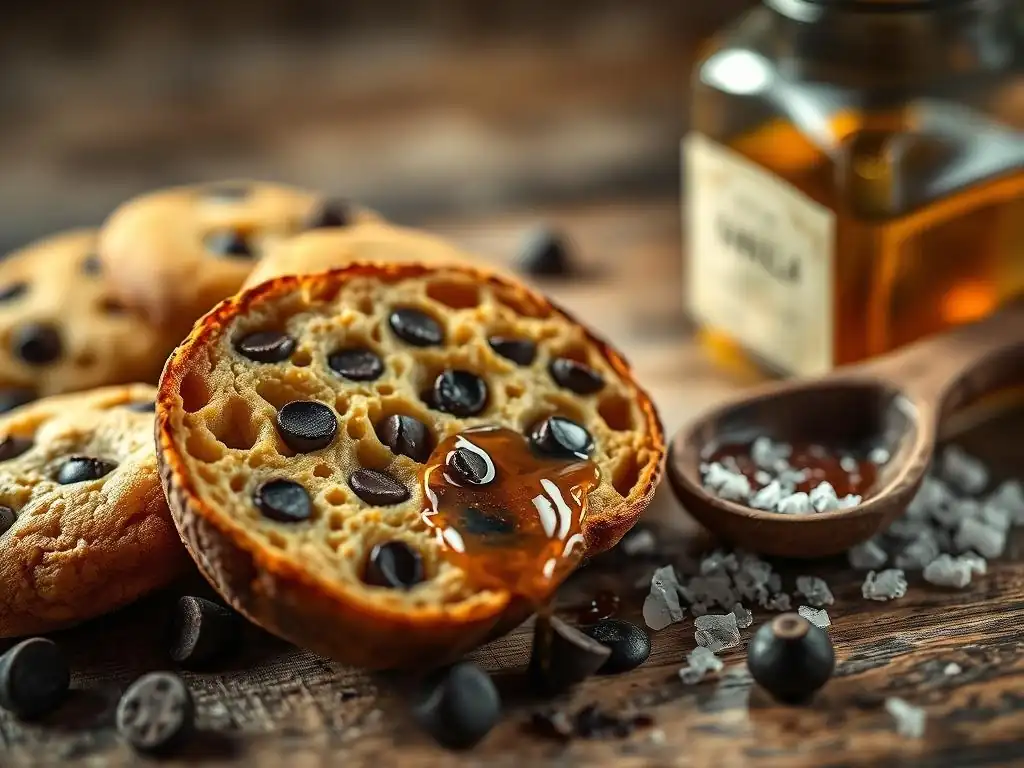
Pure Vanilla Extract: A Baking Staple
Pure vanilla extract is made from real vanilla beans and must contain at least 35% alcohol by U.S. FDA standards. It's a convenient and reliable way to add vanilla flavor to a vast array of baked goods. The quality of pure vanilla extract can vary significantly based on the type of beans used, the alcohol percentage, and the extraction process. A high-quality pure extract will have a rich, complex aroma and flavor, free from artificial aftertastes.
Choosing a good pure vanilla extract is essential for consistent and delicious results in your everyday baking. It's the workhorse ingredient in many recipes, providing a baseline vanilla flavor that complements other ingredients. For most home bakers, a good pure vanilla extract is the most frequently used vanilla product.
Rodelle Pure Vanilla Extract: A High-Quality Pure Vanilla Option
Rodelle is a well-regarded brand in the baking community, known for producing high-quality extracts. Their Pure Vanilla Extract is made from a blend of premium vanilla beans, often including Madagascar and Bourbon varieties, extracted using a cold-process method to preserve the delicate flavors. It has a rich, classic vanilla aroma and a smooth, balanced flavor profile.
Using a pure extract like Rodelle's ensures that you are adding authentic vanilla flavor to your recipes without the need for bean preparation. It's versatile enough for everything from cookies and cakes to frostings and sauces, providing a consistent, reliable vanilla note that enhances your baked goods, making it a staple in many vanilla bean baking guide recipes.
Vanilla Bean Extract: The Next Level of Vanilla Flavor
Vanilla bean extract is similar to pure vanilla extract but often contains tiny vanilla bean seeds suspended in the liquid. This provides some of the visual appeal of using whole beans along with a potentially richer flavor profile, as some of the compounds from the seeds are also present. It's a step up from standard pure extract for those seeking more intensity and the visual "caviar" effect.
This type of extract is excellent for recipes where you want a pronounced vanilla flavor and the appearance of seeds, but perhaps don't need the full complexity or cost of using whole beans. It bridges the gap between pure extract and whole beans, offering a convenient way to achieve a more gourmet vanilla experience.
Heilala Vanilla Bean Extract: The Ultimate Vanilla Experience
Heilala Vanilla, sourced from Tonga, is recognized for its high-quality, ethically produced vanilla. Their Vanilla Bean Extract is made with premium Tongan vanilla beans and contains a generous amount of visible vanilla seeds. Tongan vanilla is often described as having a rich, sweet, and earthy profile.
Heilala's extract provides a potent vanilla flavor and the desirable speckles of vanilla caviar, making it ideal for applications like ice cream, custards, or glazes where you want both intense flavor and visual evidence of real vanilla. While typically more expensive than standard pure extracts, products like Heilala's offer a superior vanilla experience, making them a worthwhile addition to a serious baker's pantry and a highlight in any premium vanilla bean baking guide.
Vanilla Bean Baking Guide: Best Vanilla Bean Baking Recipes to Try
Vanilla Bean Cupcakes: A Classic Treat Elevated
Simple vanilla cupcakes become extraordinary when infused with the nuanced flavor of real vanilla beans. The tiny black specks visible in the cake crumb and frosting signal a commitment to quality ingredients. A standard vanilla cupcake recipe can be adapted by replacing vanilla extract with the scraped seeds of one or two vanilla beans (depending on the recipe size and desired intensity) and potentially infusing the milk or butter with the spent pod.
The result is a cupcake with a deeper, more aromatic vanilla flavor that artificial extracts simply cannot replicate. Paired with a classic vanilla bean frosting made with softened butter, powdered sugar, a splash of cream, and more vanilla bean seeds, these cupcakes showcase the beauty and flavor of gourmet vanilla. This recipe is a perfect starting point in your vanilla bean baking guide journey.
Vanilla Bean Cheesecake: A Decadent Dessert
Cheesecake is another dessert where vanilla plays a crucial supporting role, and using vanilla beans can elevate it to new heights. A typical New York-style cheesecake batter often calls for vanilla extract, but substituting the scraped seeds of 1-2 vanilla beans adds incredible depth and visible speckles. The flavor infuses beautifully into the creamy cheese base as it bakes slowly.
For an even richer vanilla flavor, the vanilla bean pod can be steeped in the sour cream or heavy cream component of the batter before it's mixed in. The subtle floral and creamy notes of the vanilla bean complement the tangy richness of the cream cheese perfectly, resulting in a truly decadent and impressive dessert that highlights the power of a good vanilla bean baking guide.
Sugar cookies might seem basic, but using high-quality vanilla beans can turn them into something sublime. The simplicity of the ingredients allows the vanilla flavor to truly shine. By using vanilla bean sugar for part or all of the sugar in the recipe, and adding the scraped seeds of a vanilla bean to the dough, you create a cookie with a delicate crumb and a pronounced, aromatic vanilla flavor.
The visible vanilla specks in the cookie dough are a promise of the deliciousness to come. These cookies are wonderful on their own, or they can be the base for royal icing decorations, with the vanilla providing a perfect background flavor. This simple recipe is a testament to how gourmet vanilla can elevate even the most classic baked goods, a fundamental principle in any vanilla bean baking guide.
Troubleshooting Vanilla Bean Baking: Common Issues and Solutions
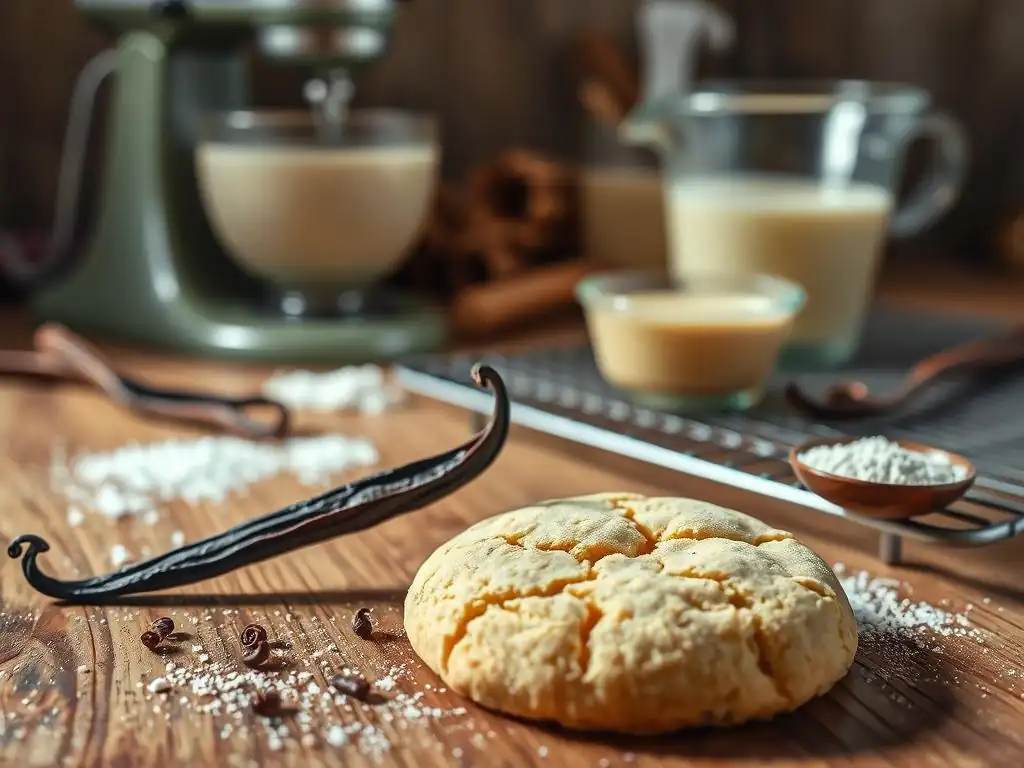
Avoiding Bitter Vanilla Bean Flavor
Sometimes, vanilla beans can impart a slightly bitter note to baked goods. This can happen if the beans are overcooked or if the outer pod material is included in recipes where it's not intended for infusion and then removed. High heat over extended periods can sometimes develop bitter compounds, particularly with certain curing methods or lower-quality beans.
To avoid bitterness, ensure you are using pliable, fresh beans and primarily using the scraped seeds ("caviar") in batters and doughs. If infusing liquids with the pod, do so gently over low heat and remove the pod before adding the liquid to the final recipe. For recipes baked at very high temperatures, consider adding the vanilla towards the end of mixing or using a high-quality vanilla bean paste or extract instead of directly baking scraped seeds into the mixture.
Getting the Most Flavor from Your Vanilla Beans
To maximize the flavor extracted from your vanilla beans, proper preparation is key. Ensure you split the bean fully lengthwise to expose all the seeds. Scrape thoroughly to get all the "caviar" out, as this is where a significant amount of flavor is concentrated. Don't discard the scraped pod immediately! As mentioned earlier, it can be steeped in warm liquids (milk, cream, sugar syrups) to extract residual flavor.
Consider "blooming" the vanilla seeds in a small amount of warm liquid or fat called for in your recipe before adding them to the main mix. This can help release the flavor compounds. Ensure the vanilla is incorporated evenly throughout your batter or dough for consistent flavor distribution. Using the right type of bean for the recipe's flavor profile, as outlined in this vanilla bean baking guide, also ensures you get the most impactful flavor.
Where to Buy Gourmet Vanilla Beans and Extracts: Trusted Suppliers
Finding high-quality gourmet vanilla beans and extracts is essential for achieving the best results in your baking. While grocery stores carry vanilla products, specialty retailers often offer a wider selection of origins and grades.
Many reputable online retailers specialize in spices, including gourmet vanilla. Buying online often provides access to a broader range of vanilla bean origins (Madagascar, Tahitian, Mexican, Ugandan, etc.) and different grades (Grade A/Prime or Grade B/Extract). Look for sellers who provide information about the bean's origin, curing method, and moisture content.
When buying online, check customer reviews and the seller's reputation. Prices can vary significantly, so comparing options is wise, but be wary of prices that seem too low, as this might indicate lower quality or improperly stored beans. A good online source is a valuable resource in any vanilla bean baking guide.
Amazon: Wide Selection and Competitive Prices
Amazon is a major online marketplace where you can find a vast selection of vanilla beans and extracts from various suppliers and brands. This platform offers convenience and competitive pricing, allowing you to compare different products side-by-side. You can find everything from popular extract brands to specialty vendors selling specific origin beans.
When purchasing vanilla on Amazon, pay close attention to the seller's reviews, product descriptions (including origin and grade), and recent purchase dates to ensure freshness. While the selection is extensive, quality can vary, so research is necessary to find reliable sources for your vanilla bean baking guide needs.
Specialty Baking Supply Stores: Expert Advice and Quality Products
Specialty baking supply stores, whether local or online, are excellent sources for high-quality vanilla. These stores often curate their inventory and work with trusted suppliers, ensuring the quality of the beans and extracts they sell. Staff at these stores are often knowledgeable and can provide advice on selecting the best vanilla for your specific baking projects.
Shopping at a specialty store might mean paying a bit more, but the assurance of quality and expert guidance can be well worth it, especially when exploring different vanilla varieties for your vanilla bean baking guide. They may also carry related products like vanilla bean paste or vanilla powder.
Conclusion: Embrace the World of Gourmet Vanilla Baking
Embarking on your vanilla bean baking guide journey is an exciting step that promises to elevate your baked goods from good to truly exceptional. By understanding the origins and unique flavor profiles of different vanilla beans – from the classic creaminess of Madagascar Bourbon to the floral notes of Tahitian and the bold spice of Mexican – you gain the power to select the perfect vanilla for every recipe.
Whether you choose to work with whole beans, convenient vanilla bean paste, or high-quality pure extracts, investing in gourmet vanilla makes a tangible difference. Proper storage ensures your precious vanilla retains its potency, and practicing simple techniques like scraping seeds and infusing pods maximizes flavor. Don't hesitate to experiment with different varieties in your favorite recipes. The world of gourmet vanilla is rich and rewarding, promising a depth of flavor that will delight your palate and impress anyone who tries your vanilla-infused creations. Happy baking with your newfound vanilla bean baking guide knowledge!
Frequently Asked Questions
What exactly is a vanilla bean and why should I use it in baking?
A vanilla bean is the fruit pod of a specific type of orchid. Using it in baking provides a superior, more complex flavor compared to vanilla extract.
How do I extract the seeds from a vanilla bean for baking?
Use a sharp knife to split the bean lengthwise. Then, gently scrape out the tiny black seeds with the back of the knife.
Can I substitute vanilla extract for vanilla beans in a recipe?
Yes, but the flavor will be different. A general rule of thumb is to use 1 teaspoon of pure vanilla extract for every inch of vanilla bean called for.
How should I store vanilla beans to keep them fresh?
Store vanilla beans in an airtight container in a cool, dark place. They can also be stored in a jar filled with vodka or rum to keep them moist.
Are there different types of vanilla beans, and if so, which are best for baking?
Yes, there are several varieties. Madagascar Bourbon beans are popular for their rich, creamy flavor, while Tahitian beans are known for their floral and fruity notes. Your choice depends on the desired flavor profile!
Final Reflection: Savor the Simplicity, Elevate Your Baking
The pursuit of exceptional vanilla bean flavor is more than just a culinary quest; it's a journey into the heart of baking itself. This guide has explored the diverse world of vanilla beans, demystifying the process of selecting, preparing, and utilizing these aromatic treasures to elevate your baked goods. From understanding the nuances of different curing processes to mastering the art of extracting maximum flavor, we've covered the essential steps to unlock the true potential of this precious ingredient.
The impact of high-quality vanilla extends far beyond mere taste; it's a sensory experience that connects us to the rich history and meticulous craftsmanship behind each bean. The subtle differences in aroma and flavor profile, often overlooked in mass-produced extracts, truly transform the baking experience. As the renowned pastry chef, Alice Waters, once said, Good food is good mood.
And using exceptional vanilla, I believe, is a significant contributor to that good mood, both in the creation and the consumption of our baked goods. It's a reminder to slow down, appreciate the process, and savor the results.
Now, it's your turn. Take what you've learned here and embark on your own vanilla bean adventure. Experiment with different varieties, explore new recipes, and most importantly, allow yourself to be surprised by the depth of flavor that awaits. Don't be afraid to experiment; the journey of discovering the perfect vanilla bean for your palate is a rewarding one. Let the aroma transport you, let the taste inspire you, and let the experience enrich your baking journey. The world of vanilla awaits – go explore!
Unleash Your Inner Pastry Chef: Start Baking with Gourmet Vanilla!
Thanks for exploring the wonderful world of gourmet vanilla with us! We hope you now feel confident in choosing the perfect vanilla for your next baking masterpiece. Ready to take your baking to the next level?
- Experiment with a new vanilla bean: Order a high-quality vanilla bean from your local specialty store or online and try infusing it into your favorite recipe. Note the subtle flavor differences!
- Share your vanilla baking journey: Post a picture of your creation on social media using #BakeWithEaseGourmetVanilla and tag us—we'd love to see it!
- Explore different vanilla extract types: Discover the unique character of Madagascar Bourbon, Tahitian, or Mexican vanilla extracts and experiment with them in various recipes to find your favorite.
What exciting vanilla-infused treat will you bake next?