
Bean Grades Demystified: Understanding Grade A and Grade B Vanilla

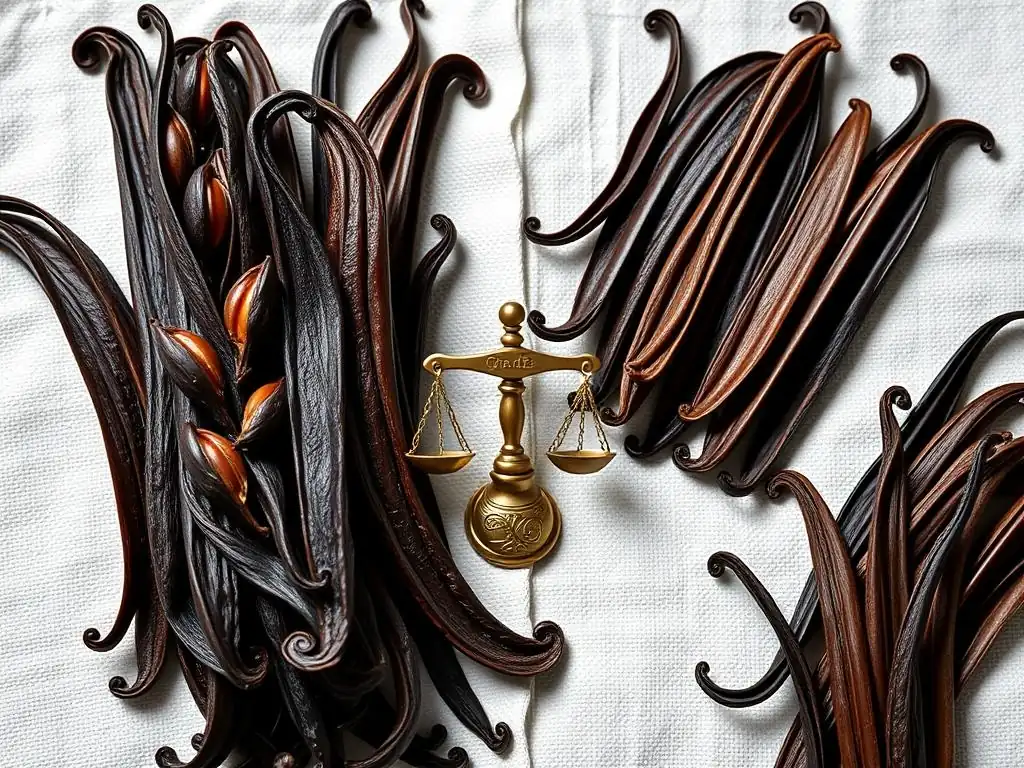
Welcome to BakeWithEase, where the magic of baking comes to life! Ever wondered about the secret ingredient that elevates a simple dessert into something truly extraordinary? Dive in as we demystify the world of vanilla, particularly focusing on the coveted Grade A vanilla beans. Unlock the secrets to choosing the perfect bean and discover how this premium ingredient can transform your creations. Get ready to elevate your baking game!
- Vanilla Bean Grades Demystified: Choosing the Right Bean for Baking
- Understanding Vanilla Bean Grades: A Baker's Guide
- Grade A (Gourmet) Vanilla Beans: The Premium Choice
- Grade B (Extract) Vanilla Beans: The Economical Baking Option
- Grade A vs. Grade B Vanilla Beans: A Detailed Comparison
- Maximizing Flavor with Your Chosen Vanilla Bean Grade
- Beyond Grade A and B: Other Factors Affecting Vanilla Bean Quality
- Conclusion: Choosing the Right Vanilla Beans for Your Baking
-
Frequently Asked Questions
- What defines a Grade A vanilla bean according to BakeWithEase?
- How do Grade A vanilla beans differ from Grade B beans in terms of flavor?
- When is it best to use Grade A vanilla beans when baking, according to BakeWithEase?
- Are Grade A vanilla beans more expensive than Grade B vanilla beans?
- Can I substitute Grade B vanilla beans for Grade A vanilla beans in a recipe?
- Final Reflection: The Enduring Allure of Quality in Vanilla
- Unlock the Secrets of Exquisite Vanilla: Elevate Your Baking!
Vanilla Bean Grades Demystified: Choosing the Right Bean for Baking
Understanding Vanilla Bean Grades: A Baker's Guide
Why Vanilla Bean Quality Matters for Baking
The quality of your vanilla bean can dramatically impact the final taste and aroma of your baked goods. Vanilla isn't just a background flavor; in many recipes, like custards, panna cotta, or simple cakes, it's the star ingredient. Using a high-quality bean ensures a complex, rich flavor profile that artificial vanilla simply cannot replicate. A poor-quality bean, on the other hand, might impart a weak, flat, or even slightly off-putting note that detracts from your carefully crafted dessert.
Consider a classic vanilla bean cheesecake. The subtle, creamy flavor of the cheese mixture is perfectly complemented by the sweet, aromatic notes of real vanilla. If you use a bean lacking in vanillin content or proper curing, that delicate balance is lost. The difference between a truly memorable vanilla dessert and an average one often comes down to the quality of the vanilla bean used, making the grading system an important concept for any baker to understand.
Overview of Vanilla Bean Grading Systems
Vanilla beans are typically graded based on factors like moisture content, appearance, aroma, and overall condition. While there isn't one universal, legally mandated grading system used worldwide, the most common classification distinguishes between "Grade A" (also known as Gourmet or Prime) and "Grade B" (often called Extract grade). This system provides a useful benchmark for bakers to understand the characteristics and intended uses of different beans.
Grade A beans are generally premium quality, prized for their high moisture and beautiful appearance, making them ideal for applications where the bean's physical form and intense immediate aroma are desired. Grade B beans, conversely, have lower moisture and may not look as perfect, but they still contain a high concentration of vanillin and other flavor compounds, making them excellent for extraction purposes where the flavor is drawn out over time.
What Defines a Grade A (Gourmet) Vanilla Bean?
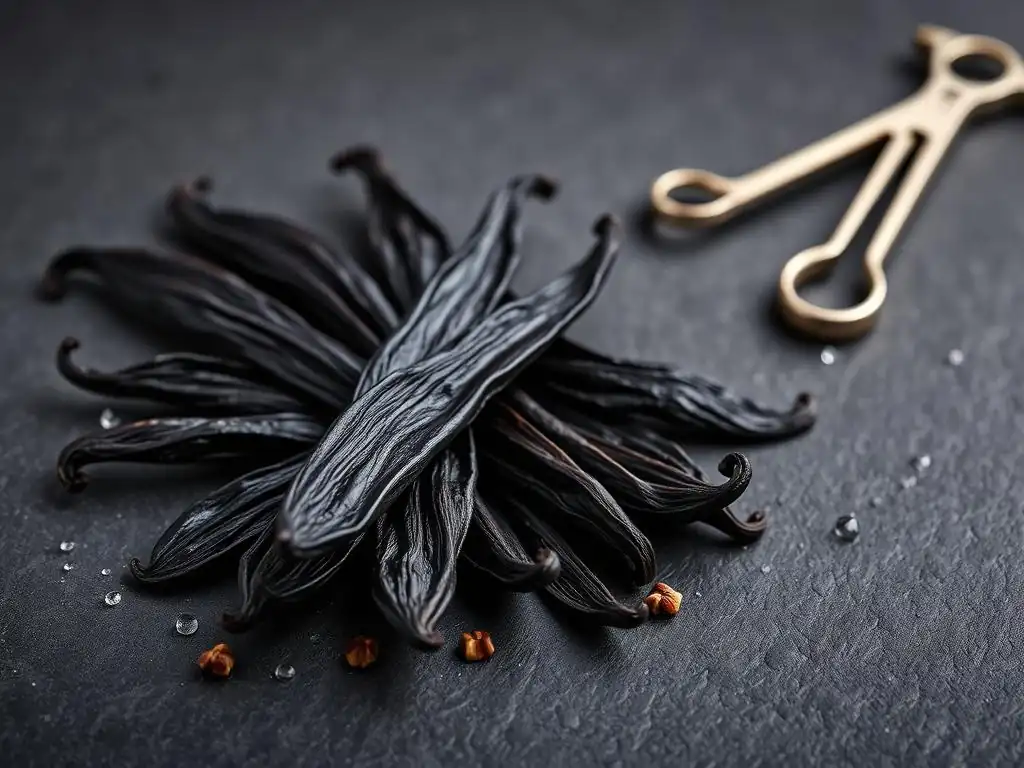
Grade A vanilla beans represent the pinnacle of quality in the typical grading system. These beans are selected for their superior characteristics, indicating they have been properly harvested and cured to preserve their rich flavor and aroma. When you see Grade A vanilla beans, you should expect a certain standard of excellence.
Moisture Content and Appearance of Grade A Beans
A key characteristic of Grade A vanilla beans is their high moisture content, typically ranging from 25% to 35%. This moisture level makes the beans plump, pliable, and often slightly oily or shiny to the touch. They are usually dark brown or black, free from significant splits (though minor splits at the tip are acceptable), and are flexible enough to wrap around your finger without breaking. Their appearance is visually appealing, which is a benefit in dishes where the bean or its seeds are visible.
Flavor Profile of Grade A Vanilla Beans: Rich and Aromatic
The flavor profile of Grade A vanilla beans is intensely aromatic and complex right out of the pod. Due to their high moisture, the volatile flavor compounds are readily available, offering a strong, immediate vanilla scent. The taste is typically rich, sweet, and full-bodied, often with nuanced undertones that vary by origin – for example, creamy and classic from Madagascar, or floral and fruity from Tahiti. These beans deliver a potent burst of pure vanilla flavor that elevates dishes where vanilla plays a starring role.
Best Uses for Grade A Vanilla Beans in Baking
Given their high quality, beautiful appearance, and potent flavor, Grade A vanilla beans are best used in applications where their characteristics can truly shine. They are particularly suited for recipes that don't involve long cooking times or where the visual appeal of the vanilla seeds ("vanilla caviar") is desired.
Enhancing Vanilla Bean Cheesecake with Grade A Vanilla
Adding the scraped seeds and even the infused pod of a Grade A vanilla bean to a cheesecake batter is a classic application. The high moisture content helps the flavor compounds disperse evenly through the creamy mixture. As the cheesecake bakes and chills, the intense, nuanced flavor of the Grade A vanilla beans infuses beautifully, creating a sophisticated dessert. The visible black specks from the seeds also provide visual proof of using real, high-quality vanilla.
Perfecting Vanilla Bean Ice Cream with Grade A Vanilla's Flavor
Vanilla bean ice cream is perhaps the quintessential use for Grade A vanilla beans. The cold, creamy base is the perfect canvas for the bean's complex aroma and flavor. Infusing warm milk or cream with the split pod and scraped seeds ensures that the full spectrum of vanilla notes is captured. The high quality of the bean means you get a strong, pure vanilla taste that isn't lost in the richness of the dairy, resulting in a luxurious, deeply flavorful ice cream speckled with those desirable black seeds.
Where to Buy High-Quality Grade A Vanilla Beans: Recommended Suppliers
Finding reliable sources for Grade A vanilla beans is crucial for consistent baking results. Several reputable suppliers specialize in providing premium beans.
Nielsen-Massey - Premium Grade A Vanilla Beans
Nielsen-Massey is a well-regarded name in the vanilla world, known for its high-quality extracts and beans. They offer Grade A vanilla beans from various origins, such as Madagascar Bourbon, Tahitian, and Mexican. Their beans are typically plump, oily, and consistently meet the standards expected of gourmet quality, making them a reliable choice for bakers seeking premium ingredients.
Beanilla - Sustainable Grade A Vanilla Beans
Beanilla is another popular supplier offering a wide selection of vanilla products, including Grade A vanilla beans with an emphasis on sustainability. They source beans from multiple regions and often highlight their efforts to work directly with farmers. Their range allows bakers to explore different flavor profiles offered by Grade A beans from diverse origins like Uganda or Papua New Guinea, often with details about the bean's characteristics and sourcing.
Grade B (Extract) Vanilla Beans: The Economical Baking Option
What Defines a Grade B (Extract) Vanilla Bean?
Grade B vanilla beans are primarily intended for making vanilla extract, hence their common name. While they may not have the visual appeal or immediate aroma of Grade A beans, they are still packed with the essential flavor compounds, particularly vanillin, that give vanilla its characteristic taste.
Moisture Content and Appearance of Grade B Beans: More Affordable
Grade B beans have a lower moisture content than Grade A, typically ranging from 15% to 25%. This makes them drier, less pliable, and sometimes more brittle. They may have more splits along the length of the bean and might not be as visually uniform or shiny as their gourmet counterparts. Because they don't meet the strict aesthetic and moisture requirements of Grade A, they are generally more affordable per bean, making them a cost-effective option for certain applications.
Flavor Profile of Grade B Vanilla Beans: Still Delicious, But Different
While a Grade B bean might not smell as intensely aromatic when you first open the package compared to a Grade A bean, it still contains a significant amount of flavor. The lower moisture means the flavor compounds are more concentrated but require time and a solvent, like alcohol, to be fully extracted. The resulting flavor profile in an extract is often rich and deep, making Grade B beans perfectly suited for purposes where they will be steeped or infused over a long period.
Best Uses for Grade B Vanilla Beans in Baking
Grade B vanilla beans are ideal for applications where their lower moisture and concentrated flavor can be extracted effectively, and where visual appearance is less critical.
Making Homemade Vanilla Extract with Grade B Beans
The most common and recommended use for Grade B vanilla beans is making homemade vanilla extract. Their lower moisture content is actually an advantage here, as it introduces less water into the alcohol base, resulting in a purer extract. A typical ratio is around 1 ounce (approximately 6-10 beans, depending on size) of Grade B beans per 8 ounces of alcohol (like vodka, rum, or bourbon). Over several months, the alcohol extracts the vanillin and other flavor compounds, creating a rich, potent vanilla extract perfect for all your baking needs.
Infusing Sugar with Grade B Vanilla Bean Flavor
Another excellent use for drier Grade B beans is infusing sugar. Simply bury a whole or cut-up dried Grade B vanilla bean pod (even one that has already been used for extract or scraping, provided it's dried) in a container of granulated sugar. Over time, the sugar will absorb the residual vanilla aroma and flavor. This vanilla-infused sugar can then be used in recipes, coffee, or tea, adding a subtle yet delightful hint of vanilla.
Where to Buy Grade B Vanilla Beans: Affordable Options
Grade B vanilla beans are widely available, often sold in larger quantities, catering to those who want to make extract or use vanilla in bulk.
Vanilla Bean Kings - Bulk Grade B Vanilla Beans for Extract
Vanilla Bean Kings is a popular online source, particularly known for offering vanilla beans in bulk quantities, including Grade B beans specifically marketed for extract making. They provide options to buy beans by the quarter pound, half pound, or even pound, which significantly reduces the cost per bean compared to buying just a few Grade A beans, making it economical for large batches of extract.
Slofoodgroup - Organic Grade B Vanilla Beans
Slofoodgroup also offers Grade B vanilla beans, often including organic options and beans from various origins. Like Vanilla Bean Kings, they sell in quantities suitable for extract makers or those looking for more affordable vanilla. Their selection allows bakers to experiment with different origins of Grade B beans to see how they influence the final extract flavor profile.
Grade A vs. Grade B Vanilla Beans: A Detailed Comparison
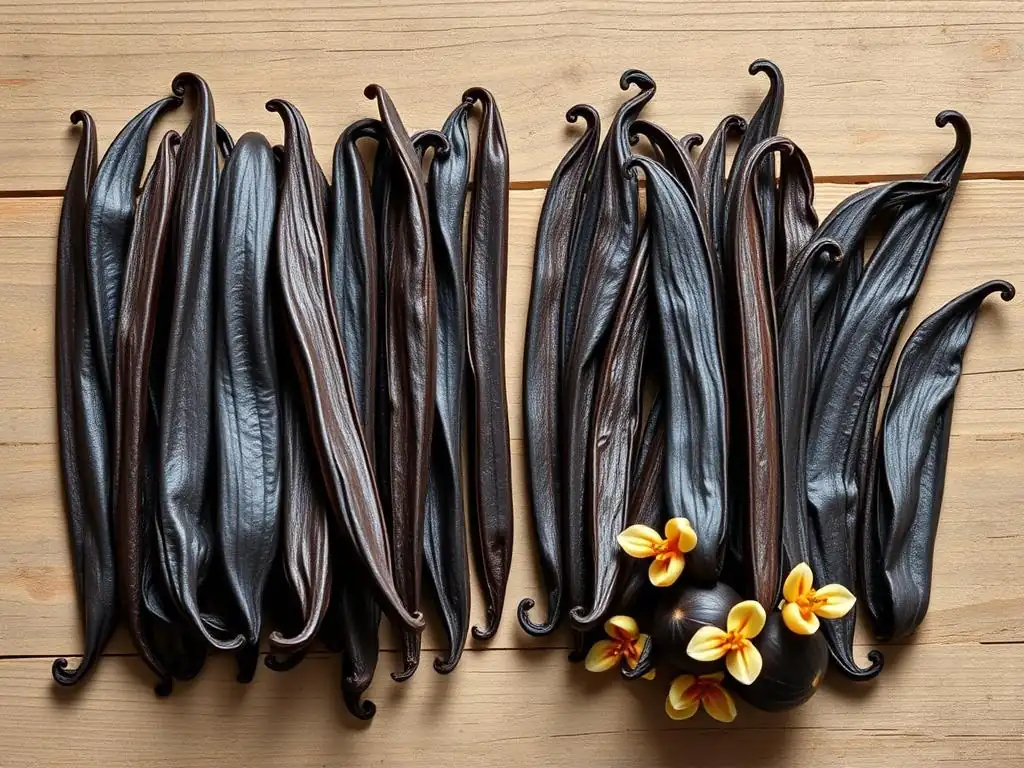
Choosing between Grade A and Grade B vanilla beans depends largely on your intended application, desired outcome, and budget. Understanding their key differences is essential.
Key Differences: Moisture, Appearance, and Flavor
Here's a quick comparison of the main characteristics:
- Moisture Content:
- Grade A: High (25-35%)
- Grade B: Lower (15-25%)
- Appearance:
- Grade A: Plump, oily, pliable, dark, fewer splits, uniform
- Grade B: Drier, stiffer, may have more splits, less uniform, not as shiny
- Immediate Aroma:
- Grade A: Strong, complex, immediately noticeable
- Grade B: Less intense aroma directly from the bean, flavor compounds need extraction
- Flavor Concentration:
- Grade A: Flavor compounds readily available
- Grade B: Flavor compounds concentrated but require extraction
Cost Comparison: Is Grade A Worth the Investment?
Grade A vanilla beans are significantly more expensive per bean than Grade B beans. This is due to the stricter quality control, higher moisture content (meaning they weigh more), and the fact that they represent the top percentage of the harvest suitable for gourmet use. Whether Grade A is "worth it" depends on the recipe.
For applications like ice cream, crème brûlée, or sauces where vanilla is the primary flavor and visual appeal matters, the investment in Grade A vanilla beans often pays off with superior results. For applications where the bean is steeped for a long time or used for extraction, Grade B offers a much more economical way to achieve excellent vanilla flavor.
Baking Applications: Choosing the Right Bean for Your Needs
Selecting the appropriate grade is key to successful baking. If you are making a delicate vanilla mousse or a crème anglaise where you want visible vanilla specks and a pure, upfront vanilla flavor, Grade A vanilla beans are the ideal choice. Their high moisture makes scraping the seeds easy, and the flavor infuses beautifully into dairy bases.
If your goal is to make a large batch of homemade vanilla extract for general baking use in cookies, cakes, and muffins, Grade B beans are the practical and cost-effective option. They provide the necessary flavor compounds for extraction at a much lower price point.
Maximizing Flavor with Your Chosen Vanilla Bean Grade
Regardless of whether you use Grade A vanilla beans or Grade B, employing proper techniques will help you extract the most flavor possible.
Techniques for Extracting Maximum Flavor from Vanilla Beans
Unlocking the full potential of your vanilla bean requires a little know-how. Simply tossing a whole bean into batter won't yield the best results.
Scraping the Seeds: A Must-Do for Any Vanilla Bean
The most potent flavor and aroma are concentrated in the tiny, oily seeds (often called "caviar") inside the vanilla bean pod. To access them, lay the bean flat and use a sharp paring knife to split it lengthwise down the middle. Then, using the back of the knife or a spoon, scrape along the inside of each half to collect the paste-like mass of seeds. These seeds should be added directly to your recipe ingredients (like sugar, eggs, or liquid). Don't discard the scraped pod! It still contains flavor.
Infusing Liquids: Milk, Cream, and Alcohol
Vanilla flavor is alcohol and fat soluble, making it excellent for infusing into liquids like milk, cream, butter, or alcohol. After scraping the seeds, you can add the split pod (or even just the whole bean if you don't need the seeds visually) to a liquid that you gently heat. Let it steep off the heat for 15-30 minutes or longer. This technique is perfect for custards, ice cream bases, or sauces. For making extract, the scraped pods or whole Grade B beans are submerged in alcohol for several months.
Storing Vanilla Beans Properly to Preserve Freshness
Proper storage is vital to maintain the quality of your vanilla beans, especially Grade A vanilla beans with their higher moisture. Store them in an airtight container, such as a glass tube or a tightly sealed plastic bag, in a cool, dark place like a pantry. Avoid refrigeration, as this can dry them out and cause them to become brittle. Also, keep them away from heat and direct sunlight, which degrade their flavor compounds. Stored correctly, Grade A beans can remain pliable for several months, while Grade B beans can last even longer, ideal for extract making over time.
Beyond Grade A and B: Other Factors Affecting Vanilla Bean Quality
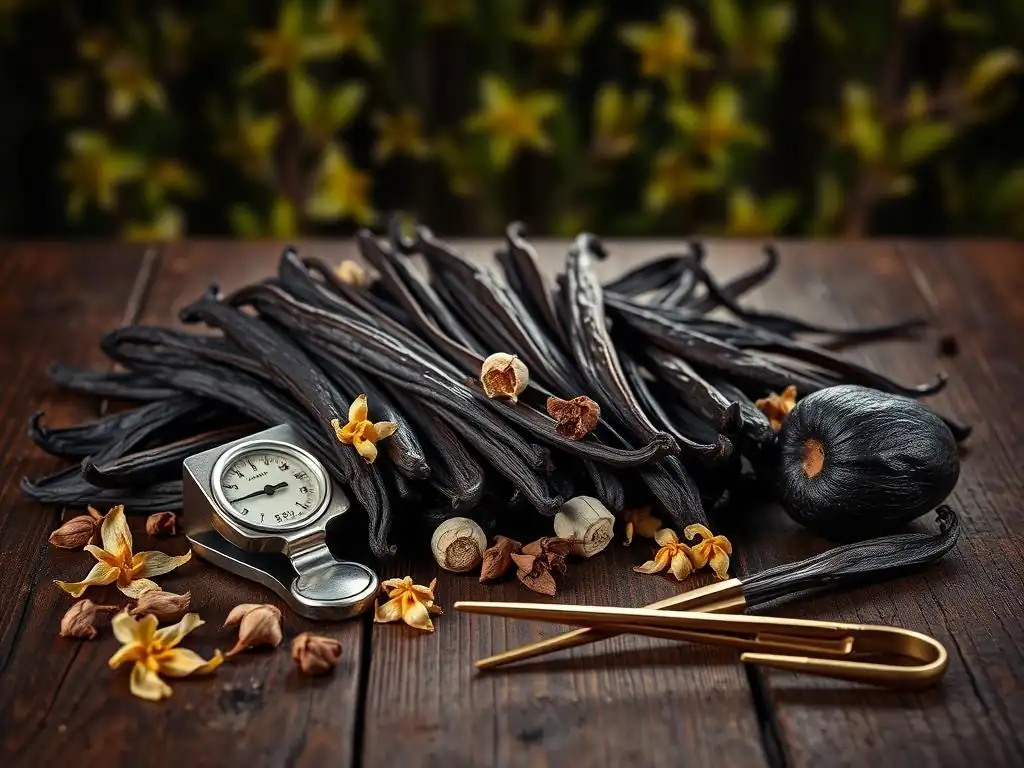
While the Grade A/Grade B system is a useful guide, other factors significantly influence a vanilla bean's characteristics and quality.
Vanilla Bean Origin: Madagascar, Tahitian, and More
The geographical origin of a vanilla bean plays a massive role in its flavor profile. For example, Vanilla planifolia beans from Madagascar and Reunion (often called Bourbon vanilla) are the classic sweet, creamy vanilla flavor most people recognize. Mexican vanilla ( Vanilla planifolia) often has smoky and spicy notes. Tahitian vanilla ( Vanilla tahitensis) has a distinct floral, cherry, and sometimes anise-like aroma and flavor. Understanding these differences helps bakers choose the right bean origin for specific recipes to achieve desired flavor nuances, whether using Grade A vanilla beans or Grade B for extract.
The Importance of Sustainable and Ethical Vanilla Bean Sourcing
Vanilla cultivation is incredibly labor-intensive, requiring hand-pollination of each orchid flower and a lengthy curing process that can take several months. The high demand and complex supply chain have unfortunately led to issues like price volatility and potential exploitation of farmers in vanilla-producing regions.
Supporting Farmers and Protecting Vanilla Bean Regions
Choosing suppliers who prioritize sustainable and ethical sourcing helps ensure that the farmers who grow and cure these precious beans receive fair compensation for their hard work. Sustainable practices also help protect the delicate ecosystems where vanilla orchids thrive. By purchasing from companies committed to transparency and fair trade, bakers can feel good about using real vanilla, knowing they are supporting the communities and environments that make it possible to enjoy high-quality ingredients like Grade A vanilla beans.
Conclusion: Choosing the Right Vanilla Beans for Your Baking
Navigating the world of vanilla bean grades doesn't have to be complicated. By understanding the differences between Grade A and Grade B, you can make informed decisions that will enhance your baking.
Selecting the Best Grade for Your Baking Budget and Flavor Preferences
Remember that Grade A vanilla beans are perfect for applications where you want immediate, intense flavor, visible seeds, and a beautiful, pliable bean, justifying their higher cost for premium results in dishes like ice cream or crème brûlée. Grade B beans offer exceptional value for making homemade extract or infusing sugar, providing rich vanilla flavor over time at a more accessible price point. Both grades have valuable places in a baker's pantry.
Elevating Your Baking with the Power of Real Vanilla Beans
Using real vanilla beans, whether Grade A or Grade B, is a transformative step in baking. The depth, complexity, and authentic aroma they bring cannot be matched by artificial alternatives. Experiment with different grades and origins, practice proper flavor extraction techniques, and store your beans carefully. By doing so, you'll unlock the full potential of this extraordinary ingredient and elevate your baked goods to new heights, truly mastering the art of baking with the power of real vanilla.
Frequently Asked Questions
What defines a Grade A vanilla bean according to BakeWithEase?
Grade A vanilla beans, also known as gourmet or prime beans, are characterized by their higher moisture content and superior appearance. They are typically longer, plumper, and more visually appealing than Grade B beans, making them ideal for recipes where the bean's visual presence matters.
How do Grade A vanilla beans differ from Grade B beans in terms of flavor?
While both grades impart vanilla flavor, Grade A beans generally offer a more intense and complex flavor profile due to their higher moisture content. This translates to a richer, more nuanced vanilla experience in your baked goods.
When is it best to use Grade A vanilla beans when baking, according to BakeWithEase?
Grade A beans are excellent when the bean's appearance is important, such as in vanilla bean ice cream or vanilla bean panna cotta. Their superior flavor also makes them a good choice for recipes where vanilla is the star ingredient.
Are Grade A vanilla beans more expensive than Grade B vanilla beans?
Yes, Grade A vanilla beans are generally more expensive than Grade B beans. This is due to their higher quality, more desirable appearance, and the additional care required during their curing process.
Can I substitute Grade B vanilla beans for Grade A vanilla beans in a recipe?
Yes, you can often substitute Grade B beans, but you might need to use more Grade B to achieve a similar level of vanilla flavor. Consider adjusting the recipe to compensate for the difference in flavor intensity.
Final Reflection: The Enduring Allure of Quality in Vanilla
The quest for the perfect vanilla bean is far more than a culinary pursuit; it's a journey into the heart of flavor, quality, and sustainability. Understanding the nuances between Grade A and Grade B vanilla beans, as explored in this article, is crucial in a world increasingly demanding transparency and authenticity in its food sources. The implications extend beyond the simple act of baking, impacting farmers, businesses, and consumers alike.
The subtle differences between these grades, often overlooked, profoundly impact the final product and the experience of the consumer. The rich, complex aroma and intense flavor of a Grade A bean are a testament to the careful cultivation and meticulous processing involved. This appreciation for quality resonates deeply with me, reminding me of the importance of valuing craftsmanship and the dedication of those who work tirelessly to bring these exceptional ingredients to our tables. The best things in life are worth waiting for,
a sentiment that rings true when considering the time and care invested in producing superior vanilla beans.
Now, consider your own relationship with food. Do you prioritize quality ingredients? Are you willing to invest in products that reflect a commitment to excellence? I encourage you to explore the world of vanilla beyond the supermarket shelf. Seek out Grade A vanilla beans, savor their superior flavor, and support the farmers and producers who dedicate themselves to cultivating this extraordinary spice. By making conscious choices, you not only enhance your culinary experiences but also contribute to a more sustainable and ethically sound food system.
Unlock the Secrets of Exquisite Vanilla: Elevate Your Baking!
Thanks for diving into the world of vanilla bean grades! You've now got the knowledge to choose the perfect bean for your next baking masterpiece. Ready to put your newfound expertise to the test?
- Bake with the best: Start by experimenting with Grade A vanilla beans in your favorite recipe. Notice the difference in flavor intensity!
- Share your vanilla journey: Tell us about your experience using different bean grades! What recipes are you most excited to try now? Share your thoughts in the comments below.
- Explore new flavors: Discover how the subtle nuances of Grade B beans might add unique depth to your baking. Try them in savory dishes, or experiment with infusions!
What incredible vanilla creation will you bake next?