
Infusion Secrets: Using Vanilla Beans to Flavor Liquids for Baking

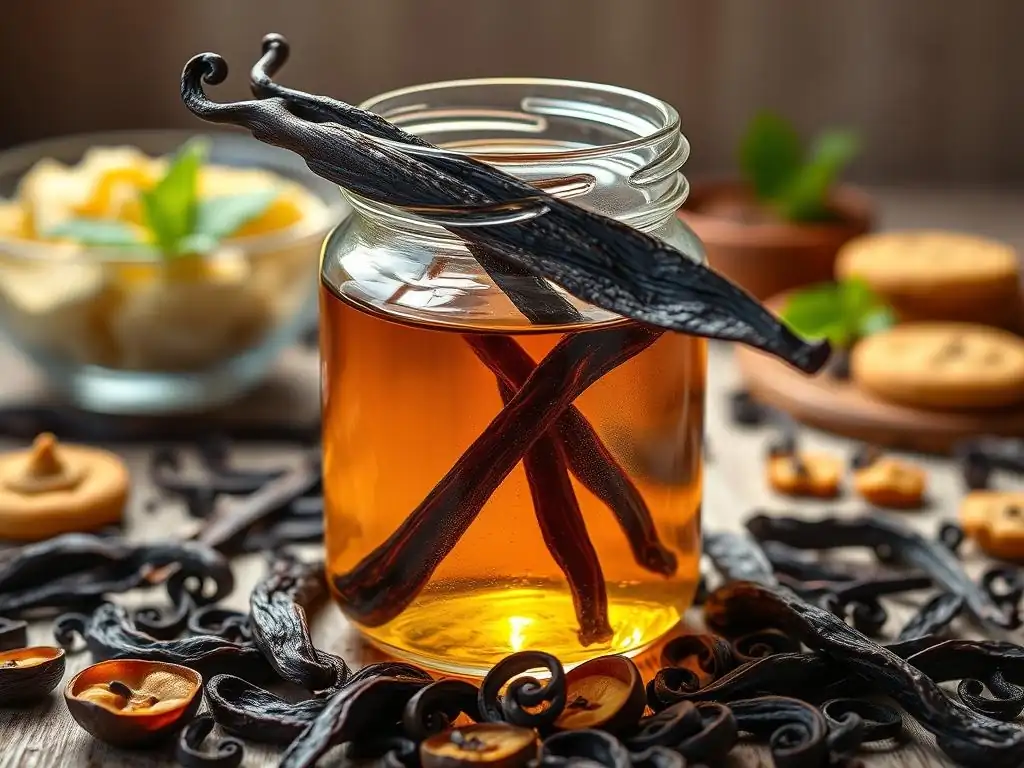
Welcome to BakeWithEase, where the joy of baking meets effortless execution! Are you ready to unlock a world of flavor you never knew existed? This week, we're diving deep into the aromatic secrets of premium baking ingredients, specifically exploring the transformative power of vanilla bean infusion baking. Discover how this simple technique can elevate your desserts from ordinary to extraordinary. Intrigued? Let's unravel the mysteries and infuse your creations with unparalleled vanilla perfection!
Infusing liquids with vanilla beans is a time-honored technique that unlocks a depth of flavor far beyond what extracts can offer. It's about coaxing the complex, aromatic compounds directly from the source, resulting in a richer, more nuanced vanilla profile in your baked goods. Mastering this process is a rewarding step for any baker looking to elevate their craft.
- Unlock Deeper Flavors: Mastering Vanilla Bean Infusion Baking Techniques
- Step-by-Step Guide: How to Infuse Vanilla Beans into Liquids
- Vanilla Bean Infusion Baking Recipes: Inspiration and Ideas
- Elevate Your Baking: The Best Vanilla Beans and Tools for Infusion
- Troubleshooting Vanilla Bean Infusion: Common Problems and Solutions
- Beyond the Basics: Advanced Vanilla Bean Infusion Techniques
- The Gourmet Touch: Premium Vanilla Extracts vs. Vanilla Bean Infusions
-
Frequently Asked Questions
- What exactly is vanilla bean infusion baking and why should I consider it?
- What types of liquids work best for vanilla bean infusion?
- How long should I infuse the vanilla beans in the liquid?
- Can I reuse the vanilla beans after infusing them in liquid?
- What are some specific baking recipes that benefit most from vanilla bean infusion?
- Final Reflection: The Enduring Allure of Vanilla Bean Infusion
- Unlock the Magic of Vanilla: Infuse Your Baking!
Unlock Deeper Flavors: Mastering Vanilla Bean Infusion Baking Techniques
Venturing into vanilla bean infusion baking allows you to control the intensity and character of the vanilla flavor in your creations. Unlike artificial or even many natural extracts, using the whole bean brings forth hundreds of aromatic compounds, creating a truly multi-dimensional taste experience. This section dives into why infusion is so powerful and how different beans contribute unique notes to your baking.
Why Infuse Vanilla Beans? Elevating Your Baking with Natural Vanilla Flavor
Infusing vanilla beans into liquids like milk, cream, or sugar syrups is a transformative step in baking. It allows the natural vanillin, along with numerous other subtle flavor compounds, to fully disperse into your base ingredient, creating a foundation of authentic vanilla taste. This process avoids the alcohol base often found in extracts, which can sometimes introduce a sharper note, instead delivering a smooth, integrated flavor.
Consider a classic pastry cream. While vanilla extract adds flavor, infusing warm milk with a split vanilla bean allows the tiny black seeds (the "caviar") and the pod itself to release their full spectrum of aromas directly into the dairy base. This creates a custard with a visibly speckled, intensely aromatic vanilla presence that simply cannot be replicated with extract alone. It’s this direct extraction that makes vanilla bean infusion baking such a valuable technique.
Understanding Vanilla Bean Varieties for Optimal Infusion
The world of vanilla beans is diverse, with different regions yielding beans with distinct flavor profiles. Choosing the right bean is crucial for achieving the desired result in your vanilla bean infusion baking projects. Each variety reacts slightly differently during infusion, contributing unique notes that can complement or contrast with other ingredients in your recipe.
Exploring the nuances of vanilla bean varieties opens up a new dimension in baking. Just as different coffee beans or chocolate origins offer unique tastes, so too do vanilla beans. Understanding these differences is key to selecting the perfect bean for your specific infusion needs, whether you're aiming for classic warmth or something more exotic.
Madagascar Vanilla Beans: The Classic Choice for Baking Infusion
Madagascar vanilla beans, often referred to as Bourbon vanilla, are the most common and widely recognized type. They are prized for their rich, creamy, sweet, and classic vanilla flavor with notes of cherry and chocolate. These beans are typically plump and oily, indicating a high vanillin content, which makes them excellent for infusion.
For vanilla bean infusion baking, Madagascar beans are incredibly versatile. They perform beautifully in dairy-based infusions for custards, ice creams, and sauces, providing that quintessential vanilla flavor that enhances a wide range of desserts. Their robust profile holds up well to heating during the infusion process, ensuring a strong, reliable vanilla base for your recipes.
Tahitian Vanilla Beans: A Fruity and Floral Vanilla Infusion Option
Tahitian vanilla beans are known for their distinct floral, fruity, and slightly cherry-like aroma and flavor. They are often described as having notes of anise or licorice. These beans are typically plumper and contain less vanillin than Madagascar beans but have a higher concentration of other aromatic compounds, contributing to their unique profile.
Using Tahitian vanilla beans for infusion in baking can add a sophisticated, aromatic layer to your dishes. They pair particularly well with fruit-based desserts, light creams, or delicate cakes where their floral notes can shine without being overpowered. When performing vanilla bean infusion baking with Tahitian beans, consider recipes where you want a brighter, more perfumed vanilla character.
Mexican Vanilla Beans: Bold and Spicy Flavors for Unique Infusions
Mexican vanilla beans offer a bold, smoky, and spicy flavor profile, often with hints of clove and nutmeg. They are typically thicker and darker than Madagascar beans. As the originators of vanilla cultivation, Mexico produces beans with a heritage flavor that differs from the island varieties.
Infusing liquids with Mexican vanilla beans is ideal for baking recipes where you want a warmer, spicier vanilla note. They work wonderfully in chocolate desserts, spiced cakes, or anything where those warm, earthy undertones would be a welcome addition. When exploring vanilla bean infusion baking with Mexican beans, think about how their unique spice notes can complement ingredients like cinnamon, chili, or dark chocolate.
Step-by-Step Guide: How to Infuse Vanilla Beans into Liquids
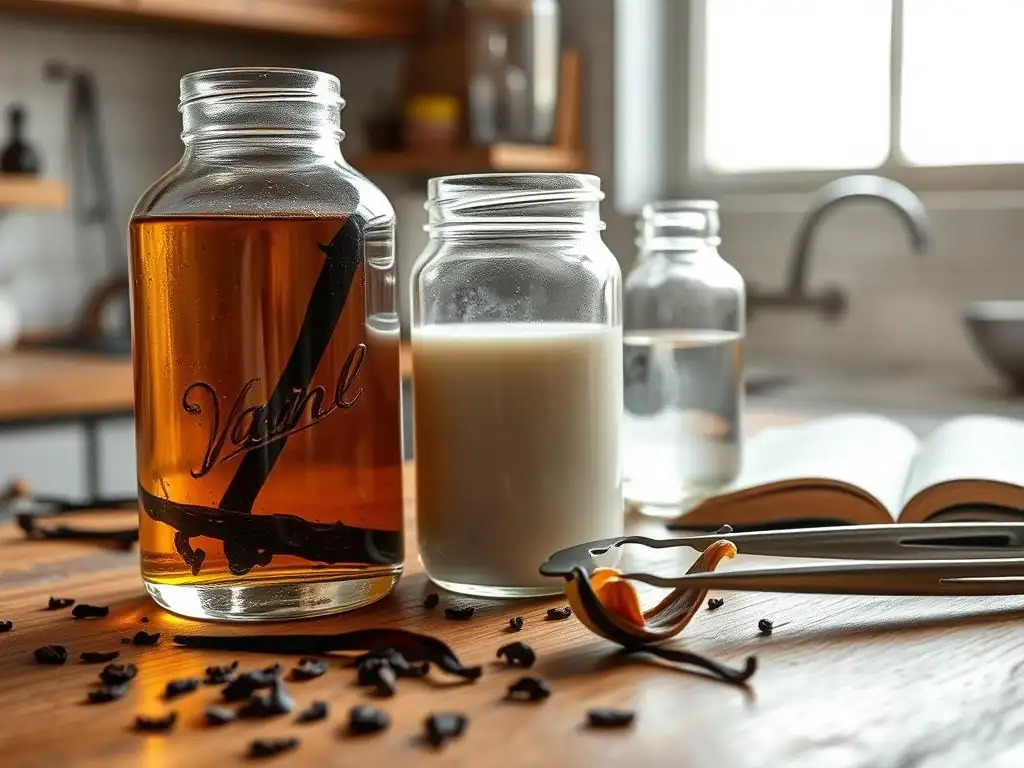
Infusing vanilla beans is a straightforward process, but attention to detail ensures you extract the maximum flavor. The basic steps involve preparing the bean, combining it with your chosen liquid, allowing time for the flavors to meld, and finally straining. This section breaks down each part of the process for successful vanilla bean infusion baking.
Mastering the technique involves understanding the nuances of heat, time, and preparation methods. Whether you're making a quick hot infusion for a custard or a slow cold infusion for a syrup, following these steps will help you achieve a perfectly flavored liquid ready for your baking adventures.
Choosing the Right Liquid for Your Vanilla Bean Infusion
The liquid you choose to infuse will significantly impact the final flavor and application in your baking. Different liquids absorb and carry the vanilla flavor differently. Consider the end use of the infused liquid when making your selection.
Selecting the appropriate liquid is the first crucial step in vanilla bean infusion baking. The fat content and base flavor of the liquid will influence how the vanilla compounds are extracted and perceived. Match the liquid to the recipe you plan to make for the best results.
Milk Infusion for Creamy Desserts and Baking Recipes
Milk is a classic choice for vanilla bean infusion, especially for creamy desserts like puddings, custards, crème brûlée, and ice cream bases. The fat in milk helps carry the vanilla flavor effectively, resulting in a rich and smooth infusion. Using whole milk typically yields a more luxurious result than lower-fat options.
To infuse milk, you generally heat it gently (avoiding a rolling boil) with the prepared vanilla bean. A common ratio is one whole vanilla bean per 1-2 cups of milk. This vanilla bean infusion is then used directly in recipes, providing a foundational layer of flavor for countless baked goods and desserts.
Cream Infusion for Rich Pastries and Luxurious Fillings
Heavy cream or whipping cream is ideal for creating incredibly rich and decadent vanilla infusions, perfect for panna cotta, ganaches, pastry cream fillings, or whipped cream toppings. The higher fat content in cream allows for an even more intense extraction and a truly luxurious texture.
Infusing cream follows a similar process to milk, often involving gentle heating. A single vanilla bean can flavor 1-2 cups of heavy cream beautifully. This rich vanilla bean infusion is excellent for recipes where vanilla is a primary flavor component and you want a truly indulgent result in your vanilla bean infusion baking.
Water Infusion for Delicate Cakes and Light Batters
While less common than dairy infusions, infusing water with vanilla beans can be useful for delicate applications where you don't want the richness of milk or cream. This might include light syrups for moistening cakes, simple glazes, or even in some génoise or sponge cake batters where minimal fat is desired.
Water infusion yields a cleaner, less rich vanilla flavor. It requires a slightly different approach, often benefiting from a longer infusion time or a higher bean-to-liquid ratio to achieve a noticeable flavor. Using vanilla bean infusion baking with water allows the pure vanilla notes to come through without the masking effect of fat.
Alcohol Infusion: Creating Vanilla Extract and Flavoring for Cocktails and Baking
Alcohol, particularly vodka, rum, or bourbon, is the base for homemade vanilla extract. Infusing vanilla beans in alcohol extracts the vanillin and other compounds effectively and preserves the flavor over time. This infusion is a cornerstone of vanilla flavoring for baking and beyond.
To make homemade vanilla extract, split vanilla beans are submerged in alcohol (usually 35-40% alcohol by volume). A standard ratio is about 1 ounce of vanilla beans (roughly 5-8 beans, depending on size) per cup of alcohol. This process takes several months for the flavor to fully develop, resulting in a potent vanilla bean infusion perfect for all your vanilla bean infusion baking needs.
Preparing Your Vanilla Beans for Infusion
Properly preparing your vanilla bean is essential for maximizing flavor extraction. The goal is to expose the inner seeds and increase the surface area of the pod coming into contact with the liquid. Two primary methods are commonly used.
Taking a moment to prepare the bean correctly makes a significant difference in the intensity and quality of your vanilla bean infusion. Don't just drop the whole bean in; a little preparation goes a long way in unlocking those precious flavors.
Slicing and Scraping: Unlocking the Vanilla Bean's Aromatic Potential
The most effective method for infusion is to slice the vanilla bean lengthwise and scrape out the tiny, oily seeds (often called vanilla caviar). These seeds contain a high concentration of flavor compounds. Once scraped, both the seeds and the split pod are added to the liquid.
- Place the bean on a cutting board.
- Using a sharp paring knife, carefully slice the bean down the center lengthwise, from one end to the other.
- Open the bean like a book.
- Using the back of your knife or a small spoon, gently scrape along the inside of each half of the pod to remove the seeds.
- Add both the seeds and the scraped pod to your liquid for infusion.
This technique ensures that both the vanillin-rich seeds and the flavorful pod contribute to the vanilla bean infusion, providing a full spectrum of flavor for your baking.
Whole Bean Infusion: A Simple Method for Subtler Vanilla Flavor
While slicing and scraping is preferred for intense flavor, you can also infuse liquids with a whole, unsplit vanilla bean. This method is simpler but yields a subtler vanilla flavor as the liquid has less direct access to the seeds and inner surface of the pod.
For whole bean infusion, simply add the intact bean to the liquid. This might be suitable for applications where you want just a hint of vanilla or are infusing for a very long period (like in alcohol for extract, though splitting is still recommended for faster results). While easier, it's generally less effective for achieving a strong flavor quickly in vanilla bean infusion baking compared to using split and scraped beans.
The Infusion Process: Time, Temperature, and Patience
The conditions under which you infuse your vanilla beans significantly impact the outcome. Both temperature and time play critical roles in how efficiently the flavor compounds are extracted from the bean into the liquid. Choosing between a hot or cold infusion depends on your recipe and desired flavor intensity.
Understanding the relationship between heat and time is key to successful vanilla bean infusion baking. Higher temperatures speed up extraction but can also cause some delicate aromas to dissipate, while lower temperatures require more time but preserve a broader range of volatile compounds.
Cold Infusion: A Gentle Method for Preserving Delicate Flavors
Cold infusion involves placing the vanilla bean (split and scraped is best) in a liquid and letting it steep at room temperature or in the refrigerator for an extended period, often hours or even days. This gentle method is excellent for preserving the more delicate, volatile aromatic compounds in the vanilla bean.
Cold infusion works well for sugar syrups, some dairy bases that won't be heated later (like for cold desserts), or for creating vanilla-flavored oils. It requires patience, as flavor extraction is slower than with heat. For instance, a cold milk infusion might take 4-8 hours in the refrigerator to achieve a noticeable flavor, versus 30-60 minutes with heat. This method is particularly valuable when a recipe calls for minimal heat application later in the process.
Hot Infusion: A Quick and Efficient Way to Extract Vanilla Essence
Hot infusion is the most common method for vanilla bean infusion baking, especially when working with milk or cream for custards, sauces, or pastry cream. It involves gently heating the liquid with the prepared vanilla bean. The heat significantly speeds up the extraction process.
To perform a hot infusion, combine the liquid and vanilla bean in a saucepan and heat over medium-low heat until it just begins to simmer or steam. Remove from heat, cover, and let steep. A typical hot infusion might steep for 30-60 minutes off the heat to allow the flavors to fully develop as the liquid cools slightly. Ensure you don't boil the liquid vigorously, as this can negatively impact both the dairy and the vanilla flavor.
Straining and Storing Your Vanilla Bean Infusion
Once your liquid has been infused to your desired strength, the next steps are straining out the bean material and storing the flavored liquid properly. These steps are crucial for a smooth, clean infusion and for maintaining its quality until you're ready to use it in your vanilla bean infusion baking.
Proper handling after infusion ensures that you have a clear, pure vanilla-flavored liquid free from any residual bean particles and that its wonderful aroma is preserved for your baking projects.
Choosing the Right Strainer: Achieving a Smooth and Clear Infusion
To remove the vanilla bean pod and seeds from your infused liquid, you'll need a fine-mesh strainer. This is especially important if you've scraped the seeds into the liquid, as you want to remove the larger pieces of pod while allowing the tiny seeds (which are flavorful and visually appealing) to remain, or to remove all solids for a perfectly smooth liquid.
For a smooth, clear infusion, pour the liquid through a sieve lined with cheesecloth or a fine-mesh strainer. If you want to keep the seeds in the liquid (common for crème brûlée or panna cotta), a standard fine-mesh strainer is sufficient to catch just the pod pieces. For a perfectly clear liquid (like for a syrup or glaze), a double strain or using cheesecloth is recommended.
Proper Storage: Maximizing the Shelf Life and Flavor of Your Infusion
Once strained, the infused liquid should be stored properly to maintain its flavor and freshness. Dairy infusions (milk or cream) should be cooled quickly and stored in an airtight container in the refrigerator, typically lasting 3-4 days.
Non-dairy infusions like sugar syrups or alcohol-based infusions have a much longer shelf life. Sugar syrups can last several weeks or even months in the refrigerator, while homemade vanilla extract (alcohol infusion) can last indefinitely, improving with age when stored in a cool, dark place in a sealed bottle. Always use clean, airtight containers for storage to prevent contamination and preserve the vanilla aroma for your vanilla bean infusion baking.
Vanilla Bean Infusion Baking Recipes: Inspiration and Ideas
Now that you know how to create beautiful vanilla bean infusions, let's explore some classic baking recipes where this technique truly shines. Using infused liquids adds a layer of gourmet flavor that elevates everyday desserts into something special.
Incorporating vanilla bean infusion into your favorite recipes is a simple way to upgrade their taste and aroma. These examples showcase how different infused liquids can be used to enhance specific types of baked goods and desserts.
Vanilla Bean Infused Milk for Crème brûlée: A Classic Dessert Enhanced
Crème brûlée relies heavily on the quality of its custard base, and vanilla bean infused milk is the key to achieving a truly exceptional version. Infusing the milk ensures that every spoonful is permeated with rich, authentic vanilla flavor and speckled with those desirable black seeds.
To make this, gently heat milk with a split and scraped vanilla bean, letting it steep for about 30-60 minutes. Strain the milk (keeping the seeds!) and use it in your standard crème brûlée recipe. The result is a custard with a depth of flavor that store-bought extract simply cannot match, making your vanilla bean infusion baking effort incredibly rewarding.
Vanilla Bean Infused Cream for Panna Cotta: A Silky Smooth Delight
Panna cotta's simple elegance is amplified by the use of vanilla bean infused cream. The silky texture of the dessert provides the perfect canvas for the luxurious, full-bodied flavor extracted from the vanilla bean, often leaving visible vanilla seeds suspended throughout.
Infuse heavy cream by gently heating it with a split and scraped vanilla bean, letting it steep off the heat. Use this infused cream base for your panna cotta, adding sugar and gelatin. The slow set of the cream allows the vanilla flavor to remain prominent, resulting in a dessert that is both visually appealing and deeply flavorful thanks to vanilla bean infusion baking.
Vanilla Bean Infused Sugar Syrup for Cakes: Enhancing Moisture and Flavor
A simple sugar syrup infused with vanilla beans can be used to moisten cake layers, adding both moisture and a subtle, elegant vanilla flavor. This is particularly effective for sponge cakes or génoise, which benefit greatly from being brushed or drizzled with syrup.
Prepare a simple syrup (equal parts sugar and water) and infuse it with a split vanilla bean either hot (steep while the syrup is warm) or cold (steep for several hours or overnight). Strain before use. Brushing this vanilla bean infusion onto cake layers adds moisture and integrates a lovely vanilla note throughout the cake, a simple yet impactful vanilla bean infusion baking technique.
Vanilla Bean Infused Vodka: Making Your Own Vanilla Extract
As mentioned earlier, infusing vanilla beans in vodka or other neutral spirits is how you create homemade vanilla extract. This process takes time but yields a high-quality extract that is often more complex and flavorful than many store-bought versions.
Submerge split vanilla beans in a bottle of vodka, ensuring they are fully covered. Store in a cool, dark place, shaking occasionally. The flavor will develop over several months, becoming stronger over time. This vanilla bean infusion is a pantry staple for all your future vanilla bean infusion baking needs.
Elevate Your Baking: The Best Vanilla Beans and Tools for Infusion
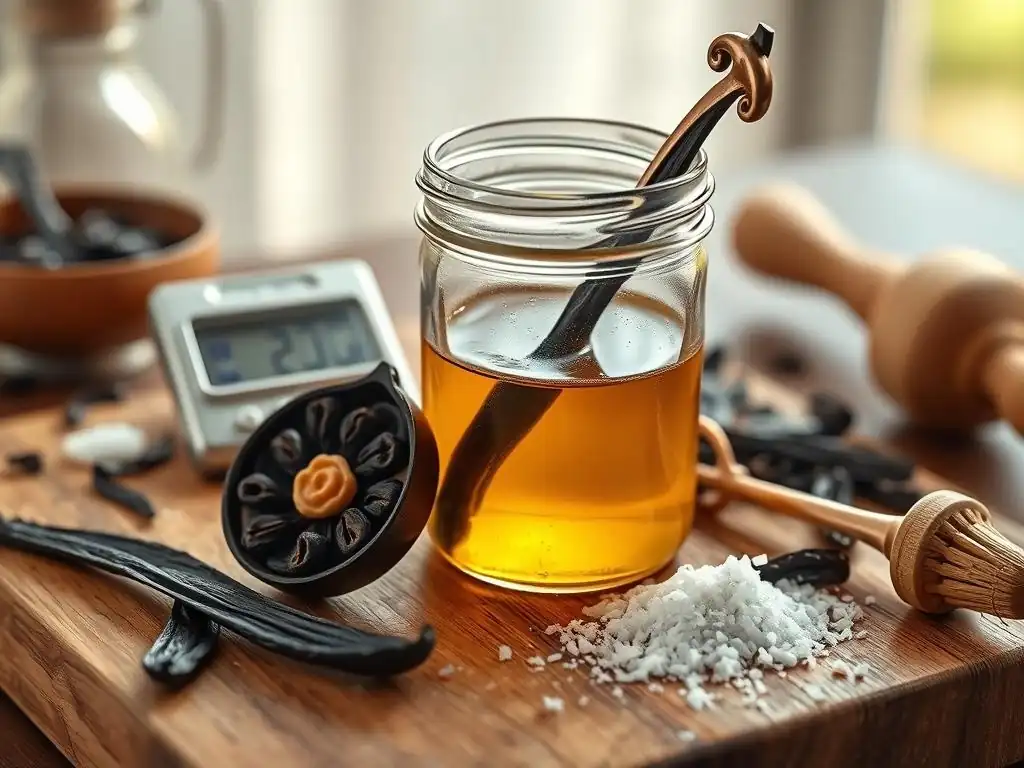
Achieving the best results in vanilla bean infusion baking starts with high-quality ingredients and the right tools. Investing in premium vanilla beans and helpful gadgets can make the process easier and ensure you extract the most flavor possible.
Choosing quality beans ensures you're working with the best possible starting material, while specific tools can simplify the preparation and straining steps, leading to a more successful and enjoyable vanilla bean infusion experience.
Recommended Vanilla Beans: Sourcing High-Quality Ingredients
The quality of your vanilla bean directly impacts the flavor of your infusion. Look for beans that are plump, moist, and oily, not dry or brittle. They should also be aromatic. Several reputable suppliers specialize in high-quality vanilla beans from various regions.
Investing in good vanilla beans is crucial for achieving truly gourmet results in your vanilla bean infusion baking. While they are more expensive than extract, a single high-quality bean can provide intense flavor for a significant amount of liquid.
Nielsen-Massey Vanilla Beans: A Premium Choice for Serious Bakers
Nielsen-Massey is a well-regarded supplier known for its high-quality vanilla products, including a range of single-origin vanilla beans. They offer beans from Madagascar, Tahiti, Mexico, and other regions, allowing bakers to experiment with different flavor profiles.
Their commitment to quality ensures that their beans are consistently plump, fragrant, and ideal for infusion. While they represent a higher price point, using Nielsen-Massey beans in your vanilla bean infusion baking guarantees a premium vanilla flavor base.
Singing Dog Vanilla Beans: Organic and Sustainably Sourced
Singing Dog Vanilla is another excellent option, focusing on organic and sustainably sourced vanilla beans, primarily from Papua New Guinea and Indonesia. They operate on a unique "Fair Trade Plus" model, sharing profits directly with vanilla farmers.
Their beans are known for their excellent quality and ethical sourcing. Choosing Singing Dog Vanilla supports sustainable practices while providing you with flavorful beans perfect for vanilla bean infusion baking, offering slightly different profiles (often smoky or fruity) depending on the origin.
Essential Tools for Vanilla Bean Infusion: Maximizing Flavor Extraction
While you can infuse vanilla beans with just a knife and a pot, certain tools can make the process more efficient and yield better results, particularly when it comes to preparing the bean and straining the liquid.
Having the right tools on hand can streamline the vanilla bean infusion process, making it less messy and ensuring you get the most out of your precious vanilla beans for your baking projects.
Messermeister Pro-Touch Vanilla Bean Scraper: Precise and Efficient
Scraping the seeds from a vanilla bean can be a bit fiddly. A specialized tool like the Messermeister Pro-Touch Vanilla Bean Scraper is designed specifically for this task, allowing you to efficiently remove all the seeds from the pod with minimal effort.
This tool's curved shape perfectly fits the inside of the bean, making scraping faster and more complete than using the back of a knife. It's a small investment that can make a big difference in preparing beans for vanilla bean infusion baking.
Cuisinart Fine Mesh Strainer: Achieving a Smooth and Clear Infusion
A good fine-mesh strainer is indispensable for removing the vanilla bean pod after infusion. A quality strainer, like those from Cuisinart, ensures that you catch all the solid pieces while allowing the infused liquid (and seeds, if desired) to pass through smoothly.
Look for a strainer with a sturdy handle and a very fine mesh. This prevents small fragments of the pod from ending up in your finished infusion, ensuring a clean texture in your vanilla bean infusion baking.
Bormioli Rocco Swing Top Glass Bottles: Preserving Your Vanilla Infusion
For storing homemade vanilla extract or larger batches of infused syrups, airtight glass bottles are ideal. Bormioli Rocco swing-top bottles are excellent because they provide a secure, airtight seal that preserves the flavor and aroma of your vanilla bean infusion.
These bottles are also visually appealing, making them great for storing homemade extract or gifting infused syrups. Proper storage in a sealed container is key to maintaining the quality of your vanilla bean infusion over time for consistent results in your baking.
Troubleshooting Vanilla Bean Infusion: Common Problems and Solutions
Even with the right steps, you might encounter some issues when infusing vanilla beans. Addressing common problems like weak flavor or a bitter taste ensures your vanilla bean infusion baking is always a success.
Understanding potential pitfalls allows you to quickly identify and fix them, ensuring your infused liquids are consistently flavorful and ready to enhance your baked goods.
Weak Vanilla Flavor: Ensuring Optimal Bean-to-Liquid Ratio
A common issue is the infused liquid having a less intense vanilla flavor than desired. This is often due to using too little vanilla bean for the amount of liquid, insufficient infusion time, or not properly preparing the bean (e.g., using a whole bean instead of splitting and scraping).
Solution: Increase the bean-to-liquid ratio. A good starting point for dairy or syrups is typically one whole bean (split and scraped) per cup of liquid. Ensure you are splitting and scraping the bean to expose the seeds and inner pod. Allow sufficient infusion time – hot infusions need at least 30-60 minutes off the heat, while cold infusions require several hours or overnight. For alcohol extract, ensure the ratio is about 1 ounce of beans per cup of alcohol and allow several months. Adjusting these factors will significantly boost the flavor in your vanilla bean infusion baking.
Bitter Taste: Avoiding Over-Infusion and Choosing Quality Beans
Sometimes, an infused liquid can develop a slightly bitter or off-flavor. This can happen if the vanilla bean is infused for too long at too high a temperature (especially dairy, which can scorch), if the bean was of poor quality, or if the bean was over-extracted.
Solution: Avoid infusing dairy at a rolling boil; gentle heating is key. Once heated, remove from the heat and let steep as it cools naturally. Do not leave the bean in the liquid indefinitely after it has cooled, unless making extract. Ensure you are using fresh, pliable beans from a reputable source, as dry or old beans can sometimes impart off-flavors. If a hot infusion tastes bitter, reduce the steeping time in future attempts. Quality beans and careful temperature control are vital for successful vanilla bean infusion baking.
Cloudy Infusion: Proper Straining Techniques for Clarity
A cloudy infusion, particularly when clarity is desired (like in a syrup or clear glaze), is usually caused by not straining the liquid sufficiently or using a strainer with too large a mesh size.
Solution: Use a very fine-mesh strainer, possibly lined with cheesecloth, to strain the liquid after infusion. Pour slowly to allow the liquid to pass through without forcing small particles. If necessary, strain the liquid a second time through clean cheesecloth. For applications where clarity is paramount, ensure all solid particles, including the tiniest seeds, are removed if desired. Proper straining ensures your vanilla bean infusion is clean and ready for use in your baking.
Beyond the Basics: Advanced Vanilla Bean Infusion Techniques
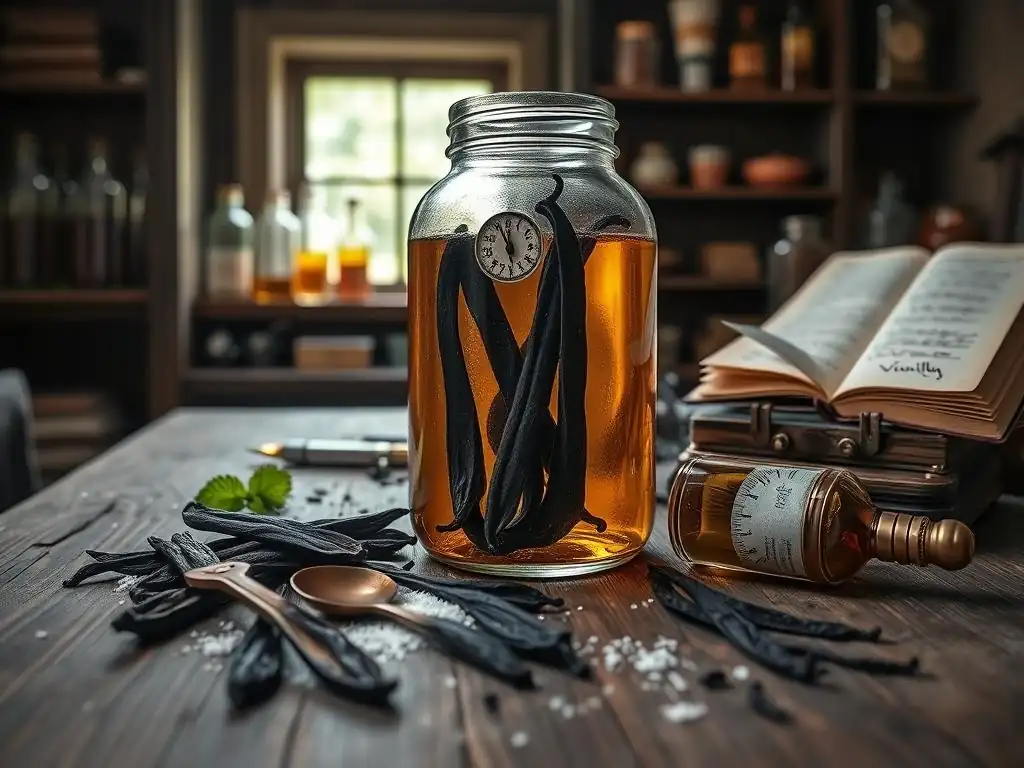
Once you're comfortable with basic vanilla bean infusion baking, you can explore more advanced techniques to add complexity and versatility to your vanilla creations. This includes combining vanilla with other flavors, using different forms of vanilla, and maximizing the use of your beans.
These advanced methods allow you to fine-tune your vanilla flavor profiles and get the absolute most value and flavor out of your vanilla beans, taking your vanilla bean infusion baking to the next level.
Layering Flavors: Combining Vanilla with Other Spices and Extracts
Vanilla's complex profile pairs wonderfully with many other flavors. You can infuse vanilla beans alongside other spices like cinnamon sticks, star anise, cardamom pods, or citrus peels to create uniquely flavored liquids for baking.
For example, infusing milk with a vanilla bean and a cinnamon stick creates a warm, spiced vanilla base perfect for rice pudding or bread pudding. Or, cold-infusing a syrup with vanilla and orange peel yields a bright, aromatic liquid for soaking cakes. Experimenting with these combinations adds depth and originality to your vanilla bean infusion baking.
Vanilla Bean Powder: A Versatile Ingredient for Baking and Infusion
Vanilla bean powder is made from whole, dried, ground vanilla beans. It contains all the flavor compounds of the bean and can be used differently than whole beans or extract. While not a liquid infusion itself, it can be infused directly into dry ingredients or liquids, offering versatility.
You can whisk vanilla bean powder directly into dry mixes, doughs, or batters for even distribution of flavor and visible vanilla specks. It can also be infused into warm liquids, though it won't fully dissolve, leaving fine particles. Using vanilla bean powder in your vanilla bean infusion baking offers another way to incorporate pure vanilla flavor.
Reusing Vanilla Bean Pods: Extending the Value of Your Ingredients
Don't discard your vanilla bean pods after infusing! The pods still contain significant flavor and can be reused, extending their value. This is an economical and resourceful practice in vanilla bean infusion baking.
Spent pods can be rinsed, dried, and added to a jar of sugar to make vanilla sugar. They can be added to coffee grounds or tea leaves for flavoring. For a second, milder infusion, they can be added to another batch of liquid, though the flavor will be less intense than a fresh bean. Reusing pods is a great way to ensure you get every bit of flavor from your investment.
While vanilla bean infusion baking offers unparalleled depth, there's also a place for high-quality vanilla extracts. Understanding the differences between extracts and infusions, and when to use each, is key to choosing the best vanilla flavor for your specific recipe needs.
Both extracts and infusions are valuable tools in the baker's arsenal. Knowing their strengths and weaknesses allows you to make informed decisions that will yield the most flavorful results in your baking.
Understanding the Differences: Flavor Profiles and Applications
Vanilla extract is typically made by macerating vanilla beans in alcohol and water, concentrating the flavor. It's a convenient liquid flavoring. Vanilla bean infusion involves steeping the bean directly in the liquid intended for the recipe (milk, cream, syrup, etc. ).
Extract provides a consistent, concentrated vanilla flavor that is easy to measure and incorporate into batters and doughs. Infusion delivers a fresher, more nuanced flavor profile directly into a recipe's base liquid, often resulting in a richer, more integrated vanilla taste, particularly in dairy-based desserts. The flavor profile of a vanilla bean infusion baking base often feels more "whole" compared to adding extract at the end.
When to Use Vanilla Extract vs. Vanilla Bean Infusion: Guiding Your Baking Choices
Choose vanilla bean infusion when:
- Vanilla is the primary flavor (e.g., panna cotta, crème brûlée, vanilla ice cream).
- You are using a liquid base (milk, cream, syrup) that will be heated, aiding infusion.
- You desire the visual appeal of vanilla seeds.
- You want the most complex, authentic vanilla flavor possible.
Choose vanilla extract when:
- Vanilla is a background flavor or used in combination with many other strong flavors.
- The recipe doesn't involve a liquid base suitable for infusion (e.g., shortbread cookies, cakes where extract is added to batter).
- Convenience and ease of measurement are priorities.
- Cost is a significant factor (extract is generally less expensive per use than whole beans).
Both have their place in vanilla bean infusion baking and general baking; the choice depends on the desired outcome and recipe requirements.
Nielsen-Massey Vanilla Extract: A Convenient and High-Quality Alternative
For times when using whole beans isn't feasible or necessary, a high-quality vanilla extract is essential. Nielsen-Massey, mentioned earlier for their beans, also produces premium extracts known for their pure, clean vanilla flavor.
Their extracts, like their Madagascar Bourbon Vanilla Extract, are made using a cold extraction process that preserves the delicate flavor compounds. While different from a direct vanilla bean infusion, using a premium extract like Nielsen-Massey ensures you still get a superior vanilla flavor when a whole bean infusion isn't the best fit for your specific vanilla bean infusion baking project.
Frequently Asked Questions
What exactly is vanilla bean infusion baking and why should I consider it?
Vanilla bean infusion baking involves extracting flavor from vanilla beans into liquids like milk or cream, which are then used in baking. It provides a superior, richer vanilla flavor compared to using vanilla extract alone.
What types of liquids work best for vanilla bean infusion?
Dairy products like milk, cream, and butter are excellent choices because the fat helps extract and carry the vanilla flavor. Water and alcohol can also be used, but the fat content in dairy yields the best results.
How long should I infuse the vanilla beans in the liquid?
For optimal flavor, infuse the vanilla bean(s) in the liquid for at least 30 minutes to an hour, but longer infusions (several hours or even overnight in the refrigerator) will result in a more intense vanilla flavor.
Can I reuse the vanilla beans after infusing them in liquid?
Yes, absolutely! After infusing, rinse and dry the vanilla beans. You can reuse them several times for infusion or add them to sugar to create vanilla-infused sugar.
What are some specific baking recipes that benefit most from vanilla bean infusion?
Recipes where vanilla flavor is prominent shine with vanilla bean infusion. Think custards, creams, ice cream, and delicate cakes like vanilla bean cheesecake or vanilla bean panna cotta.
Final Reflection: The Enduring Allure of Vanilla Bean Infusion
The art of infusing liquids with vanilla beans isn't just a culinary technique; it's a pathway to unlocking deeper, more nuanced flavors in our baking. The subtle complexity achieved through this process elevates even the simplest recipes, transforming them into truly memorable experiences. This enduring method, passed down through generations, remains remarkably relevant in today's fast-paced culinary world, where authenticity and quality ingredients are increasingly valued.
The impact of vanilla bean infusion extends beyond the immediate sensory experience. It speaks to a deeper connection with food, a desire to understand the origins and processes behind the flavors we enjoy. It's a reminder to slow down, to appreciate the meticulous steps involved in crafting something truly special. The simplest things are often the most beautiful,
a sentiment that perfectly encapsulates the magic of vanilla bean infusion. This simple act of infusing connects us to a richer culinary history, reminding us of the importance of patience and attention to detail in creating something truly exceptional.
Consider, for a moment, the possibilities. Imagine the subtle vanilla notes dancing on your tongue in your next batch of cookies, the rich aroma filling your kitchen as your custard simmers. You, too, can unlock this secret, transforming your baking from ordinary to extraordinary. Embrace the process, experiment with different beans and liquids, and discover the unique flavor profile that best suits your palate. The journey of vanilla bean infusion is as rewarding as the destination.
Unlock the Magic of Vanilla: Infuse Your Baking!
Thanks for exploring the delightful world of vanilla bean infusions! We hope you've gained some delicious inspiration for elevating your baking. Ready to take your skills to the next level?
- Craft your signature vanilla extract: Follow our guide's techniques to create a personalized extract, perfectly tailored to your taste. This is your chance to experiment with different beans and strengths.
- Share your creations: Post photos of your vanilla-infused masterpieces on social media and tag #BakeWithEaseVanilla – let's build a community of vanilla enthusiasts!
- Experiment with new flavors: Try infusing other liquids like syrups or liqueurs with vanilla – the possibilities are endless! What exciting vanilla-infused recipe will you create next?