
Flavor Boost: Getting the Most Intense Vanilla Taste in Your Baked Goods

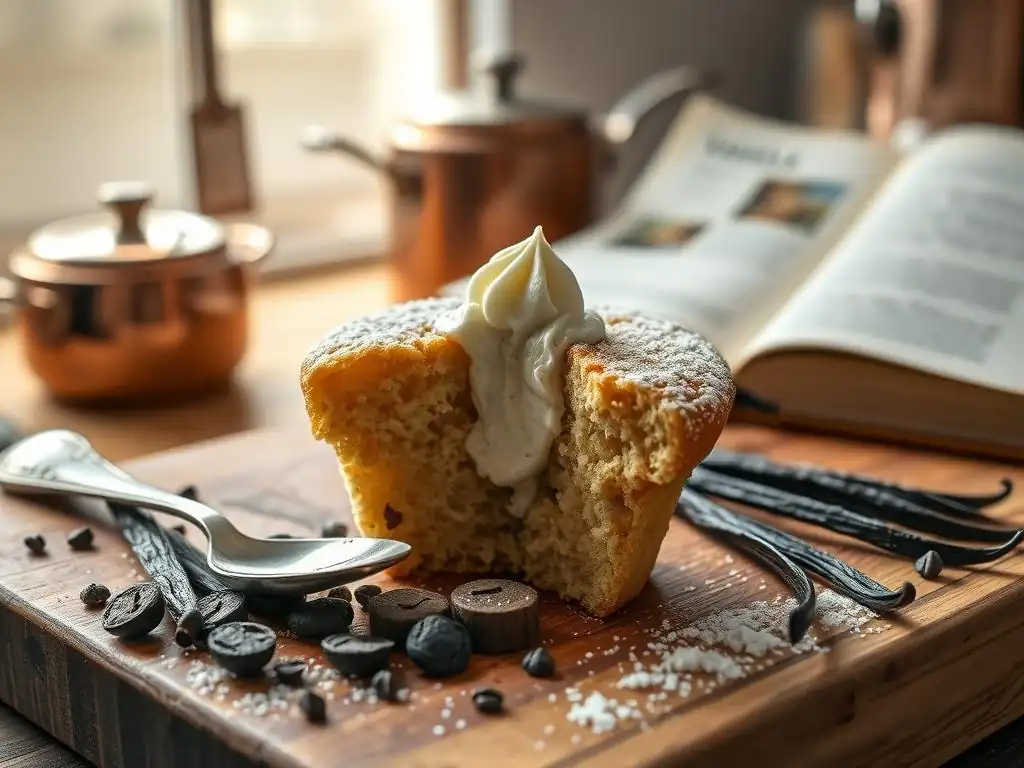
Welcome to BakeWithEase, your kitchen companion for unlocking baking brilliance! Ever wondered how to achieve that intense vanilla flavor in your baked goods that truly elevates them? You've come to the right place. Prepare to delve into the secrets of vanilla, from choosing the right extract to mastering infusion techniques. Get ready to transform your pastries, cakes, and cookies into unforgettable masterpieces, starting with our guide to achieving the most intense vanilla flavor possible. Let's bake!
- Understanding Intense Vanilla Flavor Recipes and Techniques
- Step-by-Step Guide: Maximizing Vanilla Impact in Your Baking
- Intense Vanilla Flavor Recipe Examples: Putting the Techniques to the Test
- Advanced Vanilla Techniques for the Dedicated Baker
- Troubleshooting Weak Vanilla Flavor: Common Mistakes and Solutions
- Conclusion: Elevating Your Baking with Intense Vanilla Flavor.
-
Frequently Asked Questions
- How can I achieve a more intense vanilla flavor in my baked goods?
- What is the difference between vanilla extract and vanilla bean paste, and which is better for strong vanilla flavor?
- Can I use vanilla powder to boost the vanilla intensity in my recipes?
- Does the type of sugar I use affect the vanilla flavor perception?
- How does heat affect vanilla flavor during baking?
- Final Reflection: The Pursuit of the Perfect Vanilla Bean
- Unleash the Vanilla Powerhouse Within Your Baking!
Understanding Intense Vanilla Flavor Recipes and Techniques
Achieving a truly intense vanilla flavor in your baking is a goal for many home cooks and professional bakers alike. It's about more than just adding a splash of extract; it involves understanding the source of vanilla's complexity and how different forms behave under heat. The quest for intense vanilla flavor recipes often begins with recognizing that not all vanilla is created equal, and the techniques used can significantly impact the final taste profile of your cakes, cookies, and pastries.
This section will delve into the nuances that contribute to that coveted rich, aromatic vanilla presence in your baked goods. We'll explore what gives vanilla its depth and how various vanilla products differ, setting the stage for mastering intense vanilla flavor techniques that will elevate your baking from pleasant to absolutely sublime. By understanding these fundamentals, you'll be better equipped to select the right ingredients and apply the best methods to ensure vanilla stands out, not just as a background note, but as a star flavor in your creations.
What Makes Vanilla Flavor "Intense"?
The intensity of vanilla flavor comes primarily from the compound vanillin, but also from hundreds of other aromatic compounds present in the cured vanilla bean. These secondary compounds contribute to the complex, nuanced profile that distinguishes real vanilla from synthetic vanillin. An "intense" vanilla flavor isn't just strong; it's often rich, creamy, slightly floral, woody, or even smoky, depending on the bean's origin and how it was processed. The perception of intensity is also influenced by how well these volatile flavor compounds survive the baking process.
Furthermore, the concentration of these compounds in the vanilla product you use plays a crucial role. A single-fold vanilla extract, for instance, is made by extracting the flavor from about 13.35 ounces of vanilla beans per gallon of alcohol/water solution. A double-fold extract uses twice that amount of beans, resulting in a much higher concentration of flavor compounds and a noticeably more intense vanilla taste when used in the same quantity. Understanding this concentration difference is key to developing truly intense vanilla flavor recipes.
Beyond Basic Vanilla Extract: Exploring Vanilla Flavor Profiles
While standard vanilla extract is the most common form used in baking, exploring other vanilla products reveals a spectrum of flavor profiles. Vanilla beans themselves offer the purest, most complex flavor. Madagascar vanilla (Vanilla planifolia) is perhaps the most popular, known for its sweet, creamy, and classic vanilla profile, often considered the benchmark for intense vanilla flavor. Tahitian vanilla (Vanilla tahitensis), a different species, tends to be more floral and fruity, adding a brighter note to baked goods. Mexican vanilla (Vanilla planifolia), the origin of the species, offers a smoky, spicy depth.
Beyond beans and standard extract, products like double-fold extract, vanilla bean paste, and vanilla powder provide different ways to achieve intensity. Double-fold extract, as mentioned, offers concentrated flavor. Vanilla bean paste combines concentrated extract with vanilla bean seeds suspended in a thick base, providing both intense flavor and visual appeal from the flecks of bean. Vanilla powder, made from ground, dried vanilla beans, offers a potent, alcohol-free option excellent for dry mixes or dusting, contributing a robust and pure vanilla presence. Each form has its strengths and can contribute uniquely to intense vanilla flavor recipes.
Step-by-Step Guide: Maximizing Vanilla Impact in Your Baking
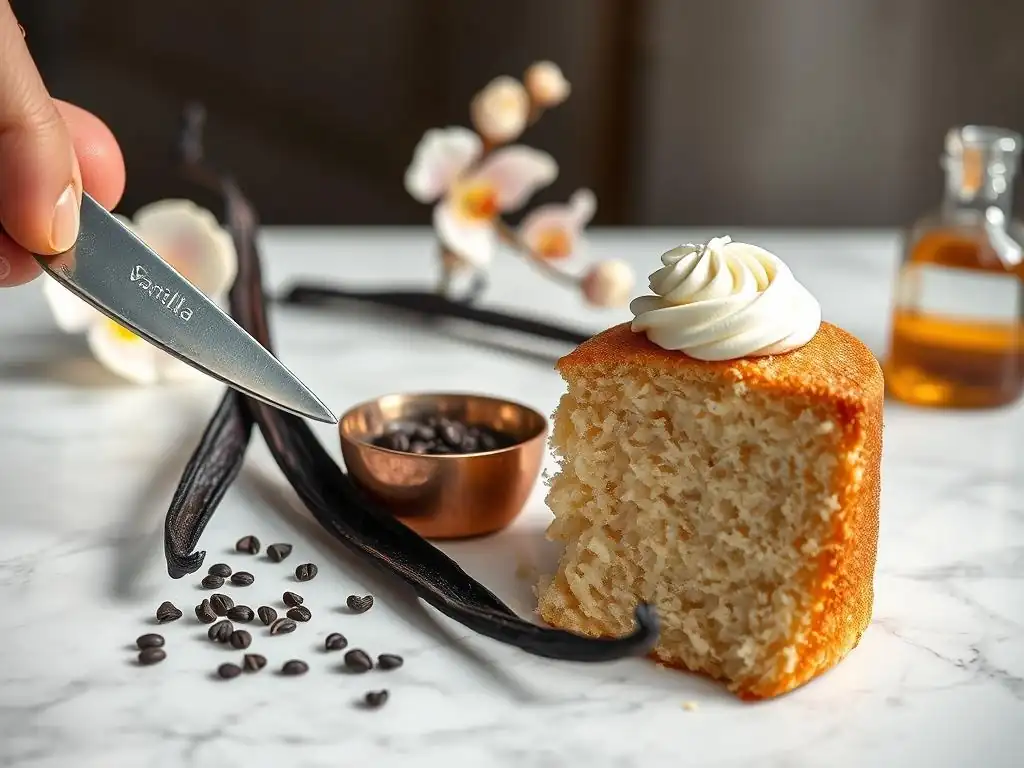
Achieving peak vanilla intensity in your baked goods requires deliberate choices at each stage, from selecting the right ingredient to applying specific techniques during mixing and baking. This guide breaks down the process into actionable steps, focusing on methods that help preserve and amplify vanilla's delicate yet powerful aromas.
Step 1: Choosing the Right Vanilla Product for Intense Flavor
The foundation of intense vanilla flavor recipes lies in selecting a high-quality vanilla product that suits your desired outcome. Different forms of vanilla offer varying levels of concentration, flavor profiles, and ease of use, each impacting the final intensity.
Vanilla Extract Comparison: Single-Fold vs. Double-Fold
- Single-Fold Extract: This is the standard extract found in most grocery stores. It meets the FDA standard of 13.35 oz of beans per gallon of liquid. While convenient and widely available, using the standard amount in a recipe might result in a subtle vanilla note rather than a truly intense one, especially in items with strong competing flavors like chocolate or citrus.
- Double-Fold Extract: Made with twice the amount of beans (26.7 oz per gallon), double-fold extract is significantly more concentrated. Using this extract allows you to achieve a much more potent vanilla flavor without adding excess liquid to your recipe. For instance, if a recipe calls for 1 teaspoon of standard extract, using 1/2 teaspoon of double-fold can yield a comparable or even stronger flavor, or using the full teaspoon can dramatically boost the vanilla presence. This is a go-to for intense vanilla flavor recipes.
Vanilla Bean Selection: Madagascar, Tahitian, Mexican
- Madagascar Vanilla Beans: Often considered the gold standard, these beans are plump and oily with a classic, sweet, creamy flavor profile. They are excellent for applications where you want that quintessential rich vanilla taste to shine.
- Tahitian Vanilla Beans: These beans are typically plumper and have a more floral, fruity, and cherry-like aroma. They are fantastic in fruit-based desserts, custards, or lighter pastries where their unique bouquet can complement other flavors.
- Mexican Vanilla Beans: Offering a smoky, spicy, and slightly woody profile, Mexican beans add complexity and depth. They pair wonderfully with chocolate, coffee, or warm spices.
Choosing the right bean depends on the desired flavor nuance, but all high-quality beans offer a depth of flavor unmatched by extract alone, contributing significantly to intense vanilla flavor recipes. Look for beans that are pliable, glossy, and fragrant, indicating freshness and high quality.
Vanilla Bean Paste: A Convenient Flavor Booster
Vanilla bean paste is a popular choice for intense vanilla flavor recipes because it offers the concentrated flavor of extract plus the visual appeal of real vanilla bean seeds. It's typically made by combining vanilla extract with ground vanilla beans and a thickener like sugar syrup or vegetable gum.
A common ratio is to substitute 1 teaspoon of vanilla extract with 1 teaspoon of vanilla bean paste. However, due to its concentration and the presence of the bean seeds, the flavor can often come across as more intense and authentic. It's particularly effective in custards, ice creams, panna cotta, and light-colored batters where the seeds are visible, signaling premium vanilla usage.
Step 2: Optimizing Vanilla Usage in Your Recipes
Once you've selected your high-quality vanilla product, the next step is to use it effectively within your recipe to maximize its impact. How and when you add vanilla can make a significant difference in the final intensity.
When to Add Vanilla: Heat Sensitivity and Flavor Release
Vanilla's delicate aromatic compounds are volatile and can evaporate when exposed to high heat for extended periods.
- In baked goods like cakes and cookies, vanilla is typically added with the wet ingredients. While some flavor is lost during baking, adding it early allows the flavor to integrate throughout the batter or dough.
- For maximum intensity, consider adding a portion of your vanilla early in the mixing process and reserving a smaller amount to stir in just before baking or even after baking, if applicable (like in a glaze or frosting). This layers the flavor, ensuring some fresh, bright vanilla notes survive the heat.
- In applications like custards or sauces cooked on the stovetop, add vanilla towards the end of the cooking process, after the mixture has thickened and been removed from direct high heat. This preserves more of the fragile aromatics.
The "Blooming" Technique: Enhancing Vanilla Flavor in Warm Liquids
A simple yet effective technique to boost vanilla intensity, especially when using vanilla beans or paste, is "blooming." This involves gently warming the vanilla in a liquid ingredient from the recipe, such as milk, cream, or melted butter, before adding it to the main mixture.
For example, when making a custard or ice cream base, split a vanilla bean and scrape the seeds into the milk or cream. Add the pod as well. Gently heat the mixture over low heat until warm (not boiling). Let it steep for 15-30 minutes, or even longer, off the heat. This gentle warmth helps to release the full spectrum of flavor compounds from the bean or paste into the liquid, resulting in a more profound vanilla presence in the final product. This technique is essential for intense vanilla flavor recipes where dairy is a primary component.
Vanilla Powder: Concentrated Flavor for Dry Ingredients
Vanilla powder, made from whole, ground vanilla beans, is a potent form of vanilla that is less affected by heat compared to alcohol-based extracts. Because it contains no alcohol or liquid, it's an excellent choice for:
- Dusting finished baked goods (like shortbread or madeleines).
- Adding to dry mixes (like pancake mix or cookie preps).
- Incorporating into frostings or glazes where you want pure, unadulterated vanilla flavor without adding extra liquid.
A small amount of vanilla powder goes a long way due to its concentration. It imparts a deep, pure vanilla taste. Be aware that it will add tiny brown flecks to your mixture, similar to vanilla bean paste. It's a fantastic ingredient for achieving robust, intense vanilla flavor in specific applications.
Step 3: Complementary Flavors That Amplify Vanilla's Intensity
Vanilla is a versatile flavor that pairs well with many ingredients. Some pairings don't just coexist with vanilla; they actively enhance its perceived intensity and complexity.
Chocolate and Vanilla: A Classic Pairing
Chocolate and vanilla are a match made in culinary heaven. The richness and slight bitterness of chocolate provide a perfect backdrop that allows the sweet, creamy notes of vanilla to pop. In recipes like chocolate chip cookies, marble cake, or chocolate lava cakes, a generous amount of high-quality vanilla extract or paste can elevate the chocolate flavor while also asserting its own delicious presence.
Using a robust vanilla, such as a smoky Mexican vanilla bean or a rich double-fold extract, can create a more complex interplay with darker chocolates, while a sweet Madagascar vanilla might be ideal for milk or white chocolate, contributing to intense vanilla flavor recipes that feature cocoa.
Citrus Zest: Brightening and Balancing Vanilla
A little bit of citrus zest, particularly lemon or orange, can surprisingly amplify vanilla flavor. The bright, aromatic oils in the zest cut through richness and provide a subtle lift that makes the vanilla seem more vibrant and pronounced.
Adding 1/4 to 1/2 teaspoon of finely grated lemon or orange zest to a vanilla-centric recipe like a vanilla pound cake or sugar cookies can brighten the overall flavor profile and enhance the perception of vanilla's sweetness and aroma without adding a discernible citrus taste. It's a subtle trick used by many bakers to make vanilla taste "more like itself."
Salt: Enhancing Sweetness and Vanilla Aroma
Salt is a flavor enhancer that plays a crucial role in balancing sweetness and bringing out the best in other flavors, including vanilla. Just a pinch of salt can make a sweet vanilla dessert taste less flat and more complex.
In baked goods, the standard amount of salt in the recipe is usually sufficient to perform this function. However, in recipes with particularly high sugar content or a very pure vanilla focus (like a simple vanilla ice cream or shortbread), ensuring the salt is correctly measured or even adding a tiny extra pinch can sharpen the vanilla notes, making them taste more intense and well-defined.
Intense Vanilla Flavor Recipe Examples: Putting the Techniques to the Test
Let's look at how these principles translate into actual intense vanilla flavor recipes. These examples showcase different vanilla products and techniques designed to maximize flavor impact.
Recipe 1: Ultra-Vanilla Bean Cupcakes
These cupcakes prioritize the rich, visual appeal and deep flavor of vanilla bean paste.
Ingredient Breakdown: Highlighting Vanilla's Role
- Vanilla Bean Paste: This is the star. A typical recipe might use 1 to 1.5 tablespoons of high-quality vanilla bean paste for a batch of 12-18 cupcakes, significantly more than the standard extract amount, ensuring visible seeds and intense flavor.
- Butter and Sugar: Creaming butter and sugar properly incorporates air and provides a rich base that carries the vanilla flavor effectively.
- Cake Flour: Using cake flour results in a tender crumb, allowing the delicate vanilla notes to be perceived clearly without being overwhelmed by a dense texture.
- Milk or Buttermilk: These liquids contribute to moisture and tenderness. Warming a portion gently and blooming the vanilla bean paste in it before adding to the batter can further enhance the flavor.
Baking Tips for Maximum Vanilla Infusion
- Don't Overmix: Overmixing develops gluten, which can lead to a tougher texture that masks subtle flavors. Mix just until ingredients are combined after adding wet to dry.
- Bake at the Correct Temperature: Baking at a moderate temperature (around 325-350°F or 160-175°C) helps prevent the volatile vanilla compounds from evaporating too quickly compared to very high heat.
- Cool Properly: Allow cupcakes to cool slightly in the pan before transferring to a wire rack. Avoid placing them in a drafty area, as rapid cooling can sometimes affect flavor distribution.
- Pair with Simple Frosting: A classic American buttercream or a Swiss meringue buttercream allows the intense vanilla flavor of the cake itself to remain the focus. Add a touch more vanilla bean paste to the frosting for a double dose of flavor and visual appeal.
This recipe focuses on leveraging the potency of double-fold vanilla extract in a classic cookie format like sugar cookies or shortbread, aiming for truly intense vanilla flavor cookies.
Adjusting the Recipe for Single-Fold Extract
If a recipe specifically calls for double-fold extract (e.g., 1 teaspoon) and you only have single-fold, you would need to use double the amount (2 teaspoons) to approximate the same vanilla intensity. However, adding extra liquid can sometimes throw off the dough consistency, especially in recipes sensitive to moisture like shortbread.
Conversely, if a recipe calls for 1 teaspoon of single-fold and you use 1 teaspoon of double-fold, you will achieve a significantly more intense vanilla flavor. This is a simple way to boost the vanilla in your favorite intense vanilla flavor recipes.
The Importance of High-Quality Butter for Vanilla Flavor
Butter is a crucial component in many cookie recipes, and its quality impacts the final flavor. High-quality butter (especially those with a higher fat content, around 82-83%) provides a richer mouthfeel and a cleaner taste that allows the vanilla flavor to shine through.
Poor quality or margarine can leave a greasy residue or off-flavor that competes with or masks the delicate vanilla notes. Using softened, not melted, butter and creaming it properly with sugar creates the right structure and aeration, which also helps in flavor perception. The fat in the butter also helps carry the fat-soluble vanilla compounds, distributing the flavor evenly throughout the cookie dough, contributing to intensely flavored vanilla cookies.
Recipe 3: Vanilla Bean Infused Crème Brûlée
Crème brûlée is a perfect vehicle for showcasing the pure, complex flavor of vanilla beans, making it an ideal intense vanilla flavor recipe.
Infusion Techniques for Optimal Flavor Extraction
- Split and Scrape: Always split the vanilla bean lengthwise and scrape out the tiny seeds. Add both the seeds and the pod to the cream/milk mixture. The pod still contains significant flavor compounds.
- Gentle Heating and Steeping: Heat the cream and milk with the vanilla seeds and pod gently over low heat until just simmering around the edges. Remove from heat, cover, and let steep for at least 30-60 minutes, or even longer in the refrigerator overnight, to allow the vanilla flavor to fully infuse the dairy.
- Strain: Before whisking the warm vanilla-infused dairy into the egg yolks and sugar, remove the vanilla pod and strain the mixture through a fine-mesh sieve to remove any clumps of seeds or skin.
Achieving the Perfect Brûlée: Tips and Tricks
- Tempering Eggs: Slowly whisk a small amount of the warm, infused cream into the egg yolks and sugar mixture before adding the egg mixture back to the rest of the cream. This tempering prevents the eggs from scrambling.
- Water Bath: Always bake crème brûlée in a water bath (bain-marie). Place the ramekins in a larger baking dish and fill the dish with hot water halfway up the sides of the ramekins. This ensures even, gentle cooking, resulting in a smooth, silky custard that perfectly highlights the intense vanilla flavor.
- Chill Thoroughly: Allow the custards to chill in the refrigerator for at least 4 hours, or preferably overnight, before brûléeing the sugar top. This sets the custard properly and enhances the flavors.
Advanced Vanilla Techniques for the Dedicated Baker
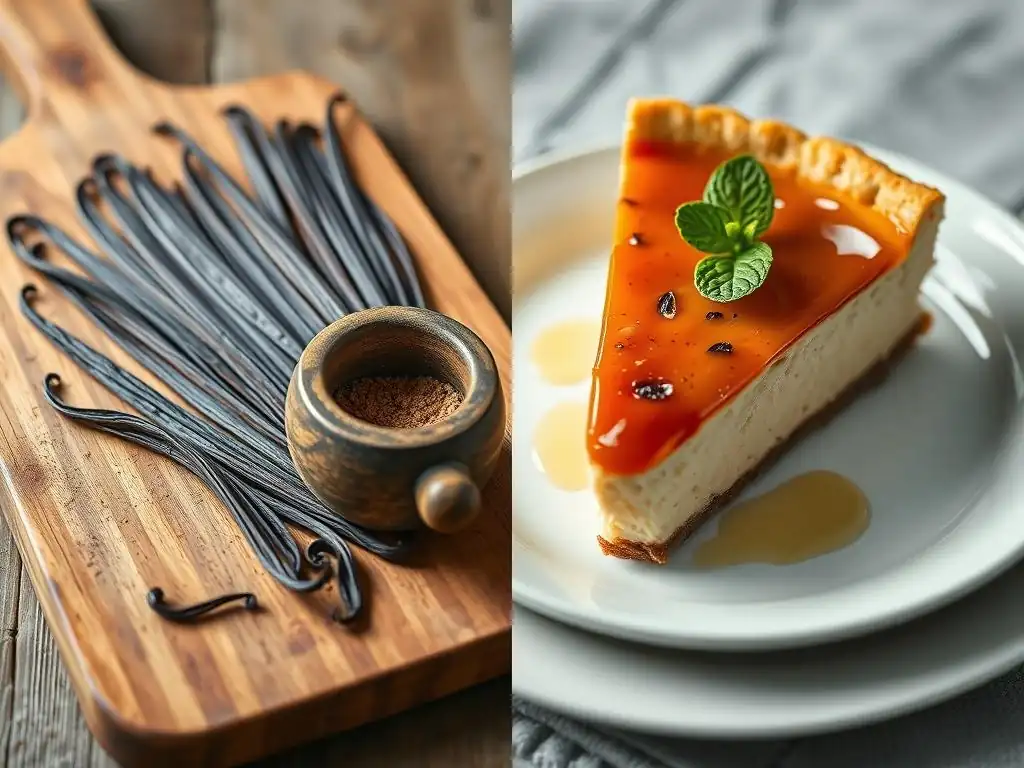
For those truly passionate about intense vanilla flavor recipes, exploring more advanced techniques can provide a deeper connection to this incredible ingredient and even offer cost savings over time.
Making Your Own Vanilla Extract: A Long-Term Investment
Making your own vanilla extract is surprisingly simple and allows you to control the quality of both the vanilla beans and the alcohol used. While it requires patience (it takes several months to steep), the resulting extract can be superior to many store-bought versions and is a rewarding project for achieving intense vanilla flavor over time.
Choosing the Right Alcohol: Vodka vs. Bourbon
- Vodka: A neutral spirit like 80-proof vodka is the most common choice because it allows the pure vanilla flavor to shine without imparting its own taste. Use a mid-range quality vodka; expensive vodka is unnecessary.
- Bourbon, Rum, or Brandy: Using other spirits can add interesting nuances to your extract. Bourbon adds a slightly smoky, caramel note, rum can add sweetness, and brandy offers a fruity depth. The choice depends on the desired flavor profile for your intended intense vanilla flavor recipes. Aim for spirits around 80 proof (40% alcohol by volume).
Infusion Time and Storage Considerations
The standard ratio is about 1 ounce (approximately 6-8 beans) of split vanilla beans per 8 ounces of alcohol. Slice the beans lengthwise to expose the maximum surface area. Combine beans and alcohol in a clean, airtight glass bottle or jar. Store in a cool, dark place.
Shake the jar weekly for the first month, then periodically. The extract needs a minimum of 6 months to steep, but 12 months or longer will yield a much richer, more intense vanilla flavor. As you use the extract, you can "top off" the bottle with more alcohol, and the beans will continue to infuse for a long time. You can also replace old beans with fresh ones periodically.
Vanilla Sugar: A Versatile Flavor Enhancer
Vanilla sugar is simply sugar that has been infused with the aroma and flavor of vanilla beans. It's incredibly easy to make and is a wonderful way to add a subtle yet distinct vanilla note to everyday items and baked goods, contributing to intense vanilla flavor recipes in a gentle way.
Homemade Vanilla Sugar Recipe
Take a clean, airtight jar or container. Add granulated sugar. Bury a few spent, dried vanilla pods (or even fresh pods that you've used the seeds from) in the sugar. Ensure the pods are completely submerged. Close the jar tightly.
Let the sugar sit for at least a week, shaking occasionally. The vanilla aroma will gradually infuse the sugar. The longer it sits, the more intense the flavor. You can keep topping up the sugar as you use it, and the pods will continue to lend their flavor for months.
Uses for Vanilla Sugar in Baking and Beyond
- Substitute some or all of the sugar in recipes for intense vanilla flavor cookies, cakes, or muffins.
- Sprinkle over fresh fruit, yogurt, oatmeal, or toast.
- Use to sweeten coffee, tea, or hot chocolate.
- Rim cocktail glasses for a vanilla twist.
- Whip into cream for a simple vanilla-flavored topping.
Troubleshooting Weak Vanilla Flavor: Common Mistakes and Solutions
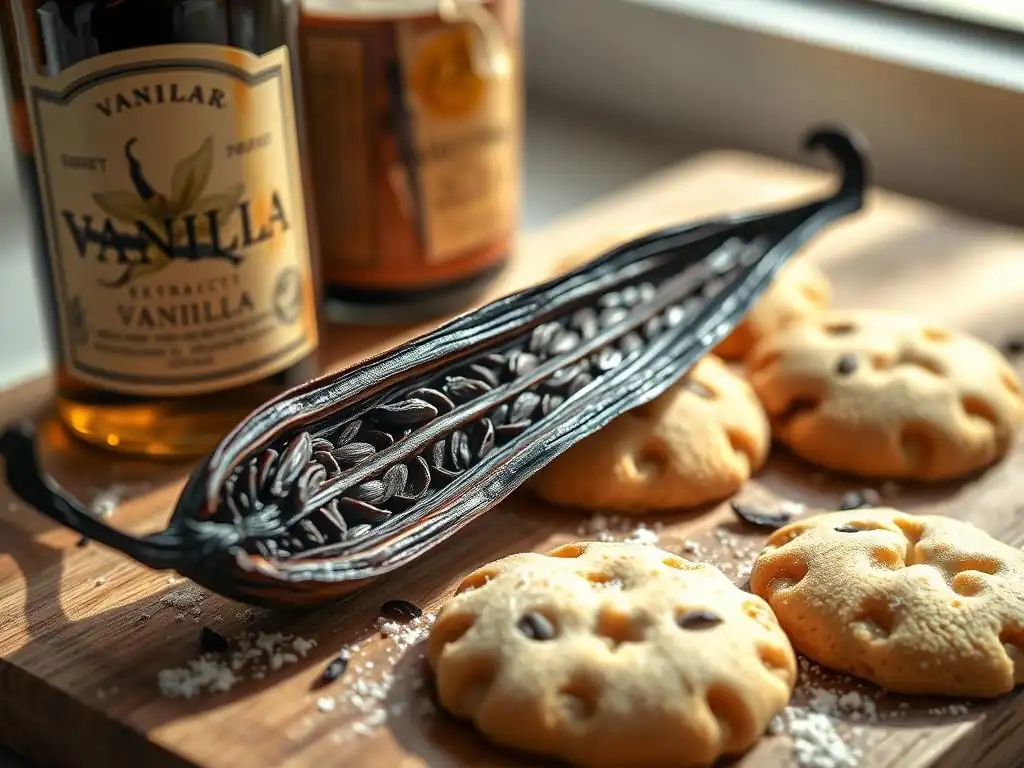
Sometimes, despite your best efforts, the vanilla flavor in your baked goods might turn out weaker than expected. Identifying common pitfalls can help you correct course and ensure your future intense vanilla flavor recipes deliver the desired impact.
Expired Vanilla Extract: Recognizing and Replacing It
While vanilla extract doesn't technically "spoil" in a way that makes it unsafe, its flavor quality can degrade over time, typically after 2-3 years for single-fold and potentially longer for double-fold if stored properly. The complex aromatic compounds can dissipate, leaving behind a less vibrant, sometimes even slightly bitter or flat taste.
- Recognition: If your extract smells primarily of alcohol with little vanilla aroma, or the vanilla scent seems muted compared to when it was new, it may have lost its potency.
- Solution: Replace old extract with fresh, high-quality extract. Store vanilla extract in a cool, dark pantry, away from heat sources, to maximize its shelf life and preserve its flavor intensity.
Insufficient Vanilla Quantity: Measuring Accurately
One of the most common reasons for weak vanilla flavor is simply not using enough, especially when relying on standard single-fold extract in recipes with other strong flavors.
- Problem: Many recipes call for 1 teaspoon of vanilla extract, which might not be sufficient to stand out in a large batch of cookies or a rich cake.
- Solution: Don't be afraid to increase the amount of vanilla, particularly when using standard extract. For a more intense vanilla flavor, try 1.5 or even 2 teaspoons per standard recipe batch (using single-fold). If using double-fold extract or paste, follow recipe guidelines or start with a smaller amount and adjust in future batches. Accurate measurement is key, but so is understanding when the standard quantity might be too low for your desired intensity.
Overbaking: Reducing Vanilla Flavor Intensity
Prolonged exposure to high heat is detrimental to vanilla's volatile flavor compounds. Overbaking not only dries out your baked goods but can also bake away much of the delicate vanilla aroma, leaving a less flavorful result.
- Problem: Baking cookies until they are deeply golden brown, or leaving a cake in the oven longer than necessary "just to be sure," exposes the vanilla to excessive heat.
- Solution: Bake for the minimum time recommended in the recipe and check for doneness using visual cues (e.g., edges lightly golden, toothpick test for cakes) rather than relying solely on time. Remove baked goods from the oven promptly. For recipes where vanilla is paramount, slightly underbaking (e.g., cookies that are still pale in the center) can sometimes help preserve a brighter vanilla note.
Conclusion: Elevating Your Baking with Intense Vanilla Flavor.
Mastering intense vanilla flavor recipes is an achievable goal for any baker. It begins with choosing premium vanilla products – whether it's a concentrated double-fold extract, a fragrant vanilla bean, or a convenient paste. Understanding how heat affects vanilla and employing techniques like blooming or strategic addition times further ensures that vanilla's complex aromas survive the baking process. By paying attention to these details and experimenting with different vanilla forms and quantities, you can transform your baked goods, making vanilla a prominent and unforgettable flavor in every bite.
Frequently Asked Questions
How can I achieve a more intense vanilla flavor in my baked goods?
To maximize vanilla flavor, use high-quality vanilla extract or vanilla bean paste. Consider adding vanilla at the end of the baking process to prevent the flavor from baking out, and complement it with a pinch of salt to enhance the overall taste.
What is the difference between vanilla extract and vanilla bean paste, and which is better for strong vanilla flavor?
Vanilla bean paste contains vanilla bean specks, offering a more potent and visually appealing vanilla experience. While both work well, vanilla bean paste typically provides a more pronounced and richer vanilla flavor compared to extract.
Can I use vanilla powder to boost the vanilla intensity in my recipes?
Yes, vanilla powder is a concentrated form of vanilla and can add a significant boost of vanilla flavor. Use it sparingly, as it is more potent than vanilla extract. It's best incorporated into dry ingredients.
Does the type of sugar I use affect the vanilla flavor perception?
Yes, different sugars can influence how we perceive vanilla. Brown sugar, for example, with its molasses notes, can complement the vanilla, while granulated sugar offers a cleaner vanilla flavor profile. Experiment to see what you prefer!
How does heat affect vanilla flavor during baking?
Heat can diminish vanilla flavor. To combat this, add vanilla extract after baking, if possible, such as in frostings or glazes. Alternatively, use a larger amount of vanilla in the batter or dough to compensate for flavor loss during baking.
Final Reflection: The Pursuit of the Perfect Vanilla Bean
The quest for intensely flavored vanilla in baking isn't merely a pursuit of culinary excellence; it's a journey towards unlocking the full potential of a classic ingredient. The techniques explored in this article – from choosing high-quality beans to employing clever extraction methods – are more relevant than ever in a world increasingly focused on artisanal food and the appreciation of nuanced flavors. The difference between a subtly vanilla-tinged treat and one that bursts with rich, complex vanilla notes is truly transformative.
The impact of vanilla's captivating aroma and taste transcends the simple act of baking; it's woven into our cultural fabric, evoking memories of childhood treats and cherished family recipes. Vanilla is the queen of flavors, the most versatile and beloved spice in the world.
This sentiment, though perhaps subjective, speaks to the enduring power of vanilla and the importance of understanding how to harness its full potential. My own exploration of these techniques has not only improved my baking but also deepened my appreciation for the artistry involved in creating truly memorable culinary experiences.
Now, it's your turn. Consider the vanilla you use in your own baking. Are you truly getting the most out of this remarkable ingredient? Experiment with the techniques discussed here – try different extraction methods, explore the nuances of various vanilla bean qualities, and most importantly, savor the results. The journey towards the perfect vanilla flavor is a rewarding one, filled with delicious discoveries and the satisfaction of creating something truly special. Embrace the challenge, and let the intense aroma of vanilla guide your culinary adventures.
Unleash the Vanilla Powerhouse Within Your Baking!
Thanks for diving into the world of richer, more intense vanilla flavor! We hope you discovered some new tricks to elevate your baking game. Ready to put your newfound knowledge into practice?
- Experiment with different vanilla extracts: Try a high-quality Madagascar Bourbon vanilla extract alongside your usual—you’ll notice a significant difference! It's time to indulge your senses!
- Share your vanilla creations: Show off your baking prowess and inspire others by sharing your delicious results on social media – tag us @BakeWithEase!
- Challenge your baking skills: Try baking a recipe you've been hesitant to tackle, incorporating your newfound vanilla knowledge to achieve unparalleled flavor.
What exciting vanilla-infused recipe will you conquer next?