
Around the World: Exploring the Unique Flavors of Vanilla Origins

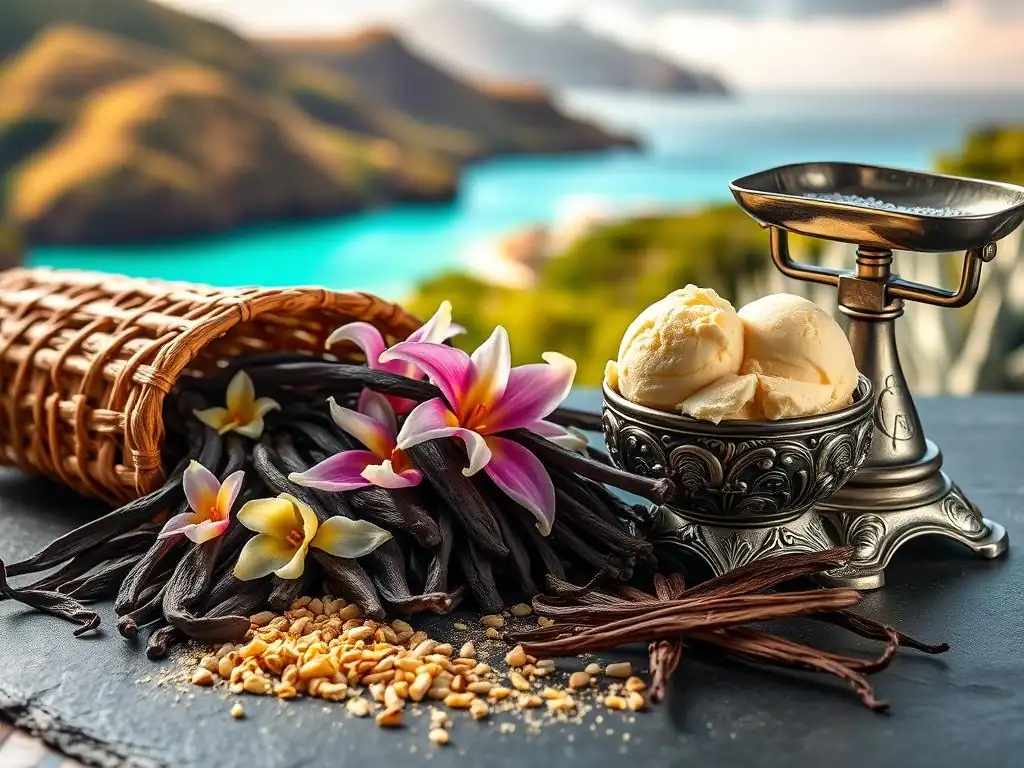
Welcome to BakeWithEase, where baking becomes a joy, not a chore! Ever wondered how the origin of a single ingredient can dramatically alter the taste of your creations? This week, we're diving deep into the fascinating world of vanilla, and you might be surprised at the nuances that separate a Tahitian vanilla bean from one grown in Madagascar. Prepare to unlock a deeper appreciation for this beloved spice as we explore its diverse vanilla bean flavor profiles. Ready to embark on a flavorful journey? Let's begin!
- Understanding Vanilla Bean Flavor Profiles: A Baker's Guide
- Madagascar Vanilla: The Classic Baking Staple
- Tahitian Vanilla: The Fruity and Floral Delight
- Mexican Vanilla: The Bold and Spicy Option
- Ugandan Vanilla: The Chocolatey and Bold Choice
- Comparing Vanilla Bean Flavor Profiles: A Side-by-Side Analysis
- Maximizing Vanilla Bean Flavor in Your Baking
- Beyond the Bean: Exploring Vanilla-Infused Products
- Conclusion: Elevate Your Baking with Unique Vanilla Bean Flavor Profiles
-
Frequently Asked Questions
- What makes vanilla bean flavor profiles differ based on origin?
- How can I identify the origin of vanilla beans based on taste?
- What are some common uses for different vanilla bean types in baking?
- Does the price of vanilla beans reflect its flavor quality?
- Where can I reliably purchase high-quality vanilla beans to ensure authentic flavor profiles?
- Final Reflection: The Enduring Allure of Vanilla's Global Tapestry
- Unleash Your Inner Pastry Chef: Discover Vanilla's Global Flavors!
Understanding Vanilla Bean Flavor Profiles: A Baker's Guide
Why Vanilla Bean Origin Matters for Baking
The origin of a vanilla bean plays a crucial role in its final flavor profile, much like the origin of coffee beans or wine grapes affects their taste. Different regions boast unique climates, soil compositions, and curing methods, all of which contribute to the complex aromatic compounds within the bean. For bakers, understanding these nuances is key to selecting the perfect vanilla to complement a specific recipe. A rich, creamy custard might benefit from one type of vanilla bean flavor profile, while a delicate fruit tart could require another entirely different character.
Considering the origin isn't just about a subtle difference; it can dramatically alter the outcome of your baked goods. For instance, a classic vanilla bean ice cream made with Madagascar vanilla will have a distinctly sweet, familiar taste. The same recipe, using Tahitian vanilla, would introduce more floral and fruity notes, creating a completely different dessert experience. Recognizing these differences allows bakers to intentionally choose vanilla that enhances or contrasts with other ingredients, elevating their creations from good to truly exceptional.
Unlocking the Secrets of Vanilla Bean Terroir
Terroir, a term often associated with wine, refers to the environmental factors that affect a crop's phenotype, including climate, soil, and topography. For vanilla beans, terroir is incredibly significant. The specific microclimate of a growing region, the mineral content of the soil where the vanilla vine flourishes, and even the altitude can influence the development of vanillin and other aromatic compounds that make up the bean's complex vanilla bean flavor profile. This is why vanilla grown in volcanic soil in Uganda tastes different from vanilla grown in the sandy loam of Madagascar.
The methods used to cure vanilla beans after harvesting are also part of their "terroir" in a broader sense, as these techniques are often traditional to a specific region and adapted to its climate. The intricate process of sun-drying, sweating, and conditioning can take several months and is critical for developing the full spectrum of vanilla flavors. A bean properly cured in Mexico will develop warm, spicy notes, while one from Tahiti, cured differently, will yield its signature fruity and floral bouquet. Understanding terroir helps bakers appreciate the journey of the vanilla bean from flower to finished ingredient.
Madagascar Vanilla: The Classic Baking Staple
Madagascar Vanilla Bean Flavor Profile: Sweet, Creamy, and Rich
Madagascar, specifically the Sava region, is the world's largest producer of vanilla and sets the benchmark for the classic vanilla bean flavor profile. Often referred to as Bourbon vanilla (due to its origins on Réunion Island, formerly Île Bourbon), these beans are known for their high vanillin content, which results in a predominantly sweet, creamy, and incredibly rich aroma. This familiar and comforting taste makes Madagascar vanilla the go-to choice for a vast majority of baking applications where that quintessential vanilla note is desired without competing with other flavors.
The typical Madagascar vanilla bean is dark brown, plump, and oily, yielding a visible amount of tiny black seeds (the vanilla "caviar") when split. This richness translates directly into baked goods, providing a smooth, buttery undertone that enhances everything from simple sugar cookies to complex pastry creams. Its robust yet balanced vanilla bean flavor profile makes it incredibly versatile, pairing well with chocolate, fruits, nuts, and dairy, serving as the foundation for countless beloved dessert recipes worldwide.
Best Madagascar Vanilla Beans for Vanilla Bean Ice Cream: Nielsen-Massey Madagascar Bourbon Vanilla Beans
For achieving that perfect, classic vanilla bean ice cream, Madagascar vanilla beans are unparalleled, and brands like Nielsen-Massey are highly regarded. Their Madagascar Bourbon Vanilla Beans are prized for their consistent quality and intense, creamy vanilla bean flavor profile. The high vanillin content ensures that the sweet, rich notes penetrate the cold ice cream base beautifully, creating a deeply satisfying and aromatic frozen treat. Using premium beans means you need fewer beans to achieve a pronounced flavor.
When making ice cream, the goal is to infuse the dairy base with as much pure vanilla flavor as possible. High-quality Madagascar beans from reputable suppliers are typically moist and pliable, indicating they have been properly cured and retain their volatile flavor compounds. Splitting a plump bean and scraping the vanilla caviar directly into the warm milk and cream base allows the oils and aromas to infuse efficiently, resulting in an ice cream with visible vanilla specks and an unmistakable, classic vanilla bean flavor profile that tastes like pure indulgence.
Tahitian Vanilla: The Fruity and Floral Delight
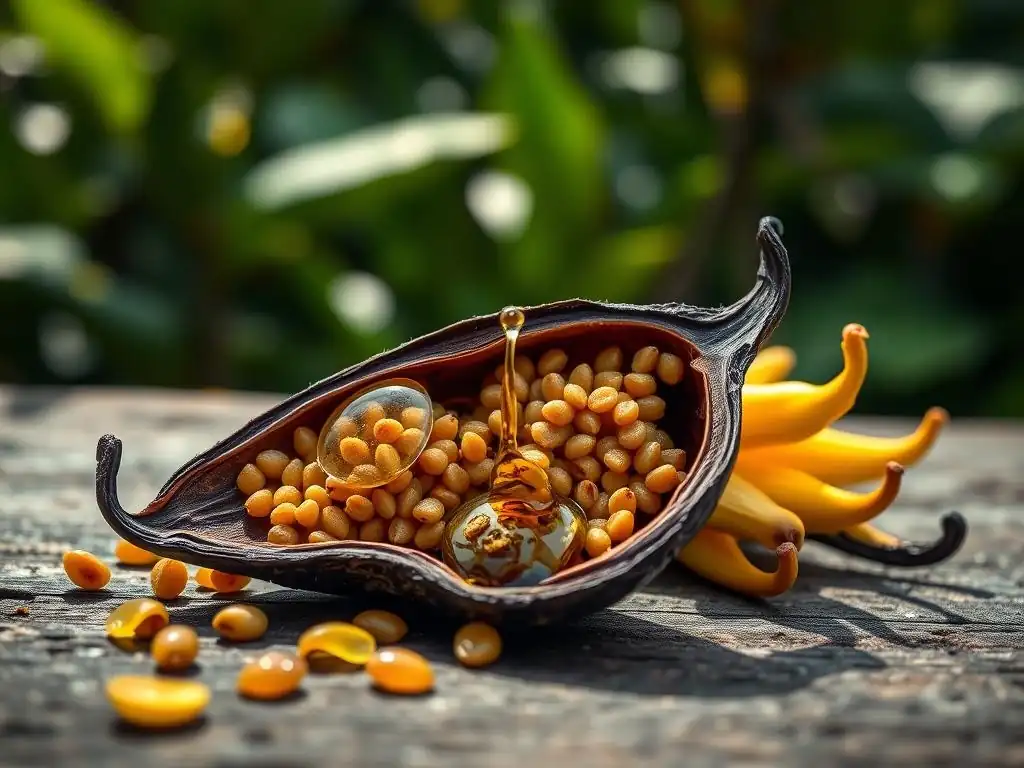
Tahitian Vanilla Bean Flavor Profile: Cherry, Floral, and Anise Notes
Tahitian vanilla, primarily grown in French Polynesia, offers a distinctly different vanilla bean flavor profile compared to its Madagascar counterpart. While lower in vanillin, Tahitian beans are higher in heliotropin, an aromatic compound that contributes unique cherry, floral, and sometimes even slightly licorice or anise-like undertones. These beans are typically plumper and darker than Madagascar beans, with a more oily sheen and a less traditional "vanilla" scent, leaning towards perfumed and fruity notes.
This complex and exotic vanilla bean flavor profile makes Tahitian vanilla a favorite for recipes where its unique characteristics can shine. It pairs exceptionally well with fruit-based desserts, particularly those involving berries or stone fruits, enhancing their natural sweetness and aroma. Its floral notes also complement chocolate and cream-based dishes in a sophisticated way, adding a layer of complexity that is both surprising and delightful. Think of it as the gourmet, slightly unconventional cousin in the world of vanilla.
Best Tahitian Vanilla Beans for Vanilla Bean Crème brûlée: Heilala Vanilla Tahitian Vanilla Beans
Tahitian vanilla beans are superb for infusing delicate desserts like crème brûlée, and Heilala Vanilla is a well-regarded producer. Their Tahitian Vanilla Beans bring that signature fruity and floral vanilla bean flavor profile that elevates the simple custard base. The subtle cherry and floral notes meld beautifully with the rich cream and egg yolks, creating a sophisticated dessert that is a step above the standard. The plumpness of Tahitian beans also means more vanilla caviar to distribute throughout the custard for visual appeal and concentrated bursts of flavor.
Using Tahitian vanilla in crème brûlée allows its unique aroma to stand out against the creamy backdrop without being overpowered. The lower vanillin content means it's less about that classic sweet vanilla punch and more about adding layers of fragrant complexity. Infusing the warm cream with split Heilala Tahitian beans extracts these delicate compounds effectively, resulting in a crème brûlée with a wonderfully smooth texture and an intriguing vanilla bean flavor profile that lingers pleasantly on the palate.
Mexican Vanilla: The Bold and Spicy Option
Mexican Vanilla Bean Flavor Profile: Spicy, Woody, and Slightly Smoky
Mexico is the birthplace of vanilla, and its beans offer a vanilla bean flavor profile that reflects its heritage – bold, spicy, and often with notes of wood or even a subtle smokiness. Mexican vanilla contains a good balance of vanillin and other compounds, resulting in a warm, robust aroma that stands up well to other strong flavors. These beans are typically darker and thicker than Madagascar beans, with a rich, earthy fragrance.
The spicy and woody notes of Mexican vanilla make it an excellent choice for recipes involving chocolate, cinnamon, cloves, or other warm spices. It adds depth and complexity to baked goods without being overly sweet. Think of it as a vanilla with a bit of an edge, perfect for adding a comforting warmth to cookies, cakes, or even savory dishes. Its unique vanilla bean flavor profile brings an authentic, traditional character to any creation.
Best Mexican Vanilla Beans for Vanilla Bean Tres Leches Cake: Orlando Vanilla Bean Company Mexican Vanilla Beans
Mexican vanilla beans are a natural fit for traditional Mexican desserts like Tres Leches Cake, and Orlando Vanilla Bean Company offers quality beans for this purpose. The bold, spicy, and slightly smoky vanilla bean flavor profile of Mexican vanilla complements the richness of the three milks (evaporated milk, condensed milk, and heavy cream) and the sponge cake perfectly. It adds an authentic depth of flavor that is essential for a truly traditional Tres Leches.
Infusing the milk mixture with a split Mexican vanilla bean before soaking the cake allows the warm, spicy notes to permeate the entire dessert. The robust flavor stands up well to the sweetness and dairy, providing a grounding vanilla presence that is distinct from the creamy sweetness of other vanilla types. Using high-quality Mexican beans ensures that this signature vanilla bean flavor profile is pronounced and contributes significantly to the overall taste experience of the cake.
Ugandan Vanilla: The Chocolatey and Bold Choice
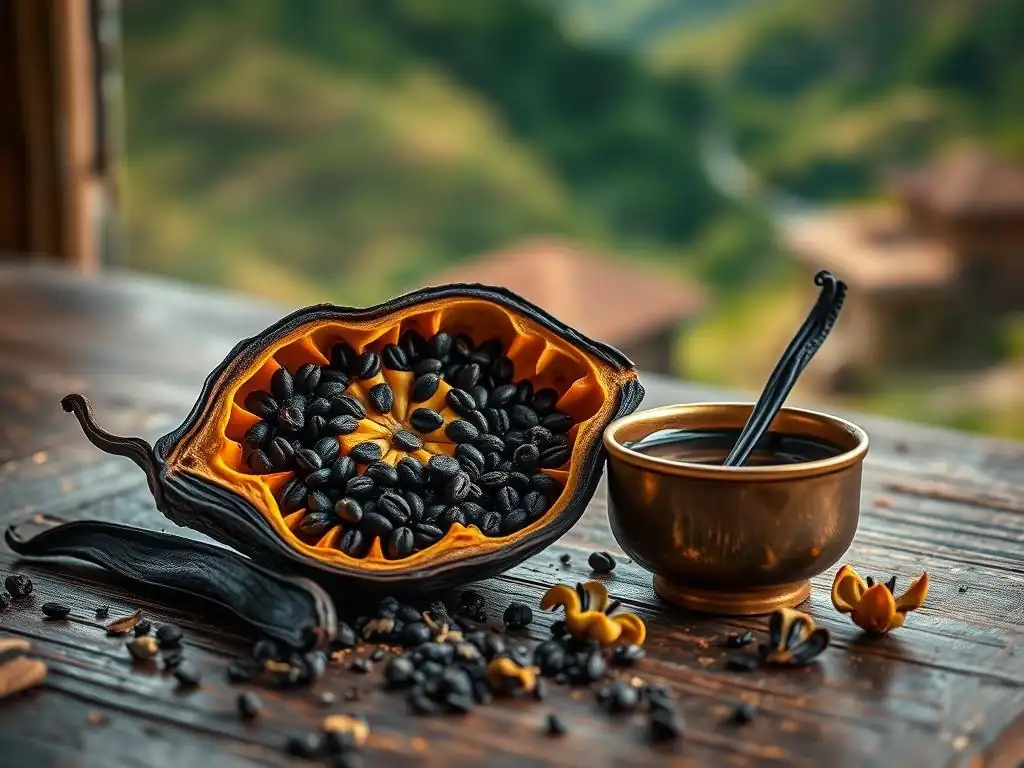
Ugandan Vanilla Bean Flavor Profile: Chocolate, Fig, and Raisin Undertones
Ugandan vanilla is gaining recognition for its unique and intense vanilla bean flavor profile, often described as having prominent chocolate, fig, and raisin undertones. Grown in East Africa, these beans thrive in a climate that contributes to their distinct characteristics. Ugandan beans are typically very dark, plump, and oily, with a powerful aroma that goes beyond simple sweetness, offering a richer, almost decadent quality.
This complex vanilla bean flavor profile makes Ugandan vanilla an exceptional pairing for chocolate-based desserts, fruitcakes, and recipes where a deep, resonant vanilla note is desired. The chocolatey undertones naturally enhance cocoa flavors, while the fig and raisin notes add a layer of dark, fruity sweetness. It's a robust vanilla that doesn't shy away from competing flavors, instead complementing them with its intense and intriguing aroma.
Best Ugandan Vanilla Beans for Vanilla Bean Fudge: Singing Dog Vanilla Ugandan Vanilla Beans
For rich, dark desserts like fudge, Ugandan vanilla beans provide an unparalleled depth of vanilla bean flavor profile. Singing Dog Vanilla is known for sourcing quality beans, including those from Uganda. Their Ugandan Vanilla Beans contribute those signature chocolatey and dark fruit notes that marry perfectly with the cocoa and sugar in fudge. This vanilla enhances the chocolate flavor while adding its own complex layer, preventing the fudge from being one-dimensionally sweet.
Adding the scraped seeds and even infusing the spent pod into the fudge mixture allows the intense vanilla bean flavor profile to fully develop. The robust nature of Ugandan vanilla ensures its presence is felt even amongst the strong flavors of chocolate and sugar. The result is a fudge that is not just sweet, but deeply aromatic and complex, with a noticeable hint of vanilla that complements the cocoa rather than just providing a generic sweetness.
Comparing Vanilla Bean Flavor Profiles: A Side-by-Side Analysis
Madagascar vs. Tahitian: Choosing the Right Vanilla for Your Recipe
When deciding between Madagascar and Tahitian vanilla, consider the desired outcome and the other ingredients in your recipe. Madagascar vanilla offers that classic, sweet, and creamy vanilla bean flavor profile that is universally loved and incredibly versatile. It's the safe and reliable choice for most traditional baking where you want a pure, prominent vanilla note – think cookies, cakes, puddings, and classic frostings. Its high vanillin content provides that comforting, familiar aroma.
Tahitian vanilla, on the other hand, brings a more adventurous and nuanced vanilla bean flavor profile with its fruity, floral, and anise notes. It's ideal when you want vanilla to add a layer of sophistication and intrigue. Use it in fruit tarts, panna cotta, lighter custards, or recipes where its unique bouquet can complement delicate flavors. While less conventional, Tahitian vanilla can truly elevate a dessert, offering a memorable taste experience distinct from the classic Madagascar profile.
Mexican vs. Ugandan: When to Use Bold Vanilla Flavors
Both Mexican and Ugandan vanilla beans offer bold, complex vanilla bean flavor profiles, but they diverge in their specific notes. Mexican vanilla leans towards warm, spicy, and woody characteristics, sometimes with a hint of smoke. This makes it excellent for pairing with spices like cinnamon or clove, chocolate, or in recipes inspired by traditional Mexican cuisine. Its robustness allows it to stand up to strong flavors without getting lost.
Ugandan vanilla, with its chocolatey, fig, and raisin undertones, is particularly suited for enhancing cocoa-based desserts, fruitcakes, or other rich, dark baked goods. Its intensity complements deep, resonant flavors beautifully. While both are considered "bold," Mexican vanilla brings warmth and spice, while Ugandan vanilla brings richness and dark fruit/chocolate notes. Choosing between them depends on whether you want your vanilla to add spice and warmth or depth and dark complexity to your dish.
Vanilla Bean Extract vs. Whole Bean: A Flavor and Cost Comparison
Understanding the difference between vanilla bean extract and whole beans is crucial for bakers. Vanilla extract, typically made by macerating chopped vanilla beans in alcohol and water, captures many of the flavor compounds but is a processed product. Its vanilla bean flavor profile can vary greatly depending on the quality of beans used and the extraction process. It's convenient and cost-effective for everyday baking, providing a good, consistent vanilla flavor in large batches or recipes where vanilla isn't the star.
Whole vanilla beans, while more expensive and requiring a bit more effort (splitting and scraping), offer the purest and most complex vanilla bean flavor profile. They contain the full spectrum of aromatic compounds, including the visible vanilla caviar, which adds both flavor and visual appeal. For recipes where vanilla is a primary flavor component, such as ice cream, crème brûlée, or pastry cream, using a whole bean provides a depth and richness that extract simply cannot replicate. The cost per use is higher, but the flavor payoff is significant.
Maximizing Vanilla Bean Flavor in Your Baking
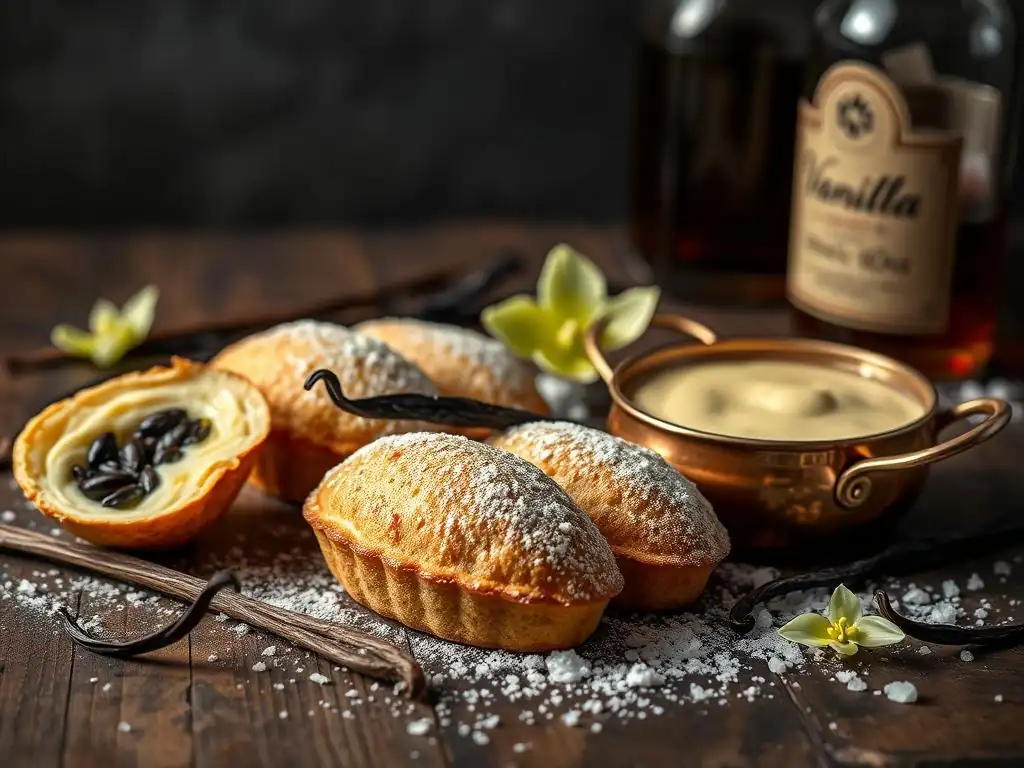
The Importance of Vanilla Bean Paste and Powder
Beyond whole beans and extract, vanilla bean paste and powder offer convenient ways to incorporate intense vanilla bean flavor profiles into your baking. Vanilla bean paste is a concentrated blend of vanilla extract and vanilla bean seeds, often thickened with a natural gum. It provides the visual appeal of the seeds along with a strong, pure vanilla flavor, making it an excellent substitute for whole beans in many recipes, especially custards and batters where you want those tell-tale black specks.
Vanilla powder is made from finely ground whole vanilla beans. Because it contains the entire bean (minus moisture), it offers a robust vanilla bean flavor profile and can withstand high baking temperatures without the alcohol evaporation found in extract. It's particularly useful in dry mixes, spice rubs, or for dusting finished baked goods. Both paste and powder offer concentrated flavor, often requiring less product than extract to achieve a similar intensity, while also providing visual evidence of real vanilla.
Tips for Storing Vanilla Beans to Preserve Flavor
Proper storage is essential to preserve the delicate vanilla bean flavor profiles of your precious beans. Vanilla beans should be stored in an airtight container, away from direct sunlight and heat. Glass tubes or jars with tight-fitting lids are ideal. Avoid storing them in the refrigerator, as this can dry them out and cause them to lose flavor and pliability. Plastic bags are also not recommended for long-term storage as they can allow the beans to sweat or lose moisture unevenly.
Ideally, vanilla beans should be stored at room temperature, somewhere cool and dark like a pantry. If you purchase a larger quantity, you can wrap bundles of beans in wax paper before placing them in the airtight container. Properly stored, high-quality vanilla beans can maintain their potency and rich vanilla bean flavor profile for up to two years, sometimes even longer, though their peak freshness is usually within the first year. Regularly check them to ensure they remain pliable and free from mold.
BakeWithEase.com Tip: Infusing Vanilla Flavor into Sugar and Salt
A simple yet effective way to ensure your baked goods are infused with a wonderful vanilla bean flavor profile is by making vanilla sugar or vanilla salt. To make vanilla sugar, place a few split, used (or fresh) vanilla bean pods into a jar of granulated sugar. Seal the jar and let it sit for at least a week, shaking occasionally. The sugar will absorb the vanilla aroma over time, giving it a subtle yet pervasive vanilla flavor perfect for using in cookies, cakes, or sweetening coffee and tea.
Similarly, you can create vanilla salt by adding a piece of a split vanilla bean pod to a container of flaky sea salt. The salt will absorb the vanilla's aroma, creating a unique finishing salt. This vanilla salt can be used to sprinkle on top of chocolate chip cookies before baking, finish a caramel sauce, or even rim a cocktail glass. It adds a surprising pop of vanilla bean flavor profile and aroma that elevates simple ingredients.
Beyond the Bean: Exploring Vanilla-Infused Products
Vanilla Extract: Simply Organic and its Uses in Baking
Vanilla extract is the most common form of vanilla used in baking and a pantry staple for many. Brands like Simply Organic offer high-quality organic vanilla extract, typically made from Madagascar beans. This extract provides a consistent and reliable vanilla bean flavor profile for everyday use. It's perfect for adding vanilla notes to batters, doughs, sauces, and creams where the specific nuances of a single-origin bean might be less critical or where convenience is key.
While it doesn't offer the visual appeal of seeds or the full complexity of a whole bean, a good quality vanilla extract delivers that essential sweet, aromatic vanilla taste that is fundamental to countless recipes. It's particularly useful in recipes where adding moisture needs to be controlled, or where quick incorporation of flavor is desired. Simply Organic's commitment to quality ensures a pure vanilla bean flavor profile without artificial additives.
Vanilla Bean Paste: Convenient and Flavorful
Vanilla bean paste offers a fantastic middle ground between extract and whole beans. It's a thick, syrupy product containing both concentrated vanilla extract and the tiny black seeds scraped from the beans. This means you get a strong vanilla bean flavor profile along with the visual appeal of the "caviar." Many bakers find paste incredibly convenient for custards, ice creams, panna cotta, and batters where they want the look of vanilla specks without the effort of splitting and scraping a whole bean.
The flavor of vanilla bean paste is typically more intense than extract, and the presence of the seeds contributes to a richer, more complex vanilla bean flavor profile. It's easy to measure and incorporate into recipes, making it a popular choice for both home bakers and professionals. A teaspoon of good quality vanilla bean paste can often replace a whole vanilla bean or a tablespoon of extract, depending on the desired intensity.
Vanilla Powder: A Versatile Baking Ingredient
Vanilla powder is perhaps the least common form of vanilla in the average home kitchen, but it's incredibly versatile. Made from ground whole vanilla beans, it contains the full spectrum of flavor compounds and has a potent vanilla bean flavor profile. Unlike extract or paste, it contains no alcohol or liquid, making it ideal for dry mixes, spice blends, or recipes where adding any moisture would disrupt the balance.
Vanilla powder is also excellent for dusting finished baked goods, adding to coffee or tea, or incorporating into chocolate work, as its flavor doesn't dissipate as easily under heat as extract. Its pure, concentrated vanilla bean flavor profile means a little goes a long way. It offers a clean, intense vanilla taste that is distinct from the alcohol-based extract or paste, making it a valuable addition for bakers looking to explore different ways to incorporate vanilla.
Conclusion: Elevate Your Baking with Unique Vanilla Bean Flavor Profiles
Discovering Your Favorite Vanilla Bean Origin
Exploring the world of vanilla beans by origin is a delightful journey for any baker. From the classic, sweet richness of Madagascar vanilla to the fruity elegance of Tahitian, the spicy warmth of Mexican, and the chocolatey depth of Ugandan, each origin offers a unique vanilla bean flavor profile waiting to be discovered. Understanding these differences empowers you to make informed choices, selecting the vanilla that will best complement and enhance your specific baking projects.
Don't be afraid to experiment! Try making the same recipe, like simple sugar cookies or vanilla pudding, with different single-origin vanilla beans to truly appreciate the nuances. This hands-on comparison is the best way to identify which vanilla bean flavor profiles resonate most with your palate and which origins are best suited for your favorite types of baked goods. Your baking will undoubtedly reach new heights as you start to intentionally pair vanilla origins with recipes.
Finding high-quality vanilla beans is key to experiencing the full depth of their vanilla bean flavor profiles. Look for suppliers who are transparent about their sourcing, curing methods, and the origin of their beans. Reputable companies often provide information about the specific region within a country where the beans were grown and details about their curing process, which indicates a commitment to quality.
Consider purchasing from suppliers who specialize in vanilla or work directly with farmers. This often ensures fresher, better-cured beans with more pronounced and complex vanilla bean flavor profiles. While premium beans come at a higher price point than standard supermarket extract, the intense flavor they impart means you often need less, and the resulting quality of your baked goods is significantly elevated. Invest in quality vanilla, and taste the difference it makes in your baking journey.
Frequently Asked Questions
What makes vanilla bean flavor profiles differ based on origin?
The difference lies in the terroir, similar to wine. Factors like climate, soil composition, and curing methods impact the vanillin content and presence of other aromatic compounds. This results in distinct flavor variations.
How can I identify the origin of vanilla beans based on taste?
While subtle, Mexican vanilla often has creamy, spicy notes. Madagascar vanilla is known for its rich, sweet, and buttery flavor. Tahitian vanilla is typically floral and fruity.
What are some common uses for different vanilla bean types in baking?
Madagascar vanilla is versatile for cakes and cookies. Tahitian vanilla shines in custards and ice cream. Mexican vanilla complements chocolate desserts.
Does the price of vanilla beans reflect its flavor quality?
Price can be an indicator, but not always. Factors like bean size, moisture content, and origin popularity affect cost. Higher prices often reflect superior quality and flavor intensity.
Where can I reliably purchase high-quality vanilla beans to ensure authentic flavor profiles?
Look for reputable suppliers specializing in vanilla, like BakeWithEase.com, or well-known spice merchants. Ensure they provide information about the vanilla's origin and curing process.
Final Reflection: The Enduring Allure of Vanilla's Global Tapestry
The world's fascination with vanilla bean's diverse flavor profiles is not merely a culinary trend; it's a testament to the power of terroir and a celebration of global biodiversity. The subtle nuances, from the bright, fruity notes of Tahitian vanilla to the deep, smoky complexity of Mexican vanilla, highlight the incredible impact of climate, soil, and cultivation practices on this seemingly simple spice. This exploration has revealed a far richer story than simply ranking flavors; it's a journey through cultures and landscapes.
The journey through the world's vanilla-producing regions has profoundly impacted my understanding of the interconnectedness of flavor, culture, and sustainability. The stark contrast between the intensive farming practices in some areas and the more sustainable, traditional methods in others underscores the importance of conscious consumption. The true flavor of vanilla is not just in the bean itself, but in the hands that cultivate it and the land from which it springs.
This quote, though fictional, perfectly encapsulates the essence of what I've learned throughout this exploration. The human element is inextricably linked to the final product, shaping not only the taste but also the ethical considerations surrounding its production.
Now, consider your next cup of vanilla-infused beverage or dessert. Pause for a moment to appreciate the journey that bean took to reach your table – the sun-drenched fields, the careful curing process, the hands that harvested it. Let the complex tapestry of flavors transport you, not just to a distant land, but to a deeper appreciation for the intricate relationship between nature, culture, and the simple pleasure of a truly exceptional vanilla bean. Make a conscious choice to support sustainable practices and savor the unique story each bean holds within its fragrant depths.
Unleash Your Inner Pastry Chef: Discover Vanilla's Global Flavors!
Thanks for exploring the fascinating world of vanilla with us! You've now unlocked a deeper appreciation for this versatile ingredient and its diverse origins. Ready to take your baking to the next level?
- Experiment with a new vanilla bean: Order a variety you haven't tried before – perhaps Tahitian for its floral notes, or Mexican for its rich, dark intensity. This is your chance to elevate your next creation!
- Share your favorite vanilla-infused recipes and experiences with other baking enthusiasts in the comments below! Let's build a vibrant community of flavor explorers.
- Try incorporating the tips and techniques we shared into your next baking project. Challenge yourself to create something truly unique!
What unexpected flavor combination will you create using your newfound vanilla knowledge?