
The Ultimate Pairing: How Vanilla Enhances Chocolate and Other Flavors

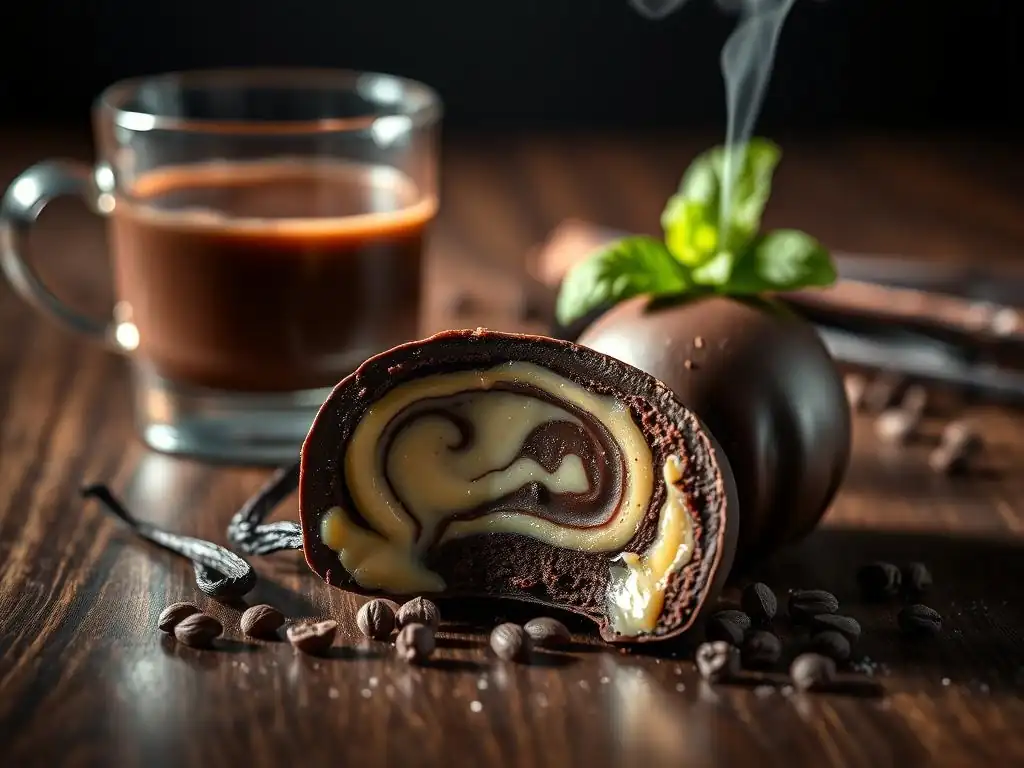
Welcome to BakeWithEase, your sanctuary for all things baking! Ever wondered how a single ingredient can elevate an entire creation? Dive in and unlock the secrets as we explore the ultimate pairing and uncover just how vanilla enhances chocolate flavor and transforms ordinary treats into extraordinary experiences. Prepare to tantalize your taste buds and discover the magic within this premium baking ingredient!
Vanilla is often considered a background player in the world of baking, a subtle note that rounds out flavors without taking center stage. However, when it comes to chocolate, vanilla is far more than just a supporting act. It's a crucial partner, working behind the scenes to elevate, deepen, and complexify the rich, sometimes intense, flavor of cacao. Understanding this dynamic duo is key to mastering truly exceptional baked goods. This pairing is so fundamental that exploring precisely how vanilla enhances chocolate flavor is essential for any baker looking to improve their craft.
The magic lies in the intricate interaction between the aromatic compounds found in both vanilla and chocolate. It's a fascinating chemical dance that results in a flavor profile far greater than the sum of its parts. For anyone wondering how vanilla enhances chocolate flavor so effectively, the answer lies in the specific molecules at play.
- Understanding the Magic: Why Vanilla Enhances Chocolate Flavor
- Elevating Chocolate Creations: Vanilla Extract and Bean Selection Guide
- Recipe Transformations: Vanilla's Impact on Chocolate Baked Goods
- Beyond Chocolate: Vanilla's Flavor-Enhancing Abilities with Other Flavors
- Conclusion: Mastering the Art of Flavor Enhancement with Vanilla
-
Frequently Asked Questions
- How does vanilla enhance chocolate flavor?
- What types of vanilla work best with chocolate in baking?
- Can I use vanilla to enhance flavors other than chocolate?
- How much vanilla should I use to enhance chocolate flavor in a recipe?
- What are some common mistakes people make when using vanilla with chocolate?
- Final Reflection: The Enduring Symphony of Vanilla and Chocolate
- Unlock Your Inner Pastry Chef: Elevate Your Baking Today!
Understanding the Magic: Why Vanilla Enhances Chocolate Flavor
Vanilla's primary flavor compound is vanillin, a phenolic aldehyde. While chocolate contains hundreds of volatile aromatic compounds developed during fermentation, drying, roasting, and conching, vanillin acts as a powerful bridge and amplifier. When these compounds meet, vanillin doesn't just add its own sweet, creamy note; it interacts with chocolate's inherent aromas, particularly those associated with fruitiness, nuttiness, and earthiness.
This synergy helps to highlight the desirable characteristics of the cacao while smoothing out some of the harsher notes. Think of it as a complex orchestra where vanilla helps each section play in harmony, creating a richer, more resonant sound. Different types of vanilla beans – like the classic sweet and creamy Madagascar Bourbon, the smoky and spicy Mexican, or the floral and fruity Tahitian – bring slightly different vanillin profiles and secondary compounds, subtly altering how they interact with and enhance chocolate's diverse flavors.
Beyond the dominant vanillin, vanilla contains over 200 other trace aromatic compounds. These include phenols, carbonyls, acids, and esters, which contribute to vanilla's complex aroma profile. Similarly, chocolate boasts a vast array of flavor molecules, including pyrazines (nutty, roasted), aldehydes (fruity), esters (fruity), and sulfur compounds (roasty). When vanilla and chocolate are combined, these diverse molecules interact through various chemical processes, including potential co-crystallization and hydrogen bonding.
This interaction can modify the volatility and perception of certain aromas from both ingredients. For instance, vanilla's presence can suppress the perception of less desirable bitter or astringent notes in certain chocolates while boosting the perceived intensity of pleasant, chocolatey, and fruity notes. This intricate molecular dialogue is a primary reason why vanilla enhances chocolate flavor so profoundly, moving beyond simple sweetness to create a more integrated and appealing taste experience.
The Science Behind the Synergy: Vanilla's Role in Chocolate's Depth
The primary chemical compound responsible for vanilla's distinctive aroma and flavor is vanillin. This molecule is incredibly effective at complementing the vast spectrum of volatile compounds found in chocolate, which can number over 600. During the complex process of chocolate making, from fermenting cacao beans to conching, a multitude of flavor precursors are transformed into aromatic aldehydes, esters, pyrazines, and other compounds that give chocolate its characteristic depth.
Vanillin, with its relatively simple yet potent structure, seems to have a unique ability to bind with or influence the perception of many of these compounds. Rather than just adding a separate vanilla note, it helps to 'round out' the chocolate flavor, making it taste richer and more complete. It acts like a flavor harmonizer, reducing sharpness and enhancing the perception of sweetness and complexity without necessarily adding a lot of sugar itself.
Furthermore, the specific origin and curing process of vanilla beans significantly impact their secondary flavor compounds, which in turn affects how they interact with chocolate. For example, Madagascar Bourbon vanilla beans, known for their high vanillin content and creamy, sweet profile, tend to amplify the inherent chocolatey notes in cacao, making them taste more pronounced and classic. Mexican vanilla, with its spicier, smoky undertones, can add an intriguing layer of complexity that pairs wonderfully with earthier or darker chocolates, suggesting notes of tobacco or spice.
Tahitian vanilla, which has less vanillin but more heliotropin (giving it floral, cherry-like notes), can bring out fruity and lighter characteristics in chocolate, making it an excellent choice for milk chocolate or white chocolate pairings. This demonstrates that the specific type of vanilla used can subtly steer the direction of how vanilla enhances chocolate flavor, allowing bakers to fine-tune their creations.
Beyond Sweetness: Vanilla's Contribution to Chocolate's Complexity
While vanilla is often associated with sweetness, its true power in chocolate lies in its ability to balance and enhance complexity, particularly in darker chocolates. Dark chocolate, especially varieties with 60% cacao or higher, naturally contains bitter compounds like polyphenols and alkaloids. While some bitterness is desirable and contributes to the sophisticated flavor of dark chocolate, too much can be overwhelming.
Vanilla doesn't mask this bitterness with sweetness; instead, it interacts with the bitter compounds on a molecular level, potentially altering how our taste receptors perceive them. This interaction results in a smoother, less astringent finish.
It allows the subtle, nuanced flavors of the cacao – like fruit, nuts, or floral notes – to come forward, which might otherwise be lost behind the initial bitter impact. This balancing act is a key reason why vanilla enhances chocolate flavor in such a significant way, transforming potentially harsh notes into a more pleasant and complex experience.
Consider the taste difference between a high-quality 70% dark chocolate bar made without any added vanilla (which some artisan makers produce to showcase pure cacao flavor) and a similar bar that includes a small amount of vanilla extract. The bar without vanilla might present a more immediate, intense bitterness, followed by the cacao's intrinsic notes. The bar with vanilla, however, typically offers a softer initial taste.
The bitterness is still present, but it's perceived as less sharp and more integrated into the overall flavor profile. The chocolate's other characteristics – perhaps notes of cherry or roasted nuts – seem more accessible and pronounced.
This subtle yet significant difference showcases vanilla's role not just as an added flavor, but as a modifier that influences our perception of bitterness and allows the full spectrum of chocolate's flavor to be appreciated. This subtle enhancement is a testament to how vanilla enhances chocolate flavor beyond mere sweetness, contributing significantly to its overall depth and enjoyment.
Elevating Chocolate Creations: Vanilla Extract and Bean Selection Guide
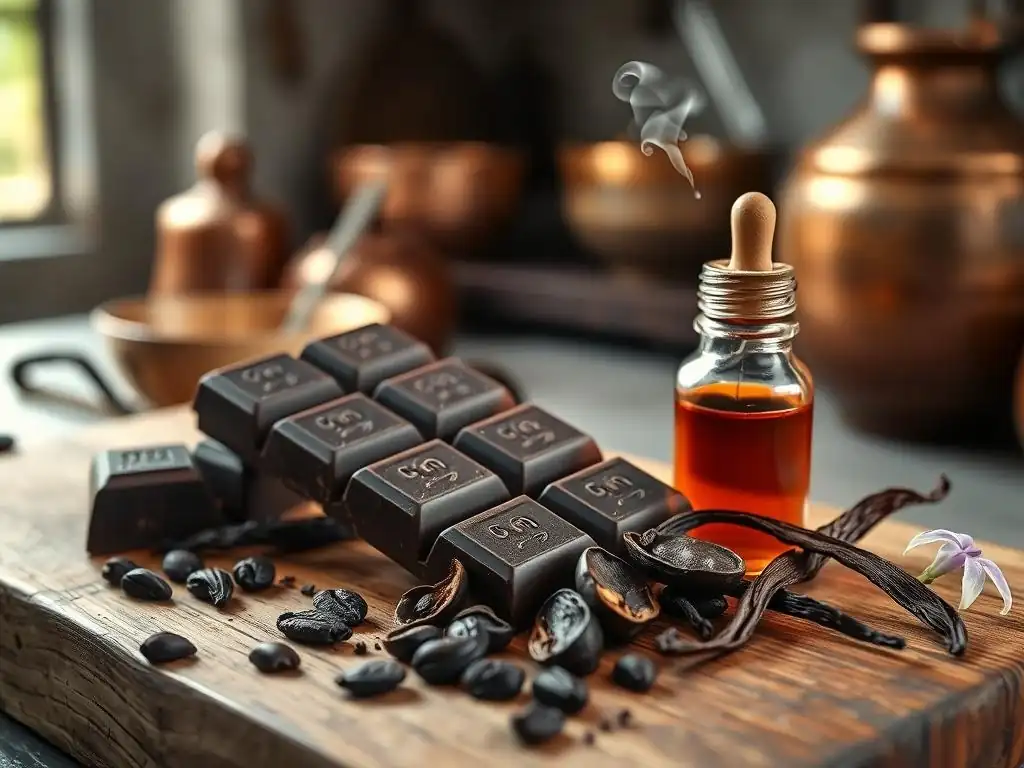
Choosing the right form of vanilla is as important as choosing the right type of chocolate when aiming for the perfect pairing. Vanilla extract offers convenience and consistent flavor distribution, while vanilla beans provide a more intense, nuanced aroma and the visual appeal of black specks. The choice depends on the desired intensity, texture, and visual outcome for your chocolate creation. Understanding the characteristics of different vanilla products helps bakers effectively leverage how vanilla enhances chocolate flavor in various applications.
Whether you opt for extract or beans, the quality of the vanilla is paramount. A high-quality vanilla extract, typically made by macerating vanilla beans in alcohol and water, captures a broad spectrum of the bean's flavor compounds. Similarly, plump, pliable vanilla beans indicate freshness and a rich concentration of vanillin and other aromatics.
Using inferior or imitation vanilla products can result in a flat or artificial taste that detracts from, rather than enhances, the chocolate. Investing in good vanilla is an investment in the flavor of your final baked good, ensuring that the intended effect of how vanilla enhances chocolate flavor is fully realized.
Choosing the Right Vanilla Extract to Enhance Chocolate
Vanilla extract is a staple in most baking pantries, offering a convenient way to incorporate vanilla flavor. The most widely used type, Madagascar Bourbon vanilla extract, is celebrated for its classic sweet, creamy, and rich profile with subtle undertones of caramel and chocolate. This makes it an exceptionally versatile choice that consistently delivers on the promise of how vanilla enhances chocolate flavor in a traditional sense.
It's particularly well-suited for recipes where you want the vanilla to support and elevate the inherent chocolate notes without introducing competing flavors, such as in classic chocolate cakes, brownies, or chocolate chip cookies. Its robust flavor stands up well to baking temperatures.
For bakers looking to explore more adventurous flavor pairings with chocolate, other vanilla extract varieties offer unique characteristics. Mexican vanilla extract, sourced from Vanilla planifolia grown in Mexico, often presents a spicier, slightly smoky, and woody profile. This distinctive character makes it an excellent complement to chocolate recipes that incorporate warm spices, like chili chocolate cookies or Mexican hot chocolate.
The smoky notes resonate with the roasted aspects of cacao, adding layers of complexity. Tahitian vanilla extract, derived from Vanilla tahitensis, has a more floral, fruity, and cherry-like aroma due to a different balance of aromatic compounds compared to Vanilla planifolia. This delicate and fragrant profile is superb for lighter chocolate applications, such as white chocolate ganaches, milk chocolate mousses, or chocolate custards, where its bright notes can shine without overpowering the chocolate.
Unleashing the Power of Vanilla Beans in Chocolate Desserts
Using whole vanilla beans or vanilla bean paste allows for a more intense and complex vanilla flavor, along with the visual appeal of tiny black specks. Madagascar Bourbon vanilla beans are a fantastic choice for infusing liquids like cream or milk used in chocolate desserts. Splitting a bean lengthwise and scraping the seeds into warm cream (then letting the pod steep) is an ideal method for creating a rich, fragrant base for chocolate panna cotta, chocolate crème brûlée, or hot chocolate.
The slow infusion extracts the maximum flavor from the bean, ensuring that the vanilla profoundly enhances the chocolate components of the dessert. The warmth helps release the volatile compounds, creating a truly aromatic experience.
Tahitian vanilla beans, with their higher moisture content and distinct floral-fruity notes, are particularly well-suited for cold applications where their delicate aroma can be preserved. Incorporating the scraped seeds into the base for chocolate ice cream or a no-bake chocolate pie filling adds a layer of sophistication that complements the chilled texture. The floral notes of Tahitian vanilla can brighten the deep flavor of chocolate, creating a refreshing contrast.
Vanilla bean paste, a concentrated mixture of vanilla extract and vanilla bean seeds, offers a convenient middle ground. It provides the intense flavor and visible specks of beans with the ease of use of an extract. It's excellent for recipes like chocolate chip cookies or quick bread where you want intense, evenly distributed vanilla flavor and visual appeal without the steeping step required by whole beans, consistently demonstrating how vanilla enhances chocolate flavor in a direct and noticeable way.
Recipe Transformations: Vanilla's Impact on Chocolate Baked Goods
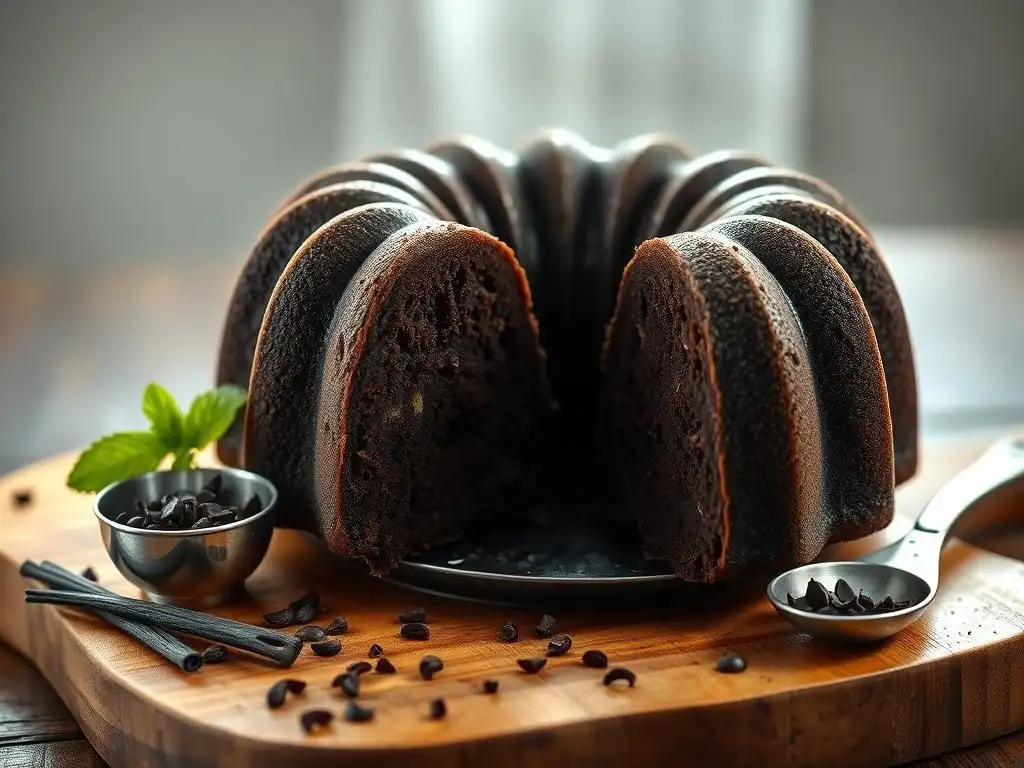
Incorporating vanilla strategically into chocolate recipes can dramatically transform the final product, elevating simple batters and doughs into gourmet delights. It's not just about adding another flavor; it's about using vanilla to refine and deepen the chocolate notes themselves. These recipe modifications showcase practical ways vanilla enhances chocolate flavor in everyday baking projects.
Small adjustments in the type or amount of vanilla can yield surprisingly different results. Whether you're aiming for a richer cake, more complex brownies, or sophisticated cookies, vanilla plays a crucial role in achieving that desired flavor profile. Let's explore how specific applications of vanilla can unlock new levels of deliciousness in classic chocolate baked goods.
The Secret to Richer Chocolate Cakes: Adding Vanilla for Depth
One of the simplest yet most effective ways to leverage how vanilla enhances chocolate flavor is by adding a generous amount of vanilla extract to your chocolate cake batter. For a standard cake recipe calling for 1 cup of cocoa powder, increasing the vanilla extract from the typical half teaspoon to a full teaspoon, or even slightly more, can make a noticeable difference. This extra vanilla doesn't make the cake taste strongly of vanilla; instead, it works to amplify and round out the chocolate flavor.
Cocoa powder, especially unsweetened varieties, provides the core chocolate taste, but it can sometimes taste flat or slightly acidic on its own. Vanilla acts as a bridge, connecting the various flavor notes in the cocoa and creating a more cohesive and deeper chocolate profile.
The science behind this transformation relates to the volatile compounds. Vanilla's vanillin helps to reduce the perception of bitterness and acidity in the cocoa, allowing the richer, more desirable chocolate notes to come forward. The result is a chocolate cake that tastes more intensely chocolatey and less like just sweet cocoa. It feels richer on the palate and has a more complex aroma. This subtle increase in vanilla is an easy modification that yields significant results, proving that vanilla enhances chocolate flavor by contributing essential depth and balance that takes a cake from good to truly exceptional.
Enhancing Chocolate Brownies with Vanilla: A Flavor Explosion
Brownies are a perfect canvas for showcasing how vanilla enhances chocolate flavor, especially when using vanilla bean paste. While extract works well, the paste provides a more concentrated and nuanced vanilla punch, along with those coveted visible seeds. Incorporating 1 to 2 teaspoons of vanilla bean paste into your favorite brownie recipe, particularly one that uses both melted chocolate and cocoa powder, can create a truly explosive flavor experience.
The intense vanilla aroma mingles with the rich chocolate, setting the stage before you even take a bite. As you chew, the vanilla helps to elevate the different chocolate notes – from the deep, slightly bitter tones of dark chocolate to the sweeter, fudgier notes of milk chocolate or cocoa.
The vanilla bean paste ensures that the vanilla flavor is evenly distributed throughout the dense brownie batter, meaning every bite benefits from the pairing. A good quality all-purpose flour provides the necessary structure for the brownies, allowing the intense flavors of both the chocolate and the vanilla to be the stars.
The vanilla doesn't just add a separate flavor; it helps to intensify the chocolate itself, making the brownies taste richer, more complex, and incredibly satisfying. It balances the sweetness and fat, ensuring the chocolate flavor remains prominent and vibrant, creating a more gourmet and memorable brownie experience that clearly demonstrates how vanilla enhances chocolate flavor in a profound way.
Transforming a classic chocolate chip cookie into a gourmet treat is easily achieved by incorporating vanilla bean. While vanilla extract is standard, using the seeds scraped from half to a full vanilla bean (or an equal amount of vanilla bean paste) takes the flavor to a new level. When combined with ingredients like brown butter, which adds nutty, caramel undertones, the vanilla bean creates an incredibly complex and appealing flavor profile.
The tiny black specks of vanilla bean are also a visual indicator of the premium ingredients used. The vanilla works synergistically with the brown sugar and butter, enhancing their richness, while also significantly boosting the chocolate flavor of the chips.
High-quality chocolate chips, whether dark, milk, or semi-sweet, benefit immensely from the presence of vanilla bean. The vanilla helps to highlight the specific flavor nuances of the chocolate – be it the fruity notes of certain dark chocolates or the creamy sweetness of milk chocolate. It prevents the cookies from tasting one-dimensionally sweet or just like chocolate. Instead, the vanilla adds layers, making the chocolate taste brighter, more defined, and richer. The aroma alone is captivating. This application beautifully illustrates how vanilla enhances chocolate flavor by adding complexity, depth, and a touch of elegance to a beloved classic.
Beyond Chocolate: Vanilla's Flavor-Enhancing Abilities with Other Flavors
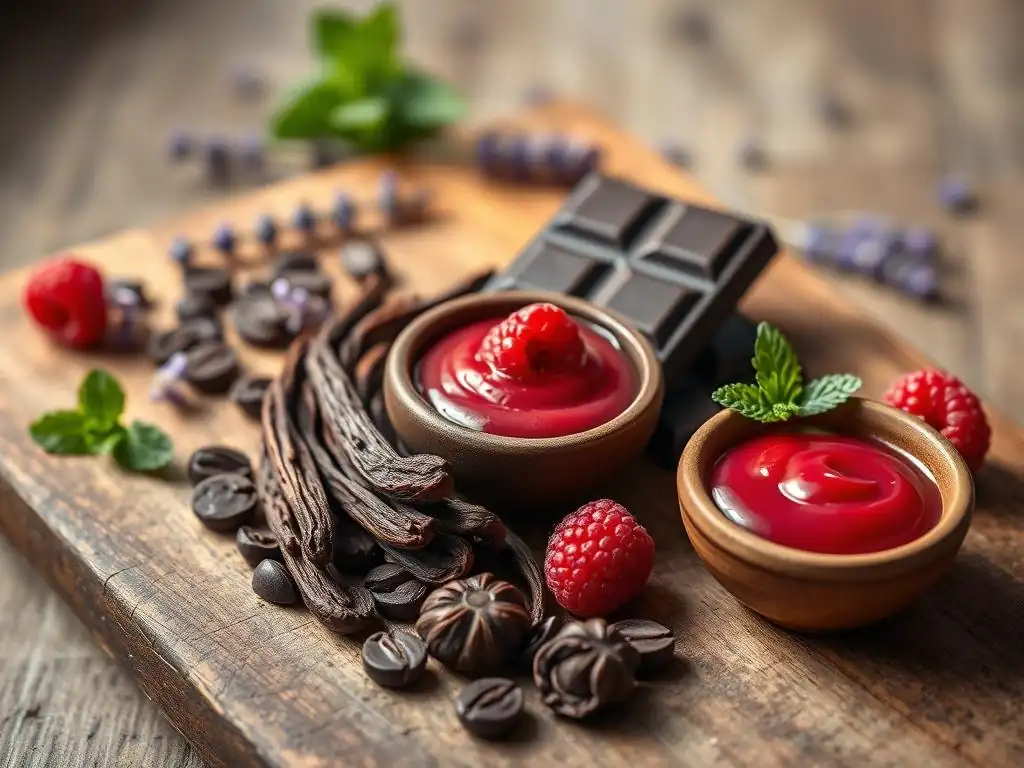
Vanilla's magic isn't limited to chocolate. Its unique ability to round out, deepen, and harmonize flavors makes it a valuable asset in pairing with a wide range of other ingredients. Understanding these other successful pairings further highlights vanilla's versatility and its fundamental role in creating balanced and delicious flavor profiles.
From the boldness of coffee to the sweetness of caramel and the brightness of citrus, vanilla finds ways to complement and elevate, proving itself to be a truly universal enhancer. Exploring these combinations opens up a world of flavor possibilities beyond the classic vanilla enhances chocolate flavor pairing.
Vanilla and Coffee: A Natural Sweetener and Flavor Enhancer
Vanilla and coffee share a fascinating synergy. While coffee has its own complex array of aromatic compounds, vanilla's vanillin and other notes provide a smoothing and enhancing effect. Adding a splash of vanilla extract or a pump of vanilla syrup to coffee drinks is a popular practice for a reason.
The vanilla helps to mellow coffee's inherent bitterness and acidity without making it overly sweet. It rounds out the flavor, adding a creamy, aromatic quality that makes the coffee taste smoother and more approachable. This is particularly true for darker roasts, where vanilla can temper some of the intense, sometimes harsh, notes.
Beyond just sweetening, vanilla actually enhances the perception of coffee's own flavors. It can bring out subtle chocolatey, nutty, or even fruity undertones in the coffee beans that might otherwise be masked by bitterness. Using a high-quality vanilla syrup provides a consistent flavor and sweetness level, making it easy to replicate your favorite coffee shop drinks at home. Whether it's a simple drip coffee, a latte, or a cold brew, a touch of vanilla transforms the experience, proving its power as a flavor enhancer beyond how vanilla enhances chocolate flavor.
Vanilla and Caramel: A Symphony of Sweetness
Caramel, made from heated sugar, is inherently sweet, but vanilla adds a layer of sophistication and depth that elevates it from simple sweetness to a symphony of flavor. Caramel's primary flavors come from the Maillard reaction and sugar caramelization, producing notes that can range from buttery and toasted to slightly bitter or nutty. Vanilla, particularly when added as a bean or paste during the cooking process, integrates beautifully with these developing flavors. The vanillin enhances the perception of creaminess and richness, while vanilla's other compounds add subtle floral or woody notes that complement the complex sugar profile.
Adding the seeds of a vanilla bean to a batch of homemade caramel sauce or incorporating vanilla extract into caramel candies creates a more nuanced and appealing sweetness. The vanilla prevents the caramel from tasting one-dimensionally sugary; instead, it adds complexity and warmth. A classic example is vanilla bean salted caramel, where the vanilla enhances both the rich caramel flavor and the contrasting saltiness, creating a balanced and addictive taste experience. This pairing highlights vanilla's ability to deepen and refine sweet flavors, showcasing its versatility beyond how vanilla enhances chocolate flavor.
Vanilla and Citrus: A Refreshing Combination
While perhaps less intuitive than pairing vanilla with chocolate or caramel, vanilla and citrus fruits like lemon, orange, or grapefruit create a surprisingly refreshing and balanced combination. Citrus fruits are known for their bright acidity and zesty, often tart, flavors derived from citric acid and aromatic oils. On its own, citrus can sometimes be overwhelmingly sharp. Vanilla acts as a counterpoint, providing warmth, sweetness, and a rounding effect that balances the acidity. It doesn't diminish the citrus flavor but softens its edges and adds a pleasant complexity.
Incorporating vanilla bean or extract into citrus-based desserts like lemon bars, orange custards, or grapefruit tarts adds a layer of sophistication. For instance, infusing cream with vanilla bean before making the lemon curd for lemon bars adds a creamy undertone and subtle aroma that complements the tartness of the lemon beautifully.
The vanilla helps to highlight the floral and aromatic qualities of the citrus zest while providing a comforting warmth that makes the flavor profile more complete and less singularly sharp. This pairing demonstrates vanilla's remarkable ability to harmonize disparate flavors, proving its value extends far beyond its famous ability to enhance chocolate flavor.
Conclusion: Mastering the Art of Flavor Enhancement with Vanilla
Vanilla is undeniably one of the most valuable ingredients in a baker's pantry. Its ability to enhance, deepen, and harmonize flavors is unparalleled, most famously illustrated by how vanilla enhances chocolate flavor, transforming it from simply good to truly exceptional. Whether you're using a classic Madagascar extract to amplify the richness of a chocolate cake or experimenting with Tahitian vanilla bean paste in white chocolate creations, understanding the specific characteristics of different vanilla products allows you to fine-tune your results.
But vanilla's magic doesn't stop at chocolate. Its power to balance bitterness in coffee, add complexity to caramel, and soften the acidity of citrus demonstrates its remarkable versatility. By thoughtfully incorporating vanilla into your baking and culinary projects, you unlock a world of enhanced flavors and aromas. Mastering the art of using vanilla is key to creating baked goods that are not just sweet, but truly memorable and delicious, always leveraging its incredible capacity to elevate and perfect other flavors.
Frequently Asked Questions
How does vanilla enhance chocolate flavor?
Vanilla contains vanillin, a compound that complements the bitterness of chocolate, creating a more rounded and balanced taste experience. It enhances the perceived sweetness and richness.
What types of vanilla work best with chocolate in baking?
Both vanilla extract and vanilla bean paste are excellent choices. Vanilla bean paste offers a stronger flavor due to the visible specks of vanilla bean.
Can I use vanilla to enhance flavors other than chocolate?
Absolutely! Vanilla is a versatile ingredient that complements many flavors, including fruits, nuts, and spices, by adding depth and warmth.
How much vanilla should I use to enhance chocolate flavor in a recipe?
Generally, a teaspoon of vanilla extract per standard chocolate cake or brownie recipe is sufficient. Adjust to taste based on the intensity of the chocolate.
What are some common mistakes people make when using vanilla with chocolate?
Overusing vanilla can overpower the chocolate. Also, using imitation vanilla extract can lead to a chemical taste that detracts from the overall flavor profile.
Final Reflection: The Enduring Symphony of Vanilla and Chocolate
The harmonious marriage of vanilla and chocolate isn't just a culinary trend; it's a testament to the power of synergistic flavor pairings that continue to shape our gastronomic landscape. This enduring combination, explored throughout this article, highlights how a seemingly simple ingredient like vanilla can elevate and transform the complexity of chocolate, unlocking depths of flavor previously unimagined. The subtle nuances of vanilla, its warmth and sweetness, perfectly complement the rich bitterness and intensity of chocolate, creating a balanced and unforgettable experience.
The influence of this pairing extends far beyond the simple pleasure of a dessert. It speaks to a fundamental human desire for balance and harmony, a search for the perfect complement that elevates the whole beyond the sum of its parts. This pursuit of culinary perfection is reflected in countless recipes and traditions across cultures. As the renowned chef Julia Child once said, Find something you're passionate about and keep tremendously interested in it.
This passion, for both vanilla and chocolate, is evident in the countless variations and innovations we see today, from classic desserts to sophisticated gourmet creations.
Consider the impact of this pairing on your own life. Think about the moments you've experienced the magic of vanilla enhancing chocolate – a comforting cup of hot chocolate, a decadent chocolate cake, or perhaps a simple scoop of vanilla bean ice cream with a dark chocolate drizzle. Now, consider how you can apply this principle of synergistic enhancement to other areas of your life. What seemingly simple additions can you make to enrich your experiences, your relationships, or your creative endeavors? Embrace the power of complementarity, and discover the unexpected harmonies waiting to be unlocked.
Unlock Your Inner Pastry Chef: Elevate Your Baking Today!
Thanks for exploring the delightful world of vanilla's flavor-boosting power! You've learned how this humble ingredient can transform your baking creations. Now it's time to put your newfound knowledge into practice.
- Experiment with vanilla's versatility: Try substituting different types of vanilla extract (Madagascar Bourbon, Mexican, Tahitian) in your favorite chocolate recipe and taste the difference! This is your chance to discover your personal preference and become a true vanilla connoisseur.
- Share your vanilla-enhanced creations: Post pictures of your masterpieces on social media using #BakeWithEaseVanilla and inspire others to experiment with this magical ingredient!
- Dive deeper into vanilla's wonders: Explore our other articles on baking techniques and flavor combinations on BakeWithEase.com to further elevate your baking skills.
What unexpected flavor combinations will you create with vanilla next?