
The Essence of Purity: Why Real Vanilla is NonNegotiable for Flavor

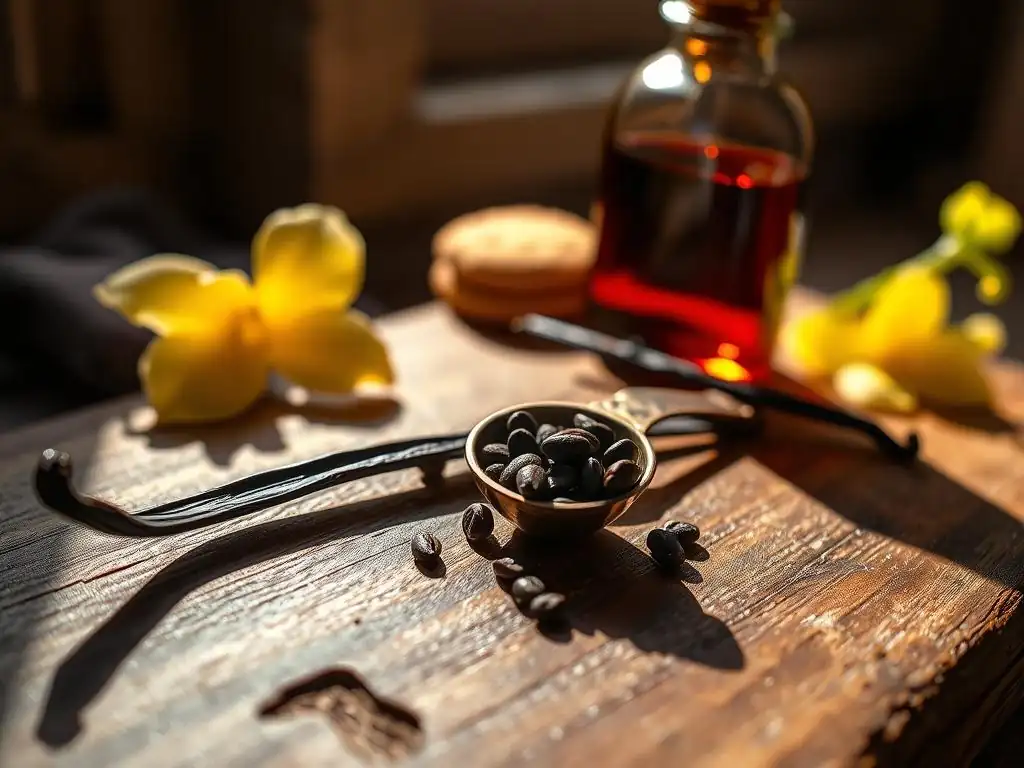
Welcome to BakeWithEase, where baking becomes a joy, not a chore! Ever wondered why some baked goods possess an unforgettable depth of flavor while others fall flat? The secret often lies in the ingredients. We're diving deep into the world of real vanilla extract recipes and unraveling why this premium baking ingredient is non-negotiable for achieving truly exceptional results. Prepare to unlock a new level of baking artistry and discover how a single ingredient can elevate your creations from ordinary to extraordinary. Ready to experience the essence of purity?
- Unlocking Baking Magic: The Superiority of Real Vanilla Extract
- Elevating Your Baking: How to Identify and Source Authentic Vanilla
- Mastering Real Vanilla Extract Recipes: Tips and Techniques for Optimal Flavor
- Real Vanilla Extract Recipes Showcase: From Simple to Spectacular
- The Cost of Quality: Is Real Vanilla Worth the Investment for Your Baking?
- Troubleshooting Vanilla Flavor: Common Mistakes and How to Fix Them
- Conclusion: Embrace Real Vanilla for Unforgettable Baking Experiences
-
Frequently Asked Questions
- What makes using real vanilla extract so much better in baking recipes?
- How can I identify real vanilla extract when shopping?
- Are there any specific types of recipes where real vanilla extract is particularly important?
- What are some alternatives to real vanilla extract if I can't find it or it's too expensive?
- Can I make my own real vanilla extract at home, and if so, how?
- Final Reflection: The Enduring Allure of Real Vanilla
- Unleash Your Inner Pastry Chef: Elevate Your Baking Today!
Unlocking Baking Magic: The Superiority of Real Vanilla Extract
Baking is a craft where every ingredient plays a vital role in the final masterpiece. While many shortcuts exist, one ingredient stands out as non-negotiable for achieving truly exceptional flavor: real vanilla extract. Moving beyond artificial substitutes unlocks a world of complexity and depth that elevates your baked goods from good to unforgettable. Understanding the subtle nuances and rich profile of authentic vanilla is the first step in mastering many delightful real vanilla extract recipes.
Choosing real vanilla isn't just about following tradition; it's about investing in flavor. Artificial vanilla is typically synthesized from chemical compounds, often derived from lignin (a component of wood pulp) or even petroleum. While it mimics the smell of vanilla's primary compound, vanillin, it lacks the hundreds of other aromatic compounds found naturally in the vanilla bean. This difference is profoundly evident in the final taste, where real vanilla provides a layered, lingering richness that imitation vanilla simply cannot replicate, making your dedication to quality ingredients the foundation of any successful real vanilla extract recipe.
Beyond Imitation: Understanding the True Flavor Profile of Real Vanilla
Real vanilla extract boasts a complex profile far beyond the single note of vanillin that imitation extracts rely on. A high-quality vanilla bean contains over 200 identified aromatic and flavor compounds, including phenols, phenolic ethers, alcohols, carbonyls, acids, esters, and lactones. These compounds interact to create the signature rich, creamy, sweet, and often subtly floral, fruity, or even spicy notes that define true vanilla flavor. This intricate symphony of aromas is what contributes to the depth and longevity of the flavor in baked goods.
Consider the difference like comparing a single instrument playing a note versus an entire orchestra performing a symphony. Imitation vanilla provides that single, flat note of vanillin. Real vanilla, however, offers the full orchestra, with different compounds contributing layers of flavor that unfold as you taste. For instance, compounds like p-hydroxybenzaldehyde contribute to creamy notes, while vanillic acid can add a subtle tang. This complexity ensures that when you use real vanilla in your favorite real vanilla extract recipes, the flavor isn't just present; it's vibrant, nuanced, and lingers beautifully on the palate.
Real Vanilla vs. Imitation Vanilla: A Side-by-Side Taste Test for Bakers
The most convincing way to understand the superiority of real vanilla is through a direct comparison. Try baking two identical batches of simple sugar cookies or vanilla cupcakes. Use real vanilla extract in one batch and imitation vanilla in the other, using the same quantity. Pay close attention during baking – you might notice the aroma from the real vanilla batch is richer and more natural.
Once cooled, taste them side-by-side. The cookies or cupcakes made with imitation vanilla will likely taste predominantly sweet with a somewhat sharp, one-dimensional vanilla flavor that might even have a slight chemical or bitter aftertaste, especially if used generously. The batch made with real vanilla will exhibit a smoother, more rounded sweetness. The vanilla flavor will be deeper, more aromatic, and complex, potentially revealing subtle floral, fruity, or woody undertones depending on the vanilla's origin. This simple test clearly demonstrates why real vanilla is essential for achieving truly exceptional flavor in your real vanilla extract recipes.
Elevating Your Baking: How to Identify and Source Authentic Vanilla
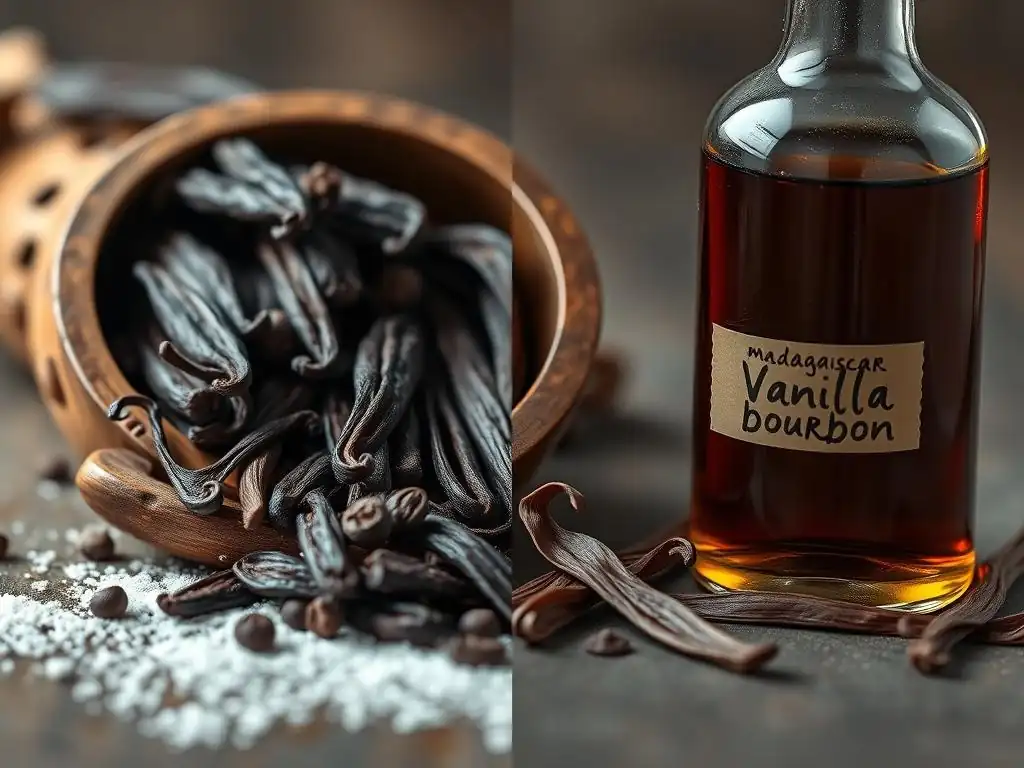
Finding high-quality real vanilla is crucial for achieving the best results in your baking. With various products on the market, knowing what to look for can make a significant difference. Authentic vanilla is an investment, but its impact on flavor is undeniable, making it worthwhile for anyone serious about their real vanilla extract recipes.
Identifying real vanilla goes beyond just reading the label. While terms like "Pure Vanilla Extract" are regulated, understanding the nuances of origin and quality helps you select the perfect product for your specific baking needs. Whether you're buying extract or whole beans, attention to detail ensures you're getting the genuine article, packed with the potent flavor compounds you desire.
Decoding Vanilla Labels: What to Look For in Real Vanilla Extract
When purchasing vanilla extract, look for labels that clearly state "Pure Vanilla Extract." In the United States, the FDA standard for "Pure Vanilla Extract" requires that the extract contain the extractive matter of no less than 13.35 ounces of vanilla beans per gallon of alcohol, with an alcohol content of at least 35%. The ingredients list should ideally be short and simple: vanilla bean extractives, water, and alcohol. Sometimes a small amount of sugar may be added, but the primary flavor should come from the beans themselves.
Avoid products labeled "Vanilla Flavor," "Imitation Vanilla Flavor," or simply "Vanilla Extract" without the "Pure" designation. These products often contain synthetic vanillin and other artificial flavorings, lacking the complexity of real vanilla. While they are significantly cheaper, they will not provide the rich, nuanced flavor necessary for truly outstanding real vanilla extract recipes. Check for clarity in the liquid – a cloudy extract can sometimes indicate vanilla solids, which are fine, but the overall appearance should suggest quality.
The Origin Matters: Exploring Different Vanilla Bean Varieties (Madagascar, Tahitian, Mexican)
The flavor profile of vanilla beans varies significantly depending on where they are grown and how they are cured. The three most common types found in baking are Madagascar Bourbon, Tahitian, and Mexican vanilla. Each offers a unique set of characteristics that can complement different types of real vanilla extract recipes. Understanding these differences allows you to select the best bean for your specific baking project.
The soil, climate, and curing methods all contribute to the final flavor of the vanilla bean. Madagascar beans, for instance, are known for their creamy, sweet notes, while Tahitian beans often exhibit more floral and fruity aromas. Mexican vanilla tends to have a bolder, spicier profile with smoky undertones. Experimenting with these different origins can open up exciting new dimensions in your baking, allowing you to tailor the vanilla flavor precisely to your desired outcome.
Madagascar Bourbon Vanilla: The Classic Choice for Vanilla Bean Cheesecake
Madagascar Bourbon vanilla beans, primarily grown on the island of Madagascar (and Réunion, formerly Île Bourbon, hence the name), are the most popular and widely used variety globally, accounting for roughly 80% of the world's vanilla production. They are characterized by their classic, rich, sweet, and creamy flavor profile with notes of milk chocolate. These beans are plump, oily, and have a high vanillin content.
Their robust yet balanced flavor makes them incredibly versatile and an excellent choice for classic real vanilla extract recipes where vanilla is meant to be the star, such as vanilla bean cheesecake. The creamy notes of the bean perfectly complement the rich texture of the cheesecake, providing a deep, authentic vanilla flavor that permeates every bite. Using the scraped seeds directly in the batter also adds beautiful visual speckles.
Tahitian Vanilla: Adding Exotic Notes to Passion Fruit Mousse
Tahitian vanilla beans are grown in French Polynesia and are distinct from the Vanilla planifolia species used for Madagascar and Mexican vanilla. Tahitian beans come from the Vanilla tahitensis species and are typically fatter and moister with fewer visible seeds. Their flavor profile is notably different – more floral, fruity, and sometimes described as having notes of cherry, anise, or even caramel. They have a lower vanillin content but a higher concentration of other aromatic compounds.
Due to their unique aromatic qualities, Tahitian beans are excellent for applications where you want a more delicate or exotic vanilla flavor. They pair wonderfully with fruits, custards, and lighter desserts. For instance, adding Tahitian vanilla to a passion fruit mousse can enhance the tropical notes of the fruit while adding a sophisticated floral undertone that elevates the dessert beyond the ordinary, making it a memorable addition to your collection of real vanilla extract recipes.
Mexican Vanilla: A Bold Flavor for Spicy Chocolate Cookies
Mexican vanilla beans originate from Mexico, the birthplace of the vanilla orchid. These beans are typically cured using a sun-drying method that can impart a slightly smoky or woody character. Mexican vanilla is often described as having a bolder, spicier, and sometimes smokier flavor compared to Madagascar vanilla, with notes of clove or nutmeg.
This robust profile makes Mexican vanilla an excellent choice for dishes where it needs to stand up to other strong flavors. It pairs particularly well with chocolate and spices. Using Mexican vanilla in a recipe for spicy chocolate cookies, perhaps with a hint of chili or cinnamon, can enhance the warmth and complexity of the spices while adding a distinct, slightly smoky vanilla note that creates a uniquely satisfying flavor combination. It's a perfect example of how different vanilla types can dramatically alter real vanilla extract recipes.
Where to Buy the Best Vanilla Beans and Extracts: Our Recommended Suppliers
Finding reliable sources for high-quality real vanilla is essential for consistent baking results. While many grocery stores carry vanilla products, specialty spice shops or online retailers often offer a wider selection of origins and grades. Investing in vanilla from reputable suppliers ensures you are getting genuine, flavorful products that will significantly impact your real vanilla extract recipes.
Consider factors like freshness, origin variety, and company reputation when choosing a supplier. Some companies specialize exclusively in vanilla, offering deep expertise and carefully sourced products. Others are broader spice merchants known for their quality control. Looking for suppliers who provide detailed information about their sourcing and curing processes can also be a good indicator of quality.
Nielsen-Massey Vanilla Extract: A Baker's Favorite for Consistent Quality
Nielsen-Massey is a widely respected name in the baking community, known for producing high-quality, pure vanilla extracts. They offer extracts made from beans sourced from various regions, including Madagascar, Tahitian, and Mexican. Their Pure Vanilla Extract from Madagascar Bourbon beans is a staple for many bakers due to its reliable, classic sweet and creamy flavor profile.
What sets Nielsen-Massey apart is their commitment to traditional cold-extraction methods, which they claim preserve the delicate flavor compounds of the vanilla bean. This process results in a rich, full-bodied extract that provides consistent results in a wide range of real vanilla extract recipes, from simple cakes to complex custards. While often priced higher than supermarket brands, many bakers find the superior flavor worth the investment for their everyday baking needs.
Rodelle Vanilla Beans: Perfect for Infusing Creams and Sugars
Rodelle is another reputable supplier offering both extracts and vanilla beans. Their vanilla beans, particularly the Bourbon vanilla, are often praised for being plump, moist, and incredibly fragrant. High-quality beans are essential when you want to infuse flavor directly into a liquid, like cream, milk, or sugar.
Using Rodelle vanilla beans for infusing is simple: split the bean lengthwise, scrape out the oily seeds, and add both the seeds and the pod to your liquid base as it heats gently. This process extracts the full spectrum of flavors from the bean, resulting in beautifully flavored creams for pastries, ice cream bases, or vanilla-infused sugar for baking. The quality of the bean directly impacts the depth and richness of this infusion, making Rodelle a solid choice for such real vanilla extract recipes.
Vanilla Bean Kings: Discovering Unique Vanilla Varieties
For bakers looking to explore beyond the standard Madagascar bean, suppliers like Vanilla Bean Kings offer a wide array of vanilla varieties from different global origins, including Uganda, Indonesia, and Papua New Guinea. This allows adventurous bakers to experiment with unique flavor profiles and find the perfect match for specific real vanilla extract recipes.
Exploring vanilla from new regions can introduce unexpected notes – Ugandan beans might offer chocolatey or fig-like undertones, while Indonesian beans can be slightly more woody or smoky. Suppliers like Vanilla Bean Kings often provide detailed descriptions of each bean's characteristics, helping you make informed choices. This access to diverse origins is invaluable for bakers seeking to truly understand and utilize the full potential of real vanilla.
Mastering Real Vanilla Extract Recipes: Tips and Techniques for Optimal Flavor
Using real vanilla extract effectively involves more than just pouring it into the bowl. Understanding how vanilla interacts with other ingredients and applying the right techniques can significantly enhance its impact on your baked goods. Mastering these aspects will help you unlock the full potential of your real vanilla extract recipes.
From deciding on the correct quantity to knowing which flavors best complement vanilla, these tips ensure that every drop of your precious real vanilla contributes maximum flavor to your creations. Proper usage prevents disappointment and guarantees the rich, aromatic results that only authentic vanilla can provide.
The Right Amount: Vanilla Extract Dosage for Different Baking Applications
Determining the correct amount of vanilla extract is crucial. Too little, and the flavor gets lost; too much, and it can become overwhelming or even slightly bitter if using a high-quality, potent extract. A general guideline is often 1 teaspoon of vanilla extract per 1 to 2 cups of flour or liquid in a recipe. However, this can vary based on the recipe's other flavors and the desired intensity of the vanilla.
For delicate items like meringues or panna cotta, where vanilla is a primary flavor, you might use slightly more, perhaps 1.5 teaspoons per 2 cups of liquid. In recipes with strong flavors like chocolate or citrus, you might stick closer to 1 teaspoon per 2 cups to ensure the vanilla complements rather than competes. Always taste your batter or dough if possible (before adding raw egg, of course!) and adjust slightly if needed, remembering that the flavor will concentrate somewhat during baking. Many real vanilla extract recipes specify amounts, but understanding the general ratio helps you adapt.
Enhancing Vanilla Flavor: Complementary Ingredients and Flavor Pairings
Real vanilla's complex profile makes it incredibly versatile, pairing well with a wide range of other flavors. Recognizing these natural pairings allows you to enhance the vanilla notes and create more harmonious flavor profiles in your real vanilla extract recipes. Simple additions can elevate the vanilla from a background note to a prominent highlight.
Think about ingredients that share or amplify vanilla's inherent characteristics. A touch of salt, for example, can surprisingly boost the perception of sweetness and vanilla flavor in baked goods. Similarly, certain spices or fruits naturally complement vanilla's creamy, sweet, or floral notes, creating classic and beloved combinations.
Vanilla and Chocolate: A Timeless Combination for Double Chocolate Chip Cookies
The pairing of vanilla and chocolate is a classic for a reason. Vanilla's creamy sweetness and subtle background notes beautifully complement the rich, sometimes slightly bitter, flavors of chocolate. In recipes like double chocolate chip cookies, adding real vanilla extract doesn't just add its own flavor; it actually enhances the chocolate flavor, making it taste deeper and more complex.
While you might think chocolate is the dominant flavor, the vanilla acts as a bridge, smoothing out the chocolate's intensity and adding warmth and depth. Using a generous splash of real vanilla extract in your favorite double chocolate chip cookie recipe will result in cookies where both the chocolate and the vanilla flavors are more pronounced and satisfying, creating a truly decadent treat.
Vanilla and Citrus: Brightening Up Key Lime Pie
Vanilla might seem counterintuitive to pair with bright, acidic citrus flavors, but they work surprisingly well together. Vanilla's sweetness and creamy notes provide a perfect counterpoint to the tartness of citrus fruits like lemon, orange, or lime. This combination is particularly effective in desserts where a balance of sweet and tart is desired.
In a Key Lime Pie, for instance, a teaspoon or two of real vanilla extract in the filling or even the crust can add a layer of complexity that rounds out the sharp lime flavor. The vanilla doesn't overpower the citrus but rather softens its edges and adds a subtle warmth, resulting in a more balanced and sophisticated dessert. This unexpected pairing is a wonderful way to elevate citrus-based real vanilla extract recipes.
Making Your Own Vanilla Extract: A Step-by-Step Guide for the Home Baker
Making your own real vanilla extract is a rewarding project that yields a superior product and can be more cost-effective over time. It requires minimal effort but significant patience, as the infusion process takes several months. The result is a rich, potent extract perfectly suited for all your real vanilla extract recipes.
The process involves infusing high-quality vanilla beans in alcohol. The alcohol acts as a solvent, extracting the flavorful compounds from the beans. The quality of both the beans and the alcohol will influence the final product, so choose wisely.
What You'll Need: Vanilla Beans, High-Proof Alcohol (Kirkland Signature Vodka), and a Glass Jar
To make your own vanilla extract, you'll need a few simple items. First, high-quality vanilla beans – Madagascar Bourbon beans are a popular choice for their classic flavor, but feel free to experiment with others. A common ratio is about 1 ounce of vanilla beans for every 8 ounces of alcohol. You'll need a clean glass jar with a tight-fitting lid, such as a swing-top bottle or a Mason jar.
For the alcohol, a neutral-flavored spirit with at least 35% alcohol by volume (70 proof) is recommended. Vodka is a popular choice because its neutral taste doesn't interfere with the vanilla flavor. Many home extract makers use readily available brands like Kirkland Signature Vodka, which is cost-effective and meets the proof requirement. Ensure the alcohol is high enough proof to efficiently extract the vanillin and other compounds.
The Infusion Process: Patience is Key to Rich Vanilla Flavor
Once you have your beans, alcohol, and jar, making the extract is straightforward. Split the vanilla beans lengthwise down the middle, leaving an inch or so attached at the top to keep them together, or cut them into smaller pieces (3-4 inches) if your jar is small. Place the prepared beans in the glass jar.
Pour the alcohol over the beans, ensuring they are fully submerged. Seal the jar tightly. Store the jar in a cool, dark place, like a pantry or cupboard. Shake the jar gently once a week for the first month, and then periodically thereafter.
You'll notice the liquid gradually darkening over time. The extract will be usable after about 6 months, but the flavor will continue to develop and deepen for a year or longer. The longer it infuses, the richer the flavor becomes, making it perfect for potent real vanilla extract recipes. You can top it off with more alcohol as you use it, adding a fresh bean every now and then to maintain strength.
Real Vanilla Extract Recipes Showcase: From Simple to Spectacular
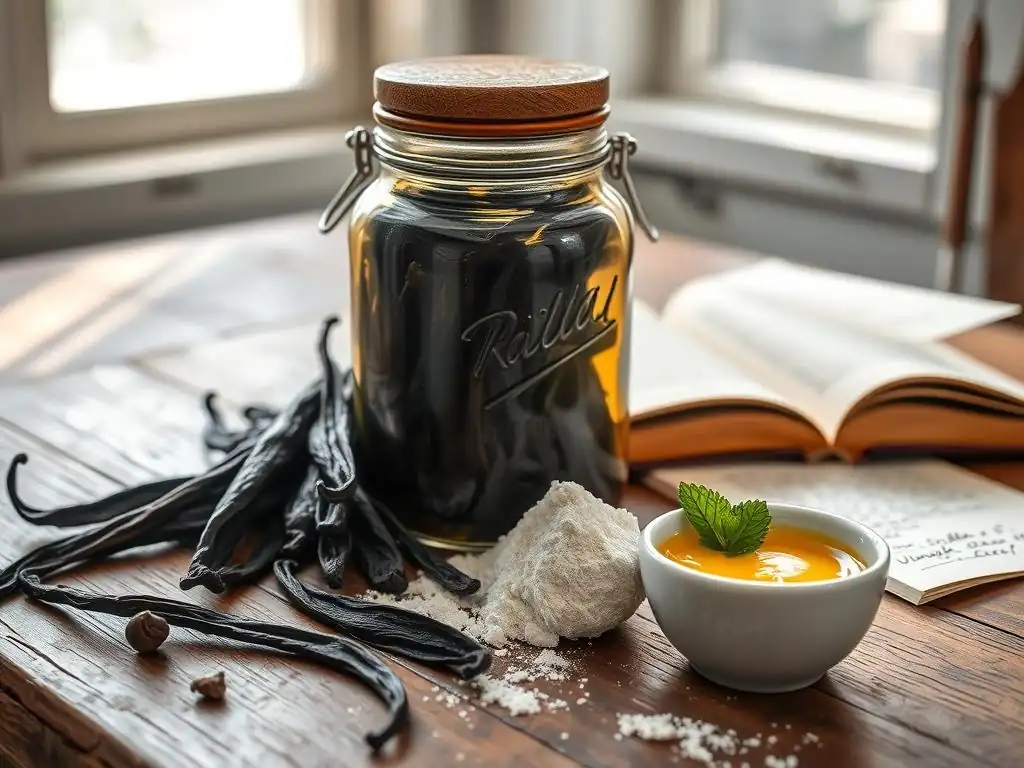
Real vanilla extract shines in recipes where its complex flavor can truly be appreciated. While it improves nearly any baked good, certain recipes allow the pure, rich taste of vanilla to take center stage. These showcase recipes highlight how using authentic vanilla elevates familiar desserts to new heights, making them essential additions to your collection of real vanilla extract recipes.
Whether you're a beginner or an experienced baker, these examples demonstrate the versatility and impact of real vanilla. They are designed to let the vanilla flavor shine through, proving that sometimes, the simplest ingredients yield the most extraordinary results.
Vanilla Bean Cupcakes: A Classic Recipe Elevated with Real Vanilla
Vanilla bean cupcakes are a perfect example of a simple recipe transformed by using real vanilla. Instead of just using extract, incorporating the scraped seeds from a real vanilla bean into the batter adds intense flavor and beautiful visual speckles. A standard recipe might call for 1-2 teaspoons of extract, but adding seeds from one full bean can provide an extra layer of depth.
The process involves creaming butter and sugar, adding eggs and vanilla, then alternating dry and wet ingredients. Ensure the vanilla is added with the wet ingredients to distribute evenly. The tiny black seeds throughout the finished cupcake are a visual promise of the rich, authentic vanilla flavor within. Top with a simple vanilla buttercream made with real vanilla extract for a double dose of pure vanilla goodness, making these a staple among real vanilla extract recipes.
Vanilla Infused Crème brûlée: The Ultimate Dessert Indulgence
Crème brûlée is a custard-based dessert where vanilla is the star. Using real vanilla beans or a high-quality pure vanilla extract is essential for achieving the signature rich, creamy flavor. A typical recipe for 4-6 servings might use the seeds from one whole vanilla bean or 1-2 teaspoons of potent extract infused into the cream base.
Gently heating the cream or milk with the scraped vanilla seeds and the pod (if using beans) allows the vanilla flavor to fully infuse. Strain the cream before tempering the egg yolks to ensure a smooth texture. The delicate balance of the creamy custard and the crisp caramelized sugar topping is perfectly complemented by the deep, aromatic flavor of real vanilla, making this an ultimate real vanilla extract recipe for showcasing quality.
Real Vanilla Ice Cream: A Simple Recipe with Unbeatable Flavor
Homemade real vanilla ice cream is a revelation compared to many store-bought versions. The simplicity of the ingredients – cream, milk, sugar, eggs (optional, for custard base), and vanilla – means the quality of the vanilla is paramount. A classic recipe for about 1 quart of ice cream might call for the seeds of 1-2 vanilla beans or 1-2 tablespoons of high-quality pure vanilla extract.
For the best flavor, infuse the dairy base with the vanilla. If using beans, heat the milk and cream with the scraped seeds and pod, then let steep before chilling. If using extract, stir it in after the base has been cooked (if making a custard) or just before churning. The slow churning process and freezing lock in the pure vanilla flavor, resulting in incredibly rich, smooth ice cream with an unbeatable taste, proving that real vanilla extract recipes don't need to be complicated to be spectacular.
The Cost of Quality: Is Real Vanilla Worth the Investment for Your Baking?
Real vanilla, whether beans or pure extract, is significantly more expensive than imitation vanilla. This price difference is a major factor for many bakers when choosing ingredients. However, when considering the impact on flavor and the overall baking experience, the higher cost of real vanilla can often be justified, especially for those committed to creating truly exceptional real vanilla extract recipes.
Understanding the economics of vanilla production and its impact on flavor helps put the cost into perspective. While the initial outlay is higher, the potency and depth of flavor mean that a little real vanilla often goes a long way, providing long-term value that extends beyond the immediate price tag.
The Economics of Flavor: Why Real Vanilla Offers Superior Value
The high cost of real vanilla is due to its labor-intensive cultivation and curing process. Vanilla orchids are hand-pollinated, and the beans require months of careful curing and drying to develop their complex flavor compounds. This artisanal process, combined with factors like weather vulnerability and market demand, drives up the price. Imitation vanilla, conversely, is synthesized cheaply in a lab.
While a bottle of pure vanilla extract might cost $10-$30 or more compared to a few dollars for imitation, the flavor difference is profound. Using real vanilla provides a depth and nuance that simply cannot be achieved with imitation. For many bakers, the superior flavor payoff in their finished goods offers a value that outweighs the initial cost difference, particularly when aiming for professional-quality real vanilla extract recipes. The quality of the final product is often dramatically improved.
Long-Term Savings: A Little Real Vanilla Goes a Long Way
Because real vanilla extract is so much more potent and flavorful than imitation, you often need less of it to achieve a noticeable vanilla presence in your baking. While a recipe might call for equal amounts of pure or imitation extract, many bakers find they can use slightly less high-quality pure extract and still get a superior flavor result.
Furthermore, if you make your own extract (as discussed earlier), the initial cost of beans and alcohol can yield a large quantity of extract that lasts for years, with the flavor improving over time. A single batch can provide enough vanilla for dozens, if not hundreds, of real vanilla extract recipes, making the per-use cost quite reasonable in the long run. High-quality vanilla beans can also be reused after infusing (e.g., dried and ground into vanilla sugar), extending their value.
Beyond Taste: The Ethical and Sustainable Sourcing of Real Vanilla
Choosing real vanilla can also be a decision rooted in ethics and sustainability. The production of real vanilla beans supports farming communities in tropical regions, providing livelihoods for thousands of families. Many reputable vanilla suppliers are committed to fair trade practices, ensuring farmers receive a fair price for their crops and promoting sustainable farming methods that protect the environment.
Purchasing real vanilla from suppliers with transparent sourcing practices allows you to support these ethical initiatives. While imitation vanilla is a chemical product with no such connection to agriculture or community support, real vanilla production, when done responsibly, contributes positively to local economies and environmental preservation. This added layer of value makes the investment in real vanilla even more meaningful for conscious bakers who care about the origins of their ingredients used in real vanilla extract recipes.
Troubleshooting Vanilla Flavor: Common Mistakes and How to Fix Them
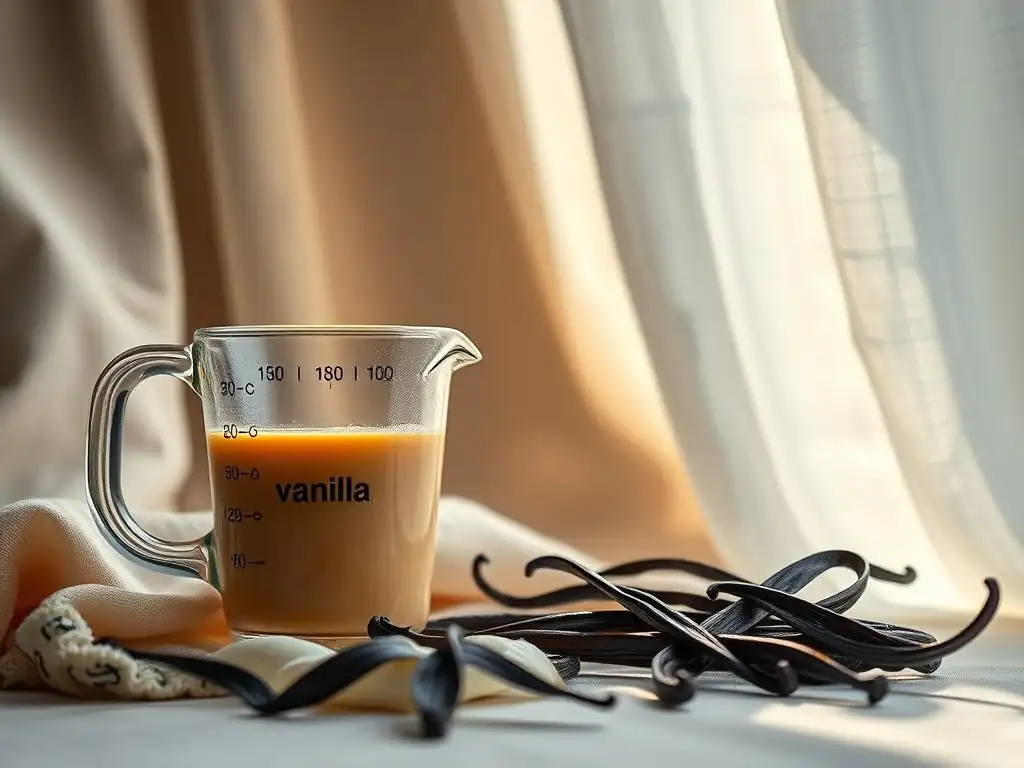
Even when using high-quality real vanilla, you might occasionally encounter issues like a weak flavor or an unexpected bitterness. Understanding common pitfalls and how to address them can help you get the most out of your vanilla and ensure consistent, delicious results in all your real vanilla extract recipes.
From proper storage to ensuring adequate infusion time, small details can significantly impact the final vanilla flavor in your baked goods. Learning how to identify and correct these issues will save you frustration and help you achieve the perfect vanilla balance.
Weak Vanilla Flavor: Ensuring Proper Infusion and Dosage
If your baked goods lack the expected vanilla punch despite using real extract, several factors could be at play. First, double-check the recipe's recommended dosage against the general guidelines (1 tsp per 1-2 cups flour/liquid). Some recipes might under-call for vanilla, or you might simply prefer a stronger flavor. Don't be afraid to slightly increase the amount in future batches, perhaps by 1/4 to 1/2 teaspoon.
Second, consider the quality and age of your extract. Over time, especially if not stored properly, extract can lose some potency. Ensure your extract is pure and from a reputable source. If making your own, ensure the infusion time was sufficient (at least 6 months, ideally longer) and that the beans were fully submerged in the alcohol. Using weak or insufficient extract is a common reason for disappointing real vanilla extract recipes.
Bitter Vanilla Taste: Avoiding Over-Extraction and Low-Quality Beans
A bitter taste from vanilla is less common with pure extract but can occur. One possibility is using too much vanilla extract, especially a very potent one. While more is often better for flavor, excessive amounts can sometimes bring out less desirable notes. Try reducing the amount slightly in your next attempt.
Another cause can be using low-quality or old vanilla beans, particularly if scraping seeds directly into a recipe without infusion, or if your homemade extract wasn't made with good beans or wasn't properly filtered. Ensure your beans are plump and oily, not dry and brittle. If making extract, filter it thoroughly after infusion to remove any bean sediment that might contribute off-flavors. For store-bought extract, bitterness could indicate a quality issue with that specific brand or batch, suggesting you might try a different supplier for your real vanilla extract recipes.
Making the Most of Your Vanilla: Proper Storage and Handling Tips
Proper storage is key to preserving the quality and potency of real vanilla beans and extract. Both are sensitive to light, heat, and air, which can degrade the delicate flavor compounds over time. Storing them correctly ensures they remain potent and flavorful for as long as possible, maximizing your investment in quality ingredients.
Vanilla beans should be stored in an airtight container (like a glass tube or jar) in a cool, dark place, away from direct sunlight and heat sources. Do not refrigerate, as this can dry them out. Properly stored beans can last for a year or more.
Pure vanilla extract should also be stored in a cool, dark pantry, ideally in its original dark glass bottle. Ensure the cap is tightly sealed after each use to prevent evaporation of the alcohol and loss of aroma. Following these simple storage tips helps maintain the quality needed for successful real vanilla extract recipes.
Conclusion: Embrace Real Vanilla for Unforgettable Baking Experiences
Choosing real vanilla is a fundamental step towards elevating your baking. Its complex, pure flavor profile offers a depth and richness that imitation vanilla simply cannot replicate. From understanding the nuances of different vanilla origins to mastering the techniques for incorporating it into your real vanilla extract recipes, embracing authentic vanilla is an investment in the quality and enjoyment of your baked goods.
While it comes at a higher cost, the unparalleled flavor payoff, long-term value, and potential ethical sourcing benefits make real vanilla a non-negotiable ingredient for any baker aiming for truly unforgettable results. Make the switch to real vanilla and taste the difference!
Frequently Asked Questions
What makes using real vanilla extract so much better in baking recipes?
Using real vanilla extract provides a much richer and more complex flavor profile compared to imitation vanilla. This is due to the natural compounds present only in genuine vanilla beans. It elevates the taste of your baked goods significantly.
How can I identify real vanilla extract when shopping?
Look for labels that explicitly state "pure vanilla extract" and check the ingredients list. It should ideally only contain vanilla bean extractives, alcohol, and water. Avoid products with "vanillin" or "artificial flavorings".
Are there any specific types of recipes where real vanilla extract is particularly important?
Recipes where vanilla is a primary flavor component, like vanilla cakes, custards, and ice cream, benefit most from real vanilla. The subtle nuances are more noticeable in these recipes. It makes a big difference!
What are some alternatives to real vanilla extract if I can't find it or it's too expensive?
While nothing truly replaces real vanilla, you can try using vanilla bean paste or vanilla powder as alternatives. These still offer genuine vanilla flavor. Imitation vanilla is an option, but it won't give the same result.
Can I make my own real vanilla extract at home, and if so, how?
Yes! Simply soak vanilla beans in alcohol (like vodka) for several months. This allows the alcohol to extract the vanilla flavor. It's a cost-effective way to ensure you have real vanilla extract readily available.
Final Reflection: The Enduring Allure of Real Vanilla
The pursuit of authentic flavor in our kitchens is not merely a culinary preference; it's a testament to our appreciation for the intricate dance of nature and craft. The journey through the world of vanilla, from the delicate orchid blossom to the complex, nuanced flavor profile of the finished extract, reveals a depth often overlooked in our fast-paced modern lives. This exploration underscores the undeniable superiority of real vanilla extract, a truth that resonates far beyond the simple act of baking.
The impact of real vanilla extends beyond the immediate sensory experience. It speaks to a larger cultural shift towards valuing authenticity and provenance, a movement that touches everything from our food to our fashion. The simplest things are often the most profound,
a sentiment that perfectly encapsulates the power of real vanilla. Its subtle complexity, its ability to elevate even the most basic recipes, speaks to a deeper appreciation for the natural world and the artistry involved in transforming its gifts into something truly special. This appreciation, I believe, is crucial in a world increasingly dominated by artificial substitutes.
Consider the next time you reach for a bottle of vanilla extract, the subtle differences between the real and the artificial. You hold in your hand not just a flavoring agent, but a story, a legacy of meticulous cultivation and careful processing. I invite you to embrace the journey, to explore the recipes shared in this article, and to experience the transformative power of real vanilla.
Let the rich, complex aroma and flavor transport you, reminding you of the simple pleasures and profound satisfaction that come from choosing quality and authenticity. Let the essence of purity guide your culinary creations.
Unleash Your Inner Pastry Chef: Elevate Your Baking Today!
Thanks for taking the time to explore the world of real vanilla with us! We hope you now appreciate the transformative power of this incredible ingredient. Ready to take your baking to the next level?
- Craft a signature vanilla bean paste: Experiment with different beans and recipes to create your own unique blend, adding a personal touch to every creation.
- Share your vanilla-infused masterpieces: Post pictures of your baked goods on social media and inspire others to join the real vanilla revolution! #BakeWithEase #RealVanilla
- Explore our vanilla-focused recipes: Dive deeper into the BakeWithEase recipe collection and discover even more delicious ways to use this exquisite ingredient.
So, what tantalizing vanilla creation will you bake first? Let's hear your ideas in the comments below!