
Extracting Flavor: Tips for Using Vanilla Extract to Maximize Taste

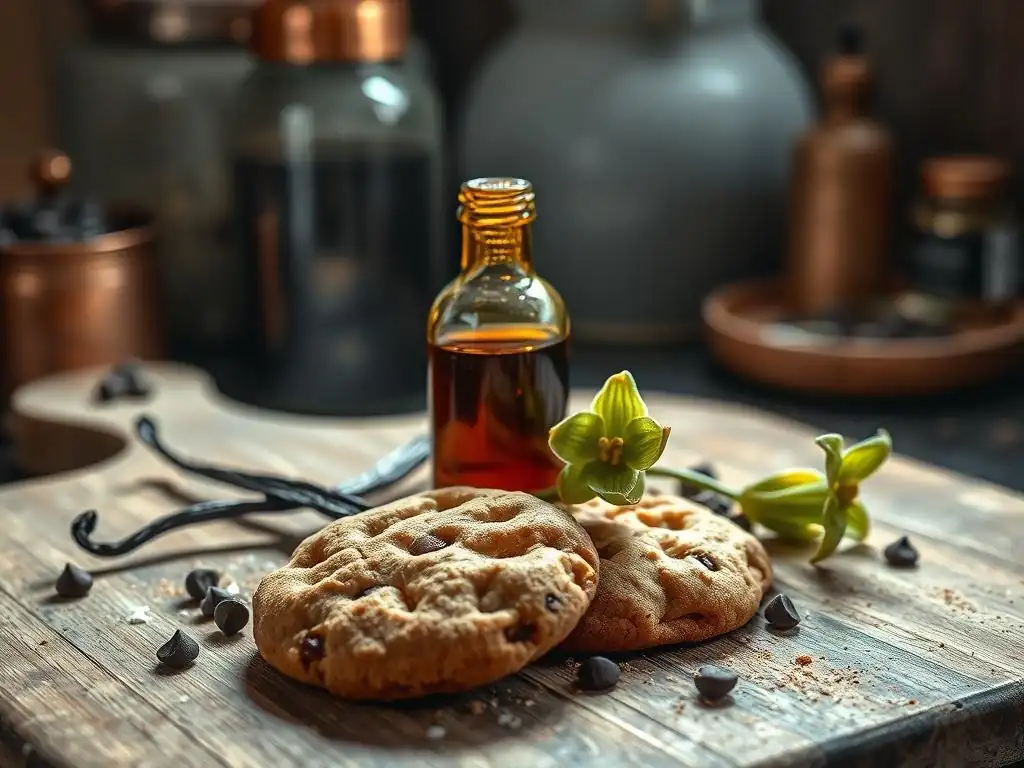
Welcome to BakeWithEase, your kitchen companion for all things baking! Ever wondered how to truly unlock the magic of vanilla? This week, we're diving deep into the world of premium baking ingredients with a focus on vanilla extract flavor boosting. Discover secrets to amplifying its delicate notes and transforming your treats from good to unforgettable. Intrigued? Keep reading to discover how to get the most out of this essential ingredient!
- Unlock Maximum Vanilla Extract Flavor Boosting
- Understanding Vanilla Extract: A Baker's Primer
- Mastering Vanilla Extract Flavor Boosting Techniques
- Exploring Gourmet Vanilla Extracts: Brands and Recommendations
- Making Your Own Vanilla Extract: A Step-by-Step Guide
- Common Mistakes to Avoid When Using Vanilla Extract
- Maximizing Vanilla Extract Flavor: Advanced Techniques
- Conclusion: Embrace the Power of Vanilla Extract
-
Frequently Asked Questions
- How does vanilla extract enhance the flavor of baked goods?
- At what point in a recipe should I add vanilla extract?
- What's the difference between imitation and pure vanilla extract, and does it affect the flavor?
- Can I use vanilla extract to improve the flavor of savory dishes?
- How much vanilla extract should I use to maximize flavor without overpowering the recipe?
- Final Reflection: The Unexpected Symphony of Vanilla
- Unlock Your Baking's Full Vanilla Potential!
Unlock Maximum Vanilla Extract Flavor Boosting
Vanilla extract is a staple in kitchens worldwide, but truly understanding how to harness its full potential can transform your baked goods from good to extraordinary. It's not just an ingredient; it's a flavor enhancer, a bridge between other tastes, and, when used correctly, the key to unlocking a richer, more complex profile in everything from simple cookies to elaborate cakes. Mastering the art of vanilla extract flavor boosting is a skill every baker can develop.
This article will guide you through the nuances of vanilla extract, from its origins and types to advanced techniques for maximizing its impact in your baking. We'll explore how timing, pairing, and quality make a significant difference, and even touch upon renowned brands and the rewarding process of making your own. Get ready to elevate your baking by understanding how to achieve the best possible vanilla extract flavor boosting.
The Secret to Elevating Your Baking with Vanilla
The true secret to achieving remarkable vanilla extract flavor boosting lies in appreciating the ingredient's complexity and understanding how it interacts within a recipe. High-quality vanilla extract contains hundreds of aromatic compounds, with vanillin being the most prominent, but it's the interplay of these other subtle notes – floral, fruity, smoky, woody – that gives pure vanilla its depth. Simply adding a teaspoon isn't enough; knowing when and how to add it, and what to pair it with, unlocks these layers of flavor.
Consider a classic sugar cookie recipe: adding the vanilla extract with the wet ingredients early in the process is standard, but a significant portion of that delicate aroma can evaporate during baking, particularly at high temperatures around 350-375°F (175-190°C). A simple tweak, like adding a portion of the vanilla at the beginning and another small amount after baking (perhaps in a glaze or dusting sugar), can dramatically boost the perceived vanilla flavor, showcasing its richness without being overwhelming. This strategic approach to vanilla extract flavor boosting makes a noticeable difference in the final taste experience.
Understanding Vanilla Extract: A Baker's Primer
What is Vanilla Extract and Why is it Important?
Vanilla extract is a solution made by macerating and percolating vanilla beans in a mixture of alcohol and water. According to the U.S. Food and Drug Administration (FDA) standards, pure vanilla extract must contain at least 35% alcohol and 13.35 ounces of vanilla beans per gallon of liquid.
This process extracts the flavor compounds from the beans, resulting in the liquid we use in baking. Its importance in baking is multifaceted: it provides its own distinct sweet, aromatic flavor, but it also enhances and smooths the flavors of other ingredients, such as chocolate, sugar, and dairy, making the overall profile more cohesive and delicious.
Beyond its primary role in imparting vanilla flavor, the extract acts as a flavor enhancer, particularly for sweetness. It can make baked goods taste sweeter without adding extra sugar, contributing to a balanced taste. In recipes like custards or creams, vanilla is often the star, while in chocolate cakes, it deepens the cocoa notes. Its versatility and unique ability to complement a wide range of flavors make it an indispensable ingredient for achieving nuanced and satisfying results in almost any baked good, proving its vital role in successful vanilla extract flavor boosting.
Decoding Vanilla Extract Labels: Purity and Quality
Understanding vanilla extract labels is crucial for ensuring you're getting a quality product that will deliver maximum vanilla extract flavor boosting. Look for "Pure Vanilla Extract" on the label. This indicates it meets the FDA's standard identity, meaning it's made solely from vanilla beans, alcohol, and water. Avoid anything labeled "Imitation Vanilla Extract," which is typically made from synthetic vanillin derived from sources like wood pulp or petrochemicals. While imitation vanilla is cheaper, it lacks the complex array of flavor compounds found in pure vanilla, resulting in a flat, one-dimensional taste that cannot replicate true vanilla extract flavor boosting.
Furthermore, explore labels for information about the type of vanilla bean used and its origin. Different vanilla beans (like Bourbon from Madagascar, Tahitian, Mexican, or Ugandan) offer distinct flavor profiles. For instance, Madagascar Bourbon vanilla is known for its classic sweet, creamy notes, while Tahitian vanilla often has floral and fruity undertones.
Mexican vanilla can be smoky and spicy. Understanding these differences allows bakers to select an extract that best complements their recipe, tailoring the vanilla extract flavor boosting to achieve specific taste outcomes. Higher quality extracts often use premium beans and a careful extraction process, yielding a more potent and nuanced flavor.
Mastering Vanilla Extract Flavor Boosting Techniques
Timing is Everything: When to Add Vanilla Extract for Maximum Impact
The timing of adding vanilla extract to your recipe significantly impacts its final flavor intensity. Since many of the volatile aromatic compounds in vanilla are sensitive to heat, adding the extract early in a process that involves high temperatures can cause a substantial amount of the flavor to evaporate. For baked goods like cookies, cakes, and bread baked at temperatures typically above 300°F (150°C), adding the vanilla with the wet ingredients is standard, but some flavor is inevitably lost.
To maximize vanilla extract flavor boosting, consider adding the extract towards the end of the cooking or baking process for items where possible. For instance, in custards, puddings, or sauces cooked on the stovetop, stir in the vanilla after you remove the mixture from the heat.
In cakes or muffins, while you must add it early for even distribution, using a high-quality extract helps retain more flavor. For recipes involving minimal or no heat, like frostings, whipped cream, or no-bake desserts, adding vanilla at the end ensures its delicate aromas are fully preserved and prominent, delivering superior vanilla extract flavor boosting.
The Power of Pairing: Complementary Flavors that Amplify Vanilla
Vanilla is incredibly versatile and pairs beautifully with a wide range of flavors, acting not just as a standalone taste but also as a catalyst that enhances other ingredients. Certain pairings can significantly amplify the perceived vanilla extract flavor boosting, making the vanilla notes more prominent and complex. Classic partners include chocolate (vanilla smooths and deepens cocoa), coffee (it enhances coffee's bitterness and aroma), and citrus zest (lemon or orange zest brightens vanilla's profile).
Spices like cinnamon, nutmeg, cardamom, and ginger also work harmoniously with vanilla, each spice bringing out different facets of the vanilla's complex aroma. For example, vanilla in apple pie alongside cinnamon and nutmeg creates a warm, comforting depth. Pairing vanilla with fruits, especially berries or stone fruits, highlights its sweeter, sometimes floral notes. Even a pinch of salt can enhance the sweetness and complexity of vanilla, demonstrating how strategic flavor combinations are key to effective vanilla extract flavor boosting in diverse recipes.
Vanilla Extract Flavor Enhancement in Specific Baking Applications
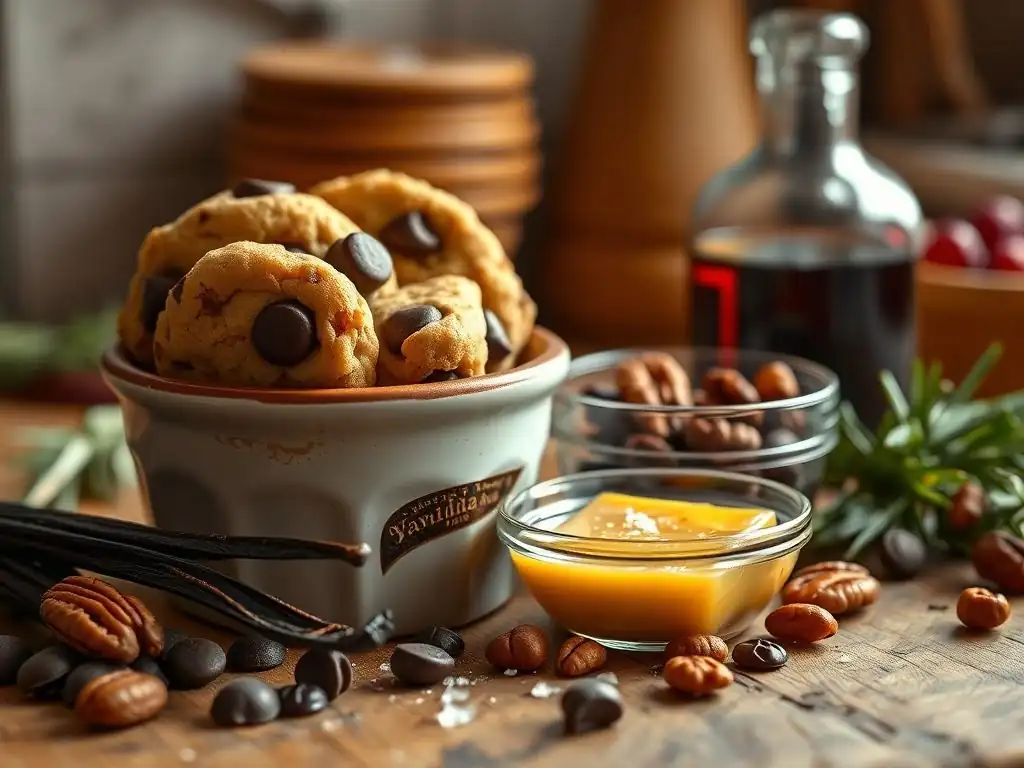
The best way to use vanilla extract for flavor enhancement varies depending on the specific baking application. In batters and doughs that undergo significant baking, such as cakes, cookies, and muffins, the vanilla is typically added with the wet ingredients. While some flavor is lost, the alcohol in the extract helps distribute the flavor compounds evenly throughout the mixture before baking sets the structure. For instance, in a standard batch of chocolate chip cookies, 1-2 teaspoons of pure vanilla extract added with the eggs and butter provides essential background vanilla extract flavor boosting that complements the chocolate.
In applications like frostings, glazes, and fillings that are often not heated or are cooked gently, vanilla extract can be added at the very end or after cooling. This preserves its volatile aromas, resulting in a more intense and fresh vanilla taste. A classic vanilla buttercream frosting, for example, relies heavily on the quality and amount of vanilla extract added at the final mixing stage (often 1-2 teaspoons per cup of butter) for its signature taste.
Similarly, pastry cream or custard fillings benefit from vanilla stirred in off the heat. Understanding these application-specific techniques is vital for successful vanilla extract flavor boosting.
Exploring Gourmet Vanilla Extracts: Brands and Recommendations
Heilala Vanilla Extract Review: Pure Vanilla Bean Flavor and Best Uses
Heilala Vanilla Extract is often lauded for its purity and intense, clean vanilla bean flavor. Originating from Tonga, where the vanilla beans are grown and cured with meticulous care, Heilala emphasizes traceability and quality from vine to bottle. Their extract is known for its rich, classic Bourbon vanilla profile – sweet, creamy, and highly aromatic, without the off-notes sometimes found in lower-quality extracts. A key feature is their focus on using a high proportion of vanilla beans, exceeding the standard requirements, which contributes to its potent vanilla extract flavor boosting capability.
This extract performs exceptionally well in recipes where vanilla is meant to be a primary flavor, such as vanilla bean ice cream, panna cotta, custards, and simple vanilla cakes or cupcakes. Its robust flavor stands up well to baking temperatures, making it a reliable choice for cookies and muffins too. Bakers who prioritize ethical sourcing and a consistently high-quality, pure vanilla taste often reach for Heilala when aiming for maximum vanilla extract flavor boosting in their creations.
Singing Dog Vanilla Extract Review: Organic and Fair Trade Vanilla and Best Uses
Singing Dog Vanilla Extract distinguishes itself by its commitment to organic farming practices and fair trade principles, working directly with vanilla farmers. Their extract, often derived from Bourbon beans from Papua New Guinea or other regions, is celebrated not only for its ethical sourcing but also for its complex and well-rounded flavor profile. Reviewers often describe it as having notes that can range from classic creamy sweetness to hints of cherry or other subtle fruitiness, providing unique vanilla extract flavor boosting.
Due to its nuanced flavor, Singing Dog Vanilla Extract is excellent in a wide variety of baked goods. It's particularly recommended for recipes where you want the vanilla to contribute depth without overpowering other flavors, such as fruit pies, spice cakes, or even in savory applications like sauces or dressings. Its organic and fair trade certification also appeals to bakers who are conscious about the origin and production of their ingredients, adding another layer of satisfaction to the vanilla extract flavor boosting experience.
Rodelle Vanilla Extract Review: Rich, Dark Vanilla and Best Uses
Rodelle Vanilla Extract is a popular choice among home bakers for its quality, accessibility, and characteristic rich, dark flavor. Often made from a blend of premium Bourbon vanilla beans, Rodelle's extract is known for its deep, traditional vanilla taste that provides consistent vanilla extract flavor boosting. It's a workhorse in the kitchen, reliable for imparting that familiar, comforting vanilla aroma and flavor to a wide array of baked goods.
This extract is particularly well-suited for classic American baking recipes like chocolate chip cookies, brownies, yellow cakes, and frostings. Its robust flavor holds up well to baking and stands out against other strong ingredients like chocolate and spices. While perhaps less nuanced than some single-origin extracts, Rodelle provides excellent value and dependable performance, making it a go-to for everyday baking where consistent and effective vanilla extract flavor boosting is desired.
Making Your Own Vanilla Extract: A Step-by-Step Guide
The Ultimate DIY Vanilla Extract Recipe
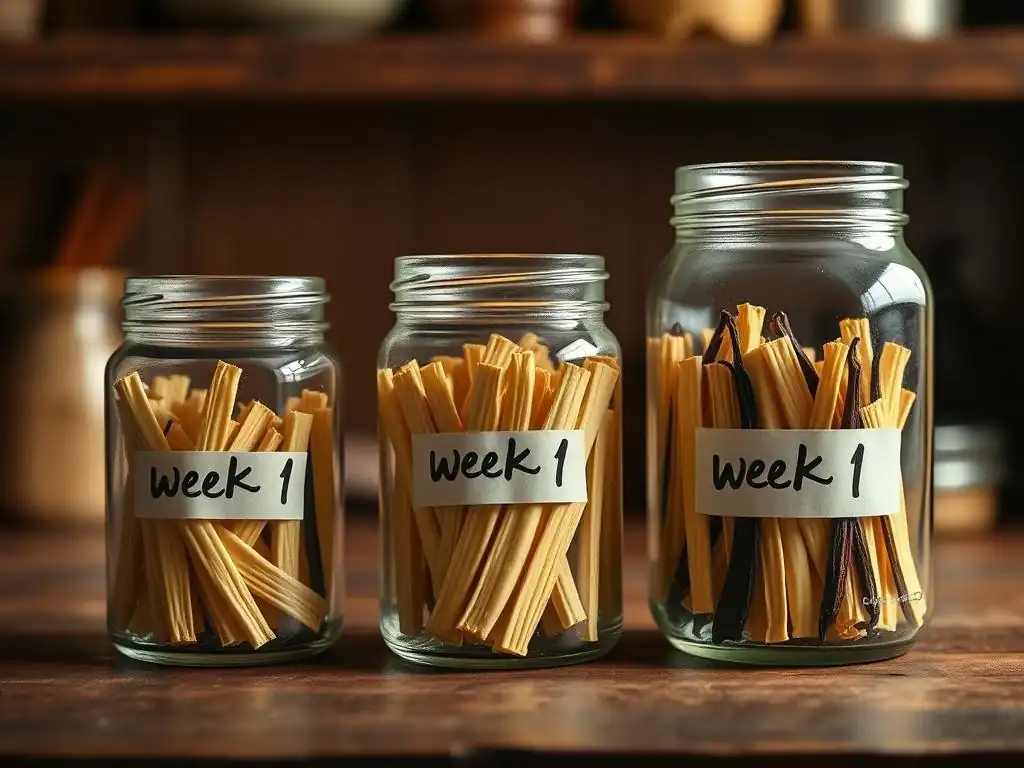
Making your own vanilla extract is a rewarding process that yields a high-quality product and allows you to customize the vanilla beans used. It's surprisingly simple and requires only two main ingredients: vanilla beans and alcohol. The general ratio is approximately 1 ounce of vanilla beans (about 10-15 beans depending on size) per 8 ounces (1 cup) of alcohol. A common choice for alcohol is 80-proof vodka, as its neutral flavor allows the vanilla notes to shine, but rum, bourbon, or brandy can also be used for different flavor profiles.
To make it:
- Gather your supplies: high-quality vanilla beans (Grade B, or "extract grade," are less expensive and ideal for this), 80-proof alcohol, and a clean glass bottle or jar with a tight-fitting lid.
- Prepare the beans: Slit each vanilla bean lengthwise with a sharp knife, leaving about an inch attached at the top. This exposes the maximum surface area of the seeds and pod to the alcohol.
- Combine: Place the prepared vanilla beans into the glass bottle or jar. Pour the alcohol over the beans, ensuring they are fully submerged.
- Seal and Store: Seal the container tightly. Store in a cool, dark place, like a pantry or cupboard.
- Infuse: Shake the jar gently once a week for the first month, then occasionally thereafter. The extract needs to steep for at least 6 months to develop adequate flavor, but 1 year or longer is recommended for optimal vanilla extract flavor boosting.
Tips for Perfecting Your Homemade Vanilla Extract
Achieving perfect homemade vanilla extract requires patience and attention to a few key details. Firstly, the quality of your vanilla beans is paramount. While Grade B beans are cost-effective for extract, ensure they are pliable and aromatic, not dry and brittle.
Using a sufficient quantity of beans relative to the alcohol is also critical; skimping on beans will result in a weak extract. A ratio of 1 ounce of beans per cup of alcohol is a good starting point, but some prefer a higher bean-to-alcohol ratio for a more concentrated double-fold or triple-fold extract, offering even greater vanilla extract flavor boosting.
Secondly, the steeping time is non-negotiable. While you might start seeing color develop within weeks, the complex flavor compounds take months to fully extract. Aim for a minimum of 6 months, but ideally 1-2 years for a truly deep and rich vanilla extract flavor boosting.
Don't be afraid to taste-test periodically after the 6-month mark. As you use the extract, you can "top off" the jar with more alcohol, adding a fresh bean every year or so to maintain potency in a perpetual batch. Proper storage in a cool, dark place prevents degradation from light and heat, preserving the extract's potency for years.
Common Mistakes to Avoid When Using Vanilla Extract
Overusing Vanilla Extract: When Less is More
While the goal is often maximum vanilla extract flavor boosting, there is such a thing as too much. Adding excessive amounts of vanilla extract can result in a bitter or overwhelmingly alcoholic taste, especially in recipes with delicate flavors or those that aren't baked (like frostings or no-bake desserts). The alcohol content in the extract, while necessary for extraction, can become noticeable if used in large quantities relative to other liquids in the recipe.
Furthermore, using too much vanilla can sometimes flatten the overall flavor profile instead of enhancing it. The subtle nuances that high-quality vanilla brings can be masked by an aggressive, one-note vanilla punch. For most standard recipes, 1-2 teaspoons per batch (e.g., a cake or 2 dozen cookies) is sufficient to provide noticeable vanilla extract flavor boosting without dominating. Always follow recipe guidelines as a starting point and adjust slightly based on the extract's potency and desired outcome, but err on the side of caution to avoid bitterness.
Using Imitation Vanilla Extract: The Flavor Disaster
One of the most significant mistakes a baker can make when trying to achieve genuine vanilla extract flavor boosting is opting for imitation vanilla extract. As mentioned earlier, imitation vanilla is a synthetic product, typically composed mainly of vanillin, the primary flavor compound in real vanilla, but lacking the hundreds of other aromatic molecules found in pure vanilla beans. This results in a flavor that is simplistic, often harsh, and lacks the depth, complexity, and subtle notes (floral, fruity, spicy) characteristic of pure vanilla.
While imitation vanilla is significantly cheaper, the difference in taste is palpable, especially in recipes where vanilla is a prominent flavor. Baked goods made with imitation vanilla often have a less appealing aroma and a flatter, sometimes slightly chemical taste compared to those made with pure extract. For true vanilla extract flavor boosting that elevates your baking, investing in pure vanilla extract is essential. The superior flavor it imparts is well worth the cost difference.
Storing Vanilla Extract Incorrectly: Preserving its Potency
Incorrect storage can degrade the quality and potency of your vanilla extract over time, diminishing its ability to provide optimal vanilla extract flavor boosting. Vanilla extract is sensitive to light and heat, which can break down its delicate flavor compounds. Storing it in a clear bottle on a sunny windowsill or near a heat source like an oven or stovetop will accelerate this degradation process, leading to a weaker, less aromatic extract.
The ideal way to store vanilla extract is in a cool, dark place, such as a pantry, cupboard, or even the back of a kitchen cabinet away from appliances that generate heat. Ensure the cap is tightly sealed after each use to prevent evaporation of the alcohol, which is crucial for preserving the flavor compounds. When stored properly in a dark, cool environment, pure vanilla extract has an incredibly long shelf life, often retaining its quality and vanilla extract flavor boosting capabilities for several years, sometimes even improving slightly over time as the flavors meld.
Maximizing Vanilla Extract Flavor: Advanced Techniques
Vanilla Bean Paste: A Concentrated Flavor Boost
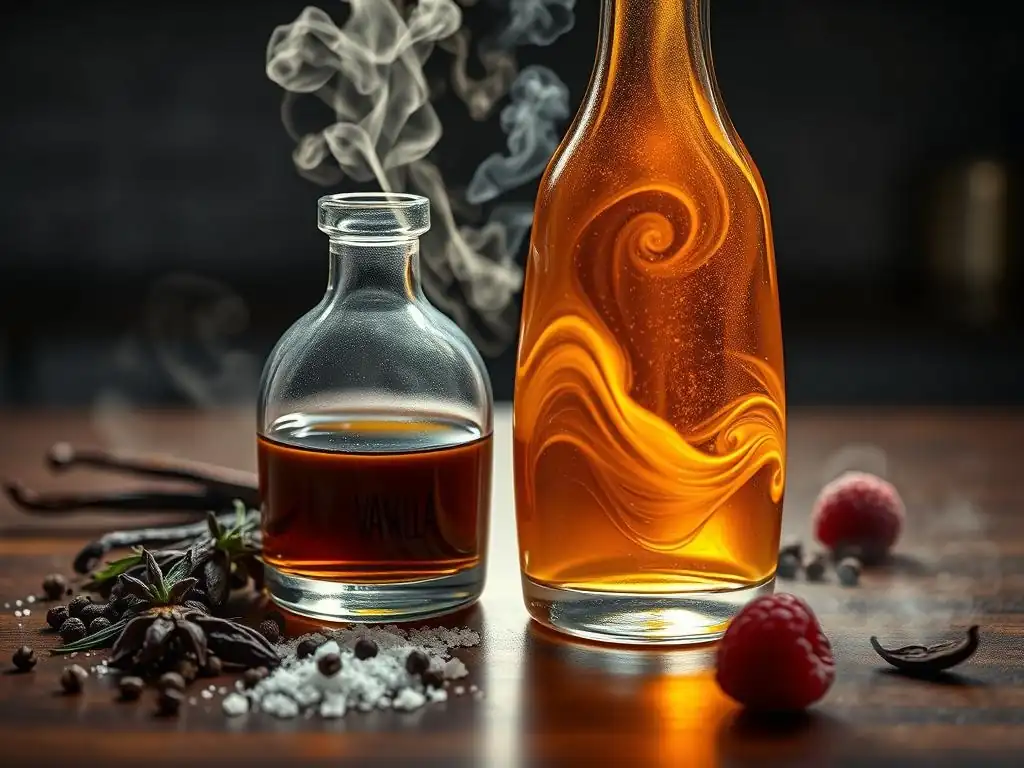
For bakers seeking an even more intense and visible vanilla presence, vanilla bean paste is an excellent option that offers concentrated vanilla extract flavor boosting. This paste is a blend of pure vanilla extract and ground vanilla bean seeds, often thickened with a natural gum. It provides the convenience of an extract but with the added visual appeal of the tiny black vanilla specks (often called "vanilla caviar") and a more robust flavor profile due to the inclusion of the whole bean material.
Vanilla bean paste is typically more potent than single-fold vanilla extract, often considered equivalent to double-fold extract in strength. It's ideal for applications where you want both strong vanilla flavor and the visual signifier of real vanilla, such as crème brûlée, panna cotta, custards, ice cream bases, and light-colored frostings or batters where the specks are visible. Using paste instead of extract in these recipes ensures maximum vanilla extract flavor boosting along with an appealing aesthetic. A common substitution is using an equal amount of paste for extract, or slightly less depending on the paste's concentration.
Vanilla Powder: A Unique Vanilla Option for Dry Ingredients
Vanilla powder is another form of vanilla that offers unique advantages for vanilla extract flavor boosting, particularly in specific applications. It is made from ground, dried vanilla beans and contains no alcohol. Because it lacks alcohol and moisture, it's an excellent choice for dry mixes, spice blends, or applications where adding liquid is undesirable. It also has a higher heat tolerance than liquid extract, meaning its flavor is less likely to dissipate during high-temperature cooking or baking.
Vanilla powder is fantastic for dusting on finished baked goods, mixing into dry ingredients for pancakes or waffles, adding to coffee or tea blends, or incorporating into chocolate work where liquid could cause seizing. Its flavor profile can be slightly different from extract, often more woody or spicy notes coming through from the dried bean. While not a direct substitute for extract in all liquid-based recipes due to its dry nature, vanilla powder provides a distinct and effective method for vanilla extract flavor boosting in appropriate situations, ensuring robust vanilla flavor that withstands heat.
Conclusion: Embrace the Power of Vanilla Extract
Elevate Your Baking with Expert Vanilla Extract Flavor Boosting.
Mastering the use of vanilla extract is a fundamental step towards elevating your baking from good to truly exceptional. By understanding what pure vanilla extract is, recognizing the importance of quality, and employing strategic techniques like timing and pairing, you can unlock its full potential for vanilla extract flavor boosting. Avoiding common pitfalls like using imitation vanilla or improper storage further ensures that every drop contributes maximum flavor to your creations.
Whether you choose a renowned gourmet brand, experiment with making your own, or explore alternative forms like vanilla bean paste or powder, the effort to use vanilla thoughtfully is always rewarded with richer, more complex, and more satisfying baked goods. Embrace the power of pure vanilla extract and apply these tips to achieve unparalleled vanilla extract flavor boosting in all your future baking endeavors. Your taste buds, and those of anyone lucky enough to share your treats, will thank you.
Frequently Asked Questions
How does vanilla extract enhance the flavor of baked goods?
Vanilla extract contains vanillin, which rounds out and deepens other flavors. It doesn't necessarily taste strongly of vanilla itself, but it enhances the overall sweetness and richness of the recipe.
At what point in a recipe should I add vanilla extract?
Generally, add vanilla extract towards the end of the mixing process. Heat can diminish its flavor, so adding it near the end allows the vanilla flavor to remain pronounced.
What's the difference between imitation and pure vanilla extract, and does it affect the flavor?
Pure vanilla extract is made from vanilla beans and alcohol, offering a complex, nuanced flavor. Imitation extract uses synthetic vanillin, which is less complex and often tastes artificial. Pure vanilla provides superior flavor boosting.
Can I use vanilla extract to improve the flavor of savory dishes?
Yes, a tiny amount of vanilla extract can balance and enhance savory flavors, especially in sauces or dishes with tomatoes. It adds a subtle sweetness and depth.
How much vanilla extract should I use to maximize flavor without overpowering the recipe?
Start with the amount specified in the recipe and adjust to your taste. A general guideline is 1-2 teaspoons per batch, but too much can make your baked goods bitter.
Final Reflection: The Unexpected Symphony of Vanilla
The subtle art of flavor enhancement with vanilla extract extends far beyond mere sweetness; it's a journey into unlocking the full potential of your culinary creations. Mastering this simple ingredient can transform ordinary dishes into extraordinary experiences, a testament to the power of mindful cooking. The ability to elevate flavors with vanilla, as explored in this article, is a skill that transcends trends and remains eternally relevant in the kitchen.
The exploration of vanilla's multifaceted flavor profile has profoundly impacted my own approach to cooking. It's no longer just a background player, but a leading instrument in the culinary orchestra. The simplest things are often the most profound,
a sentiment that perfectly encapsulates the transformative power of vanilla extract when used thoughtfully. Its versatility, from enhancing savory dishes to elevating desserts, speaks volumes about its enduring appeal and its ability to adapt to diverse culinary traditions.
Now, I invite you to embark on your own vanilla exploration. Experiment with the techniques discussed, discover your preferred methods of infusion, and most importantly, savor the journey. Don't be afraid to push boundaries, to explore unexpected flavor combinations, and to let the subtle magic of vanilla transform your culinary landscape. The possibilities are as limitless as your imagination.
Unlock Your Baking's Full Vanilla Potential!
Thanks for taking the time to explore the world of vanilla extract with us! We hope you've discovered some new ways to elevate your baking. Ready to put your newfound knowledge to the test?
- Experiment with different vanilla types: Try substituting a Madagascar bourbon vanilla extract in your next recipe and compare the flavor profile! Note the subtle differences.
- Share your vanilla creations: Show us your baking masterpieces! Use #BakeWithEaseVanilla on social media to share your successes (and even your delightful failures! ).
- Dive deeper into flavor: Explore other BakeWithEase articles for more tips on enhancing your baking with unique ingredients and techniques.
So, what delicious vanilla treat will you bake next?