
Organic vs. Conventional: Making the Choice for Your Vanilla

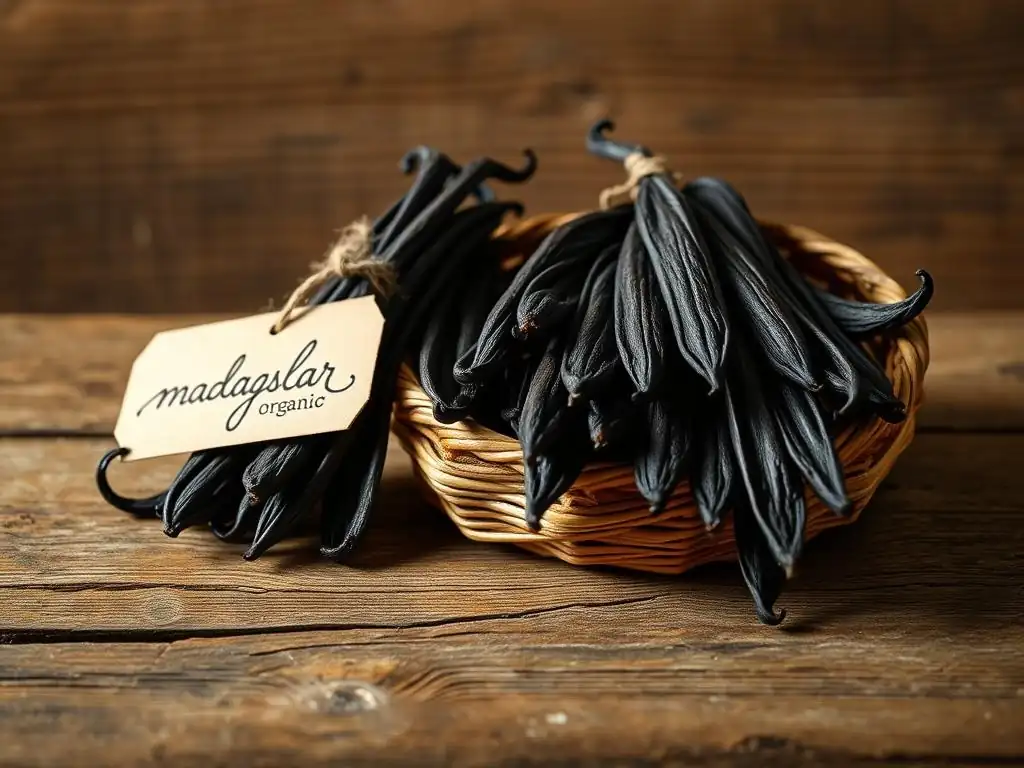
Welcome to BakeWithEase, where the joy of baking meets effortless execution! Ever wondered if your vanilla extract could be even better? Dive into our exploration of premium baking ingredients, starting with a deep dive into the world of vanilla. Is it worth it to make your own? What are the differences between organic and conventional vanilla? Let's unlock the secrets of the organic vanilla extract recipe and discover how it can elevate your baking to new heights! Curious to learn more? Let's get started!
- Organic vs. Conventional Vanilla: Choosing the Best for Your Baking Creations
- Understanding Vanilla: A Baker's Essential Ingredient
- Organic vs. Conventional Vanilla: A Head-to-Head Comparison
- The Pros and Cons of Organic Vanilla for Baking
- The Pros and Cons of Conventional Vanilla for Baking
- Choosing the Right Vanilla for Your Baking Projects: Recommendations
- Beyond Extract: Exploring Vanilla Beans and Vanilla Paste
- Maximizing Flavor: Tips for Baking with Vanilla
- Conclusion: Making an Informed Choice for Your Baking Needs.
-
Frequently Asked Questions
- What is the main difference between organic and conventional vanilla extract, according to BakeWithEase?
- Why would BakeWithEase recommend choosing organic vanilla extract for baking?
- Does BakeWithEase offer a specific "Organic Vanilla Extract Recipe" mentioned in the article?
- How does the "Organic vs. Conventional" choice affect the overall taste of baked goods, according to BakeWithEase?
- Where can I find more baking tips and recipes related to using vanilla extract on BakeWithEase.com?
- Final Reflection: The Sweet Truth About Vanilla's Impact
- Unlock the Flavor: Your Vanilla Journey Starts Now!
Organic vs. Conventional Vanilla: Choosing the Best for Your Baking Creations
Understanding Vanilla: A Baker's Essential Ingredient
Vanilla holds a unique and cherished place in the world of baking, acting as a foundational flavor that enhances almost every sweet creation. Its warm, comforting aroma and sweet, creamy taste can transform simple flour, sugar, and eggs into delightful treats. Whether it's providing a subtle background note in a chocolate chip cookie or taking center stage in a classic vanilla bean ice cream or a delicate sponge cake, vanilla's versatility is unmatched. Many bakers consider it indispensable, often doubling the amount called for in recipes to boost that beloved flavor profile.
The subtle complexity of vanilla allows it to pair beautifully with a vast array of other ingredients, from fruits and spices to chocolate and nuts. It rounds out sharp flavors, adds depth to rich ones, and provides a comforting familiarity that appeals to nearly everyone. Beyond flavor, vanilla contributes to the overall sensory experience of baked goods, its inviting fragrance filling the kitchen and promising delicious results. This makes selecting the right type of vanilla a crucial step for any baker aiming for optimal flavor in their creations.
What is Vanilla Extract? A Quick Overview for Bakers
Vanilla extract is one of the most common forms of vanilla used in home baking. It is typically made by macerating vanilla beans in a solution of alcohol and water. This process draws out the complex flavor compounds from the beans, resulting in a liquid concentrate. According to U.S. FDA standards, pure vanilla extract must contain at least 35% alcohol by volume and 13.35 ounces of vanilla beans per gallon of extract.
The quality and flavor intensity of vanilla extract depend heavily on the type and origin of the vanilla beans used, as well as the extraction process. Different beans, such as those from Madagascar, Tahiti, or Mexico, yield extracts with distinct flavor notes – ranging from sweet and creamy to floral or smoky. Understanding these nuances helps bakers choose the best extract for a specific recipe, whether they are following an organic vanilla extract recipe or simply adding a splash to their favorite cookie dough.
Organic vs. Conventional Vanilla: A Head-to-Head Comparison
Defining "Organic" Vanilla: What It Really Means
"Organic" vanilla refers to vanilla beans and the subsequent extract that are produced following specific organic farming standards. These standards typically prohibit the use of synthetic pesticides, herbicides, synthetic fertilizers, and genetically modified organisms (GMOs). The focus is on sustainable agricultural practices that promote soil health, biodiversity, and ecological balance. For vanilla, which is primarily grown in tropical regions by smallholder farmers, this often involves traditional, labor-intensive methods.
Achieving organic certification requires adherence to strict guidelines monitored by recognized certifying bodies (like the USDA Organic in the United States or similar organizations internationally). Farmers must maintain detailed records of their practices, and their farms are subject to regular inspections. When you see "organic" on a bottle of vanilla extract, it means the beans were grown and processed according to these rigorous standards, aiming for a product free from synthetic chemical residues and produced with environmental stewardship in mind.
Defining "Conventional" Vanilla: The Standard Approach
Conventional vanilla farming represents the standard, widely practiced method of growing vanilla beans without necessarily adhering to strict organic regulations. While many conventional farms employ responsible practices, they are permitted to use synthetic inputs like fertilizers and pesticides under certain conditions, following local agricultural guidelines. The primary goal is often maximizing yield and efficiency to meet global demand and keep costs competitive.
Conventional processing of vanilla beans into extract also follows standard industry practices. While pure conventional vanilla extract must still meet the FDA's definition regarding bean content and alcohol percentage, the beans themselves may have been grown using methods not allowed in organic farming. This approach is the most common for the vast majority of vanilla products available on the market, making it the benchmark against which organic alternatives are often compared.
The Pros and Cons of Organic Vanilla for Baking
Advantages of Organic Vanilla: Flavor, Ethics, and Potential Benefits
Richer Flavor Profile: Exploring the Depth of Organic Vanilla
Many bakers and culinary experts report that organic vanilla extract tends to offer a more complex and nuanced flavor profile compared to its conventional counterpart. While scientific studies specifically comparing the chemical flavor compounds of organic versus conventional vanilla are limited and results can vary based on bean origin and processing, the perceived difference is often attributed to the farming methods. Organic practices, focusing on soil health and biodiversity, may contribute to healthier plants and beans, potentially leading to a richer concentration and variety of aromatic compounds, including vanillin and its dozens of supporting flavor molecules.
For example, an organic Madagascar vanilla extract might exhibit a more pronounced creamy, sweet, and slightly floral note with subtle hints of cherry or chocolate, whereas a conventional version from the same region might taste primarily of vanillin, lacking some of the deeper undertones. This perceived richness makes organic vanilla a preferred choice for recipes where vanilla is a primary flavor, such as custards, panna cotta, or a simple vanilla cake, enhancing the overall gourmet quality of the final baked good. It's also why some bakers insist on organic vanilla when developing a new organic vanilla extract recipe.
Ethical and Sustainable Sourcing: Supporting Responsible Vanilla Production
Choosing organic vanilla often goes hand-in-hand with supporting more ethical and sustainable agricultural practices. Organic certification standards frequently overlap with or are complemented by fair trade principles, which aim to ensure that farmers receive fair wages and work under safe conditions. Vanilla cultivation is incredibly labor-intensive, requiring hand-pollination of each flower and careful curing of the beans, making fair compensation vital for the livelihoods of vanilla farmers, many of whom live in vulnerable economic regions like Madagascar (which produces about 80% of the world's vanilla).
By purchasing organic vanilla, consumers can feel more confident that their purchase contributes positively to the communities growing this valuable spice and minimizes environmental impact. Sustainable organic farming practices help protect the delicate ecosystems where vanilla thrives, preventing soil degradation and preserving local biodiversity, which is particularly important in rainforest environments. This ethical dimension adds significant value for many bakers who are increasingly conscious of the provenance and impact of their ingredients.
Potential Nutritional Benefits: Advantages of Organic Vanilla
While vanilla extract is used in small quantities and is not typically considered a significant source of macro or micronutrients, organic vanilla may offer subtle advantages. By avoiding synthetic pesticides and herbicides during cultivation, organic beans are less likely to contain residues of these chemicals. Although residue levels in conventional vanilla are generally considered safe by regulatory bodies, some consumers prefer to minimize their exposure to synthetic substances whenever possible, aligning with a broader preference for organic foods.
Furthermore, the focus on soil health in organic farming could theoretically lead to plants that are better able to absorb nutrients from the soil, although the impact on the final extract's nutritional profile is likely minimal given the small amount used. Primarily, the "potential nutritional benefits" of organic vanilla relate more to the absence of undesirable residues rather than the presence of significant beneficial compounds in typical serving sizes.
Disadvantages of Organic Vanilla: Cost and Availability
The Price Factor: Is Organic Vanilla Worth It?
One of the most significant drawbacks of organic vanilla is its higher cost compared to conventional extract. Organic farming methods are often less efficient in terms of yield per acre and require more manual labor, which translates into higher production costs for the beans. Additionally, the certification process itself adds expenses for farmers and processors. As a result, organic vanilla extract can cost anywhere from 20% to 50% or even more per ounce than conventional pure vanilla extract of comparable quality (e.g., a 4oz bottle of conventional extract might cost $10-15, while an organic version could range from $15-25+).
For bakers on a tight budget or those making large batches of baked goods where vanilla is not the dominant flavor, the increased expense of organic vanilla might be prohibitive. While the flavor benefits are noticeable in certain applications, the price premium needs to be weighed against the overall cost of the recipe and the desired outcome. Deciding if organic vanilla is "worth it" often depends on the specific baking project and the baker's personal priorities regarding flavor depth, ethical sourcing, and budget.
Availability Challenges: Finding Quality Organic Vanilla
While organic products are becoming more mainstream, finding a wide variety of high-quality organic vanilla extracts can sometimes be more challenging than locating conventional options. Larger supermarkets may carry one or two brands, but specialty stores or online retailers might offer a broader selection, including organic extracts from different bean origins (Madagascar, Tahitian, Mexican organic vanilla extract, etc.). This can make it harder for bakers to compare options or find a specific type of organic vanilla recommended for an organic vanilla extract recipe they want to try.
Supply chains for organic vanilla can also be more sensitive to fluctuations due to smaller-scale farming and stricter regulations, potentially leading to temporary shortages or less consistency in availability compared to the more robust conventional market. While availability is improving, it still requires bakers to potentially seek out specific suppliers or plan ahead when choosing organic vanilla for their baking needs.
The Pros and Cons of Conventional Vanilla for Baking
Advantages of Conventional Vanilla: Affordability and Accessibility
Budget-Friendly Baking: Saving with Conventional Vanilla
The most apparent advantage of conventional vanilla extract for many bakers is its affordability. Produced on a larger scale with potentially more efficient farming and processing methods, conventional vanilla beans and the resulting extract are generally less expensive. This cost difference makes conventional vanilla a very practical choice for everyday baking, large-scale production, or recipes where vanilla is one of many flavors and doesn't need to be the star.
For instance, using conventional vanilla in a large batch of cupcakes for a school fair or in a simple sugar cookie recipe where other flavors like butter and sugar are prominent can significantly reduce ingredient costs without a drastically noticeable impact on the final taste for many palates. This budget-friendly aspect ensures that bakers can still enjoy the essential flavor of vanilla without breaking the bank, making baking accessible to more people.
Widespread Availability: Finding Conventional Vanilla Easily
Conventional vanilla extract is readily available in virtually every grocery store, supermarket, and baking supply shop worldwide. Its widespread distribution means bakers can easily find it whenever they need it, often with multiple brands and bottle sizes to choose from. This accessibility is a major convenience, allowing spontaneous baking projects or quick ingredient restocks without needing to seek out specialty retailers.
Whether you're in a small town or a large city, picking up a bottle of conventional vanilla extract is usually as simple as a trip to your local store. This ease of access makes it the default choice for many home bakers and professionals alike, ensuring that the comforting flavor of vanilla is always within reach for any baking endeavor.
Disadvantages of Conventional Vanilla: Flavor and Potential Additives
Subtler Flavor Profile: Is Conventional Vanilla Less Flavorful?
Compared to high-quality organic vanilla, conventional vanilla extract can sometimes have a less complex or intense flavor profile. While pure conventional extract must meet concentration standards, the flavor compounds derived from beans grown with synthetic fertilizers and pesticides, or processed differently, might result in a simpler taste that primarily highlights the vanillin without the same depth of secondary notes found in some organic extracts.
This difference might be subtle in recipes with many competing flavors, like a heavily spiced gingerbread or a rich chocolate cake. However, in delicate desserts where vanilla is meant to shine, such as a crème brûlée or a classic pound cake, the simpler flavor of conventional extract might not provide the same level of gourmet complexity as a premium organic alternative. It's important to note that "conventional" doesn't automatically mean "low quality," and excellent conventional extracts do exist, but on average, the perceived flavor depth can be less than top-tier organic options.
Potential Additives and Processing: Concerns About Conventional Vanilla
While pure conventional vanilla extract is simply beans, alcohol, and water, some lower-quality conventional products might include additives. These can range from sugar or corn syrup to artificial colors (like caramel color) or even artificial flavors (like synthetic vanillin) to boost perceived flavor or standardize color. While regulations exist regarding labeling (e.g., "Vanilla Flavor" vs. "Pure Vanilla Extract"), consumers need to read labels carefully to ensure they are getting a genuinely pure product.
Furthermore, the use of synthetic pesticides and herbicides in conventional farming raises concerns for some consumers regarding potential residues in the final product. Although regulatory bodies set maximum residue limits deemed safe for consumption, individuals who prefer to avoid these chemicals may opt for organic vanilla to minimize this exposure. The processing methods themselves, while standard, might also differ in ways that affect the final flavor compared to methods favored by organic producers.
Choosing the Right Vanilla for Your Baking Projects: Recommendations
When to Choose Organic Vanilla: Recipes Where It Truly Shines
Organic Vanilla for Delicate Desserts: Elevating the Flavor
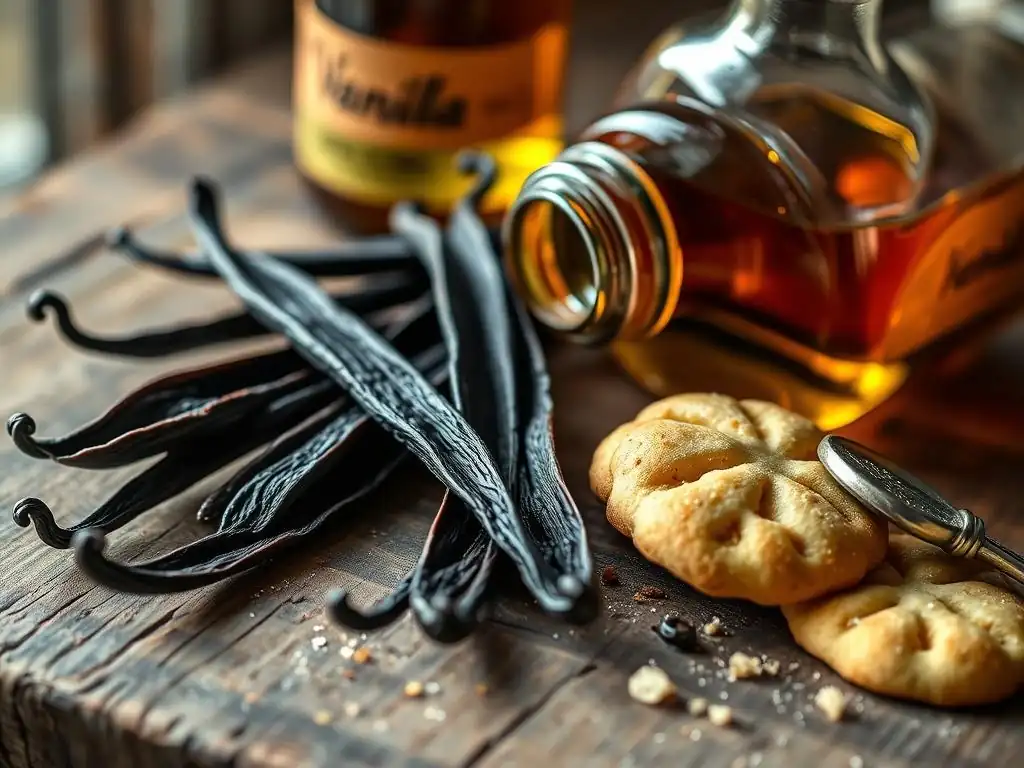
Organic vanilla extract truly shines in recipes where vanilla is the star or a primary flavor component. Think about a classic French vanilla ice cream, a delicate vanilla bean panna cotta, a simple sugar cookie, or a light and airy vanilla sponge cake. In these applications, the nuanced and potentially richer flavor profile of organic vanilla can make a noticeable difference, elevating the dessert from good to exceptional. The subtle floral, creamy, or smoky notes present in high-quality organic extracts from different origins can add layers of complexity that are otherwise missed.
If you are working on a special occasion cake, a gourmet dessert, or developing your own signature organic vanilla extract recipe, investing in organic vanilla is likely worthwhile. The difference in flavor, while potentially more expensive, contributes significantly to the overall quality and sophistication of the final product, justifying the cost for those specific baking projects where flavor purity and depth are paramount.
When Conventional Vanilla is Suitable: Cost-Effective Baking
Conventional Vanilla in Everyday Baking: A Practical Choice
For most everyday baking projects, conventional pure vanilla extract is a perfectly suitable and cost-effective choice. When baking chocolate chip cookies, brownies, muffins, or recipes where vanilla plays a supporting role alongside other strong flavors like chocolate, spices, or fruit, the subtle differences between organic and conventional vanilla may not be particularly noticeable to the average palate. The primary function of vanilla in these recipes is often to round out other flavors and add a pleasant background note.
Using conventional vanilla allows bakers to save money without compromising the overall success and deliciousness of their baked goods. It's a practical choice for high-volume baking, casual treats, or when budget is a primary consideration. You can still achieve excellent results with conventional vanilla extract in a vast majority of recipes, making it a staple in many bakers' pantries.
Beyond Extract: Exploring Vanilla Beans and Vanilla Paste
Organic Vanilla Beans: Elevating Your Baking
Sourcing and Using Organic Vanilla Beans: A Baker's Guide
Organic vanilla beans represent the purest form of vanilla available to bakers. They are the cured fruit of the vanilla orchid, containing thousands of tiny black seeds suspended in a flavorful oil. Using the whole bean, particularly scraping out the "caviar" (the seeds and oily pulp), provides the most intense and authentic vanilla flavor, often with a visible speckling of vanilla seeds in the finished product, which is highly prized in gourmet desserts.
Sourcing organic vanilla beans means finding beans certified organic, often available from specialty spice shops, online retailers, or high-end grocery stores. Prices vary significantly based on origin and quality, but organic beans are typically more expensive than conventional ones.
To use organic vanilla beans, you typically split them lengthwise with a sharp knife and scrape the seeds and pulp out. This "caviar" can be steeped in liquids (like milk or cream for custards), mixed directly into batters or doughs, or used to make your own organic vanilla extract recipe. The scraped-out pods can also be reused – steeped in sugar to make vanilla sugar, added to coffee grounds, or infused into liquids, ensuring no part of the precious bean goes to waste and maximizing the value of your organic vanilla investment.
Vanilla Bean Paste: A Convenient Option
Organic Vanilla Bean Paste: Flavor and Convenience
Vanilla bean paste is a popular alternative to both extract and whole beans, offering a balance of convenience and intense flavor. It is typically a concentrated mixture of vanilla bean extract and vanilla bean seeds suspended in a thick base, often a syrup (like corn syrup or sugar syrup) or vegetable glycerin. Organic vanilla bean paste is made using organic vanilla extract and organic vanilla bean seeds, providing the rich flavor and visual appeal of vanilla bean speckles without the need to scrape whole beans.
Organic vanilla bean paste is particularly convenient for recipes where you want the visual evidence of vanilla seeds (like in ice cream or crème brûlée) but prefer the ease of measuring a liquid/paste rather than dealing with whole beans. It offers a more potent flavor than extract alone due to the presence of the seeds and is often used interchangeably with extract, though adjustments may be needed due to its thicker consistency and stronger flavor profile. It provides a good middle ground between the cost and effort of whole beans and the simplicity of extract.
Maximizing Flavor: Tips for Baking with Vanilla
Storing Vanilla Properly: Maintaining Flavor
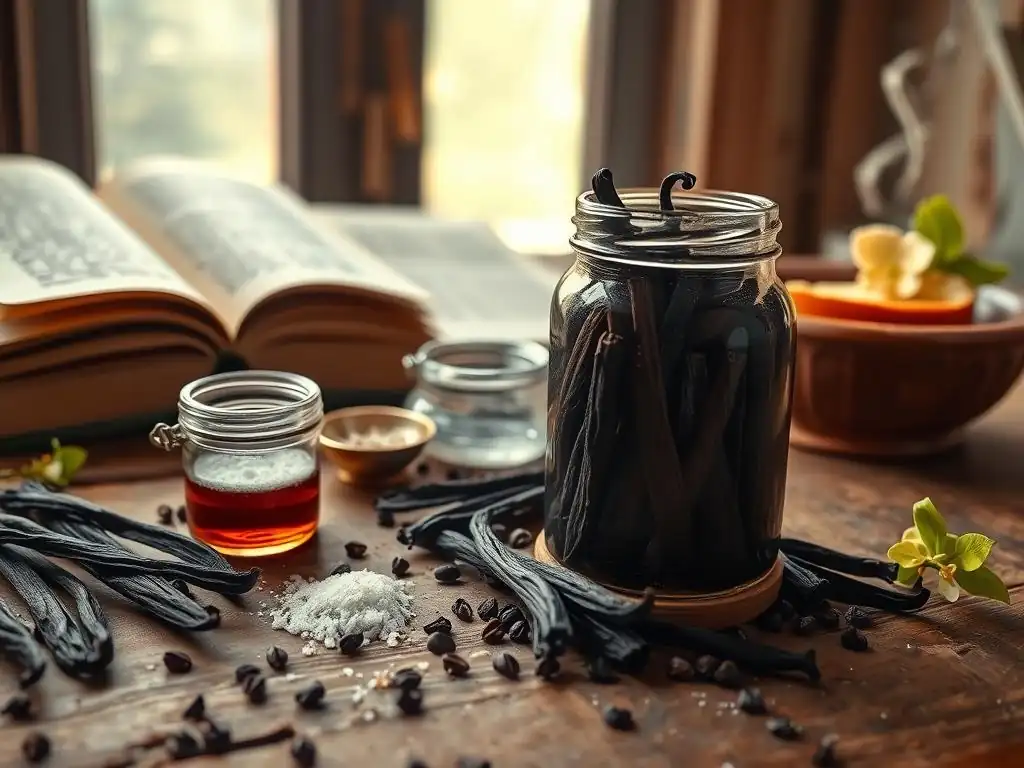
Proper storage is crucial for maintaining the potency and complex flavor of both organic and conventional vanilla extract, as well as beans and paste. Vanilla extract should be stored in a cool, dark place, away from direct sunlight and heat, which can degrade the flavor compounds. An airtight container is essential to prevent the alcohol from evaporating, which would weaken the extract over time. Stored correctly, pure vanilla extract has an indefinite shelf life, though its peak flavor is often best within 1-2 years.
Vanilla beans should be stored in an airtight container (like a glass tube or jar) in a cool, dark place, not in the refrigerator, which can dry them out. They should remain supple and oily; if they become dry and brittle, they have lost much of their flavor. Vanilla paste should also be stored in a cool, dark place, tightly sealed. Adhering to these storage tips ensures that your vanilla investment, whether conventional or organic vanilla extract, delivers maximum flavor every time you bake.
Enhancing Vanilla Flavor in Recipes: Techniques and Tips
To truly make vanilla flavor pop in your baking, consider a few techniques. First, add vanilla at the appropriate stage of mixing. For recipes like cakes or cookies, vanilla is often added with the wet ingredients. For custards or sauces, infusing vanilla beans or paste into warmed milk or cream before adding it to the mixture can extract maximum flavor. Using a good quality vanilla, whether organic or conventional, is the most important factor.
Another tip is to pair vanilla thoughtfully. A pinch of salt can actually enhance the perception of sweetness and vanilla flavor. Similarly, a small amount of complementary flavors like a tiny bit of almond extract or a whisper of citrus zest can sometimes make the vanilla taste even brighter without overpowering it. Don't be afraid to slightly increase the amount of vanilla called for in a recipe if you want a more prominent flavor, though adding too much can sometimes result in a slightly bitter note, especially with extracts.
Experimenting with Vanilla: Exploring Different Varieties
The world of vanilla offers more than just "vanilla" flavor; it encompasses a range of complex profiles depending on the bean's origin and species. Experimenting with different varieties, such as using a smoky Mexican vanilla in chocolate recipes, a floral Tahitian vanilla in fruit tarts, or a classic creamy Madagascar vanilla in custards, can open up new dimensions in your baking. Even within organic options, you can find organic Madagascar, organic Tahitian, or organic Mexican vanilla extract, each bringing its unique character.
Trying different types, perhaps buying smaller bottles initially, allows you to discover which profiles you prefer and how they interact with different ingredients and recipes. This exploration is a fun way to deepen your understanding of vanilla's versatility and find your favorites, whether you're aiming for a complex organic vanilla extract recipe or just trying to perfect your go-to chocolate chip cookie.
Conclusion: Making an Informed Choice for Your Baking Needs.
Frequently Asked Questions
What is the main difference between organic and conventional vanilla extract, according to BakeWithEase?
The main difference lies in the vanilla beans used. Organic vanilla extract uses beans grown without synthetic pesticides or fertilizers, while conventional extract may use beans grown with them. This impacts the overall purity and flavor profile.
Why would BakeWithEase recommend choosing organic vanilla extract for baking?
BakeWithEase might recommend organic vanilla extract because it aligns with their focus on high-quality ingredients and natural flavors. It offers a more pure and unadulterated vanilla flavor to baked goods.
Does BakeWithEase offer a specific "Organic Vanilla Extract Recipe" mentioned in the article?
While the article discusses the differences between organic and conventional vanilla, it might not explicitly provide a recipe. However, BakeWithEase likely offers general vanilla extract recipes that can easily be adapted using organic vanilla beans.
How does the "Organic vs. Conventional" choice affect the overall taste of baked goods, according to BakeWithEase?
BakeWithEase suggests that organic vanilla extract often imparts a richer and more complex flavor to baked goods. This is due to the absence of potential chemical residues and the natural development of the vanilla bean's flavor.
You can explore the BakeWithEase.com website under sections dedicated to pastries, cakes, and cookies. Search for recipes that specifically highlight the use of vanilla extract to discover various applications and baking techniques.
Final Reflection: The Sweet Truth About Vanilla's Impact
The choice between organic and conventional vanilla extract extends far beyond a simple ingredient swap; it's a reflection of our values and a direct impact on the environment and our health. The seemingly small decision of which vanilla to use in your favorite recipe ripples outwards, affecting everything from the livelihoods of farmers to the biodiversity of our planet. This article explored the crucial differences in production methods, highlighting the environmental and ethical considerations that should inform our purchasing choices.
The journey of vanilla, from bean to bottle, is a fascinating and often overlooked story. Understanding the intensive processes involved in both organic and conventional farming underscores the importance of supporting sustainable practices. The earth provides enough to satisfy every man's needs but not every man's greed.
- Mahatma Gandhi. This quote perfectly encapsulates the challenge we face: choosing to consume consciously, recognizing the limitations of our planet's resources and the ethical implications of our choices. The impact of our food choices, even something as seemingly insignificant as vanilla extract, is undeniable.
Now, consider your own kitchen. Think about the next time you bake a cake, whip up some cookies, or craft a decadent dessert. Will you choose to support sustainable farming practices by selecting organic vanilla? The decision is yours, but armed with the knowledge gained from this article, you can make a conscious choice that aligns with your values and contributes to a healthier planet and a more equitable food system. Let the sweet aroma of your vanilla-infused creations be a reminder of the power of mindful consumption.
Unlock the Flavor: Your Vanilla Journey Starts Now!
Thanks for taking the time to explore the world of vanilla with us! We hope you now feel empowered to make informed choices about the kind of vanilla you bring into your kitchen. Ready to elevate your baking?
- Prioritize organic vanilla: Start experimenting with organic vanilla extract in your next recipe – you'll taste the difference!
- Share your vanilla experience: Tell us about your favorite vanilla recipes or brands in the comments below. Let's build a community of vanilla lovers!
- Consider exploring vanilla bean paste for an even richer flavor profile in your next project.
What unique flavor will you unlock with your next batch of cookies?