
Preserve the Pod: How to Properly Store Your Precious Vanilla Beans and Extract

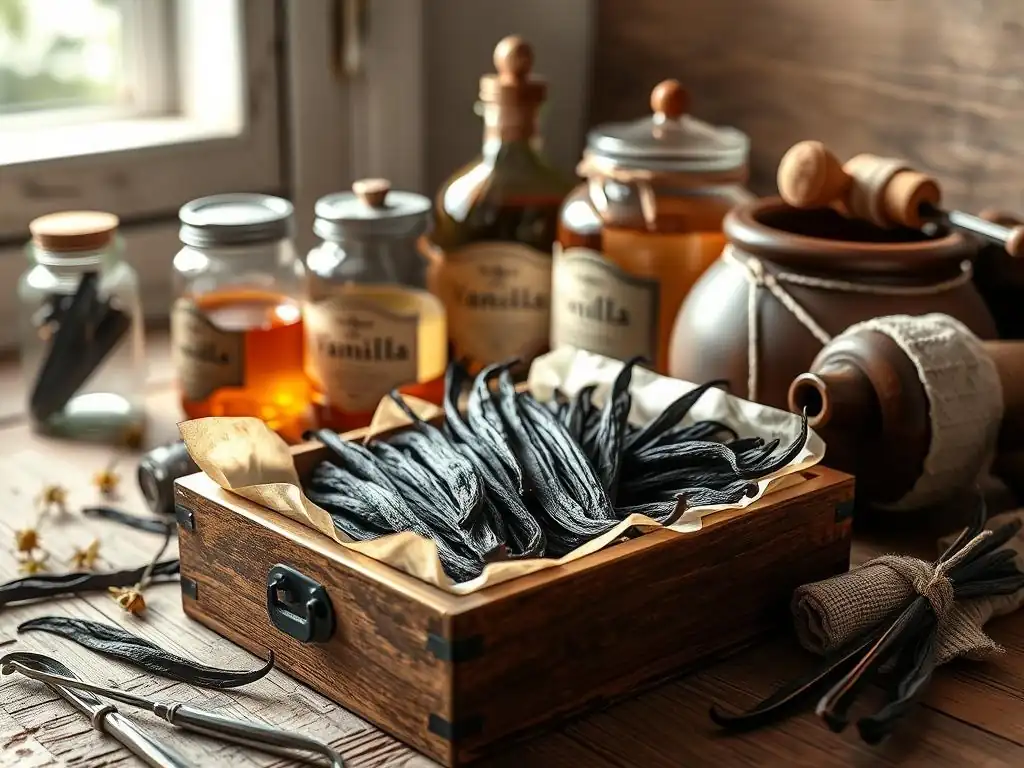
Welcome to BakeWithEase, your haven for effortless baking! Ever wondered if you're truly maximizing the flavor and lifespan of your precious vanilla beans? Unlock the secrets to proper storage and ensure every bake is infused with the richest aroma. Read on for expert vanilla bean storage tips and elevate your baking game today!
- Preserving Vanilla: Optimal Storage for Beans and Extract
- The Importance of Proper Storage
- Vanilla Bean Storage: A Comprehensive Guide
- Preserving Vanilla Extract: Best Practices
- Troubleshooting Storage Issues
- Maximizing Your Vanilla Investment
- Conclusion: Maximizing Flavor Through Proper Storage
- Frequently Asked Questions
- Final Reflection: The Enduring Fragrance of Preservation
- Unlock Your Vanilla's Full Potential!
Preserving Vanilla: Optimal Storage for Beans and Extract
The Importance of Proper Storage
Vanilla, often called "black gold," is one of the most prized and expensive ingredients in baking. Its complex aroma and flavor come from compounds like vanillin, which are volatile and sensitive to environmental factors. Improper storage can lead to a significant loss of these aromatic compounds, resulting in diminished flavor and potency.
This not only wastes a valuable ingredient but can also negatively impact the quality of your baked goods, where the subtle nuances of vanilla are crucial. Effective vanilla bean storage tips are essential for any baker who wants to ensure their investment yields the best possible results in every recipe.
Understanding how to properly store vanilla beans and extract is fundamental to maximizing their shelf life and preserving their exquisite flavor profile. Whether you're working with plump, fragrant whole beans or a high-quality extract, protecting them from light, air, heat, and humidity is key. Implementing sound storage practices from the moment you acquire your vanilla ensures that its distinct, warm, and complex notes remain vibrant, ready to infuse your custards, cakes, cookies, and more with unparalleled depth.
Understanding Vanilla Bean Degradation
Vanilla beans are susceptible to degradation primarily through drying out and losing their moisture content. A fresh, high-quality vanilla bean typically contains around 25-35% moisture. When exposed to air, this moisture evaporates, causing the bean to become stiff, brittle, and less aromatic. This loss of moisture goes hand-in-hand with the loss of volatile flavor compounds, significantly reducing the bean's potency and rendering it less effective in baking.
Exposure to oxygen also contributes to the degradation process. Over time, oxygen can cause the vanillin and other flavor molecules within the bean to oxidize, altering their chemical structure and diminishing their characteristic aroma. This is why effective vanilla bean storage tips often emphasize minimizing air exposure. While a completely dry bean isn't entirely useless (it can still be used to make vanilla sugar or extract), its peak flavor and aroma are undeniably lost, making proper storage crucial for preserving its initial quality.
Maintaining Vanilla Extract Quality
Vanilla extract, while more stable than whole beans due to being dissolved in alcohol, is still vulnerable to quality degradation. The primary culprits are evaporation and oxidation. Alcohol, the carrier for vanilla's flavor compounds, is volatile and evaporates when exposed to air, especially in warmer conditions. As the alcohol evaporates, the concentration of flavor compounds can change, and the extract's overall potency might decrease.
Oxidation also affects vanilla extract over time. Exposure to oxygen and light can cause the complex array of flavor molecules to break down or change, leading to a less vibrant and sometimes off-flavor profile. Heat is another enemy; storing extract in a warm place can accelerate both evaporation and oxidation. Protecting your extract from these elements is vital for maintaining its rich, deep flavor and ensuring it performs optimally in your baking.
Vanilla Bean Storage: A Comprehensive Guide
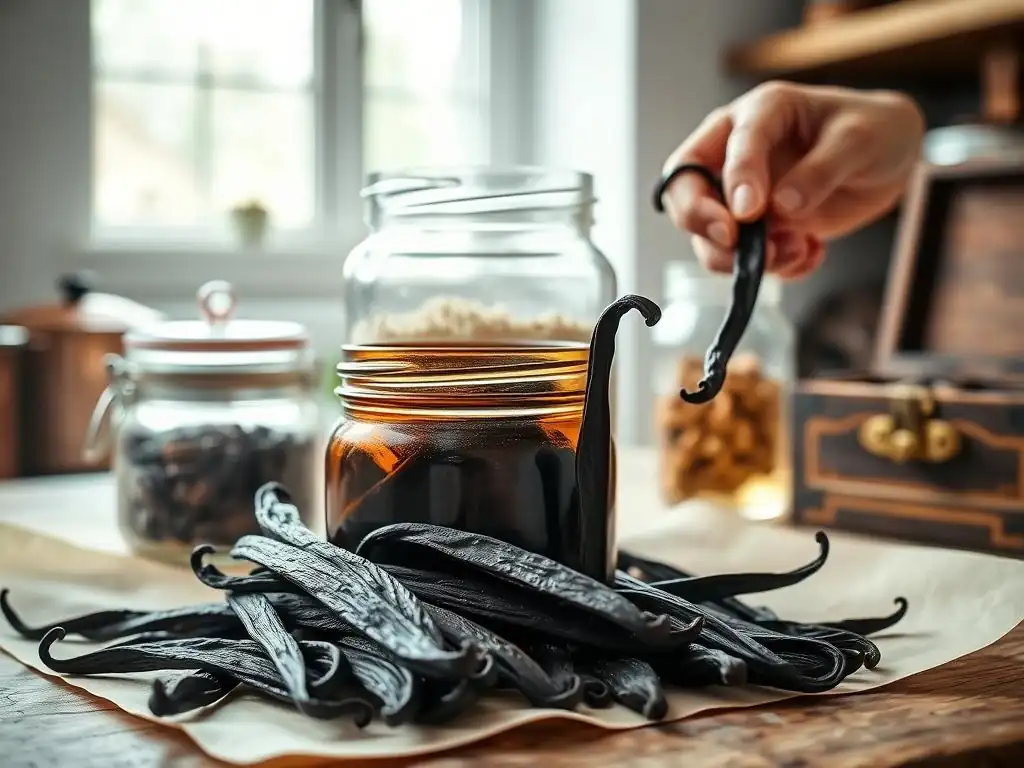
Proper vanilla bean storage is paramount for preserving their delicate flavor and moisture. Without the right conditions, those plump, oily beans can quickly turn dry and brittle, losing much of their aromatic power. The goal is to create an environment that mimics the relatively stable conditions they experienced before harvest and processing, protecting them from the elements that cause degradation.
Effective vanilla bean storage tips revolve around controlling key environmental factors: light, humidity, and temperature. Ignoring any of these can lead to a significant decline in quality. Investing a little time and effort into correct storage methods will ensure that your precious vanilla beans remain fragrant, pliable, and ready to infuse your baked goods with their unparalleled depth of flavor for as long as possible.
Key Factors: Light, Humidity, and Temperature
Light, particularly ultraviolet (UV) light, is detrimental to vanilla beans. UV rays can break down the fragile flavor compounds within the beans, reducing their potency and altering their aroma. This is why you'll often see vanilla beans sold in dark or opaque packaging. Storing your beans away from direct sunlight or strong artificial light sources is a fundamental step in preserving their quality.
Humidity levels play a crucial role in vanilla bean storage. Too much humidity can encourage mold growth, which is irreversible and makes the beans unusable. Too little humidity, on the other hand, causes the beans to dry out rapidly, losing their desirable pliability and moisture content. An ideal environment maintains a stable, moderate humidity level, often achieved through airtight storage that seals in the bean's natural moisture without introducing external moisture. Temperature also impacts storage; storing beans in a cool, stable environment (typically room temperature, around 65-75°F or 18-24°C) slows down the degradation process compared to warmer conditions.
Storage Methods: A Detailed Comparison
When it comes to vanilla bean storage tips, several methods are commonly recommended, each with its own advantages and considerations. The best method often depends on how quickly you plan to use the beans and the quantity you have. Evaluating options like airtight containers, vacuum sealing, and even freezing helps you choose the approach that offers the best balance of convenience and longevity for your specific needs and baking habits.
Comparing different vanilla bean storage methods involves looking at their effectiveness in protecting against air, light, and moisture fluctuations. While some methods are excellent for short-term storage, others are designed for preserving beans for many months or even years. Understanding the pros and cons of each helps you make an informed decision to keep your vanilla beans in peak condition, ensuring they deliver maximum flavor whenever you reach for them.
Airtight Glass Containers
Storing vanilla beans in airtight glass containers is one of the most popular and effective methods for home bakers. Glass is non-reactive and provides a good barrier against air and moisture exchange. Using a container with a tight-fitting lid, such as a swing-top jar with a rubber gasket or a mason jar with a two-piece lid, creates a sealed environment that helps the beans retain their natural moisture and prevents them from drying out.
For best results, choose a container that is appropriately sized for the number of beans you are storing. You want to minimize the amount of excess air in the container. For example, if you have 10 beans, a 4-ounce jar might be suitable, whereas 50 beans might require an 8-ounce or larger jar. Store the sealed container in a cool, dark pantry or cupboard, away from heat sources and direct light, to further protect the beans from degradation.
Recommended Containers: Considerations for Selection
When selecting airtight glass containers for vanilla bean storage, consider factors like opacity and size. Clear glass jars are perfectly acceptable, but you must ensure they are stored in a dark location to protect the beans from light exposure. If your storage location is not consistently dark, opting for amber or cobalt blue glass jars can provide an extra layer of protection against light.
The size of the container should be just large enough to comfortably hold your beans without excessive empty space. This minimizes the trapped air inside. Swing-top jars with rubber seals are excellent because they provide a very tight seal. Mason jars with new lids and rings also work well. Ensure the container is clean and completely dry before adding the beans to prevent moisture buildup or mold growth.
Vacuum Sealing for Longevity
Vacuum sealing is an excellent method for long-term vanilla bean storage, significantly extending their shelf life by removing most of the oxygen. By sealing the beans in a vacuum-sealed bag or container, you create an environment where oxidation is greatly reduced, and moisture loss is virtually eliminated. This method is particularly useful if you buy vanilla beans in bulk or want to store them for over a year.
To vacuum seal, place your vanilla beans in a vacuum seal bag or a vacuum-sealable container, ensuring they are in a single layer if using bags to avoid crushing. Use a vacuum sealing machine to remove the air and seal the package. This creates a tight seal that protects the beans from the elements. Store the vacuum-sealed packages in a cool, dark place, such as a pantry or freezer (as discussed below), for maximum preservation.
Vacuum Sealing Systems: Features and Benefits
Vacuum sealing systems come in various forms, from countertop machines to handheld devices. Most systems use specialized bags that are thicker and designed to hold a vacuum. The main benefit is the drastic reduction in oxygen, which is a primary cause of vanilla bean degradation. This significantly slows down the loss of flavor compounds and moisture.
Another benefit is the protection from external odors. Vanilla beans can absorb strong smells from their surroundings, which can negatively impact their flavor. Vacuum sealing creates an impenetrable barrier. While the initial investment in a vacuum sealing system might be higher than buying glass jars, it can pay off in the long run by extending the usable life of expensive ingredients like vanilla beans.
Freezing: Appropriate Use and Technique
Freezing is a viable option for very long-term vanilla bean storage, typically for periods exceeding 1-2 years. The extremely low temperatures in a freezer halt most chemical processes, including oxidation and enzymatic degradation, effectively preserving the beans' flavor compounds. However, freezing requires careful execution to avoid potential drawbacks.
To freeze vanilla beans, first ensure they are properly sealed to prevent freezer burn and absorption of freezer odors. Vacuum sealing is the ideal method before freezing, as it removes air and creates a tight seal. Alternatively, you can wrap beans tightly in plastic wrap, then place them in a freezer-safe bag or container, squeezing out as much air as possible. Store the sealed package in the freezer. When ready to use, allow the beans to thaw completely at room temperature in their sealed packaging before opening, which helps the moisture redistribute.
Potential Drawbacks: Texture and Flavor Changes
While freezing preserves flavor compounds for extended periods, it can sometimes impact the texture of vanilla beans. Upon thawing, beans might feel slightly softer or mushier than fresh beans due to the formation of ice crystals within the cell structure. This texture change usually doesn't affect their performance in cooked applications like infusing liquids or making extract, but it might make them less ideal for applications where the visual appeal or pliability of the bean itself is important, such as splitting and scraping seeds directly into a recipe.
There's also a slight possibility of subtle flavor changes over very long freezing periods, although this is less common with proper sealing. The primary risk is freezer burn if beans are not adequately protected from air. Freezer burn leads to dehydration and a loss of volatile aromas. Therefore, effective vanilla bean storage tips for freezing always emphasize airtight packaging, preferably vacuum sealing, to mitigate these potential issues.
Preserving Vanilla Extract: Best Practices
While vanilla extract is generally more stable than whole beans, it's not immune to degradation. Its quality can diminish over time if not stored correctly, leading to a less potent and flavorful product. The key to preserving vanilla extract lies in protecting it from the elements that cause its key flavor compounds and alcohol base to break down or evaporate.
Following best practices for vanilla extract storage ensures that the rich, complex flavor you paid for remains intact, ready to elevate your baking. Simple steps like choosing the right container and finding the optimal storage location can make a significant difference in maintaining the extract's potency and aroma for years, allowing you to get the most out of every bottle.
Understanding Degradation: Oxidation and Evaporation
Vanilla extract's primary enemies are oxidation and evaporation. The alcohol base in the extract, typically 35% or more by volume for pure vanilla extract, is volatile and will evaporate when exposed to air. As alcohol evaporates, the extract can become more concentrated, but the overall balance of flavors can shift, and the risk of oxidation increases.
Oxidation occurs when the flavor compounds in the vanilla react with oxygen. This can lead to a breakdown of vanillin and other aromatic molecules, resulting in a flatter or even slightly off-flavor profile over time. Heat and light accelerate both evaporation and oxidation. Proper storage aims to minimize exposure to air, light, and heat to slow down these degradation processes and preserve the extract's original quality.
Storage Essentials: Light and Temperature Control
Protecting vanilla extract from light and maintaining a stable temperature are the two most critical factors in its long-term preservation. Light, especially UV light, can degrade the delicate flavor compounds in the extract, similar to how it affects beans. This is why commercial vanilla extract is almost always sold in dark glass bottles.
Heat accelerates both evaporation of alcohol and oxidation of flavor compounds. Storing vanilla extract in a consistently cool environment, ideally at room temperature (65-75°F or 18-24°C) and away from heat sources like ovens or radiators, is essential. Avoid storing it in the refrigerator, as the cold can cause some compounds to precipitate out, potentially affecting clarity and texture, although this doesn't necessarily harm the flavor.
Dark Glass Bottles: Protecting Flavor
Using dark glass bottles for storing vanilla extract is a standard practice for a reason: they effectively block harmful light rays. Amber and cobalt blue glass are commonly used because they absorb a significant portion of the light spectrum, protecting the light-sensitive flavor molecules within the extract from degradation. This is crucial for maintaining the extract's potency and aromatic profile over time.
If you make your own vanilla extract or transfer store-bought extract to a different container, using a dark glass bottle is highly recommended. Ensure the bottle has a tight-fitting cap or stopper to minimize air exposure and prevent evaporation. Storing the dark bottle in a cupboard or pantry adds another layer of protection against ambient light.
Bottle Recommendations: Amber vs. Cobalt
Both amber and cobalt blue glass bottles offer excellent protection against light, but amber glass typically blocks more of the blue and UV light spectrum, which is most damaging to food and beverage compounds. For optimal preservation of vanilla extract, amber glass bottles are often considered slightly superior due to their broader light-blocking capabilities.
However, cobalt blue bottles also provide significant protection and are aesthetically pleasing. The key is to use a bottle that is not clear glass. Regardless of color, ensure the bottle is clean, dry, and has a secure, airtight closure to protect the extract from both light and air, maximizing its shelf life and flavor integrity.
Optimal Temperature: Ensuring Flavor Integrity
Maintaining an optimal, stable temperature is vital for preserving vanilla extract's flavor integrity. The ideal storage temperature is typical room temperature, ranging from 65°F to 75°F (18°C to 24°C). Storing extract within this range minimizes alcohol evaporation and slows down the chemical reactions that lead to flavor degradation.
Avoid storing vanilla extract in places subject to significant temperature fluctuations, such as near a stove, on top of a refrigerator (which emits heat), or in a garage or basement that gets very hot or cold. Consistent, cool storage ensures that the volatile aromatic compounds remain stable, preserving the extract's intended flavor profile for many years.
Troubleshooting Storage Issues
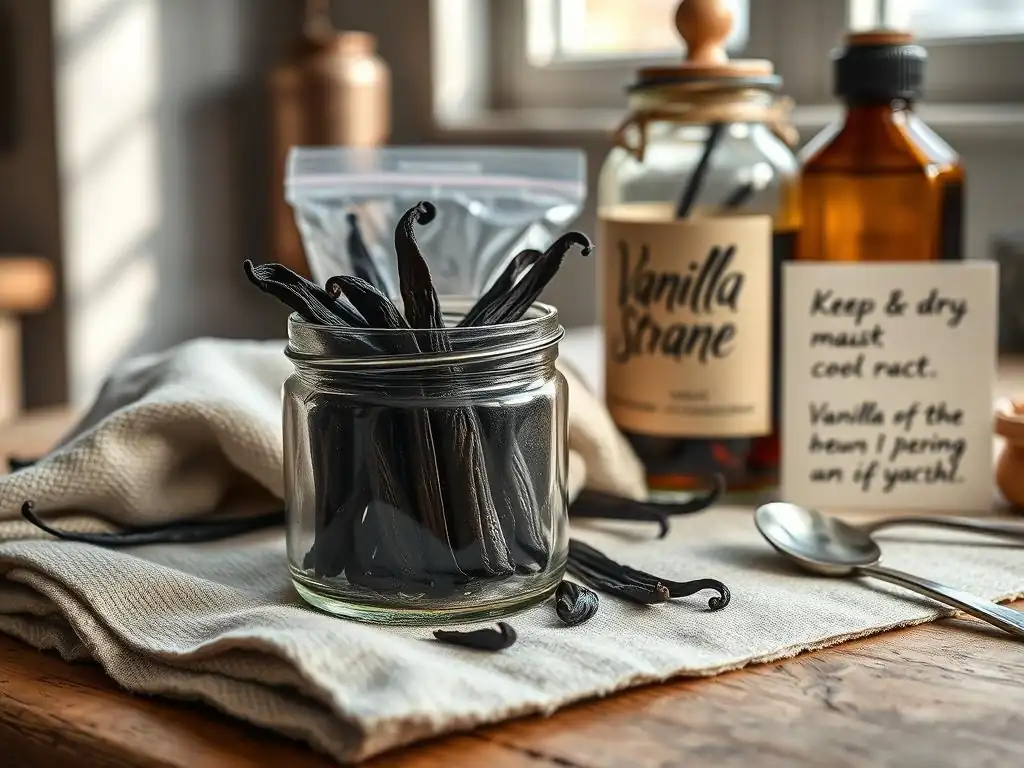
Even with the best vanilla bean storage tips and practices, issues can sometimes arise. Recognizing common problems like dry beans, loss of extract potency, or mold growth is the first step. Understanding the causes behind these issues allows you to take corrective measures, potentially salvaging your valuable vanilla or preventing future problems.
Addressing storage issues promptly is crucial. A dry bean might be rehydrated, while a less potent extract might be revitalized. However, some problems, like mold, indicate spoilage and require discarding the product for safety. Knowing how to identify and react to these situations is part of being a savvy baker who values their ingredients.
Problem: Dry, Brittle Vanilla Beans
One of the most common problems with stored vanilla beans is them drying out and becoming brittle. This happens when they lose too much of their natural moisture content, usually due to improper sealing or storage in too dry an environment. Dry beans are less pliable, harder to split and scrape, and have significantly reduced aroma and flavor compared to plump, moist beans.
If your vanilla beans have become dry, they haven't necessarily lost all their flavor compounds, but many volatile aromatics will have dissipated. While they won't return to their original peak condition, there are techniques to reintroduce some moisture and make them usable, particularly for making extract or infusing liquids. These methods aim to gently rehydrate the beans without causing spoilage.
Solution: Rehydration Techniques
Several methods can help rehydrate dry vanilla beans. One common technique is to place the dry beans in a small, airtight container with a slightly damp paper towel or cotton ball (ensure the paper towel or cotton ball does not directly touch the beans to prevent mold). Store the container in a cool, dark place for a few days, checking periodically. The beans will absorb moisture from the humid air in the container.
Another effective method is to place the dry beans directly into a jar of alcohol, such as vodka or rum, to start the process of making vanilla extract. The alcohol will draw out the remaining flavor compounds while also softening the beans. While these methods can make dry beans usable, they won't fully restore the original plumpness or aroma of properly stored beans, reinforcing the importance of preventative vanilla bean storage tips.
Problem: Loss of Vanilla Extract Potency
Over time, vanilla extract can lose some of its potency, meaning its flavor and aroma are less intense than when it was fresh. This is typically due to gradual oxidation and the evaporation of alcohol, which carries many of the volatile flavor compounds. While extract doesn't "go bad" in the sense of becoming unsafe (thanks to the alcohol content), its quality can certainly diminish.
A loss of potency is frustrating, especially if you rely on the extract for prominent vanilla flavor in your recipes. While you can't fully reverse the process of degradation, there are ways to boost the flavor profile of a weakened extract, often by reintroducing fresh vanilla material. This helps to replenish some of the lost aromatic compounds.
Solution: Revitalizing with Vanilla Bean Solids
If your vanilla extract has lost some of its punch, you can revitalize it by adding more vanilla bean solids to the bottle. Take a few fresh, plump vanilla beans, split them lengthwise to expose the seeds and inner surface, and submerge them in the extract. Ensure the beans are fully covered by the liquid.
Allow the extract to steep with the fresh beans for several weeks, shaking the bottle occasionally. The alcohol will continue to extract flavor from the new beans, helping to strengthen the overall potency of the extract. This method essentially turns your weakened extract into a base for a new batch, improving its flavor profile without starting from scratch.
Problem: Mold Growth on Vanilla Beans
Mold growth on vanilla beans is a serious issue and indicates spoilage. It typically occurs when beans are stored in conditions that are too humid, especially if there's also some air circulation. Mold can appear as fuzzy or powdery patches, often white, green, or black, on the surface of the beans.
Unlike the natural crystallization of vanillin (which looks like tiny, shiny crystals and is a sign of high quality), mold is fuzzy and often spreads. Moldy vanilla beans should never be used, as some molds can produce harmful toxins. Proper vanilla bean storage tips are designed to prevent the conditions that allow mold to thrive.
Prevention: Identification and Safe Disposal
Preventing mold growth is far easier than dealing with it. The key is to store beans in a dry, airtight environment. Ensure beans are dry to the touch before storing them. If using airtight containers, make sure there is no condensation inside. Avoid storing beans in humid environments or in containers that are not truly airtight.
If you discover mold on your vanilla beans, the safest course of action is to discard them immediately. Do not attempt to salvage them by cutting off the moldy parts, as mold spores can be invisible and spread throughout the bean. Dispose of the moldy beans in a sealed bag to prevent spores from spreading. Thoroughly clean and dry any container that held moldy beans before using it again.
Maximizing Your Vanilla Investment
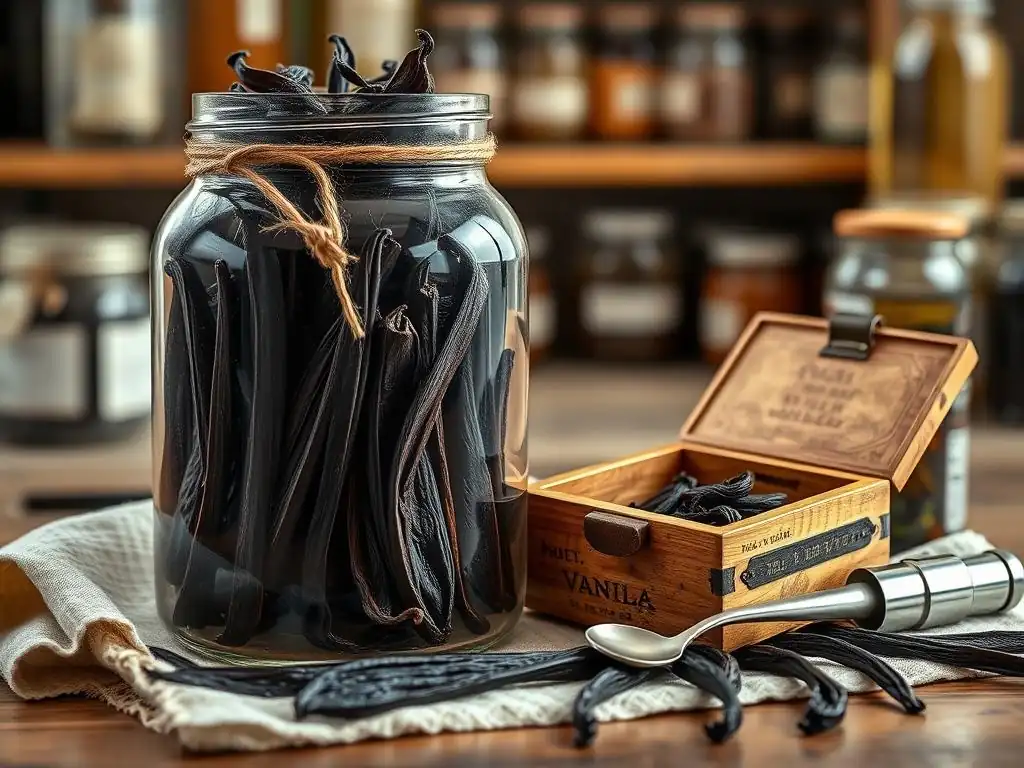
Vanilla beans and high-quality extract represent a significant investment for bakers. Getting the most out of this precious ingredient involves not just proper storage but also making informed choices about sourcing and usage. Understanding the different forms of vanilla available and how to best utilize them ensures that every drop and every pod contributes maximum flavor to your creations.
Maximizing your vanilla investment is about combining smart purchasing decisions with diligent vanilla bean storage tips and techniques. It's about appreciating the journey of this complex spice from farm to kitchen and treating it with the care it deserves to unlock its full potential in your baking repertoire.
Sourcing Quality Beans: Vendor Selection Criteria
The quality of your vanilla bean storage efforts will only be as good as the quality of the beans you start with. Sourcing plump, moist, and fragrant beans from reputable vendors is crucial. Look for vendors who specialize in spices or baking ingredients and provide information about the origin and grade of their beans. High-quality beans are typically oily, pliable, and have a strong, sweet aroma.
Criteria for selecting a vendor include transparency about their sourcing practices, positive customer reviews regarding bean quality, and proper packaging that protects the beans during transit. Vendors who store their beans correctly before selling them are more likely to provide you with a superior product that is easier to keep in good condition using your own vanilla bean storage tips. Expect to pay a premium for high-quality beans; extremely cheap beans are often dry or low grade.
Vanilla Bean Paste vs. Extract: Applications and Advantages
Beyond whole beans and liquid extract, vanilla bean paste is another popular form of vanilla, offering unique advantages. Vanilla bean paste is typically made from vanilla extract thickened with a natural gum, containing suspended vanilla bean seeds. This provides the visual appeal of seeds along with intense flavor.
The advantage of paste is its convenience; it's easier to measure than scraping seeds from a bean, and the seeds are already distributed. It's excellent for applications where you want visible seeds, like ice cream, panna cotta, or crème brûlée. While vanilla extract is versatile for most baking, paste is often preferred for uncooked applications or where seed appearance is desired. Both require proper storage – paste should be stored in a cool, dark place with the lid tightly sealed.
Paste Recommendations: Flavor Profile and Usage
High-quality vanilla bean paste should have a rich, concentrated vanilla flavor, often tasting slightly more intense than standard extract due to the presence of both extracted flavor and the compounds within the seeds. When using paste, remember that it's thicker than extract, so adjust accordingly in liquid measurements if substituting.
A common substitution ratio is 1 teaspoon of vanilla extract equals 1 teaspoon of vanilla bean paste or about half of a 6-inch vanilla bean. Use paste in recipes where the texture and appearance of the seeds are desirable, such as clear glazes, white cakes, or dairy-based desserts. Store vanilla paste in its original airtight container in a cool, dark pantry.
Homemade Vanilla Extract: Recipe and Storage
Making your own vanilla extract is a rewarding project that allows you to customize the flavor profile and save money over time. The basic recipe is simple: steep split vanilla beans in a high-proof, neutral alcohol. A common ratio is about 1 ounce (approximately 6-8 beans) of vanilla beans per 8 ounces of alcohol (a "single fold" extract). For a stronger "double fold" extract, use 2 ounces of beans per 8 ounces of alcohol.
To make, split the vanilla beans lengthwise but keep the ends attached if desired. Place them in a clean glass bottle or jar. Pour the alcohol over the beans, ensuring they are fully submerged. Seal the container tightly and store it in a cool, dark place. Shake the bottle gently every week or two. The extract will develop flavor over several months, ideally steeping for at least 6-12 months before initial use. As you use extract, you can "top off" the bottle with more alcohol, and the beans will continue to infuse flavor.
Vodka Selection: Impact on Flavor Extraction
The type of alcohol used to make homemade vanilla extract significantly impacts the final flavor profile. Vodka is the most popular choice because it is a neutral spirit, allowing the pure flavor of the vanilla beans to shine through without imparting its own taste. Using an 80-proof vodka (40% alcohol by volume) is standard and effective for extracting vanilla compounds.
Other spirits can also be used but will add their own characteristics to the extract. Rum can create a warmer, sweeter extract, while bourbon adds smoky, oaky notes. Experimenting with different alcohols can yield unique vanilla extracts suited for specific baking applications. Regardless of the spirit chosen, ensure it is at least 70 proof (35% alcohol) to effectively extract flavor and prevent spoilage.
Conclusion: Maximizing Flavor Through Proper Storage
Mastering the art of vanilla bean storage tips and extract preservation is a skill that pays dividends in the quality of your baking. By understanding the factors that cause degradation – light, air, heat, and humidity – you can implement simple yet effective storage practices that protect your valuable vanilla. Whether you opt for airtight containers, vacuum sealing, or dark bottles, the goal is to create an environment that keeps your vanilla in peak condition, preserving its complex aroma and flavor for as long as possible.
Investing in quality vanilla is just the first step; protecting that investment through diligent storage ensures that the exquisite taste of pure vanilla is always at your fingertips, ready to transform everyday baked goods into extraordinary culinary experiences. By following these guidelines, you can confidently reach for your vanilla stash knowing that its precious flavor has been preserved, ready to infuse your next creation with unparalleled depth and warmth.
Frequently Asked Questions
How should I store vanilla beans to keep them fresh?
Vanilla beans should be stored in an airtight container in a cool, dark place, away from direct sunlight and heat. This helps prevent them from drying out and losing their flavor and aroma.
Can I store vanilla extract in the refrigerator?
It's generally not recommended to store vanilla extract in the refrigerator. The cold temperatures can cause the extract to become cloudy or even solidify. A cool, dark pantry is a better option.
What is the best type of container for storing vanilla beans?
Ideally, use an airtight glass jar or a resealable plastic bag. Make sure the container is completely sealed to prevent moisture loss and maintain the beans' quality.
How long can vanilla beans be stored properly?
When stored correctly, vanilla beans can last for up to two years. Check them periodically for signs of mold or excessive dryness, which would indicate they are no longer usable.
What are the signs that my vanilla beans have gone bad?
Signs of spoilage include mold growth, a lack of aroma, and a brittle, overly dry texture. If you notice any of these, it's best to discard the vanilla beans.
Final Reflection: The Enduring Fragrance of Preservation
The art of preserving vanilla, far from being a mere culinary nicety, is a testament to our appreciation for the fleeting beauty of nature's gifts. Proper storage isn't just about extending shelf life; it's about safeguarding the intense aroma and exquisite flavor that make vanilla so treasured. In a world increasingly focused on instant gratification, taking the time to properly store our vanilla beans and extract is a small act of rebellion, a conscious choice to savor the richness of experience over fleeting convenience.
The impact of mindful preservation extends beyond the individual kitchen. It speaks to a larger cultural shift towards sustainability and appreciation for quality ingredients. We are increasingly aware of the journey our food takes from farm to table, and understanding how to properly store these precious ingredients is a direct reflection of that awareness. Waste not, want not,
an old adage, takes on new meaning when applied to the delicate world of vanilla. It's a reminder that respect for the source translates into a richer, more flavorful experience.
Now, consider your own spice rack. Do you see those precious vanilla beans, tucked away perhaps in a neglected corner? I encourage you to take a moment, retrieve them, and assess their condition.
This is your opportunity to apply the knowledge gained, to become a guardian of flavor, and to extend the life of this extraordinary ingredient. By embracing the simple yet powerful techniques outlined in this article, you'll not only enhance your culinary creations but also cultivate a deeper appreciation for the artistry of preservation itself. The enduring fragrance of your vanilla will be a testament to your care and dedication.
Unlock Your Vanilla's Full Potential!
Thanks for diving into the world of vanilla bean storage with us! You've now learned how to keep your precious pods and extract at their peak flavor for longer. Ready to put your new knowledge to the test?
- Prioritize proper storage: Immediately transfer your beans or extract to their designated storage solutions (as described in the article). This single step will make a huge difference!
- Experiment with a new vanilla recipe: Now's the perfect time to try that decadent vanilla bean ice cream or those exquisite vanilla-infused cookies you've been eyeing.
- Share your vanilla bean storage tips with fellow baking enthusiasts! Let's build a community of vanilla lovers.
What's your favorite way to use high-quality vanilla in your baking? Share your ideas in the comments below!