
Can You Substitute? Swapping Vanilla Extract and Beans Explained

Welcome to BakeWithEase, your trusted guide to baking bliss! Ever wondered if you can swap ingredients without sacrificing flavor? In this article, we dive deep into the world of premium baking ingredients, specifically exploring the fascinating question: "Can You Substitute? Swapping Vanilla Extract and Beans Explained." Discover the secrets to successfully navigating ingredient substitutions, starting with a comprehensive look at vanilla extract bean substitution. Prepare to unlock new dimensions of flavor and flexibility in your baking!
- Understanding Vanilla: Extract vs. Bean - A Baker's Guide
- Vanilla Extract Bean Substitution: The Key Differences for Baking
- Converting Vanilla Bean to Extract: Ratios and Techniques
- Substituting Vanilla Extract for Vanilla Beans: A Practical Guide
- Maximizing Vanilla Flavor: Tips and Tricks for Both Extract and Beans
- Exploring Premium Vanilla Products: Enhance Your Baking
-
Frequently Asked Questions
- What exactly is the difference between using vanilla extract and vanilla beans in baking?
- When is it best to use vanilla extract versus using vanilla beans?
- How do I substitute vanilla extract for vanilla beans in a recipe, and what's the conversion rate?
- Can I use vanilla bean paste as a substitute for either vanilla extract or vanilla beans?
- Does the quality of vanilla extract or vanilla beans significantly impact the final baked product?
- Final Reflection: The Enduring Allure of Vanilla
- Unlock Your Baking Potential: Master Vanilla Swaps!
Understanding Vanilla: Extract vs. Bean - A Baker's Guide
Vanilla is a cornerstone ingredient in countless baking recipes, offering a warm, sweet, and aromatic depth that's hard to replicate. However, bakers often encounter recipes calling for either vanilla extract or vanilla beans, leading to questions about their interchangeability. While both come from the Vanilla planifolia orchid, they represent different forms of the flavor, each with unique characteristics best suited for specific applications. Understanding these differences is the first step in mastering the art of vanilla extract bean substitution.
Navigating the world of vanilla can seem complex, but it boils down to recognizing the processing and concentration levels of each product. From the delicate floral notes of a Tahitian bean to the robust sweetness of a Madagascar Bourbon extract, the form of vanilla you choose significantly impacts the final flavor profile and appearance of your baked goods. This guide will help clarify the distinctions, making your vanilla substitutions informed and successful.
What is Vanilla Extract and How is it Made?
Vanilla extract is the most common form of vanilla used in home baking. It is typically made by macerating vanilla beans in a solution of alcohol and water. According to U.S. Food and Drug Administration (FDA) standards, pure vanilla extract must contain at least 35% alcohol and 13.35 ounces of vanilla beans per gallon of liquid. This lengthy steeping process, which can take several months, allows the flavor compounds from the beans, most notably vanillin, to infuse into the liquid.
The quality of vanilla extract depends heavily on the type and quality of the vanilla beans used, as well as the extraction process. Pure vanilla extract offers a complex flavor profile that imitation vanilla, often made from synthetic vanillin (like that derived from lignin), cannot fully replicate. While imitation vanilla is significantly cheaper, it lacks the hundreds of other aromatic compounds found in real vanilla beans, resulting in a flatter, less nuanced taste. Choosing a high-quality pure vanilla extract can make a noticeable difference in the depth of flavor in your cakes, cookies, and custards.
What are Vanilla Beans and Where Do They Come From?
Vanilla beans are the cured fruit pods of the vanilla orchid. These pods are hand-picked and undergo a labor-intensive curing process that involves sun-drying, sweating, and slow drying, which can take several months. This process is critical for developing the complex flavor and aroma that vanilla is prized for. The appearance of a high-quality vanilla bean is typically dark brown to black, plump, moist, and pliable, often with visible vanillin crystals (sometimes called "vanilla frost").
Vanilla beans originate from various regions around the world, with each origin imparting distinct flavor characteristics. Madagascar Bourbon vanilla beans (primarily Vanilla planifolia) are perhaps the most popular, known for their classic, sweet, and creamy flavor profile. Tahitian vanilla beans ( Vanilla tahitensis) have floral, fruity, and sometimes cherry-like notes, while Mexican vanilla beans ( Vanilla planifolia) offer a smoky, spicy undertone. The specific origin can influence whether a bean is best used in a light custard or a rich chocolate cake, adding another layer to consider for vanilla extract bean substitution.
Vanilla Extract Bean Substitution: The Key Differences for Baking
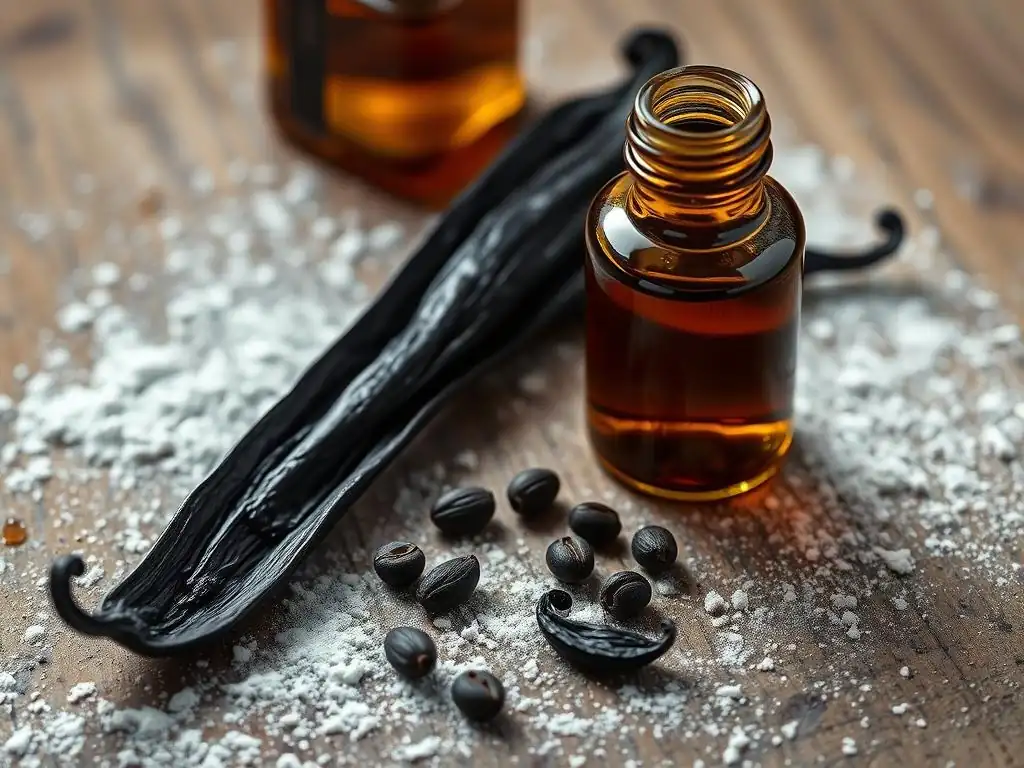
When considering vanilla extract bean substitution, it's crucial to understand that while they share the same origin, their form dictates how their flavor is released and perceived in baking. Extract is a liquid concentrate, immediately dispersing flavor throughout a batter or dough. Beans, on the other hand, contain the flavor compounds within the pod and seeds, which need heat and time to fully release their aroma and taste into the surrounding ingredients.
Beyond the release mechanism, there's the visual element. Using vanilla beans introduces tiny, dark specks into your baked goods, a visual cue often associated with premium quality and intense flavor. This is completely absent when using only vanilla extract. Therefore, a straight vanilla extract bean substitution doesn't just affect taste; it changes the appearance and sometimes the texture, particularly in smooth preparations like panna cotta or crème brûlée.
Flavor Profile Comparison: Vanilla Extract vs. Whole Bean
Vanilla extract captures the overall essence of the vanilla bean in a concentrated liquid form. A good pure extract offers a balanced blend of the bean's aromatic compounds. However, because it's an infusion, some of the more subtle, volatile notes present in the fresh bean might be altered or less prominent compared to using the whole bean. Think of extract as the full orchestra playing the main melody of vanilla.
Using a whole vanilla bean, especially when the seeds are scraped and infused directly into a liquid or dough, allows for a more direct and intense vanilla experience. The tiny seeds carry a potent punch of flavor, and the pod itself, when steeped, contributes earthy and woody undertones that add complexity. In a simple custard or ice cream base, where vanilla is a primary flavor, the difference between extract and bean can be quite pronounced, with the bean providing a richer, more layered profile, showcasing the full symphony of vanilla.
Baking Applications: When to Use Extract and When to Use Beans
Vanilla extract is incredibly versatile and suitable for most baking applications. Its liquid form makes it easy to incorporate into batters and doughs without altering consistency. It's the standard choice for cookies, cakes, muffins, and general flavoring where the visual presence of vanilla seeds isn't necessary or desired. Adding extract towards the end of the mixing process or even after baking (in glazes or frostings) can help preserve its delicate aroma, as prolonged high heat can cause some flavor compounds to evaporate.
Vanilla beans are often preferred in applications where vanilla is the star or where the visual appeal of the seeds is part of the dish's charm. Custards, puddings, ice creams, panna cotta, and crème brûlée are prime examples. To use a bean, you typically split it lengthwise, scrape out the dark, paste-like seeds with the back of a knife, and add both the seeds and the pod to the liquid base while it heats.
The pod is usually removed before chilling or serving, having imparted its flavor during the heating process. Using the whole bean ensures maximum flavor extraction and that signature speckled appearance.
Converting Vanilla Bean to Extract: Ratios and Techniques
Performing a vanilla extract bean substitution requires understanding approximate equivalencies, as the potency can vary depending on the quality and freshness of the bean and the concentration of the extract. While there's no universally precise conversion due to these variables, general guidelines provide a solid starting point for replacing one with the other.
The goal of vanilla extract bean substitution is to achieve a similar level of vanilla flavor intensity in your final product. This often involves estimating how much extract contains the flavor equivalent of the seeds and sometimes the pod of a vanilla bean. Keep in mind that using the bean directly also adds a slight amount of physical mass (the seeds), which is negligible in most recipes but worth noting in very delicate or small-batch preparations.
Vanilla Bean to Extract Conversion Chart: Getting the Right Amount
A commonly accepted approximation for vanilla extract bean substitution is that one standard 6-8 inch vanilla bean is roughly equivalent to 1 to 2 teaspoons of pure vanilla extract. This range accounts for variations in bean size, moisture content, and extract concentration. For instance, a plump, fresh Madagascar bean might be closer to 2 teaspoons of extract in terms of flavor potency, while a drier bean might be closer to 1 teaspoon.
Here’s a simple approximation chart to guide your vanilla extract bean substitution:
- 1 vanilla bean ≈ 1 to 2 teaspoons pure vanilla extract
- ½ vanilla bean ≈ ½ to 1 teaspoon pure vanilla extract
- ¼ vanilla bean ≈ ¼ to ½ teaspoon pure vanilla extract
When making a vanilla extract bean substitution, start with the lower end of the suggested extract range (e.g., 1 teaspoon for one bean) and taste your batter or mixture if possible. You can always add a little more extract if the vanilla flavor isn't as prominent as desired. Remember that the heat of baking will further develop the vanilla flavor, so avoid adding too much initially, as it can sometimes impart a slightly bitter note.
How to Make Homemade Vanilla Extract with Vanilla Beans
Making your own vanilla extract is a rewarding process that allows you to control the quality and choose your preferred vanilla bean origin. It's a simple vanilla extract bean substitution project that yields a superior product over time. You need only two ingredients: high-quality vanilla beans and alcohol. A neutral spirit like vodka (around 80 proof or 40% alcohol by volume) is a popular choice as it doesn't interfere with the vanilla flavor, but bourbon, rum, or brandy can also be used for different flavor nuances.
To make homemade extract, you'll need approximately 5-7 vanilla beans per 8 ounces (about 1 cup) of alcohol. Split the beans lengthwise, or cut them into smaller pieces (2-3 inches) to expose more surface area. Place the beans in a clean, airtight bottle or jar and cover completely with the alcohol.
Seal the container and store it in a cool, dark place, shaking it gently once a week. The extract needs time to steep; while it will start developing flavor within a few weeks, it's best to let it infuse for at least 6 months, and ideally 1 year or longer, for the deepest, richest vanilla flavor. You can "top off" the alcohol as you use the extract, and the beans will continue to infuse for a very long time.
Substituting Vanilla Extract for Vanilla Beans: A Practical Guide
When a recipe calls for vanilla beans but you only have extract, you'll need to perform a vanilla extract bean substitution. This is generally easier than the reverse substitution, though you'll miss the visual appeal of the seeds. The primary goal is to add enough extract to replicate the flavor intensity that would have been provided by the bean.
Remember that the flavor of vanilla extract is already fully developed, whereas the flavor from vanilla beans needs heat and time to fully release. Therefore, when substituting extract for beans, you often add the extract at a different stage of the recipe than you would the beans. For instance, while beans might be steeped in a hot liquid early on, extract is typically added towards the end of the mixing process.
Replacing Vanilla Bean with Extract: Achieving a Similar Flavor
To replace one vanilla bean with extract, use the conversion guideline of 1 to 2 teaspoons of pure vanilla extract per bean. If the recipe is one where vanilla is a key flavor (like a custard or ice cream), lean towards the higher end of the range (2 teaspoons). For recipes with many other strong flavors, 1 to 1.5 teaspoons might suffice.
Add the vanilla extract at the point in the recipe where liquid ingredients are incorporated or just before dry ingredients are added. In recipes where the bean would have been steeped in a liquid (like milk for a custard), add the extract after the liquid has been heated and removed from the heat, stirring it in before proceeding with the rest of the steps.
This prevents excessive evaporation of the extract's volatile flavor compounds. While the flavor will be similar, it might lack some of the subtle nuances that come from infusing the entire bean and will definitely lack the visual cue of the seeds.
Recipe Adjustments: Compensating for the Absence of Vanilla Bean Seeds
The most noticeable difference when performing a vanilla extract bean substitution for a recipe calling for beans is the absence of the characteristic black specks. In many classic desserts like crème brûlée or vanilla ice cream, these seeds are not just visual indicators of real vanilla but are also part of the expected experience. Using only extract means your dessert will have a smooth, uniform appearance.
If the visual aspect is important, consider using vanilla bean paste instead of extract. Vanilla bean paste is a concentrated form of vanilla that contains the suspended seeds of the vanilla bean. It offers a flavor intensity similar to extract but provides those desirable little black specks.
The conversion is often 1:1 when substituting paste for extract, meaning 1 teaspoon of paste can replace 1 teaspoon of extract. When replacing a vanilla bean with paste, use approximately 1 teaspoon of paste per vanilla bean called for in the recipe. This provides both flavor and visual appeal, making it an excellent alternative for vanilla extract bean substitution when beans aren't available.
Maximizing Vanilla Flavor: Tips and Tricks for Both Extract and Beans
Whether you're using vanilla extract or vanilla beans, there are techniques to ensure you get the most potent and delightful vanilla flavor in your baking. High-quality ingredients are paramount, but how you use them also plays a significant role. Proper storage and timing can make a noticeable difference in the intensity and complexity of the vanilla notes in your finished products.
Understanding how heat affects vanilla is key. The delicate aromatic compounds in vanilla are volatile, meaning they can evaporate when exposed to high temperatures for extended periods. This is why the timing of adding vanilla to your recipes is often crucial, particularly when working with vanilla extract.
Enhancing Vanilla Extract Flavor in Your Baking
To maximize the flavor of vanilla extract, try adding it towards the end of your mixing process, especially in batters and doughs that will be baked at high temperatures. For instance, when making cookies or cakes, stir in the vanilla extract just after you've combined the wet and dry ingredients. This minimizes the time the extract is exposed to air and mixing, preserving more of its volatile compounds.
In recipes that don't involve extensive heating, like frostings, glazes, or no-bake desserts, you can add the vanilla extract at any point, but adding it closer to the end of preparation ensures its fresh aroma is prominent. Using a pure vanilla extract, preferably one labeled "double-fold" (meaning it's twice the standard concentration, requiring less volume for the same flavor), will naturally provide a more intense and complex vanilla taste compared to single-fold pure extract or imitation vanilla.
Getting the Most out of Your Vanilla Beans
When using vanilla beans, ensure you are extracting maximum flavor from both the seeds and the pod. Always split the bean lengthwise completely to expose the inner seeds. Use the back of a paring knife or a spoon to scrape out every bit of the paste-like seeds. These seeds are packed with flavor and should be added directly to your recipe.
Don't discard the scraped pod! The pod still contains significant flavor compounds. Steep the scraped pod in liquids like milk, cream, or sugar syrups that are being heated for your recipe. Allow the pod to infuse as the liquid heats, then remove it before proceeding. You can also rinse and dry used vanilla pods and store them in a jar of sugar to make vanilla sugar, or even add them to a bottle of alcohol to contribute to homemade extract over time, ensuring zero waste and continuous vanilla enjoyment.
Beyond traditional vanilla extract and whole beans, the market offers several other premium vanilla products that can elevate your baking. These options provide different textures, concentrations, and applications, offering more flexibility for vanilla extract bean substitution and experimentation in the kitchen.
Understanding the nuances of these products can open up new possibilities for achieving specific flavor profiles and visual effects in your baked goods. From pastes that combine convenience with visual appeal to powders and sugars that infuse vanilla flavor in unique ways, there's a premium vanilla product for almost every baking need.
Recommended Vanilla Extracts
While specific brands vary, look for pure vanilla extract rather than imitation. Pure extract contains only vanilla bean extractives, alcohol, and water. The origin of the beans used (e.g., Madagascar Bourbon, Tahitian, Mexican) will influence the flavor profile, allowing you to choose an extract that complements your recipe. Madagascar offers the classic sweet profile, Tahitian is more floral, and Mexican has spicy notes.
Consider the concentration. Standard pure vanilla extract is "single-fold." "Double-fold" or "gourmet" extracts are twice as concentrated, meaning you use half the amount for the same flavor intensity. While more expensive per ounce, they can be more economical in the long run and provide a deeper flavor. Reading ingredient labels and understanding the source of the beans will help you select a high-quality pure vanilla extract that significantly enhances your baking.
Vanilla Bean Paste: A Versatile Option for Intense Flavor
Vanilla bean paste is a fantastic compromise between using whole beans and extract. It typically consists of vanilla bean seeds suspended in a thick, syrupy base, often made from sugar, water, and vanilla extract or concentrate. It offers the convenience of an extract (easy to measure and incorporate) while providing the visual appeal of the vanilla bean seeds in your finished product.
Vanilla bean paste is particularly excellent for recipes where you want the flavor intensity of beans and the signature black specks, such as ice cream, custards, panna cotta, glazes, and even whipped cream. It can often be substituted 1:1 for vanilla extract in recipes, or used as a direct vanilla extract bean substitution when replacing a whole bean (typically 1 teaspoon of paste per bean). Its thicker consistency doesn't significantly impact most recipes.
Other Vanilla-Infused Products: Powders, Sugars, and Salts.
The world of premium vanilla extends to other forms as well. Vanilla powder is made from finely ground whole, dried vanilla beans. Because it contains the entire bean, it offers a robust flavor profile and is particularly good for dry mixes, spice rubs, or applications where you want vanilla flavor without adding liquid, such as dusting on pastries or incorporating into chocolate work. It's also heat-stable.
Vanilla sugar is created by storing a whole vanilla bean (or even a used, dried pod) in a container of granulated sugar. Over time, the sugar absorbs the vanilla aroma and flavor. This vanilla-infused sugar can be used in place of regular sugar in recipes to add a subtle layer of vanilla. Similarly, vanilla salt, made by infusing salt with vanilla, can be used to enhance the flavor of sweet baked goods, adding a touch of complexity and balancing sweetness, particularly in recipes featuring chocolate or caramel.
Frequently Asked Questions
What exactly is the difference between using vanilla extract and vanilla beans in baking?
Vanilla extract is a liquid flavoring infused with vanilla bean flavor, while vanilla beans are the whole pod. The main difference lies in the intensity of flavor and the visual appeal of using bean specks.
When is it best to use vanilla extract versus using vanilla beans?
Use vanilla extract for convenience and cost-effectiveness in recipes needing vanilla flavor. Use vanilla beans when you want a richer, more complex flavor and the visual aesthetic of vanilla bean specks.
How do I substitute vanilla extract for vanilla beans in a recipe, and what's the conversion rate?
Generally, one vanilla bean can be substituted with about 1-2 teaspoons of vanilla extract. Adjust to taste based on your desired flavor intensity and recipe needs.
Can I use vanilla bean paste as a substitute for either vanilla extract or vanilla beans?
Yes, vanilla bean paste is a good middle ground, offering both intense flavor and the visual appeal of bean specks. Use roughly the same amount of paste as you would extract, or half a bean.
Does the quality of vanilla extract or vanilla beans significantly impact the final baked product?
Yes, higher quality vanilla (beans or extract) will result in a more noticeable and complex vanilla flavor in your baked goods. Cheaper options may lack depth.
Final Reflection: The Enduring Allure of Vanilla
The quest for the perfect vanilla flavor is a timeless pursuit, and understanding the nuances of vanilla extract and bean substitution remains surprisingly relevant in today's culinary landscape. From home bakers experimenting with new recipes to professional chefs seeking consistent quality, the ability to effectively swap between these two forms of vanilla is a crucial skill. The subtle differences, as explored throughout this article, can significantly impact the final product, highlighting the importance of informed choices.
The exploration of vanilla's versatility has profoundly shaped my own approach to baking and cooking. I've come to appreciate the depth of flavor offered by vanilla beans, a complexity that often surpasses the convenience of extract. Yet, the practicality of extract cannot be ignored, especially for everyday use. The best flavor is the one that best suits your needs and your palate,
a wise chef once told me, and this rings true when considering the extract versus bean debate. This journey of understanding the subtle differences has enriched my culinary experiences and fostered a deeper appreciation for this beloved ingredient.
Now, it's your turn. Consider the recipes you cherish and the vanilla you typically use. Experiment! Try substituting vanilla extract with beans (or vice versa) in a familiar recipe and observe the subtle shifts in flavor and aroma. Document your findings, share your experiences, and let the exploration of vanilla's multifaceted nature continue. The journey towards culinary mastery is a continuous one, and understanding the nuances of vanilla is a delicious step along the way.
Unlock Your Baking Potential: Master Vanilla Swaps!
Thanks for diving into the world of vanilla with us! You've now got the knowledge to confidently choose between extract and beans for your next baking masterpiece. Ready to put your new skills to the test?
- Bake a vanilla-forward treat: This is your chance to experiment! Try a recipe you've always wanted to make, but now with your newfound vanilla expertise, you can choose the perfect type for optimal flavor.
- Share your vanilla wisdom: Tell your baking buddies about your newfound knowledge! Share this article with them, and let's create a vibrant baking community.
- Try a surprising vanilla variation: Explore beyond the standard vanilla bean! Think about using a different extract, or maybe even experimenting with vanilla-infused oils.
What exciting vanilla creation will you bake next?