
Unlock the Secret: Why Gourmet Vanilla Elevates Your Baking

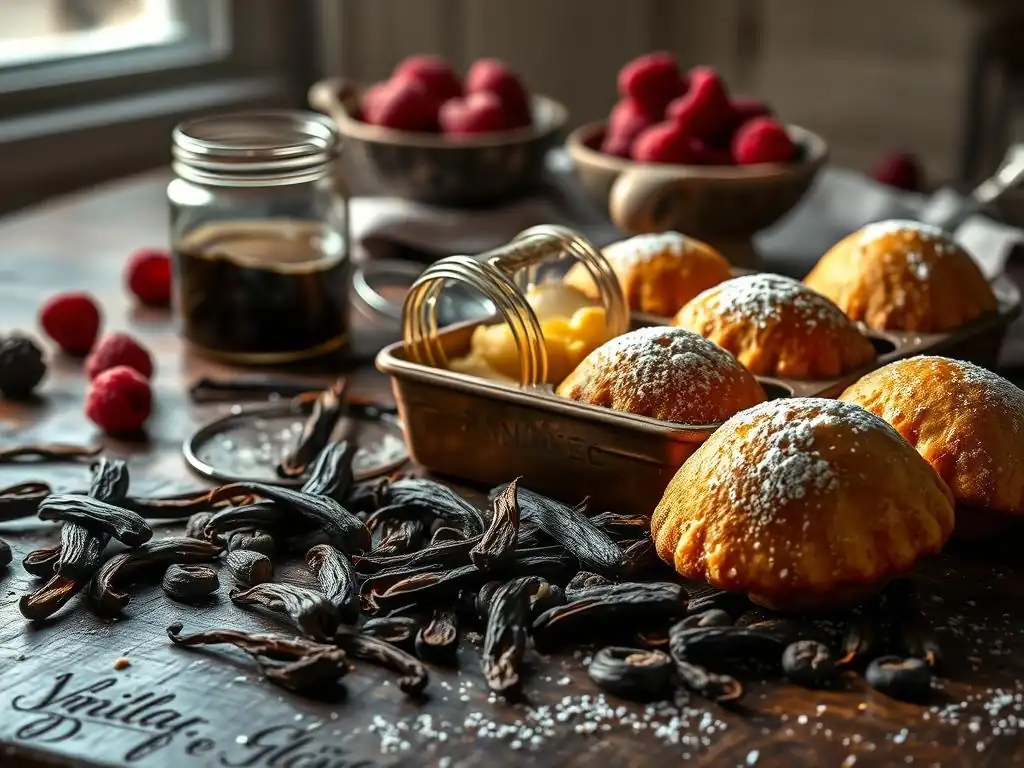
Welcome to BakeWithEase, your haven for baking brilliance!
Ever wondered why some baked goods possess an irresistible depth of flavor that others simply lack? Discover the secret ingredient that transforms ordinary into extraordinary in our latest article: Gourmet Vanilla Baking Recipes. Unlock the secrets to elevating your baking with premium vanilla, from Madagascar Bourbon to Tahitian orchids, and explore how this single ingredient can revolutionize your creations. Prepare to be amazed at the difference a truly gourmet vanilla bean can make! Let's get baking!
- Unlock the Secret: Why High-Quality Vanilla Elevates Your Baking
- Discover the Difference: High-Quality Vanilla in Baking Recipes
- Understanding High-Quality Vanilla: Beans vs. Extracts
- High-Quality Vanilla Baking Recipes: Inspiration and Techniques
- Maximizing Flavor: How to Use High-Quality Vanilla Effectively
- Where to Buy the Best High-Quality Vanilla: Brands and Retailers
- The Economics of High-Quality Vanilla: Is It Worth the Investment?
- High-Quality Vanilla Baking: Troubleshooting and FAQs
- Frequently Asked Questions
- Final Reflection: The Enduring Allure of Gourmet Vanilla
- Unleash Your Inner Pastry Chef: Elevate Your Baking Today!
Unlock the Secret: Why High-Quality Vanilla Elevates Your Baking
Discover the Difference: High-Quality Vanilla in Baking Recipes
Vanilla is often called the world's most popular flavor, a staple in countless baked goods. Yet, not all vanilla is created equal. The subtle nuances and rich complexity that truly elevate a recipe come from using high-quality vanilla. This isn't just about adding sweetness; it's about layering delicate aromas and deep, comforting flavors that transform a simple cookie or cake into something extraordinary. Understanding the distinction between standard and premium vanilla is the first step to unlocking a new level in your baking journey.
For anyone passionate about creating exceptional gourmet vanilla baking recipes, investing in superior vanilla is a game-changer. While imitation vanilla may offer a quick fix, it lacks the hundreds of aromatic compounds found in real vanilla. High-quality vanilla, whether in bean or extract form, brings a depth and longevity of flavor that artificial substitutes simply cannot replicate. It's the difference between a flat, one-dimensional taste and a vibrant, lingering finish that delights the palate.
Why Upgrade to High-Quality Vanilla for Baking?
Upgrading to high-quality vanilla significantly impacts the final product's aroma and taste profile. Standard grocery store vanilla extracts, often made from lower-grade beans or using faster extraction methods, can have a harsh, alcoholic, or less complex flavor. In contrast, premium extracts and beans are sourced from carefully cultivated and cured vanilla orchids, resulting in a richer, smoother, and more nuanced vanilla presence.
For example, a high-quality Bourbon vanilla from Madagascar might boast notes of cream and butter, while a Tahitian vanilla could present floral or cherry-like undertones. Using these in gourmet vanilla baking recipes adds layers of flavor that are simply unattainable with lesser ingredients.
Beyond flavor depth, premium vanilla offers superior aroma retention during the baking process. Heat can cause some of the delicate volatile compounds in vanilla to dissipate, but high-quality vanilla, with its higher concentration of natural vanillin and other aromatics, holds up better. This means your baked goods will not only taste fantastic but also fill your kitchen with that irresistible, comforting vanilla scent. Consider a simple vanilla pound cake; using a premium vanilla extract ensures that classic, sweet fragrance permeates every slice, making the sensory experience of enjoying it truly complete.
The Impact of High-Quality Vanilla on Flavor Profiles
The impact of high-quality vanilla on flavor profiles in baking is profound, acting as both a primary flavor and a powerful enhancer. In recipes where vanilla is the star, like custards, panna cotta, or vanilla bean ice cream, the quality of the vanilla dictates the entire experience. Using a plump, fragrant vanilla bean with visible seeds (often called "vanilla caviar") imparts a pure, creamy vanilla flavor with delightful visual flecks. This level of purity cannot be matched by standard extracts.
Even in recipes where vanilla isn't the main character, such as chocolate chip cookies or fruit tarts, high-quality vanilla plays a crucial supporting role. It rounds out and intensifies other flavors, particularly chocolate, nuts, and fruits. A dash of premium vanilla extract in a chocolate ganache, for instance, doesn't make it taste vanilla-y, but it deepens the chocolate flavor and adds complexity, preventing it from tasting flat. This synergistic effect makes high-quality vanilla an indispensable tool for any baker aiming for truly gourmet vanilla baking recipes.
Understanding High-Quality Vanilla: Beans vs. Extracts
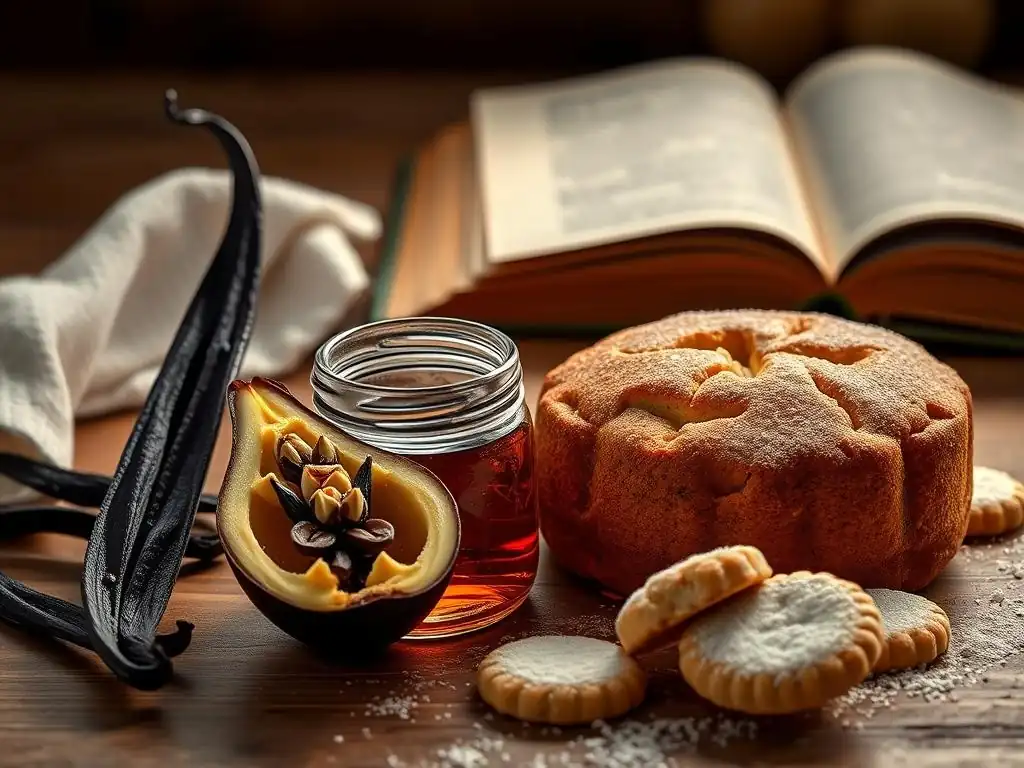
Choosing between vanilla beans and vanilla extract is a common decision for bakers, and both have their place in creating gourmet vanilla baking recipes. Understanding their differences and strengths helps you select the best option for a specific application. Vanilla beans offer the most direct form of the flavor, containing the full spectrum of aromatic compounds and the visual appeal of the seeds. Vanilla extract, on the other hand, provides convenience and consistent potency, making it a versatile workhorse in the kitchen.
High-quality vanilla beans and extracts are derived from the cured pods of the vanilla orchid. The quality is determined by factors like the species of orchid (primarily Vanilla planifolia for Bourbon/Madagascar, Vanilla tahitensis for Tahitian), the growing conditions, the curing process, and for extracts, the alcohol base and extraction method. Recognizing these elements is key to sourcing the best vanilla for your baking needs.
Vanilla Beans: The Ultimate Flavor Experience
Vanilla beans offer the purest, most intense vanilla flavor and aroma, along with the visual appeal of the tiny black seeds. A good quality bean should be plump, moist, flexible, and have a rich, sweet fragrance. They contain hundreds of flavor compounds, not just vanillin, which contribute to their complex profile. While more expensive per use than extract, a single bean can infuse significant flavor into liquids or doughs, making them ideal for recipes where vanilla is meant to shine, such as custards, ice cream bases, or crème brûlée.
Using vanilla beans in gourmet vanilla baking recipes allows you to harness the full spectrum of vanilla's aroma. The flavor profile varies significantly depending on the bean's origin and curing method. Madagascar beans, for example, are known for classic, creamy, and sweet notes, while Tahitian beans often have more floral, fruity, or cherry-like undertones. Mexican beans can be smoky or spicy. Choosing the right bean allows you to tailor the vanilla flavor precisely to your recipe.
Using Vanilla Beans in Baking: A Step-by-Step Guide
Using a vanilla bean effectively involves extracting both the seeds (caviar) and potentially infusing the pod. Here’s a simple guide:
- Prepare the Bean: Lay the vanilla bean flat on a clean cutting board. Using a sharp paring knife, make a lengthwise slit down the center of the bean, being careful not to cut all the way through the back skin.
- Scrape the Caviar: Open the bean like a book. Using the dull side of your knife or a spoon, scrape down the length of each half, gathering the paste-like seeds (the "caviar"). This is where much of the intense flavor resides.
- Incorporate the Caviar: Add the scraped seeds directly to your recipe, often whisking them into wet ingredients like milk, cream, eggs, or batter to distribute evenly.
- Utilize the Pod: Do not discard the scraped pod! It still contains flavor. You can infuse it into liquids (like milk for custard or simple syrup) by simmering it gently, then removing the pod before use. Alternatively, rinse and dry the pod, then store it in a jar of sugar to make vanilla sugar, or grind it into a powder for later use.
Recommended Vanilla Bean Origins: Madagascar, Tahitian
When seeking high-quality vanilla beans for gourmet vanilla baking recipes, certain origins are particularly renowned. Madagascar Bourbon vanilla beans (which are Vanilla planifolia, not related to bourbon whiskey) are perhaps the most popular globally, prized for their classic, sweet, creamy, and rich flavor profile with notes often described as buttery or caramel-like. They are incredibly versatile and work well in almost any sweet application, from cakes and cookies to custards and ice cream. A Grade A bean typically has a moisture content around 30-35% and a vanillin content of 1.5-2%.
Tahitian vanilla beans ( Vanilla tahitensis) offer a distinctly different, often more floral and fruity aroma, sometimes with hints of cherry, anise, or even chocolate. They are plumper and contain fewer seeds than Madagascar beans but are rich in heliotropin, which contributes to their unique fragrance. Tahitian beans are excellent in fruit-based desserts, pastries, and lighter creams where their delicate nuances can shine through without being overpowered. While less common than Madagascar, they are a favorite among pastry chefs for specific flavor pairings.
Vanilla Extract: Convenience Without Compromise
High-quality vanilla extract is a staple in most baking kitchens, offering convenience and consistent flavor delivery. It's made by macerating chopped vanilla beans in a solution of alcohol and water, which extracts the flavor compounds. According to FDA standards, pure vanilla extract must contain at least 13.35 ounces of vanilla beans per gallon of alcohol solution and be at least 35% alcohol by volume. Premium extracts often exceed these minimums, resulting in a more concentrated and flavorful product.
While it lacks the visual appeal of seeds, a good vanilla extract provides reliable and robust vanilla flavor throughout a batter or dough. It's particularly useful in recipes where incorporating seeds is difficult or undesirable, such as light-colored icings, delicate meringues, or large batches of cookie dough. Choosing a high-quality extract ensures that even a small amount contributes significant and authentic vanilla taste to your gourmet vanilla baking recipes.
What Makes High-Quality Vanilla Extract Superior?
Several factors contribute to the superiority of high-quality vanilla extract over standard or imitation varieties. Firstly, it's made from real vanilla beans, containing the full spectrum of natural flavor compounds, not just synthetic vanillin. The quality of the beans used is paramount; extracts made from plump, well-cured beans will naturally taste better than those made from dried-out or lower-grade beans. Some premium extracts specify the origin of the beans used, allowing bakers to choose profiles (e.g., Madagascar, Tahitian) similar to using the beans themselves.
Secondly, the extraction process and aging play a role. High-quality extracts often undergo a longer maceration period (sometimes months or even years) and may be aged to allow the flavors to deepen and meld. The type and quality of the alcohol base can also influence the final product's smoothness and aroma. While standard extracts meet the minimum requirements, premium versions go above and beyond, focusing on bean quality, concentration (often double-fold or higher), and a refined extraction process to produce a richer, more complex flavor that stands out in gourmet vanilla baking recipes.
Choosing the Right Vanilla Extract: Single-Fold, Double-Fold
Vanilla extracts are typically categorized by their "fold," which refers to the concentration of vanilla bean extractives in the alcohol solution relative to the FDA standard (single-fold). Single-fold extract is the most common type, meeting the minimum requirement of 13.35 oz of beans per gallon. It's suitable for many everyday baking needs.
Double-fold extract, also known as vanilla essence (though this term is sometimes confusingly used for imitation vanilla), is twice the concentration of single-fold, meaning it uses 26.7 oz of beans per gallon. This results in a much more intense flavor, requiring less extract to achieve the same vanilla impact. Double-fold extract is excellent for recipes where you want a powerful vanilla punch without adding excess liquid, such as frostings, ice cream, or dense batters.
While more expensive ounce-for-ounce, its higher potency can make the cost per use comparable or even lower in some gourmet vanilla baking recipes. There are also triple-fold and quadruple-fold extracts available for professional use, offering even higher concentrations.
Top Vanilla Extract Brands for Baking: Singing Dog Vanilla, Rodelle
Several brands are recognized for producing high-quality vanilla extracts favored by bakers seeking gourmet vanilla baking recipes. Singing Dog Vanilla is known for its commitment to organic and fair trade practices, sourcing beans directly from farmers. Their extracts, including single-fold and double-fold options, are praised for their clean, pure vanilla flavor, often highlighting the specific origin of the beans used (like Mexican or Tahitian). This transparency and focus on ethical sourcing appeal to many home bakers.
Rodelle is another popular brand offering a range of vanilla products, including quality extracts. Their extracts are known for their rich, consistent flavor profile, making them a reliable choice for various baking applications. They often emphasize using a proprietary cold extraction process to preserve the delicate flavor compounds of the vanilla bean. Brands like these prioritize the quality of their beans and extraction methods, resulting in extracts that provide a noticeable step up in flavor compared to generic supermarket options, truly enhancing your gourmet vanilla baking recipes. Other reputable brands include Nielsen-Massey and Simply Organic.
High-Quality Vanilla Baking Recipes: Inspiration and Techniques
Incorporating high-quality vanilla into your baking opens up a world of flavor possibilities. It's not just about following a recipe; it's about understanding how this premium ingredient interacts with others to create truly memorable results. From classic desserts enhanced by superior vanilla notes to innovative creations where vanilla plays a starring role, the right vanilla makes all the difference. Let's explore some ways to use high-quality vanilla in gourmet vanilla baking recipes.
Whether you're using the fragrant seeds from a plump bean or a concentrated double-fold extract, the goal is to maximize the vanilla flavor without letting it become overwhelmingly alcoholic or artificial. Techniques like infusing liquids with vanilla pods, creaming vanilla extract with butter and sugar, or adding vanilla at different stages of the baking process can help achieve the perfect balance.
Elevating Classic Recipes with High-Quality Vanilla
Classic recipes often benefit the most from an upgrade to high-quality vanilla. These are the foundational desserts where the pure, clean flavor of vanilla can truly shine without being masked by complex spices or strong ingredients. Simple recipes like sugar cookies, pound cake, or rice pudding become infinitely more sophisticated and flavorful when made with premium vanilla beans or extract.
Consider a simple vanilla buttercream frosting. Using a standard extract might give you a generic sweetness with a hint of vanilla. However, switching to a high-quality, single-origin extract (like a smooth Madagascar) or adding the seeds from half a vanilla bean transforms the frosting into a rich, aromatic topping with visible vanilla flecks and a deep, complex flavor that complements cakes and cupcakes beautifully. This is where gourmet vanilla baking recipes begin – by enhancing the basics.
Vanilla Bean Infused Crème brûlée Recipe
Crème brûlée is a quintessential gourmet vanilla baking recipe that relies heavily on the quality of its vanilla. The creamy custard base is the perfect canvas for showcasing the pure, complex flavor of vanilla beans.
Here's a simplified approach using high-quality vanilla beans:
- Ingredients:
- 2 cups heavy cream
- 1 cup whole milk
- 1/2 cup granulated sugar
- 6 large egg yolks
- 1 high-quality vanilla bean (Madagascar or Tahitian recommended)
- Extra granulated sugar for brûlée topping
- Instructions:
- Preheat oven to 325°F (160°C).
- Slice the vanilla bean lengthwise and scrape out the seeds.
- In a saucepan, combine cream, milk, half of the sugar (1/4 cup), vanilla seeds, and the scraped vanilla pod.
- Heat the mixture over medium heat, stirring occasionally, until it just begins to simmer around the edges. Remove from heat, cover, and let steep for 15-20 minutes to infuse the vanilla flavor.
- In a bowl, whisk the egg yolks with the remaining sugar until pale yellow.
- Remove the vanilla pod from the cream mixture. Slowly temper the hot cream mixture into the egg yolks, whisking constantly.
- Strain the custard mixture through a fine-mesh sieve into a clean bowl or pitcher to remove any cooked egg bits or vanilla bean clumps.
- Pour the custard into 4-6 ramekins.
- Place ramekins in a baking dish and fill the dish with hot water halfway up the sides of the ramekins (this is a water bath or bain-marie).
- Bake for 30-40 minutes, or until the edges are set but the center is still slightly jiggly.
- Remove from water bath, cool, then refrigerate for at least 4 hours, preferably overnight, until completely chilled and set.
- Just before serving, sprinkle a thin, even layer of sugar over each custard. Use a kitchen torch to melt and caramelize the sugar until it forms a hard, glassy crust.
Vanilla Extract in Chocolate Chip Cookies: A Flavor Boost
While chocolate is the star, vanilla extract plays a crucial supporting role in chocolate chip cookies. Using a high-quality vanilla extract doesn't just add a vanilla note; it deepens and enhances the chocolate flavor itself, making the cookies taste richer and more complex. This is a simple way to elevate a beloved classic into a truly gourmet vanilla baking recipe.
In most standard chocolate chip cookie recipes, 1 to 2 teaspoons of vanilla extract is called for. Using a premium single-fold extract or even a smaller amount of double-fold extract will make a noticeable difference. Creaming the vanilla extract with the butter and sugar at the beginning helps distribute the flavor compounds evenly throughout the dough. The alcohol in the extract also helps some of the volatile flavor compounds bloom as the cookies bake, resulting in a more aromatic and flavorful final product compared to using a lower-quality extract or imitation vanilla.
Unique Vanilla Baking Ideas
Beyond the classics, high-quality vanilla can inspire unique and creative gourmet vanilla baking recipes. Think about flavor pairings that complement vanilla's complexity – cardamom, saffron, lavender, citrus zest, or even a touch of sea salt. Using different vanilla bean origins can also lead to exciting variations; imagine a Tahitian vanilla panna cotta with berry compote, or a Mexican vanilla spiced cake.
Incorporating vanilla in less conventional ways, such as infusing it into sugar, salt, or oils, can also add subtle yet impactful flavor notes to your baking. A vanilla-infused sugar can be used in meringue or whipped cream, while vanilla salt can add a surprising depth to chocolate or caramel desserts. These approaches allow the distinct character of high-quality vanilla to shine in innovative ways.
Vanilla Bean Panna Cotta Recipe
Panna Cotta, meaning "cooked cream," is a simple, elegant dessert where the quality of ingredients is paramount. Using a high-quality vanilla bean is essential for creating a truly gourmet vanilla baking recipe version of this classic Italian dessert.
- Ingredients:
- 2 cups heavy cream
- 1/2 cup granulated sugar
- 1 high-quality vanilla bean
- 1 packet (about 2 1/4 tsp) unflavored gelatin
- 1/4 cup cold water
- Instructions:
- Slice vanilla bean lengthwise and scrape out seeds.
- In a saucepan, combine cream, sugar, vanilla seeds, and the scraped vanilla pod.
- Heat over medium heat, stirring, until sugar is dissolved and mixture is hot but not boiling. Remove from heat.
- In a small bowl, sprinkle gelatin over cold water and let stand for 5 minutes to bloom.
- Remove vanilla pod from hot cream. Add bloomed gelatin to the hot cream mixture and whisk until completely dissolved.
- Pour the mixture through a fine-mesh sieve into individual ramekins or serving glasses.
- Chill for at least 4-6 hours, or until set.
- Serve plain or with fresh berries, fruit compote, or caramel sauce. The visible vanilla bean seeds are a hallmark of a high-quality panna cotta.
Vanilla and Cardamom Cake: An Exotic Twist
Pairing high-quality vanilla with spices like cardamom creates a sophisticated flavor profile, elevating a simple cake into a gourmet vanilla baking recipe. The creamy sweetness of vanilla beautifully balances the warm, slightly citrusy and floral notes of cardamom. Using a fragrant Madagascar or even a Tahitian vanilla bean or extract can add an extra layer of complexity to this combination.
Imagine a tender butter cake batter infused with both ground cardamom and the seeds from a plump vanilla bean. As the cake bakes, the aromas meld, creating a fragrant and inviting scent. The vanilla provides a comforting base that allows the exotic notes of cardamom to bloom without being overwhelming. This pairing works particularly well in cakes, muffins, or even shortbread cookies, offering a delightful departure from standard flavor combinations and showcasing the versatility of high-quality vanilla in creative ways.
Maximizing Flavor: How to Use High-Quality Vanilla Effectively
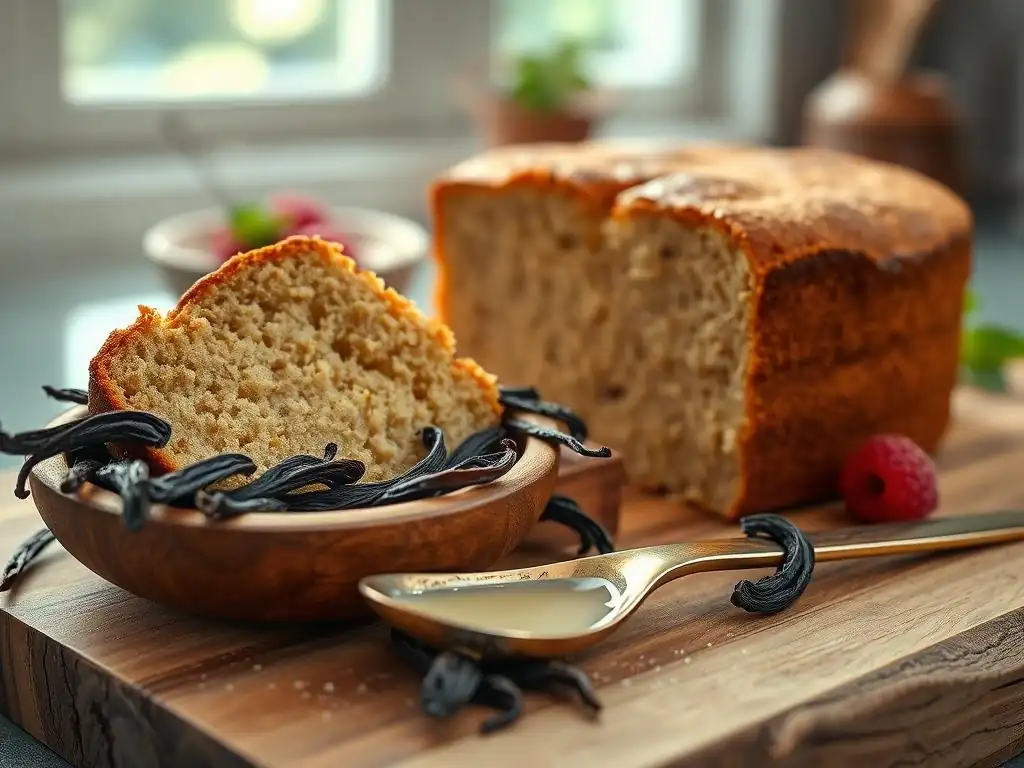
Getting the most out of your high-quality vanilla investment requires understanding how to store it properly and employ techniques that extract and preserve its delicate flavors. Even the best vanilla can lose its potency if mishandled. Mastering storage and usage techniques ensures that every drop of extract or scrape of a bean contributes maximum flavor to your gourmet vanilla baking recipes.
Proper technique is just as important as ingredient quality. Knowing when to add vanilla during the cooking process, how to handle sensitive compounds, and avoiding common pitfalls will help you unlock the full potential of your premium vanilla.
Tips for Storing Vanilla Beans and Extracts
Proper storage is crucial for maintaining the potency and flavor of high-quality vanilla beans and extracts. Vanilla beans should be stored in an airtight container (like a glass tube or jar) in a cool, dark place, away from direct sunlight and heat. They should not be refrigerated, as this can dry them out and lead to mold. If beans seem to be drying out, you can briefly "rehydrate" them by gently warming them in a slightly damp cloth, but this is a temporary fix; proper airtight storage is key to longevity, typically 1-2 years if stored correctly.
High-quality vanilla extract should also be stored in a cool, dark place, away from heat and light. The alcohol content acts as a natural preservative, meaning pure vanilla extract technically doesn't expire, but its peak flavor is usually best within 5 years. Ensure the bottle is tightly sealed after each use to prevent the alcohol and volatile flavor compounds from evaporating. Avoid storing it near the oven or on a windowsill. Proper storage ensures your valuable ingredient is ready to perform in your next batch of gourmet vanilla baking recipes.
Extracting the Most Flavor from Vanilla
To maximize the flavor from vanilla beans, you need to ensure you're getting both the seeds and utilizing the pod. Simply chopping a bean and adding it to a batter won't yield the same results as properly scraping the seeds and infusing liquids with the pod. The seeds contain a concentrated burst of flavor, while the pod holds many aromatic compounds that are best released through gentle heat and infusion.
For extracts, incorporating it into the wet ingredients, particularly those containing fat (like butter or oil), helps distribute the flavor molecules effectively. Adding vanilla extract at room temperature, rather than directly into a very hot mixture, can also help preserve some of the more delicate volatile notes that might otherwise evaporate.
Scraping Vanilla Beans: The Right Way
Scraping a vanilla bean properly is essential for accessing the concentrated flavor held within the tiny seeds, often referred to as "vanilla caviar." After splitting the bean lengthwise with a sharp knife, open it gently. Use the back (dull side) of the knife or a small spoon to carefully scrape down the entire length of each half, pressing firmly but not tearing the bean. This should yield a dark, paste-like substance filled with visible black specs.
This scraped vanilla paste is packed with flavor compounds. It should be added directly to your recipe's wet ingredients. For example, whisking it into warmed milk for a custard or creaming it with butter and sugar for a cake batter helps disperse the seeds and flavor evenly. Don't rush this step; a thorough scrape ensures you capture all the precious caviar for your gourmet vanilla baking recipes.
Infusing Liquids with Vanilla Bean Pods
After scraping the seeds from a vanilla bean, the pod still contains significant flavor that can be extracted through infusion. This is particularly effective in recipes involving liquids like milk, cream, sugar syrups, or even alcohol bases. Simply add the scraped vanilla pod to the liquid, bring it to a gentle simmer (do not boil vigorously), then remove from the heat, cover, and let it steep for 15-30 minutes.
The warm liquid helps draw out the remaining aromatic compounds from the pod. Remember to remove the pod before using the infused liquid in your recipe. The infused liquid will carry a subtle yet distinct vanilla note. You can also rinse and dry the steeped pod and still use it to make vanilla sugar or grind it into powder, further maximizing your use of the high-quality bean in gourmet vanilla baking recipes.
Avoiding Common Mistakes When Baking with Vanilla
Several common mistakes can diminish the impact of high-quality vanilla in your baking. One major error is using insufficient amounts. While premium vanilla is potent, recipes are often calibrated for standard extracts. If substituting a high-quality extract for imitation, you might use the same amount, but if switching from a weaker pure extract to a double-fold, you'll likely need less. Always taste and adjust if possible.
Another mistake is adding vanilla extract to extremely hot mixtures right away, allowing volatile flavor compounds to evaporate. If possible, stir vanilla into mixtures after they have cooled slightly or towards the end of cooking/mixing. For beans, ensure they are properly scraped and the seeds are distributed evenly. Using too much vanilla can also be detrimental, giving baked goods a bitter or overly alcoholic taste, especially with extracts. Finding the right balance is key to perfecting gourmet vanilla baking recipes.
Where to Buy the Best High-Quality Vanilla: Brands and Retailers
Sourcing high-quality vanilla requires knowing where to look beyond the standard grocery store aisle. Premium vanilla beans and extracts are available from a variety of retailers, each offering different selections and price points. Exploring these options helps you find the best value and specific types of vanilla needed for your gourmet vanilla baking recipes.
From large online marketplaces to specialized spice shops, the availability of diverse vanilla products has increased significantly. Understanding where to find reputable sellers and what factors influence pricing can help you make informed decisions about your vanilla purchases.
Online Retailers Offering High-Quality Vanilla: Amazon, Etsy
Online retailers offer a wide selection of high-quality vanilla products, often from smaller suppliers or international sources that might not be available locally. Large platforms like Amazon host numerous sellers offering everything from bulk vanilla beans from various origins (like Madagascar, Tahitian, Mexican, Ugandan) to premium extracts from independent producers. While convenience is high, it's crucial to check seller reviews and product descriptions carefully to ensure quality and authenticity. Look for sellers specializing in spices or vanilla specifically.
Etsy can also be a source for high-quality vanilla, often featuring small-batch producers selling artisanal extracts or unique vanilla bean varieties. Buying from these sellers might offer a more direct connection to the source or maker and potentially very fresh products. When buying beans online, check for descriptions mentioning moisture content (Grade A beans typically have 30%+ moisture), aroma, and flexibility. Prices can vary significantly, so comparing options is advisable for finding the best value for your gourmet vanilla baking recipes.
Specialty spice shops, gourmet food stores, and baking supply stores are excellent places to find premium vanilla. These retailers often curate selections of high-quality ingredients and may have staff knowledgeable about the different types and origins of vanilla. Shopping in person allows you to examine vanilla beans for plumpness and aroma before purchasing, which isn't possible online.
These stores might carry extracts from smaller, reputable producers not found in large supermarkets, or offer single-origin extracts that highlight specific flavor profiles. While prices per ounce might be higher than bulk online purchases, the assurance of quality and expert advice can be invaluable for serious bakers seeking the best ingredients for their gourmet vanilla baking recipes. Some regional shops might even carry vanilla products from local extract makers.
Understanding Pricing and Value in High-Quality Vanilla
The price of high-quality vanilla beans and extracts can seem steep compared to imitation vanilla, but understanding the factors influencing cost helps assess value. Vanilla is the second most expensive spice in the world (after saffron) due to its labor-intensive cultivation and curing process. Price fluctuates based on global supply, weather conditions, and political stability in growing regions. A single high-quality Grade A vanilla bean might cost anywhere from $5 to $10 or more, depending on origin and market conditions.
High-quality vanilla extracts are priced based on the quality and quantity of beans used (fold), the extraction process, and aging. A small bottle (e.g., 2 oz) of premium single-fold extract might cost $10-$20, while a double-fold could be $20-$40+. When evaluating value for gourmet vanilla baking recipes, consider the potency; a double-fold extract is more concentrated, so you use less, potentially making the cost per batch of cookies or cake comparable to using more of a cheaper, weaker extract. Investing more upfront often yields significantly better flavor results.
The Economics of High-Quality Vanilla: Is It Worth the Investment?
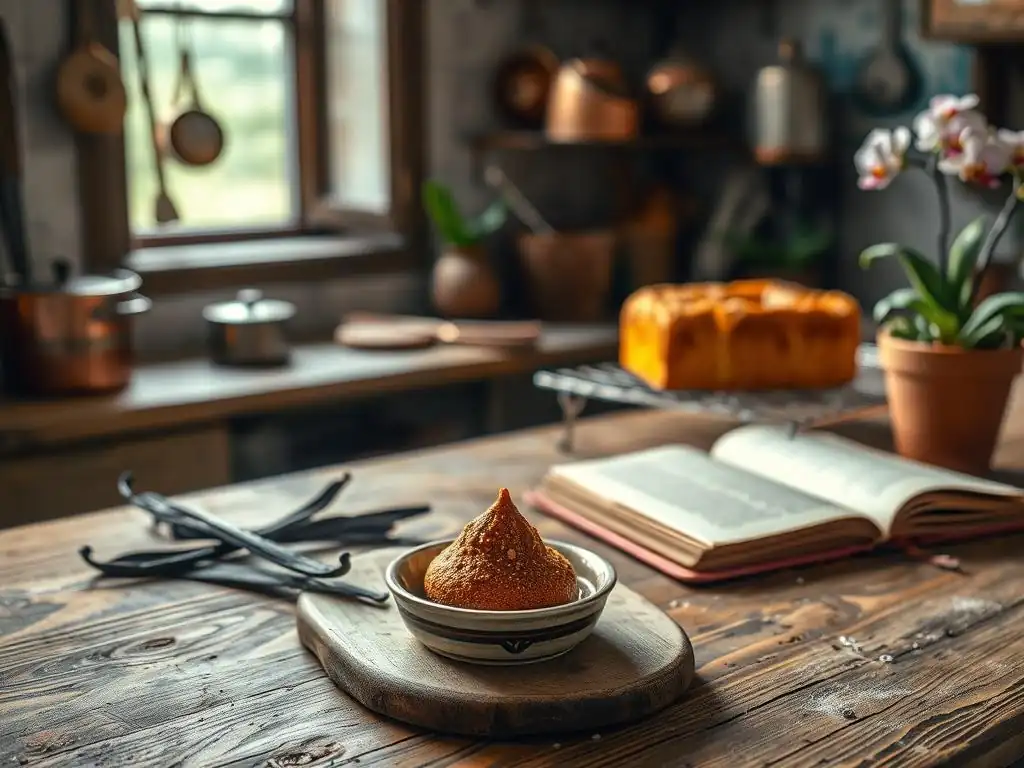
For many home bakers, the price difference between standard and high-quality vanilla can be a barrier. However, when you consider the impact on the final product and the relative cost per serving in many baked goods, the investment in premium vanilla often proves worthwhile, especially for gourmet vanilla baking recipes. It's about prioritizing flavor in the ingredients that matter most.
Think about the total cost of a batch of cookies or a cake. The flour, sugar, butter, and eggs are often the most significant expenses. The amount of vanilla used, even high-quality vanilla, is typically small relative to these bulk ingredients. The incremental cost increase for using premium vanilla is often marginal per serving, yet the flavor improvement is dramatic.
The ROI of High-Quality Vanilla in Your Baking
The "Return on Investment" (ROI) of using high-quality vanilla in your baking is measured in flavor, aroma, and overall enjoyment. While a pound of flour might cost $2-$4 and yield dozens of cookies, a single high-quality vanilla bean costing $6 might flavor only one or two batches of a specific recipe like crème brûlée. However, that single bean elevates that dessert from good to exceptional, making it a memorable culinary experience.
For gourmet vanilla baking recipes, where flavor complexity is the goal, the ROI is high because the vanilla's contribution is so significant. It's similar to using high-quality chocolate in brownies or premium butter in croissants; the better the core flavor ingredient, the better the final product, justifying the higher cost for discerning palates. The satisfaction of creating something truly delicious with superior ingredients is a valuable return in itself.
Considering the Cost per Serving: High-Quality vs. Standard Vanilla
Let's consider the cost per serving using a hypothetical example. A standard 8oz bottle of imitation vanilla might cost $5, while an 8oz bottle of high-quality pure vanilla extract might cost $40. At first glance, that's a huge difference. However, imitation vanilla often requires more to achieve a noticeable (though still inferior) flavor, and its flavor can bake out more easily.
A typical cookie recipe might use 1-2 teaspoons of vanilla. There are about 48 teaspoons in an 8oz bottle.
- Using imitation: $5 / 48 tsp ≈ $0.10 per tsp.
- Using high-quality pure extract: $40 / 48 tsp ≈ $0.83 per tsp.
If a recipe calls for 1 tsp, the difference per batch is about $0.73. If a batch makes 24 cookies, the cost difference per cookie is less than $0.04. For gourmet vanilla baking recipes, that minimal extra cost per serving delivers a flavor impact far exceeding the price difference, making it a worthwhile upgrade for the quality-conscious baker.
Alternatives to High-Quality Vanilla (and Why They Fall Short)
The most common alternative to high-quality pure vanilla is imitation vanilla extract. This product is typically made from synthetic vanillin, a chemical compound that is the primary flavor component of natural vanilla but lacks the hundreds of other aromatic compounds found in the bean. While imitation vanilla is significantly cheaper (often less than $1 per ounce), its flavor is often described as one-dimensional, harsh, or overly sweet.
Imitation vanilla also tends to lose more flavor when exposed to heat during baking compared to pure extract. While it might be acceptable for very simple recipes or situations where cost is the absolute primary concern, it simply cannot replicate the depth, complexity, and lingering aroma that high-quality pure vanilla brings to gourmet vanilla baking recipes. Other alternatives like vanilla powder (dried, ground beans) or vanilla paste (a mix of extract and bean seeds) are generally high-quality options themselves, just in different forms.
High-Quality Vanilla Baking: Troubleshooting and FAQs
Even when using the best ingredients, baking can sometimes present challenges. Understanding common issues related to vanilla and having answers to frequently asked questions can help you troubleshoot problems and improve your gourmet vanilla baking recipes. From ensuring even flavor distribution to understanding why your vanilla might not seem potent, addressing these points is key to consistent success.
This section aims to provide practical advice for bakers working with high-quality vanilla, helping them avoid pitfalls and confidently use this premium ingredient to its full potential.
Addressing Common Issues with Vanilla in Recipes
One common issue is the vanilla flavor seeming weak or baking out. This can happen if the vanilla extract is low quality, added too early in a high-heat process, or if too little is used for the overall volume of the recipe. Ensure you're using a reputable, potent extract and consider adding it towards the end of mixing wet ingredients or even after the mixture has cooled slightly for things like sauces or custards.
Another issue, particularly with vanilla beans, can be uneven distribution of seeds or flavor. Properly scraping the bean into a paste and whisking it into a liquid or creaming it thoroughly with butter and sugar helps disperse the flavor evenly throughout the batter or dough. If seeds clump, the flavor won't be consistent. For gourmet vanilla baking recipes relying on visual appeal, ensure seeds are well-dispersed.
Frequently Asked Questions About Vanilla for Baking
- Can I substitute vanilla bean for extract and vice versa? Yes, with adjustments. As a general rule, one whole vanilla bean is roughly equivalent in flavor to 1 to 2 teaspoons of single-fold vanilla extract. However, the bean adds seeds and a slightly different flavor profile. If substituting extract for a bean in a recipe calling for seeds (like crème brûlée), you'll miss the visual appeal and some flavor nuances, but you can use 1.5-2 tsp of high-quality extract per bean. If substituting a bean for extract, scrape the seeds and add them, perhaps infusing the pod in a liquid component if applicable.
- Does the alcohol in extract affect baking? The small amount of alcohol in pure vanilla extract typically evaporates during baking, leaving only the flavor compounds behind. The alcohol is primarily a solvent for extraction and a preservative.
- Why are my vanilla beans dry? Vanilla beans dry out if not stored properly in an airtight container. They should be plump and flexible. Dry beans have lost moisture and some flavor. While you can try to rehydrate them slightly, they won't regain their original quality. Proper storage is key.
- What's the difference between vanilla extract and vanilla flavoring? Pure vanilla extract is made from real vanilla beans, alcohol, and water. Vanilla flavoring, or imitation vanilla, is made from synthetic vanillin and other artificial ingredients. Pure extract provides a complex, natural flavor, essential for gourmet vanilla baking recipes.
- Is darker vanilla extract better? Not necessarily. The color of vanilla extract is influenced by the beans used, the extraction process, and aging. A very dark color doesn't automatically guarantee higher quality or potency; flavor comes from the compounds extracted, not just the pigment. Focus on reputable brands and bean origin/fold descriptions.
Frequently Asked Questions
What makes a vanilla recipe "gourmet"?
A "gourmet" vanilla baking recipe often uses high-quality vanilla beans, vanilla extract, or vanilla paste to deliver a richer, more complex flavor compared to using imitation vanilla. This emphasis on superior ingredients is what elevates the dish.
What are the different types of vanilla I can use in baking?
You can use whole vanilla beans, vanilla extract, vanilla paste, or vanilla powder. Each offers a different intensity and profile; beans and paste provide the most intense flavor.
How do I properly store vanilla beans to maintain their quality?
Store vanilla beans in an airtight container in a cool, dark place. Avoid refrigeration, as this can dry them out. Proper storage helps maintain their moisture and aroma.
Can I substitute vanilla extract with vanilla paste in a recipe?
Yes, you can usually substitute vanilla extract with vanilla paste at a 1:1 ratio. However, keep in mind that vanilla paste contains tiny vanilla bean specks which will add visual appeal.
What are some common mistakes to avoid when baking with vanilla?
Avoid using expired vanilla extract, which loses its potency. Also, be careful not to overbake vanilla-flavored goods, as this can cause the vanilla flavor to dissipate.
Final Reflection: The Enduring Allure of Gourmet Vanilla
The subtle nuances of gourmet vanilla bean are not merely a culinary luxury; they are the key to unlocking unparalleled depth and complexity in your baking. The difference between mass-produced extract and the rich, fragrant notes of a high-quality vanilla bean is transformative, elevating even the simplest recipes to extraordinary heights. This isn't just about taste; it's about experiencing the artistry of baking on a whole new level.
The impact of quality ingredients on the overall sensory experience is undeniable. The journey from a simple vanilla cake to a masterpiece is often paved with the careful selection of ingredients, and the vanilla bean sits at the heart of this transformation. The best things in life are simple, but not easy.
This quote perfectly encapsulates the effort involved in sourcing and using high-quality vanilla, but the reward—a richer, more nuanced flavor profile—is well worth the investment. The enduring appeal of gourmet vanilla speaks to our innate desire for excellence and authenticity in the food we create and consume.
Now, consider your own baking journey. What small changes can you make to elevate your creations? Perhaps it's time to explore the world of gourmet vanilla beans, to experiment with different origins and intensities, to truly understand the impact of this remarkable ingredient. Don't just bake; craft an experience. Embrace the subtle complexities, the fragrant aromas, and the unparalleled satisfaction of using the finest ingredients to create something truly special. The journey of culinary exploration awaits – begin with a single, exquisite vanilla bean.
Unleash Your Inner Pastry Chef: Elevate Your Baking Today!
Thanks for taking the time to explore the world of gourmet vanilla with us! You've now discovered the incredible difference high-quality vanilla can make in your baking. Ready to put this knowledge into practice?
- Bake your best creation yet! Experiment with a gourmet vanilla bean in your favorite recipe and experience the transformation firsthand. Note the difference in flavor complexity and aroma.
- Share your vanilla-infused masterpiece! Snap a photo and post it on social media – let's inspire others to elevate their baking too! Use #BakeWithEaseVanilla.
- Explore our blog for more tips and tricks on using gourmet vanilla in your baking. We've got loads of exciting recipes to share!
So, what delicious adventure will gourmet vanilla take you on next?