
Vanilla Paste: Is It the Perfect Compromise Between Extract and Bean?

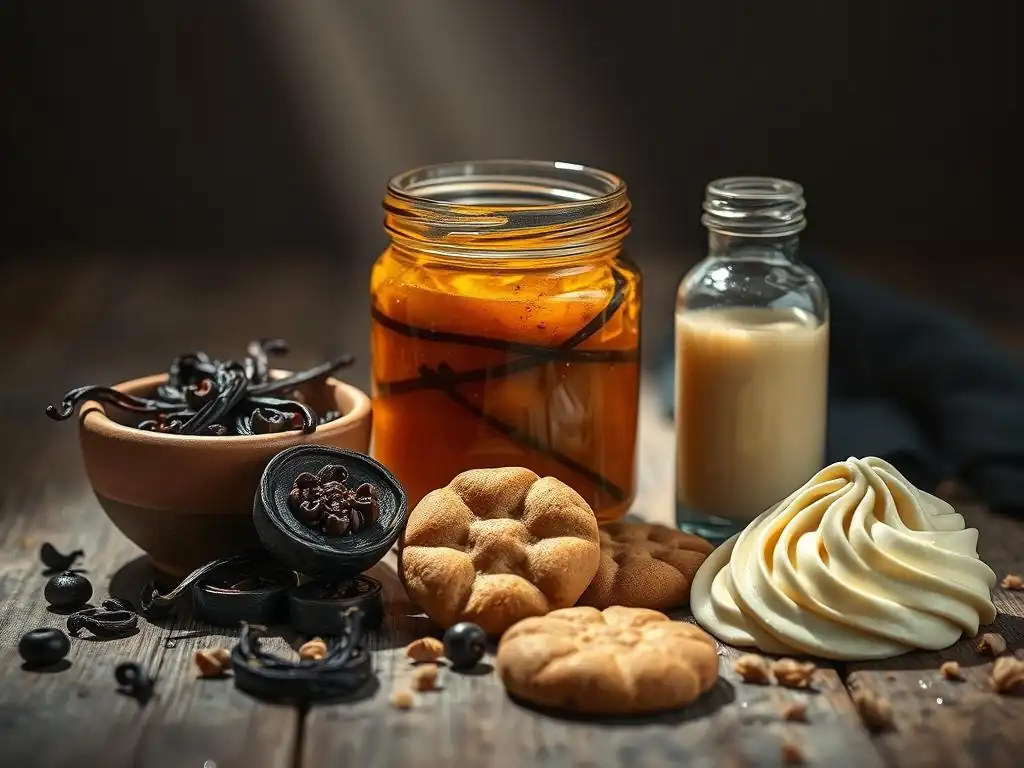
Welcome to BakeWithEase, your haven for effortless baking! Ever wondered if there's something even better than vanilla extract for adding that perfect touch of flavor? Dive into our latest exploration of premium baking ingredients as we unravel the secrets of vanilla paste vs extract. Is vanilla paste the ultimate compromise you've been searching for? Read on to discover its unique properties and elevate your baking game!
- Vanilla Paste: Bridging the Gap Between Extract and Bean for Enhanced Flavor
- Understanding Vanilla: A Baker's Essential
- Vanilla Paste vs. Extract: A Detailed Analysis
- Vanilla Bean: The Pinnacle of Vanilla Flavor
- When to Use Vanilla Paste: Optimizing Recipes for Flavor and Aesthetics
- Choosing the Right Vanilla Paste: Quality and Characteristics
- Recommended Vanilla Pastes: Brands and Products
- Vanilla Paste Alternatives: Expanding Your Vanilla Options
- Maximizing Vanilla Flavor: Tips and Techniques
- Conclusion: Vanilla Paste as a Valuable Baking Asset
-
Frequently Asked Questions
- What exactly is vanilla paste and how does it differ from vanilla extract?
- When should I use vanilla paste instead of vanilla extract in my baking?
- Can I substitute vanilla paste for vanilla extract in a recipe, and if so, what's the conversion?
- Is vanilla paste more expensive than vanilla extract, and is it worth the extra cost?
- How should I store vanilla paste to maintain its quality and flavor?
- Final Reflection: The Enduring Allure of Authentic Vanilla
- Unlock the Secrets of Vanilla Paste!
Vanilla Paste: Bridging the Gap Between Extract and Bean for Enhanced Flavor
Understanding Vanilla: A Baker's Essential
The Role of Vanilla in Baking: Enhancing Flavor Profiles
Vanilla is far more than just a sweet aroma; it's a crucial flavor enhancer that adds depth, complexity, and a comforting note to countless baked goods. Its presence helps to smooth out harsh edges, mellow acidic ingredients, and bring balance to other flavors like chocolate, fruit, or spices. A good quality vanilla can transform a simple sugar cookie into a memorable treat or elevate a basic sponge cake into something truly special. It acts as a foundation, allowing other flavors to shine while contributing its own subtle, intricate notes.
Beyond its primary flavor contribution, vanilla also plays a role in perception. Its warm, inviting scent triggers positive associations, making baked goods feel more homemade and comforting. While often used in conjunction with other ingredients, the pure, clean flavor of vanilla itself is celebrated in classic recipes like vanilla bean ice cream, vanilla custard, and vanilla panna cotta, where its nuanced profile is the star. Understanding how different forms of vanilla interact with heat and other ingredients is key to unlocking their full potential in your baking.
Exploring Vanilla Forms: Extract, Bean, and Paste - A Comparative Overview
When you browse the baking aisle, you'll typically find vanilla available in three primary forms: extract, whole beans, and paste. Each offers a distinct experience in terms of flavor intensity, aroma, texture, and cost, leading to a common consideration among bakers regarding vanilla paste vs extract or bean. Vanilla extract is the most common, made by macerating vanilla beans in alcohol and water, resulting in a liquid that's easy to measure and incorporate.
Vanilla beans are the original source, offering the purest, most complex flavor and aroma, containing thousands of aromatic compounds. They require scraping the tiny seeds (often called "caviar") from inside the pod. Vanilla paste, the focus of this article, sits somewhere between extract and bean.
It's typically a concentrated mix of vanilla extract and vanilla bean seeds, often thickened with a natural gum. This creates a viscous product that combines the convenience of an extract with the visual appeal and some of the intense flavor of the whole bean, offering an intriguing option in the vanilla paste vs extract debate.
Vanilla Paste vs. Extract: A Detailed Analysis
Vanilla Extract: Convenience and Cost-Effectiveness
Vanilla extract is the workhorse of the baking world for good reason. Its liquid form makes it incredibly easy to measure accurately and mix seamlessly into batters, doughs, and liquids without altering texture. This ease of use contributes significantly to its popularity, especially for everyday baking where speed and consistency are priorities. A standard recipe might call for just one or two teaspoons, which disperse evenly throughout the mixture, ensuring a uniform vanilla flavor in every bite.
Furthermore, vanilla extract is generally the most budget-friendly option among the three main forms of vanilla. While prices vary based on quality (pure vs. imitation) and brand, a bottle of pure vanilla extract is typically significantly less expensive per teaspoon than using whole vanilla beans or high-quality vanilla paste. This accessibility makes it a staple in most home kitchens, providing reliable vanilla flavor without a significant financial investment, positioning it as the most economical choice in the vanilla paste vs extract comparison.
Pros of Vanilla Extract: Affordability, Accessibility, and Ease of Use
Vanilla extract is widely available in virtually every grocery store, making it the easiest form of vanilla to acquire. Its production process allows for large-scale manufacturing, contributing to its lower cost compared to forms directly using the labor-intensive beans. A small bottle can last for many baking projects, providing excellent value.
Its liquid consistency is perfect for quickly adding flavor without extra steps. Whether you're whipping up a quick batch of muffins, mixing cookie dough, or stirring it into a simple glaze, a few drops of extract are all it takes. This convenience is a major advantage for busy bakers and a key point when considering vanilla paste vs extract for speed and simplicity.
Cons of Vanilla Extract: Potential for Artificial Flavors, Subtler Flavor Profile
One significant drawback, especially with cheaper options, is the prevalence of imitation vanilla extract. This product uses vanillin, a synthetic compound that mimics some aspects of vanilla flavor but lacks the complexity and depth of pure vanilla derived from beans. While pure vanilla extract exists and is superior, even pure extract can sometimes have a simpler flavor profile compared to the hundreds of aromatic compounds found in a whole bean or high-quality paste.
Heat can also affect vanilla extract more significantly than other forms. The alcohol base and lighter aromatic compounds can evaporate during baking, potentially leading to a less intense vanilla flavor in the final product than desired. While still effective, the nuanced notes present in the bottle might not fully translate after exposure to high oven temperatures, which is a factor to consider when evaluating vanilla paste vs extract for baked goods requiring robust vanilla presence.
Vanilla Paste: Balancing Flavor and Visual Appeal
Vanilla paste offers a compelling middle ground in the vanilla paste vs extract debate. It typically contains a concentrated amount of pure vanilla extract combined with the tiny, dark specks scraped from real vanilla beans. This combination means you get a more intense and complex flavor profile than standard extract, often closer to that of using a whole bean, but in a convenient, spoonable format. The viscosity of the paste also helps the flavor cling to ingredients more effectively.
Beyond flavor, the presence of vanilla bean seeds is a major draw for many bakers. These visible specks signal to anyone looking at the finished product that real vanilla beans were used, adding a touch of gourmet elegance and authenticity. Think of a classic crème brûlée or a simple vanilla ice cream – the little black dots are part of the appeal. Vanilla paste allows home bakers to easily achieve this visual effect without the effort and expense of scraping whole beans, making it a popular choice for achieving both taste and aesthetic goals.
Pros of Vanilla Paste: Rich, Complex Flavor, Visual Appeal with Bean Specks, Consistent Results
Vanilla paste delivers a flavor that is generally richer, more nuanced, and more aromatic than pure vanilla extract. Because it often includes both the extracted flavor compounds and those present in the seeds themselves, it captures more of the vanilla bean's full spectrum. This makes it particularly effective in recipes where vanilla is a primary flavor, such as custards, puddings, and light-colored cakes or frostings.
The visual appeal of the bean specks is undeniable. They lend an artisanal look to desserts, signaling quality ingredients to anyone enjoying the treat. Furthermore, using vanilla paste tends to provide more consistent results than trying to eyeball the amount of seeds scraped from a bean, ensuring replicable flavor and appearance batch after batch. This consistency is a significant advantage when comparing vanilla paste vs extract, especially when aiming for a strong, reliable vanilla presence.
Cons of Vanilla Paste: Higher Price Point, Potential for Clumping if Stored Improperly
Vanilla paste is typically more expensive than pure vanilla extract, though generally less costly than purchasing an equivalent amount of whole vanilla beans needed to achieve a similar flavor intensity and visual effect. The higher price reflects the concentrated nature of the product and the inclusion of real bean seeds. This cost can be a factor for bakers on a tight budget or for recipes that require large quantities of vanilla.
Another potential issue relates to its consistency and storage. Vanilla paste is thick and can sometimes clump, especially if it's not stored properly (usually in a cool, dark place, sealed tightly). While usually easy to stir smooth, significant clumping can make accurate measurement slightly more challenging than with a liquid extract. However, this is a minor concern compared to the benefits, but worth noting when evaluating vanilla paste vs extract based on ease of handling.
Key Differences: Flavor Intensity, Texture, and Cost
The most significant differences between vanilla paste vs extract lie in their flavor intensity, physical texture, and price. Flavor-wise, vanilla paste generally offers a more robust and complex profile than extract, bringing more of the subtle notes from the bean to your baking. Extract provides a clean, straightforward vanilla flavor that is less pronounced.
In terms of texture, extract is a free-flowing liquid, easy to pour and measure precisely. Vanilla paste is a thick, viscous semi-liquid containing visible seeds, which requires spooning and can add subtle texture to certain applications. Cost-wise, extract is the most affordable, followed by paste, and then whole beans, which are the most expensive per use. Understanding these core distinctions is crucial for deciding which form of vanilla is best suited for a particular recipe or baking goal, highlighting the practical aspects of vanilla paste vs extract.
Vanilla Bean: The Pinnacle of Vanilla Flavor
The Appeal of Vanilla Beans: Unmatched Aroma and Intricate Flavor
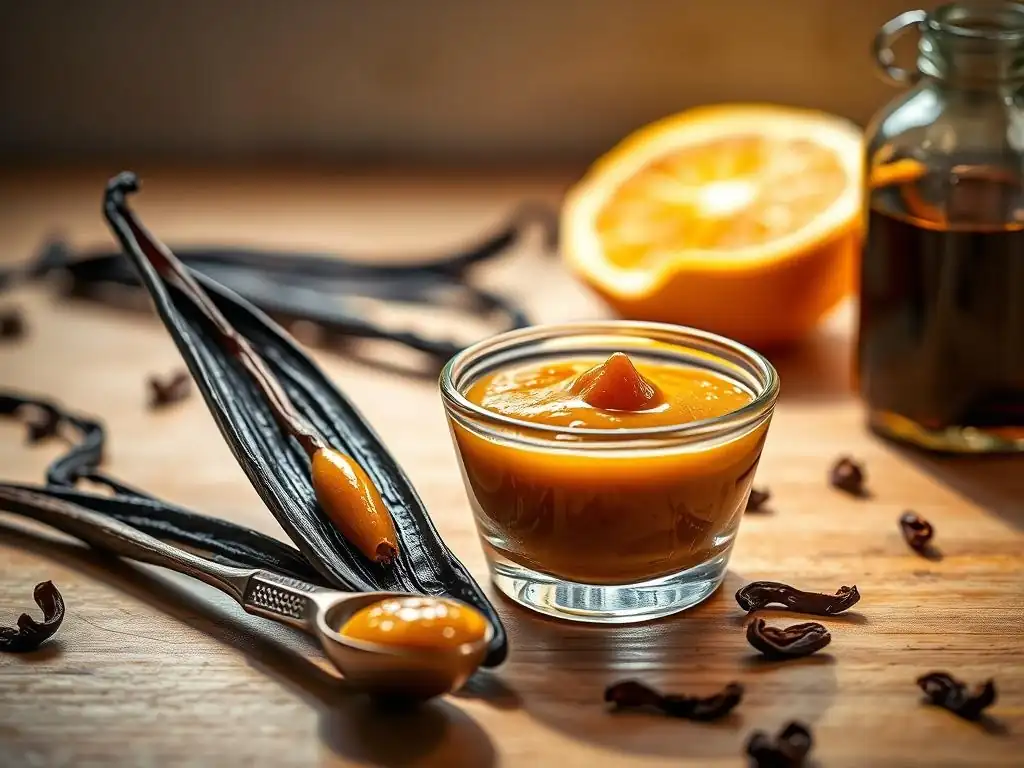
Vanilla beans are revered for a reason: they contain the full spectrum of vanilla's volatile compounds, offering an unparalleled depth of aroma and flavor. A high-quality vanilla bean, often described as plump and oily, releases a rich, intoxicating fragrance that hints at the complexity within. When you scrape out the tiny, fragrant seeds and incorporate them into a dish, you introduce hundreds of different flavor compounds that interact and evolve, creating a far more nuanced taste than what's typically found in extract or even paste.
Using a whole vanilla bean is an experience in itself, connecting the baker directly to the source of the flavor. The resulting taste is often described as creamy, floral, sweet, and sometimes even having subtle notes of spice or fruit, depending on the origin of the bean (like Madagascar, Tahitian, or Mexican). For recipes where vanilla is the star and you want the absolute best flavor and aroma, such as homemade ice cream bases, custards, or simple syrups, the complexity of a fresh vanilla bean is unmatched, setting the standard against which vanilla paste vs extract is often measured.
Considerations When Using Vanilla Beans: Cost and Preparation Time
While the flavor of vanilla beans is exceptional, they come with significant considerations, primarily cost and preparation time. High-quality vanilla beans are the most expensive form of vanilla by volume or per use. Prices can vary significantly based on global supply and demand, but a single bean might cost several dollars, making them a luxury ingredient for many home bakers. This high cost means they are often reserved for special recipes where their unique contribution truly shines.
Preparing vanilla beans also takes more effort than pouring extract or spooning paste. You need to split the bean lengthwise with a knife and then carefully scrape out the seeds using the back of the blade. This process, while simple, adds an extra step to your recipe preparation. While the scraped pod itself can often be steeped in liquids (like milk for custard) to extract further flavor, using the whole bean is a more involved process than simply reaching for a bottle or jar when comparing it to vanilla paste vs extract or other convenient forms.
When to Use Vanilla Paste: Optimizing Recipes for Flavor and Aesthetics
Vanilla paste is particularly well-suited for applications where you desire both intense vanilla flavor and the visual appeal of real bean specks. Its thicker consistency also makes it ideal for certain textures. Consider reaching for vanilla paste when your recipe calls for a strong vanilla presence that won't be completely masked by other flavors, or when you want to add that gourmet touch with visible vanilla seeds.
It performs exceptionally well in recipes that are light in color, allowing the dark specks to be easily seen, or in those that are cooked gently, preserving the paste's delicate aromatics. While it can be used in place of extract or bean in many recipes, understanding its unique properties helps you choose the best applications to truly showcase its benefits, finding the sweet spot in the vanilla paste vs extract vs bean spectrum.
Vanilla Paste in Cakes: Achieving a Moist and Flavorful Crumb
Using vanilla paste in cakes can contribute to both enhanced flavor and a slightly more moist crumb compared to using only extract. The thicker consistency of the paste helps it integrate smoothly into cake batter, distributing the flavor compounds and seeds evenly. Unlike extract, which is primarily alcohol and water, the paste's composition is denser, potentially affecting the batter's hydration just slightly, often for the better in terms of moisture retention.
The intense flavor of the paste ensures that the vanilla stands out even after baking, complementing the sweetness and richness of the cake. For instance, in a classic vanilla pound cake or a delicate sponge, the paste provides a clean, strong vanilla base that shines through. The visible bean specks also add a lovely visual cue within the crumb, indicating the use of real vanilla and elevating the perceived quality of the cake.
Example: Enhancing a Vanilla Layer Cake with Vanilla Bean Paste
Imagine baking a light, fluffy vanilla layer cake for a special occasion. Instead of the standard 2 teaspoons of vanilla extract, you substitute 2 teaspoons of high-quality vanilla bean paste. As you mix the batter, you'll notice the small black specks distributing throughout. After baking, the cake layers will have a richer, more complex vanilla aroma. When sliced, the crumb will reveal those tell-tale vanilla bean specks, adding a touch of sophistication. The flavor profile will be more rounded and intense than if only extract had been used, making each forkful a more pronounced vanilla experience.
Vanilla paste is a fantastic addition to cookie dough, particularly for recipes where vanilla is a prominent flavor, like sugar cookies, shortbread, or even chocolate chip cookies where it can enhance the chocolate. The paste's thicker texture integrates well into doughs without making them too wet, unlike adding too much liquid extract. It ensures that the concentrated vanilla flavor is locked into the dough, ready to infuse the cookies as they bake.
The heat of the oven helps to release the aromatic compounds from the paste and the seeds, resulting in cookies with a wonderfully inviting vanilla aroma and a deeply satisfying vanilla taste. The visible bean specks are also a lovely touch in lighter-colored cookies, adding visual interest and a hint of gourmet appeal. This makes vanilla paste a strong contender in the vanilla paste vs extract comparison for cookies where both flavor impact and appearance are desired.
Example: Elevating Sugar Cookies with Vanilla Paste and a Hint of Almond Extract
Consider a classic sugar cookie recipe. By replacing the typical 1 teaspoon of vanilla extract with 1 teaspoon of vanilla bean paste, and perhaps adding just a quarter teaspoon of almond extract for complexity, you transform a simple cookie. The paste blends beautifully into the dough. As the cookies bake, the kitchen fills with a potent vanilla aroma. The finished cookies will not only have a more intense, pure vanilla flavor but also showcase the small black specks, making them look as good as they taste and providing a richer experience than using extract alone.
Vanilla Paste in Frosting and Glazes: Creating Intense Vanilla Flavor
Frostings, glazes, and buttercreams are prime candidates for vanilla paste. Since these are often uncooked or cooked gently, the delicate flavors and aromas of the paste are well-preserved. The concentrated flavor ensures that the vanilla isn't lost amidst the sweetness of the sugar or richness of the butter. Furthermore, the viscosity of the paste helps it incorporate smoothly into creamy textures, unlike dry vanilla powder which might require more mixing.
The visual impact of the bean specks is perhaps most striking in light-colored frostings like Swiss meringue buttercream, American buttercream, or cream cheese frosting. The dark dots stand out beautifully against the pale background, instantly signaling quality and adding an elegant, professional finish to cakes, cupcakes, and pastries. Using vanilla paste here provides a superior flavor and aesthetic outcome compared to clear vanilla extract, making it a clear winner in the vanilla paste vs extract contest for frostings.
Example: Using Vanilla Paste to Add Depth to a Swiss Meringue Buttercream
Imagine preparing a silky smooth Swiss meringue buttercream for a layered cake. As you whip the butter into the meringue, you add 1.5 teaspoons of vanilla bean paste. The paste mixes in effortlessly, and immediately, the buttercream takes on a beautiful ivory hue dotted with countless tiny black vanilla seeds. The resulting frosting will have a pronounced, authentic vanilla flavor that perfectly balances the sweetness and richness of the butter, offering a far more sophisticated taste than if you had used clear vanilla extract, which would also leave the frosting pure white.
Choosing the Right Vanilla Paste: Quality and Characteristics
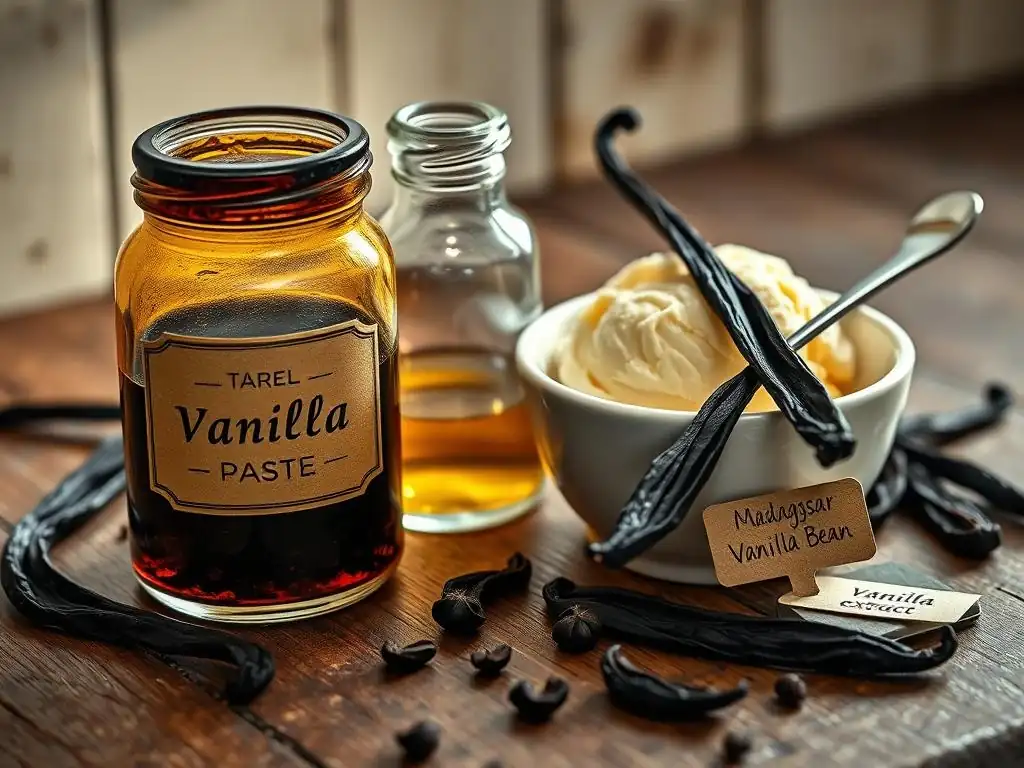
Selecting a high-quality vanilla paste is essential to experience its full benefits. Not all pastes are created equal, and factors like the source of the vanilla, the concentration of bean seeds, and the presence of other ingredients can significantly impact the flavor and performance. Understanding what to look for will help you make an informed decision and get the best value for your investment when choosing among the various vanilla paste options available.
Consider where the vanilla beans originated, as different regions yield distinct flavor profiles. Look at the ingredients list to understand the concentration of vanilla and whether any unnecessary additives are present. The consistency and how many visible seeds are in the paste are also indicators of its quality and how it will perform in your recipes. Making a thoughtful choice ensures you leverage the advantages of vanilla paste vs extract.
Understanding Vanilla Paste Ingredients: Focus on Purity and Source
A good quality vanilla paste should have a simple ingredients list, primarily consisting of vanilla bean extract, vanilla bean seeds, and a thickener (like tragacanth gum or xanthan gum). The best pastes will list vanilla extract and seeds high up on the list, indicating a high concentration. Pay attention to the type of vanilla bean used (e.g., Madagascar Bourbon, Tahitian), as this will influence the flavor profile – Madagascar is classic, creamy, and sweet, while Tahitian is more floral and fruity.
Avoid pastes with artificial flavors, colors, or excessive amounts of sugar or corn syrup as fillers. The goal is to get concentrated vanilla flavor and seeds, not diluted sweetness or artificial notes. Reading labels carefully and researching the brand's sourcing practices can help you find a pure, potent vanilla paste that delivers authentic flavor, highlighting the importance of ingredient quality when comparing vanilla paste vs extract or other vanilla forms.
Considering Vanilla Paste Consistency: Smooth vs. Seed-Heavy
Vanilla pastes vary in consistency, from relatively smooth and pourable to thick and packed with visible seeds. The consistency can affect how easily it measures and incorporates into different recipes. A thicker, seed-heavy paste might be preferred for applications where maximum visual impact is desired, like frostings or ice cream bases. It also often indicates a higher concentration of actual bean material.
A smoother paste might be easier to mix into delicate batters or liquids. Neither consistency is inherently superior; the best choice depends on your intended use. However, a paste that is too runny might indicate a lower concentration of vanilla solids, while one that is excessively thick or gummy might be difficult to work with. Look for a consistency that seems balanced and appropriate for the types of baking you typically do, ensuring you get the desired texture and seed distribution from your vanilla paste.
Vanilla Paste Price: Balancing Quality and Budget
As noted earlier, vanilla paste is generally more expensive than vanilla extract. Prices can range significantly based on brand, quality of beans used, and concentration. While it might be tempting to choose the cheapest option, investing in a higher-quality paste often yields significantly better flavor and aroma, making the cost per serving of flavor potentially more comparable to cheaper alternatives.
Consider your budget but also the impact you want the vanilla to have on your baking. For everyday recipes where vanilla plays a supporting role, a more budget-friendly pure extract might suffice. But for special occasions or recipes where vanilla is key, a good quality vanilla paste can be a worthwhile splurge. Think of it as paying for both intense flavor and the aesthetic appeal of the seeds, offering a premium option in the vanilla paste vs extract comparison.
Recommended Vanilla Pastes: Brands and Products
Please note: Specific product details and availability may vary.
[Brand A] Vanilla Bean Paste: A High-Quality Option for Professional Bakers
Known for using premium, single-origin vanilla beans, [Brand A] offers a vanilla bean paste favored by professional bakers and serious home cooks. This paste is typically thick and very rich in visible vanilla bean specks, indicating a high concentration of actual bean material. It delivers an exceptionally pure, intense, and complex vanilla flavor profile that truly stands out in finished baked goods and confections.
The high quality of the beans used contributes to a nuanced aroma and taste that can elevate even simple recipes. While often at the higher end of the price spectrum for vanilla paste, its performance and flavor impact are considered top-tier. Users often note its potent aroma straight from the jar and how effectively its flavor carries through baking.
[Brand B] Vanilla Paste: A Versatile Choice for Home Baking
[Brand B] offers a widely available vanilla paste that strikes a good balance between quality, flavor, and price, making it a popular choice for general home baking. It typically has a smooth consistency with a good amount of visible vanilla bean seeds, easy to measure and incorporate into various recipes, from cakes and cookies to frostings and sauces.
This paste provides a reliable, rich vanilla flavor that is a noticeable step up from standard extract, offering a good introduction to the benefits of using paste. It's versatile enough for a wide range of applications and is often found in major grocery stores. Its accessible price point makes it a practical option for bakers looking to upgrade from extract without a significant investment, positioning it well in the vanilla paste vs extract market for home use.
[Brand C] Vanilla Paste: An Affordable Option without Compromising Flavor
[Brand C] provides a more budget-friendly vanilla paste option that still manages to deliver a good vanilla flavor and the desired visual appeal of bean specks. While potentially less concentrated or using beans with a slightly less complex profile than premium brands, it offers a noticeable improvement over standard extract in terms of flavor intensity and aroma for a similar cost.
This paste is a great entry point for bakers curious about using vanilla paste but hesitant about the price of premium options. It performs well in common baking applications, adding both flavor and visual interest. It demonstrates that you don't always need to spend top dollar to get some of the key benefits of vanilla paste, making it a competitive choice when considering vanilla paste vs extract on a tight budget.
Vanilla Paste Alternatives: Expanding Your Vanilla Options
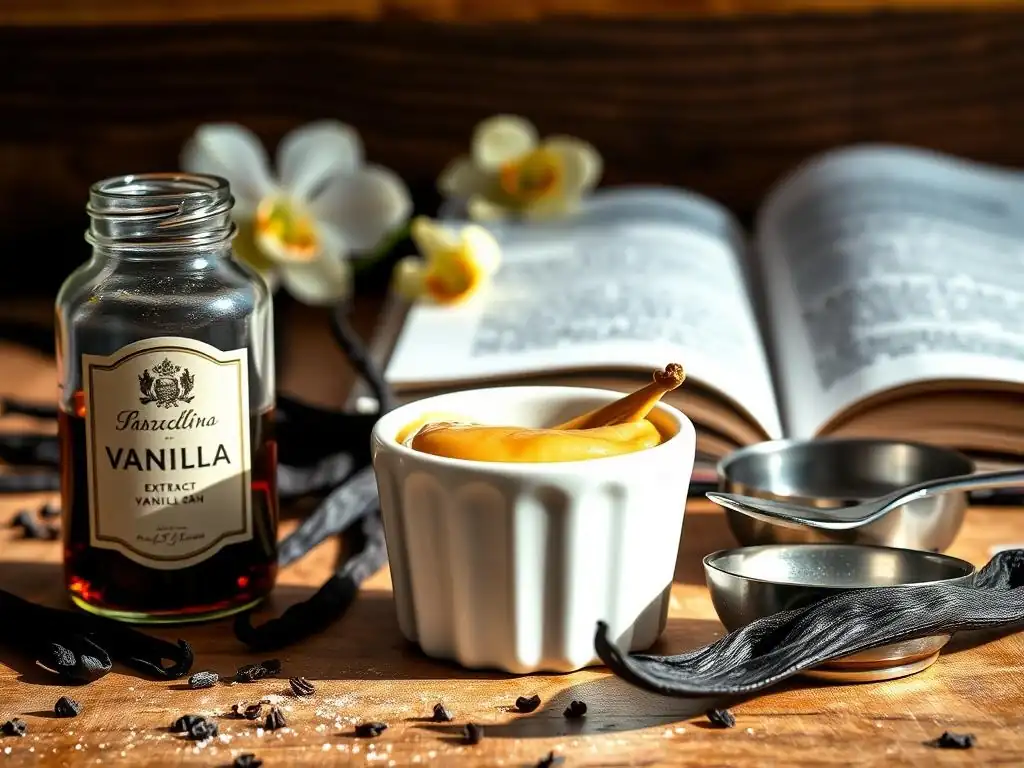
While extract, bean, and paste are the most common forms, vanilla is also available in other formats that offer unique benefits. Exploring these alternatives can provide even more ways to infuse your baking with delicious vanilla flavor. Each form has its own characteristics regarding concentration, ease of use, and ideal applications, broadening the possibilities beyond the standard vanilla paste vs extract comparison.
These alternative forms might be less common but can be incredibly useful for specific purposes, such as adding intense flavor without liquid or incorporating vanilla into dry mixes. Understanding these options allows you to choose the absolute best form of vanilla for any given baking task, optimizing both flavor and texture in your creations.
Vanilla Powder: A Concentrated and Convenient Option
Vanilla powder is made from dried, ground vanilla beans. It's a highly concentrated form of vanilla flavor and has the advantage of being alcohol-free and heat-stable, meaning its flavor doesn't evaporate during baking like some of the lighter compounds in extract might. Its powdered form makes it easy to measure and incorporate into dry mixes, spice blends, or even directly into batters and doughs where adding extra liquid is undesirable.
Because it's pure ground bean, it retains the full flavor profile of the vanilla bean. While it doesn't dissolve like extract or paste, it disperses as fine particles, offering intense flavor. It's typically more expensive than extract or paste but a little goes a long way. It's particularly useful in recipes that require intense vanilla flavor without adding moisture, such as rubs, shortbread cookies, or homemade powdered sugar mixes, offering a different dimension in the vanilla paste vs extract vs powder discussion.
Vanilla Sugar: A Subtle and Aromatic Infusion
Vanilla sugar is simply sugar that has been infused with the aroma and flavor of vanilla beans. This is often made by burying used or fresh vanilla bean pods in a jar of granulated sugar and letting it sit for a week or two. The sugar gradually absorbs the vanilla aroma and some flavor compounds, resulting in a fragrant, subtly vanilla-flavored sugar.
Vanilla sugar doesn't provide the intense burst of flavor that extract, paste, or powder does, nor does it add visible seeds. Instead, it adds a delicate, lingering vanilla note to recipes. It's excellent for dusting over baked goods, sweetening coffee or tea, or using in recipes where you want a gentle background vanilla flavor without altering the liquid content or adding specks. It's a simple, elegant way to utilize spent vanilla pods and add a touch of vanilla luxury.
Maximizing Vanilla Flavor: Tips and Techniques
Regardless of whether you choose vanilla paste vs extract, bean, or powder, there are techniques you can employ to ensure you get the most flavor out of your vanilla. Vanilla's flavor compounds are delicate and can be affected by heat, light, and air. Proper handling and storage are crucial for preserving its potency and aroma, ensuring that your investment in quality vanilla translates into delicious results in your baking.
Beyond storage, understanding how vanilla interacts with other ingredients and when to add it during the baking process can also significantly impact the final flavor. Pairing vanilla with complementary flavors can enhance its own profile, while adding it at the right stage ensures its volatile compounds aren't lost prematurely.
Pairing Vanilla Paste: Enhancing Complementary Flavors
Vanilla's versatility means it pairs well with a wide range of flavors. However, using vanilla paste with certain ingredients can create particularly harmonious combinations that enhance vanilla's own notes. It pairs beautifully with chocolate, bringing out its depth and richness. It's a classic partner for fruits like berries, apples, and pears, adding sweetness and complexity.
Vanilla also complements spices like cinnamon, nutmeg, cardamom, and ginger, adding warmth and balance. In dairy-based recipes like custards, creams, and ice creams, its creamy notes are amplified. Consider using vanilla paste in recipes featuring nuts, caramel, or coffee for delightful flavor pairings that make the most of its rich profile.
Storing Vanilla Paste: Preserving Freshness and Aroma
Proper storage is key to maintaining the quality and potency of your vanilla paste. Like other vanilla products, vanilla paste is sensitive to light, heat, and air. It should always be stored in a cool, dark place, away from direct sunlight and heat sources like ovens or stovetops. A pantry or cupboard is ideal.
Ensure the lid is tightly sealed after each use to prevent air exposure, which can dry out the paste and diminish its aroma. While vanilla paste has a relatively long shelf life (often 1-2 years if stored correctly), checking the best-by date is always a good idea. If the paste seems dry, has lost its potent aroma, or shows signs of mold, it's best to discard it. Correct storage ensures your vanilla paste remains a valuable asset in your kitchen.
Conclusion: Vanilla Paste as a Valuable Baking Asset
In the ongoing discussion of vanilla paste vs extract vs bean, vanilla paste emerges as a highly valuable tool in the baker's arsenal. It successfully bridges the gap between the convenience and affordability of extract and the intense flavor and visual appeal of whole beans. For many recipes, it offers a superior flavor profile compared to extract and the desired aesthetic of visible vanilla seeds without the higher cost and preparation time associated with using whole beans.
While it comes at a higher price point than standard extract, the enhanced flavor and the beautiful visual cue it provides often justify the cost, especially for recipes where vanilla plays a starring role. It allows home bakers to easily achieve results that look and taste more professional, bringing a touch of gourmet quality to everyday and special occasion baking alike.
Is Vanilla Paste the Right Choice? Weighing the Benefits
Deciding whether vanilla paste is the right choice for you depends on your baking goals, budget, and the specific recipe. If you prioritize convenience and cost above all else, extract is likely your go-to. If you demand the absolute highest, most complex flavor and don't mind the cost and effort, whole beans are the answer. However, if you seek a balance of intense, authentic vanilla flavor, the visual appeal of bean specks, and relative ease of use, vanilla paste is an excellent option.
Consider the recipe: for light-colored frostings, puddings, or cakes where vanilla is key and appearance matters, paste is often superior to extract. For recipes where vanilla is a subtle background note or where liquid volume is critical, extract might still be preferable. Weighing these factors helps you determine if vanilla paste offers the benefits that align with your baking needs.
Enhancing Baking with Vanilla Paste: A Worthwhile Investment
Incorporating vanilla paste into your baking repertoire can significantly enhance the flavor and aesthetic appeal of your creations. It's an investment in quality that translates directly into more delicious and visually appealing baked goods. From adding rich depth to cookies and cakes to creating stunning, speckled frostings and custards, vanilla paste provides a simple way to elevate your results.
Experimenting with vanilla paste in your favorite recipes, perhaps substituting it directly for extract (usually a 1:1 ratio, though some prefer slightly less paste due to concentration) or using it where you might have considered a bean, can reveal its power. For many bakers, once they experience the difference vanilla paste makes, it becomes an indispensable ingredient, proving that it's a worthwhile addition for enhancing their baking endeavors.
Frequently Asked Questions
What exactly is vanilla paste and how does it differ from vanilla extract?
Vanilla paste is a thick, syrupy substance containing vanilla bean seeds and extract. Unlike extract, it offers the visual appeal of vanilla bean and a more concentrated flavor.
When should I use vanilla paste instead of vanilla extract in my baking?
Use vanilla paste when you desire a more intense vanilla flavor and the visual speckles of vanilla bean. It's excellent in frostings, custards, and baked goods where appearance matters.
Can I substitute vanilla paste for vanilla extract in a recipe, and if so, what's the conversion?
Yes, you can! A general rule is to substitute 1 teaspoon of vanilla extract with 1 teaspoon of vanilla paste. Adjust to taste based on the recipe.
Is vanilla paste more expensive than vanilla extract, and is it worth the extra cost?
Generally, yes, vanilla paste is more expensive due to the inclusion of vanilla bean seeds. Whether it's worth it depends on your budget and the desired impact on your recipe.
How should I store vanilla paste to maintain its quality and flavor?
Store vanilla paste in an airtight container in a cool, dark place, away from direct sunlight and heat. Proper storage helps prevent it from drying out or losing its flavor potency.
Final Reflection: The Enduring Allure of Authentic Vanilla
The quest for the perfect vanilla flavor is far from over, and the debate between extract and bean rages on. However, vanilla paste, as we've explored, offers a compelling middle ground, bridging the gap between convenience and intense, natural flavor. Its versatility and ability to deliver both visual appeal and robust aroma make it a serious contender in the culinary world.
The journey through the world of vanilla, from the humble bean to the convenient paste, has underscored the importance of understanding the nuances of flavor and the impact of ingredient choices. The subtle differences between these forms of vanilla speak volumes about the dedication and artistry involved in crafting truly exceptional dishes. The simplest things are often the most extraordinary.
This quote rings true when considering the profound impact a single ingredient, like vanilla, can have on a culinary creation.
Now, consider your own kitchen. What role does vanilla play in your cooking and baking? Will you embrace the versatility of vanilla paste, allowing its rich flavor and visual appeal to elevate your creations? I encourage you to experiment, to explore the subtle differences, and to discover the vanilla that best suits your palate and your culinary aspirations. The world of vanilla awaits your exploration!
Unlock the Secrets of Vanilla Paste!
Thanks for exploring the wonderful world of vanilla paste with us! You've now discovered a versatile ingredient that elevates baking to a whole new level. Ready to put your newfound knowledge into practice?
- Bake your dream dessert: Choose your favorite recipe (or try a new one!) and substitute vanilla paste for extract – you'll be amazed by the intense flavor and beautiful texture. This is your chance to create something truly special!
- Share your creations: Show off your vanilla paste masterpieces on social media! Use #BakeWithEaseVanillaPaste and tag us – we love to see your baking adventures.
- Explore the flavor variations: Experiment with different types of vanilla paste—Tahitian, Bourbon, Mexican—to discover your new favorite! What unique flavor profiles will you unveil?
What incredible vanilla-infused treat will you bake first? Let us know in the comments below!