
Spotting a Star: How to Identify a HighQuality Vanilla Bean

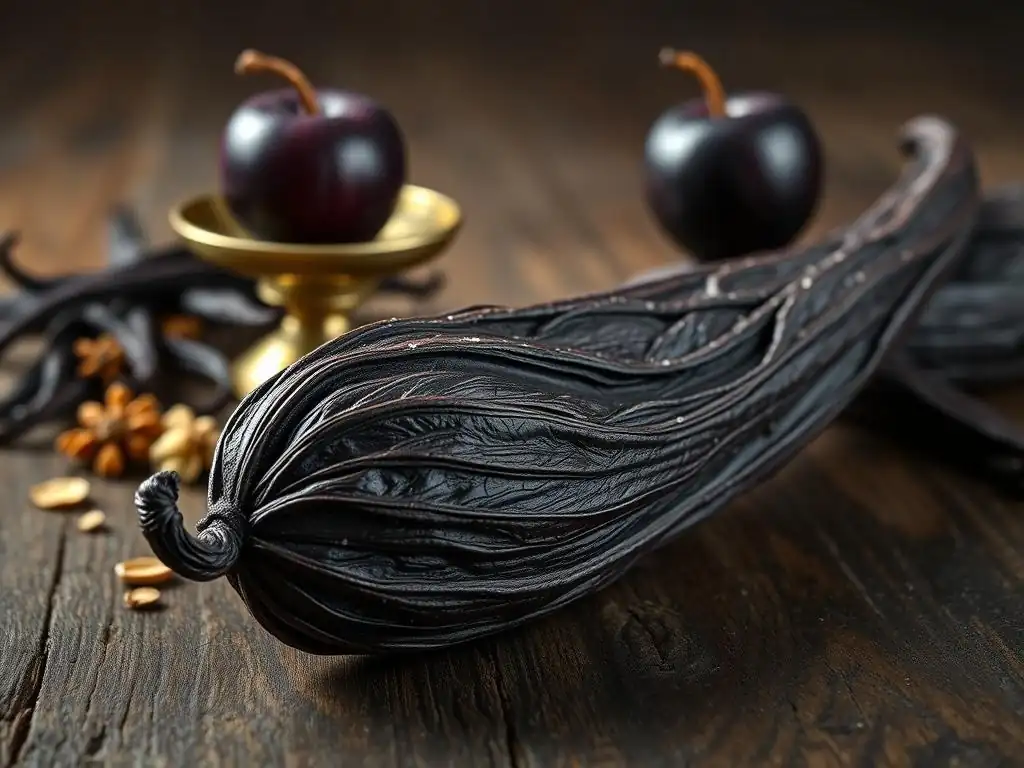
Welcome to BakeWithEase, your companion in the delightful world of baking! Ever wondered what truly sets apart an exceptional pastry or cake? The secret often lies in the quality of your ingredients. Let's unravel the mystery behind one baking essential: the high quality vanilla bean. Discover the telltale signs that distinguish a truly premium vanilla bean from the rest, and unlock a new level of flavor in your culinary creations. Ready to elevate your baking?
- The Ultimate Guide to Finding Premium Vanilla Beans for Baking
- Understanding Vanilla Bean Varieties: A Baker's Guide
- Key Characteristics of a High-Quality Vanilla Bean: A Visual and Tactile Guide
- Buying Guide: Where to Find the Best Vanilla Beans
- Storage Tips: Preserving the Quality of Your Vanilla Beans
- Using High-Quality Vanilla Beans in Your Baking: Recipes and Techniques
- Troubleshooting: Common Vanilla Bean Problems and Solutions
- Conclusion: Elevate Your Baking with Premium Vanilla Beans
-
Frequently Asked Questions
- What are the key indicators of a high quality vanilla bean?
- How does the appearance of a vanilla bean affect its flavor?
- Where is the best place to source high quality vanilla beans?
- What is the best way to store high quality vanilla beans to maintain their flavor?
- How can I tell if a vanilla bean is low quality?
- Final Reflection: The Enduring Allure of the Perfect Bean
- Unleash Your Inner Pastry Chef: Elevate Your Baking!
Why High-Quality Vanilla Beans Matter for Your Baking
Using a high-quality vanilla bean can dramatically transform the flavor profile of your baked goods. Unlike vanilla extract, which is made by steeping vanilla beans in alcohol, the whole bean contains thousands of tiny black specks, often called vanilla caviar or seeds, that are packed with intense, complex flavor compounds. These compounds release slowly during baking, infusing cakes, custards, and creams with a depth and richness that simply can't be replicated by lower-quality alternatives or even some extracts.
Think about a classic crème brûlée: the hallmark is often those visible black seeds and the pure, creamy vanilla flavor they provide. A poor-quality bean might offer some scent, but it lacks the oils and concentration of flavor that a premium vanilla bean possesses, resulting in a less vibrant and less authentic vanilla experience.
Moreover, the difference in flavor intensity means you often need less of a high-quality vanilla bean compared to a lesser one or even a standard extract to achieve the desired result. While a very rough estimate might suggest using about half an inch of a good bean per cup of liquid in a custard, this can vary greatly depending on the bean's quality. A plump, oily bean from a recent harvest will yield significantly more flavor (and caviar) than a dry, brittle one that's lost its essential oils.
Investing in a high-quality vanilla bean isn't just about achieving superior taste; it can also be more economical in the long run due to its potency, ensuring every bake delivers that unmistakable, luxurious vanilla aroma and flavor. This is why identifying a high quality vanilla bean is crucial for serious bakers.
Understanding Vanilla Bean Varieties: A Baker's Guide
Madagascar Bourbon Vanilla Beans: The Classic Choice
Madagascar Bourbon vanilla beans, scientifically Vanilla planifolia, are arguably the most popular and widely recognized type globally, accounting for an estimated 80% of the world's vanilla production. Their flavor profile is typically rich, creamy, sweet, and intensely aromatic, often described as having notes of caramel and butter.
This makes them incredibly versatile and a go-to for countless baking applications, from simple sugar cookies and classic pound cakes to complex sauces and ice creams. The term "Bourbon" doesn't refer to the alcohol but to the Bourbon Islands (now Réunion) off the coast of Madagascar, where the vanilla vine was first successfully cultivated outside of Mexico.
These beans are characterized by their plumpness, dark brown to black color, and oily sheen. When you split one open, you'll find an abundance of tiny, moist black seeds. Their high vanillin content – the primary flavor compound in vanilla – contributes significantly to their characteristic aroma and taste. For example, analytical tests often show vanillin levels between 1.5% and 2.5% in high-quality Madagascar beans. This consistent flavor profile makes them a reliable choice for bakers seeking that classic, comforting vanilla taste, ensuring that a dessert like vanilla bean cheesecake delivers on its promise of pure, sweet vanilla goodness.
Tahitian Vanilla Beans: Floral and Fruity Elegance
Tahitian vanilla beans, Vanilla tahitensis, are a distinct species from the planifolia variety and offer a unique flavor profile that sets them apart. Grown primarily in French Polynesia, Papua New Guinea, and parts of Indonesia, these beans are typically shorter, plumper, and have a more wrinkled appearance than Madagascar beans. Their aroma is often described as having pronounced floral, fruity, and sometimes cherry or licorice notes, with a less dominant vanillin presence compared to planifolia varieties. This makes them excellent for applications where you want a lighter, more fragrant vanilla presence that complements, rather than dominates, other flavors.
Pastry chefs often favor Tahitian vanilla for fruit-based desserts, delicate custards, or panna cotta where its floral and fruity nuances can shine. While their vanillin content is generally lower (often below 1.5%), they contain other aromatic compounds that contribute to their complex and exotic bouquet.
A specific example might be using Tahitian vanilla in a white chocolate mousse or a tropical fruit tart, where its unique notes can elevate the dish in a way that a standard vanilla cannot. Identifying a high quality vanilla bean of the Tahitian variety means looking for that characteristic plumpness and rich, complex floral aroma.
Mexican Vanilla Beans: Bold and Spicy Depth
Mexican vanilla beans, Vanilla planifolia, hail from the birthplace of vanilla and offer a flavor profile that is often described as bold, smoky, and spicy, sometimes with notes of clove or nutmeg. These beans are typically thicker and darker than their Madagascar counterparts. While they are the original source of vanilla, Mexico's production is generally smaller than Madagascar's, making them sometimes harder to find or more expensive. However, their unique characteristics make them a prized ingredient for specific culinary uses.
The robust flavor of Mexican vanilla stands up well to spices like cinnamon and chili, making it a fantastic choice for chocolate-based desserts, coffee drinks, or even savory dishes. For instance, adding Mexican vanilla to a mole sauce can provide an unexpected layer of depth and warmth. High-quality Mexican beans possess a rich, leathery texture and a strong, complex aroma that speaks to their heritage.
While precise vanillin content varies, their overall flavor complexity is what distinguishes them, offering bakers an alternative when seeking a vanilla flavor with more warmth and spice than the classic creamy profile. Choosing a high quality vanilla bean from Mexico means seeking out this distinctive, warm character.
Other Vanilla Bean Origins: Exploring Unique Flavors
Beyond the "big three" – Madagascar, Tahitian, and Mexican – vanilla beans are cultivated in various other regions, each offering its own subtle variations in flavor profile. Uganda, for example, produces Vanilla planifolia beans that are often described as having notes similar to Madagascar but sometimes with earthy or chocolate undertones. Indian vanilla, also planifolia, can range from woody and smoky to sweet and creamy depending on the region and curing process. Indonesian vanilla, another planifolia variety, is known for being smoky and sometimes phenolic, often used in blends but high-quality single-origin Indonesian beans can offer unique depth.
Exploring these less common origins allows bakers to fine-tune the vanilla flavor in their creations. For instance, a baker might choose Ugandan vanilla for a chocolate cake to complement the cocoa notes, or an Indian vanilla for a spice-heavy fruitcake. While specific data on flavor compounds varies widely by farm and curing method, the general principle holds: different terroirs and processing techniques yield different results. Seeking out these unique origins is part of the journey for bakers looking to master the use of high quality vanilla bean varieties and add a signature touch to their recipes.
Key Characteristics of a High-Quality Vanilla Bean: A Visual and Tactile Guide
The Look: Identifying the Perfect Vanilla Bean
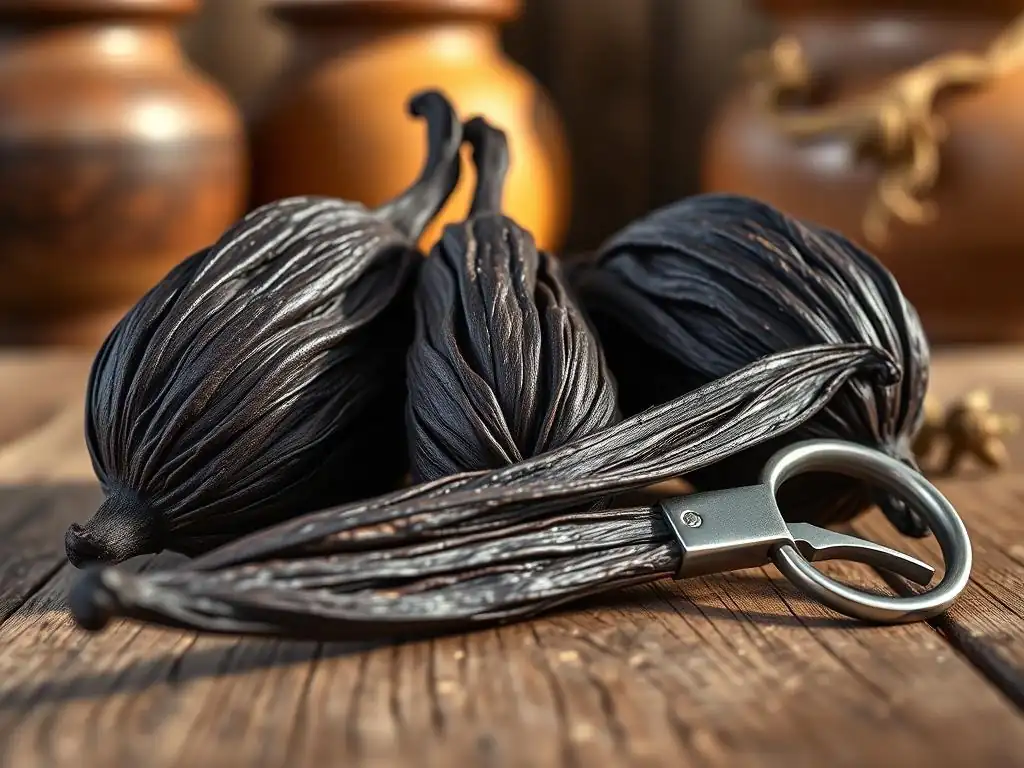
The visual appearance of a vanilla bean is the first and most crucial indicator of its quality. A high-quality vanilla bean should be plump, moist, and supple, never dry or brittle. It should have a rich, dark color, ranging from dark brown to black, and ideally possess a slight sheen or oiliness on its surface. This indicates the presence of essential oils, which carry the flavor compounds. Look for beans that are relatively uniform in thickness throughout their length; overly thin or shriveled sections can indicate a lack of moisture or proper curing.
Furthermore, check for small crystals, often called "vanilla frost" or "vanillin crystals," which may appear on the surface of exceptionally well-cured beans. These are naturally occurring vanillin, the primary flavor component, and are a sign of high concentration and proper aging. While not all premium beans will have visible crystals, their presence is a strong positive indicator. Avoid beans that look dull, excessively wrinkled (beyond the natural texture of Tahitian beans), or have light spots or cracks, as these suggest improper handling, drying, or age, leading to diminished flavor. A truly high quality vanilla bean looks alive and vibrant.
The Feel: Assessing the Texture and Flexibility
Beyond visual inspection, the texture and flexibility of a vanilla bean are critical tactile tests for assessing its quality. A premium vanilla bean should feel soft, pliable, and slightly oily when gently rolled between your fingers. It should be flexible enough that you can bend it without it snapping or breaking.
This suppleness is a direct result of the bean retaining its natural moisture content, which should ideally be between 25% and 35% for optimal flavor and shelf life. Beans that are too dry, feeling stiff or brittle, have lost significant moisture and essential oils, resulting in a weaker flavor.
Conversely, a bean that feels overly wet or slimy might indicate improper drying or even potential mold issues, though a slight oiliness is desirable. When you run your finger along the bean, it should feel smooth and plump, not flat or hollow. A simple test is to gently twist a small section of the bean; a high-quality bean will twist easily without cracking.
This flexibility is a hallmark of freshness and proper curing, ensuring that the precious vanilla caviar inside is moist and ready to release its intense flavor when scraped. Feeling for this perfect texture is key to selecting a high quality vanilla bean.
The aroma is perhaps the most telling characteristic of a high-quality vanilla bean. A fresh, premium bean should have a strong, intoxicating, and complex fragrance that is immediately noticeable even before you split it open. The specific notes will vary depending on the origin – creamy and sweet for Madagascar, floral and fruity for Tahitian, smoky and spicy for Mexican – but the intensity and richness should be consistent. The scent should be pure vanilla, without any off-notes like moldiness, smokiness (unless characteristic of the variety like some Mexican beans), or chemical smells.
When you gently squeeze or split the bean, the aroma should intensify, releasing a wave of complex fragrant compounds. This potent scent is a direct indicator of the high concentration of volatile oils and vanillin within the bean. A weak or faint aroma suggests that the bean is old, improperly stored, or of inferior quality, having lost much of its flavor potential. Think of opening a bag of truly premium beans – the scent should fill the air, promising exquisite flavor. A good quality vanilla bean will always announce its presence with a powerful, delightful fragrance.
Buying Guide: Where to Find the Best Vanilla Beans
Online Retailers: Convenience and Selection
Purchasing vanilla beans from reputable online retailers is often the best way to access a wide selection of high-quality vanilla bean varieties from different origins. Many specialized spice merchants and vanilla suppliers operate online, offering beans graded by quality (like Grade A, or gourmet grade, which signifies plumpness and moisture, vs. Grade B, or extract grade, which are drier and typically used for making extract). These retailers often source directly from growers or co-ops, ensuring freshness and providing detailed information about the beans' origin, curing process, and flavor profile.
When buying online, look for vendors who store their beans properly (often vacuum-sealed or in airtight pouches) and ship them quickly. Check customer reviews for comments on bean quality, freshness, and aroma. While prices can vary, expect to pay anywhere from $5 to $15 or more per bean for gourmet Grade A beans, depending on origin and market fluctuations.
Some reputable online sources provide Certificates of Analysis detailing vanillin content and moisture levels, offering an extra layer of confidence when purchasing a high quality vanilla bean. Buying in bulk from a trusted online source can sometimes reduce the per-bean cost.
Local Grocery Stores: What to Look For (and Avoid)
Finding high-quality vanilla beans at local grocery stores can be hit-or-miss. Many standard supermarkets carry vanilla beans, but the quality can vary significantly. Often, the beans are pre-packaged in glass tubes or plastic bags, which may not be ideal for long-term freshness, and they can sometimes be old or improperly stored on the shelf, exposed to light and temperature fluctuations. The selection is typically limited, often only offering "Bourbon" or "Madagascar" beans without specifying grade or harvest date.
When inspecting beans at a grocery store, apply the visual and tactile tests: are they plump and oily? Can you bend them without breaking? Do they have a strong aroma (if you can detect it through the packaging)?
Avoid beans that look dry, brittle, shriveled, or have any signs of mold. While a grocery store might be convenient for a last-minute purchase, the likelihood of finding truly premium, high-quality vanilla bean stock is generally lower than with a dedicated online supplier. However, if you find a store with high turnover or a gourmet section that keeps beans properly stored and fresh, you might find good options.
Storage Tips: Preserving the Quality of Your Vanilla Beans
Proper Storage Containers: Maintaining Moisture and Aroma
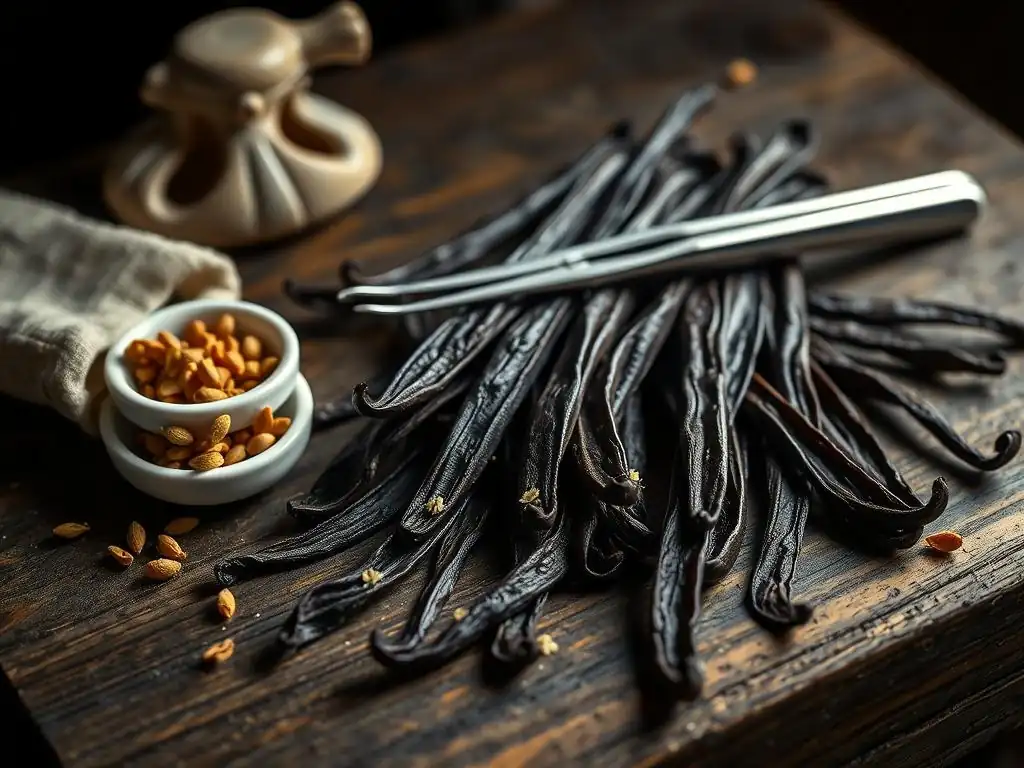
Proper storage is crucial for preserving the quality and flavor of your high-quality vanilla beans once you bring them home. The goal is to keep them moist, prevent mold growth, and protect their delicate aromatic compounds from degrading. The best storage container is typically an airtight glass tube or jar. Glass is non-reactive and does not impart any foreign odors to the beans. If using a jar, ensure the lid has a tight seal. Avoid storing beans in standard plastic bags, as some plastics can absorb the vanilla's oils or contain chemicals that can affect the flavor.
Many reputable suppliers ship beans in airtight packaging, which can often be reused for storage. For example, vacuum-sealed pouches are excellent for short-term storage, but once opened, transfer the beans to a glass container. You can also wrap individual beans or small bundles in wax paper or plastic wrap before placing them in the airtight container for an extra layer of protection and to prevent them from drying out too quickly, especially if you live in a dry climate. This helps maintain the ideal 25-35% moisture level crucial for a high quality vanilla bean.
Optimal Storage Conditions: Temperature and Humidity
Storing your vanilla beans under the right conditions is just as important as the container. Vanilla beans should be stored in a cool, dark place, away from direct sunlight, heat sources, and fluctuations in temperature. A pantry or cupboard is ideal. Avoid storing them in the refrigerator, as this can actually dry them out and potentially cause mold due to condensation. Freezing is also generally not recommended as it can damage the cell structure and diminish flavor, although some sources suggest it's possible if done correctly in airtight, moisture-proof packaging for very long-term storage (over a year).
The ideal storage temperature is around 60-70°F (15-21°C). Consistent temperature is key. Humidity should be controlled; too dry will lead to brittle beans, and too humid can encourage mold. Properly sealed containers help regulate the microclimate around the beans. Periodically check on your stored beans (every few weeks) to ensure they are still pliable and free from mold. With proper storage, a high quality vanilla bean can maintain its peak flavor for 6-12 months or even longer, though their potency may gradually decrease over time.
Using High-Quality Vanilla Beans in Your Baking: Recipes and Techniques
Vanilla Bean Paste: A Convenient Alternative
Vanilla bean paste offers a fantastic bridge between whole beans and extract, providing the visual appeal of the black specks along with concentrated vanilla flavor. It's made by combining the scraped seeds and sometimes finely ground bean pods with a thick, often syrupy base (like sugar syrup or glucose) and vanilla extract. Using a high-quality vanilla bean to make your own paste is a great way to utilize beans that might be slightly drier (Grade B) or to simply ensure you have a ready-to-use ingredient with guaranteed origin and quality.
To make paste, you typically split the beans, scrape the seeds, and then simmer the scraped pods and seeds in a sugar syrup until it thickens. Once cooled, you can blend in some high-quality vanilla extract for added depth and preservation. A typical ratio might be 4-6 vanilla beans per cup of sugar syrup. This homemade paste can be stored in an airtight jar in the refrigerator for several months and is excellent in batters, custards, and whipped creams where you want both flavor and the distinctive black specks.
Vanilla Extract: Making Your Own from High-Quality Beans
Making your own vanilla extract from high-quality vanilla beans is a rewarding process that ensures you have a pure, potent product. The basic method involves steeping chopped or split vanilla beans in alcohol, usually vodka, rum, or bourbon, with an alcohol content of at least 35% (70 proof). The FDA standard for pure vanilla extract requires 13.35 ounces of vanilla beans per gallon of 35% alcohol, which translates roughly to one ounce (about 6-8 beans, depending on size) per cup of alcohol for home brewing.
Using premium beans means your extract will have a richer, more complex flavor profile from the start. Simply place the split or chopped beans in a clean glass jar, cover completely with your chosen alcohol, seal tightly, and store in a cool, dark place. Shake the jar periodically (every week or so) to help the extraction process.
While you can start using the extract after a couple of months, the flavor will deepen and improve significantly over 6-12 months. You can continue to "top off" the alcohol as you use it and even add new beans over time, creating a perpetual vanilla extract supply infused with the essence of high quality vanilla bean.
Vanilla Sugar: Infusing Granulated Sugar with Vanilla Flavor
Vanilla sugar is one of the simplest yet most effective ways to infuse everyday baking with the subtle, aromatic essence of vanilla. It's made by placing a used (scraped) vanilla bean pod or even a whole bean into a jar of granulated sugar. Over time, the sugar absorbs the volatile oils and fragrance from the bean, resulting in sugar with a delightful vanilla scent and flavor. This is a fantastic way to get extra mileage out of your high-quality vanilla bean pods after you've scraped out the caviar for another recipe.
Simply bury the bean pod(s) in a jar of sugar, seal tightly, and let it sit for at least a week, preferably longer (several weeks to a month or more) for the flavor to fully develop. You can keep topping up the sugar as you use it.
Use vanilla sugar in place of regular sugar in cookies, cakes, whipped cream, or sprinkle it over fruit or toast. While it doesn't provide the intense burst of flavor from the caviar, it adds a lovely background note of vanilla to anything it's used in, making it a simple luxury derived from your premium vanilla bean.
Troubleshooting: Common Vanilla Bean Problems and Solutions
Dry or Brittle Vanilla Beans: Rehydration Techniques
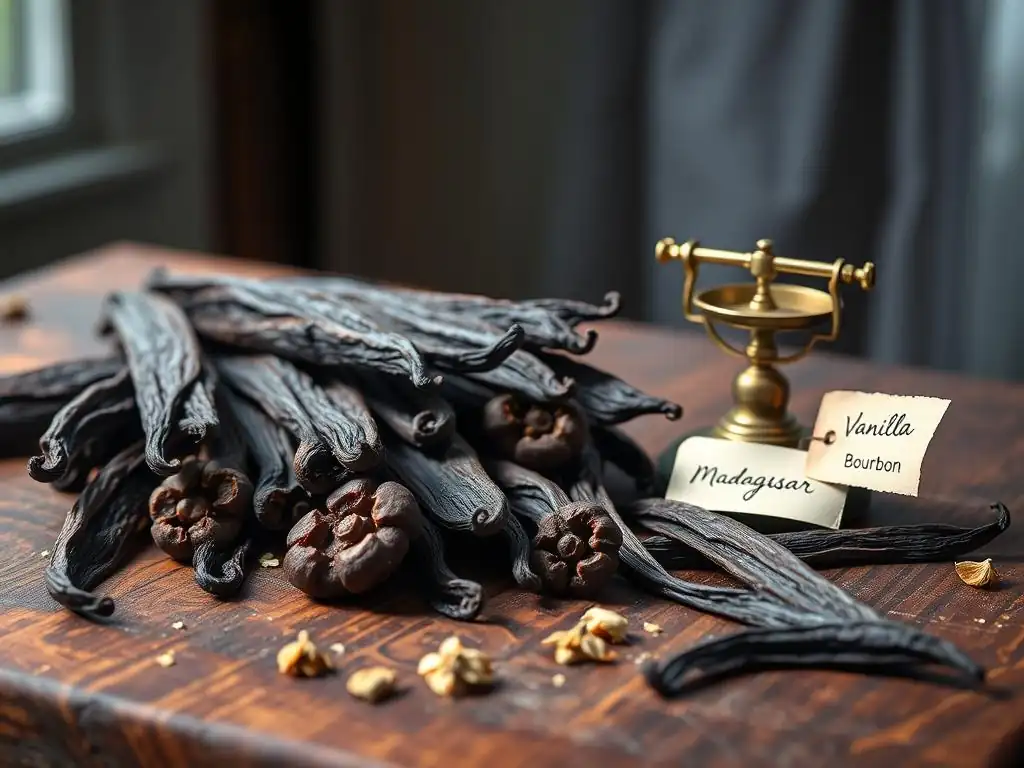
One of the most common problems encountered with vanilla beans, particularly if they haven't been stored properly or are older, is that they become dry and brittle. This means they've lost significant moisture content, making them difficult to split and scrape, and greatly diminishing their flavor potency. Ideally, you want a bean with 25-35% moisture. If your beans feel stiff and snap when bent, they are likely well below this.
Fortunately, you can often rehydrate dry vanilla beans to make them pliable again and recover some of their usability, though they may not fully regain the potency of a perfectly fresh bean. One method is to gently warm them in a liquid you plan to use in your recipe, such as milk, cream, or syrup. Simply add the dry bean to the cold liquid and heat slowly over low heat until just warm (do not boil). Let the bean steep in the warm liquid for 15-30 minutes or longer.
The bean will absorb moisture, becoming softer and easier to split. Another method is to place the beans on a damp paper towel inside an airtight container for a day or two, checking them periodically. This helps restore some moisture, making it easier to extract the valuable caviar from your potentially high quality vanilla bean that has simply dried out.
Moldy Vanilla Beans: Identifying and Discarding
Mold is a serious issue with vanilla beans and indicates that they have been stored in conditions that are too humid or warm, or that they were not properly cured. It's crucial to be able to distinguish between harmless vanillin crystals (which look like tiny, sparkling needles or frost and are a sign of quality) and actual mold (which typically appears as powdery white or greenish fuzz, often in patches). Vanillin crystals are hard and sparkly, while mold is soft and fuzzy.
If you discover mold on your vanilla beans, it is generally recommended to discard them. While some sources might suggest wiping off surface mold, there is a risk that the mold has penetrated the bean, potentially producing toxins or affecting the flavor negatively. For safety and to avoid ruining your baked goods, it's best to err on the side of caution and discard any bean showing clear signs of mold growth. Proper storage in airtight containers in a cool, dark place is the best prevention against mold, ensuring your high quality vanilla bean remains safe and flavorful.
Frequently Asked Questions
What are the key indicators of a high quality vanilla bean?
A high quality vanilla bean should be plump and moist, with a dark, oily sheen. It should also have a strong, rich aroma.
How does the appearance of a vanilla bean affect its flavor?
Generally, a darker color and oily surface indicate a higher concentration of vanillin, the compound responsible for vanilla's distinctive flavor. Avoid dry, brittle beans.
Where is the best place to source high quality vanilla beans?
BakeWithEase recommends reputable spice merchants or online retailers that specialize in vanilla beans. Check for origin and grading information to ensure quality.
What is the best way to store high quality vanilla beans to maintain their flavor?
Store vanilla beans in an airtight container in a cool, dark place, away from direct sunlight and heat. Don't refrigerate, as this can dry them out.
How can I tell if a vanilla bean is low quality?
Low quality vanilla beans are often dry, brittle, and lack a strong aroma. They may also be pale in color and have a woody or musty scent instead of a sweet vanilla fragrance.
Final Reflection: The Enduring Allure of the Perfect Bean
The pursuit of the perfect vanilla bean transcends mere culinary interest; it's a journey into the heart of flavor, quality, and sustainable practices. The information presented in this article, from understanding the nuances of curing processes to recognizing the telltale signs of a superior bean, remains critically relevant in a world increasingly focused on ethically sourced and high-quality ingredients. The demand for authentic, flavorful vanilla is higher than ever, and discerning consumers are actively seeking ways to differentiate between genuine quality and imitation.
The impact of understanding vanilla bean quality extends far beyond the kitchen; it connects us to the rich history and intricate cultivation of this precious spice. It fosters a deeper appreciation for the farmers and artisans who dedicate their lives to its production. The journey from vine to finished product is a testament to human ingenuity and the power of nature. The best things in life are worth waiting for,
and this certainly holds true for the exceptional flavor of a high-quality vanilla bean. This simple statement encapsulates the patience, care, and dedication required to produce a truly remarkable bean.
Now, consider your next vanilla purchase. Will you settle for the mass-produced, artificial imitation, or will you seek out the authentic, the exquisite? I invite you to embark on your own journey of discovery, to actively seek out the superior bean, and to savor the unparalleled richness it brings to your culinary creations. By understanding the characteristics outlined in this article, you can empower yourself to make informed choices, supporting sustainable practices and experiencing the true magic of high-quality vanilla.
Unleash Your Inner Pastry Chef: Elevate Your Baking!
Thanks for taking the time to learn about identifying high-quality vanilla beans! You've now got the knowledge to transform your baking. Ready to put it into practice?
- Find your perfect bean: Source the highest quality vanilla beans you can find – your taste buds (and your desserts!) will thank you.
- Share your newfound expertise: Tell your friends and family about your newfound knowledge of vanilla bean selection!
- Experiment & share your results: Try a new recipe using your premium vanilla, and let us know how it turns out in the comments below!
What amazing vanilla-infused creation will you bake next?