
Elevate Everything: Expert Tips for Using Vanilla to Transform Any Recipe

Welcome to BakeWithEase, where unlocking baking brilliance is simpler than you think! Ever wondered how to truly elevate your favorite recipes? Our latest article dives deep into a secret weapon used by professional bakers – vanilla extract. Discover how to harness its power for a flavor boost that will transform everything you bake, from humble cookies to show-stopping cakes. Prepare to be amazed by the difference a few drops can make… Ready to unlock the secrets?
Why Vanilla is Essential in Baking
Vanilla is far more than just a pleasant aroma or a simple flavor additive; it is a fundamental ingredient that plays a critical role in the chemistry and taste profile of countless baked goods. Its complex aroma, containing over 200 different compounds, acts as a natural flavor enhancer, capable of softening the harshness of other ingredients like acidic fruits or bitter chocolate.
Think of it as the unsung hero that rounds out the edges and brings harmony to the symphony of flavors in your cookies, cakes, and custards, providing a subtle yet profound depth that is immediately noticeable when it's missing.
Beyond its harmonizing effect, vanilla is crucial for providing a clean, pure base flavor, especially in recipes where it is the star, such as vanilla bean ice cream or a classic vanilla cake. It brightens and lifts the overall taste experience, preventing baked goods from tasting flat or one-dimensional. Furthermore, a quality vanilla extract can significantly contribute to a desired vanilla extract flavor boost, elevating even the simplest sugar cookie from good to exceptional by adding layers of creamy, sweet, and slightly floral notes that artificial versions simply cannot replicate.
Decoding Vanilla Beans
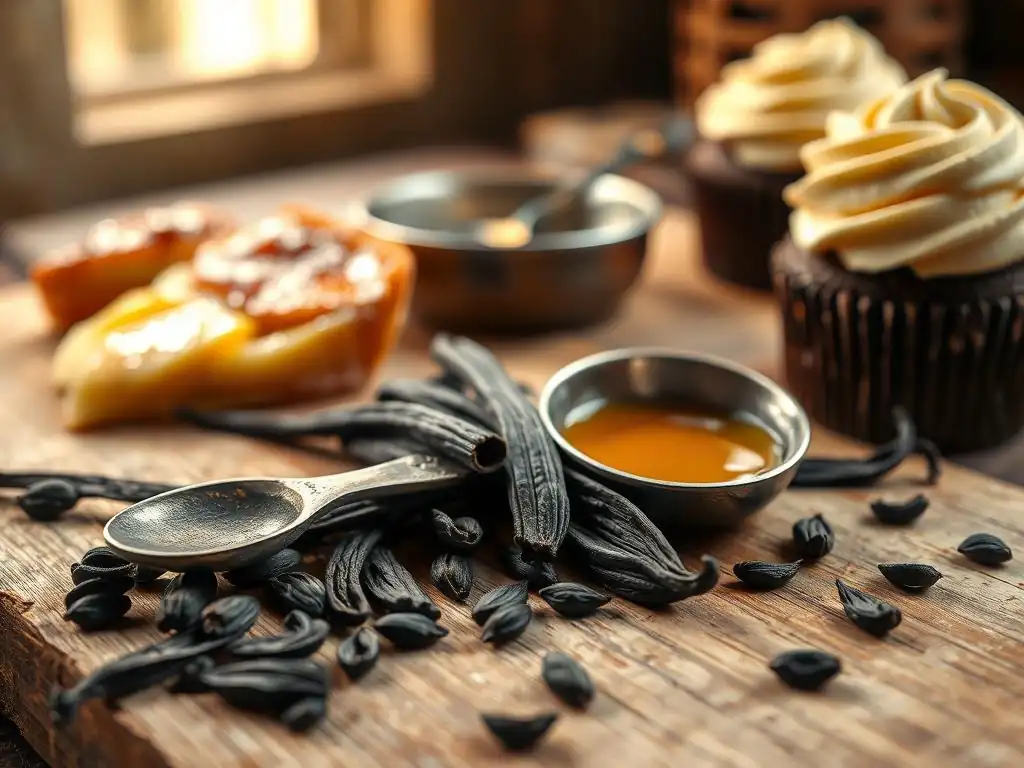
Vanilla beans, the fruit of the vanilla orchid, are the source of true vanilla flavor. These long, dark pods are harvested primarily in tropical regions like Madagascar, Tahiti, and Mexico, with each origin offering distinct flavor profiles. For instance, Madagascar vanilla, known as Bourbon vanilla, is the most common and is celebrated for its creamy, sweet, and familiar notes, often containing a higher concentration of vanillin, the primary flavor compound. Tahitian vanilla, on the other hand, tends to be more floral and fruity, while Mexican vanilla offers a smokier, spicier undertone.
To use a vanilla bean, you typically slice it lengthwise with a sharp knife and scrape out the tiny, black seeds, often called "vanilla caviar." These seeds, along with the scraped pod, can be infused into liquids like milk or cream for custards, puddings, or ice cream bases, imparting a rich, authentic vanilla flavor and visual appeal with the characteristic black specks. While more expensive than extract, the intense flavor and aroma derived directly from the bean provide an unparalleled depth and complexity, offering a true vanilla extract flavor boost in its purest form.
Exploring Vanilla Extract: Types and Quality
Vanilla extract is made by macerating vanilla beans in a solution of alcohol and water, a process that extracts the flavor compounds from the bean into the liquid. Pure vanilla extract, as defined by the U.S. Food and Drug Administration (FDA), must contain at least 35% alcohol by volume and be made from 13.35 ounces of vanilla beans per gallon.
This standard ensures a certain level of concentration, but the quality can still vary significantly based on the type and quality of the beans used, the extraction process, and the aging period. Single-origin extracts, like Madagascar or Tahitian, offer specific flavor nuances, while blends can provide a balanced profile.
Imitation vanilla extract, conversely, is typically made from synthetic vanillin, often derived from lignin (a component of wood) or even petrochemicals. While it provides a basic vanilla note, it lacks the hundreds of other aromatic compounds found in pure vanilla, resulting in a simpler, often harsher, and sometimes chemical taste. For a genuine vanilla extract flavor boost that truly enhances your baking, opting for pure vanilla extract, especially one made from quality beans, is always recommended. The difference in flavor complexity and overall impact on your finished product is substantial and well worth the investment for serious bakers.
Vanilla Dosage: Finding the Perfect Balance
Determining the correct amount of vanilla is crucial for achieving the desired flavor outcome in your baking. Too little, and its flavor-enhancing qualities are lost, leaving your bake tasting flat. Too much, and it can overpower other ingredients or, surprisingly, even taste bitter or artificial, especially if using lower-quality extract.
A common starting point for many recipes is 1 teaspoon of pure vanilla extract per 1 cup of flour or per batch of cookies yielding about 2-3 dozen. However, this is just a guideline; rich doughs, chocolate recipes, or recipes where vanilla is a primary flavor may benefit from slightly more.
When using vanilla bean paste or scraped vanilla bean, the conversion isn't always straightforward due to varying strengths. As an approximation, 1 teaspoon of pure vanilla extract is roughly equivalent to 1 teaspoon of vanilla bean paste or about half of a medium vanilla bean (scraped). Experimentation is key. For instance, if a standard cookie recipe calls for 1 teaspoon of extract, you might try 1.5 teaspoons for an enhanced vanilla extract flavor boost, observing how it impacts the final taste without becoming dominant. Always measure carefully, as even small deviations can alter the delicate flavor balance.
Timing is Key: When to Add Vanilla for Optimal Flavor
The timing of adding vanilla extract or vanilla bean to your batter or dough can significantly impact how much flavor remains after baking. Vanilla's delicate aromatic compounds are volatile and can evaporate when exposed to high heat for extended periods. Therefore, adding vanilla extract early in the mixing process for items that bake for a long time at high temperatures can lead to a significant loss of flavor by the time the bake is finished.
For optimal flavor retention and a noticeable vanilla extract flavor boost, it is often best to add vanilla extract towards the end of the mixing process, just before adding the dry ingredients or before the final mix. For items that don't undergo extensive heat, like frostings, no-bake cheesecakes, or whipped cream, vanilla can be added at any stage.
When using vanilla beans or paste in baked goods, their flavor compounds are slightly more stable than extract, but adding them later in the process can still help preserve their potency. Consider infusing milk or cream with vanilla bean before incorporating it into the recipe, or stirring vanilla bean paste into the batter just before baking.
Beyond the Basics: Creative Ways to Use Vanilla
While adding vanilla extract to batters and doughs is standard practice, there are many creative ways to leverage its flavor-enhancing properties throughout your baking repertoire. One simple technique is making vanilla sugar by burying a used (but still pliable) vanilla bean pod in a jar of granulated sugar.
Over time, the sugar absorbs the vanilla aroma, creating a fragrant sweetener perfect for dusting over pastries or using in recipes where a subtle vanilla note is desired. Another method is infusing spirits like vodka or bourbon with vanilla beans to create homemade vanilla extract, allowing you to control the quality and intensity, offering a truly personalized vanilla extract flavor boost.
Consider incorporating vanilla into components beyond the main bake. Add a touch of vanilla extract to glazes, simple syrups for soaking cakes, or even fruit fillings to enhance sweetness and complexity. A dash of vanilla in a caramel sauce or chocolate ganache can round out the richness and prevent them from tasting cloying. For an extra layer of flavor, try adding a small amount of vanilla bean paste or extract to whipped cream or meringue just before whipping, adding a sophisticated touch and a lovely aroma to your toppings.
- Why Vanilla is Essential in Baking
- Decoding Vanilla Beans
- Exploring Vanilla Extract: Types and Quality
- Vanilla Dosage: Finding the Perfect Balance
- Timing is Key: When to Add Vanilla for Optimal Flavor
- Beyond the Basics: Creative Ways to Use Vanilla
- How does vanilla extract actually boost the flavor of baked goods?
- Can I substitute vanilla extract with vanilla essence, and will I get the same "flavor boost"?
- How much vanilla extract should I use to effectively "flavor boost" a recipe without overpowering it?
- What types of recipes benefit most from a vanilla extract "flavor boost"?
- Does the quality of vanilla extract affect the "flavor boost" I get in my baking?
Recipe Transformations with Real Examples
A standard chocolate chip cookie recipe typically calls for 1 to 2 teaspoons of vanilla extract for a batch of 3-4 dozen cookies. While this provides a baseline flavor, it often gets somewhat lost amidst the dominant notes of chocolate and brown sugar during baking. To achieve a significant vanilla extract flavor boost and add complexity, you could increase the pure vanilla extract to 3 teaspoons or even 1 tablespoon. This might seem like a large jump, but in a recipe with strong competing flavors, the extra vanilla helps it stand out and enhances the overall richness.
Alternatively, for a more nuanced transformation, replace the extract entirely with 1 to 1.5 teaspoons of high-quality vanilla bean paste. The paste not only introduces a purer vanilla flavor profile but also adds visible vanilla bean specks, signaling quality and depth to anyone enjoying the cookie. This change elevates the cookie from a simple sweet treat to a more gourmet experience, with the vanilla notes playing a more prominent role alongside the chocolate and butter, demonstrating how a simple adjustment in vanilla can dramatically impact the final product.
Example 2: Enhancing Simple Vanilla Cake with Vanilla Bean
A basic vanilla cake recipe might rely solely on 1.5 to 2 teaspoons of vanilla extract for a standard 8-inch round cake. While fine, this often results in a cake with a pleasant aroma but perhaps less intense vanilla flavor than desired. To truly enhance a simple vanilla cake and make vanilla the undisputed star, incorporate the seeds scraped from one whole vanilla bean (approximately equivalent to 1-1.5 tablespoons of vanilla bean paste) into the batter along with or instead of the extract.
Adding the vanilla bean seeds directly infuses the cake crumb with a rich, floral, and complex vanilla flavor that synthetic vanillin cannot replicate. The tiny black specks also add a visual cue of authentic vanilla. The resulting cake will have a more profound and lingering vanilla taste, proving that utilizing the whole bean provides a superior vanilla extract flavor boost compared to extract alone in recipes where vanilla is the core flavor. This technique works particularly well in recipes with a tender crumb and delicate flavor profile that won't overpower the subtle notes of the bean.
Example 3: Revamping Classic Frosting with Vanilla
Buttercream or cream cheese frosting is a perfect canvas for showcasing quality vanilla. A typical recipe for frosting enough for an 8-inch cake might call for just 1 teaspoon of vanilla extract. Often, this amount is insufficient to cut through the richness of the butter and sugar, leaving the frosting tasting merely sweet. To truly revamp classic frosting and give it a significant vanilla extract flavor boost, double the amount of pure vanilla extract to 2 teaspoons, or even up to 1 tablespoon depending on personal preference and the type of frosting (cream cheese can handle more).
For an even more luxurious and flavorful frosting, use 1 to 1.5 teaspoons of high-quality vanilla bean paste instead of or in addition to the extract. The paste disperses the vanilla flavor beautifully and adds those coveted vanilla bean specks, making the frosting visually appealing and intensely flavorful. This simple change transforms a standard frosting into a gourmet accompaniment that perfectly complements cakes, cupcakes, and other desserts, demonstrating the power of quality and quantity when it comes to achieving a noticeable vanilla impact.
Troubleshooting Vanilla Flavor: Common Mistakes and Solutions
Dealing with Artificial Vanilla Taste
Sometimes, despite using vanilla, a baked good can end up with an unpleasant, almost chemical or overly simple "artificial" vanilla taste. This is most commonly caused by using imitation vanilla extract, which lacks the complexity of pure vanilla and contains synthetic compounds that can taste harsh or one-dimensional, especially when heated. Another culprit can be using too much vanilla extract, even pure extract, if it's of lower quality or if the recipe's other flavors are too subtle to balance it.
The primary solution is to always opt for pure vanilla extract made from quality beans. While more expensive, the difference in flavor is significant. If you suspect your current extract is contributing to an artificial taste, try a different brand or type (like Madagascar or Tahitian) known for its quality.
If you've used too much, unfortunately, you can't remove the flavor, but you can adjust future recipes by slightly reducing the amount. Consider using vanilla bean paste or scraped bean for a purer flavor profile that is less likely to taste artificial, even in slightly higher concentrations, providing a more natural vanilla extract flavor boost.
Overcoming Vanilla Fading During Baking
A common frustration is when the lovely vanilla aroma present in the batter or dough seems to disappear after baking. This fading occurs because the volatile aromatic compounds in vanilla, particularly vanillin, evaporate when exposed to the high heat of the oven. The longer and hotter something bakes, the more vanilla flavor is likely to be lost. Recipes that bake for extended periods or at very high temperatures are most susceptible to this issue.
To combat vanilla fading and ensure a lasting vanilla extract flavor boost, consider adding a portion of your vanilla extract towards the end of the mixing process rather than right at the beginning. For recipes with long bake times, you might slightly increase the amount of vanilla extract used, acknowledging that some will be lost. Using vanilla bean paste or scraped vanilla bean can sometimes offer more heat-stable flavor compared to extract. Alternatively, incorporate vanilla into components added after baking, such as glazes, frostings, or drizzles, ensuring a fresh burst of vanilla flavor isn't subjected to oven heat.
Choosing the Right Vanilla for Your BakeWithEase Creations: A Summary.
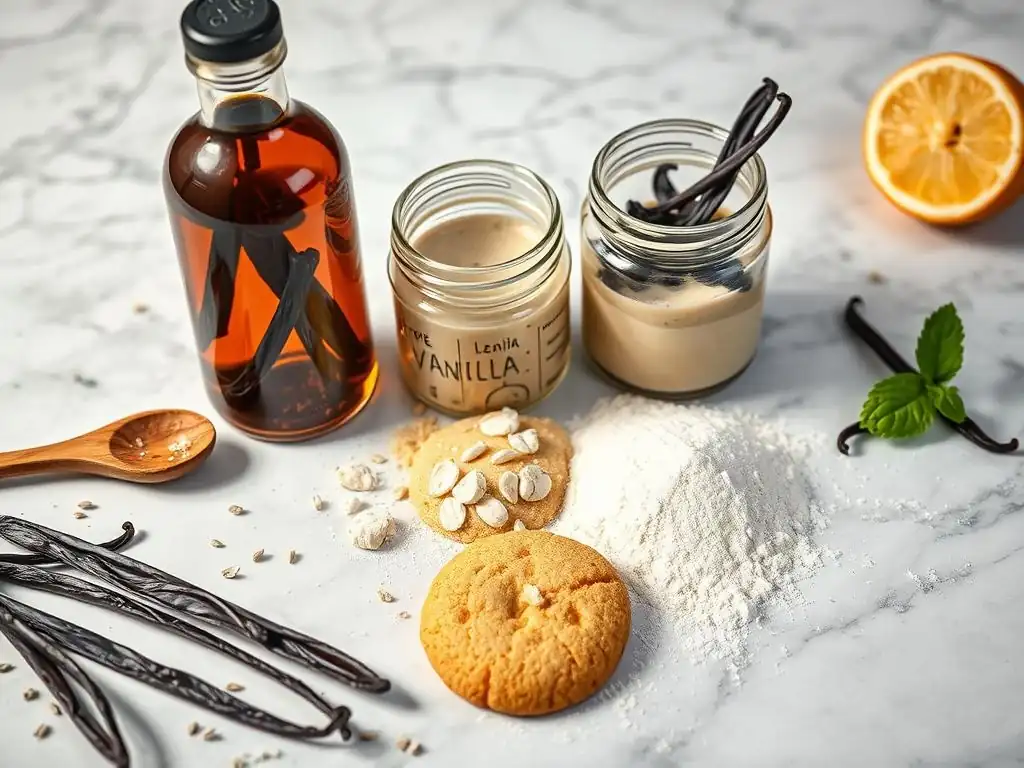
Selecting the appropriate vanilla product is key to unlocking the best flavors in your baking. For most everyday recipes where vanilla plays a supporting role, a good quality pure vanilla extract is a versatile and reliable choice, providing a clean vanilla extract flavor boost. Consider investing in pure extracts from specific regions like Madagascar for classic sweetness or Tahiti for floral notes, depending on the recipe's profile.
When you want vanilla to be a star or desire visible vanilla bean specks, vanilla bean paste or scraped vanilla bean is often the superior option. Paste offers convenience while still delivering authentic flavor and appearance, making it excellent for custards, ice creams, or cakes where you want that signature look. Scraped beans provide the purest, most intense flavor and are ideal for infusing liquids or when you want the absolute best vanilla experience. Experimenting with different types and forms of vanilla will help you discover how each can uniquely elevate your BakeWithEase creations.
Frequently Asked Questions
How does vanilla extract actually boost the flavor of baked goods?
Vanilla extract contains compounds that enhance the perception of sweetness and other flavors. It doesn't just add a vanilla flavor; it rounds out the overall taste profile, making other ingredients taste richer and more pronounced.
Can I substitute vanilla extract with vanilla essence, and will I get the same "flavor boost"?
While both provide vanilla flavor, vanilla extract is superior due to its natural derivation. Vanilla essence is often synthetic, offering a less complex and sometimes artificial flavor, therefore delivering a less significant flavor boost.
How much vanilla extract should I use to effectively "flavor boost" a recipe without overpowering it?
The general rule is 1-2 teaspoons of vanilla extract per standard recipe (e.g., a cake or cookie batch). However, you can adjust this amount to your preference, starting with the lower end and tasting as you go, to achieve your desired flavor boost.
What types of recipes benefit most from a vanilla extract "flavor boost"?
Vanilla extract is incredibly versatile! It works wonders in recipes for cakes, cookies, brownies, custards, ice cream, and even savory dishes like sauces and marinades. It enhances virtually anything.
Does the quality of vanilla extract affect the "flavor boost" I get in my baking?
Absolutely! High-quality vanilla extract made with real vanilla beans provides a richer, more complex, and nuanced flavor. It results in a more noticeable and desirable flavor boost compared to cheaper, lower-quality options.
Final Reflection: The Unexpected Symphony of Vanilla
The subtle power of vanilla extract extends far beyond mere sweetness; it's a versatile conductor of flavor, capable of elevating even the most humble dish to unexpected heights. This article explored the surprising ways vanilla can transform recipes, from enhancing savory notes to adding depth and complexity to desserts. But its impact resonates far beyond the kitchen.
The journey of discovering vanilla's potential has been a personal one, revealing how a single ingredient can unlock creativity and transform our culinary experiences. It's a reminder that sometimes, the simplest elements hold the greatest power. The best things in life are simple,
a sentiment often repeated, rings particularly true when considering the transformative effect of a few drops of high-quality vanilla extract. Its influence on our cultural landscape is subtle yet pervasive, shaping our expectations of flavor and inspiring countless culinary innovations.
Now, consider your own kitchen. What seemingly simple recipe could benefit from the magic of vanilla? I challenge you to experiment, to explore the untapped potential of this extraordinary ingredient. Don't be afraid to stray from the norm, to add a dash of vanilla where you might not expect it. The symphony of flavors awaits, ready to be conducted by your own hand. Let the journey of culinary discovery begin!
Unlock the Magic of Vanilla: Elevate Your Baking Today!
Thanks for exploring the incredible versatility of vanilla with us! You've now got the knowledge to transform ordinary recipes into extraordinary creations. Ready to put your new skills to the test?
- Experiment with different vanilla types: Try substituting vanilla bean paste in your next cookie recipe or explore the unique notes of Tahitian vanilla in your favorite cake. This is your chance to discover your new favorite vanilla!
- Share your vanilla creations: Show us your delicious results! Post a picture on social media using #BakeWithEaseVanilla and tag us – we can't wait to see what you bake.
- Dive deeper into vanilla: Explore our other articles on BakeWithEase.com for more expert tips and inspiring recipes featuring this amazing ingredient.
So, which vanilla variety are you most excited to try next? Let us know in the comments!