
Mastering Blends: Creating Unique Breads with Multiple Artisan Flours

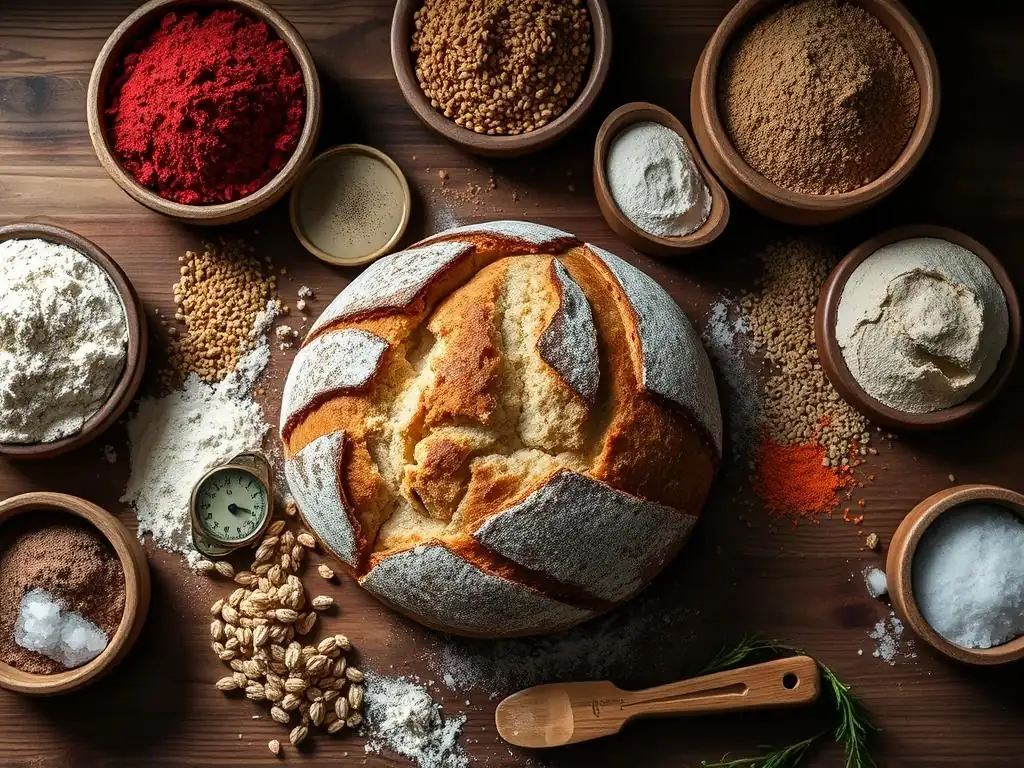
Welcome to BakeWithEase, your companion on the journey to baking brilliance! Ever wondered how to unlock a new dimension of flavor and texture in your homemade bread? This week, we delve into the secrets of crafting the perfect loaf by understanding the magic of an artisan bread flour blend. Discover how combining different flours can elevate your baking from ordinary to extraordinary, creating loaves that are both uniquely delicious and visually stunning. Ready to unlock the potential of your pantry? Let's begin!
- Introduction: Elevate Your Baking with Artisan Bread Flour Blends
- Understanding Artisan Flours: The Building Blocks of Exceptional Bread
- The Art of Blending: Crafting Your Perfect Artisan Bread Flour Mix
- Recipe Examples: Putting Your Artisan Bread Flour Blend to the Test
- Troubleshooting: Common Issues and Solutions When Blending Flours
- Maximizing Your Artisan Bread Baking Experience
- Conclusion: Unleash Your Creativity with Artisan Bread Flour Blends
- Frequently Asked Questions
- Final Reflection: The Flourishing Art of Bread Blending
- Unleash Your Inner Baker: Craft Your Signature Bread Blend!
Introduction: Elevate Your Baking with Artisan Bread Flour Blends
Welcome to the wonderful world of artisan bread baking! While a simple loaf made with standard bread flour is a joy in itself, exploring the vast array of artisan flours opens up a universe of possibilities in terms of flavor, texture, and aroma. Moving beyond a single flour type allows you to tailor your dough to specific outcomes, creating truly unique and deeply satisfying bread. This guide will walk you through understanding different artisan flours and how to combine them to create your very own signature artisan bread flour blend.
Crafting your own artisan bread flour blend isn't just about combining ingredients; it's an act of creativity. By understanding the characteristics of flours like rye, spelt, einkorn, or kamut, you gain the power to influence everything from the crust's crispness to the crumb's openness and the bread's overall nutritional profile. This journey into blending will transform your baking from following recipes to designing your own masterpieces, making every loaf a personal expression of flavor and craftsmanship.
Understanding Artisan Flours: The Building Blocks of Exceptional Bread
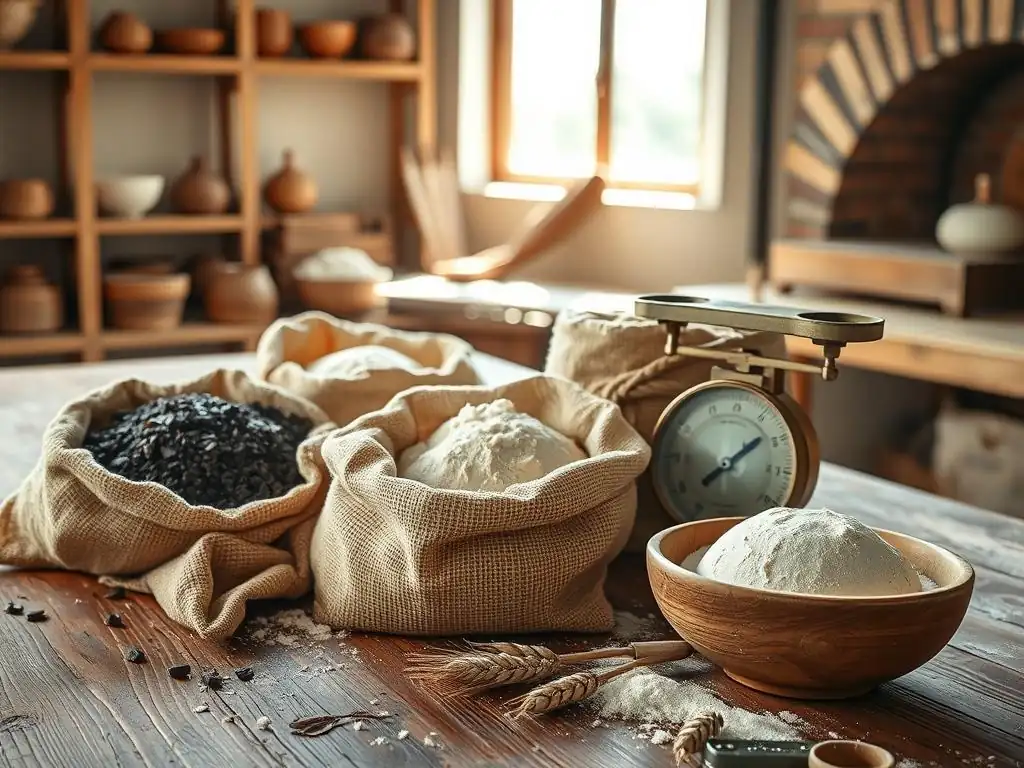
Artisan flours differ from standard commercial flours often by their milling process, extraction rate, and the specific grain varieties used. Stone-milled flours, for instance, often retain more of the bran and germ, contributing more flavor, nutrients, and complexity compared to roller-milled flours. Exploring these diverse flours is the first step in creating a successful artisan bread flour blend.
Think of each artisan flour as an artist's paint color. Each has its own unique hue, texture, and properties. Combining them allows you to create a richer, more complex picture than using just one. Understanding the protein content, gluten strength, and absorption rate of different flours is crucial for predicting how your artisan bread flour blend will behave in a recipe.
Exploring Different Types of Artisan Flours for Bread
There is a rich variety of artisan flours available beyond standard wheat. Rye flour, for example, is known for its distinctive tangy flavor and dense crumb. It's lower in gluten than wheat flour, typically containing around 7-10% protein, and contains pentosans which absorb a lot of water, often requiring higher hydration in doughs. A common approach is to use rye as a percentage of an artisan bread flour blend, perhaps 10-30%, to impart its unique characteristics without making the loaf too dense.
Spelt and Einkorn are ancient wheat varieties offering nutty, slightly sweet flavors. Spelt usually has a protein content similar to or slightly higher than modern wheat (around 12-14%), but its gluten structure is more fragile. Einkorn is even older, with a higher protein content often reaching 14-16%, but its gluten is weaker and produces doughs that can be stickier and less elastic. Using these flours in an artisan flour blend, perhaps 20-40% of the total flour weight, can add wonderful flavor and tenderness, though they require careful handling during kneading and shaping to avoid tearing the delicate gluten network.
Assessing Flour Quality: Key Indicators
When selecting flours for your artisan bread flour blend, several indicators point to quality. Protein content is perhaps the most discussed, as it directly relates to gluten development. For bread making, a protein range of 11-14% is generally desired, but the type of protein matters too; some flours like durum have high protein but weaker gluten for bread. Check the nutritional label for protein percentage. For example, a strong bread flour might list 13g of protein per 100g, while a softer pastry flour might have 9g.
Another key indicator is ash content, which relates to how much of the mineral-rich bran and germ remains after milling. It's often expressed as a percentage (e.g., Type 55, Type 85, Type 150 in French classification, or 00, 0, 1, 2 in Italian). Higher ash content means more whole grain components are present, leading to richer flavor and darker color but potentially affecting gluten development.
For instance, a high-extraction flour (like Type 85) might have an ash content around 0.85%, retaining more nutrients and flavor than a refined white flour (like Type 55, ~0.55% ash). Look for flours that specify their extraction rate or type classification if possible.
The Art of Blending: Crafting Your Perfect Artisan Bread Flour Mix
Blending artisan flours is where the magic truly happens. It allows you to harness the strengths of different grains and mitigate their weaknesses, resulting in a bread that is greater than the sum of its parts. The goal of an artisan bread flour blend is often to achieve a specific balance of flavor, texture, and handling properties that a single flour cannot provide.
Approaching blending requires a bit of experimentation, but starting with small percentages of alternative flours mixed with a strong base flour (like high-protein bread flour) is a great way to begin. Keep notes on your ratios and the resulting bread to refine your perfect artisan bread flour blend over time.
Why Blend Flours? Unlocking Flavor and Texture Combinations
Blending flours allows you to combine the structural integrity provided by high-gluten wheat flours with the unique flavors, aromas, and nutritional benefits of other grains. For example, a bread made solely with 100% whole wheat can be dense and have a strong, sometimes bitter, flavor. By creating an artisan bread flour blend of 70% strong white bread flour and 30% whole wheat, you get a lighter crumb structure while still retaining significant whole-grain flavor and nutrition. This blend is much easier for many bakers to handle and results in a loaf with better volume.
Moreover, blending can improve dough hydration and fermentation. Rye flour, for instance, absorbs significantly more water than wheat flour due to its pentosan content. Adding just 10-15% rye to a wheat blend can increase the overall hydration capacity of your artisan bread flour blend, leading to a moister crumb and a longer shelf life. This strategic blending allows you to fine-tune the characteristics of your dough and the final bread in ways impossible with a single flour type.
Step-by-Step Guide to Blending Artisan Flours
Here's a simple process for creating your own artisan bread flour blend:
- Define Your Goal: What characteristics do you want in your final bread? (e.g., nutty flavor, open crumb, dense texture, specific color).
- Select Your Flours: Based on your goal, choose 2 or 3 flours that offer those characteristics (e.g., strong bread flour for structure, spelt for tenderness and nuttiness, rye for tang and moisture).
- Determine Ratios: Start conservatively. A good starting point for adding alternative flours is 10-30% of the total flour weight. For example, you might try a blend of 80% strong bread flour and 20% spelt flour as your initial artisan bread flour blend.
- Weigh and Combine: Accurately weigh each flour according to your chosen ratio.
- Mix Thoroughly: Combine the weighed flours in a large bowl. Whisk vigorously or sift them together multiple times to ensure they are evenly distributed. Uneven blending can lead to inconsistent dough behavior.
- Store Properly: Store your custom artisan bread flour blend in an airtight container in a cool, dry place. Label it clearly with the date and the blend ratio (e.g., "Sourdough Blend: 80% Bread, 20% Rye - Mixed 2023-10-27").
[ ] Define baking goal
[ ] Select flours
[ ] Determine starting ratios (e.g., 80/20, 70/30)
[ ] Weigh flours accurately
[ ] Mix flours thoroughly (whisk or sift)
[ ] Store blend in airtight container
[ ] Label container with blend details
Recommended Blending Tools and Equipment
Creating your artisan bread flour blend doesn't require specialized equipment, but a few tools make the process easier and more accurate.
- Accurate Digital Scale: Essential for precise weighing of each flour type. Consistency in ratios is key to replicating successful blends. Scales that can measure to the nearest gram are ideal for baking.
- Large Mixing Bowl or Container: You'll need a container large enough to hold the total quantity of flour you're blending and allow for thorough mixing.
- Whisk or Sifter: A large balloon whisk is effective for incorporating different flours evenly. Sifting multiple times also works well, especially for removing any clumps.
- Airtight Storage Containers: Glass jars or plastic containers with tight-fitting lids are necessary for storing your finished artisan bread flour blend to protect it from moisture, pests, and oxidation, keeping it fresh.
Using these simple tools ensures your artisan bread flour blend is consistent and ready to use whenever inspiration strikes. Blending a larger batch at once can save time if you plan to use the same blend frequently.
Recipe Examples: Putting Your Artisan Bread Flour Blend to the Test
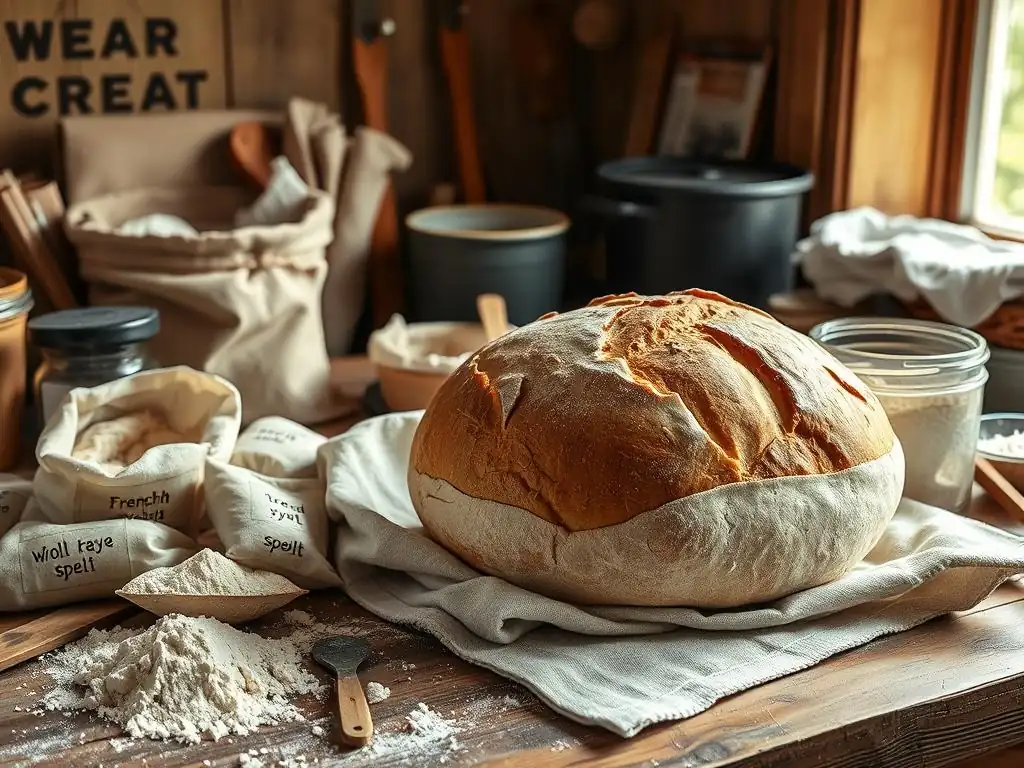
Once you've created your custom artisan bread flour blend, it's time to put it to work! Here are descriptions of how different blends perform in specific bread types. Remember, these are conceptual examples highlighting the blend's impact, not full recipes.
Rustic Sourdough with a Touch of Rye
Imagine a sourdough loaf made with an artisan bread flour blend of 85% strong bread flour and 15% dark rye flour. The bread flour provides a robust gluten structure, allowing for a good rise and an open, airy crumb. The addition of rye contributes a subtle, earthy flavor, a slightly darker crumb color, and improves the crust's crispness. The dough will likely feel slightly stickier than 100% wheat dough due to the rye's hydration properties, and fermentation might proceed a little faster because of rye's enzyme activity.
Adding just 15% rye to my standard sourdough blend transformed the flavor profile and kept the crumb incredibly moist.
Soft Sandwich Bread with Spelt and Bread Flour
Consider a soft sandwich loaf using an artisan flour blend of 70% white bread flour and 30% whole spelt flour. The white bread flour provides the necessary gluten for structure and softness, while the spelt adds a lovely nutty, slightly sweet flavor and a tender crumb. The dough will be softer and potentially a little less elastic than a pure wheat dough. This blend results in a moist, flavorful sandwich bread that's excellent toasted or used for sandwiches. The spelt contributes beneficial fiber and nutrients, elevating a simple loaf.
Baguettes with a Blend of Triticum Aestivum, Rye, and Einkorn
For a more complex flavor profile in baguettes, an artisan bread flour blend could consist of 80% high-protein wheat flour ( Triticum aestivum), 10% rye flour, and 10% whole einkorn flour. The high-protein wheat provides the necessary strength for the characteristic open crumb and crisp crust of a baguette.
The small percentages of rye and einkorn introduce subtle layers of flavor – the tang of rye and the sweet nuttiness of einkorn – without compromising the structure too much. This blend requires careful handling due to the weaker gluten from the ancient grains, but the resulting baguettes have a depth of flavor rarely found in those made with only refined flour.
Troubleshooting: Common Issues and Solutions When Blending Flours
Working with an artisan bread flour blend, especially one you've created yourself, can present unique challenges. Understanding how different flours behave helps you anticipate and solve common problems.
Dough is Too Sticky
If your dough is excessively sticky after mixing, it's likely due to the hydration level relative to your specific artisan bread flour blend. Flours like rye, spelt, and whole wheat absorb water differently than refined white flour. Rye, for instance, can absorb up to twice its weight in water compared to wheat. If your blend contains a high percentage of these flours, the recipe's initial water amount might be too high.
- Solution: Reduce the initial hydration slightly in your next batch. Start with maybe 5-10% less water than you would use for a 100% white flour dough and add more water gradually during mixing if needed until the dough reaches the desired consistency. Also, remember that doughs with a high percentage of ancient grains or rye will naturally be stickier and less elastic than pure wheat doughs; sometimes, the stickiness is expected and manageable with wet hands or a bench scraper.
Dough is Too Dry
Conversely, if your dough feels stiff, crumbly, and difficult to work, your artisan bread flour blend might be absorbing more water than anticipated, or the recipe's hydration was too low for the blend. This can happen with very dry flours or if your blend has a high proportion of whole grains or flours with high absorption capacity.
- Solution: Increase the hydration. You can add a small amount of water (start with 1-2 tablespoons) and work it into the dough during the initial mixing or resting period (autolyse). For future batches using this specific artisan bread flour blend, increase the liquid amount in the recipe by 5-15% depending on how dry the dough was, noting the change for consistency.
Bread Lacks Flavor
Sometimes, despite using interesting flours in your artisan bread flour blend, the final bread tastes bland. This can happen if the blend ratio isn't highlighting the unique characteristics of the alternative flours, or if the fermentation process wasn't sufficient to develop complex flavors.
- Solution: Adjust your artisan bread flour blend ratios. Try increasing the percentage of the more flavorful flours like rye, einkorn, or whole wheat by 5-10%. Ensure your fermentation process is adequate. Longer, slower fermentation (especially cold fermentation in the refrigerator for 12-48 hours) allows enzymes and yeast activity to break down starches and proteins, developing deeper, more nuanced flavors in bread made with any flour blend. Consider using a preferment like a poolish or a sourdough starter, which inherently add flavor complexity.
Maximizing Your Artisan Bread Baking Experience
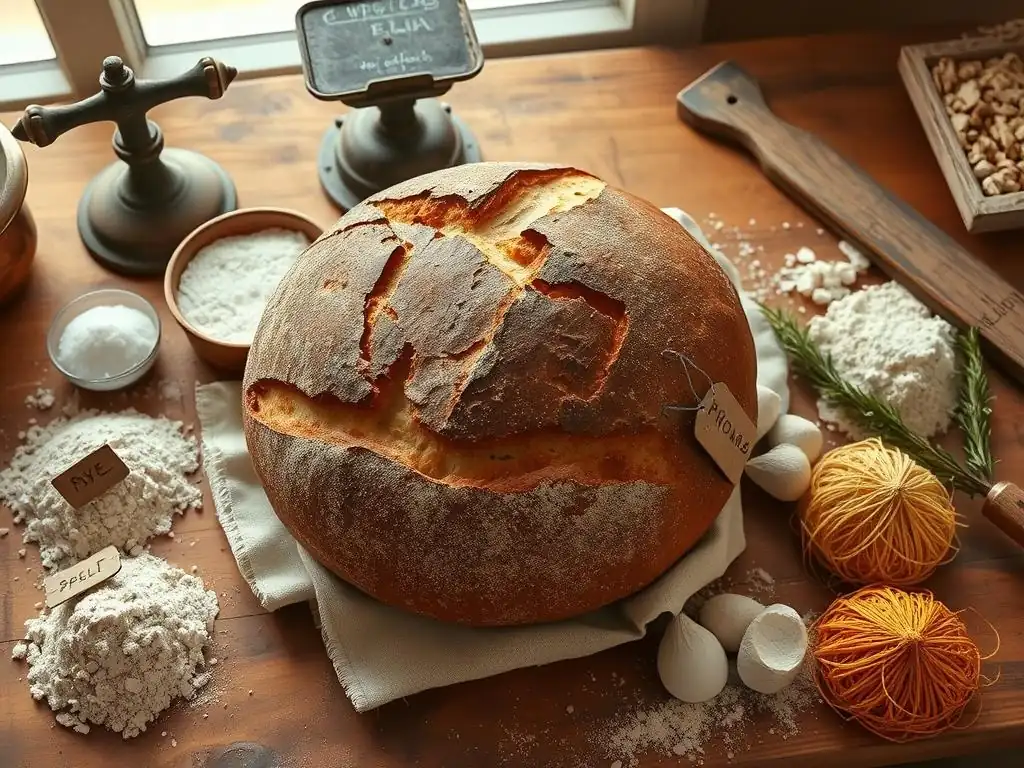
Beyond creating your perfect artisan bread flour blend, several practices can enhance your baking results. Source high-quality ingredients and continuously learn new techniques.
Finding high-quality artisan flours is crucial for creating exceptional bread with your custom blend. While standard supermarkets carry basic flours, specialty mills and online retailers often offer a wider variety of grains, milling styles (like stone-milled), and organic options. Look for suppliers who provide details about their sourcing, milling process, and the specific grain varieties they use.
Some mills specialize in ancient grains or regional wheat varieties, offering unique characteristics for your artisan bread flour blend. Consider buying directly from a mill or a reputable online baking supply store that focuses on quality ingredients. Purchasing flour that is freshly milled can also make a significant difference in flavor and performance.
Advanced Techniques: Incorporating Seeds, Grains, and Other Additions
Once you're comfortable working with your artisan bread flour blend, you can take your bread to the next level by incorporating other elements. Adding seeds like sesame, poppy, flax, or sunflower seeds can contribute flavor, texture, and nutrition. Grains like rolled oats, cracked wheat, or even cooked quinoa or rice can be included in the dough for added depth.
Soaking or sprouting seeds and grains before adding them can improve their digestibility and integrate them more smoothly into the dough structure. Other additions like nuts, dried fruits, herbs, or spices can transform your artisan bread flour blend creation into a truly signature loaf. Experiment with small quantities first to see how they affect the dough and the final bread.
Conclusion: Unleash Your Creativity with Artisan Bread Flour Blends
Creating and using your own artisan bread flour blend is a rewarding journey that expands your baking horizons. By understanding the unique properties of different flours and learning how to combine them strategically, you gain the ability to craft breads with tailored flavors, textures, and nutritional profiles.
Don't be afraid to experiment with ratios and combinations. Start simple, perhaps with a two-flour blend, and gradually introduce more complex mixtures as you become more comfortable. Each loaf you bake with your custom artisan flour blend will be a step towards mastering this rewarding craft. So, gather your flours, weigh them out, mix your unique artisan bread flour blend, and get ready to bake some truly exceptional bread!
Frequently Asked Questions
What is an artisan bread flour blend, and why should I use one?
An artisan bread flour blend is a mixture of different flour types to achieve specific textures and flavors in your bread. Using blends can enhance the complexity and character of your final product.
How do I choose the right artisan flours for my blend?
Consider the desired properties of your bread. Different flours contribute varying levels of protein, gluten, and flavor. Experimentation is key to finding the perfect combination.
What are some common artisan flours used in bread blends?
Common options include bread flour, whole wheat flour, rye flour, and spelt flour. Each flour adds unique flavor and texture characteristics. Consider your recipe's needs.
What ratio of artisan flours should I use in my blend?
There is no one-size-fits-all answer. Start with a basic ratio, like 70% bread flour and 30% whole wheat, and adjust based on your taste preferences and the recipe's requirements.
Where can I find high-quality artisan flours for blending?
Many specialty grocery stores and online retailers offer a variety of artisan flours. Look for flours that are unbleached and unbromated for the best results and flavor.
Final Reflection: The Flourishing Art of Bread Blending
The pursuit of the perfect loaf is a journey of experimentation, and understanding the nuances of different artisan flours is key to unlocking truly unique bread. This exploration into the world of flour blends isn't just a culinary adventure; it's a testament to the enduring power of tradition combined with innovative techniques that elevate the humble loaf to an art form. The possibilities are as limitless as the grains themselves.
The impact of artisan bread making on our cultural landscape is undeniable. It's a movement that celebrates slow food, mindful consumption, and the connection between our food and its origins. Bread is the staff of life,
a simple phrase that speaks volumes about its significance throughout history and across cultures. This article has hopefully illuminated the depth and complexity that lies within even this seemingly simple statement, showing how the careful selection and blending of flours can transform a basic staple into a culinary masterpiece, reflecting our individual creativity and appreciation for the craft.
Now, it's your turn. Consider the flours you have access to, the flavors you crave, and the textures you desire. Don't be afraid to experiment! Each blend is a chance to create something new, something uniquely yours. Embrace the process, learn from each loaf, and most importantly, enjoy the journey of mastering the art of artisan bread flour blends. The reward – a crusty, flavorful, and deeply satisfying loaf – is well worth the effort.
Unleash Your Inner Baker: Craft Your Signature Bread Blend!
Thanks for joining us on this flour-powered adventure! We hope you've gained a newfound appreciation for the artistry of blending artisan flours to create truly unique breads. Now it's time to put your knowledge into practice!
- Bake your own masterpiece: Try a new blend inspired by what you’ve learned, experimenting with different flour combinations and ratios. Don't be afraid to get creative!
- Share your baking journey: Snap a photo of your creation and post it on social media using #BakeWithEaseBlends – let's see those amazing loaves!
- Join the conversation: What unexpected flour combinations are you excited to try? Let us know in the comments below!
What unique flavor profile will your next bread creation unveil?