
The Nutritional Edge: Why Artisan Flours Are Good for You and Your Bread

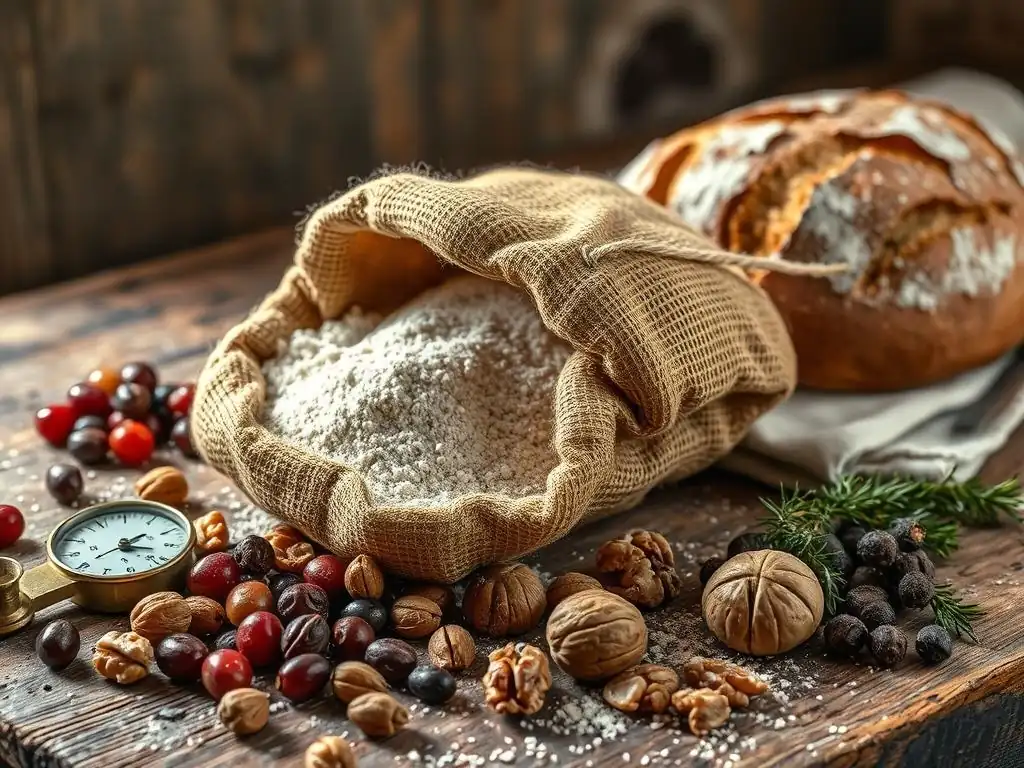
Welcome to BakeWithEase, your trusted guide to the delightful world of baking! Ever wondered if your flour choice impacts more than just taste? This week, we're diving deep into the surprising artisan flour nutritional benefits that can elevate both your health and your bread. Discover the difference a premium ingredient can make and unlock a new level of flavor and wellness in every delicious bite. Keep reading to learn how to make the most of these incredible flours!
- Unlocking Artisan Flour Nutritional Benefits for Superior Baking
- Understanding the Nutritional Landscape of Artisan vs. Commercial Flour
- Maximizing the Nutritional Value of Your Bread with Artisan Flour
- Choosing the Right Artisan Flour for Your Nutritional Needs and Baking Goals
- Beyond Nutrition: The Baking Benefits of Artisan Flour
- Conclusion: Embrace the Nutritional and Baking Power of Artisan Flour.
-
Frequently Asked Questions
- What exactly are artisan flours, and how do they differ from regular flour?
- What are the primary nutritional benefits of using artisan flour in my baking?
- How does the taste and texture of bread baked with artisan flour compare to bread made with regular flour?
- Are artisan flours more difficult to work with compared to all-purpose flour, especially for beginner bakers?
- Where can I find high-quality artisan flours, and how should I store them to maintain their freshness and nutritional value?
- Final Reflection: The Enduring Power of Artisan Flour
- Unleash Your Inner Baker: Craft the Perfect Loaf!
Unlocking Artisan Flour Nutritional Benefits for Superior Baking
Artisan flours are gaining popularity not just for their superior flavor and texture but also for their significant artisan flour nutritional benefits. Unlike highly refined commercial flours, these flours often retain more of the grain's natural goodness, offering a richer profile of fiber, protein, vitamins, and minerals. Baking with artisan flours transforms your bread from a simple carbohydrate source into a more nutrient-dense food, contributing positively to your overall diet. This focus on quality ingredients aligns perfectly with the journey of mastering baking, providing both a better product and enhanced health advantages.
Exploring the world of artisan flours reveals a spectrum of options, from heritage grains like spelt and einkorn to carefully stone-ground modern wheat varieties. Each type brings its unique artisan flour nutritional benefits to the table. For instance, a whole grain artisan flour typically contains the bran, germ, and endosperm of the grain, whereas refined white flour primarily consists only of the endosperm. This difference is fundamental to understanding why choosing artisan options can dramatically elevate the nutritional quality of your baked goods, making every slice of bread or pastry a more wholesome experience.
Elevating Your Baking with Nutrient-Rich Artisan Flours
Incorporating nutrient-rich artisan flours into your baking routine is a direct path to creating healthier, more satisfying bread. These flours, often milled with traditional methods or from diverse grain varieties, inherently possess higher levels of essential nutrients compared to their mass-produced counterparts. For example, a loaf baked with whole grain rye artisan flour can contain significantly more dietary fiber—perhaps around 15 grams per 100 grams of flour—than one made with standard white flour, which might only offer about 3-4 grams per 100 grams. This increased fiber is crucial for digestive health and contributes to a feeling of fullness.
Furthermore, the artisan flour nutritional benefits extend to their micronutrient profiles. Flours milled from the whole grain often retain higher concentrations of B vitamins (like thiamine, niacin, and riboflavin), iron, zinc, and magnesium. While precise levels vary greatly depending on the grain type and milling process, it's generally true that a stone-ground whole wheat artisan flour will offer a richer source of these vital nutrients than a roller-milled white flour, where much of the germ and bran—nutrient powerhouses—are removed. This makes choosing artisan flours a simple yet impactful way to boost the nutritional value of your home-baked goods.
Understanding the Nutritional Landscape of Artisan vs. Commercial Flour
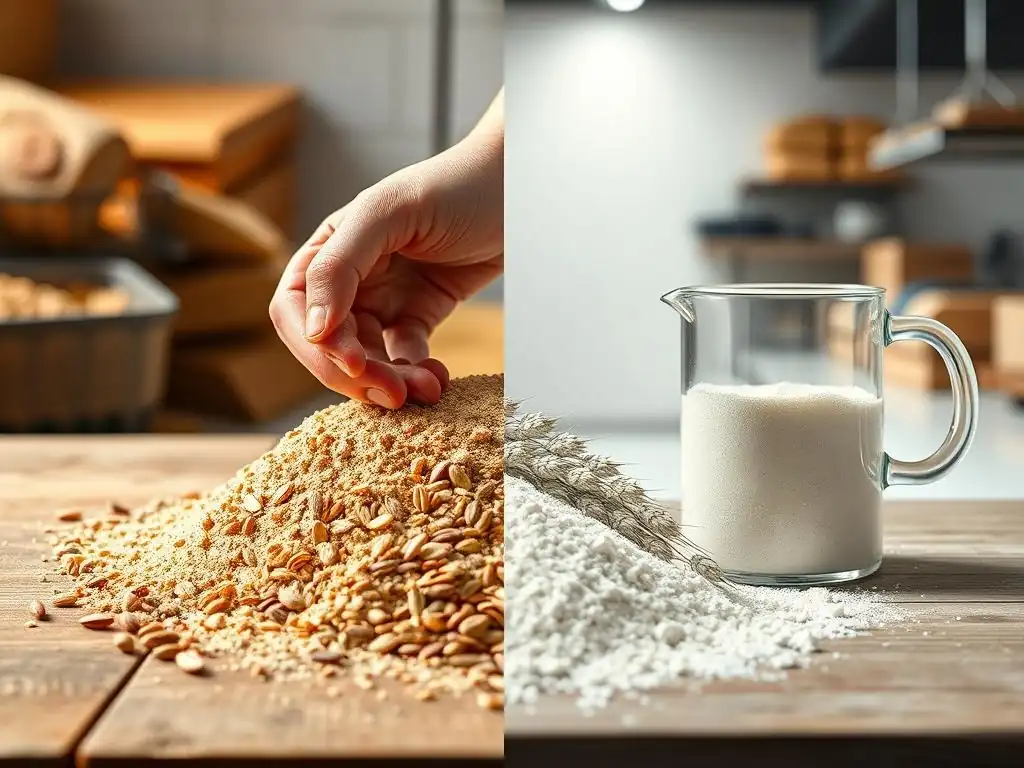
The distinction between artisan and commercial flour goes beyond branding; it lies fundamentally in the milling process and the parts of the grain that are retained. Commercial white flour, the standard in many pantries, undergoes extensive processing where the bran and germ are removed to create a fine, shelf-stable product. This process, while extending shelf life and creating a consistent texture, strips away a large portion of the grain's fiber, healthy fats, vitamins, and minerals.
Artisan flours, on the other hand, often embrace methods like stone milling, which grinds the entire grain or specific components more gently, preserving more of the natural nutrients. Even refined artisan flours might be less processed than their commercial counterparts, or they might be milled from unique grain varieties with distinct nutritional profiles. Understanding this fundamental difference is key to appreciating the superior artisan flour nutritional benefits they offer and how they can improve the healthfulness of your baking.
Key Differences in Nutrient Content: Artisan Flour vs. Standard Flour
The disparity in nutrient content between artisan and standard commercial flour is substantial, primarily due to the milling and refining processes. Standard white flour, being mostly refined endosperm, is primarily starch and protein, with much of the fiber, vitamins, and minerals concentrated in the removed bran and germ. While some commercial flours are "enriched" by adding synthetic vitamins (like folic acid) and iron back, they often lack the diverse range of naturally occurring nutrients and phytochemicals found in the whole grain.
In contrast, whole grain artisan flours, by including the bran and germ, offer significantly higher levels of dietary fiber, B vitamins (such as B1, B2, B3, B6), Vitamin E, iron, zinc, copper, manganese, and magnesium. For example, 100 grams of whole wheat artisan flour might contain approximately 12-14 grams of fiber, whereas 100 grams of standard white flour might have only 3-4 grams.
Similarly, the iron content can differ notably; whole grain flour might offer around 3-4 mg per 100g, while enriched white flour might have a similar amount added back, but without the accompanying nutrients naturally present in the whole grain. These artisan flour nutritional benefits make them a more complete food source.
The Impact of Milling on Flour Nutrition: Stone Ground vs. Roller Milling
The method used to mill grain has a profound impact on the resulting flour's nutritional profile. Roller milling, the dominant method in large-scale commercial production, efficiently separates the grain into its components—bran, germ, and endosperm—using steel rollers. This allows for the creation of very fine, consistent white flour by discarding the bran and germ. While efficient, this process removes the most nutrient-dense parts of the grain, leading to a significant loss of fiber, vitamins, minerals, and beneficial fats.
Stone milling, a traditional method often employed by artisan millers, grinds the entire grain kernel between two large stones. This process typically incorporates more of the bran and germ into the flour, resulting in a product that retains a much higher proportion of the grain's natural nutrients. The slower, cooler grinding process can also help preserve the delicate oils in the germ, contributing to flavor but also retaining fat-soluble vitamins like Vitamin E. The difference in milling is a key factor behind the superior artisan flour nutritional benefits compared to highly refined flours.
Maximizing the Nutritional Value of Your Bread with Artisan Flour
Baking with artisan flour is one of the most effective ways to enhance the nutritional value of your homemade bread. By choosing flours that retain more of the original grain, you automatically incorporate higher levels of essential nutrients into your diet with every slice. This approach moves beyond simply creating delicious bread to crafting food that actively contributes to your well-being, leveraging the inherent artisan flour nutritional benefits.
To truly maximize the nutritional impact, consider using 100% whole grain artisan flours or blends that incorporate significant portions of whole grains. Pairing these flours with fermentation techniques like sourdough can further enhance nutrient availability and digestibility. It's about making conscious choices about your ingredients to bake bread that is not only a joy to eat but also genuinely good for you.
Artisan Flour and Enhanced Fiber Intake: Promoting Gut Health
One of the most significant artisan flour nutritional benefits is the potential for dramatically increasing your dietary fiber intake. Artisan flours, especially those labeled as whole grain or stone-ground, contain substantially more bran—the fiber-rich outer layer of the grain—than refined white flours. Dietary fiber is crucial for maintaining a healthy digestive system, promoting regular bowel movements, and feeding beneficial gut bacteria.
Consider a typical serving of bread (around 50g). A slice made with standard white flour might offer only 1-2 grams of fiber. However, a comparable slice baked with a whole grain artisan flour could provide 3-5 grams or even more, depending on the flour type and loaf density. Regularly consuming bread made with fiber-rich artisan flour contributes to the recommended daily fiber intake (around 25-30g for adults), which is often difficult to achieve with a diet heavy in refined grains. This enhanced fiber content is a cornerstone of the artisan flour nutritional benefits for gut health.
Protein Power: Artisan Flours for a More Nutritious Loaf
While all wheat flours contain protein, the type and quantity can vary, and artisan flours often sourced from diverse or heritage grains can offer interesting protein profiles. Protein is essential for building and repairing tissues, and including more protein in your bread can contribute to a more balanced meal and increased satiety.
For instance, flours milled from grains like spelt or kamut (often available in artisan varieties) can have slightly different protein structures and levels compared to modern wheat. While standard bread flour might hover around 12-14% protein, certain artisan flours, particularly those from hard wheat varieties or specific heritage grains, can also reach these levels, sometimes offering a slightly different amino acid balance. Exploring the protein content listed by artisan millers allows bakers to choose flours that align with their nutritional goals, adding to the overall artisan flour nutritional benefits of their bread.
Vitamin and Mineral Retention: Why Artisan Flour Matters
The superior retention of vitamins and minerals is a defining characteristic of artisan flour nutritional benefits, particularly when comparing whole grain artisan flours to refined commercial options. The refining process that produces white flour removes the bran and germ, which are rich sources of micronutrients. While commercial flours are often enriched, this typically involves adding back only a few specific synthetic nutrients.
Whole grain artisan flours, by contrast, naturally contain a wide spectrum of vitamins and minerals. This includes B vitamins vital for energy metabolism (like thiamine, riboflavin, niacin, and folate), minerals essential for various bodily functions (such as iron, zinc, magnesium, phosphorus, and selenium), and antioxidants, including Vitamin E found in the germ. While the exact amounts vary by grain and batch, choosing artisan flours means you are incorporating a broader, more natural range of these vital micronutrients into your diet through your daily bread.
Choosing the Right Artisan Flour for Your Nutritional Needs and Baking Goals
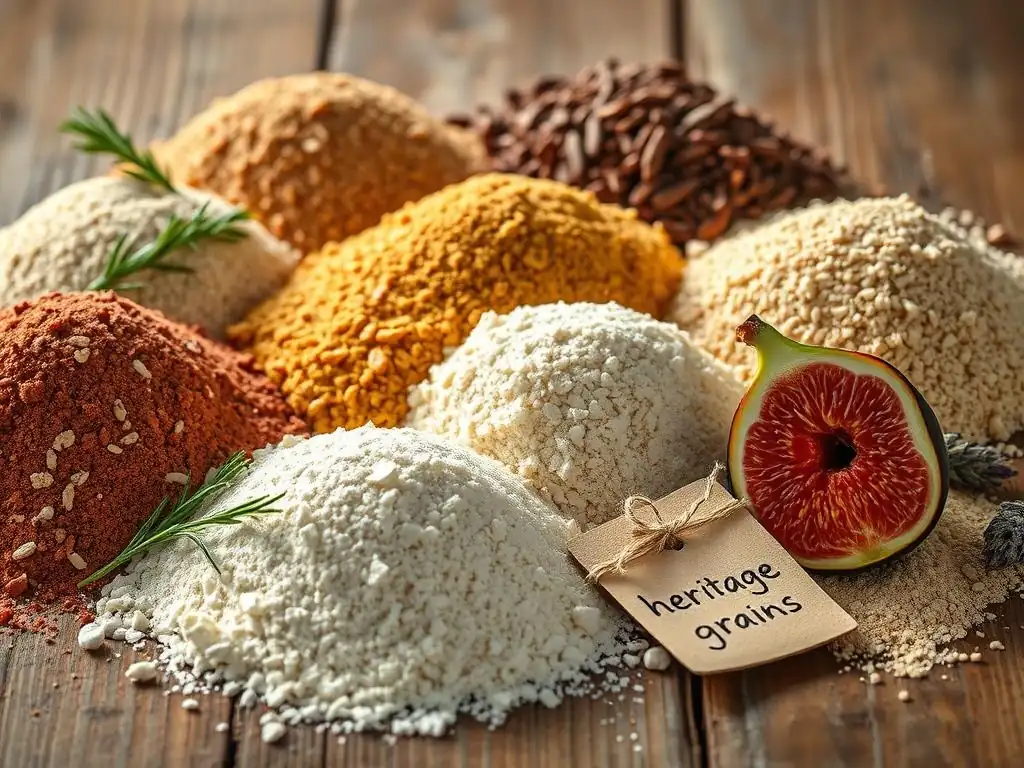
Selecting the perfect artisan flour involves considering both its baking properties and its nutritional profile. Different grains and milling methods yield flours with distinct characteristics that impact flavor, texture, and the artisan flour nutritional benefits they provide. Understanding these nuances empowers you to make informed choices that meet your specific dietary needs and help you achieve desired baking results.
Whether you're aiming for maximum fiber, a specific protein level, or a particular mineral boost, there's likely an artisan flour suited for the task. Don't hesitate to explore options beyond standard wheat, such as rye, spelt, einkorn, or even non-wheat grains like buckwheat or sorghum, available through artisan mills. Each offers a unique set of benefits and flavors to enhance your baking journey.
Selecting Artisan Flour Based on Nutritional Profile and Flavor
Choosing artisan flour is a delightful exploration of flavor and nutrition. If maximizing fiber is your goal, opt for stone-ground whole wheat, rye, or spelt flours, which are known for their high fiber content (e.g., >10g per 100g). For a different set of artisan flour nutritional benefits, consider flours from ancient grains like einkorn, which some studies suggest may have higher levels of certain minerals like zinc and iron compared to modern wheat varieties, though data can vary.
Flavor is intrinsically linked to the nutritional components; the oils in the germ contribute richness, and the bran imparts earthy or nutty notes. A dark rye flour offers a robust, tangy flavor profile along with ample fiber and certain lignans (plant compounds with potential health benefits).
A lighter, sifted artisan flour might have less fiber but can still offer more complex flavors and micronutrients than standard white flour if milled from a flavorful, high-quality grain variety. Consider what you want from your bread—dense and hearty, light and airy, tangy or sweet—and match the flour's nutritional benefits and flavor profile accordingly.
Case Study: Baking a Nutritionally Dense Sourdough with Artisan Flour
Let's consider a case study: baking a 100% whole grain sourdough loaf using a stone-ground Red Fife artisan wheat flour. Red Fife is a heritage wheat known for its excellent flavor and baking properties. By using a stone-ground whole version, we ensure the inclusion of the bran and germ. A typical recipe might use 500g of this flour.
This loaf would inherently possess significant artisan flour nutritional benefits. Compared to a sourdough made with refined white flour, this Red Fife loaf would contain approximately 45-60 grams of dietary fiber (based on ~9-12g fiber per 100g of whole Red Fife flour), crucial for digestive health. It would also provide a richer source of B vitamins, iron (potentially 15-20 mg for the whole loaf based on ~3-4 mg/100g), zinc, and magnesium compared to a refined flour loaf, even if the latter was enriched.
The slow fermentation of sourdough can also improve the bioavailability of some of these nutrients by breaking down phytic acid. This real-world example highlights how choosing a specific type of artisan flour directly translates into a measurably more nutritious final product.
Where to Buy High-Quality Artisan Flour: Recommendations
Finding high-quality artisan flour is key to unlocking the full artisan flour nutritional benefits and superior baking results. While specific local recommendations vary greatly by region, here are some general places to look:
- Local Mills: Many small-scale or regional mills specialize in stone-ground or heritage grain flours. Buying directly supports local agriculture and ensures freshness. Search online for "artisan mill near me" or "stone ground flour [your region]".
- Specialty Grocery Stores: High-end or health food grocery stores often carry a selection of artisan flours from various producers. Check the baking aisle for brands focusing on quality and traditional milling.
- Online Retailers: Numerous online stores specialize in artisan and specialty baking ingredients. This offers the widest selection, but consider shipping costs and flour freshness. Look for retailers who specify their milling process and grain sources.
- Farmers Markets: Some farmers who grow heritage grains also mill and sell their flour at local markets. This provides a direct connection to the source and often very fresh product.
When purchasing, look for details on the packaging about the milling process (e.g., stone-ground), the type of grain (e.g., heritage variety, specific wheat class), and whether it's whole grain or sifted. This information helps you understand the potential artisan flour nutritional benefits and how the flour will perform in your baking.
Beyond Nutrition: The Baking Benefits of Artisan Flour
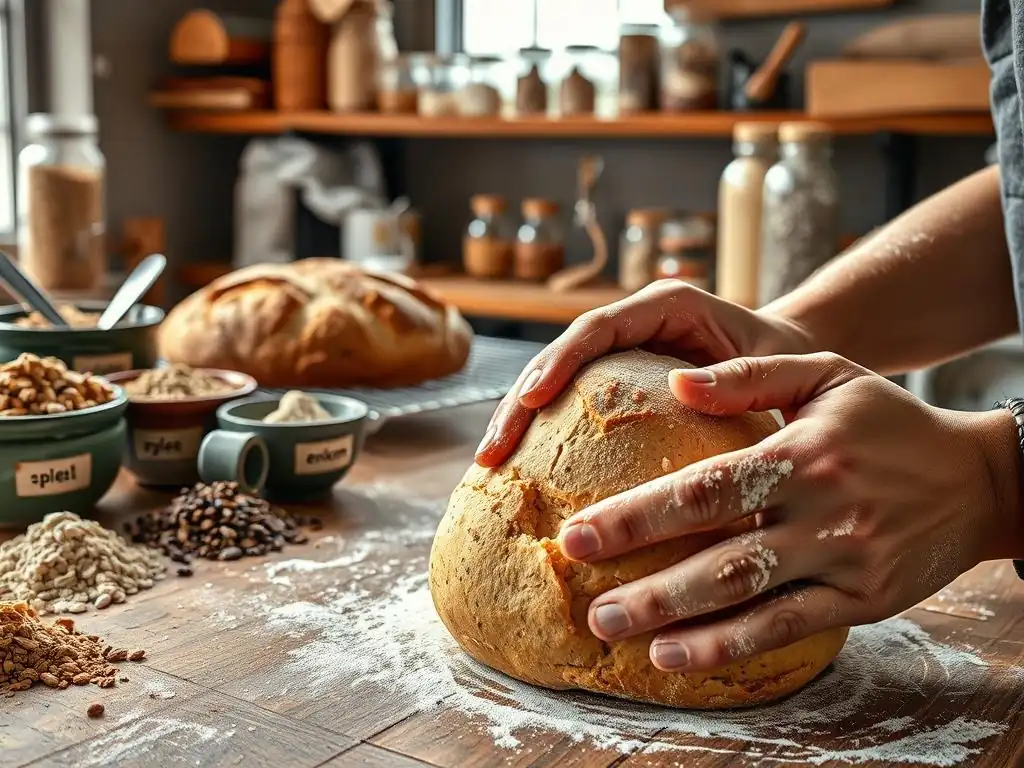
While the artisan flour nutritional benefits are compelling, these flours also offer significant advantages in the actual baking process and the final characteristics of your bread. Their unique composition, influenced by grain type and milling, contributes to superior flavor, aroma, and texture, elevating your baking from good to exceptional.
Baking with artisan flour is often a more engaging experience. The doughs can feel different, absorb water uniquely, and develop complex flavors during fermentation and baking. This responsiveness encourages bakers to become more attuned to their ingredients and the process, deepening their understanding and skill.
Improved Flavor and Texture: The Artisan Flour Advantage
The most immediately noticeable advantage of using artisan flour, beyond the artisan flour nutritional benefits, is the dramatic improvement in flavor and texture of the final baked goods. Artisan flours, especially those that are stone-ground or made from heritage grains, contain more of the grain's original components, including the flavorful germ and bran oils and complex carbohydrates.
This results in bread with a richer, more nuanced flavor profile compared to the relatively bland taste of bread made with standard white flour. Texturally, artisan flours can contribute to a more interesting crumb structure, better crust development, and a satisfying chewiness.
For example, a loaf baked with a high-extraction artisan wheat flour (where some bran is sifted out, but more is retained than in white flour) can have a beautiful golden crumb and a more complex aroma than one made with highly refined flour. The presence of bran and germ can also affect water absorption and gluten development, requiring slight adjustments but ultimately rewarding the baker with a loaf that is both delicious and texturally appealing.
Conclusion: Embrace the Nutritional and Baking Power of Artisan Flour.
Embracing artisan flour in your baking is a powerful step towards creating bread that is not only delicious and texturally superb but also significantly more nutritious. The artisan flour nutritional benefits—including higher levels of fiber, protein, vitamins, and minerals—make these flours a superior choice for health-conscious bakers. By retaining more of the grain's natural goodness through traditional milling methods and utilizing diverse grain varieties, artisan flours offer a nutritional edge over standard refined options.
Beyond the health advantages, baking with artisan flour enriches the entire baking experience, yielding loaves with deeper flavors, more complex aromas, and satisfying textures. It encourages a deeper connection to your ingredients and the ancient craft of bread making. We encourage you to explore the world of artisan flours, experiment with different types, and discover how they can transform your baking and contribute positively to your well-being.
Frequently Asked Questions
What exactly are artisan flours, and how do they differ from regular flour?
Artisan flours are typically milled using older, slower methods that preserve more of the wheat's bran and germ. This differs from regular flour, which often undergoes more processing and loses some of these nutrient-rich components.
What are the primary nutritional benefits of using artisan flour in my baking?
Artisan flours offer enhanced nutritional value due to the higher retention of vitamins, minerals, and fiber. This translates to bread with a lower glycemic index and improved digestive health.
How does the taste and texture of bread baked with artisan flour compare to bread made with regular flour?
Bread baked with artisan flour often has a more complex flavor profile, a heartier texture, and a slightly nutty taste. Regular flour tends to produce a softer, more uniform crumb.
Are artisan flours more difficult to work with compared to all-purpose flour, especially for beginner bakers?
Artisan flours can require slight adjustments in hydration and kneading techniques. However, with BakeWithEase's step-by-step guides, even beginners can successfully bake with them.
Where can I find high-quality artisan flours, and how should I store them to maintain their freshness and nutritional value?
BakeWithEase recommends checking local mills or specialty baking stores for high-quality artisan flours. Store them in an airtight container in a cool, dark place to prevent rancidity and maintain their nutritional benefits.
Final Reflection: The Enduring Power of Artisan Flour
The resurgence of artisan flours isn't just a culinary trend; it's a conscious return to nutritional integrity. We've explored the compelling evidence showcasing the superior nutritional profile of artisan flours compared to their mass-produced counterparts, highlighting the benefits of higher fiber, increased micronutrients, and improved glycemic index. This isn't simply about better bread; it's about making informed choices that directly impact our health and well-being.
The shift towards artisan flours reflects a broader societal awakening—a growing awareness of the connection between food, health, and sustainability. This movement transcends mere dietary preferences; it speaks to a deeper desire for authenticity and a return to traditional methods that prioritize quality over quantity. As Michael Pollan wisely stated, Eat food. Not too much. Mostly plants.
Artisan flours, with their inherent complexity and nutritional richness, perfectly embody this philosophy. They encourage us to slow down, appreciate the process of food production, and understand the profound impact our dietary choices have on ourselves and the planet.
Consider the flour you choose for your next loaf. Will you opt for the convenience of mass-produced flour, or will you embrace the nutritional bounty and mindful approach offered by artisan flours? This isn't just about the taste of your bread; it's about the nourishment you provide your body and the values you support. Make a conscious choice to prioritize quality, sustainability, and the enduring power of traditional food production. The journey towards better health and a more mindful relationship with food begins with a single loaf.
Unleash Your Inner Baker: Craft the Perfect Loaf!
Thanks for diving deep into the world of artisan flours with us! We hope you now feel empowered to make healthier, tastier bread. Ready to put your newfound knowledge into practice?
- Bake a batch of artisan bread today! Use the techniques and recipes you learned about here to create something truly delicious. Experiment with different flours and see which you like best.
- Share your baking journey! Post a picture of your creation on social media and tag us – we’d love to see your results!
- Consider exploring a new artisan flour you haven't tried before – perhaps a nutty spelt or a vibrant rye?
What unique flavor will your next artisan loaf bring to your table?