
What Exactly Are Artisan Flours and Why Use Them for Bread?

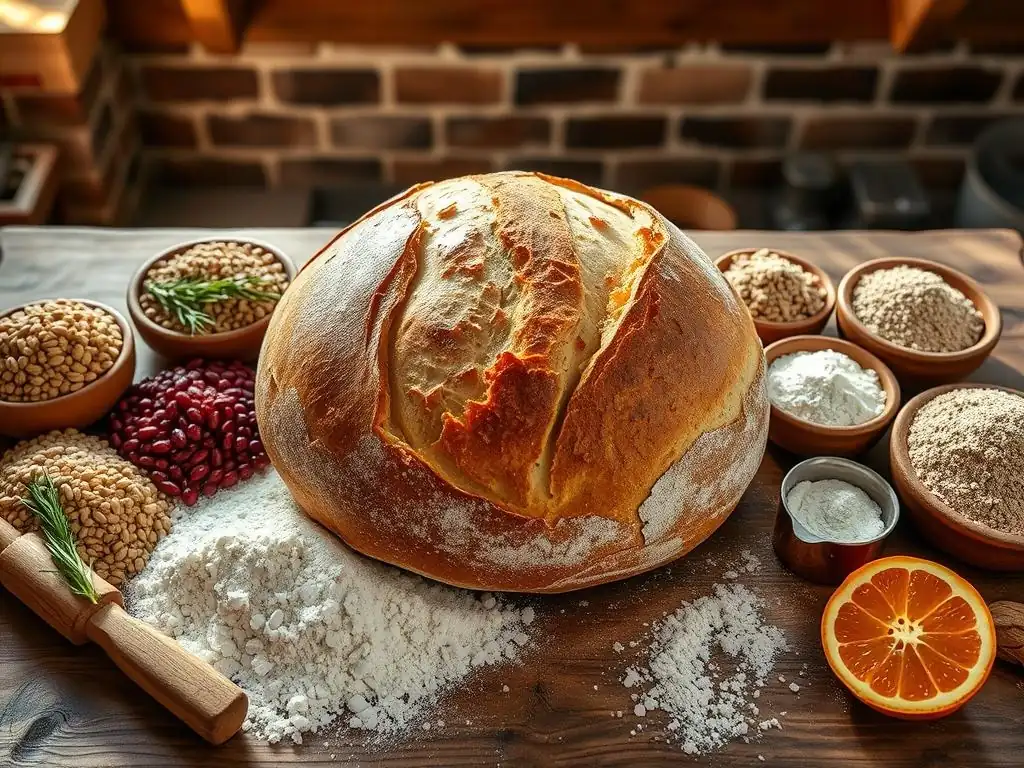
Welcome to BakeWithEase, where baking becomes a joy! Ever wondered what makes artisan flour bread so irresistibly delicious? Uncover the secrets behind using premium flours in our latest guide, "What Exactly Are Artisan Flours and Why Use Them for Bread?" Delve into the world of premium baking ingredients and discover how these exceptional flours can elevate your baking from simple to sublime. Intrigued? Let's get baking!
- Artisan Flours for Bread Baking: A Detailed Guide
- Understanding Artisan Flour: Beyond Commercial Bread Flour
- Characteristics of Artisan Flour and Their Impact on Bread
- Choosing the Right Artisan Flour for Your Bread
- Techniques for Baking with Artisan Flour
- Flour Recommendations for Specific Bread Recipes
- Sourcing Artisan Flour: Online and Local Options
- Troubleshooting Artisan Flour Bread Baking
- Expanding Uses for Artisan Flour
- Conclusion: Elevate Your Baking with Artisan Flour
-
Frequently Asked Questions
- What defines an artisan flour and how does it differ from regular flour?
- Why should I consider using artisan flour for my bread, especially when following an artisan flour bread recipe?
- Are artisan flours more difficult to work with compared to standard flours like all-purpose?
- Where can I typically find artisan flours for baking?
- Can I substitute artisan flour for all-purpose flour in any bread recipe, or are there specific artisan flour bread recipe requirements?
- Final Reflection: The Flour Power of Artisan Bread Baking
- Unleash Your Inner Baker: Elevate Your Bread Baking!
Artisan Flours for Bread Baking: A Detailed Guide
Understanding Artisan Flour: Beyond Commercial Bread Flour
Defining Artisan Flour: Milling, Grain, and Processing
Artisan flour represents a departure from highly standardized, commercially produced flours. Its definition often revolves around the milling process, the type and provenance of the grain, and a focus on preserving the natural characteristics of the wheat kernel. Unlike large industrial mills that prioritize consistency and shelf life through roller milling and extensive sifting, artisan mills often use stone mills or hammer mills, which grind the entire grain (or a significant portion of it) at a slower speed.
This method generates less heat, helping to preserve the natural oils, enzymes, and flavors found in the wheat germ and bran. The resulting flour is less uniform but typically richer in character.
Furthermore, the grain itself plays a crucial role. Artisan flour is frequently made from heritage or regional grain varieties, often grown using sustainable practices, rather than the high-yield, modern wheat strains favored by large-scale agriculture. These older varieties, like Einkorn, Emmer, or specific regional types of Hard Red Wheat, possess unique genetic traits that contribute distinct flavor profiles, nutritional properties, and gluten structures.
The processing is minimal, often involving less sifting or bolting (separation of bran and germ from the endosperm) than commercial white flours. A typical "high extraction" artisan flour might retain 80-90% of the whole grain, compared to a standard commercial white bread flour which is often 75% extraction or less, primarily composed of the starchy endosperm. This less refined approach means the flour contains more of the grain's original components.
Artisan Flour vs. Commercial Flour: A Comparison of Characteristics
The differences between artisan and commercial flours are significant and directly impact the outcome of your artisan flour bread recipe. Commercial bread flour, such as that found in most supermarkets, is typically roller-milled from a blend of hard wheat varieties to achieve a consistent protein content, often around 12-13.5%. It undergoes rigorous sifting to remove bran and germ, bleaching or bromating for consistent performance, and often enrichment with synthetic vitamins and minerals lost during processing. The goal is a predictable, stable product that behaves uniformly batch after batch, resulting in reliably high-rising, soft loaves.
Artisan flour, on the other hand, embraces variability. Its protein content can range widely depending on the grain and milling process – from as low as 8% for some soft wheat varieties used in pastries to over 14% for certain hard wheats ideal for hearty loaves.
The ash content (a measure of the mineral content, primarily from the bran and germ) is often higher in artisan flours, reflecting the presence of more of the whole grain. For instance, a high-extraction artisan flour might have an ash content of 0.8-1.2%, while a standard commercial white bread flour could be 0.4-0.5%.
This higher ash content, combined with the less refined nature, contributes to richer flavors and darker crumbs. While commercial flour prioritizes uniformity and shelf stability, artisan flour celebrates the unique qualities of the grain and the mill, offering bakers a palette of distinct flavors and textures to explore in their artisan flour bread recipes.
Characteristics of Artisan Flour and Their Impact on Bread
Flavor Profiles: Exploring the Nuances of Different Flours
One of the most compelling reasons to use artisan flour for bread is the depth and complexity of flavor it imparts. Unlike the relatively neutral taste of standard white bread flour, artisan flours carry the distinct characteristics of the grain from which they are milled. For example, a loaf made with organic Hard Red Winter Wheat, stone-milled to a high extraction, might offer earthy, slightly nutty notes with a subtle sweetness. Rye flour, whether light or dark, introduces a characteristic tang and malty flavor that is essential for traditional rye breads, often paired with caraway seeds or other spices.
Heirloom grains like Spelt or Einkorn bring their own unique flavors. Spelt, an ancient relative of modern wheat, has a milder, slightly sweet, and nutty taste that works well in both rustic loaves and enriched breads. Einkorn, considered one of the earliest cultivated wheat varieties, offers a rich, buttery flavor profile that adds complexity to a loaf.
Even different types of whole wheat flour can vary significantly; a Hard White Wheat whole flour might be sweeter and less tannic than a Hard Red Wheat whole flour. Exploring these different flavor profiles through various artisan flour bread recipes allows bakers to create loaves with truly unique and memorable tastes, moving beyond the standard bread experience.
Texture and Structure: Achieving Crumb and Crust Development
The characteristics of artisan flour profoundly influence the texture and structure of the finished loaf. The protein content, specifically the quality and quantity of gluten-forming proteins (gliadin and glutenin), dictates how the dough develops elasticity and strength. Flours high in protein, like those milled from Hard Red Spring Wheat (often 13-15% protein), are excellent for developing a strong gluten network capable of trapping the gases produced during fermentation, resulting in a well-risen loaf with an open, airy crumb structure, ideal for a classic artisan sourdough bread recipe.
However, protein isn't the whole story. The presence of bran and germ, common in high-extraction artisan flours, can interfere with gluten development by physically cutting the gluten strands. This is why 100% whole wheat loaves, even with high-protein flour, often have a denser crumb than white loaves. The milling process also matters; stone-milled flours can sometimes absorb water differently than roller-milled flours due to particle size variation.
The ash content, reflecting mineral presence, can also affect yeast activity and fermentation speed. Achieving the desired texture – whether it's a lacy, open crumb for a baguette or a tighter, moist crumb for a rye loaf – requires understanding how the specific artisan flour behaves and adjusting hydration, kneading, and fermentation techniques accordingly. The interaction of these factors is key to mastering the perfect artisan flour bread recipe.
Nutritional Benefits: Fiber, Minerals, and Gluten Content
Beyond flavor and texture, artisan flours, particularly those that are less refined, offer significant nutritional advantages compared to standard commercial white flours. When the bran and germ are retained, the flour contains substantially more dietary fiber. For instance, a standard commercial white flour might contain around 2-3 grams of fiber per 100 grams, while a high-extraction or whole grain artisan flour could easily have 8-12 grams or more. This increased fiber content is beneficial for digestive health and helps regulate blood sugar levels.
Furthermore, the bran and germ are packed with vitamins and minerals. Artisan flours that include these components provide higher levels of B vitamins (like niacin, thiamine, and riboflavin), vitamin E, antioxidants, and minerals such as iron, zinc, magnesium, and phosphorus.
While commercial white flours are often "enriched" with synthetic versions of some of these nutrients, the nutrients in whole or high-extraction artisan flours are naturally occurring and part of a more complex matrix. Regarding gluten, the content varies based on the grain type and protein level, as discussed earlier.
While some heritage wheats might have a slightly different gluten structure than modern wheat, most artisan flours still contain gluten unless specifically milled from gluten-free grains like buckwheat or rice (which are used in some specialty bread recipes, but aren't typically classified as "artisan flour" in the wheat context). For those sensitive to gluten, standard artisan wheat flours are not a substitute for certified gluten-free options.
Choosing the Right Artisan Flour for Your Bread
High-Protein Flours: Sourdough and Rustic Breads (e.g., Hard Red Wheat)
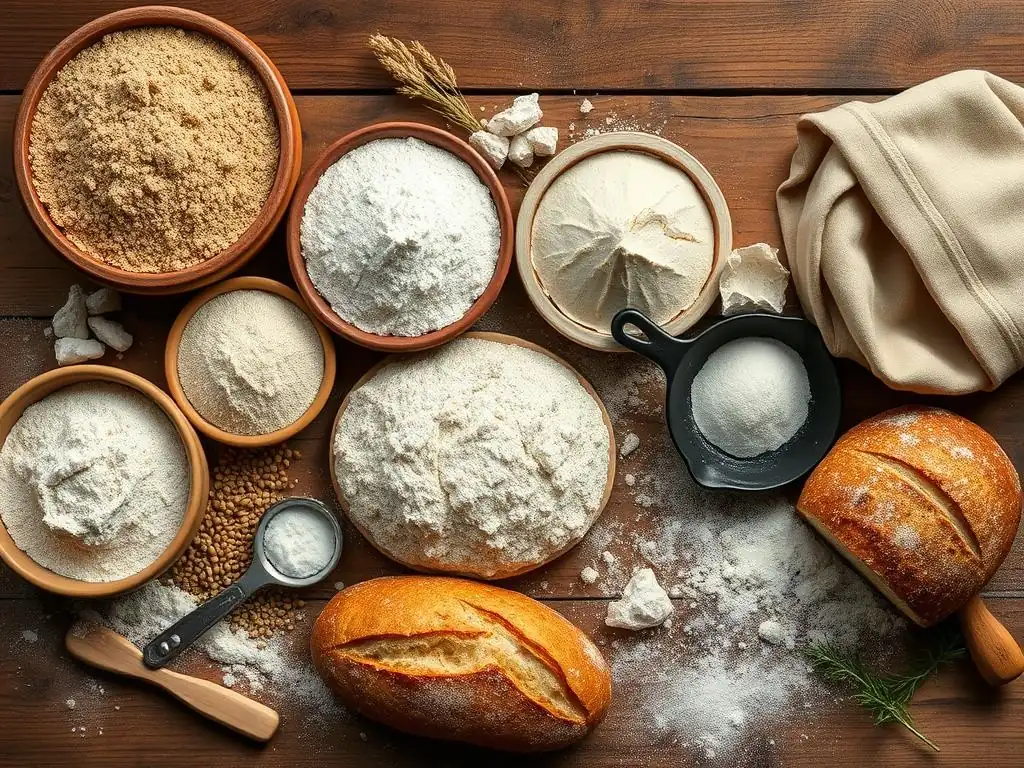
For many classic artisan bread recipes, especially those relying on a strong rise and open crumb structure like sourdough or rustic country loaves, high-protein artisan flours are often the top choice. Flours milled from Hard Red Spring or Hard Red Winter wheat varieties are particularly well-suited. These wheats typically boast protein levels ranging from 12% to 15%. This high protein content translates to a robust gluten network when properly hydrated and developed through kneading and fermentation.
A strong gluten network is crucial for trapping the carbon dioxide produced by yeast (or sourdough starter), allowing the dough to expand significantly during proofing and oven spring. An excellent example is a stone-milled Hard Red Spring wheat flour with 14% protein; this flour can absorb a high percentage of water (hydration levels often 75-85% or even higher) and still maintain structure, leading to those desirable large holes in the crumb of a well-baked sourdough. Using a high-protein artisan flour provides the structural integrity needed to support the often long fermentation times characteristic of artisan bread baking.
Whole Grain Flours: Depth and Complexity (e.g., Whole Wheat, Rye)
Incorporating whole grain artisan flours brings significant depth of flavor and a heartier texture to bread. Flours milled from the entire wheat kernel, including the bran, germ, and endosperm, are classified as whole wheat flour. Similarly, whole rye flour is milled from the entire rye berry. These flours provide a more complex, earthy, and often slightly tangy or nutty flavor compared to white flours.
When substituting whole grain flour into an artisan flour bread recipe, adjustments are typically needed. The bran and germ absorb more water than the endosperm, meaning whole grain doughs often require higher hydration. For example, if a white bread recipe calls for 65% hydration, a whole wheat version might need 70-75% or more.
The sharp edges of bran particles can also interfere with gluten development, sometimes leading to a denser crumb. However, this density is often desired in rustic or health-focused loaves. Combining whole wheat or rye with a high-protein white or bread flour (e.g., 30% whole wheat, 70% white bread flour) is a common technique to balance flavor, nutrition, and structure, yielding loaves with rich taste and a pleasing crumb.
Specialty Flours: Experimenting with Flavor (e.g., Spelt, Einkorn, Kamut)
Venturing into specialty artisan flours opens up a world of unique flavors and baking characteristics. Flours milled from ancient grains like Spelt, Einkorn, and Kamut (Khorasan wheat) offer distinct tastes and nutritional profiles. Spelt flour has a pleasant, mildly sweet and nutty flavor and a slightly different gluten structure than modern wheat, which can make it easier to digest for some people. It works well in both lean and enriched breads.
Einkorn flour, with its rich, buttery flavor, is lower in gluten-forming proteins than modern wheat and has a weaker gluten structure. This means doughs made with 100% Einkorn can be stickier and require a gentler touch during kneading and shaping. Kamut flour is known for its large grain size, rich, buttery flavor, and relatively high protein content.
It produces golden-hued loaves with a slightly sweet taste. Using specialty flours like these, perhaps in a blend with a strong bread flour or as the primary flour in a dedicated artisan flour bread recipe, allows bakers to experiment and create loaves with truly unique characteristics that stand out.
Techniques for Baking with Artisan Flour
Hydration Levels: Adjusting for Different Flour Types
Mastering hydration is fundamental when working with artisan flours, as their water absorption capabilities vary significantly depending on the milling process, grain type, and protein/ash content. Generally, flours with higher protein and higher ash content (more bran and germ) absorb more water. For instance, a finely sifted, low-ash commercial white flour might perform best at 60-65% hydration (relative to flour weight), while a stone-milled, high-extraction Hard Red Spring wheat flour with 14% protein might comfortably handle 75-80% hydration or even higher.
Starting with a hydration level that is appropriate for the specific artisan flour you are using is critical. Too little water and the dough will be stiff, difficult to work, and result in a dry, dense loaf. Too much water and the dough will be a sticky, unmanageable mess, potentially leading to a flat bread without good structure.
It's often recommended to start conservatively with a new flour and gradually add more water until the dough feels right – elastic, but not overly sticky. Experienced bakers learn to judge hydration by feel, but referring to hydration recommendations from the mill or for similar flour types is a good starting point for crafting your artisan flour bread recipe.
Kneading and Fermentation: Time, Technique, and Temperature
Kneading and fermentation techniques must be adapted when using artisan flours, particularly those containing significant amounts of bran and germ. While vigorous kneading is effective for developing the strong gluten network needed in white flour doughs, whole grain or high-extraction artisan flours require a different approach. The bran particles can impede gluten development, so techniques like stretch and folds are often preferred over intensive kneading.
Stretch and folds build strength gently over time, allowing the gluten to develop while minimizing the tearing effect of the bran. Typically, 3-6 sets of stretch and folds performed over the first couple of hours of bulk fermentation are sufficient for many artisan flour bread recipes.
Fermentation time and temperature are also crucial. Artisan flours, especially those from small mills, often contain more active enzymes than highly processed commercial flours. These enzymes can break down starch into sugars, feeding the yeast, but also potentially degrading the gluten over very long fermentation periods.
Therefore, monitoring the dough's activity and feel is essential. Optimal fermentation temperatures (typically 72-78°F or 22-26°C for bulk fermentation) allow the dough to develop flavor and structure without over-fermenting. Cold fermentation in the refrigerator (38-45°F or 3-7°C) is also a popular technique for artisan flour bread recipes, slowing down fermentation and further developing complex flavors over 12-48 hours.
Baking Temperatures and Times: Achieving Optimal Results
Baking temperatures and times are the final critical steps in transforming your artisan flour dough into a beautiful loaf. Artisan breads are typically baked at high temperatures to achieve excellent oven spring and a well-developed crust. Temperatures often range from 450°F to 500°F (230°C to 260°C).
Baking in a preheated Dutch oven or on a baking stone with steam is highly recommended for artisan flour bread recipes. The enclosed environment of a Dutch oven traps steam released by the dough, keeping the surface moist during the initial phase of baking. This allows the dough to expand fully before the crust sets, resulting in maximum oven spring and a thin, crisp crust.
A typical baking sequence might involve baking covered in a Dutch oven at 475°F (245°C) for 20-25 minutes, then removing the lid and continuing to bake at a slightly lower temperature (around 450°F or 230°C) for another 20-30 minutes until the crust is deeply colored and the internal temperature reaches 200-210°F (93-99°C). For loaves baked on a stone, creating steam in the oven by adding water to a hot pan is necessary.
The exact time will depend on the size and shape of the loaf and your oven's calibration, but aiming for a dark, caramelized crust is key for optimal flavor and texture in artisan bread.
Flour Recommendations for Specific Bread Recipes
Sourdough Bread: High-Protein Bread Flour - Why it Works Best
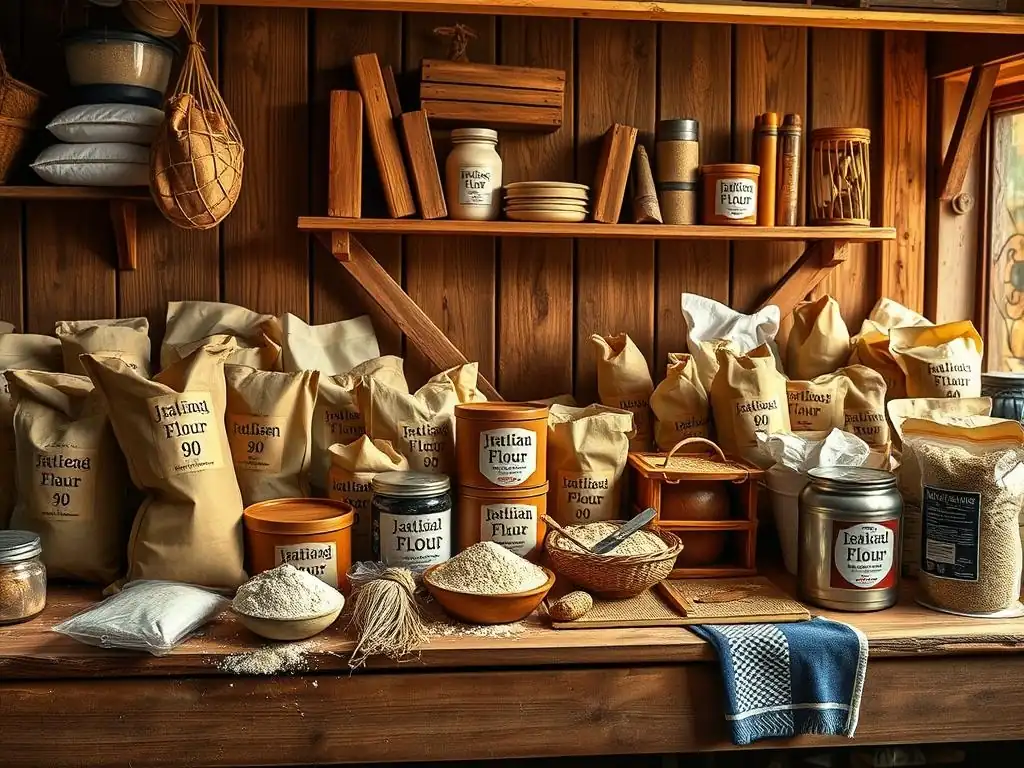
For many sourdough artisan flour bread recipes, a high-protein bread flour (typically 12.5% to 14% protein) is the gold standard, especially when aiming for that classic open crumb. The strong gluten network formed by these flours is essential for trapping the significant amount of gas produced by a lively sourdough starter over a long fermentation period. This strength allows the dough to hold its structure through bulk fermentation, shaping, proofing, and finally, to achieve impressive oven spring.
While you can certainly make sourdough with other flours, a strong bread flour provides the necessary scaffolding. For example, a blend of 90% strong white artisan bread flour and 10% stone-milled whole wheat is a popular choice. The white flour provides the primary structure, while the small addition of whole wheat adds flavor and nutrients without excessively inhibiting gluten development. Using a high-protein flour ensures your starter has ample protein to work with, contributing to a vigorous rise and a beautifully airy interior in your artisan flour bread recipe.
Baguettes: French-Style Flour - Achieving the Classic Texture
Baguettes are renowned for their thin, crispy crust and open, irregular crumb (known as alveoli). Achieving this texture traditionally relies on flours similar to the French Type 55 (T55) flour. This is a relatively low-ash white flour (ash content typically 0.5-0.6%), often milled from softer wheat varieties than those used for high-protein bread flour, resulting in a moderate protein content (around 10-11.5%). The lower protein and ash allow for a dough that is extensible yet strong enough to develop that characteristic open crumb without being overly chewy.
Finding an exact T55 equivalent as an artisan flour in other regions can be tricky, but look for stone-milled white flours or flours specifically labeled for baguettes or French bread with a protein range in the 10-12% area and relatively low ash. Some mills produce artisan flours designed to mimic the properties of T55, focusing on specific wheat varieties and sifting levels. Using the correct type of flour is paramount for achieving the authentic texture and flavor profile of a classic baguette in your artisan flour bread recipe.
Rustic Loaves: Whole Wheat or Mixed Grain Flour - For a Hearty Bread
Rustic loaves, often characterized by their dense, moist crumb and robust flavor, are perfect candidates for whole wheat or mixed grain artisan flours. These flours contribute depth of flavor, nutritional value, and a satisfying chewiness that is distinct from lighter white loaves. A 100% whole wheat artisan flour bread recipe yields a loaf with intense, earthy notes and a tighter crumb structure due to the presence of bran.
Alternatively, blending whole grain flours with white bread flour allows for customization. A mix of 50% whole wheat and 50% white bread flour creates a loaf that balances the flavor and nutrition of whole grains with improved structure and a slightly more open crumb than 100% whole wheat. Incorporating flours like rye, spelt, or buckwheat into the mix (e.g., 20% rye, 80% white bread flour) adds unique flavor dimensions. For a hearty rustic loaf, embrace the characteristics of whole and mixed grain artisan flours, adjusting hydration and fermentation to suit the blend.
Sourcing Artisan Flour: Online and Local Options
Local Mills: Benefits and Considerations
Sourcing artisan flour directly from local mills offers numerous benefits, including freshness and supporting local agriculture. Flour from a local mill is often milled recently, meaning the natural oils in the germ haven't had as much time to oxidize, contributing to better flavor and potentially longer shelf life before going rancid. You also have the opportunity to learn directly from the miller about the grains they use, their sourcing practices, and the specific characteristics of their flours – information invaluable for honing your artisan flour bread recipe.
However, local mills may have limited distribution, requiring a trip to the mill or a nearby farmers market. Their product range might be smaller than large online retailers, and pricing can sometimes be higher due to smaller production volumes. Storage is also a consideration; fresh, stone-milled flours are best stored in the refrigerator or freezer to preserve quality, especially in warmer climates. Despite these considerations, connecting with a local mill provides a direct link to the source of your ingredients and can significantly enhance your understanding and appreciation of artisan flour.
Online Retailers: Convenience and Variety
Online retailers provide unparalleled convenience and access to a vast selection of artisan flours from mills across the country and even internationally. Websites specializing in baking supplies or featuring specific artisan mills allow you to browse various grain types (heritage, regional, organic), milling styles (stone-milled, roller-milled), and extraction rates from the comfort of your home. This is particularly useful if you're searching for a specific or rare type of artisan flour for a particular artisan flour bread recipe.
Ordering online means flour is delivered directly to your door, saving time and travel. Many online suppliers offer detailed descriptions of their flours, including protein and ash content, origin, and recommended uses, which is helpful for making informed choices. However, shipping costs can add up, especially for heavy bags of flour. While the selection is vast, you miss the direct interaction with the miller and the immediate freshness you might get from a local source. Researching reputable online retailers and checking their shipping practices and customer reviews is recommended to ensure you receive high-quality product.
Troubleshooting Artisan Flour Bread Baking
Dense Bread: Gluten Development and Proofing Issues
A dense crumb is a common frustration when baking artisan flour bread recipes, and it usually points to issues with either gluten development or proofing. If the gluten hasn't been adequately developed through mixing and folding, the dough won't have the strength to trap fermentation gases, leading to a heavy, tight crumb. This can happen if the flour's protein content is too low for the desired structure, if kneading/folding was insufficient, or if bran particles in whole grain flours significantly disrupted the gluten network without compensatory technique adjustments.
Alternatively, dense bread can result from under-proofing or over-proofing. Under-proofed dough hasn't had enough time for fermentation to produce sufficient gas and develop flavor; it will feel heavy and may not expand much in the oven. Over-proofed dough, conversely, has fermented too long; the gluten structure weakens and collapses, and the dough loses its ability to hold gas, resulting in a loaf that may rise initially but then fall or bake up flat and dense. Carefully observing the dough's texture, elasticity, and volume increase during fermentation is crucial to avoid these pitfalls in your artisan flour bread recipe.
Flat Bread: Hydration and Oven Spring
Flat loaves often result from dough that lacks sufficient structure to hold its shape during baking. This can be linked to hydration levels being too high for the flour's capacity or inadequate gluten development, as mentioned regarding dense bread. If the dough is too wet and the gluten isn't strong enough, it simply spreads out rather than holding a round or oblong shape. Using a lower hydration level or incorporating more stretch and folds can help build the necessary tension and structure.
Lack of oven spring also contributes to flat bread. Oven spring is the final burst of expansion the dough undergoes during the first 10-15 minutes of baking, driven by gas expansion in the hot oven.
Poor oven spring can be caused by under-proofing (not enough gas produced), over-proofing (gluten structure collapsed), insufficient steam in the oven (crust sets too quickly, preventing expansion), or not baking at a high enough temperature. Ensuring your oven is fully preheated, using a Dutch oven or steam method, and correctly timing fermentation are key to achieving good oven spring and avoiding flat results in your artisan flour bread recipe.
Uneven Texture: Kneading and Fermentation Techniques
An uneven crumb, with large holes in some areas and very dense spots in others, often indicates inconsistent gluten development or uneven gas distribution during fermentation. This can happen if the dough wasn't mixed or folded uniformly, leaving some areas stronger or weaker than others. For instance, if using the stretch and fold method, ensure you are working the entire dough mass evenly with each set.
Uneven fermentation can also cause this issue. If the dough is warmer in some spots than others, or if the starter/yeast wasn't evenly distributed initially, gas production will be inconsistent. Furthermore, rough handling during shaping can degas parts of the dough excessively while leaving other areas with large air pockets. Gentle but firm shaping techniques are necessary to create an even tension on the dough's surface and distribute gas bubbles more uniformly, leading to a more consistent and desirable crumb structure throughout your artisan flour bread recipe.
Expanding Uses for Artisan Flour
Pastries: Croissants, Danishes, and More
While artisan flour is primarily associated with bread, many varieties lend themselves beautifully to pastry applications like croissants, danishes, and puff pastry. For laminated doughs that require strength and elasticity to create thin layers, a moderate to high-protein artisan flour can be beneficial. A stone-milled Hard Red Spring wheat flour, while strong, might require slightly different handling than a highly refined commercial pastry flour, potentially absorbing water differently and contributing more flavor.
Some artisan mills also produce flours specifically tailored for pastry, often milled from softer wheat varieties with lower protein content (8-10%). These flours, like a stone-milled Soft White Wheat, yield tender crumbs ideal for cakes, cookies, or delicate pastries. Experimenting with different artisan flours in your pastry recipes can introduce subtle nutty or sweet undertones and a more complex texture than standard all-purpose flour, elevating your baked goods beyond the ordinary.
Cakes: Adding Depth and Flavor
Even in cakes, where structure is less about gluten development and more about tender crumb, artisan flours can add significant value. A low-protein, finely milled artisan flour from soft wheat is ideal for cakes, muffins, and quick breads, contributing tenderness. However, using a high-extraction or whole grain artisan flour in a cake can introduce wonderful depth of flavor and a slightly denser, more moist texture.
For example, a carrot cake made with a portion of stone-milled whole spelt flour will have a richer, nuttier flavor than one made solely with white flour. A chocolate cake using a high-extraction wheat flour might boast subtle malty notes. When using whole grain or higher-ash artisan flours in cakes, you might need to adjust liquid slightly as they absorb more water. These flours move cakes beyond simple sweetness, adding layers of flavor that reflect the quality and character of the grain itself.
Conclusion: Elevate Your Baking with Artisan Flour
Exploring the world of artisan flour is a rewarding journey for any baker looking to elevate their craft. Moving beyond conventional flours unlocks a spectrum of flavors, textures, and nutritional benefits rooted in diverse grain varieties and mindful milling practices. From understanding how stone milling differs from roller milling to appreciating the unique characteristics of heritage wheats like Einkorn or Spelt, each artisan flour tells a story and offers a distinct contribution to your baking.
By carefully selecting the right artisan flour for your specific artisan flour bread recipe – choosing a high-protein flour for a lofty sourdough or a whole grain blend for a hearty rustic loaf – and adjusting your techniques to suit its properties, you can achieve results that are both delicious and deeply satisfying. While there may be a learning curve and troubleshooting involved, the rich aromas, complex flavors, and superior textures of bread baked with artisan flour are well worth the effort.
Dive in, experiment with different types, and discover how these exceptional ingredients can transform your baking from ordinary to extraordinary.
Frequently Asked Questions
What defines an artisan flour and how does it differ from regular flour?
Artisan flours are typically milled from specific wheat varieties known for their unique flavor profiles and protein content. They differ from all-purpose flour due to their less refined processing and focus on preserving natural characteristics.
Why should I consider using artisan flour for my bread, especially when following an artisan flour bread recipe?
Artisan flours can significantly enhance the flavor and texture of your bread. They often contribute to a more complex taste and a better crust, elevating the overall baking experience.
Are artisan flours more difficult to work with compared to standard flours like all-purpose?
While they might require slight adjustments, like hydration levels, artisan flours aren't inherently difficult. Understanding their unique properties and adapting your technique is key.
Where can I typically find artisan flours for baking?
You can find artisan flours at specialty baking supply stores, some supermarkets with well-stocked baking sections, and online retailers. Look for flours clearly labeled with their origin and characteristics.
Can I substitute artisan flour for all-purpose flour in any bread recipe, or are there specific artisan flour bread recipe requirements?
While substitution is possible, it's best to start with recipes specifically designed for artisan flours. This ensures you leverage their qualities and achieve optimal results in your bread.
Final Reflection: The Flour Power of Artisan Bread Baking
The resurgence of artisan bread baking isn't just a culinary trend; it's a testament to our growing appreciation for quality ingredients and the tangible connection to the food we consume. The journey through the world of artisan flours, from understanding their unique characteristics to mastering their nuances in bread making, reveals a deeper understanding of flavor, texture, and the very essence of baking. This isn't simply about following a recipe; it's about engaging in a process that connects us to a richer, more flavorful experience.
The shift towards artisan flours reflects a broader cultural movement towards mindful consumption and a desire for authenticity. We're moving beyond mass-produced ingredients, seeking out the stories behind our food and the craftsmanship that goes into its creation. This resonates deeply with me, as I've witnessed firsthand the transformative power of using high-quality flours – the subtle notes of nuttiness, the satisfying chew, the overall elevation of the baking experience. Bread is the staff of life,
they say, and with artisan flours, that staff becomes a work of art, a testament to both nature and human skill.
Now, consider your own baking journey. Will you continue to explore the diverse world of artisan flours, experimenting with different grains and varieties to discover your own personal favorites? Will you embrace the slower, more deliberate process of artisan bread making, savoring the aroma and the satisfaction of creating something truly special from scratch? The possibilities are as vast and varied as the flours themselves. Embrace the challenge, and discover the rewarding journey of artisan bread baking.
Unleash Your Inner Baker: Elevate Your Bread Baking!
Thanks for exploring the world of artisan flours with us! We hope you now feel empowered to create truly exceptional bread. Ready to take the next step?
- Bake a loaf using your new artisan flour knowledge! Choose a recipe, gather your ingredients, and experience the difference firsthand. This is your chance to put your newfound knowledge into practice.
- Share your baking journey! Post a picture of your creation on social media and tag #BakeWithEaseArtisan. We’d love to see your results and celebrate your success.
- Explore further by researching different artisan flours - perhaps try a type you haven't used before. What exciting flavor combinations can you discover?
What unique artisan flour will you experiment with next, and what bread masterpiece will you create?