
Ancient Grains for Modern Bread: Baking with Einkorn and Emmer

Welcome to BakeWithEase!
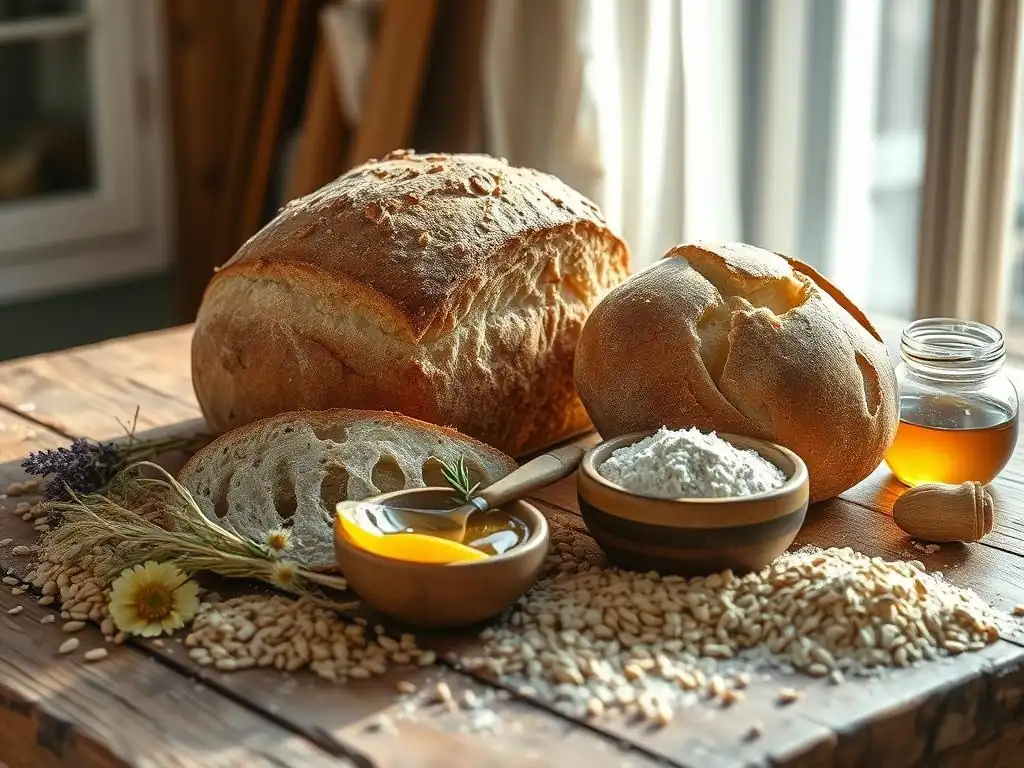
Dive into a world where ancient grains meet modern baking. Discover the secrets to crafting a delicious and nutritious loaf with our Einkorn emmer bread recipe, a journey back in time that yields surprisingly delightful results. Curious about the unique flavors and health benefits of these heritage wheats? Explore our guide and unlock the potential of premium baking ingredients today!
- Unlocking Flavor with Einkorn and Emmer: Your Guide to Ancient Grain Bread Recipes
- Mastering the Einkorn Emmer Bread Recipe: A Step-by-Step Guide
- Troubleshooting Your Einkorn Emmer Bread: Common Baking Challenges and Solutions
- Beyond the Basic Loaf: Exploring Einkorn and Emmer Bread Variations
- Where to Buy the Best Einkorn and Emmer Flour for Baking
- Advanced Einkorn and Emmer Baking Techniques: Elevating Your Bread Game
- Einkorn Emmer Bread Recipe: Delicious and Nutritious
- Einkorn Emmer Bread Recipe: Serving and Enjoying Your Ancient Grain Creation
-
Frequently Asked Questions
- What are Einkorn and Emmer, and why should I bake with them?
- Where can I find Einkorn and Emmer flour?
- Is an Einkorn Emmer bread recipe more difficult than a standard wheat bread recipe?
- Can I substitute Einkorn or Emmer flour directly for wheat flour in any bread recipe?
- What are some key tips for successfully baking an Einkorn Emmer bread recipe?
- Final Reflection: The Enduring Power of Ancient Grains
- Unlock the Flavor of Ancient Grains!
Unlocking Flavor with Einkorn and Emmer: Your Guide to Ancient Grain Bread Recipes
Discover the Rich History and Nutritional Benefits of Einkorn and Emmer Flour
Einkorn and emmer, often referred to as farro (though farro can also encompass other ancient wheat varieties), are among the oldest cultivated grains known to humanity. Einkorn ( Triticum monococcum) is considered the most ancient form of wheat, domesticated around 10,000 years ago in the Fertile Crescent. Its name, meaning "single grain" in German, refers to the single kernel found in each spikelet.
Emmer ( Triticum dicoccum) is a natural hybrid of einkorn and a wild grass, believed to have been domesticated shortly after einkorn, around 9,000 years ago, also in the Fertile Crescent. These grains were staples in ancient civilizations, from the Egyptians who used emmer for bread and beer to the Romans who valued it as a primary food source. Their resilience and nutritional density made them cornerstones of early agriculture.
Beyond their fascinating history, einkorn and emmer flours offer significant nutritional advantages compared to modern wheat. Einkorn, for instance, is noted for having higher levels of protein and antioxidants like lutein, which is beneficial for eye health. It also boasts higher levels of certain vitamins and minerals, including iron, zinc, and B vitamins.
Emmer is similarly nutrient-rich, providing ample fiber, protein, and minerals like magnesium and phosphorus. Both grains have a different gluten structure than modern wheat, which some individuals find easier to digest. Incorporating an einkorn emmer bread recipe into your baking repertoire means not only exploring unique flavors but also embracing a more nutrient-dense way to enjoy bread.
Why Bake with Einkorn and Emmer? A Modern Baker's Perspective
Baking with einkorn and emmer offers a delightful departure from conventional baking flours, introducing a spectrum of complex flavors and textures. Einkorn flour imparts a slightly sweet, nutty taste and results in a tender crumb, often described as buttery.
Emmer flour contributes a deeper, more robust flavor profile, sometimes with earthy or even slightly spicy undertones, and yields a bread with a chewier texture and a beautiful, often darker crust. Combining these two ancient grains in an einkorn emmer bread recipe creates a loaf that benefits from the best characteristics of both – a harmonious blend of tenderness, chewiness, sweetness, and depth.
From a technical standpoint, exploring einkorn and emmer challenges and expands a baker's skills. These ancient grains behave differently than modern wheat flour due to their distinct gluten structures and absorption rates. Mastering an einkorn emmer bread recipe requires attention to hydration, fermentation times, and kneading techniques. The unique properties of these flours mean that standard recipes often need adjustments.
For example, einkorn's weaker gluten network means it requires gentler handling, while emmer's strong bran can affect gluten development. Embracing these differences is part of the rewarding journey of baking with ancient grains, leading to uniquely flavorful and satisfying results that stand out from everyday loaves. Crafting an einkorn emmer bread recipe is a rewarding experience for any baker seeking to deepen their understanding of flour and fermentation.
Mastering the Einkorn Emmer Bread Recipe: A Step-by-Step Guide
Einkorn and Emmer Flour: Key Differences for Baking Success
While both einkorn and emmer are ancient wheats, their characteristics in baking are quite distinct and understanding these differences is crucial for a successful einkorn emmer bread recipe. Einkorn flour has a simpler genetic structure (diploid) and a weaker, more fragile gluten network compared to modern wheat (hexaploid) or even emmer (tetraploid). This means doughs made with 100% einkorn can be stickier and require a gentler touch during mixing and shaping to avoid tearing the gluten structure.
The resulting bread tends to be more tender and less voluminous than loaves made with stronger flours. Its high carotenoid content often gives the flour and the final crumb a slightly yellowish hue.
Emmer flour, on the other hand, is a tetraploid wheat, like durum, and possesses a stronger gluten structure than einkorn, though still different from modern bread wheat. It absorbs water differently and tends to produce a dough that is more extensible and easier to handle than einkorn, but can be less elastic than modern wheat dough.
Emmer's flavor is a significant draw, offering nutty, earthy, and sometimes spicy notes that add complexity to bread. When developing an einkorn emmer bread recipe, bakers often combine these flours to balance einkorn's tenderness and sweetness with emmer's structure and robust flavor, creating a loaf that is both manageable to bake and delicious to eat.
Understanding Einkorn's Unique Gluten Properties
Einkorn's gluten is often described as having a different protein composition compared to modern wheat. Specifically, it has a higher proportion of gliadins to glutenins, and the glutenin molecules themselves are simpler and less complex. This results in a gluten network that is less elastic and less capable of trapping carbon dioxide produced during fermentation as effectively as modern wheat gluten.
For bakers, this means einkorn dough is more prone to tearing if overworked or handled too roughly. Hydration levels also need careful management; while einkorn can absorb a fair amount of water, overly wet dough can be extremely difficult to handle. A typical einkorn emmer bread recipe might use a hydration level slightly lower than a standard white bread recipe when a significant portion of einkorn is included, or employ techniques like autolyse to help the flour hydrate without excessive mixing.
Working with einkorn requires patience and a shift in technique. Stretch and folds are often preferred over vigorous kneading to build strength gently. The dough may not develop the smooth, elastic windowpane seen with modern wheat.
Instead, look for a dough that holds its shape reasonably well but still feels delicate. The unique gluten structure is also why some people with non-celiac gluten sensitivity find einkorn easier to digest, though it is not gluten-free and is not suitable for individuals with celiac disease. Understanding and respecting these properties is key to successfully incorporating einkorn into your einkorn emmer bread recipe and achieving a tender crumb.
Emmer's Robust Flavor Profile and Baking Characteristics
Emmer flour brings a distinct set of characteristics to the baking table, primarily its rich, nutty, and sometimes tangy flavor. This robust profile adds significant depth to an einkorn emmer bread recipe, preventing it from being merely sweet or bland. Beyond flavor, emmer offers improved dough handling compared to 100% einkorn. Its gluten structure, while different from modern wheat, provides more strength and elasticity than einkorn, making the dough easier to knead and shape. Emmer flour typically absorbs water well, contributing to a moist crumb.
However, emmer flour, especially whole grain emmer, contains bran that can interfere with gluten development. Proper hydration and sufficient rest periods (like an autolyse or extended bulk fermentation) are important to allow the bran to soften and the gluten to hydrate and strengthen. The texture of emmer bread is often denser and chewier than einkorn, which complements its strong flavor. When combined in an einkorn emmer bread recipe, emmer provides structure and a deep flavor base, while einkorn contributes tenderness and sweetness, resulting in a balanced and complex loaf that showcases the best of both ancient grains.
Essential Ingredients for Your Einkorn Emmer Bread
Crafting a superb einkorn emmer bread recipe starts with selecting high-quality ingredients. While the core components are flour, water, yeast (or starter), and salt, the specific types of einkorn and emmer flour you choose can significantly impact the final flavor and texture. For this guide, we'll highlight a few widely available and respected options that are excellent for ancient grain baking. Remember, quality ingredients are the foundation of any great bake.
Beyond the flours, the leavening agent plays a critical role. While sourdough is a popular choice for ancient grains due to its ability to predigest some of the proteins and enhance flavor, commercial yeast can also yield fantastic results and offers more predictability, especially for those new to baking with these grains. The salt you use also matters, affecting flavor and controlling fermentation. Fine sea salt or kosher salt are generally preferred over iodized table salt, which can sometimes impart an off-flavor.
Jovial Einkorn Flour: A Baker's Favorite
Jovial is a well-regarded brand known specifically for its commitment to einkorn. Their organic all-purpose einkorn flour is a popular choice among bakers for its consistent quality and relatively easy handling compared to some other einkorn flours. It's milled from 100% organic einkorn wheat grown on small farms in Italy. This flour is often recommended for those starting with an einkorn emmer bread recipe because it performs reliably in a variety of applications, from breads to pastries.
Using Jovial einkorn flour in your einkorn emmer bread recipe contributes that characteristic sweet, nutty flavor and tender crumb. While it still requires careful handling due to the unique gluten structure, Jovial's milling process seems to make it a bit more forgiving than some other einkorn options. Look for their flour in many grocery stores, health food shops, or online. A 32-ounce bag typically costs around $6-$8, making it an accessible option for exploring ancient grain baking.
Anson Mills Emmer Farro Flour: For Deep, Nutty Flavor
Anson Mills is renowned for its heirloom grains, and their organic Emmer Farro Flour is a premium choice that brings exceptional flavor to an einkorn emmer bread recipe. Milled from certified organic emmer grown in the USA, this flour offers a rich, deep, nutty, and slightly smoky flavor profile that is distinct from commercially produced emmer. Anson Mills grains are often stone-milled, preserving more of the grain's character and nutrients.
While potentially more expensive than other options (a 1.5-pound bag might cost $10-$15), the flavor contribution of Anson Mills Emmer Farro Flour is often considered worth the investment for serious bakers. Its robust nature pairs beautifully with the sweetness of einkorn in an einkorn emmer bread recipe, creating a loaf with complex layers of taste. Using a high-quality emmer like this can truly elevate your ancient grain baking experience.
Red Star Platinum Yeast: Consistent Results for Ancient Grain Breads
When using commercial yeast in your einkorn emmer bread recipe, consistency is key, and Red Star Platinum Yeast is a popular choice among home bakers for its reliability. This instant yeast contains dough improvers that can help strengthen the gluten structure and provide a more vigorous and consistent rise, which can be particularly helpful when working with ancient grains that have different gluten characteristics.
Using Red Star Platinum Yeast means you can often mix it directly with your dry ingredients without proofing it first (unless you prefer to). Its reliable performance helps ensure your einkorn emmer bread achieves good volume and a desirable texture, reducing some of the variables associated with baking with less conventional flours. A typical packet or small jar is readily available and relatively inexpensive, offering consistent results for your einkorn emmer bread recipe.
The Einkorn Emmer Bread Recipe: A Detailed Breakdown
Here is a foundational einkorn emmer bread recipe using a blend of the two flours. This recipe assumes you are using active dry or instant yeast. If using a sourdough starter, the process will differ, particularly regarding fermentation times.
Yields: 1 medium loaf Prep time: 20-30 minutes (plus fermentation time) Bake time: 35-45 minutes
Ingredients:
- 200g Einkorn Flour (e.g., Jovial All-Purpose)
- 200g Emmer Flour (e.g., Anson Mills Emmer Farro)
- 300g Warm Water (around 90-100°F or 32-38°C)
- 7g Fine Sea Salt (approx. 1 ¼ tsp)
- 5g Instant Yeast (approx. 1 ½ tsp, e.g., Red Star Platinum) OR 7g Active Dry Yeast (approx. 2 tsp)
Equipment:
- Large mixing bowl
- Dough scraper (optional)
- Proofing basket or bowl lined with a floured towel
- Dutch oven or baking stone/steel
Let's break down the steps for this einkorn emmer bread recipe.
Step 1: Preparing Your Einkorn Emmer Starter (Optional but Recommended)
While this specific einkorn emmer bread recipe uses commercial yeast for simplicity, using a starter made from or fed with einkorn and emmer flours can significantly enhance the flavor and digestibility of your bread. If you have an established sourdough starter, you can convert a portion of it to an einkorn-emmer starter by feeding it with a blend of these flours over a few days. Alternatively, you can build a new starter from scratch using a 50/50 mix of einkorn and emmer, following standard starter creation guidelines (equal parts flour and water by weight, fed regularly).
A mature einkorn emmer starter, typically ready after 7-14 days of consistent feeding, will be bubbly, active, and smell pleasantly tangy. Using a starter adds complexity, a slight sourness, and can improve the texture and shelf life of your einkorn emmer bread. If using a starter in place of commercial yeast in this recipe, you would typically use 100-150g of active starter, reduce the water slightly (by the amount of water in the starter), and omit the commercial yeast. Fermentation times would also be considerably longer.
Step 2: Mixing the Dough: Hydration and Kneading Techniques
Combine the einkorn flour, emmer flour, and salt in your large mixing bowl. If using instant yeast (like Red Star Platinum), whisk it into the dry ingredients. If using active dry yeast, you may prefer to dissolve it in a small portion of the warm water first, letting it bloom for 5-10 minutes until foamy, before adding it to the dry ingredients with the remaining water. Add the warm water to the dry ingredients.
Mix everything together with a spoon, fork, or your hands until a shaggy dough forms and there are no dry patches of flour. This is a good point for an autolyse – cover the bowl and let the dough rest for 20-30 minutes. This allows the flours to hydrate fully and gluten development to begin without kneading, which is particularly beneficial for ancient grains. After the rest, the dough will be less shaggy and easier to work with. Now, you can knead. Due to the nature of einkorn and emmer, gentle kneading is best. Knead the dough in the bowl or on a lightly floured surface for 5-8 minutes. The dough will likely remain somewhat sticky and may not develop a smooth, elastic surface like modern wheat dough. Focus on incorporating the ingredients and developing some initial strength. A good technique is the stretch and fold method within the bowl.
Step 3: Bulk Fermentation: Developing Flavor and Structure
Transfer the kneaded dough to a clean, lightly oiled bowl. Cover the bowl tightly with plastic wrap or a damp towel. This is the bulk fermentation stage, where the yeast (or starter) produces carbon dioxide, causing the dough to rise and developing flavor. Let the dough ferment at room temperature (ideally 72-78°F or 22-26°C) until it has roughly doubled in size. This can take anywhere from 1.5 to 3 hours with commercial yeast, depending on the temperature. With a sourdough starter, it could take 4-8 hours or longer.
During bulk fermentation, perform 1-2 sets of stretch and folds during the first hour. To do this, wet your hand slightly, grab one side of the dough, stretch it up, and fold it over the center. Rotate the bowl and repeat with the other three sides. This helps build strength in the dough's structure. Be gentle, especially with the einkorn content. After the stretch and folds, let the dough rest undisturbed to finish its rise. You're looking for the dough to be visibly larger, somewhat puffy, and perhaps showing some small bubbles on the surface.
Step 4: Shaping Your Einkorn Emmer Loaf
Once the bulk fermentation is complete, gently turn the dough out onto a lightly floured surface. Avoid degassing the dough too much. Shape the dough into your desired form – a round boule or an oval batard. For a boule, gently tuck the edges underneath to create tension on the surface. For a batard, flatten the dough into a rectangle, fold the top down to the middle, fold the bottom up over the top, and then gently roll the dough while sealing the seam.
Place the shaped loaf seam-side up in a floured proofing basket or a bowl lined with a well-floured towel (rice flour works well for preventing sticking). This final rise is called proofing. Cover the loaf loosely with plastic wrap or place the proofing basket inside a plastic bag to prevent drying.
Step 5: Baking to Perfection: Temperature and Time
Preheat your oven with a Dutch oven or baking stone/steel inside to 450°F (230°C) for at least 30-45 minutes. A high initial temperature is crucial for oven spring. If using a Dutch oven, carefully invert the proofed loaf into the hot pot (seam-side down if you proofed seam-side up).
Score the top of the loaf with a sharp knife or lame – this allows the bread to expand in a controlled manner. Cover the Dutch oven with its lid. If using a baking stone/steel, carefully slide the loaf onto the hot surface and create steam in the oven by pouring a cup of water into a hot pan on the rack below (be cautious of steam).
Bake the einkorn emmer bread for 20 minutes with the lid on the Dutch oven (or with steam). This traps steam around the loaf, allowing it to expand fully before the crust sets. After 20 minutes, carefully remove the lid (or the steam pan) and reduce the oven temperature to 425°F (220°C). Continue baking for another 20-25 minutes, or until the crust is deep golden brown and the internal temperature of the loaf reaches 200-210°F (93-99°C). Let the bread cool completely on a wire rack before slicing – this is essential for the crumb structure to set properly.
Troubleshooting Your Einkorn Emmer Bread: Common Baking Challenges and Solutions
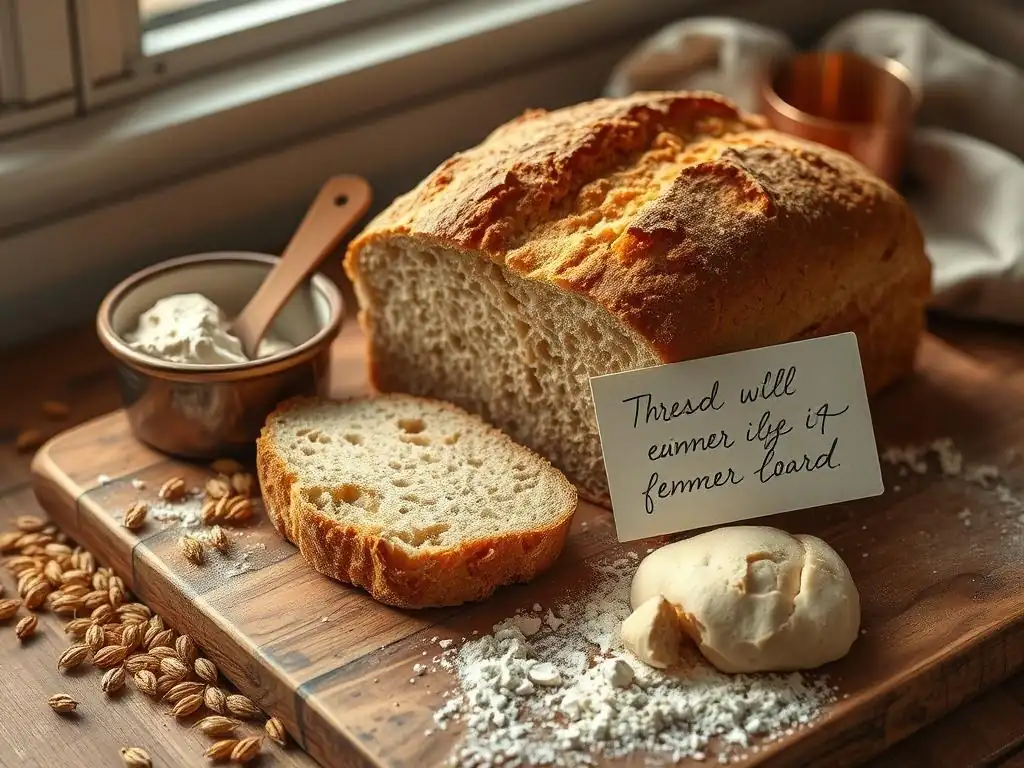
Baking with ancient grains like einkorn and emmer can present unique challenges compared to modern wheat. Their different protein structures and absorption rates mean that issues like dense crumb or handling difficulties are not uncommon, especially when you first attempt an einkorn emmer bread recipe. However, understanding the potential pitfalls and knowing how to address them will help you achieve consistent, delicious results.
Troubleshooting is a normal part of the baking process, particularly when working with less conventional flours. Don't be discouraged if your first einkorn emmer bread isn't perfect. Each bake is a learning opportunity. Pay attention to how the dough feels, how it rises, and how the final loaf turns out. By adjusting techniques and ingredients based on your observations, you'll gradually master baking with these wonderful ancient grains.
Why is My Einkorn Bread Dense? Understanding Hydration and Gluten Development
A common issue when baking with einkorn, or an einkorn-heavy einkorn emmer bread recipe, is a dense or gummy crumb. This is often due to the unique properties of einkorn's gluten. Its weaker structure doesn't trap gases as efficiently as modern wheat, leading to less oven spring and a tighter crumb. Overworking the dough can also damage the delicate gluten network, resulting in density.
To combat density, consider the following:
- Hydration: Ensure your hydration level is appropriate. While einkorn can absorb a lot of water, overly wet dough is hard to handle and can exacerbate density. Aim for a hydration level that results in a dough that is manageable but still moist.
- Gentle Handling: Avoid aggressive kneading. Use gentle stretch and folds during bulk fermentation to build strength gradually without tearing the gluten.
- Proper Fermentation: Ensure your bulk fermentation and proofing are sufficient. Under-proofed dough won't have developed enough gas to create an open structure. However, over-proofing can also lead to collapse and density. Look for signs of adequate fermentation, such as a significant increase in volume and a puffy appearance.
- Strong Start: Using a portion of a stronger flour (like emmer, as in an einkorn emmer bread recipe, or even a small amount of bread flour) can help provide structure.
- Oven Spring: Ensure your oven is properly preheated to a high temperature and use steam (via a Dutch oven or steam pan) during the initial phase of baking to maximize oven spring.
My Emmer Bread is Too Sour: Controlling Fermentation and Starter Activity
If your emmer bread (or an einkorn emmer bread with a significant emmer or sourdough component) is excessively sour, it usually relates to the fermentation process, especially if using sourdough. Sourness develops from lactic and acetic acids produced by the bacteria in the starter.
Here's how to manage sourness:
- Fermentation Time and Temperature: Longer and warmer fermentation times tend to produce more sourness. Try fermenting your dough for a shorter period or at a cooler temperature. Proofing in the refrigerator overnight (cold proofing) slows down fermentation and often results in a less sour flavor compared to a long room-temperature proof.
- Starter Activity: The activity level and feeding schedule of your sourdough starter impact its acidity. A very ripe or hungry starter (one that hasn't been fed recently) will be more acidic. Using a starter that was fed more recently and is at its peak of activity (just before it starts to fall) can result in a milder flavor. Feeding your starter with a higher ratio of fresh flour to starter (e.g., 1:3:3 or 1:4:4 starter:water:flour) can also produce a less acidic starter.
- Flour Type: Ancient grains, particularly whole grain versions, can contribute to a more active fermentation and potentially more sourness. Ensure your recipe and fermentation schedule are appropriate for the flour blend used in your einkorn emmer bread recipe.
Achieving the Perfect Crust: Tips for Baking Einkorn Emmer Bread
A beautiful, well-developed crust is the hallmark of artisan bread. Achieving the perfect crust on your einkorn emmer bread involves managing moisture and heat during baking.
Consider these tips:
- Steam: Steam is critical in the first phase of baking. It keeps the surface of the dough moist, allowing it to expand fully before the crust hardens. A Dutch oven is excellent for trapping the dough's own steam. If not using a Dutch oven, creating steam by pouring water into a hot pan in the oven is necessary.
- High Initial Temperature: Baking at a high temperature initially provides a burst of heat that promotes oven spring and the rapid development of the crust.
- Venting: After the initial steamed phase (typically 15-20 minutes), remove the Dutch oven lid or the steam pan. This allows the crust to dry out and crisp up. Reducing the oven temperature slightly at this point can prevent the crust from burning before the interior is cooked.
- Baking Surface: Baking on a preheated baking stone or steel transfers heat efficiently to the bottom of the loaf, promoting a good bottom crust.
- Cooling: Always cool your einkorn emmer bread completely on a wire rack. This allows steam to escape and the crust to set properly, preventing a soggy bottom or gummy interior. Slicing hot bread can ruin the texture.
Beyond the Basic Loaf: Exploring Einkorn and Emmer Bread Variations
Once you've mastered a basic einkorn emmer bread recipe, the possibilities for variations are endless! These versatile ancient grains lend themselves well to different forms and flavor additions, allowing you to explore the full potential of baking with einkorn and emmer. From tangy sourdough versions to quick flatbreads and soft rolls, you can adapt the core principles of working with these flours to create a wide array of delicious baked goods.
Experimenting with different hydration levels, fermentation times, and additional ingredients allows you to tailor your einkorn emmer bread recipes to your personal preferences and baking goals. Whether you're aiming for a rustic, chewy loaf or a tender, enriched bread, einkorn and emmer provide a fantastic foundation for creativity in the kitchen.
Einkorn Emmer Sourdough: A Tangy Twist on Ancient Grains
Combining the unique flavors of einkorn and emmer with the tangy complexity of sourdough creates a truly exceptional loaf. An einkorn emmer sourdough recipe follows the general principles of sourdough baking but utilizes a starter fed with these ancient grains and incorporates them into the main dough. The wild yeast and bacteria in the starter work to break down some of the proteins and starches in the einkorn and emmer, which can enhance their digestibility and unlock deeper flavors.
Creating an einkorn emmer sourdough requires patience, as fermentation times will be longer than with commercial yeast. A typical process involves feeding your einkorn or emmer starter until it's active, mixing the main dough (often with an autolyse), performing stretch and folds during a long bulk fermentation (potentially 4-8 hours at room temperature or longer in a cooler environment), shaping, and then proofing (often overnight in the refrigerator for convenience and flavor development) before baking in a hot oven, usually with steam.
The resulting einkorn emmer bread will have a delightful tang, a complex crumb, and a robust crust, showcasing the fermented character of the ancient grains.
Einkorn Emmer Flatbreads: A Quick and Easy Recipe
For a faster way to enjoy einkorn and emmer, consider making flatbreads. An einkorn emmer flatbread recipe is significantly quicker than a loaf because it requires minimal or no rising time, depending on the specific recipe. Flatbreads are incredibly versatile and a great way to use up a small amount of ancient grain flour.
A simple einkorn emmer flatbread recipe might involve mixing einkorn and emmer flours with water, a touch of olive oil, salt, and sometimes a pinch of baking powder or yeast (though yeast is optional for unleavened versions). The dough is mixed, rested briefly (if using yeast, a short rest is helpful), divided, and then rolled or stretched thinly. The flatbreads are typically cooked quickly on a hot griddle, cast iron pan, or in a hot oven.
They puff up beautifully and develop a slightly chewy texture and lovely flavor from the ancient grains. Serve them warm with dips, stews, or as a side to any meal.
Einkorn Emmer Rolls: Perfect for Sandwiches and Sliders
Transforming your einkorn emmer bread recipe into rolls is a fantastic way to create individual portions perfect for sandwiches, sliders, or dinner. The process is similar to making a loaf, but after bulk fermentation, the dough is divided into smaller pieces and shaped into rolls.
An einkorn emmer roll recipe would follow the same mixing and bulk fermentation steps as a loaf. After the first rise, the dough is gently portioned (e.g., 60-100g per roll) and shaped into small rounds or oval rolls. These are then proofed on a baking sheet (covered) for a shorter time than a large loaf, typically 45-90 minutes depending on temperature and yeast/starter activity. They are then baked in a hot oven, often for 15-25 minutes, until golden brown. Einkorn emmer rolls offer the same wonderful flavor and texture of the loaf but in a convenient, single-serving format.
Where to Buy the Best Einkorn and Emmer Flour for Baking
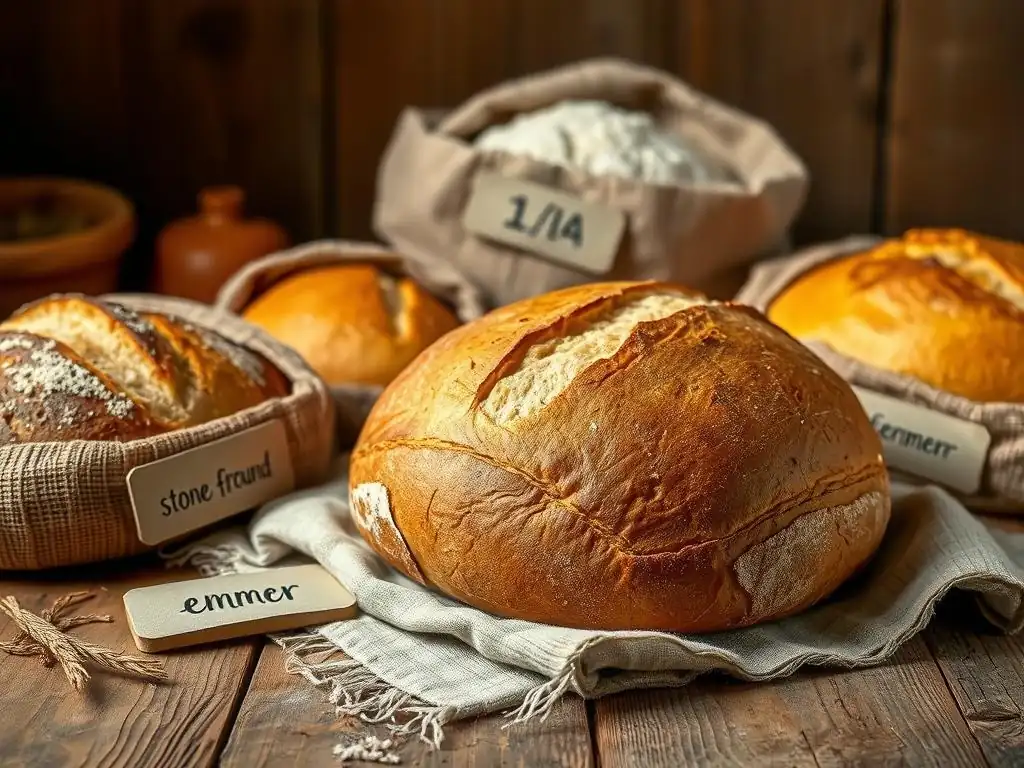
Finding high-quality einkorn and emmer flour is the first step to baking delicious ancient grain bread. While they might not be as ubiquitous as modern all-purpose flour, these ancient grains are becoming increasingly available through various channels. Knowing where to look can ensure you get the best ingredients for your einkorn emmer bread recipe.
The availability of different brands and types (whole grain vs. sifted) will vary depending on your location. It's worth exploring several options to find the flours that best suit your baking needs and preferences for your einkorn emmer bread.
Buy Einkorn and Emmer Flour on Amazon
Amazon is a convenient online marketplace where you can find a wide selection of einkorn and emmer flours from various brands. This is often the easiest way to access specific brands like Jovial or even more niche producers if they have an online presence. You can read reviews from other bakers, compare prices, and have the flour delivered directly to your door.
Searching for "einkorn flour" or "emmer flour" on Amazon will yield numerous results. Look for organic options and consider whether you want whole grain or sifted flour, as this will impact your einkorn emmer bread recipe. Pay attention to product descriptions regarding sourcing and milling. While convenient, prices on Amazon can sometimes be higher than buying directly or locally, so it's worth comparing options.
Supporting Local Farmers: Finding Einkorn and Emmer at Farmers Markets
Increasingly, local farmers and millers are cultivating and processing ancient grains like einkorn and emmer. Visiting your local farmers market is a great way to find freshly milled ancient grain flours and support regional agriculture. Buying directly from farmers often means you get incredibly fresh flour, and you can ask questions about how the grain was grown and processed.
While not every farmers market will have einkorn and emmer, many small-scale grain producers are recognizing the growing interest in these ancient varieties. Look for vendors selling flours or grains, and inquire if they grow or mill einkorn or emmer. The quality and flavor of locally sourced, freshly milled flour can be exceptional and truly enhance your einkorn emmer bread recipe.
Comparing Prices: Getting the Best Value for Your Ancient Grains
Ancient grain flours like einkorn and emmer are typically more expensive than conventional all-purpose or bread flour. This is often due to lower yields, different farming practices, and smaller-scale processing. However, prices can vary significantly between brands and retailers, so comparing costs is wise when stocking up for your einkorn emmer bread baking.
Check prices at:
- Online retailers (like Amazon, or direct from mill websites)
- Local health food stores or specialty grocery stores
- Farmers markets or local mills
Consider buying in larger quantities if you bake frequently, as this can sometimes reduce the per-pound cost. Also, factor in shipping costs if buying online. While ancient grains cost more, the unique flavor, nutritional benefits, and rewarding baking experience they offer for your einkorn emmer bread can justify the investment for many bakers.
Advanced Einkorn and Emmer Baking Techniques: Elevating Your Bread Game
Once you're comfortable with a basic einkorn emmer bread recipe, you might want to explore more advanced techniques to further refine your skills and the quality of your loaves. These techniques can help you gain greater control over the baking process, experiment with different textures, and add even more complexity to your ancient grain breads.
Diving into advanced methods like milling your own flour or manipulating hydration levels allows for a deeper connection to the ingredients and the craft of baking. These steps can seem intimidating at first, but with practice, they become invaluable tools for any dedicated baker working with ancient grains.
Milling Your Own Einkorn and Emmer Flour: A Guide for Serious Bakers
For those truly dedicated to baking with ancient grains, milling your own einkorn and emmer flour at home offers unparalleled freshness and control. Whole grains contain oils that can oxidize over time, affecting flavor. Milling fresh flour ensures you capture the full nutritional and flavor potential of the grain kernels.
To mill at home, you'll need a grain mill. Options range from manual hand mills to electric impact or stone mills. Electric stone mills are often preferred by bakers for producing fine flour without excessive heat, which can damage nutrients. You can purchase whole einkorn and emmer berries online or from suppliers specializing in ancient grains.
The process involves simply running the berries through the mill to your desired fineness. Milling your own flour allows you to decide whether to use 100% whole grain or sift out some of the bran for a lighter flour, directly impacting your einkorn emmer bread recipe. While an initial investment is required for the mill, it can be cost-effective in the long run if you bake frequently.
Experimenting with Different Hydration Levels for Unique Textures
Hydration level (the ratio of water to flour by weight) is a fundamental variable in bread baking, and adjusting it significantly impacts the texture of your einkorn emmer bread. A higher hydration dough (more water) is typically stickier and harder to handle but can result in a more open, airy crumb. A lower hydration dough is easier to work with and produces a denser, tighter crumb.
Given the unique absorption properties of einkorn and emmer, experimenting with hydration is key to finding your preferred texture. Start with a moderate hydration level (like the 75% in the example einkorn emmer bread recipe) and then try increasing or decreasing the water by 5-10%. Note how the dough feels and behaves during mixing, fermentation, and shaping, and observe the final crumb structure.
Einkorn can be particularly tricky at high hydration, so increase water gradually. Mastering hydration allows you to intentionally create an einkorn emmer bread with a specific crumb texture, from tight sandwich bread to an open-crumb artisan loaf.
Adding Seeds and Grains to Your Einkorn Emmer Bread for Enhanced Flavor
Incorporating seeds, nuts, or even cooked whole einkorn or emmer berries into your einkorn emmer bread recipe is a simple yet effective way to add flavor, texture, and nutritional value. Seeds like sesame, poppy, sunflower, or pumpkin seeds can be added directly to the dough during mixing or sprinkled on the crust before baking.
For a chewier texture and richer flavor, you can soak or sprout whole einkorn or emmer berries and add them to the dough. Soaking helps soften the grains, making them easier to incorporate and digest. A common method is to create a "soaker" or "levain" (if using sourdough) with some of the flour, water, and seeds/grains, allowing it to sit for several hours or overnight before incorporating it into the main dough. The additions not only make your einkorn emmer bread more interesting but also contribute beneficial fats, fiber, and minerals.
Einkorn Emmer Bread Recipe: Delicious and Nutritious
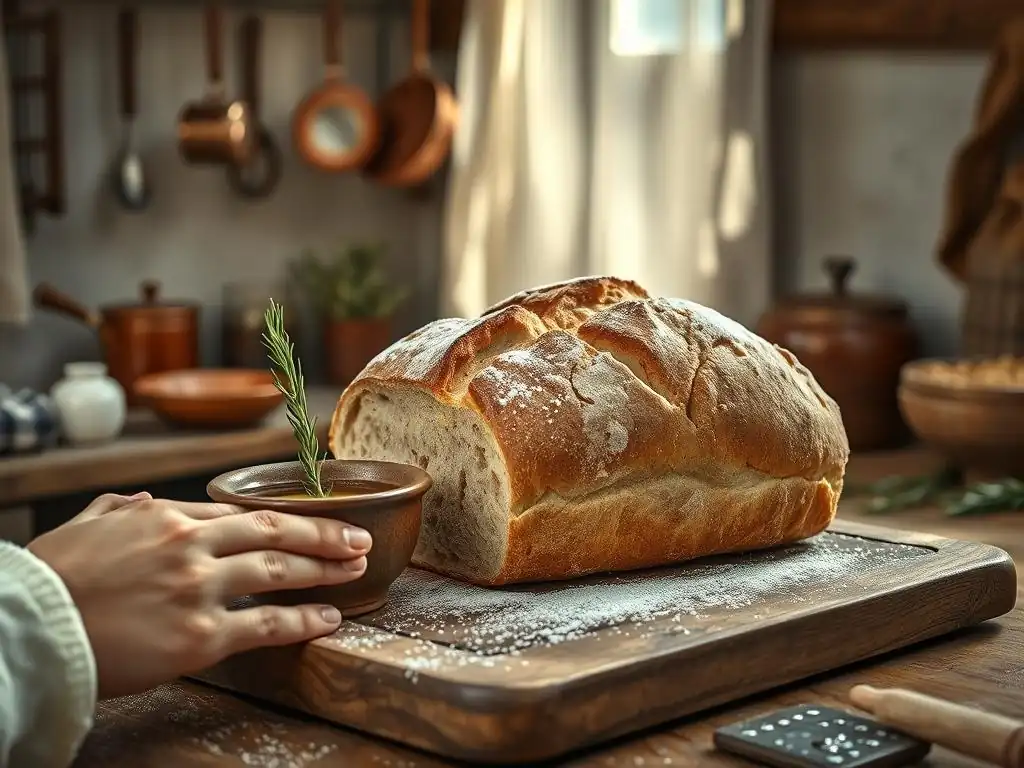
The einkorn emmer bread recipe isn't just about exploring ancient grains; it's about creating a loaf that is both incredibly delicious and packed with nutrients. The unique flavor profiles of einkorn and emmer combine to form a bread that is far more complex and satisfying than those made with modern refined flours. Beyond taste, these grains offer a wealth of health benefits that make incorporating them into your diet a smart choice.
Enjoying einkorn emmer bread is a sensory experience, from the aroma that fills your kitchen as it bakes to the satisfying texture and rich flavor of each slice. Whether served simply with butter or used as the base for a gourmet sandwich, this ancient grain bread elevates any meal.
Nutritional Benefits of Einkorn and Emmer
As mentioned earlier, einkorn and emmer stand out nutritionally. Einkorn is particularly high in protein (often around 13-14%), antioxidants like lutein, and minerals such as zinc and iron. It also has a lower glycemic index than modern wheat, meaning it can cause a slower rise in blood sugar. Emmer is rich in fiber, protein, and minerals like magnesium and phosphorus.
When combined in an einkorn emmer bread recipe, these grains contribute a powerful nutritional punch. A typical slice of einkorn emmer bread will provide a good source of complex carbohydrates, dietary fiber, and plant-based protein. It also offers a range of micronutrients not always found in abundance in standard white bread. While specific nutritional values can vary based on the exact flour blend and recipe, choosing einkorn and emmer is a conscious decision to bake and eat more nutrient-dense bread.
Einkorn Emmer Bread: Recipe Variations
The basic einkorn emmer bread recipe provided earlier is just a starting point. You can easily modify it to create numerous delicious variations.
- Herb and Garlic: Add finely chopped fresh herbs like rosemary or thyme and minced garlic to the dough during the final minutes of kneading.
- Cheese: Incorporate shredded hard cheese like aged cheddar or Gruyère into the dough.
- Whole Grain: Use 100% whole grain einkorn and emmer flours for a denser, more nutritious loaf. You may need to increase hydration slightly.
- Sweet Variations: Add a touch of honey or maple syrup to the dough for a slightly sweeter bread, perhaps with added dried fruits like cranberries or raisins.
- Seed Mix: Fold in a mix of toasted seeds (sesame, sunflower, flax) during the final stretch and fold.
These are just a few ideas to get you started. Don't hesitate to experiment with different flavor combinations in your einkorn emmer bread recipe.
Einkorn Emmer Bread: Storing Tips
Proper storage is essential to keep your homemade einkorn emmer bread fresh and delicious.
- Cool Completely: Always let the bread cool completely on a wire rack before storing or slicing. Slicing hot bread releases steam and can make the interior gummy.
- Room Temperature: Store the cooled loaf at room temperature. Avoid refrigeration, as it can dry out bread quickly.
- Storage Methods:
- Wrap the loaf in a clean linen towel or beeswax wrap. This allows the crust to remain somewhat crisp while protecting the interior.
- Store in a paper bag. This is good for maintaining a crisp crust but can lead to the interior drying out faster.
- Place in a bread box. A bread box provides a good environment for storing bread at room temperature.
- Cutting: Store the bread cut-side down on a cutting board or counter once you've sliced it. This helps prevent the exposed crumb from drying out.
- Freezing: For longer storage, slice the cooled bread and freeze the slices in an airtight bag or container. You can then easily grab individual slices to thaw or toast as needed. A whole loaf can also be frozen, wrapped tightly in plastic wrap and then foil. Thaw at room temperature.
Following these tips will help you enjoy your delicious einkorn emmer bread for as long as possible.
Einkorn Emmer Bread Recipe: Serving and Enjoying Your Ancient Grain Creation
The moment your einkorn emmer bread emerges from the oven, golden and fragrant, is incredibly rewarding. But the true joy comes from slicing into that beautiful loaf and savoring its unique flavor and texture. Serving your homemade einkorn emmer bread is the culmination of your baking efforts, and there are countless ways to enjoy its deliciousness.
From simple pairings that highlight the bread's natural flavors to incorporating it into more complex dishes, your einkorn emmer bread can be the star of the meal or a perfect accompaniment. Don't be afraid to experiment with different serving ideas to find your favorites.
Pairing Suggestions: Complementing Your Bread with Cheese, Spreads, and More
The nutty, slightly sweet, and robust flavors of einkorn and emmer make this bread incredibly versatile for pairings.
- Cheese: Einkorn emmer bread pairs wonderfully with a variety of cheeses. Try it with creamy goat cheese, sharp cheddar, nutty Gruyère, or even a pungent blue cheese. The bread's structure holds up well, and its flavor complements both mild and strong cheeses.
- Butter: Sometimes, the simplest pairing is the best. A generous smear of good quality butter, perhaps cultured butter, allows the natural flavors of the einkorn and emmer to shine through.
- Olive Oil: Drizzling with high-quality extra virgin olive oil, perhaps with a sprinkle of flaky sea salt, is a classic way to enjoy rustic bread.
- Spreads: Hummus, baba ghanoush, or other bean dips are excellent with the hearty texture of einkorn emmer bread. Sweet spreads like jam, honey, or apple butter also work surprisingly well, especially with the inherent sweetness of einkorn.
- Soups and Stews: The sturdy crumb and rich flavor make einkorn emmer bread a perfect accompaniment for soaking up hearty soups and stews.
- Sandwiches: While the crumb can be more tender than modern wheat bread, it makes for delicious sandwiches. Fillings like roasted vegetables, grilled chicken, or aged meats are excellent choices.
Experiment with different combinations to discover how the unique profile of your einkorn emmer bread enhances various flavors.
Einkorn Emmer Bread Recipes: Delicious Variations
Beyond the basic loaf and rolls, you can use your einkorn emmer bread in other recipes.
- Croutons: Cube stale einkorn emmer bread, toss with olive oil and herbs, and bake until crispy for incredibly flavorful croutons for salads or soups.
- Breadcrumbs: Process dried or toasted einkorn emmer bread into breadcrumbs for coating cutlets, topping casseroles, or thickening sauces.
- French Toast: While tender, slices of einkorn emmer bread can make a delicious and more flavorful French toast.
- Bread Pudding: Use cubed einkorn emmer bread in sweet or savory bread puddings for added texture and depth of flavor.
These ideas ensure that no crumb of your delicious einkorn emmer bread goes to waste!
Savoring the Flavor: The Joy of Baking with Ancient Grains
Ultimately, baking and enjoying an einkorn emmer bread recipe is a rewarding experience that connects you to ancient traditions and offers a unique culinary pleasure. There's a profound satisfaction in transforming simple grains into a nourishing and flavorful loaf with your own hands.
The process, from mixing the dough to the moment you take the first bite, is a journey of discovery into the characteristics of einkorn and emmer. Each loaf you bake will teach you something new about working with these flours, and the resulting bread will always be a testament to your efforts. So, take the time to savor each slice, appreciate the history held within these grains, and enjoy the delicious, wholesome goodness of your homemade einkorn emmer bread. Happy baking!
Frequently Asked Questions
What are Einkorn and Emmer, and why should I bake with them?
Einkorn and Emmer are ancient grains that offer a nutty flavor and unique texture compared to modern wheat. They are also often easier to digest for some individuals.
Where can I find Einkorn and Emmer flour?
You can typically find Einkorn and Emmer flour at specialty grocery stores, health food stores, or online retailers specializing in baking ingredients.
Is an Einkorn Emmer bread recipe more difficult than a standard wheat bread recipe?
While the techniques are similar, Einkorn and Emmer flours can be more delicate and absorb water differently. Expect to adjust hydration levels in your recipe.
Can I substitute Einkorn or Emmer flour directly for wheat flour in any bread recipe?
It's generally not recommended to substitute 100% Einkorn or Emmer flour for wheat flour without adjustments. Start by substituting a portion and gradually increase it as you gain experience.
What are some key tips for successfully baking an Einkorn Emmer bread recipe?
Don't overmix the dough, as these flours can become tough. Also, be mindful of hydration levels, and consider using a longer fermentation time for enhanced flavor.
Final Reflection: The Enduring Power of Ancient Grains
The resurgence of ancient grains like einkorn and emmer isn't just a fleeting culinary trend; it's a powerful return to nutritional wisdom and sustainable food practices. These grains, once relegated to the history books, are reclaiming their place on our tables, offering a delicious and nutritious alternative to modern wheat. Their unique flavor profiles and potential health benefits are driving a significant shift in how we approach baking and eating.
The journey of rediscovering these ancient grains has been profoundly enriching, both personally and professionally. I've been captivated by the stories woven into their history, the connection to our agricultural past, and the tangible difference they make in the taste and texture of bread. Bread is the staff of life,
a simple phrase that takes on new meaning when considering the nourishing power of einkorn and emmer. Their inherent qualities, from their higher protein content to their unique flavor notes, elevate the simple act of baking into something truly special.
Now, it's your turn to explore the world of ancient grains. Consider experimenting with einkorn and emmer in your own kitchen. Don't be afraid to adapt the recipes you find, to let your creativity guide you. The rewards – a loaf of bread bursting with flavor, a deeper connection to your food, and a renewed appreciation for the enduring wisdom of our culinary heritage – are well worth the effort. Embrace the ancient, bake the new, and savor the experience.
Unlock the Flavor of Ancient Grains!
Thanks for exploring the world of einkorn and emmer with us! You've now discovered the incredible flavors and nutritional benefits these ancient grains can bring to your baking. Ready to put your new knowledge into action?
- Bake your first loaf: Try our recommended einkorn sourdough recipe (you can find it on our recipe page!) and experience the difference firsthand. This is your chance to taste the unique texture and nutty flavor!
- Share your baking journey: Post a picture of your creation on social media using #BakeWithEaseAncientGrains and inspire others to try ancient grains!
- Explore further: Dive deeper into the history and benefits of these fascinating grains by visiting our blog’s ancient grains section.
What ancient grain will you bake with next?