
Why Quality Flour is the Foundation of Truly Great Bread

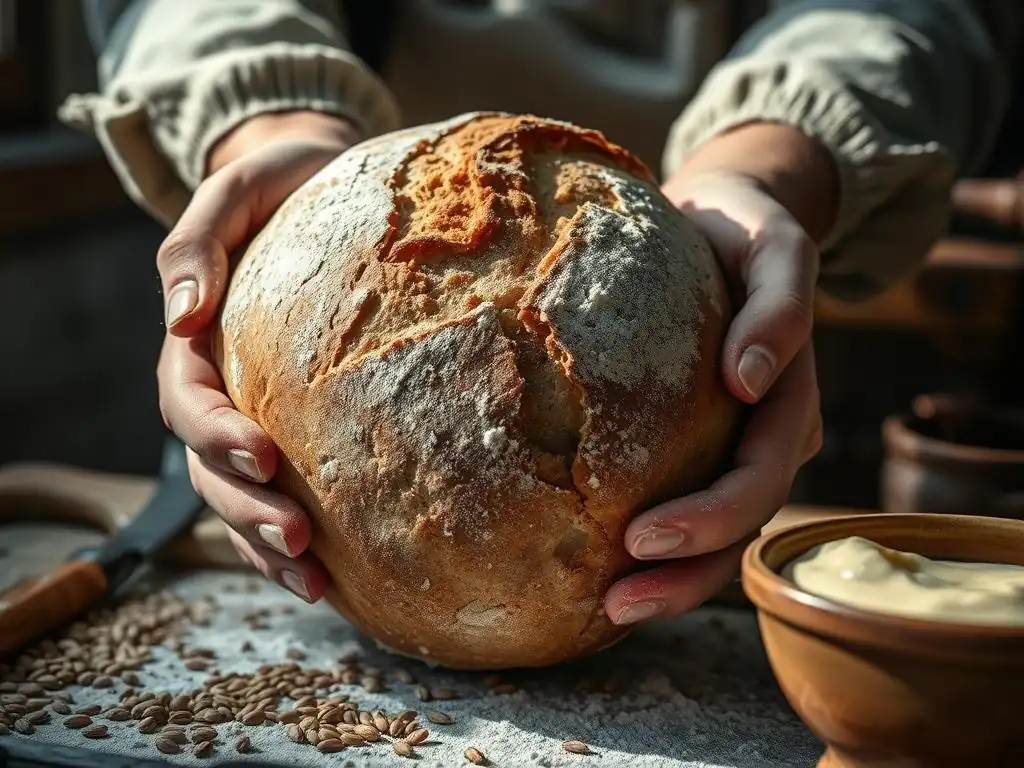
Welcome to BakeWithEase, your trusted companion on your baking journey! Ever wondered why some loaves sing with flavor while others fall flat? The secret might just be simpler than you think. Dive into our latest exploration of premium baking ingredients and discover why quality flour makes great bread, and how choosing the right kind can transform your baking from good to absolutely unforgettable. Curious to unlock the secrets to bread that's bursting with flavor and perfect texture? Let's get baking!
- The Undeniable Link: Quality Flour and Exceptional Bread
- What Makes Flour "High Quality" for Bread Making?
- The Impact of Flour Choice on Different Bread Types
- Identifying and Selecting the Best Flour for Your Baking Needs
- Troubleshooting Bread Baking Problems Related to Flour Quality
- Storing Flour Properly to Maintain Quality and Freshness
- Conclusion: Investing in Quality Flour for Baking Success
-
Frequently Asked Questions
- How does the quality of flour affect the taste of bread?
- What are some key differences between good and bad quality flour for bread making?
- Where can I find good quality flour for baking bread?
- Why is gluten development important when baking bread and how does flour quality affect it?
- Can using better flour really make a difference for beginner bakers?
- Final Reflection: The Humble Grain, the Extraordinary Loaf
- Unleash Your Inner Baker: Craft Bread That's Truly Exceptional
The Undeniable Link: Quality Flour and Exceptional Bread
Baking bread is a beautiful blend of science and art, and at its heart lies one fundamental ingredient: flour. While yeast, water, and salt play crucial roles, the quality of your flour dictates the very structure, texture, and flavor of your final loaf. Think of it as the building material; a house built with sturdy bricks will stand strong, just as bread baked with quality flour will possess superior characteristics. This isn't just about following a recipe; it's about understanding how the starting ingredients influence the outcome, making a compelling case that quality flour makes great bread.
Choosing the right flour, specifically one of high quality, sets the stage for success long before you even mix the dough. It affects how the dough hydrates, how it develops gluten, how it ferments, and ultimately, how it bakes and tastes. Using flour that is fresh, properly milled, and has the right composition for bread baking minimizes potential issues like dense crumb or poor rise. It provides a reliable foundation, allowing the baker to focus on technique and fermentation without constantly compensating for inconsistent or inadequate raw material.
Understanding the Importance of Flour Quality in Bread Baking
The seemingly simple act of selecting flour has profound implications for your bread. Flour quality encompasses several factors, including the type of wheat used, its protein content, how it was milled, and its freshness. For instance, the protein content directly impacts the gluten network, which is essential for trapping the carbon dioxide produced by yeast, giving bread its airy structure. A flour with insufficient or poor-quality protein will struggle to form a strong gluten network, resulting in a flat, dense loaf, regardless of how perfectly you proof or bake it.
Beyond protein, the overall health and composition of the wheat kernel, reflected in factors like ash content and enzyme activity, influence dough handling, fermentation speed, and the final flavor profile. Flour milled from healthy, well-grown wheat that has been stored properly will perform predictably and contribute desirable characteristics. Conversely, flour that is old, improperly stored, or milled from poor-quality grain can lead to sticky, difficult-to-handle dough, inconsistent fermentation, and a lack of depth in flavor. Investing in quality flour makes great bread a much more attainable goal for any baker.
What Makes Flour "High Quality" for Bread Making?
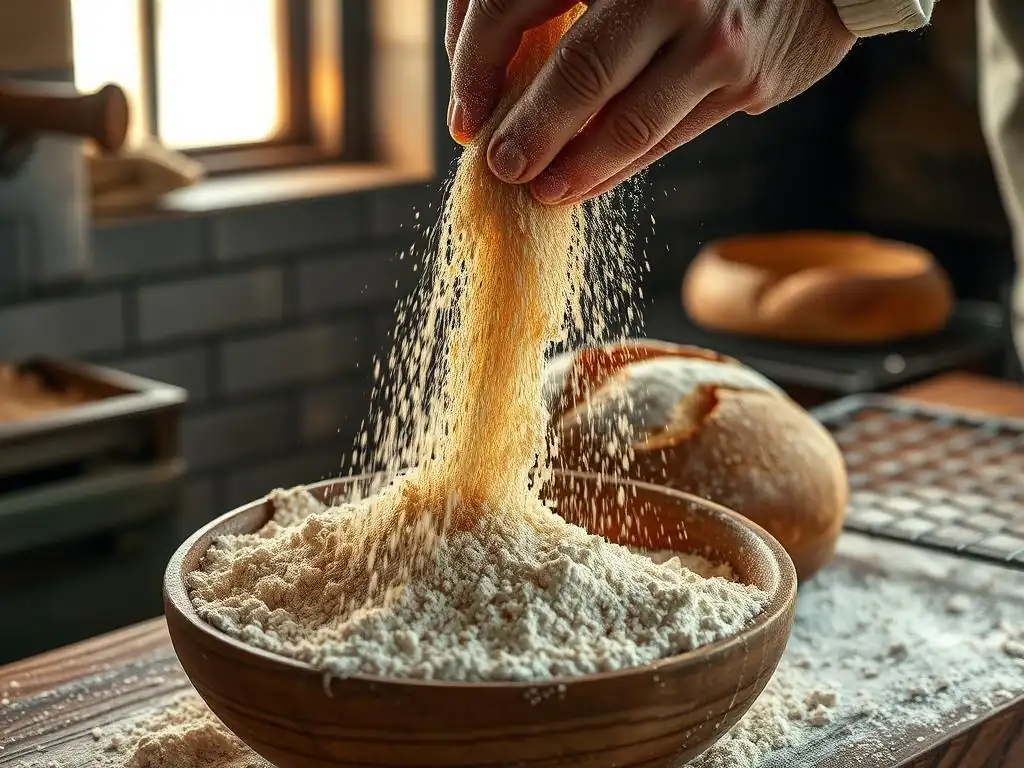
Protein Content: The Key to Gluten Development
Protein content is perhaps the most discussed metric when evaluating flour for bread. It's the primary component that forms gluten when hydrated and kneaded. Bread flours typically have a higher protein percentage, often ranging from 12% to 14%. This higher level of protein means more potential for developing a strong, elastic gluten network, which is crucial for capturing gases during fermentation and creating a well-risen, open crumb structure. Without adequate protein, the dough lacks the necessary framework to hold its shape and volume.
Consider a flour with a protein content below 10%, often used for cakes or pastries. Attempting to make a rustic boule or a chewy ciabatta with this flour would be challenging. The resulting dough would be weak, tear easily, and collapse during baking. In contrast, a strong bread flour allows for vigorous kneading (or gentle folding in no-knead methods) to develop robust gluten, leading to dough that is elastic, extensible, and capable of significant oven spring. This direct relationship underscores why focusing on this specific aspect of quality flour makes great bread.
Ash Content: A Measure of Flour Purity and Flavor
Ash content refers to the mineral content left after a flour sample is incinerated. While it sounds technical, it's essentially a measure of how much of the outer layers of the wheat kernel (bran and germ, which are rich in minerals) are included in the flour. Highly refined white flours have low ash content (e.g., 0.4% to 0.55%), meaning most of the bran and germ have been removed. Flours with higher ash content, like whole wheat flour (around 1.5% to 2%) or certain European-style flours (like Type 00 or Type 110), include more of these components.
Higher ash content contributes more flavor and color to the bread, often resulting in a more complex, nutty, or earthy taste compared to the milder flavor of white bread. It also affects the flour's hydration capacity and the dough's handling properties due to the presence of non-gluten components.
While a very low ash content is desirable for a pure white loaf, flours with slightly higher ash, often labeled as "high extraction" or specific European types, are prized by artisan bakers for the depth of flavor and character they impart, proving that different aspects of quality flour make great bread in different ways.
Milling Process: Impacting Flour Texture and Performance
The way wheat is milled significantly affects the flour's texture, nutritional profile, and baking performance. Roller milling, the most common industrial method, uses steel rollers to separate the different parts of the wheat kernel (bran, germ, and endosperm) and then recombine them in specific ratios to create different flour types (like all-purpose or bread flour). This process can produce very fine, consistent flour.
Stone milling, an older method, grinds the entire kernel between two large stones. This process often results in flour with a coarser texture and includes more of the bran and germ particles, even in what's considered "white" stone-ground flour (as some fine bran/germ dust is inevitable).
Stone-ground flours are often celebrated for their superior flavor and aroma due to the inclusion of the germ and bran, which contain oils and compounds. While they can sometimes require different hydration levels than roller-milled flours, many bakers find that the unique characteristics imparted by stone milling contribute significantly to the quality and flavor that makes great bread truly exceptional.
The Impact of Flour Choice on Different Bread Types
Sourdough Starter Flour: Fueling Fermentation for Complex Flavors
The health and vigor of a sourdough starter are directly linked to the flour used to feed it. Starters thrive on the nutrients present in flour, particularly the sugars and minerals that wild yeasts and lactobacilli consume. While all-purpose flour can maintain a starter, using a blend or switching to flours with higher mineral content and different protein structures can significantly impact its activity and the resulting flavor profile of your bread.
Many bakers prefer using rye flour, whole wheat flour, or high-extraction flours to feed their starters. These flours contain a richer array of nutrients and microbial activity compared to refined white flour. Feeding a starter with, say, organic stone-ground rye flour can lead to a more robust, active starter and contribute deeper, more complex tangy notes to the final sourdough loaf. This demonstrates how the specific quality and type of flour used even before the main dough mix profoundly influence the outcome, showing that selecting the right quality flour makes great bread with characteristic sourdough tang.
Artisan Breads: Achieving the Perfect Crust and Crumb
Artisan breads like baguettes, ciabatta, and country loaves require flour capable of developing a strong gluten network to achieve their characteristic open, airy crumb and chewy texture. High-protein bread flour (12-14%) is often the standard choice, providing the necessary structure to support long fermentation periods and significant oven spring. The ability of the flour to absorb water is also critical; higher quality flours often have better and more consistent hydration capacity.
For specific artisan styles, bakers might seek flours with particular characteristics. For example, a flour with moderate protein but specific extensibility might be preferred for baguettes to achieve that classic shape and crisp crust.
Some artisan flours, like those milled from heritage wheat varieties or specific European types (e.g., Italian Type 00 or French Type 65), are sought after not just for their protein content but for their unique flavor contributions and how they interact with long, slow fermentation processes. The right quality flour makes great bread by providing the ideal balance of strength and extensibility needed for these demanding techniques.
Delicate Pastries: The Role of Lower-Protein Flour
While this article focuses on bread, it's worth noting the contrast in flour needs for pastries to highlight why flour quality is specific to the application. Delicate pastries like cakes, cookies, and scones require a tender crumb, which is achieved by minimizing gluten development. For these applications, lower-protein flours (7-10%), such as cake flour or pastry flour, are ideal.
Using a high-protein bread flour in a cake would result in a tough, chewy texture because the strong gluten network needed for bread structure is detrimental to cake tenderness. This distinction underscores that "quality" in flour is relative to its intended use. For bread making, quality means characteristics that support gluten development and fermentation, reinforcing the idea that specific quality flour makes great bread, while a different quality flour makes great pastries.
Identifying and Selecting the Best Flour for Your Baking Needs
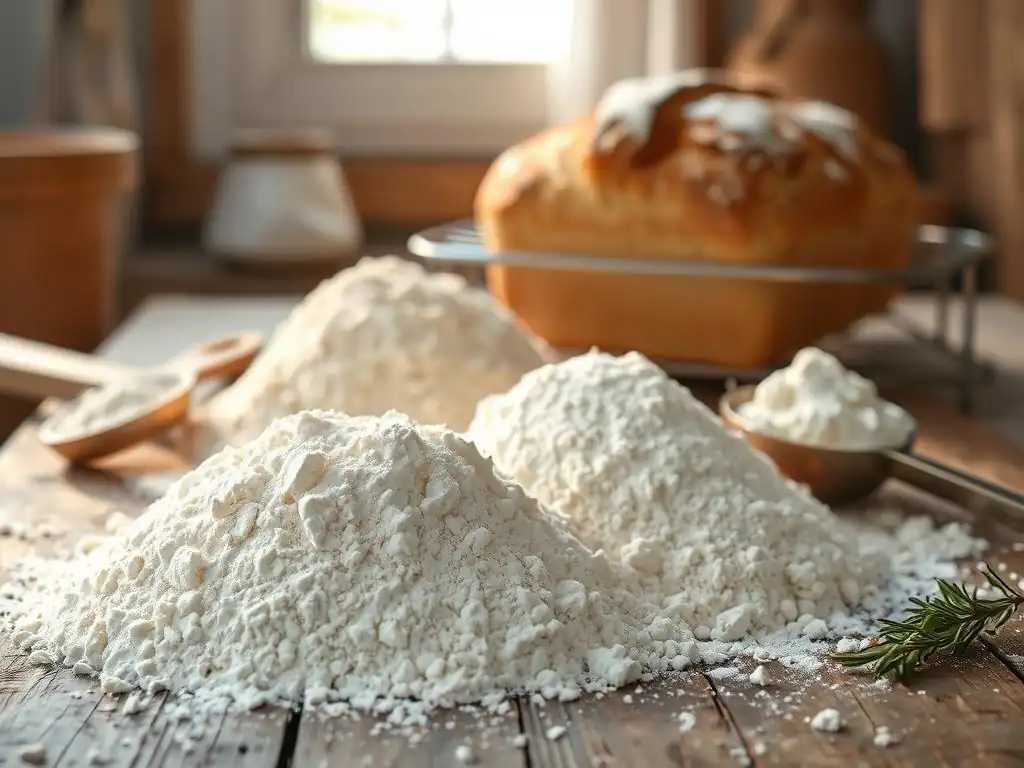
Decoding Flour Labels: Understanding Protein Percentage and Flour Type
Navigating the flour aisle can be confusing, but understanding labels is key to selecting quality flour that makes great bread. Look for the protein percentage, which is often listed in the nutritional information. As mentioned, 12-14% is typical for bread flour. Labels also indicate the flour type (e.g., "Bread Flour," "All-Purpose Flour," "Whole Wheat Flour"). Be aware that "All-Purpose" can vary significantly in protein content (typically 10-12%) depending on the brand and region; for bread, aim for the higher end of this range or specifically choose bread flour.
Some labels might mention the milling process (e.g., "Stone-Ground") or list the wheat variety (e.g., "Hard Red Winter Wheat"). These details provide clues about the flour's characteristics and potential performance. European flours use a different classification system based on ash content (e.g., Italian Type 00, 0, 1, 2, Whole Wheat; French T45, T55, T65, T80, T110, T150). Understanding these classifications helps you choose a flour with the desired level of refinement and mineral content, further ensuring that your selected quality flour makes great bread.
Choosing the Right Flour for Specific Recipes
Selecting the best flour depends heavily on the type of bread you intend to bake. For crusty loaves, baguettes, or sourdough, a strong bread flour or a high-extraction artisan flour with 12-14% protein is generally preferred for its gluten-forming potential. For softer sandwich loaves or enriched breads (like challah or brioche), an all-purpose flour on the higher end of the protein scale (11-12%) or a slightly less strong bread flour might be suitable.
Whole wheat bread requires whole wheat flour, but the quality of that whole wheat flour matters. Stone-ground whole wheat often yields more flavorful results than roller-milled. For specific regional breads or techniques, researching the traditionally used flour type can be invaluable. For instance, many Italian breads benefit from specific Italian "Tipo" flours. Matching the flour type and quality to the recipe is a critical step, affirming that the right quality flour makes great bread specific to its style.
Where to Buy Quality Flour: Online Retailers and Specialty Mills
Finding truly high-quality flour can sometimes require looking beyond the standard supermarket aisle. While major brands offer reliable options, specialty online retailers and local artisan mills often provide access to a wider variety of flours with superior characteristics. These sources might offer flours from specific wheat varieties, stone-ground options, organic flours, or flours with unique protein/ash profiles.
Purchasing directly from a mill or a retailer specializing in baking supplies often means access to fresher flour that hasn't sat on a shelf for months. Many artisan mills also provide detailed information about their wheat sourcing, milling process, and flour specifications, allowing you to make a more informed choice. While these flours might come at a higher price point, the difference in performance and flavor can be significant, reinforcing the principle that investing in quality flour makes great bread.
Dense Bread: The Protein Problem
One of the most common frustrations in bread baking is a dense, heavy loaf. While many factors can contribute (under-proofing, incorrect yeast activity, poor shaping), the flour's protein quality and quantity are frequent culprits. If your flour has insufficient protein (e.g., using a low-protein all-purpose flour for a recipe designed for bread flour) or the protein structure is weak, the gluten network won't develop properly. This means the dough cannot effectively trap the carbon dioxide gas produced during fermentation, resulting in a lack of rise and a tight, dense crumb.
A similar issue can arise even with seemingly high-protein flour if the wheat quality was poor or the flour is old. The proteins might be degraded, hindering proper gluten formation. If you consistently get dense bread despite following instructions carefully, consider switching to a higher-quality bread flour with a guaranteed protein percentage of 12% or more. This simple change in using a better quality flour makes great bread with a lighter, more open structure.
Tough Bread: Over-Developing the Gluten
While dense bread can be a sign of under-developed gluten due to low-quality flour, tough bread can sometimes signal over-developed gluten, though flour quality still plays a role. Over-kneading a dough made with very strong, high-protein flour can create an excessively tight gluten network that results in a chewy, sometimes tough texture. However, poor quality flour can also contribute to toughness in different ways.
Flours with damaged starch or poor enzyme balance can lead to sticky dough that is difficult to handle, tempting the baker to add excessive flour during kneading, which can also result in toughness. Furthermore, inconsistent flour quality means unpredictable hydration needs; if you misjudge the water absorption because the flour isn't standard, the dough can become too dry and tough. Using a consistent, high-quality flour helps prevent these issues by providing predictable hydration and gluten development characteristics, ensuring the dough handles correctly and the final bread isn't tough, proving that reliable quality flour makes great bread.
Poor Flavor: The Impact of Low-Quality Flour
The flavor of bread comes from several sources: the fermentation process, the crust development during baking, and crucially, the ingredients themselves. Low-quality or highly refined flours, stripped of much of the wheat kernel's natural oils and minerals, often produce bread with a bland, one-dimensional flavor profile. They lack the nutty, sweet, or complex notes that come from the bran, germ, and specific wheat varieties.
Using flours that include more of the wheat kernel (like high-extraction or stone-ground flours) or are milled from flavorful heritage wheat varieties can dramatically improve the taste of your bread. These flours contribute natural sugars, fats, and minerals that enhance fermentation by providing more food for the microbes and add inherent depth of flavor to the crumb. If your bread lacks character, consider upgrading your flour source; choosing a more flavorful quality flour makes great bread that is truly delicious.
Storing Flour Properly to Maintain Quality and Freshness
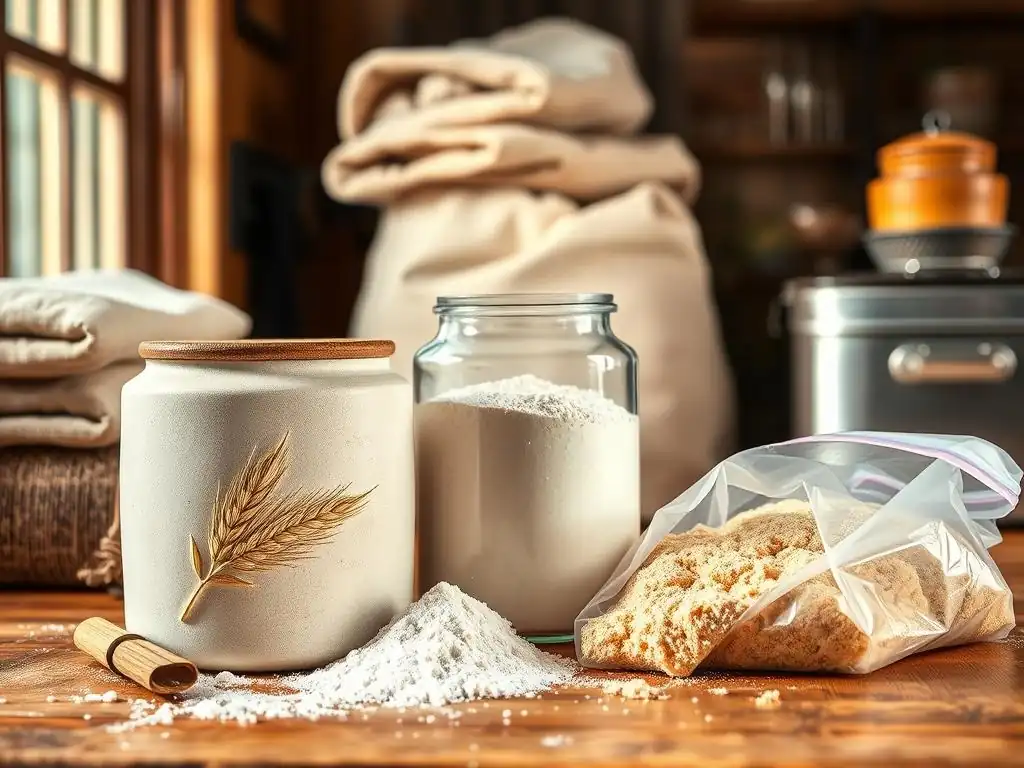
The Importance of Airtight Containers and Cool, Dry Places
Even the highest quality flour can degrade if not stored correctly. Exposure to air, moisture, heat, and light can lead to oxidation, rancidity (especially in whole grain flours due to the germ's oils), and pest infestations. Proper storage is crucial to maintaining the flour's performance and flavor over time, ensuring that when you reach for it, it still has the quality needed to make great bread.
Store flour in airtight containers made of plastic, glass, or metal. This prevents moisture absorption and keeps pests out. Keep the containers in a cool, dry, dark place like a pantry or cupboard. For longer storage, especially for whole wheat or specialty flours, the refrigerator or freezer is ideal. In the freezer, flour can last for many months; just be sure to let it come to room temperature before measuring and using. Taking these simple steps ensures that your investment in quality flour continues to make great bread batch after batch.
Conclusion: Investing in Quality Flour for Baking Success
Ultimately, the pursuit of truly great bread begins with the ingredients, and chief among them is flour. Understanding the characteristics that define high-quality flour – its protein content, ash levels, and how it's milled – empowers you to make informed choices that profoundly impact your baking results. From fueling a vibrant sourdough starter to achieving the perfect open crumb in an artisan loaf, the right flour provides the essential foundation.
While quality flour might sometimes come at a higher cost, the difference it makes in the texture, flavor, and overall success of your bread is undeniable. Troubleshooting common baking issues often points back to ingredient quality, reinforcing the old adage that you can't make a silk purse from a sow's ear. By selecting fresh, appropriate, and high-quality flour, you elevate your baking from good to truly great. Investing in quality flour makes great bread not just a possibility, but a consistent reality in your kitchen.
Frequently Asked Questions
How does the quality of flour affect the taste of bread?
Lower quality flour often lacks the essential proteins needed for flavor development. Using high-quality flour ensures a richer, more complex taste profile in your bread.
What are some key differences between good and bad quality flour for bread making?
Good quality flour typically has a higher protein content, leading to better gluten development. Poor quality flour may be bleached or contain impurities, impacting the texture and rise of your bread.
Where can I find good quality flour for baking bread?
Look for reputable brands in specialty baking stores or online retailers that specialize in baking ingredients. Check the label for protein content and milling date to ensure freshness.
Why is gluten development important when baking bread and how does flour quality affect it?
Gluten is essential for structure and texture in bread. High-quality flour with sufficient protein allows for stronger gluten development, resulting in a well-risen and chewy loaf.
Can using better flour really make a difference for beginner bakers?
Yes, absolutely! Using quality flour is more forgiving, leading to better results even with minor mistakes. It can significantly improve the overall baking experience and final product.
Final Reflection: The Humble Grain, the Extraordinary Loaf
The pursuit of perfect bread begins, and arguably ends, with the quality of the flour. This isn't just a baker's adage; it's a fundamental truth that resonates deeply in our increasingly food-conscious world. The impact of choosing thoughtfully sourced, high-quality flour extends far beyond the simple act of baking; it influences the taste, texture, and even the nutritional value of the final product.
The journey through different flours, from the humble all-purpose to the nuanced complexities of heirloom varieties, has been a revelation. It's highlighted the interconnectedness of our food systems, from the farmer's field to the baker's oven. Bread is the staff of life,
a simple phrase, yet it speaks volumes about the profound role flour and bread play in our cultures and histories. Understanding the nuances of flour allows us to appreciate this connection more deeply, to value the craft and the ingredients that go into creating something so essential.
Now, consider your own baking. What kind of flour are you using? Do you know its origin, its protein content, its story? I encourage you to explore the world of flour beyond the supermarket shelf. Experiment with different varieties, learn about their unique characteristics, and discover the transformative power of truly great flour. The reward? Not just better bread, but a deeper appreciation for the ingredients that nourish us and the people who cultivate them. The journey to truly great bread starts with a single grain – choose wisely.
Unleash Your Inner Baker: Craft Bread That's Truly Exceptional
Thanks for taking the time to explore the world of quality flour and its impact on bread baking! You've now unlocked a key ingredient to achieving truly amazing results. Ready to put your new knowledge into practice?
- Bake a test loaf: Use the flour you discovered is best for your needs and bake a loaf of your favorite bread recipe. Pay close attention to the texture and taste—you'll be surprised by the difference!
- Share your baking journey: Snap a picture of your masterpiece and share it on social media using #BakeWithEaseFlourPower—let's inspire others!
- Explore different flours: Experiment with a new type of flour you haven't tried before. What unique flavors and textures will you uncover?
What kind of flour will you be experimenting with next to elevate your baking game?