
Sourdough Success: Choosing the Right Artisan Flour for Your Starter & Loaf

Welcome to BakeWithEase, your partner in creating delicious baked goods with confidence! Are you ready to unlock the secrets to truly exceptional sourdough? In this guide, we delve into the crucial world of artisan sourdough flour selection, revealing how the right flour can transform your starter and elevate your loaf to professional-level quality. Discover the nuanced differences between various flours and learn how to choose the perfect one to bring out the unique flavors and textures you crave. Intrigued? Let's get baking!
- Sourdough Success: Choosing the Right Flour for Your Starter & Loaf
- Flour Selection: The Foundation of Sourdough Flavor
- Deciphering Flour Types for Sourdough: A Beginner's Guide
- The Role of Protein Content in Sourdough Flour
- Ash Content and Its Influence on Sourdough Flavor
- Choosing the Right Flour for Your Sourdough Starter: Nourishing Your Culture
- Selecting Flour for Your Sourdough Loaf: Achieving Desired Results
- The Role of Protein Content in Sourdough Flour
- Ash Content and Its Influence on Sourdough Flavor
- Choosing the Right Flour for Your Sourdough Starter: Nourishing Your Culture
- Selecting Flour for Your Sourdough Loaf: Achieving Desired Results
- Recommended Flour Brands for Sourdough Baking
- Beyond the Flour: Other Factors Influencing Sourdough Success
- Troubleshooting Common Sourdough Problems with Flour Selection
- Elevate Your Sourdough: Experimenting with Unique Flours
- Where to Buy High-Quality Flour for Sourdough
- Final Thoughts: The Key to Sourdough Flour Mastery.
-
Frequently Asked Questions
- What is artisan sourdough flour, and why is it important?
- How does the protein content of flour affect my sourdough loaf?
- What are some popular types of artisan flour used for sourdough?
- Can I mix different types of artisan flour when making sourdough?
- Where can I find high-quality artisan sourdough flour?
- Final Reflection: The Flour Power of Artisan Bread Baking
- Unleash Your Inner Baker: Craft the Perfect Sourdough Loaf!
Sourdough Success: Choosing the Right Flour for Your Starter & Loaf
Flour Selection: The Foundation of Sourdough Flavor
Understanding the Importance of Flour in Sourdough
The choice of flour isn't just about providing structure; it's the primary food source for your sourdough starter's wild yeasts and bacteria. This microbial community ferments the sugars in the flour, producing the carbon dioxide that makes your bread rise and the organic acids that give sourdough its characteristic tangy flavor. Using a high-quality flour with sufficient nutrients ensures your starter stays active and healthy, providing the necessary leavening power for your loaves. A robust starter, often nurtured with specific artisan sourdough flour selections, is the cornerstone of successful sourdough baking.
Furthermore, the type of flour directly impacts the dough's hydration capacity, gluten development, and fermentation speed. Different flours absorb water differently, affecting the dough's consistency. The protein content in the flour dictates how strong the gluten network will become, which is crucial for trapping gases and creating that coveted open crumb structure in artisan sourdough bread. Understanding these interactions is vital for making informed decisions about your artisan sourdough flour selection, setting the stage for a bake that meets your expectations.
Why Flour Choice Matters for Sourdough Bread
Selecting the appropriate flour is paramount for achieving the desired texture, aroma, and flavor in your finished sourdough loaf. The unique characteristics of various flours contribute distinct qualities. For instance, using a flour with a higher protein content generally leads to a stronger gluten network, resulting in a more open and airy crumb structure. Conversely, flours with lower protein might produce a tighter crumb. The natural sugars and enzymes present in different flours also influence the fermentation process and the depth of flavor that develops during the long fermentation typical of sourdough.
Beyond structure and fermentation, the flour's composition, including its mineral and bran content, significantly impacts the bread's nutritional value and flavor profile. Whole grain flours, for example, contain more bran and germ, imparting nutty, complex flavors and a denser texture compared to refined white flours. Mastering your artisan sourdough flour selection allows you to control these variables, tailoring your bake to create anything from a light, airy ciabatta-style loaf to a dense, rustic country bread.
Deciphering Flour Types for Sourdough: A Beginner's Guide
Bread Flour vs. All-Purpose Flour for Sourdough
Bread flour is often the go-to for sourdough baking due to its higher protein content, typically ranging from 12% to 14%. This elevated protein level means it can develop a stronger, more elastic gluten network when hydrated and kneaded. A robust gluten structure is essential for trapping the gases produced by the sourdough starter, allowing the dough to rise significantly and achieve a well-aerated crumb. For many bakers aiming for a classic, open-crumb artisan loaf, bread flour provides the necessary structural integrity.
All-purpose flour, with a protein content usually between 10% and 12%, is more versatile but can also be used for sourdough. While it may not develop as strong a gluten network as bread flour, it can still produce excellent results, especially for beginners. Doughs made with all-purpose flour might be slightly softer or require a bit more careful handling to build sufficient strength. For an initial artisan sourdough flour selection, starting with a good quality all-purpose flour can be a forgiving way to learn the process before experimenting with higher-protein options.
Exploring Different Flour Types: High-Gluten Flour, Whole Wheat Flour
High-Protein Flour for Strong Sourdough Starters
High-gluten flour, boasting a protein content often exceeding 14%, is particularly useful in specific sourdough applications. While it can be challenging to work with for an entire loaf due to its extreme strength, a small percentage can be added to blends to boost overall gluten development, especially when working with weaker flours or achieving very high hydration levels. More commonly, high-protein flour is an excellent choice for feeding a sluggish sourdough starter, providing ample protein and nutrients to encourage vigorous activity.
Using a small amount of high-protein flour, perhaps 10-20% of your starter's feeding mix alongside bread or all-purpose flour, can often wake up a sleepy culture. The abundant protein provides a rich food source for the microbes, leading to faster fermentation and a more reliable rise. When making your artisan sourdough flour selection for starter maintenance, consider keeping a small bag of high-gluten flour on hand for these booster feedings.
Whole Wheat Flour for Added Flavor and Texture
Whole wheat flour incorporates the entire wheat berry, including the bran and germ, which significantly impacts sourdough. It typically has a protein content similar to or slightly higher than white bread flour (around 13-15%), but the presence of bran can interfere with gluten development, potentially resulting in a denser loaf if used exclusively. However, whole wheat flour brings a wealth of complex, nutty, and earthy flavors that are highly desirable in rustic sourdough bread.
Incorporating whole wheat flour into your sourdough loaf, perhaps as 20-40% of the total flour weight, adds nutritional value and deepens the flavor profile. It also contributes to a chewier texture and a darker crust. When making your artisan sourdough flour selection, especially for whole wheat or country-style loaves, ensure the flour is freshly milled or from a reputable source, as the oils in the germ can go rancid over time.
The Role of Protein Content in Sourdough Flour
Protein Percentage and its Impact on Gluten Development
The protein content in flour is arguably the most critical factor affecting gluten development, the network of proteins (glutenin and gliadin) that forms when flour is mixed with water. When these proteins hydrate, they link together, creating an elastic and extensible matrix. A higher protein percentage means there are more building blocks available to form this network, resulting in stronger gluten. This strength is vital in sourdough because the vigorous fermentation produces a significant amount of gas that needs to be trapped within the dough structure to achieve a good rise and open crumb.
Flours with ~12-14% protein, like bread flour, are favored because they strike a good balance, providing sufficient strength without being overly difficult to handle. Flours below 10% protein, such as cake or pastry flour, lack the necessary gluten-forming potential for typical sourdough bread. Understanding the protein percentage listed on flour packaging is key to predicting how your dough will behave and how your final loaf's structure will develop, guiding your artisan sourdough flour selection process.
How to Read Flour Labels for Protein Content
Identifying the protein content of flour is usually straightforward, as it's often listed on the nutritional information panel. Look for the "Protein" line, which is typically measured in grams per serving size (e.g., 30g or 1/4 cup). To calculate the approximate percentage, divide the grams of protein by the grams in the serving size and multiply by 100. For example, if a 30g serving contains 4g of protein, the protein percentage is roughly (4g / 30g) * 100 ≈ 13.3%.
Some flour producers, particularly those selling specialty or artisan flours, may directly state the protein percentage on the front or side of the package. This makes assessing the flour's potential for gluten development much easier. When evaluating artisan sourdough flour selection options, make a habit of checking the protein content – it's a fundamental piece of information that will significantly influence your baking results.
Ash Content and Its Influence on Sourdough Flavor
Understanding Ash Content in Flour
Ash content in flour refers to the mineral content left behind when a sample of flour is completely burned (ashed) in a laboratory. It's expressed as a percentage of the original flour weight. While it sounds technical, ash content is essentially an indicator of how much of the outer layers of the wheat grain (bran and germ) are included in the flour.
White flours, milled from only the starchy endosperm, have lower ash content (e.g., 0.4-0.5% for a very refined flour). As more of the bran and germ are included, the ash content increases. Whole wheat flour, containing the entire grain, has a much higher ash content (often 1.5% or more).
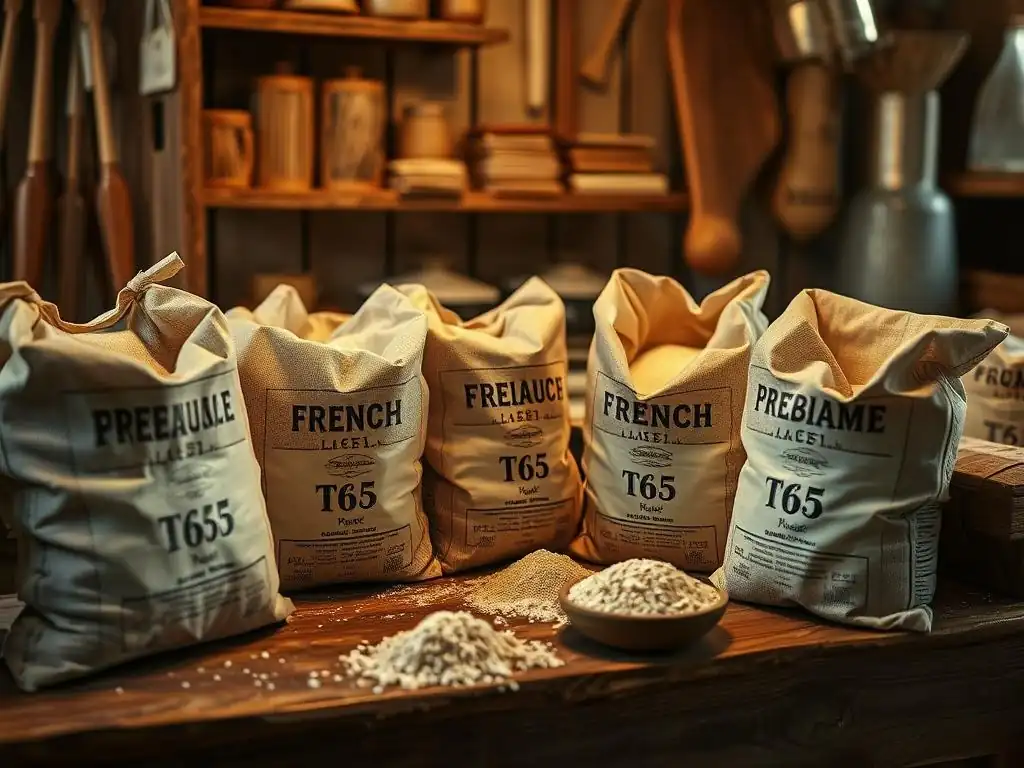
Think of ash content as a proxy for the "whole grain-ness" and mineral richness of the flour. Higher ash means more minerals and typically more flavor compounds associated with the bran and germ. It also means the flour will likely absorb more water and contribute more "activity" (enzymes) to the dough, potentially affecting fermentation speed and handling characteristics. When considering artisan sourdough flour selection, especially those labeled with European classifications like Type 55 (low ash), Type 65 (medium ash), or Type 80 (higher ash), you are directly engaging with the concept of ash content and its impact.
Selecting Flours with Desirable Ash Levels for Sourdough
The "desirable" ash level for sourdough baking depends entirely on the baker's goal. For a classic, open-crumb white loaf with a clean flavor profile, a lower ash flour (like a strong bread flour with ~0.5-0.6% ash) is often preferred. This allows for maximum gluten development and a lighter texture. However, for bakers seeking deeper, more complex flavors and a slightly denser, more rustic crumb, flours with higher ash content, including those with some or all of the bran and germ, are excellent choices.
Many artisan bakers favor flours with medium ash content (e.g., 0.7-1.0%), sometimes labeled as "high extraction" or specific European types, as they offer a balance – enough mineral content for rich flavor but not so much bran as to severely impede gluten development. Experimenting with flours of varying ash levels is a fascinating part of artisan sourdough flour selection. Consider trying a blend of low-ash white flour and a higher-ash sifted or whole grain flour to find your preferred balance of structure, flavor, and texture.
Choosing the Right Flour for Your Sourdough Starter: Nourishing Your Culture
Feeding Your Starter: Best Flours for a Vigorous Culture
The health and activity of your sourdough starter are directly linked to the flour you use to feed it. A vigorous starter requires flour that provides ample nutrients for the yeast and bacteria to thrive. While many flours can keep a starter alive, some are better at promoting rapid and robust growth. Flours with some portion of the bran and germ, like whole wheat or rye flour, tend to be particularly effective because these parts of the grain are rich in nutrients and enzymes that stimulate microbial activity.
Using a mix of flours for feeding is common among experienced bakers. A popular approach for artisan sourdough flour selection for starters is to use a blend, perhaps 50% unbleached all-purpose or bread flour and 50% whole wheat or rye. This combination often provides a good balance of consistency, nutritional value, and microbial stimulation, leading to a lively and predictable starter. Consistency in your feeding routine and flour choice is key to maintaining a stable culture.
Rye Flour: A Powerful Boost for Sourdough Starter Activity
Rye flour is renowned for its ability to create extremely active sourdough starters. It contains high levels of enzymes and fermentable sugars that wild yeasts and bacteria absolutely love. Even a small amount of rye flour in a feeding mix can significantly boost fermentation speed and starter vigor. Many bakers maintain a "rye starter" or incorporate rye into their regular white or whole wheat starter feeding specifically for its potent activating power.
If you're struggling with a sluggish starter, switching to or adding dark rye flour for a few feedings can often revive it dramatically. The starter may become very bubbly and rise quickly. While pure rye starters behave differently than wheat starters (they develop less gluten and don't rise as dramatically before falling), incorporating rye into a wheat starter feeding is a fantastic way to ensure it's strong and ready to leaven your bread. It's a valuable component in artisan sourdough flour selection for starter maintenance.
Whole Wheat vs. White Flour for Starter Maintenance
Both whole wheat and white flours can successfully maintain a sourdough starter, but they influence it differently. Whole wheat flour, with its higher nutrient and enzyme content, generally leads to a faster, more active fermentation. Starters fed primarily on whole wheat tend to peak and fall more quickly than those fed on white flour. They also impart a distinct, tangier flavor to the starter itself.
White flour (all-purpose or bread flour) provides a more stable and often slightly slower fermentation cycle. Starters fed on white flour may rise higher before falling and can be easier to assess for peak readiness. Many bakers find that a starter maintained on white flour, perhaps with occasional whole wheat or rye feedings, offers a good balance of predictability and strength for leavening white or blended loaves. The choice between whole wheat and white flour, or a blend, for starter maintenance is part of your personal artisan sourdough flour selection strategy.
Maintaining Starter Health with the Right Flour Blend
Consistency is often cited as the most important factor in maintaining a healthy sourdough starter, and that includes consistency in the flour blend you use for feeding. While you can experiment with different flours, finding a blend that works well for your environment and schedule and sticking to it helps your starter establish a predictable cycle. A common and effective blend for a robust starter is a 50/50 mix of unbleached bread flour and whole wheat flour. This provides the stability of white flour with the nutritional boost of whole wheat.
Alternatively, some bakers prefer a 100% unbleached bread flour starter, which is very reliable and develops excellent leavening power for white loaves. Others swear by incorporating rye flour, even just 10-20% of the blend, for maximum activity. The "right" blend for your artisan sourdough flour selection for starter maintenance is the one that keeps your starter active, predictable, and smelling pleasantly tangy (not overpoweringly sour or alcoholic) when it's at its peak. Pay attention to how your starter responds to different flours and adjust accordingly.
Selecting Flour for Your Sourdough Loaf: Achieving Desired Results
Flour Blends for Optimal Sourdough Texture and Flavor
Crafting the perfect sourdough loaf often involves blending different types of flour. Pure white bread flour can yield a beautiful, airy crumb, but blending introduces complexity in both texture and flavor. A common approach in artisan sourdough flour selection for the final dough is to combine a high-protein white flour with a percentage of whole grain flour. For example, a blend of 80% strong white bread flour and 20% whole wheat flour provides excellent structure from the white flour while adding the nutty flavors and nutritional benefits of whole wheat.
Experimenting with percentages allows you to fine-tune your loaf. Increasing the whole grain percentage (e.g., to 30% or 40%) will result in a denser crumb and more pronounced whole grain flavor. Adding heritage grains like spelt or Kamut (discussed later) can introduce unique characteristics. The key is to understand how each flour type contributes and to find a blend that aligns with the specific type of bread you want to bake, whether it's a light country loaf or a hearty whole grain boule.
Combining High-Protein and Lower-Protein Flours
Blending high-protein flours (like bread flour or even a small amount of high-gluten flour) with lower-protein flours (such as all-purpose or even some pastry flour for tenderness in enriched doughs) is another strategy in artisan sourdough flour selection. This technique allows bakers to control the overall dough strength. For instance, if you find a high-protein flour makes your dough too strong or difficult to handle, blending in a percentage of all-purpose flour can soften the dough slightly while still retaining good structure.
A common example might be using 70% bread flour and 30% all-purpose flour. This creates a dough with moderate strength that is often easier to work with for shaping, especially for beginner bakers. It's about finding the right balance for your specific recipe, handling style, and desired outcome. Don't be afraid to experiment with different ratios of high-protein and lower-protein flours to discover what works best for you.
Adding Whole Grain Flours for Depth and Complexity
Incorporating whole grain flours like whole wheat, rye, or spelt into your sourdough loaf adds significant depth of flavor and complexity that cannot be achieved with white flour alone. These flours contain the bran and germ, which contribute minerals, fiber, and aromatic compounds. Even a relatively small percentage, say 15-25% whole grain, can dramatically enhance the taste and aroma of your bread, giving it a more rustic and nuanced character.
Beyond flavor, whole grain flours influence the dough's hydration and fermentation. They typically absorb more water than white flour and can speed up fermentation due to enzymatic activity in the bran and germ. This means you might need to adjust your hydration level and fermentation times when adding whole grains. Making considered choices about incorporating whole grain flours is a key aspect of refining your artisan sourdough flour selection for truly flavorful loaves.
Case Study: Comparing Loaves Made with Different Flours
Loaf Comparison with High-Gluten Flour and Bread Flour
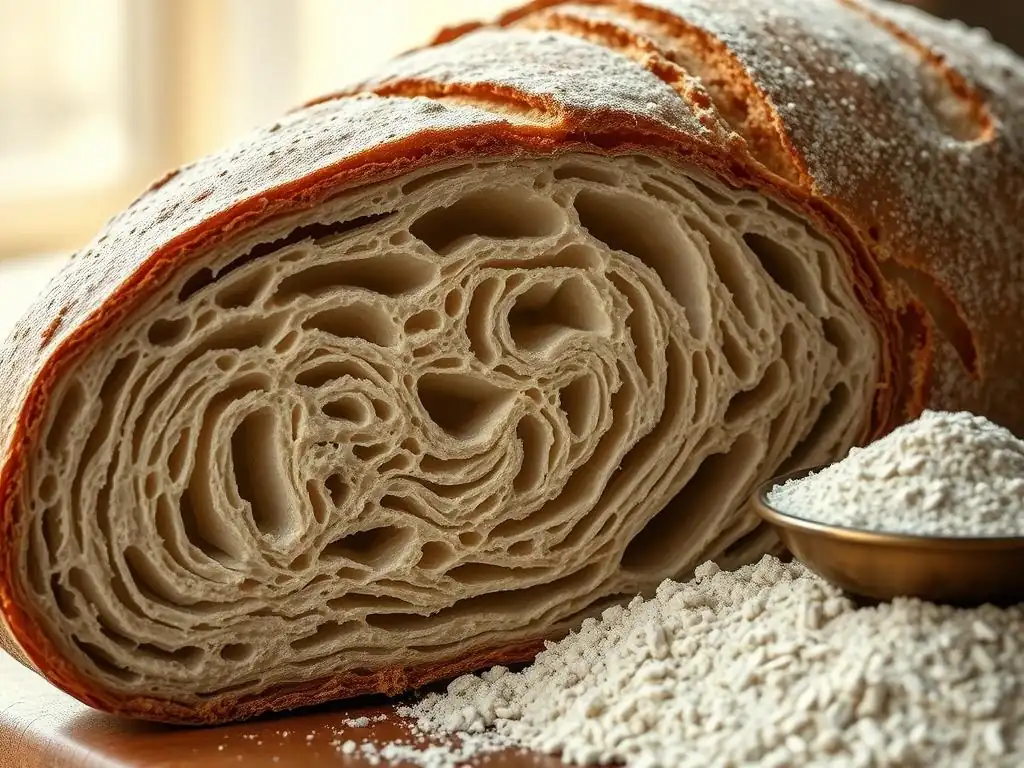
Consider a simple case study comparing two sourdough loaves baked using identical recipes and processes, with the only variable being the primary flour type: one using 100% high-gluten flour (approx. 14.5-15% protein) and the other using 100% strong bread flour (approx. 12.5-13.5% protein). The loaf made with high-gluten flour would likely exhibit a very strong, almost tight gluten network. This might result in a slightly smaller loaf volume initially, as the dough is less extensible, but potentially a very open, web-like crumb structure if fermentation and handling are perfectly managed. The crust might be exceptionally crisp.
In contrast, the loaf made with strong bread flour would likely be easier to handle and shape. It would achieve a significant rise and typically develop a beautiful, open, but slightly more even crumb structure compared to the high-gluten flour loaf. The crust would still be excellent but perhaps not quite as robust. This comparison highlights how protein content directly impacts dough behavior and final crumb structure, guiding your artisan sourdough flour selection based on desired outcomes.
The Role of Protein Content in Sourdough Flour
Protein Percentage and its Impact on Gluten Development
The protein content in flour is arguably the most critical factor affecting gluten development, the network of proteins (glutenin and gliadin) that forms when flour is mixed with water. When these proteins hydrate, they link together, creating an elastic and extensible matrix. A higher protein percentage means there are more building blocks available to form this network, resulting in stronger gluten. This strength is vital in sourdough because the vigorous fermentation produces a significant amount of gas that needs to be trapped within the dough structure to achieve a good rise and open crumb.
Flours with ~12-14% protein, like bread flour, are favored because they strike a good balance, providing sufficient strength without being overly difficult to handle. Flours below 10% protein, such as cake or pastry flour, lack the necessary gluten-forming potential for typical sourdough bread. Understanding the protein percentage listed on flour packaging is key to predicting how your dough will behave and how your final loaf's structure will develop, guiding your artisan sourdough flour selection process.
How to Read Flour Labels for Protein Content
Identifying the protein content of flour is usually straightforward, as it's often listed on the nutritional information panel. Look for the "Protein" line, which is typically measured in grams per serving size (e.g., 30g or 1/4 cup). To calculate the approximate percentage, divide the grams of protein by the grams in the serving size and multiply by 100. For example, if a 30g serving contains 4g of protein, the protein percentage is roughly (4g / 30g) * 100 ≈ 13.3%.
Some flour producers, particularly those selling specialty or artisan flours, may directly state the protein percentage on the front or side of the package. This makes assessing the flour's potential for gluten development much easier. When evaluating artisan sourdough flour selection options, make a habit of checking the protein content – it's a fundamental piece of information that will significantly influence your baking results.
Ash Content and Its Influence on Sourdough Flavor
Understanding Ash Content in Flour
Ash content in flour refers to the mineral content left behind when a sample of flour is completely burned (ashed) in a laboratory. It's expressed as a percentage of the original flour weight. While it sounds technical, ash content is essentially an indicator of how much of the outer layers of the wheat grain (bran and germ) are included in the flour.
White flours, milled from only the starchy endosperm, have lower ash content (e.g., 0.4-0.5% for a very refined flour). As more of the bran and germ are included, the ash content increases. Whole wheat flour, containing the entire grain, has a much higher ash content (often 1.5% or more).
Think of ash content as a proxy for the "whole grain-ness" and mineral richness of the flour. Higher ash means more minerals and typically more flavor compounds associated with the bran and germ. It also means the flour will likely absorb more water and contribute more "activity" (enzymes) to the dough, potentially affecting fermentation speed and handling characteristics. When considering artisan sourdough flour selection, especially those labeled with European classifications like Type 55 (low ash), Type 65 (medium ash), or Type 80 (higher ash), you are directly engaging with the concept of ash content and its impact.
Selecting Flours with Desirable Ash Levels for Sourdough
The "desirable" ash level for sourdough baking depends entirely on the baker's goal. For a classic, open-crumb white loaf with a clean flavor profile, a lower ash flour (like a strong bread flour with ~0.5-0.6% ash) is often preferred. This allows for maximum gluten development and a lighter texture. However, for bakers seeking deeper, more complex flavors and a slightly denser, more rustic crumb, flours with higher ash content, including those with some or all of the bran and germ, are excellent choices.
Many artisan bakers favor flours with medium ash content (e.g., 0.7-1.0%), sometimes labeled as "high extraction" or specific European types, as they offer a balance – enough mineral content for rich flavor but not so much bran as to severely impede gluten development. Experimenting with flours of varying ash levels is a fascinating part of artisan sourdough flour selection. Consider trying a blend of low-ash white flour and a higher-ash sifted or whole grain flour to find your preferred balance of structure, flavor, and texture.
Choosing the Right Flour for Your Sourdough Starter: Nourishing Your Culture
Feeding Your Starter: Best Flours for a Vigorous Culture
The health and activity of your sourdough starter are directly linked to the flour you use to feed it. A vigorous starter requires flour that provides ample nutrients for the yeast and bacteria to thrive. While many flours can keep a starter alive, some are better at promoting rapid and robust growth. Flours with some portion of the bran and germ, like whole wheat or rye flour, tend to be particularly effective because these parts of the grain are rich in nutrients and enzymes that stimulate microbial activity.
Using a mix of flours for feeding is common among experienced bakers. A popular approach for artisan sourdough flour selection for starters is to use a blend, perhaps 50% unbleached all-purpose or bread flour and 50% whole wheat or rye. This combination often provides a good balance of consistency, nutritional value, and microbial stimulation, leading to a lively and predictable starter. Consistency in your feeding routine and flour choice is key to maintaining a stable culture.
Rye Flour: A Powerful Boost for Sourdough Starter Activity
Rye flour is renowned for its ability to create extremely active sourdough starters. It contains high levels of enzymes and fermentable sugars that wild yeasts and bacteria absolutely love. Even a small amount of rye flour in a feeding mix can significantly boost fermentation speed and starter vigor. Many bakers maintain a "rye starter" or incorporate rye into their regular white or whole wheat starter feeding specifically for its potent activating power.
If you're struggling with a sluggish starter, switching to or adding dark rye flour for a few feedings can often revive it dramatically. The starter may become very bubbly and rise quickly. While pure rye starters behave differently than wheat starters (they develop less gluten and don't rise as dramatically before falling), incorporating rye into a wheat starter feeding is a fantastic way to ensure it's strong and ready to leaven your bread. It's a valuable component in artisan sourdough flour selection for starter maintenance.
Whole Wheat vs. White Flour for Starter Maintenance
Both whole wheat and white flours can successfully maintain a sourdough starter, but they influence it differently. Whole wheat flour, with its higher nutrient and enzyme content, generally leads to a faster, more active fermentation. Starters fed primarily on whole wheat tend to peak and fall more quickly than those fed on white flour. They also impart a distinct, tangier flavor to the starter itself.
White flour (all-purpose or bread flour) provides a more stable and often slightly slower fermentation cycle. Starters fed on white flour may rise higher before falling and can be easier to assess for peak readiness. Many bakers find that a starter maintained on white flour, perhaps with occasional whole wheat or rye feedings, offers a good balance of predictability and strength for leavening white or blended loaves. The choice between whole wheat and white flour, or a blend, for starter maintenance is part of your personal artisan sourdough flour selection strategy.
Maintaining Starter Health with the Right Flour Blend
Consistency is often cited as the most important factor in maintaining a healthy sourdough starter, and that includes consistency in the flour blend you use for feeding. While you can experiment with different flours, finding a blend that works well for your environment and schedule and sticking to it helps your starter establish a predictable cycle. A common and effective blend for a robust starter is a 50/50 mix of unbleached bread flour and whole wheat flour. This provides the stability of white flour with the nutritional boost of whole wheat.
Alternatively, some bakers prefer a 100% unbleached bread flour starter, which is very reliable and develops excellent leavening power for white loaves. Others swear by incorporating rye flour, even just 10-20% of the blend, for maximum activity. The "right" blend for your artisan sourdough flour selection for starter maintenance is the one that keeps your starter active, predictable, and smelling pleasantly tangy (not overpoweringly sour or alcoholic) when it's at its peak. Pay attention to how your starter responds to different flours and adjust accordingly.
Selecting Flour for Your Sourdough Loaf: Achieving Desired Results
Flour Blends for Optimal Sourdough Texture and Flavor
Crafting the perfect sourdough loaf often involves blending different types of flour. Pure white bread flour can yield a beautiful, airy crumb, but blending introduces complexity in both texture and flavor. A common approach in artisan sourdough flour selection for the final dough is to combine a high-protein white flour with a percentage of whole grain flour. For example, a blend of 80% strong white bread flour and 20% whole wheat flour provides excellent structure from the white flour while adding the nutty flavors and nutritional benefits of whole wheat.
Experimenting with percentages allows you to fine-tune your loaf. Increasing the whole grain percentage (e.g., to 30% or 40%) will result in a denser crumb and more pronounced whole grain flavor. Adding heritage grains like spelt or Kamut (discussed later) can introduce unique characteristics. The key is to understand how each flour type contributes and to find a blend that aligns with the specific type of bread you want to bake, whether it's a light country loaf or a hearty whole grain boule.
Combining High-Protein and Lower-Protein Flours
Blending high-protein flours (like bread flour or even a small amount of high-gluten flour) with lower-protein flours (such as all-purpose or even some pastry flour for tenderness in enriched doughs) is another strategy in artisan sourdough flour selection. This technique allows bakers to control the overall dough strength. For instance, if you find a high-protein flour makes your dough too strong or difficult to handle, blending in a percentage of all-purpose flour can soften the dough slightly while still retaining good structure.
A common example might be using 70% bread flour and 30% all-purpose flour. This creates a dough with moderate strength that is often easier to work with for shaping, especially for beginner bakers. It's about finding the right balance for your specific recipe, handling style, and desired outcome. Don't be afraid to experiment with different ratios of high-protein and lower-protein flours to discover what works best for you.
Adding Whole Grain Flours for Depth and Complexity
Incorporating whole grain flours like whole wheat, rye, or spelt into your sourdough loaf adds significant depth of flavor and complexity that cannot be achieved with white flour alone. These flours contain the bran and germ, which contribute minerals, fiber, and aromatic compounds. Even a relatively small percentage, say 15-25% whole grain, can dramatically enhance the taste and aroma of your bread, giving it a more rustic and nuanced character.
Beyond flavor, whole grain flours influence the dough's hydration and fermentation. They typically absorb more water than white flour and can speed up fermentation due to enzymatic activity in the bran and germ. This means you might need to adjust your hydration level and fermentation times when adding whole grains. Making considered choices about incorporating whole grain flours is a key aspect of refining your artisan sourdough flour selection for truly flavorful loaves.
Case Study: Comparing Loaves Made with Different Flours
Loaf Comparison with High-Gluten Flour and Bread Flour
Consider a simple case study comparing two sourdough loaves baked using identical recipes and processes, with the only variable being the primary flour type: one using 100% high-gluten flour (approx. 14.5-15% protein) and the other using 100% strong bread flour (approx. 12.5-13.5% protein). The loaf made with high-gluten flour would likely exhibit a very strong, almost tight gluten network. This might result in a slightly smaller loaf volume initially, as the dough is less extensible, but potentially a very open, web-like crumb structure if fermentation and handling are perfectly managed. The crust might be exceptionally crisp.
In contrast, the loaf made with strong bread flour would likely be easier to handle and shape. It would achieve a significant rise and typically develop a beautiful, open, but slightly more even crumb structure compared to the high-gluten flour loaf. The crust would still be excellent but perhaps not quite as robust. This comparison highlights how protein content directly impacts dough behavior and final crumb structure, guiding your artisan sourdough flour selection based on desired outcomes.
Recommended Flour Brands for Sourdough Baking
King Arthur Baking Company: A Reliable Choice for Sourdough Bakers
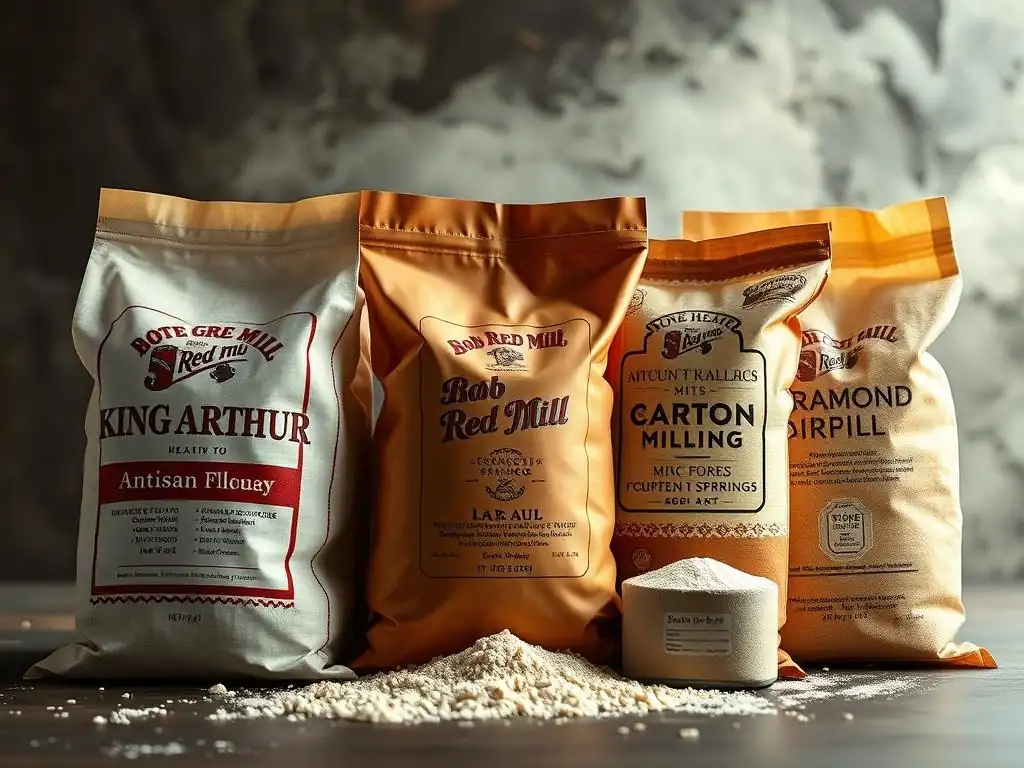
King Arthur Baking Company is a widely respected name among bakers, known for its consistent quality and unbleached flours. Their bread flour, often cited as having a protein content around 12.7%, is a staple for many sourdough enthusiasts. It provides reliable gluten development and performs well in various sourdough recipes. They also offer a range of whole wheat flours, rye flour, and specialty flours, making them a convenient source for diverse artisan sourdough flour selection needs.
Their commitment to quality ensures that their flours perform predictably batch after batch, which is crucial when working with the variable nature of sourdough. Many beginners start their sourdough journey using King Arthur flours due to their accessibility and dependable results. Their website also offers a wealth of information and recipes specifically tailored to their products, further supporting bakers in their artisan sourdough flour selection journey.
Central Milling: High-Quality Organic Flours
Central Milling is often favored by professional bakers and serious home enthusiasts for its high-quality, often organic and identity-preserved flours. They mill a wide variety of grains and offer flours with specific characteristics, such as different extraction rates (ash content) and protein levels. Their flours are known for their excellent flavor and performance, particularly in long-fermented breads like sourdough.
While perhaps less widely available in standard grocery stores than larger brands, Central Milling flours can often be found in specialty baking shops or purchased directly online. Exploring their range of artisan sourdough flour selection options, such as their various bread flours, whole grain flours, and heritage grain flours, can significantly elevate the complexity and quality of your sourdough bakes. Their focus on sourcing and milling practices contributes to the superior performance of their products.
Bob's Red Mill: An Accessible Option for Sourdough Beginners
Bob's Red Mill offers a broad selection of flours and grains that are readily available in many supermarkets. While their product line is extensive, their unbleached white flours (like Artisan Bread Flour or Organic Bread Flour, typically around 12-13% protein) and whole grain flours (like Whole Wheat Bread Flour) are suitable options for sourdough baking, especially for those starting out.
Their flours provide a good entry point into exploring different grain types without needing to seek out specialty suppliers immediately. While some artisan bakers may prefer other brands for specific reasons, Bob's Red Mill offers consistent, accessible options for everyday sourdough baking and experimentation. Their wide variety of whole grains also makes them a good source for incorporating different flavors and textures into your artisan sourdough flour selection.
Beyond the Flour: Other Factors Influencing Sourdough Success
Water Quality and its Impact on Sourdough
While flour is the main ingredient, the quality of your water also plays a significant role in sourdough success. Tap water containing high levels of chlorine or chloramine can actually inhibit or kill the wild yeasts and bacteria in your starter and dough, negatively impacting fermentation. These chemicals are added to municipal water supplies to kill microbes, which is great for safety but detrimental to your sourdough culture.
Ideally, use filtered water or bottled water for your starter and dough. If using tap water, letting it sit uncovered for 24 hours can help dissipate chlorine (though not chloramine). Some bakers also find that hard water (high mineral content) can slightly affect dough consistency and fermentation compared to soft water. Paying attention to your water source is a simple step that can help ensure your artisan sourdough flour selection performs at its best.
Temperature Control During Fermentation
Temperature is a critical variable that dramatically influences the speed and outcome of sourdough fermentation. Sourdough microbes are more active in warmer temperatures (typically 75-80°F or 24-27°C), leading to faster rises and often a tangier flavor profile. Cooler temperatures (like proofing in a refrigerator at 38-40°F or 3-4°C) slow down fermentation significantly, which helps develop more complex flavors and makes scheduling more flexible.
Maintaining a consistent temperature during bulk fermentation and proofing is essential for predictable results. Wild temperature fluctuations can lead to over- or under-fermentation. While your artisan sourdough flour selection sets the stage, managing temperature allows you to control the pace of the microbial activity, ensuring your dough develops properly before baking.
Mastering the Art of Scoring Your Sourdough Loaf
Scoring, or slashing, the surface of your sourdough loaf before baking is more than just decorative; it's a functional step crucial for achieving a good oven spring and controlling the shape of the final loaf. As the dough bakes, it expands rapidly in the hot oven (oven spring). Scoring provides weak points on the surface, allowing the dough to expand in a controlled manner without bursting unpredictably.
The type and depth of your scores influence how the loaf expands and the resulting crust formation. A deep, single score often creates a dramatic "ear," while multiple shallow scores can lead to a more even, rounded loaf. Practicing scoring techniques is a skill that, combined with a well-developed dough from careful artisan sourdough flour selection and fermentation, contributes significantly to the visual appeal and texture of your finished bread.
Troubleshooting Common Sourdough Problems with Flour Selection
Dense Sourdough: Could Your Flour Be the Problem?
One of the most common frustrations in sourdough baking is a dense, heavy loaf without that desirable open crumb. While many factors can contribute to density (under-fermentation, weak shaping, insufficient oven spring), the flour choice can certainly be a culprit. Using a flour with insufficient protein content (e.g., a low-protein all-purpose or pastry flour) will result in a weak gluten network that cannot effectively trap the gases produced by the starter.
If you consistently get dense loaves despite following fermentation times and techniques, evaluate your artisan sourdough flour selection. Ensure you are using a flour with adequate protein, ideally bread flour or a blend containing strong flour. Also, consider the freshness of your flour, as old flour can degrade and lose its gluten-forming potential. Switching to a reliable, higher-protein flour might be the simple solution you need.
Dough that feels slack, tears easily, and doesn't hold its shape during stretching and folding might be suffering from weak gluten development. Again, while technique (like insufficient kneading or stretching) plays a role, the flour's characteristics are fundamental. A flour with low protein content simply doesn't have enough glutenin and gliadin to form a strong network.
Even with sufficient protein, the quality of the protein matters. Different wheats and milling processes can affect gluten quality. If your artisan sourdough flour selection includes older or poorly stored flour, enzyme activity might have degraded the proteins. Ensure your flour is fresh and from a reputable source known for good gluten quality. Sometimes, a small addition of a high-gluten flour or using a flour improver (though many artisan bakers prefer to avoid them) can help boost strength.
Sourness Imbalance: Adjusting Flour Types for Taste
The characteristic tang of sourdough comes from the organic acids produced by lactic acid bacteria (LAB) during fermentation. Different flour types can influence the balance and intensity of these acids. For instance, rye and whole wheat flours, rich in nutrients and enzymes, tend to promote the growth of Lactobacillus, a type of LAB that produces more acetic acid (vinegar-like tang), especially in cooler temperatures.
If your sourdough is too sour or has an undesirable flavor profile, consider adjusting your artisan sourdough flour selection for both your starter and your dough. Using a higher percentage of white flour might result in a milder, lactic acid-dominant tang. Conversely, incorporating more whole wheat or rye can increase acidity and complexity. Experimenting with different flour blends and observing how they affect the final taste is a great way to fine-tune your sourdough's flavor profile.
Elevate Your Sourdough: Experimenting with Unique Flours
Spelt Flour: A Nutty and Flavorful Alternative
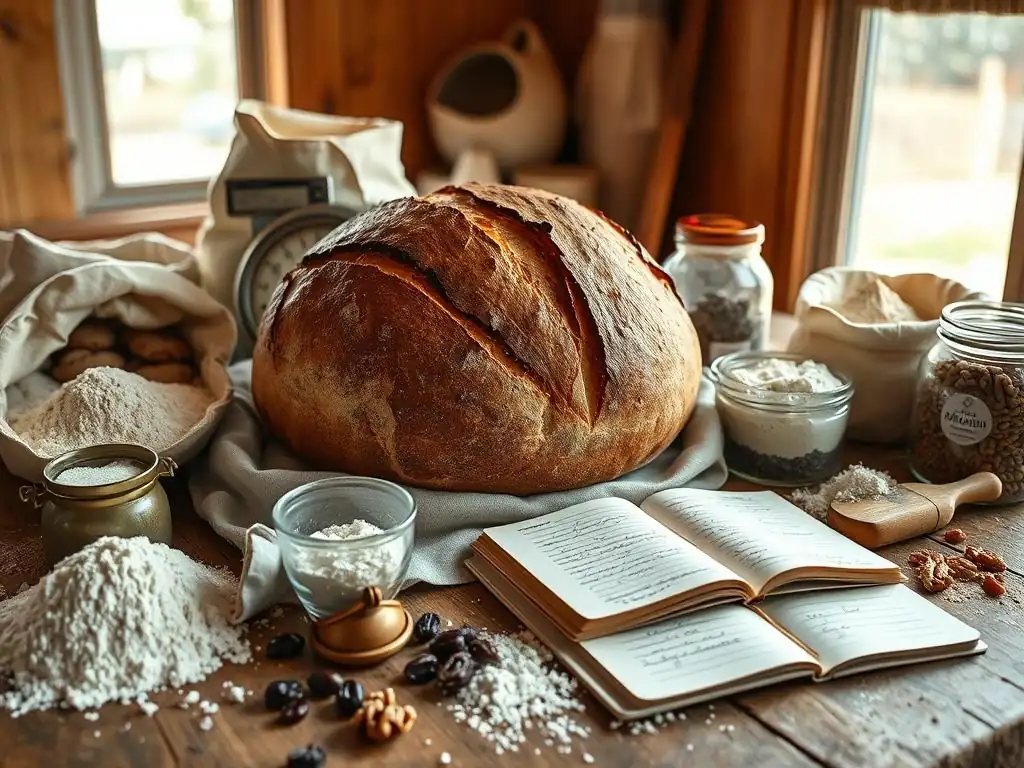
Spelt is an ancient grain with a distinct nutty, slightly sweet flavor and a unique gluten structure. While it contains gluten, the network it forms is typically weaker and more extensible than modern wheat gluten. This means doughs made with 100% spelt can be stickier and harder to handle, often requiring less mixing. However, incorporating spelt into your artisan sourdough flour selection, typically as 20-50% of the total flour, adds wonderful flavor and a tender crumb.
Spelt flour is available in both whole grain and sifted (white) forms. Whole spelt will contribute more flavor and density, while sifted spelt offers a lighter texture. Sourdough made with spelt often has a lovely aroma and a moist interior. It's a fantastic grain to explore once you're comfortable with basic sourdough techniques, adding a new dimension to your baking repertoire.
Kamut Flour: Ancient Grain for Distinct Sourdough
Kamut, also known as Khorasan wheat, is another ancient grain gaining popularity in artisan baking. It has a rich, buttery, and slightly sweet flavor profile that translates beautifully into sourdough bread. Kamut flour typically has a high protein content, often around 14%, but like spelt, its gluten behaves differently than modern wheat – it's more extensible but less elastic.
Using Kamut in your artisan sourdough flour selection, perhaps as a portion of your flour blend (e.g., 20-40%), will impart its signature golden color and flavor. It requires careful handling during mixing and shaping due to its extensibility. Sourdough loaves made with Kamut are known for their moist crumb and delightful aroma. It's a premium flour that can truly elevate your bread to something special.
Rye Flour: Adding Depth and Complexity to Your Bake
Beyond its use in starters, rye flour is a powerful ingredient for adding depth, complexity, and moisture to sourdough loaves. Rye contains very little gluten-forming protein; instead, its structure comes largely from pentosans, complex carbohydrates that absorb a lot of water. Rye also has high enzymatic activity. This means rye doughs are typically sticky, dense, and require different handling than wheat doughs.
Incorporating rye into your artisan sourdough flour selection, from a small percentage (5-15%) for subtle flavor and moisture in a wheat loaf to a higher percentage (30-50% or even 100% for traditional rye bread), dramatically changes the bread's character. Even a small amount of rye contributes a tangy, earthy note and helps keep the crumb moist. Rye sourdoughs pair wonderfully with strong cheeses and savory toppings.
Where to Buy High-Quality Flour for Sourdough
Online Retailers: Your Source for Specialty Flours
For bakers seeking a wider variety of artisan sourdough flour selection options, including heritage grains, specific extraction rates, or flours from regional mills, online retailers are an invaluable resource. Websites like Breadtopia, King Arthur Baking Company's online store, Central Milling's website, and others specialize in providing high-quality baking ingredients.
Shopping online allows access to flours that might not be available locally, such as freshly milled whole grains, specific types of rye or spelt, or flours with particular protein or ash content specifications. While shipping costs are a factor, buying in slightly larger quantities or joining baking groups for bulk orders can make it more economical. It's a great way to expand your baking horizons.
Local Mills: Discovering Regional Flours
Supporting local mills is a fantastic way to access incredibly fresh and often unique flours for your artisan sourdough flour selection. Local mills frequently work directly with regional farmers, offering grains that may be specific to your area or milled using traditional methods. The freshness of locally milled flour can make a noticeable difference in both the performance and flavor of your sourdough.
Visiting a local mill allows you to learn directly about their sourcing and milling practices. They may offer a variety of whole grain, sifted, or specialty flours not found elsewhere. Check farmers' markets or search online for local flour mills in your region. Establishing a relationship with a local mill can provide access to some of the highest quality, most flavorful flours available for your sourdough baking.
Tips for Storing Flour for Optimal Freshness
Proper storage is crucial for maintaining the quality and performance of your artisan sourdough flour selection. Flour, especially whole grain flour due to the oils in the germ, can go rancid or become stale if not stored correctly. It can also absorb moisture and odors from the environment or attract pantry pests.
Store flour in airtight containers (like plastic bins or glass jars) in a cool, dark, and dry place. The pantry is generally acceptable, but for longer storage, especially for whole grain or less frequently used flours, the refrigerator or freezer is ideal. Freezing flour (in an airtight container) extends its shelf life significantly. Allow frozen flour to come to room temperature before using it in your baking. Proper storage ensures that the quality you invested in when making your artisan sourdough flour selection is preserved until you're ready to bake.
Final Thoughts: The Key to Sourdough Flour Mastery.
Frequently Asked Questions
What is artisan sourdough flour, and why is it important?
Artisan sourdough flour refers to unbleached, high-protein flour specifically milled for sourdough baking. It's important because it provides the necessary nutrients for your starter and the structure for a chewy loaf.
How does the protein content of flour affect my sourdough loaf?
Higher protein content (around 12-14%) is crucial for gluten development, creating the strength and elasticity needed for a well-risen and airy sourdough. Lower protein can result in a flat, dense loaf.
What are some popular types of artisan flour used for sourdough?
Common choices include bread flour, whole wheat flour, and rye flour. Many bakers also experiment with ancient grains like spelt or kamut for unique flavors and textures.
Can I mix different types of artisan flour when making sourdough?
Yes! Combining flours can enhance both the flavor and texture of your sourdough. Experimenting with blends like bread flour and whole wheat flour is a great way to find your preferred taste.
Where can I find high-quality artisan sourdough flour?
Look for local mills, specialty baking supply stores, or reputable online retailers that offer unbleached and unbromated flours. Be sure to check the protein content on the packaging.
Final Reflection: The Flour Power of Artisan Bread Baking
The quest for the perfect sourdough loaf begins, and often ends, with the flour. This article has explored the crucial role artisan flours play in shaping the flavor, texture, and overall success of your sourdough journey. The subtle nuances between different protein contents, grain types, and milling processes can dramatically impact your final product, transforming a humble loaf into a culinary masterpiece.
The impact of choosing the right flour extends far beyond the kitchen table. It connects us to the land, the farmers, and the ancient traditions of bread making. The simple act of selecting a flour becomes a mindful process, a conscious decision to support sustainable agriculture and appreciate the artistry involved in transforming raw grains into nourishing sustenance. Bread is the staff of life,
a simple phrase, yet it encapsulates the profound connection between flour, bread, and our very existence. This connection, enriched by understanding the diverse world of artisan flours, deepens our appreciation for the craft.
Now, consider your own sourdough journey. What flours have you experimented with? What discoveries have you made? I encourage you to continue exploring the vast landscape of artisan flours, to embrace the experimentation, and to savor the unique character each one brings to your sourdough creations. The perfect loaf awaits – not just in the recipe, but in the mindful selection of the flour that will bring it to life.
Unleash Your Inner Baker: Craft the Perfect Sourdough Loaf!
Thanks for joining us on this sourdough journey! You've now unlocked the secrets to choosing the perfect flour for a truly amazing loaf. Ready to put your newfound knowledge into practice?
- Bake your dream sourdough: Try experimenting with a new flour type based on the suggestions above. Note the differences in texture and flavor – this is where the real magic happens!
- Share your sourdough success: Post a picture of your creation on social media and tag us – we'd love to see it! Use #BakeWithEaseSourdough.
- Explore the flour aisle: Next time you're at the grocery store, take a closer look at the different artisan flours available – your taste buds will thank you!
What unique flour blend will you experiment with next to elevate your sourdough game?