
Transform Your Bread Crust and Crumb with Artisan Flour

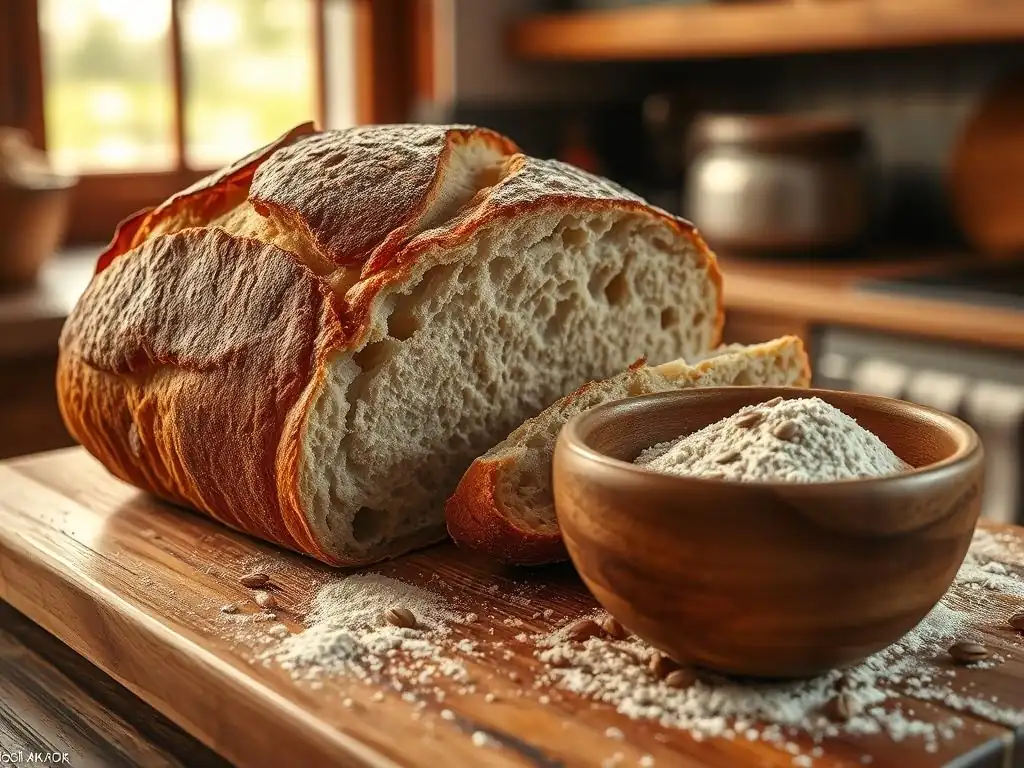
Welcome to BakeWithEase, your trusted companion in the delightful world of baking! Ever wondered how to achieve that coveted artisan flour crust crumb in your homemade bread? Prepare to unlock the secrets! We'll guide you through the nuances of premium baking ingredients, revealing how just the right flour can elevate your crust and crumb from ordinary to extraordinary. Intrigued? Let's get baking!
- Unlock Baking Excellence: King Arthur Flour for Superior Crust and Crumb
- The Secret to a Perfect Crust: King Arthur Flour's Role
- Crafting the Ideal Crumb: King Arthur Flour's Contribution
- Mastering King Arthur Flour Techniques: A Step-by-Step Guide
- Troubleshooting Your King Arthur Flour Baking: Common Issues & Solutions
- Where to Buy Premium King Arthur Flour:
- Elevate Your Baking Today: Unleash the Potential of King Arthur Flour
-
Frequently Asked Questions
- What exactly is artisan flour, and how does it differ from regular flour?
- How does using artisan flour affect the crust of my bread?
- What impact does artisan flour have on the crumb of my bread?
- Is artisan flour difficult to work with, especially for beginners?
- Where can I find artisan flour, and is it more expensive than regular flour?
- Final Reflection: The Transformative Power of Artisan Flour
- Unleash Your Inner Baker: Craft the Perfect Loaf!
Unlock Baking Excellence: King Arthur Flour for Superior Crust and Crumb
Baking bread is a journey, and the quality of your ingredients profoundly impacts the final destination: a loaf with a desirable crust and crumb. When discussing premium flours for bread, King Arthur Baking Company stands out, often considered an artisan flour choice due to its consistent quality and performance. Using a high-quality flour like King Arthur is foundational for achieving the kind of results that make home-baked bread truly special, rivaling loaves from professional bakeries. It's about starting with the best possible base to build structure, flavor, and texture.
Choosing King Arthur flour for your bread baking elevates your craft by providing a reliable foundation. Unlike some commodity flours, King Arthur maintains strict standards for protein content and consistency, which are critical for predictable gluten development – the backbone of bread structure. This attention to detail means that when you follow a recipe using King Arthur flour, you can expect consistent results batch after batch, making it easier to troubleshoot and perfect your technique. This consistency is especially valuable when working towards a specific artisan flour crust crumb profile.
Why Choose King Arthur Flour for Bread Baking?
- Elevate Your Bread: Understanding the Impact of Flour Quality
- The Science Behind Flavor: How King Arthur Flour Affects Taste and Texture
- BakeWithEase Recommendation: Identifying Top-Tier King Arthur Flours
The impact of flour quality on your finished bread is immense, extending far beyond mere structure. A premium flour, like those offered by King Arthur, provides the necessary protein levels for robust gluten development, which allows the dough to trap gases produced during fermentation, resulting in a well-risen loaf.
Furthermore, the milling process and wheat varieties used can influence the flour's hydration capacity and enzymatic activity, both of which play roles in dough handling, fermentation speed, and ultimately, the bread's volume and texture. Using a consistent, high-quality artisan flour ensures you're starting with the best possible foundation for a successful bake.
Beyond structure, the type and quality of flour significantly contribute to the flavor profile of your bread. King Arthur flours are milled from carefully selected wheat varieties, which impart subtle nuances in taste. The inherent sugars and enzymes in the flour interact during fermentation and baking, contributing to the complex aromas and flavors that develop in a well-baked loaf.
For example, their bread flour, known for its higher protein, often provides a slightly sweeter and richer base flavor compared to lower-protein flours, enhancing the overall sensory experience of the artisan flour crust crumb. This attention to the raw ingredient's characteristics is part of what sets premium flours apart.
The Secret to a Perfect Crust: King Arthur Flour's Role
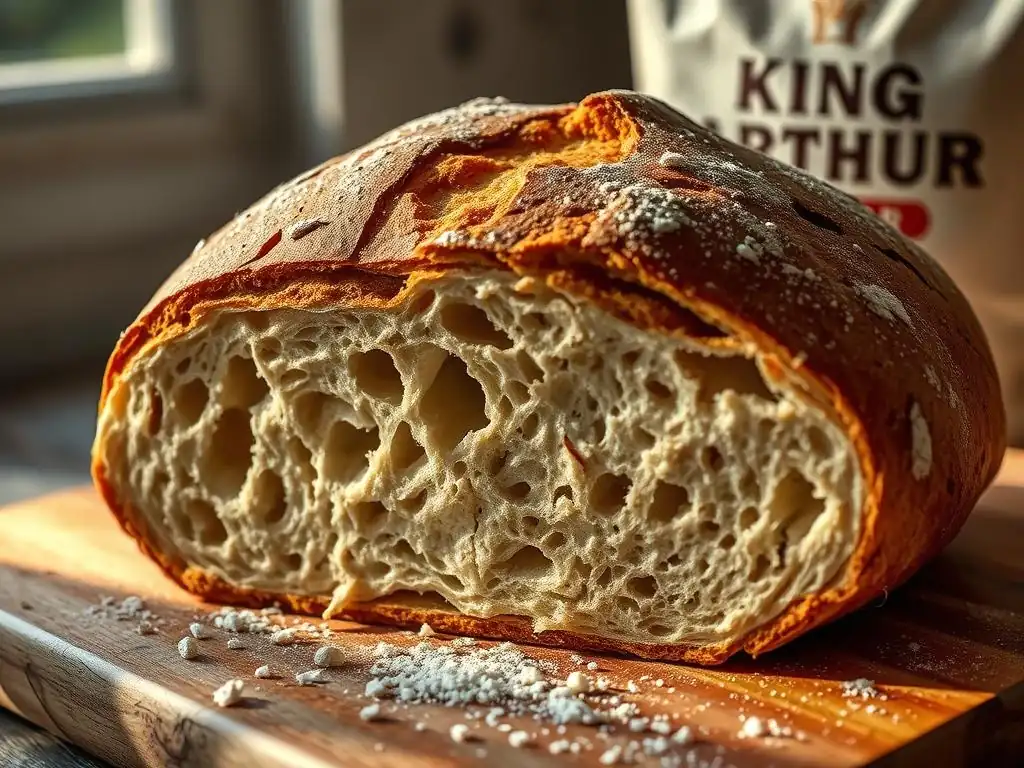
A truly satisfying loaf of bread boasts a crust that is both beautiful and structurally sound – golden or deeply caramelized, crispy, and full of flavor. King Arthur flour plays a pivotal role in achieving this desirable outer layer. The composition of the flour, particularly its protein content, directly impacts the dough's ability to form a strong structure that can withstand the heat of the oven and develop a robust crust. Using the right King Arthur flour is a key step in mastering the art of the perfect crust.
The interaction of sugars and amino acids in the dough under high heat creates the Maillard reaction, responsible for the browning and complex flavors of the crust. Flours with higher protein content, like King Arthur's bread flour, contribute more of the necessary components for this reaction, leading to a richer color and deeper flavor development in the crust. Baking at high temperatures, often recommended for artisan bread, works in tandem with the flour's properties to achieve that coveted crispy exterior.
Achieving a Crispy and Golden Crust with the Right Flour
- Protein Content Matters: Selecting Flour for Crust Development
- The Maillard Reaction: Enhancing Crust Color and Flavor with King Arthur Bread Flour
- BakeWithEase Tip: Mastering Oven Spring for a Crusty Loaf
Protein content is perhaps the most critical factor in flour when it comes to crust development. Higher protein flours, typically labeled as bread flour, contain more gluten-forming proteins. When hydrated and kneaded, these proteins develop into a strong, elastic network that provides structure to the dough.
This strong structure allows the loaf to hold its shape during baking and expand properly (oven spring), which is essential for developing a thin, crispy crust rather than a thick, tough one. King Arthur Bread Flour, with its reliable 12.7% protein content, is a prime example of a flour designed for this purpose, helping you achieve that perfect artisan flour crust.
The Maillard reaction and caramelization are the chemical processes that give the crust its appealing golden-to-dark brown color and complex, savory-sweet flavors. King Arthur Bread Flour, with its ideal balance of starches and proteins, provides the necessary components for these reactions to occur effectively during baking. The high heat of the oven triggers these transformations on the surface of the loaf, turning simple dough into a flavorful, aromatic crust. Using a flour specifically formulated for bread baking, like King Arthur's, optimizes these reactions for superior crust quality.
Recommended King Arthur Flours for Exceptional Crust:
- King Arthur Baking Company - Bread Flour: Ideal for Sourdough Crusts
- King Arthur Baking Company - 00 Pizza Flour: Creating Delicate and Crisp Pizza Crusts
- BakeWithEase's Choice: King Arthur Baking Company - Organic Bread Flour for a Rustic Crust
King Arthur Baking Company's Bread Flour is a go-to for many bakers aiming for a classic, substantial crust, especially for sourdough and lean artisan loaves. Its high protein content yields a strong gluten network that supports excellent oven spring, leading to a well-expanded loaf with a thinner, crispier crust that crackles when you slice into it. This flour's reliability makes it a staple for achieving that sought-after artisan flour crust characteristic of traditional hearth breads.
For a uniquely delicate and extra-crisp crust, particularly for pizzas or certain flatbreads, King Arthur's 00 Pizza Flour is an excellent choice. While lower in protein than their standard bread flour, its ultra-fine grind and specific wheat composition are engineered to produce a tender interior and a remarkably crisp exterior when baked at high temperatures, typical for pizza ovens. This flour demonstrates how specific milling and wheat selection can target particular crust textures beyond just high protein.
Crafting the Ideal Crumb: King Arthur Flour's Contribution
While the crust provides the initial sensory experience, the crumb – the interior texture of the bread – is equally crucial for a truly great loaf. Achieving an open, airy structure with a tender chew is the goal for many artisan bread styles, and the flour used plays a fundamental role in this. King Arthur flours provide the consistent quality needed to develop the gluten structure that defines the crumb's texture, from tight and even to wildly open and irregular.
The quality of the gluten network formed by the flour dictates how well the dough can trap the carbon dioxide produced by yeast or sourdough starter during fermentation. A strong, elastic gluten structure allows the dough to expand significantly, creating large, irregular air pockets characteristic of an open crumb. Conversely, a weaker gluten network will result in a denser, more uniform crumb. King Arthur flours, known for their reliable protein content and quality, empower bakers to control this crucial aspect of bread making.
Achieving Open and Airy Crumb Structures with Specialty Flour
- Gluten Development: The Key to a Light and Tender Crumb
- Water Absorption: How King Arthur Flour Hydrates for Optimum Crumb Texture
- BakeWithEase Guide: Techniques for Enhancing Crumb Structure
Gluten development is paramount for creating a desirable crumb structure. The process of mixing and kneading activates the proteins in the flour, forming a network that gives the dough elasticity and strength. A well-developed gluten network can stretch and hold the gases produced during proofing and baking, leading to a light, airy, and tender crumb. Using a high-quality flour like King Arthur, which has predictable protein levels, makes it easier to achieve the optimal gluten development needed for a beautiful artisan flour crumb. Techniques such as stretch and folds or coil folds during bulk fermentation further enhance this network.
Water absorption is another critical factor influenced by flour. Different flours absorb varying amounts of water, and proper hydration is essential for crumb development. King Arthur flours are known for their consistent absorption rates, allowing bakers to use higher hydration levels (a higher ratio of water to flour) often desired for achieving an open crumb. A dough that is adequately hydrated allows the gluten network to form and expand more easily, contributing to a lighter, more open interior texture. Understanding your flour's hydration capacity is key to successful high-hydration baking.
Top King Arthur Flours for Superior Crumb Development:
- King Arthur Baking Company - All-Purpose Flour: Versatile for Various Crumb Textures
- King Arthur Baking Company - Whole Wheat Flour: Adding Nutty Flavor and Dense Crumb
- BakeWithEase's Suggestion: King Arthur Baking Company - Spelt Flour for a Unique Crumb Profile
While often associated with cakes and cookies, King Arthur All-Purpose Flour is remarkably versatile for bread, capable of producing a soft, relatively even crumb in sandwich loaves, rolls, and enriched breads. Its moderate protein content (around 11.7%) provides sufficient structure for a pleasant chew without being overly dense or tough. It's an excellent choice for bakers seeking a reliable flour for a wide range of bread types, offering a good balance for both crust and crumb in less hydration-intensive recipes.
For bakers seeking a heartier crumb and added nutritional value, King Arthur 100% Whole Wheat Flour is a top contender. This flour includes the bran and germ, which interfere slightly with gluten development, resulting in a denser, tighter crumb compared to white flours. However, it imparts a wonderful nutty flavor and aroma. Achieving a lighter crumb with whole wheat flour often involves techniques like sifting out some bran or using a tangzhong/yudane method, but the inherent nature of the flour leads to a more compact artisan flour crumb.
Mastering King Arthur Flour Techniques: A Step-by-Step Guide
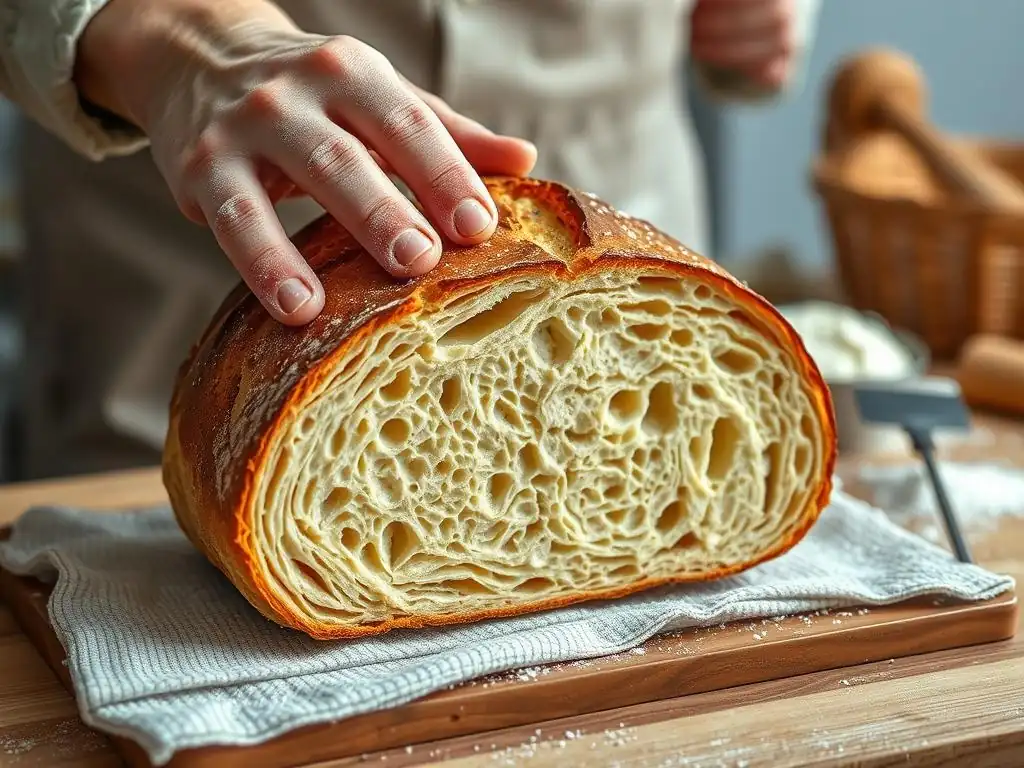
Working with premium flour like King Arthur is an opportunity to refine your baking techniques and truly understand how each step influences the final bread. From the initial mixing to the final moments in the oven, every action impacts the development of both the crust and the crumb. Understanding the characteristics of your specific King Arthur flour and applying best practices will unlock its full potential, leading to consistently excellent results.
This section guides you through essential techniques when using King Arthur flours for artisan bread, focusing on how to optimize hydration, kneading, proofing, and baking temperatures. Each step is critical in developing the desired gluten structure and ensuring the loaf achieves optimal rise, flavor, and texture. Mastering these techniques, coupled with the quality of King Arthur flour, will significantly improve your baking outcomes.
From Mixing to Baking: King Arthur Flour Best Practices
- Hydration Levels: Adjusting Water Content for Different Flours
- Kneading Techniques: Developing Gluten Strength for Optimal Results
- BakeWithEase Recipe: Simple Sourdough Loaf Using King Arthur Bread Flour
- Proofing: Correctly Proofing the Dough for Ideal Crumb and Crust
- Baking Temperatures: Achieving the Perfect Bake for Artisan Breads
Adjusting hydration levels is crucial because different flours absorb water differently, and varying hydration impacts dough handling and the final crumb structure. King Arthur flours are known for their consistency, making it easier to predict how much water they will absorb. For example, King Arthur Bread Flour can typically handle higher hydration (often 70-80% or more) than their All-Purpose flour while still being manageable. Higher hydration generally leads to a more open crumb and crispier crust, but requires more careful handling during kneading and shaping.
Proper kneading, whether by hand or mixer, is essential for developing the gluten network in King Arthur flours. The goal is to transform a shaggy mixture into a smooth, elastic dough that can hold its shape and trap gases. For King Arthur Bread Flour, adequate kneading ensures the high protein content forms a strong, resilient structure necessary for a well-risen loaf with a good artisan flour crumb. Techniques like the windowpane test can help determine if gluten development is sufficient – a small piece of dough should stretch thin enough to see light through it without tearing easily.
BakeWithEase Simple Sourdough Loaf (using King Arthur Bread Flour)

Ingredients:
- 500g King Arthur Bread Flour
- 350g lukewarm water (70% hydration)
- 100g active sourdough starter
- 9g fine sea salt

Instructions:
1. Autolyse: Mix flour and water in a bowl until just combined. Cover and rest for 30-60 minutes.
2. Mix: Add starter and salt to the dough. Mix until incorporated, then knead (by hand or mixer) for 10-15 minutes until smooth and elastic.
3. Bulk Fermentation: Place dough in a lightly oiled bowl. Perform 3-4 sets of stretch and folds every 30-45 minutes over 2-3 hours, then let rest until doubled.
4. Shape: Gently pre-shape the dough into a boule or batard. Rest 20 minutes. Final shape and place in a proofing basket.
5. Proof: Cold proof in the refrigerator for 10-18 hours.
6. Bake: Preheat oven to 450°F (230°C) with a Dutch oven inside for 30 minutes. Score the loaf, carefully place in Dutch oven, cover, and bake for 20 minutes.
7. Finish Baking: Remove lid and bake for another 25-30 minutes until crust is deep golden brown and internal temperature reaches 205-210°F (96-99°C).
8. Cool: Cool on a wire rack for at least 1-2 hours before slicing for the best crust and crumb.
Correct proofing is critical for both crust and crumb. Under-proofed dough won't have developed enough gas, resulting in a dense crumb and potentially blowouts in the crust. Over-proofed dough, on the other hand, can collapse, leading to a flat loaf with a tight crumb and a pale crust. Using King Arthur flour, with its consistent performance, helps make proofing more predictable. Observing the dough's volume increase and conducting the poke test (gently pressing the dough; it should spring back slowly, leaving a small indentation) are reliable indicators of readiness.
Achieving the perfect artisan flour crust requires high baking temperatures. For most lean bread loaves, temperatures between 425°F (220°C) and 500°F (260°C) are recommended. High heat provides the necessary oven spring and promotes rapid crust development through the Maillard reaction. Baking in a preheated Dutch oven or using steam in the oven helps keep the surface of the dough moist initially, allowing for maximum expansion before the crust sets, which is vital for achieving a thin, crispy crust and a good oven spring.
Troubleshooting Your King Arthur Flour Baking: Common Issues & Solutions
Even with high-quality ingredients like King Arthur flour, baking bread can sometimes present challenges. Encountering issues like a dense crumb or a tough crust is part of the learning process. Understanding the common causes of these problems and knowing how to address them will help you improve your technique and consistently produce beautiful, delicious loaves with the desired artisan flour crust crumb.
Many common baking problems stem from factors like incorrect ingredient measurements, insufficient gluten development, improper proofing, or issues with baking temperature and steam. Identifying which stage of the process went wrong is key to troubleshooting. With the consistent performance of King Arthur flours, you can often narrow down the potential causes to technique or environmental factors, making it easier to pinpoint solutions.
Addressing Common Problems with King Arthur Flour
- Dense Crumb: Identifying and Correcting Common Mistakes
- Tough Crust: Solutions for Achieving a Tender Crust
- BakeWithEase Tips: Preventing and Fixing Common Baking Fails
- Flat Loaves: Using the right flour for optimal rise.
A dense crumb is often a sign of insufficient gluten development or under-proofing. If your crumb is tight and heavy, consider kneading the dough longer or using techniques like stretch and folds to build a stronger gluten network. Alternatively, the dough might not have proofed long enough; allow more time for fermentation, ensuring the dough doubles in volume and passes the poke test. Using the correct King Arthur flour with adequate protein for your recipe is also fundamental – attempting a very open crumb with a low-protein flour will be challenging.
A tough crust can result from over-baking or insufficient hydration in the dough. While a crispy crust is desired, it shouldn't be excessively hard to chew. Ensure you're not baking the loaf for too long, and consider adding a bit more water (a percentage point or two) to your dough formula in future bakes, especially when using high-protein King Arthur flours which can handle more hydration. Using steam during the initial phase of baking also helps keep the crust pliable longer, allowing for better expansion and a less tough result.
BakeWithEase Tips for Preventing Baking Fails:
- Always weigh your ingredients, especially flour and water, for accuracy.
- Understand your flour: Know the typical protein content and absorption of the King Arthur flour you're using.
- Pay attention to dough feel: Learn to recognize properly hydrated and kneaded dough.
- Don't rush proofing: Allow the dough the time it needs based on temperature and starter activity.
- Use sufficient steam or a Dutch oven for crust development.
- Allow bread to cool completely before slicing to prevent a gummy crumb.
Flat loaves are a common issue and can be attributed to several factors, including using flour with insufficient protein for the intended loaf structure, under-proofing, over-proofing, or inadequate shaping. For loaves requiring significant structure, such as freeform boules or batards, using a high-protein flour like King Arthur Bread Flour is crucial for providing the strength needed to hold the loaf's shape and achieve good oven spring. Proper shaping techniques also build tension on the dough's surface, helping it maintain structure during baking and contribute to a better artisan flour crust crumb.
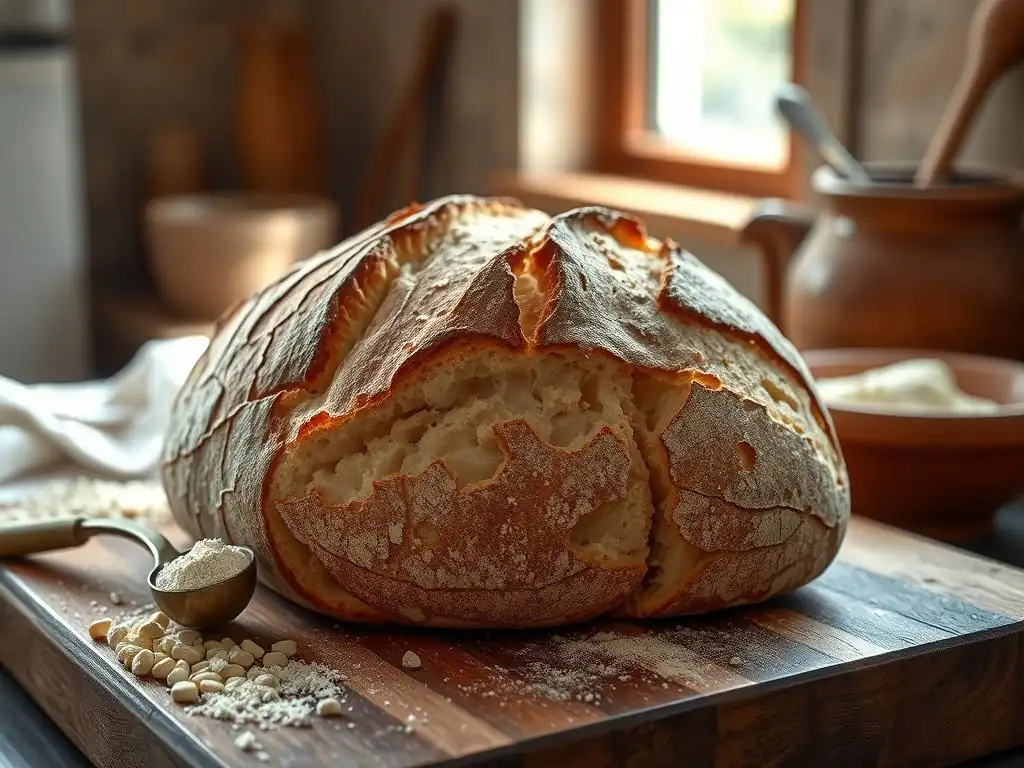
Sourcing high-quality ingredients is the first step to elevating your baking. King Arthur flour is widely available, making it accessible for home bakers looking to improve their artisan flour crust crumb results. Knowing where to find their range of specialty flours ensures you can always have the right ingredient on hand for your next baking project, whether it's a rustic sourdough or a delicate pizza crust.
While specific links are not provided here, you can typically find King Arthur flours through various channels. Their official company website often has an online shop where you can purchase their full range of products, including specialty items that might not be available everywhere. Major online retailers also stock a wide selection of King Arthur flours, offering convenience and delivery options directly to your door.
You can also often find King Arthur flours at well-stocked grocery stores and supermarkets in the baking aisle. For their more specialized flours, consider checking with local bakeries that might sell ingredients or specialty food stores. Some baking supply stores also carry a broader selection of premium flours. Exploring these options helps ensure you can consistently access the quality ingredients needed for superior artisan flour baking.
Elevate Your Baking Today: Unleash the Potential of King Arthur Flour
Transforming your bread from good to exceptional is within reach when you combine quality ingredients like King Arthur flour with careful technique. By understanding how different flours impact crust and crumb and applying best practices in mixing, kneading, proofing, and baking, you can achieve the kind of results that define artisan bread – a beautiful, flavorful crust and a tender, open crumb.
We encourage you to experiment with different King Arthur flours mentioned in this guide. Try their Bread Flour for a classic sourdough crust and open crumb, or their 00 Pizza Flour for an incredibly crisp pizza base. Each flour offers unique properties that can help you explore new textures and flavors in your baking journey. Discovering how each variety performs will deepen your understanding of the craft and improve your artisan flour crust crumb results.
We love seeing your baking successes! Share photos of your beautiful loaves made with King Arthur flour. Experimenting and sharing your results is a great way to learn and connect with other baking enthusiasts. Explore more baking guides and recipes on BakeWithEase.com to continue expanding your skills and discovering new ways to use premium ingredients to create delicious, satisfying bread.
Frequently Asked Questions
What exactly is artisan flour, and how does it differ from regular flour?
Artisan flour refers to flour that is milled using traditional methods, often from heritage grains. This results in a flour with a unique flavor profile and higher protein content compared to standard all-purpose flour.
How does using artisan flour affect the crust of my bread?
Artisan flour often leads to a more deeply colored and flavorful crust. The higher protein content contributes to a crisper and chewier texture, offering a more satisfying bite.
What impact does artisan flour have on the crumb of my bread?
The crumb, or interior texture, benefits from artisan flour by becoming more open and airy. The higher protein content allows for better gluten development, creating larger and more irregular air pockets.
Is artisan flour difficult to work with, especially for beginners?
While it may require slight adjustments, artisan flour isn't necessarily difficult. It's crucial to adjust hydration levels as artisan flours can absorb more water. Start with smaller batches to experiment.
Where can I find artisan flour, and is it more expensive than regular flour?
Artisan flour is typically available at specialty food stores, local mills, or online retailers. It generally is more expensive than regular flour due to the specialized milling process and rarer grain varieties.
Final Reflection: The Transformative Power of Artisan Flour
The quest for the perfect bread crust and crumb is more than just a culinary pursuit; it's a journey into the heart of flavor and texture. Artisan flour, with its nuanced character and unique properties, unlocks a world of possibilities, elevating the humble loaf to an experience that engages all the senses. This journey, as detailed in this article, highlights the profound impact of ingredient choice on the final product, a lesson applicable far beyond the baking bowl.
The subtle differences in protein content, mineral composition, and even the milling process of artisan flours profoundly impact the final outcome. This resonates deeply with me, as I've witnessed firsthand the transformation from a bland, dense loaf to one with a crisp, crackling crust and a tender, airy crumb. The bread is the mirror of the baker,
a wise old baker once told me, and the flour is undoubtedly the first reflection. This article has been a journey of exploration into that reflection, revealing the artistry and science behind achieving bread baking excellence.
Now, it's your turn. Consider the ingredients you use in your own life, both literally and metaphorically. What are the "artisan flours" that elevate your experiences, your relationships, your work? Experiment, explore, and discover the transformative power of choosing quality ingredients, not just in your baking, but in all aspects of your life. The journey to a richer, more fulfilling existence begins with mindful selection and a commitment to excellence.
Unleash Your Inner Baker: Craft the Perfect Loaf!
Thanks for joining us on this flour-powered journey! You've now unlocked the secrets to transforming your bread from ordinary to extraordinary with artisan flour. Ready to put your new knowledge to the test?
- Bake your dream loaf: Try a new recipe using your favorite artisan flour – the results will speak for themselves! Consider photographing your masterpiece and sharing it on social media.
- Explore new flours: Venture beyond your comfort zone and experiment with different types of artisan flour – each one offers a unique flavor and texture.
- Share your experience: Let's hear about your baking adventure! Leave a comment below and share your tips, triumphs, and even those delightful (and sometimes inevitable) baking mishaps.
What unique flavor profile will your next artisan bread creation unveil?