
The Flavor Revolution: How Artisan Flours Transform Your Loaves

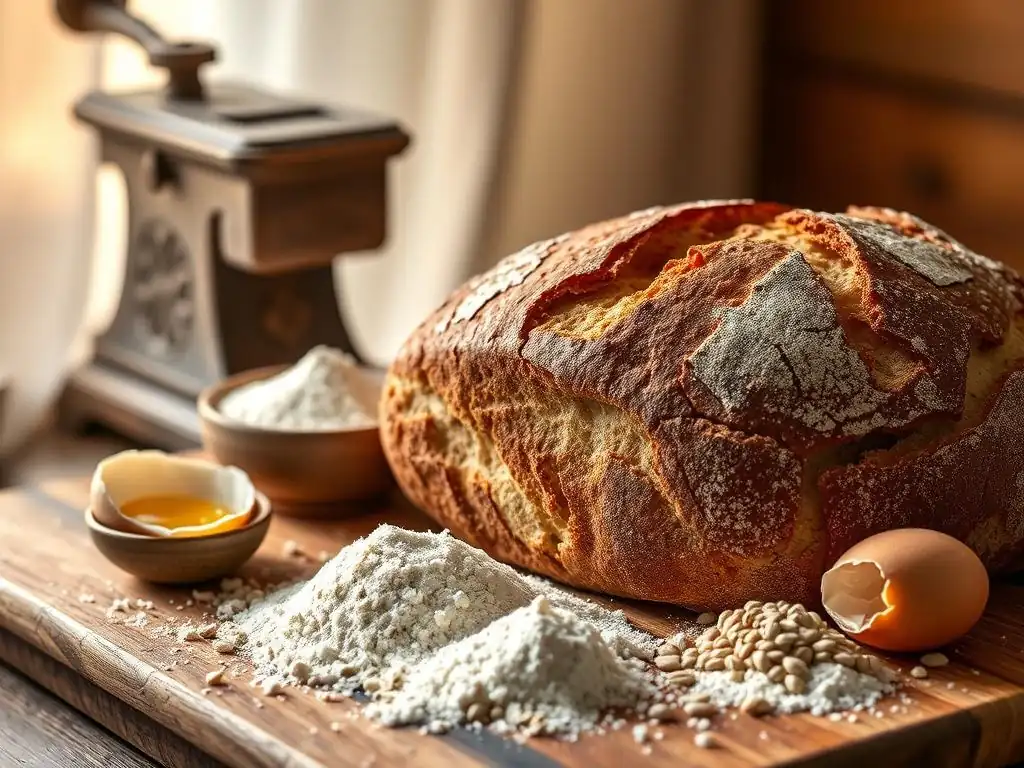
Welcome to BakeWithEase, your guide to unlocking baking brilliance! Ever wondered how to elevate your loaves from ordinary to extraordinary? Prepare to embark on a flavor journey as we delve into the secrets of artisan flour bread recipes. Discover how the right flour can revolutionize your baking, creating textures and tastes you never thought possible. Read on and let the flavor revolution begin!
- Artisan Flour Bread Recipes: Unlock a New World of Flavor
- Understanding Artisan Flour Types for Bread
- Artisan Flour Bread Recipes: A Step-by-Step Guide
- Essential Baking Tools for Artisan Flour Bread Recipes
- Troubleshooting Common Artisan Flour Bread Baking Issues
- Elevate Your Baking: Advanced Artisan Flour Techniques
- Where to Buy High-Quality Artisan Flours Online
- Conclusion: Embrace the Artisan Flour Revolution and BakeWithEase
-
Frequently Asked Questions
- What exactly are artisan flours, and how are they different from regular flour?
- How do artisan flours impact the taste and texture of bread?
- Where can I find artisan flour bread recipes suitable for beginners?
- Can I substitute regular flour for artisan flour in any bread recipe?
- What are some recommended artisan flours to start experimenting with for bread baking?
- Final Reflection: The Enduring Allure of Artisan Flour
- Unleash Your Inner Baker: Craft Extraordinary Loaves Today!
Artisan Flour Bread Recipes: Unlock a New World of Flavor
Why Choose Artisan Flour for Bread Baking?
Choosing artisan flour for your bread baking ventures goes far beyond simply selecting a different ingredient; it's an invitation to explore a depth of flavor, aroma, and texture that standard, highly refined flours often can't provide. These flours are typically milled using traditional methods, such as stone grinding, which preserves more of the grain's natural components – the germ and bran – alongside the endosperm.
This retention of the whole grain's essence means the flour carries more inherent nutrients and, crucially for bakers, a richer, more complex flavor profile. Unlike conventional flours that might offer a blank canvas, artisan flours contribute their own distinct character, transforming simple artisan flour bread recipes into culinary experiences.
Furthermore, the way artisan flours are processed often results in different protein structures and absorption rates compared to their mass-produced counterparts. This impacts everything from how the dough handles during mixing and kneading to its fermentation characteristics and the final crumb structure of the baked loaf. Working with these flours encourages bakers to develop a deeper understanding of dough hydration, gluten development, and fermentation timing.
The subtle variations between batches of artisan flour, influenced by factors like grain variety, growing conditions, and milling technique, mean that each loaf of artisan flour bread you bake can be a unique creation, celebrating the nuances of the grain itself. It's this connection to the raw ingredient and the traditional craft of milling that elevates artisan flour bread recipes from routine baking to a truly rewarding practice.
Understanding Artisan Flour Types for Bread
Stone-Ground Whole Wheat Flour: Rustic Flavor and Texture
Stone-ground whole wheat flour is a cornerstone for many rustic artisan flour bread recipes, prized for its robust flavor and chewy texture. Unlike roller-milled whole wheat, where the germ and bran are separated and then added back, stone grinding processes the entire wheat berry slowly and at lower temperatures. This method helps to preserve the grain's oils and nutrients, preventing oxidation and retaining a fuller, nuttier flavor. The presence of larger particles of bran and germ gives the resulting bread a distinct, hearty texture and a deep, earthy aroma that is immediately recognizable and deeply satisfying.
Working with stone-ground whole wheat requires some adjustments in artisan flour bread recipes. The bran particles can interfere with gluten development, potentially resulting in a denser loaf if not handled correctly.
Bakers often increase hydration levels to allow the bran to soften and absorb moisture, and gentle, longer fermentation periods can help strengthen the gluten network despite the bran's presence. The reward is a loaf with exceptional flavor complexity – think hints of toasted nuts and warm spice – and a wonderfully textured crumb that pairs beautifully with simple toppings like butter or cheese, embodying the essence of traditional, wholesome bread.
Rye Flour: Depth and Complexity for Dark Breads
Rye flour brings a unique depth, tang, and complexity to artisan flour bread recipes, particularly those aiming for darker, more traditional European-style loaves. Rich in soluble fiber called pentosans, rye flour behaves very differently from wheat flour; its gluten-forming proteins (gliadin and glutenin) are not as effective at creating a strong, elastic network. Instead, the pentosans play a significant role in the dough's structure, contributing to its characteristic stickiness and moisture retention. This high pentosan content also means rye dough often requires higher hydration than wheat dough.
Breads made with a significant proportion of rye flour, such as classic pumpernickel or Jewish rye, boast a distinctive, slightly sour or tangy flavor and a dense, moist crumb. The flavor profile can range from mild and slightly sweet in light rye flours to intensely earthy, malty, and complex in dark, whole-grain rye flours.
Because rye gluten is weaker, 100% rye breads often rely on sourdough starters for leavening and structure, resulting in the iconic tangy flavor associated with many rye artisan flour bread recipes. Even adding a smaller percentage of rye to wheat dough can dramatically alter the flavor and aroma, lending subtle notes of spice and earthiness.
Spelt Flour: A Nutty and Slightly Sweet Alternative
Spelt flour, an ancient grain and a relative of wheat, offers a delightful alternative for artisan flour bread recipes, known for its nutty, slightly sweet flavor and tender crumb. Spelt has a different gluten structure than modern wheat, often described as more fragile or water-soluble. This means spelt dough can develop gluten more quickly but is also more prone to breaking down if over-mixed or over-proofed. Bakers working with spelt often opt for gentler mixing methods and shorter fermentation times compared to traditional wheat doughs.
Despite its delicate gluten, spelt flour produces beautifully light and tender loaves. Its distinct flavor profile, often described as having hints of hazelnut and honey, makes it a popular choice for both rustic boules and softer sandwich breads. It can often be substituted for whole wheat flour in many artisan flour bread recipes, though adjustments to hydration and mixing time may be necessary. For those seeking to explore ancient grains and add a unique, pleasant flavor dimension to their baking repertoire, spelt flour provides a wonderful opportunity to create delicious and easily digestible artisan flour bread.
Semolina Flour: The Secret to Italian Breads and Pasta
Semolina flour, traditionally made from durum wheat, is celebrated for its role in creating iconic Italian breads and pasta. Unlike all-purpose flour, which is typically milled from softer wheat varieties, semolina comes from hard durum wheat, resulting in a coarse texture and a high protein content, often around 12-14%. This higher protein contributes to a strong gluten network, which is essential for the chewy texture characteristic of pasta and many traditional artisan flour bread recipes from Southern Italy, like Pane di Altamura or Pane Cafone.
When used in bread making, semolina flour imparts a beautiful golden hue to the crumb and crust, along with a unique, slightly sweet, and earthy flavor. Its coarser texture also affects hydration and dough handling, often requiring a bit more water than finer flours. The strong gluten allows for excellent structure and chewiness, making it perfect for breads with open, irregular crumbs. Whether used as the primary flour or combined with other flours, incorporating semolina into your artisan flour bread recipes is a fantastic way to achieve that authentic Italian texture and taste.
Artisan Flour Bread Recipes: A Step-by-Step Guide
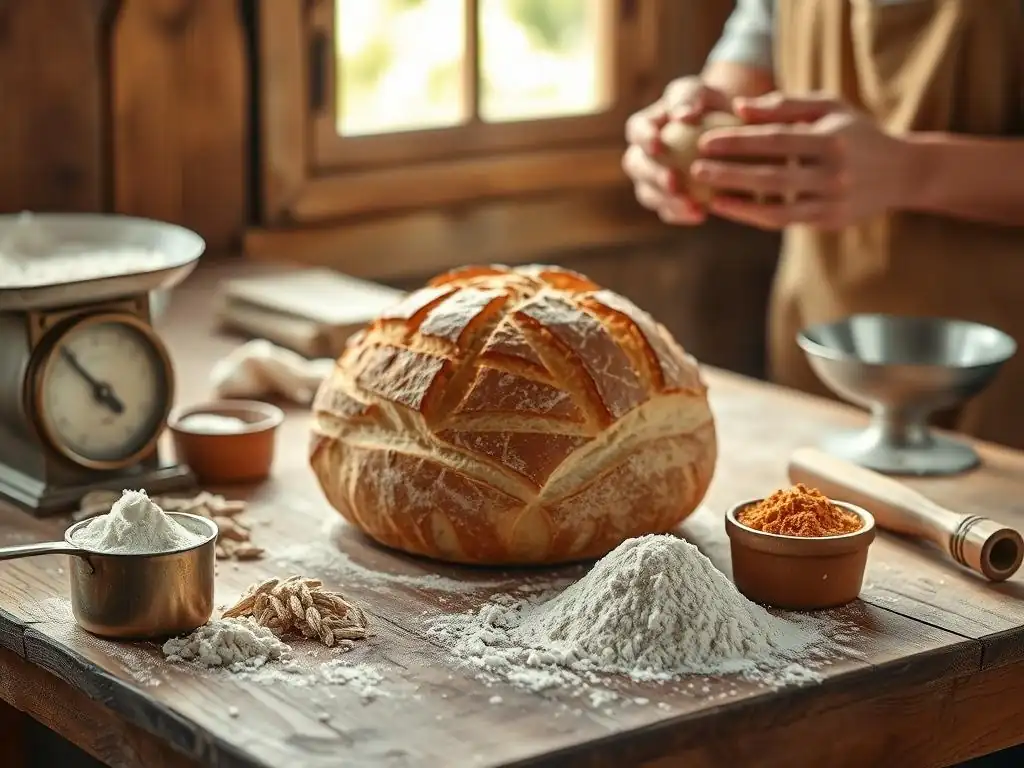
Step 1: Choosing the Right Artisan Flour for Your Recipe
The first crucial step in crafting exceptional artisan flour bread recipes is selecting the appropriate flour. Consider the desired outcome: do you want a light, airy loaf, a dense and hearty one, or something with a specific flavor profile like nutty spelt or tangy rye?
Understanding the characteristics of different artisan flours – their protein content, gluten strength, hydration needs, and flavor – is key. For a beginner, starting with a blend of strong bread flour and a smaller percentage of an artisan flour like stone-ground whole wheat or spelt can be a good approach, allowing you to get accustomed to the handling properties before diving into recipes with higher percentages of more challenging flours like rye or high-extraction whole wheat.
Think about the specific type of bread you aim to make. A classic French boule might benefit from a high-extraction wheat flour, while a German-style rye requires a significant proportion of rye flour. Sandwich loaves can be wonderful with the tenderness of spelt, and Italian country breads often feature semolina.
Read through the artisan flour bread recipes you are interested in and pay close attention to the flour recommendations. Don't be afraid to experiment once you gain confidence, perhaps substituting a small percentage of one flour for another to subtly alter the flavor or texture, always keeping in mind how each flour type influences the dough's behavior and the final bake.
Step 2: Sourcing Quality Artisan Flour
Finding high-quality artisan flour is paramount to the success of your artisan flour bread recipes. Look for flours that are freshly milled, ideally from regionally sourced or heritage grains. The term "artisan" often implies a commitment to traditional milling methods, like stone grinding, which helps preserve the integrity and flavor of the grain. Check the packaging for information about the milling process, the type of grain used (specific varieties can matter! ), and whether it's organic or sustainably farmed, as these factors often correlate with quality.
Reliable sources for quality artisan flour include local mills, specialty food stores, farmers' markets, and reputable online retailers specializing in baking ingredients. Purchasing directly from a mill or a store with a high turnover ensures freshness, which is vital as whole grain flours can go rancid more quickly than refined flours due to the presence of oils in the germ. Storing your flour properly – in an airtight container in a cool, dark place, or even the freezer for longer storage – will help maintain its quality and ensure your artisan flour bread recipes yield the best possible results.
Step 3: Mastering the Mixing and Kneading Techniques
The mixing and kneading techniques for artisan flour bread recipes can vary significantly depending on the type of flour used. Flours with strong gluten, like high-protein wheat or semolina, benefit from sufficient kneading to develop a robust gluten network capable of trapping gases produced during fermentation, leading to a well-structured crumb. This might involve traditional hand kneading or machine mixing until the dough passes the "windowpane test," where a small piece can be stretched thin enough to see light through it without tearing.
However, flours with weaker or more delicate gluten structures, such as spelt or high percentages of rye or stone-ground whole wheat, require a gentler touch. Over-mixing spelt can cause the gluten to break down, resulting in a gummy or dense loaf. Rye dough, due to its high pentosan content, often feels sticky rather than elastic and doesn't develop gluten in the same way; focusing on hydration and fermentation for structure is more important than aggressive kneading.
Many artisan flour bread recipes using these flours employ "no-knead" or "stretch-and-fold" methods, where the dough is gently folded over several times during the initial bulk fermentation to build strength gradually without stressing the delicate structure. Understanding the specific needs of your chosen flour is crucial for successful dough handling.
Step 4: Fermentation and Proofing for Artisan Flour Breads
Fermentation and proofing are critical stages in artisan flour bread recipes, allowing the dough to develop flavor, aroma, and structure. Artisan flours, particularly whole grain and stone-ground varieties, contain more nutrients that yeast and sourdough cultures feed on, which can sometimes lead to faster fermentation. However, the presence of bran and germ can also impact dough temperature and enzyme activity, requiring careful monitoring. Proper bulk fermentation, the initial rise after mixing, is essential for developing complex flavors and creating a strong internal structure in your artisan flour bread.
Proofing, the final rise after shaping, requires attention to the dough's readiness rather than just a set time. Over-proofing dough made with weaker artisan flours like spelt or high percentages of rye can lead to collapsed loaves with poor oven spring. Conversely, under-proofed dough will result in dense bread.
Learning to judge proofing by feel – the dough should feel airy and slightly jiggly, and an indentation made with a finger should spring back slowly – is vital. Temperature plays a significant role; warmer environments speed up fermentation, while cooler temperatures slow it down, allowing for longer, flavor-enhancing ferments, which are often preferred in artisan flour bread recipes, especially those using sourdough.
Step 5: Baking Your Artisan Flour Bread to Perfection
Baking is the culmination of your efforts in creating artisan flour bread recipes, transforming the fermented dough into a beautiful, edible loaf. High temperatures are typically used to achieve excellent oven spring and a well-developed crust. Many artisan recipes call for baking in a preheated Dutch oven or on a baking stone with steam added to the oven. The initial burst of steam keeps the crust moist, allowing the loaf to expand fully before the crust sets, resulting in a lighter crumb and better volume.
The baking time and temperature will depend on the size and shape of the loaf and the type of flour used. Breads with higher proportions of whole grains or denser flours like rye may require slightly longer baking times at slightly lower temperatures after the initial high-heat phase to ensure they are cooked through without burning the crust.
A properly baked loaf of artisan flour bread should have a deep golden to dark brown crust (depending on the flour) and sound hollow when tapped on the bottom. Using a digital thermometer to check the internal temperature – typically 200-210°F (93-99°C) for lean bread – is the most reliable way to ensure it's fully baked.
Essential Baking Tools for Artisan Flour Bread Recipes
Dough Whisk: Gentle Mixing for Delicate Flours
A Danish dough whisk is an invaluable tool for anyone exploring artisan flour bread recipes, especially those using high hydration doughs or flours with delicate gluten structures like spelt or rye. Its unique design, featuring a sturdy wire coil, allows it to efficiently combine flour and liquid with minimal effort and without overworking the dough. Unlike a wooden spoon or spatula, the open structure prevents dough from getting trapped and clumping excessively, making the initial mixing phase much cleaner and more effective.
For wet, shaggy doughs common in no-knead or high-hydration artisan flour bread recipes, the dough whisk excels at quickly incorporating all the dry ingredients into the wet, forming a cohesive mass without initiating significant gluten development prematurely. This is particularly beneficial when working with flours that can become tough or sticky when overhandled. Using a dough whisk helps ensure a smooth, uniform mix right from the start, setting the stage for successful fermentation and ultimately contributing to the desired texture in your final artisan flour bread.
Banneton Proofing Basket: Shaping and Supporting Your Dough
Banneton proofing baskets, typically made from rattan or coiled cane, are essential for giving shaped dough structure and support during its final rise before baking. When working on artisan flour bread recipes, especially those for freeform loaves like boules or bâtards, the banneton helps the dough maintain its shape and prevents it from spreading outwards as it proofs. This is particularly important for doughs made with lower protein flours or those with weaker gluten development, which might otherwise flatten out during proofing.
To use a banneton, it's typically dusted generously with rice flour (which is less likely to be absorbed by the dough than wheat flour) to prevent sticking. The shaped dough is placed seam-side up in the floured basket for its final proof. As the dough rises, it takes on the basket's shape and pattern, which transfers beautifully to the crust during baking, creating those signature rings or spirals seen on many artisan loaves. Using a banneton ensures your artisan flour bread has a lovely form and contributes to achieving a desirable oven spring.
Dutch Oven: Creating a Steamy Baking Environment
The Dutch oven is a favored tool among bakers for replicating the conditions of a professional bakery oven right in a home kitchen, making it ideal for many artisan flour bread recipes. Its heavy lid traps steam released by the dough during the initial phase of baking. This trapped steam is crucial because it keeps the surface of the dough moist and elastic, allowing the loaf to expand fully during oven spring before the crust hardens. Without sufficient steam, the crust would set too quickly, restricting expansion and resulting in a denser loaf.
Baking artisan flour bread in a preheated Dutch oven also ensures excellent heat transfer to the dough, promoting even baking and contributing to a thick, crackly crust. The enclosed environment provides consistent, high heat around the loaf. After the initial steaming period (typically the first 20-30 minutes), the lid is removed to allow the crust to dry out and brown. This method is particularly effective for lean doughs (made only with flour, water, salt, and leavening) and is a simple yet highly effective way to achieve professional-quality results with your artisan flour bread recipes.
Digital Kitchen Scale: Precise Measurements for Consistent Results
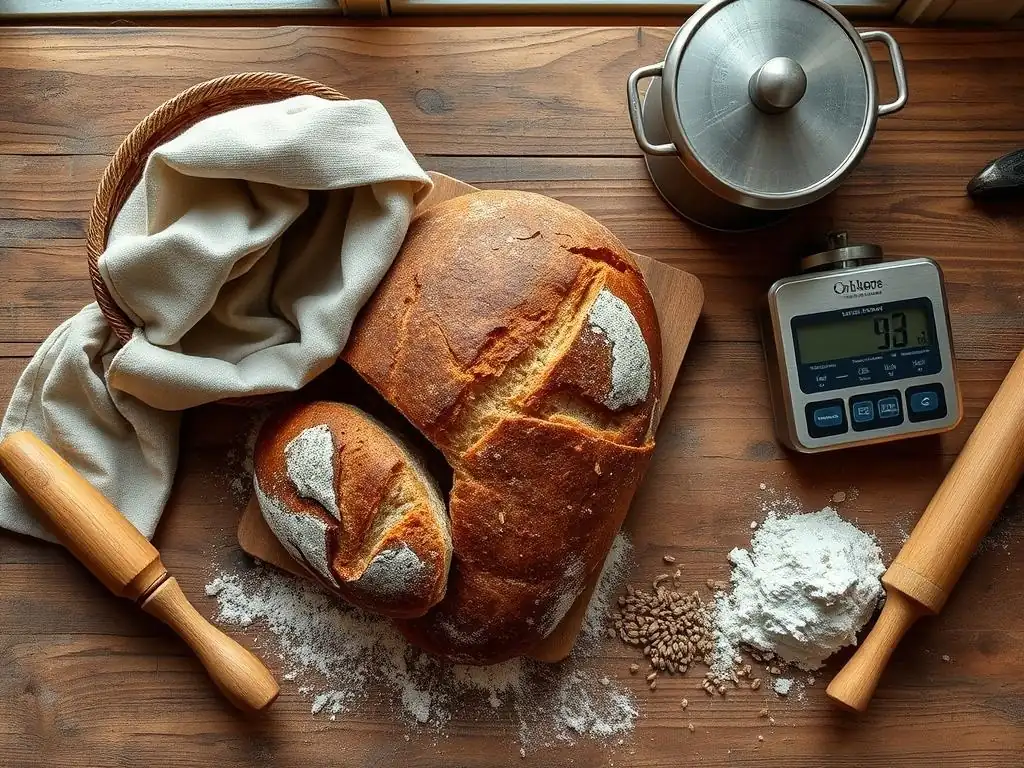
Precision is key in baking, and a digital kitchen scale is arguably the most important tool for achieving consistent results in artisan flour bread recipes. Measuring ingredients by weight rather than volume (cups and spoons) is significantly more accurate. A cup of flour, for instance, can vary in weight by as much as 20% depending on how it's scooped and leveled, and this variability is compounded when working with different types of artisan flours which have different densities.
Using a digital scale allows you to follow recipes precisely, ensuring the correct hydration levels and ratios of ingredients every time. This accuracy is crucial because even small deviations can impact dough consistency, fermentation rates, and the final structure and texture of your artisan flour bread. Investing in a reliable digital scale will eliminate guesswork and help you reliably reproduce successful artisan flour bread recipes, making your baking journey much more consistent and rewarding.
Troubleshooting Common Artisan Flour Bread Baking Issues
Dense Bread: Understanding and Addressing Insufficient Rise
One frustrating issue encountered when working with artisan flour bread recipes is a dense, heavy loaf lacking the desired airy crumb. This is often a result of insufficient rise, which can stem from several factors. A primary cause is inadequate fermentation or proofing; the yeast or sourdough culture didn't produce enough carbon dioxide gas to properly leaven the dough. This might be due to using inactive or insufficient leavening, a too-cold environment slowing down fermentation, or simply not allowing enough time for the dough to develop.
Another factor contributing to density, particularly with whole grain or low-gluten artisan flours, can be underdeveloped gluten. If the dough wasn't mixed or folded enough to build sufficient structure, it won't be able to hold the gases produced during fermentation, leading to a tight, compact crumb.
Conversely, over-proofing can also cause density; if the dough rises too much and then collapses before or during baking, the structure is compromised, resulting in a heavy loaf. Carefully monitoring fermentation times, ensuring your starter or yeast is active, and developing adequate (but not excessive) gluten are key to avoiding dense results in your artisan flour bread recipes.
Flat Bread: Diagnosing and Correcting Gluten Development Problems
Flat bread, which spreads out during proofing or baking rather than holding its shape and achieving good oven spring, is frequently caused by issues with gluten development or dough strength. Gluten provides the structural framework that allows the dough to hold its form and expand upwards. If the gluten network is weak or hasn't been sufficiently developed, the dough lacks the necessary elasticity and extensibility to support its rise, especially when using wetter doughs common in many artisan flour bread recipes.
Reasons for poor gluten development include insufficient kneading or folding, using a flour with very low protein content (like some pastry flours, though less common in bread recipes), or the presence of ingredients that inhibit gluten formation, such as excessive fat or certain enzymes in whole grain flours if fermentation is too long or warm. Over-hydration can also make dough difficult to handle and shape, leading to a flatter loaf.
Ensuring proper mixing and folding techniques for the specific artisan flour type, using appropriate hydration levels, and allowing for adequate bulk fermentation time to build dough strength are crucial steps to prevent flat loaves in your artisan flour bread recipes.
Gummy Texture: Avoiding Underbaked Bread
A gummy or moist texture in the center of your artisan flour bread is a clear sign that the loaf is underbaked. While some very high-hydration or dense rye breads naturally have a moister crumb than standard wheat loaves, a truly gummy texture indicates that the starches in the flour haven't fully gelatinized and set during the baking process, and excess moisture remains trapped. This can happen even if the crust looks perfectly browned, especially in larger or denser loaves.
Underbaking can occur if the oven temperature is too low, the baking time is too short for the size and type of loaf, or if the bread is removed from the oven before it reaches the correct internal temperature. Different artisan flours, particularly whole grains and rye, can retain more moisture than refined white flour and may require a slightly longer bake or a lower finishing temperature to ensure the interior is cooked through.
Always check the internal temperature with a digital thermometer – aiming for 200-210°F (93-99°C) for lean bread – and bake for additional time if necessary, even if the crust looks done, to avoid a gummy texture in your artisan flour bread recipes.
Elevate Your Baking: Advanced Artisan Flour Techniques

Sourdough Starters with Artisan Flour
Using artisan flours to maintain and bake with your sourdough starter is a fantastic way to deepen the flavors and complexity of your artisan flour bread recipes. Sourdough starters are living cultures of wild yeast and bacteria, and the type of flour they are fed directly impacts their activity and the microbial balance, which in turn affects the flavor of the bread. Feeding a starter with whole grain artisan flours, like stone-ground wheat or rye, introduces a wider variety of microorganisms and nutrients compared to feeding with refined white flour.
Starters maintained with whole grain artisan flours often develop more robust and complex flavor profiles, contributing deeper tangy and earthy notes to the final loaf. Rye flour, in particular, is known for creating very vigorous and flavorful starters due to its high enzyme activity and nutrient content. While using whole grain flours might require slight adjustments to feeding ratios and schedules (they can ferment faster), the resulting starter can significantly elevate the aroma, texture, and taste of your artisan flour bread recipes, adding layers of complexity that are hard to achieve otherwise.
Combining Artisan Flours for Unique Flavor Combinations
One of the most exciting aspects of exploring artisan flour bread recipes is the ability to combine different flour types to create unique flavor profiles and textures. Blending flours allows you to leverage the strengths of each while mitigating their weaknesses. For example, adding a percentage of rye flour to a wheat dough imparts its signature tang and moisture retention while still benefiting from wheat's gluten structure for a lighter crumb than a 100% rye loaf.
Experimenting with combinations like spelt and wheat for a tender, nutty crumb, or adding a touch of stone-ground whole wheat to white bread flour for added depth and texture, opens up a world of possibilities. Semolina can be mixed with bread flour for a chewier crumb and golden color. When combining flours, consider their protein content, absorption rates, and gluten characteristics, as these will influence hydration and handling. By thoughtfully blending artisan flours, you can tailor your artisan flour bread recipes to achieve specific desired outcomes, creating loaves that are truly your own signature bakes.
Where to Buy High-Quality Artisan Flours Online
Finding reliable sources for high-quality artisan flours is essential for consistent success with your artisan flour bread recipes. While local mills and specialty stores are excellent options, numerous reputable online retailers specialize in sourcing and distributing flours from small farms and traditional mills. These platforms often provide detailed information about the grain's origin, variety, and milling process, allowing you to make informed choices about the flours you purchase.
Look for online stores that prioritize freshness and proper storage and shipping. Customer reviews can also be a helpful indicator of flour quality and service reliability. Purchasing online provides access to a wider variety of unique and heritage grain flours that might not be available locally, expanding the possibilities for your artisan flour bread recipes. While you won't find direct links here, a quick search for "buy artisan flour online" or "heritage grain flours" will reveal many excellent options to explore.
Conclusion: Embrace the Artisan Flour Revolution and BakeWithEase
Embarking on the journey with artisan flours in your bread baking is a rewarding experience that promises a revolution in flavor, texture, and aroma. Moving beyond standard flours opens the door to a world of distinct grain characteristics, traditional milling methods, and nuanced baking techniques. As you explore various artisan flour bread recipes, from hearty whole wheat loaves to delicate spelt boules and tangy rye breads, you'll develop a deeper connection to your ingredients and the craft of baking itself.
Mastering artisan flour bread recipes takes practice and patience, but the results are undeniably worth the effort. Each type of artisan flour offers unique challenges and rewards, encouraging you to learn and adapt your methods. By understanding the properties of these remarkable flours, sourcing quality products, and applying the right techniques, you can elevate your home baking to new heights.
So, embrace the artisan flour revolution, experiment with different grains and blends, and discover the incredible potential within your oven. With BakeWithEase, you have the resources to confidently create stunning artisan flour bread that will delight your senses and impress everyone who gets a slice.
Frequently Asked Questions
What exactly are artisan flours, and how are they different from regular flour?
Artisan flours are typically milled in smaller batches and often use heritage wheat varieties. This results in a flour with more complex flavors and a higher nutritional content compared to mass-produced flour.
How do artisan flours impact the taste and texture of bread?
Artisan flours can significantly enhance the flavor of bread, providing nutty, earthy, or even sweet notes. They also affect the texture, often resulting in a more open crumb and chewier crust.
Where can I find artisan flour bread recipes suitable for beginners?
BakeWithEase.com offers numerous artisan flour bread recipes specifically designed for beginners. Look for recipes clearly marked as "beginner-friendly" with step-by-step instructions and readily available ingredients.
Can I substitute regular flour for artisan flour in any bread recipe?
While you can substitute, the results will vary. Expect a less pronounced flavor and a potentially different texture. You might need to adjust hydration levels when using regular flour.
What are some recommended artisan flours to start experimenting with for bread baking?
Some good starting points include whole wheat flour, rye flour, and spelt flour. These flours offer distinct flavors and textures that can elevate your artisan bread baking.
Final Reflection: The Enduring Allure of Artisan Flour
The resurgence of artisan flours isn't just a culinary trend; it's a testament to our growing desire for connection to the land and a deeper appreciation for the simple pleasures of truly good bread. From the rustic charm of a sourdough boule to the delicate crumb of a rye loaf, the transformation achieved through thoughtfully sourced flours is undeniable. This isn't merely about taste; it's about reclaiming a connection to the process, from grain to table.
The impact of artisan flour extends beyond the kitchen table; it reflects a broader cultural shift towards sustainability and mindful consumption. We're increasingly aware of the origins of our food and the impact of our choices. This movement towards locally sourced, heirloom grains speaks volumes about our desire for authenticity and quality. Bread is the staff of life,
they say, and with artisan flours, we're rediscovering the profound truth in that statement. It's not just sustenance; it's a celebration of craftsmanship, tradition, and the simple act of nourishing ourselves with something beautiful and delicious.
Now, consider your own baking journey. What flour are you using? What stories does it tell? I invite you to explore the world of artisan flours, to experiment with different varieties, and to discover the unique flavors and textures they bring to your loaves. Embrace the process, savor the results, and share the joy of truly exceptional bread with those you love. The flavor revolution awaits – and it starts with a single grain.
Unleash Your Inner Baker: Craft Extraordinary Loaves Today!
Thanks for joining us on this flavorful journey into the world of artisan flours! We hope you've discovered new ways to elevate your baking and create truly exceptional bread. Ready to put your newfound knowledge into practice?
- Bake a masterpiece: Choose your favorite artisan flour (from the list we provided!) and bake a loaf this week. Take photos of your creation – we'd love to see them!
- Share the flavor: Tell your friends and family about the amazing difference artisan flours make. Inspire them to explore new textures and tastes!
- Experiment boldly: Try a unique flour blend or recipe you haven't attempted before – even a sourdough starter might be in order!
What incredible flavor combinations will you create with your newly acquired artisan flour knowledge?