
Understanding the Gluten Structure in Different Artisan Flours

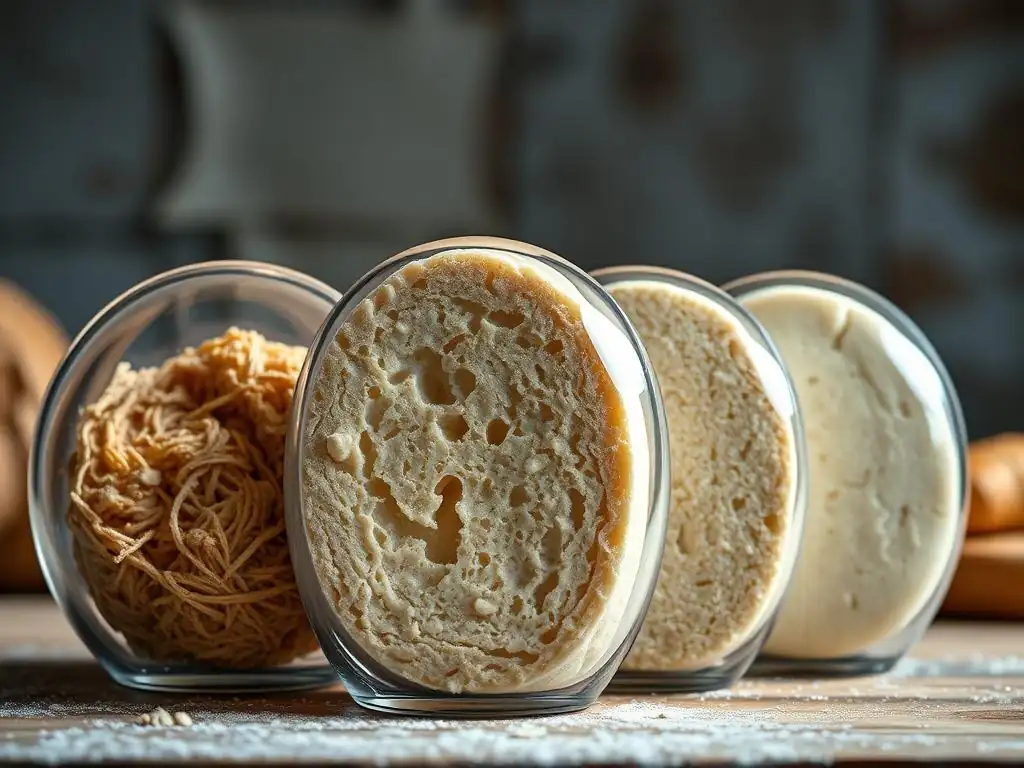
Welcome to BakeWithEase, your gateway to baking brilliance! Ever wondered how the type of flour impacts the texture and rise of your baked goods? Dive into the secrets of artisan flours and discover the crucial role of gluten structure in achieving baking perfection. This article unlocks the mysteries behind different flours, providing insights that will elevate your baking from good to extraordinary. Curious to learn more? Let's explore the fascinating world of gluten and how it shapes your culinary creations...
- Introduction: The Foundation of Artisan Bread – Gluten Structure
- What is Gluten and Why Does it Matter in Artisan Baking?
- Exploring Gluten Development in Specific Artisan Flours
- Factors Affecting Gluten Structure in Artisan Bread
- Troubleshooting Gluten Problems in Artisan Bread
- Advanced Techniques for Gluten Manipulation
- Conclusion: Mastering the Gluten Structure for Baking Success.
-
Frequently Asked Questions
- What is gluten structure and why is it important in baking, especially when using artisan flours?
- How does the gluten structure differ between various types of artisan flours like bread flour, pastry flour, and all-purpose flour?
- How can a baker manipulate the gluten structure when working with artisan flour to achieve desired results?
- What are some common problems encountered when working with gluten structure in artisan flours, and how can they be avoided?
- Where can I find reliable information about the specific gluten characteristics of different artisan flours, and how can BakeWithEase help?
- Final Reflection: Unfolding the Mysteries of Gluten in Artisan Flour
- Unleash Your Inner Baker: Master Gluten & Flour Power!
Introduction: The Foundation of Artisan Bread – Gluten Structure
Creating exceptional artisan bread often hinges on understanding one crucial element: the gluten structure. It's the invisible framework within your dough that provides elasticity, extensibility, and the ability to trap gases produced during fermentation, ultimately giving bread its volume, texture, and chew. Without a properly developed gluten network, even the finest ingredients can result in a flat, dense loaf. Mastering the nuances of gluten structure in different artisan flours is a fundamental step for any serious baker aiming for that perfect crumb and crust.
This exploration delves into the science behind gluten formation and how it behaves uniquely in various types of artisan flour, from robust bread flour to delicate spelt and challenging rye. We'll examine how factors like hydration and mixing techniques influence this vital structure and offer insights into troubleshooting common issues. Understanding the gluten structure artisan flour provides is key to predicting dough behavior and achieving consistent, high-quality results in your home baking.
What is Gluten and Why Does it Matter in Artisan Baking?
Gluten is not a single substance but a complex matrix formed when two proteins found in wheat and some other grains, gliadin and glutenin, come into contact with water. As the dough is mixed or kneaded, these proteins link together, creating a stretchy, elastic network. This network is essential in artisan baking because it gives the dough its ability to rise. The yeast produces carbon dioxide gas, and the gluten network traps these gas bubbles, causing the dough to expand.
In artisan bread, the desired gluten structure is often more developed than in softer baked goods. This robust network allows for higher hydration levels, longer fermentation times, and techniques like shaping and scoring, which all contribute to the characteristic open crumb and substantial texture of artisan loaves. The quality and behavior of the gluten structure artisan flour yields directly impacts the final volume, texture, and even the crust development of your bread.
The Science Behind Gluten Formation
The process of gluten formation begins the moment flour meets water. Gliadin and glutenin proteins, initially separate, start to hydrate and unravel. Mechanical action, whether through kneading, stretching, or even just time (autolyse), encourages these hydrated proteins to bond together. Gliadin proteins contribute extensibility, allowing the dough to stretch, while glutenin proteins provide elasticity and strength, enabling the dough to hold its shape and spring back.
Imagine gliadin as sticky, flexible threads and glutenin as longer, more structured chains. As you work the dough, these threads and chains intertwine and form cross-links, creating a complex, three-dimensional mesh. This mesh is the gluten network. The extent and strength of this network depend on several factors, including the protein content of the flour, the amount of water used, the mixing time, and the duration of fermentation. A well-developed network can be observed visually as a smooth, elastic dough that passes the "windowpane test" – stretching thin enough to see light through it without tearing.
Gluten Strength vs. Gluten Elasticity: Finding the Right Balance
Gluten strength refers to the ability of the gluten network to resist stretching and hold its shape, primarily provided by the glutenin proteins. Elasticity is the ability of the dough to return to its original shape after being stretched, also largely due to glutenin. Extensibility, on the other hand, is the ability to be stretched without tearing, mainly influenced by gliadin. A good gluten structure artisan flour provides needs a balance of both strength and extensibility.
If the gluten is too strong (high elasticity, low extensibility), the dough will be tight, difficult to shape, and may result in a dense crumb. If it's too weak (low strength, high extensibility), the dough will be slack, unable to hold its shape, and won't trap gas effectively, leading to poor volume. Achieving the right balance is crucial for artisan bread.
This balance allows the dough to be shaped effectively, hold the gas produced during a long fermentation, and exhibit good oven spring, resulting in a light, open crumb and a well-formed loaf. Different artisan flours inherently possess different ratios of these protein types, influencing their handling characteristics.
Exploring Gluten Development in Specific Artisan Flours
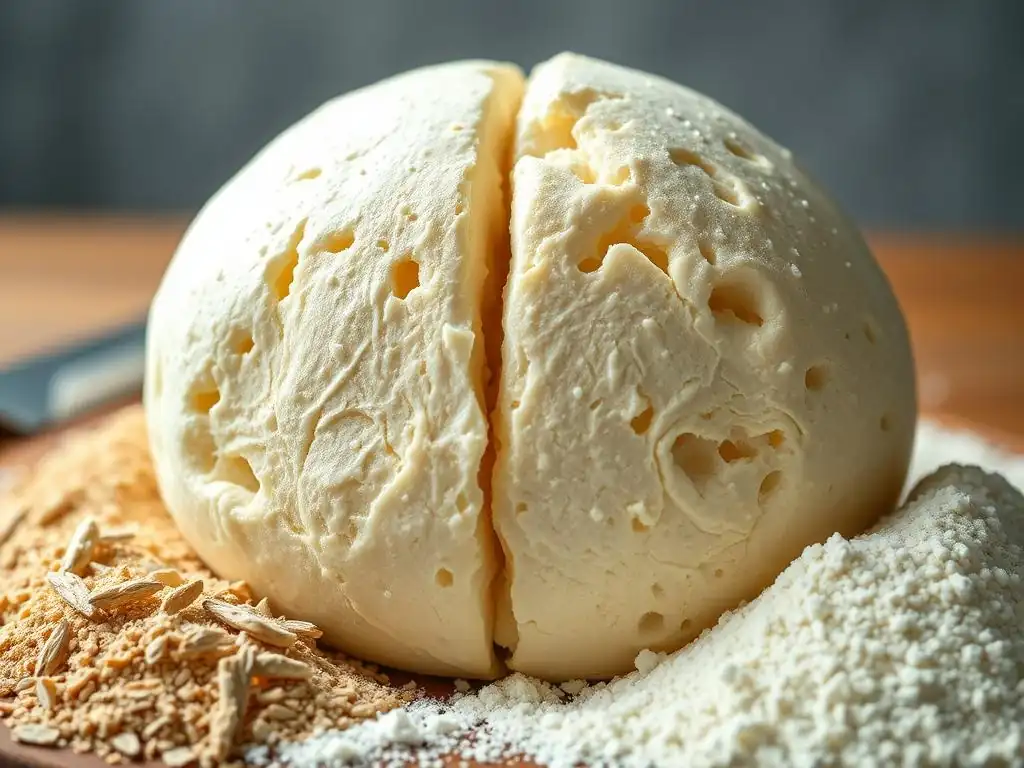
Different types of flour, even those labeled as artisan, possess varying protein contents and protein compositions, leading to distinct gluten development characteristics. Understanding these differences is vital for selecting the right flour for your desired bread type and adjusting your techniques accordingly. The gluten structure artisan flour contributes dictates much of the dough's behavior and the final bread's texture.
Let's look at how gluten behaves in some popular artisan flour types commonly used in bread making. Each flour presents its own unique challenge and opportunity for gluten development, requiring tailored approaches to hydration and mixing.
High-Protein Bread Flour: Building a Strong Gluten Network
High-protein bread flour is specifically milled from hard wheat varieties, typically containing 12-14% protein. This higher protein content means there are more gliadin and glutenin proteins available to form a robust gluten network. When hydrated and mixed, bread flour quickly develops a strong, elastic structure capable of supporting the long fermentation times and high hydration levels often used in artisan bread recipes like sourdough or baguettes.
The strength of the gluten structure artisan flour with high protein content provides makes it ideal for loaves requiring significant volume and a chewy texture. Dough made with bread flour is typically less sticky and easier to handle once the gluten is developed. It can withstand vigorous kneading or mixing and maintains its structure well during proofing and baking, contributing to excellent oven spring and a desirable open crumb structure. This flour is a workhorse for many classic artisan loaves.
All-Purpose Flour: A Versatile Option for Gluten Development
All-purpose flour, typically containing 10-12% protein, is milled from a blend of hard and soft wheat. It's designed to be versatile, suitable for a wide range of baking applications, including some bread making. While its protein content is lower than bread flour, it can still develop a functional gluten network, particularly with proper hydration and sufficient mixing or fermentation time.
The gluten structure artisan flour of the all-purpose type produces is less robust than that from bread flour. This can make doughs slightly stickier to handle, especially at higher hydration. However, for certain artisan breads, such as some rustic loaves or enriched doughs (like brioche), the slightly weaker gluten network can result in a softer crumb texture. While it might not give the same dramatic oven spring as high-protein flour, it offers a good balance for many home bakers and can yield delicious results when its characteristics are understood and managed.
Whole Wheat Flour: A Unique Gluten Challenge
Whole wheat flour is milled from the entire wheat kernel, including the bran and germ, and typically has a protein content similar to or even higher than white bread flour (often 13-15%). However, the presence of sharp bran particles poses a unique challenge to gluten development. These particles act like tiny blades, cutting the developing gluten strands as they form during mixing and fermentation.
This physical interference means that even with high protein, the effective gluten structure artisan flour of the whole wheat type yields is often weaker and less extensible than that of white flour with a similar protein level. Doughs can be denser and less elastic.
To compensate, bakers often use a portion of white bread flour in whole wheat loaves (e.g., 70% whole wheat, 30% white) or employ techniques like autolyse to give the gluten a head start before the bran has time to interfere significantly. Longer, gentle fermentation can also help develop strength while minimizing gluten degradation from the bran.
Rye Flour: Managing Limited Gluten Formation
Rye flour is distinct because its primary protein structure is different from wheat. While it contains proteins similar to gliadin and glutenin, they do not form a stable, elastic gluten network in the same way wheat proteins do. Rye contains pentosans, complex carbohydrates that are highly water-absorbent and become gummy when wet. These pentosans interfere with the limited gluten formation that does occur.
As a result, dough made with 100% rye flour is dense, sticky, and lacks the elasticity of wheat dough. It relies on the pentosan matrix and other compounds for structure, not a developed gluten network. When using rye in artisan bread (like a rye sourdough), it's often blended with wheat flour (e.g., 20-50% rye) to provide some structural support from wheat gluten while still imparting rye's characteristic flavor and texture. The gluten structure artisan flour of the rye type contributes is minimal, requiring careful handling and often simpler shaping techniques.
Spelt Flour: A Delicate Gluten Structure
Spelt is an ancient grain related to wheat, and its flour typically contains 10-13% protein. While it does form gluten, the gluten structure artisan flour of the spelt type produces is often described as more delicate and water-soluble than modern wheat gluten. This means it develops quickly but can also break down easily with overmixing or very long fermentation times, especially at high hydration.
Dough made with spelt flour can become sticky and lose its structure if handled too roughly or fermented for too long after the initial bulk rise. It requires a gentler touch during mixing and shaping. Its delicate gluten structure is well-suited for certain types of loaves where a slightly less chewy crumb is desired. Bakers working with spelt often opt for shorter kneading times or minimal handling to preserve the integrity of its unique gluten network.
Factors Affecting Gluten Structure in Artisan Bread
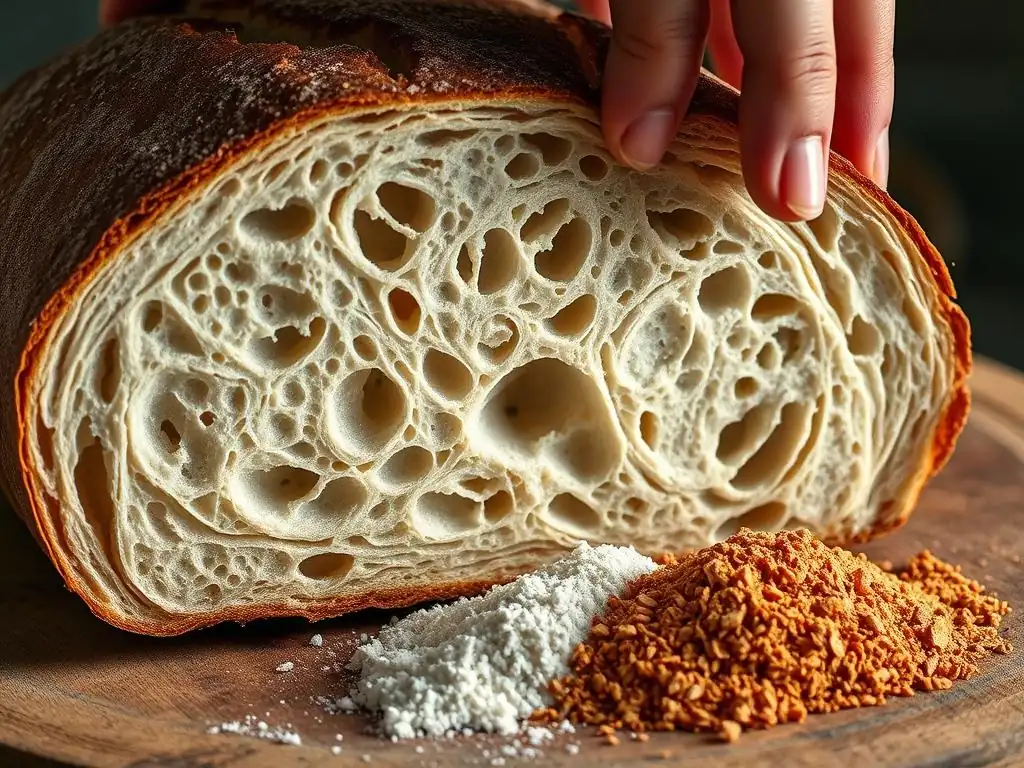
Beyond the type of flour used, several factors in the baking process significantly influence how the gluten structure develops and behaves. Controlling these variables is crucial for achieving the desired dough characteristics and, consequently, the perfect loaf. Understanding how hydration, mixing, and fermentation interact with the gluten structure artisan flour provides is key to successful bread baking.
These factors are interconnected; altering one often necessitates adjusting another. For example, increasing hydration usually requires more mixing or a longer fermentation to achieve adequate gluten development and dough strength.
Hydration Levels: Achieving Optimal Gluten Development
Hydration refers to the ratio of water to flour in a dough, typically expressed as a percentage (e.g., 65% hydration means 65g of water per 100g of flour). Water is essential for gluten formation as it allows the gliadin and glutenin proteins to hydrate and bond. Doughs with higher hydration levels (e.g., 75% or more) tend to develop a more extensible and open gluten network, leading to a more open crumb structure in the final bread.
However, very high hydration doughs can be challenging to handle because the gluten network needs to be sufficiently strong to support the large amount of water. Lower hydration doughs (e.g., 60-65%) are easier to work with but result in a tighter gluten network and a denser crumb. Finding the optimal hydration level for the specific flour type and desired loaf is critical. A strong gluten structure artisan flour provides can often handle higher hydration, while a weaker one may require less water for manageability and structure.
Mixing Techniques: Kneading vs. No-Knead
Mixing is the primary mechanical action that develops the gluten network. Traditional kneading, whether by hand or machine, physically stretches and folds the dough, aligning the gluten proteins and encouraging bond formation. Vigorous kneading for 10-15 minutes can quickly develop a strong, elastic gluten structure, especially with high-protein flours.
Alternatively, the "no-knead" method relies on time and high hydration to allow the gluten to develop through a process called autolysis and subsequent folding. Over several hours, the proteins hydrate and begin to link passively. Periodic "stretch and folds" during bulk fermentation further align the gluten and build strength without intense kneading. Both methods can result in a well-developed gluten structure artisan flour yields, though the handling characteristics and timing differ significantly. The choice of technique often depends on the desired outcome and the baker's preference.
Fermentation: Time and Temperature's Impact on Gluten
Fermentation, driven by yeast and bacteria (in sourdough), is not just about gas production; it also plays a crucial role in gluten development and conditioning. During the bulk fermentation phase, enzymes called proteases, present in the flour and produced by microbes, work on the gluten network. In a controlled fermentation, these enzymes gently break down some protein bonds, making the dough more extensible and less elastic, which is desirable for shaping.
However, if fermentation is too long or at too high a temperature, protease activity can become excessive, leading to the breakdown of the gluten network. The dough becomes slack, sticky, and loses its ability to hold shape and trap gas, resulting in a dense, gummy crumb. A properly managed fermentation, balancing time and temperature, is essential for conditioning the gluten structure artisan flour provides, allowing it to relax sufficiently for shaping while maintaining enough strength for oven spring.
Troubleshooting Gluten Problems in Artisan Bread
Despite careful attention to flour type, hydration, mixing, and fermentation, bakers sometimes encounter issues with their dough's gluten structure. Recognizing the symptoms of a weak or tough dough and understanding their potential causes is vital for corrective action and improving future bakes. Issues with the gluten structure artisan flour develops are common hurdles in the journey to mastering bread.
Often, troubleshooting involves assessing hydration, mixing duration, and fermentation progress. Adjusting one or more of these factors can help bring the dough back into balance or inform adjustments for the next bake.
Dough Too Weak: Causes and Solutions
A weak dough is one that is slack, overly extensible, tears easily when stretched, and struggles to hold its shape. It feels limp and may spread out excessively during proofing. Common causes include insufficient mixing or kneading, low protein flour (used inappropriately for the recipe), insufficient hydration for the flour type, over-fermentation (leading to gluten breakdown), or using whole wheat/rye flour without accounting for their impact on gluten.
- Causes:
- Undermixing/Underkneading
- Low protein flour choice
- Under-hydration (relative to flour's capacity)
- Over-fermentation/High temperature fermentation
- High percentage of whole grain or rye flour
- Solutions:
- If undermixed: Continue mixing or perform additional stretch and folds.
- For future bakes: Increase mixing time, try a flour with higher protein content, increase hydration slightly (if appropriate for the flour), reduce fermentation time or temperature, or adjust the ratio of whole grain/rye to white flour. Consider autolyse.
Dough Too Tough: Causes and Solutions
A tough dough is overly elastic, resists stretching, snaps back quickly, and can be difficult to shape. It feels tight and sometimes dense. Common causes include overmixing or overkneading, using extremely high protein flour where not needed, insufficient hydration (making the dough stiff), or insufficient rest/fermentation time (the gluten hasn't had enough time to relax).
- Causes:
- Overmixing/Overkneading
- Too high protein flour choice for desired texture
- Under-hydration
- Insufficient rest/fermentation time
- Dough is too cold
- Solutions:
- If overmixed: Allow the dough to rest for 20-30 minutes (autolyse principle) to allow gluten to relax. Gentle stretch and folds might help.
- For future bakes: Reduce mixing time, increase hydration slightly, ensure adequate rest periods between mixing, bulk fermentation, and shaping, and ensure dough temperature is within the optimal range (e.g., 75-80°F or 24-27°C during bulk).
Understanding Flour Quality: Choosing the Right Flour for Your Bake
Not all flours labeled with the same type (e.g., "bread flour") are created equal. Flour quality, influenced by the specific wheat variety, milling process, and freshness, significantly impacts the potential gluten structure artisan flour can form. High-quality artisan flours from reputable mills often use select wheat varieties known for their strong protein content and good gluten potential.
Choosing the right flour means considering its protein content, the type of wheat it comes from (hard red winter, hard red spring, etc. ), and whether it's been malted (which affects enzymatic activity). Reading descriptions from artisan millers can provide clues about the expected gluten development and best uses for their flour. Experimenting with different flours is part of the journey to understanding how each contributes uniquely to the gluten structure and the final bread.
Advanced Techniques for Gluten Manipulation
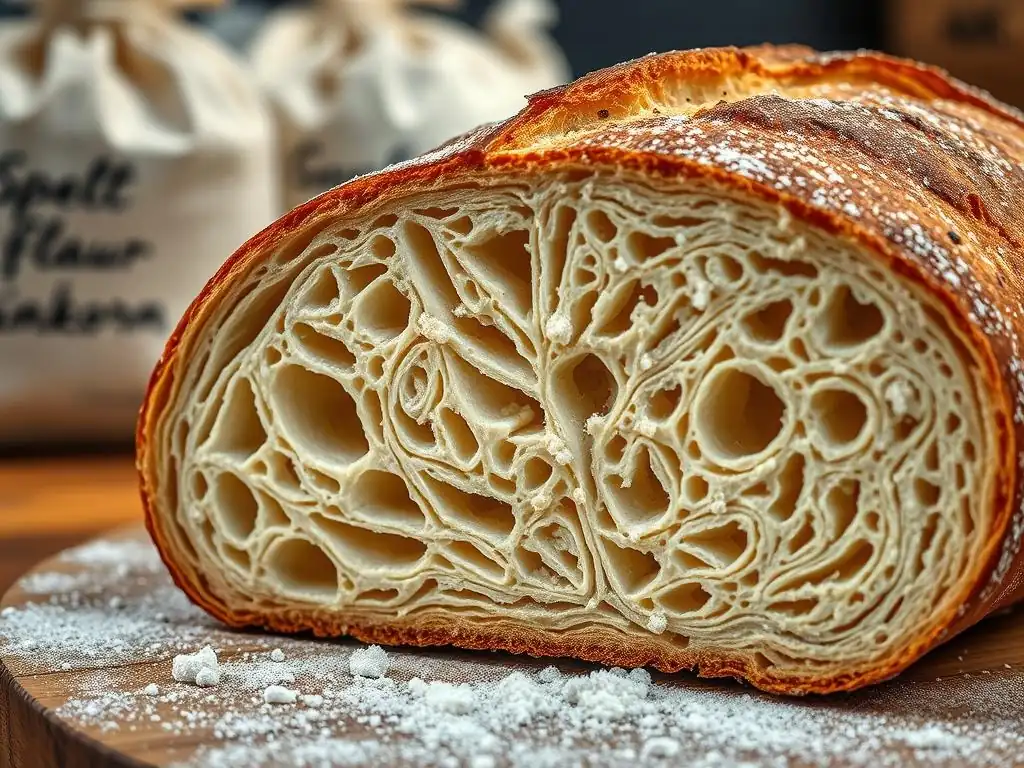
For bakers seeking to push the boundaries of artisan bread or work with challenging flours, certain advanced techniques can be employed to optimize gluten development and conditioning. These methods leverage time, hydration, and specific handling to coax the best possible structure from the gluten structure artisan flour provides.
These techniques are often used in conjunction with standard mixing and fermentation processes and are particularly beneficial for high-hydration doughs or those containing significant amounts of whole grains or alternative flours.
Autolyse: Enhancing Hydration and Gluten Development
Autolyse is a technique where the flour and water for a recipe are mixed together and left to rest for 20 minutes to several hours before adding the salt and yeast/starter and commencing the main mixing/kneading. During this resting period, the flour fully hydrates, and enzymatic activity begins to break down some starches and proteins.
This resting phase allows the gluten proteins to start bonding and aligning on their own, without mechanical effort. It makes the subsequent mixing much easier and faster, as the gluten network is already partially formed. Autolyse also makes the dough more extensible, which is particularly helpful when working with whole wheat flour (allowing hydration before bran interferes) or high-hydration doughs. It effectively gives the gluten structure artisan flour contains a head start, leading to a smoother, more manageable dough.
Lamination: Creating Layers of Gluten and Flavor
Lamination is a technique borrowed from pastry making, involving repeatedly folding and rolling dough to create thin layers. While most commonly associated with croissants and puff pastry (where layers of butter are incorporated), lamination can also be applied to bread dough, particularly enriched doughs or those intended for specific shapes like babka.
When applied to bread dough, lamination helps to further strengthen and align the gluten network by repeatedly stretching and folding it upon itself. Each fold creates new layers, distributing the gluten more evenly throughout the dough. This process can contribute to a more uniform and slightly finer crumb structure, distinct from the large, irregular holes often sought in rustic loaves. It's a technique focused on refining the gluten structure artisan flour yields through careful, repetitive manipulation.
Conclusion: Mastering the Gluten Structure for Baking Success.
Understanding the gluten structure in different artisan flours is fundamental to consistently baking successful bread. From the robust network of high-protein bread flour to the delicate structure of spelt and the minimal formation in rye, each flour presents unique characteristics that influence dough handling and the final loaf. Factors like hydration, mixing technique, and fermentation time all play critical roles in developing and conditioning this vital protein matrix.
By paying close attention to how the gluten structure artisan flour creates behaves throughout the process – from initial mixing through fermentation and shaping – you gain valuable insights into your dough's needs. Troubleshooting issues like weakness or toughness becomes easier when you understand the underlying causes related to gluten development. Embracing techniques like autolyse or lamination can further enhance your control over the dough. Ultimately, mastering the gluten structure allows you to unlock the full potential of your artisan flours, leading to loaves with ideal volume, texture, and that satisfying chew that defines great bread. Happy baking!
Frequently Asked Questions
What is gluten structure and why is it important in baking, especially when using artisan flours?
Gluten structure is the network of protein strands that form when wheat flour is mixed with water. It gives dough its elasticity and strength, essential for baked goods' texture and rise. Artisan flours offer unique gluten characteristics that impact the final product.
How does the gluten structure differ between various types of artisan flours like bread flour, pastry flour, and all-purpose flour?
The gluten structure varies due to the protein content of the flour. Bread flour has a higher protein content, leading to a stronger gluten network. Pastry flour has a lower protein content, resulting in a more tender crumb.
How can a baker manipulate the gluten structure when working with artisan flour to achieve desired results?
Bakers can control gluten development through kneading time, hydration levels, and the addition of ingredients like fats or acids. Understanding how these factors impact specific artisan flours is crucial for consistent results.
What are some common problems encountered when working with gluten structure in artisan flours, and how can they be avoided?
Common problems include over-mixing, leading to tough baked goods, and under-mixing, resulting in weak structure. Avoiding these involves careful monitoring of kneading time and dough consistency, specific to the flour.
Where can I find reliable information about the specific gluten characteristics of different artisan flours, and how can BakeWithEase help?
BakeWithEase offers detailed flour guides and recipe modifications tailored to different artisan flours. These resources provide information on protein content, hydration needs, and optimal techniques for achieving desired gluten structure.
Final Reflection: Unfolding the Mysteries of Gluten in Artisan Flour
Understanding the intricacies of gluten structure in artisan flours is not merely a matter of academic interest; it's the key to unlocking the potential of truly exceptional bread. The variations in protein content and composition across different flours directly impact the final product, from the airy lightness of a sourdough to the chewy texture of a rustic loaf. This knowledge empowers bakers to make informed choices, leading to consistently superior results.
The exploration of gluten's role in artisan baking has profoundly shaped my own approach to bread making. It's no longer simply a matter of following a recipe; it's about understanding the fundamental chemistry at play. This deeper understanding allows for greater creativity and problem-solving in the kitchen. As the renowned baker, Chad Robertson, once said, Bread baking is a journey of discovery, a constant learning process.
This perfectly encapsulates the ongoing evolution of my own baking practice, fueled by a continuous quest to understand the nuances of gluten structure.
Now, it's your turn to embark on this journey. Consider the next loaf you bake: Don't just follow the recipe blindly; think about the flour you're using, its protein content, and how that will influence the gluten development. Experiment with different hydration levels and kneading techniques to observe the impact on your dough's structure. By actively engaging with these principles, you'll not only improve your baking skills but also deepen your appreciation for the artistry and science behind crafting truly exceptional bread.
Unleash Your Inner Baker: Master Gluten & Flour Power!
Thanks for taking the time to explore the fascinating world of gluten and artisan flours! You've now gained valuable insights into how different flour structures impact your baking. Ready to put this knowledge into action?
- Experiment with a new flour: Try a recipe using a flour you haven't worked with before, focusing on the gluten content and its expected effects. Take notes on the results! This is your chance to become a flour whisperer.
- Share your baking journey: Post a picture of your creation on social media and tag #BakeWithEase, so we can all admire your gluten mastery. We'd love to see what you bake!
- Join our baking community: Dive deeper into flour knowledge and share your experiences with fellow baking enthusiasts in our online forum (link removed per instructions). Let's learn and grow together!
What unique flour are you excited to experiment with next, and what delicious creation will you make?