
How to Substitute Standard Flour with Artisan Varieties Successfully

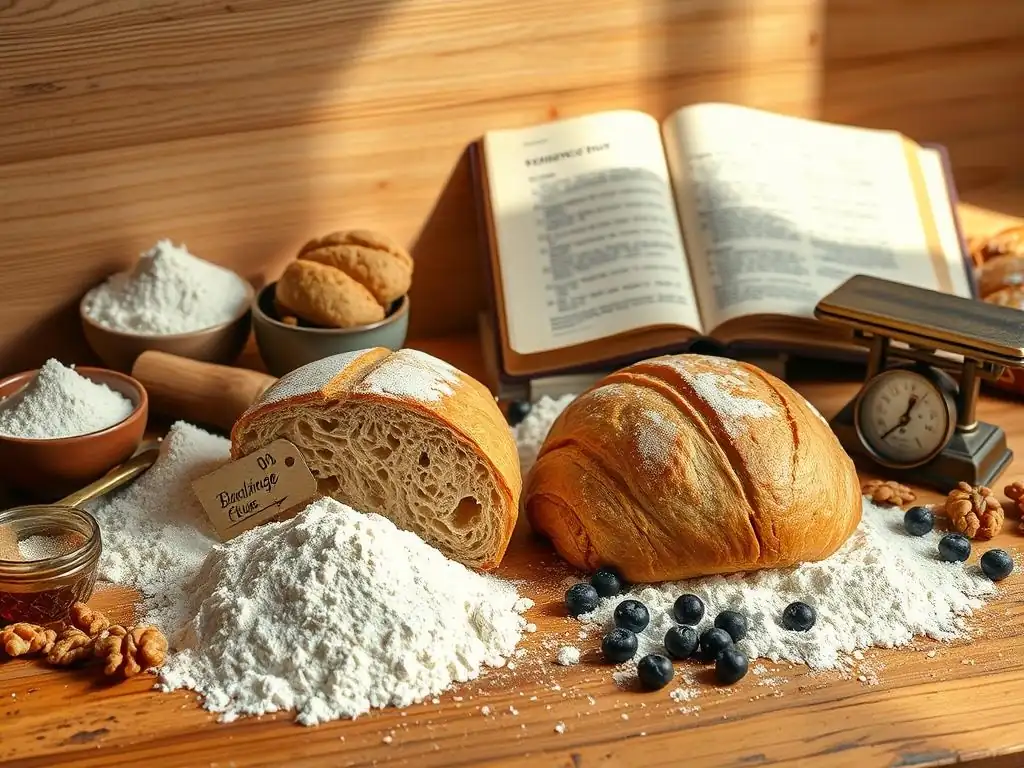
Welcome to BakeWithEase, your guide to unlocking baking brilliance! Are you ready to elevate your creations with the rich flavors and textures of artisan flours? Discover how to confidently navigate the world of premium baking ingredients with our comprehensive Artisan Flour Substitution Guide. Curious about the secrets to achieving perfect results? Let's explore the nuances and transform your baking today!
- Artisan Flour Substitution Guide: Elevate Your Baking
- Understanding Artisan Flours: A Baker's Guide to Substitution
-
The Artisan Flour Substitution Guide: Step-by-Step Instructions
- Step 1: Identifying Your Baking Goals - What Are You Trying to Achieve?
- Step 2: Choosing the Right Artisan Flour - Matching Flour to Recipe
- Step 3: Adjusting Hydration Levels - The Key to Artisan Flour Success
- Step 4: Mastering Mixing and Kneading Techniques for Artisan Flours
- Step 5: Proofing and Baking with Artisan Flours - Achieving the Perfect Rise and Crust
- Artisan Flour Substitution: Specific Recipe Adaptations
- Troubleshooting Common Issues with Artisan Flour Substitutions
- The Best Artisan Flours for Bread Baking: A Detailed Guide
- Tools and Equipment for Baking with Artisan Flours
- Conclusion: Mastering the Artisan Flour Substitution Guide
-
Frequently Asked Questions
- What exactly is artisan flour, and how does it differ from standard all-purpose flour?
- Why would I want to substitute standard flour with artisan flour in my baking?
- Does the type of artisan flour I choose matter when substituting?
- What are some common challenges encountered when substituting artisan flour?
- How do I adjust my recipes to accommodate artisan flour substitutions?
- Final Reflection: Mastering the Art of Artisan Flour Substitution
- Unleash Your Inner Baker: Master Artisan Flour!
Artisan Flour Substitution Guide: Elevate Your Baking
Unlock the Secrets of Artisan Flours for Exceptional Baking
Stepping beyond standard all-purpose flour opens up a world of flavor, texture, and aroma in your baking. Artisan flours, often milled from heritage grains or processed using traditional methods, possess unique characteristics that can transform a simple loaf of bread or a delicate cake into something truly extraordinary. Understanding how to effectively substitute these specialty flours for their more common counterparts is a fundamental skill for any baker looking to elevate their craft and explore new dimensions in their creations.
This artisan flour substitution guide will walk you through the nuances of working with these distinct ingredients. We'll delve into why they behave differently in recipes and provide practical, step-by-step instructions for making successful swaps. Whether you're aiming for a chewier bread crust, a more tender cake crumb, or simply a richer, more complex flavor profile, mastering the art of substituting standard flour with artisan varieties is your key to unlocking a higher level of baking achievement.
Understanding Artisan Flours: A Baker's Guide to Substitution
What Makes Artisan Flour Different? Exploring Flavor Profiles and Textures
Artisan flours distinguish themselves from mass-produced standard flours primarily through their source grain, milling process, and often, a higher level of care in their production. While standard all-purpose flour is typically a blend of hard and soft wheat, stripped of bran and germ, and bleached or bromated for consistency, artisan flours often retain more of the original grain's character.
This can mean using specific wheat varieties like spelt, einkorn, or durum, or utilizing traditional stone milling techniques that preserve more of the bran, germ, and natural oils, resulting in deeper, more complex flavor profiles – think nutty, earthy, or even slightly sweet notes that standard flour lacks.
The texture of artisan flour is also often coarser or more varied than the fine, uniform powder of standard white flour. This difference in granulation affects how the flour absorbs liquid and interacts with other ingredients, ultimately influencing the final texture of the baked good.
For instance, a stone-ground whole wheat flour will absorb significantly more water than a roller-milled white bread flour due to the presence of the bran and germ, leading to a dough that feels and behaves differently during mixing and kneading. This unique interplay of flavor and texture is precisely why bakers turn to an artisan flour substitution guide when seeking to enhance their recipes.
Standard vs. Artisan Flour: A Side-by-Side Comparison of Baking Qualities
When comparing standard all-purpose (AP) flour to various artisan flours, several key baking qualities stand out. AP flour is designed for versatility and consistency, typically having a moderate protein content (around 10-12%) which provides enough structure for cakes and cookies but can produce a decent, though not exceptional, bread. It absorbs a predictable amount of water, making recipes generally straightforward to follow. Its neutral flavor allows other ingredients to shine, which is ideal for many classic recipes.
Artisan flours, on the other hand, exhibit a wider range of characteristics. Protein content can vary significantly; a high-gluten bread flour might exceed 14%, while a finely milled pastry flour could be below 8%. This directly impacts gluten development and the resulting structure. Absorption rates are also less uniform; whole grain artisan flours can absorb 10-20% more water by weight than white flours.
Furthermore, the presence of bran and germ in many artisan flours can interfere with gluten development, requiring different mixing techniques or longer rest periods. The flavor, far from neutral, is often a prominent feature, contributing earthy notes to breads or subtle sweetness to pastries. Understanding these differences is the first step in navigating the complexities of an artisan flour substitution guide.
The Artisan Flour Substitution Guide: Step-by-Step Instructions
Step 1: Identifying Your Baking Goals - What Are You Trying to Achieve?
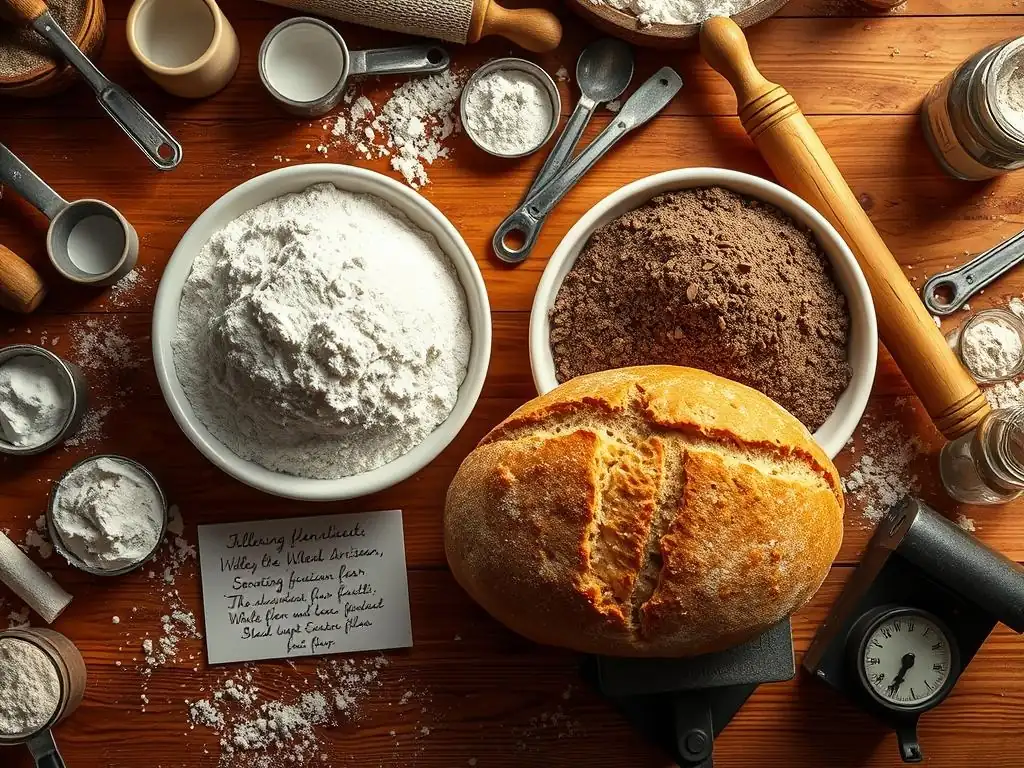
Before you reach for an artisan flour substitute, take a moment to define your baking objectives. Are you aiming for a specific flavor profile, such as the nutty depth of spelt or the mild sweetness of einkorn? Is your priority a particular texture, like the open, chewy crumb of a rustic loaf or the tender crumb of a delicate cake? Perhaps you're interested in boosting the nutritional value of your bake by incorporating more whole grains, or maybe you're simply curious to experiment and see how a different flour changes your favorite recipe.
Your goal will directly influence which artisan flour is the most appropriate substitute. Substituting all-purpose flour with a high-protein bread flour is ideal for achieving a strong gluten structure necessary for airy breads like baguettes or sourdough. If you want a cake with a softer, more delicate crumb, opting for a finely milled, low-protein flour like pastry flour or even a specific cake flour substitute makes sense.
For richer flavor and increased fiber, a whole grain artisan flour like rye or whole wheat is the way to go, though these require adjustments for successful results. Clearly defining your desired outcome is the crucial starting point for any artisan flour substitution guide.
Step 2: Choosing the Right Artisan Flour - Matching Flour to Recipe
Selecting the appropriate artisan flour involves understanding the characteristics of different flours and how they align with the demands of your recipe. Consider the original flour called for in the recipe and its typical protein content and absorption rate.
Then, look for an artisan flour with similar or complementary properties based on your baking goals. For instance, replacing AP flour (10-12% protein) in a crusty bread recipe might call for a high-protein artisan bread flour (12-14% protein) to enhance structure, while substituting AP in a delicate scone might work best with a lower-protein pastry flour (8-10% protein) or a soft white wheat flour.
However, substitution isn't always about finding an exact match. Often, you're substituting to change the outcome. Substituting a portion of AP flour with a flavorful grain like rye (lower protein, high absorption, unique flavor) in a bread recipe introduces distinct notes and a denser texture, which might be exactly what you're after.
This step requires a bit of knowledge about different grain types and milling styles, which is why resources like this artisan flour substitution guide are invaluable. Remember that even small percentage substitutions (e.g., replacing 10-20% of AP flour with whole wheat) can significantly impact the final product, requiring careful consideration.
Substituting All-Purpose Flour with Bread Flour for Sourdough
When baking sourdough, substituting standard all-purpose flour with a higher-protein bread flour is a common practice among bakers seeking a more robust structure and better oven spring. Standard AP flour typically contains around 10-12% protein, which is sufficient for many uses but can result in a less airy and chewy crumb in a high-hydration sourdough loaf.
Bread flour, with its protein content ranging from 12% to 14% or even higher, facilitates stronger gluten development. This stronger gluten network is essential for trapping the gases produced by the sourdough starter's fermentation, allowing the dough to rise higher and achieve that desirable open, irregular crumb structure characteristic of artisan sourdough.
Using bread flour also affects the dough's handling properties. The higher protein means it can absorb more water, allowing for higher hydration doughs which contribute to a moister crumb. A dough made with bread flour will often feel more elastic and less sticky than one made with AP flour at the same hydration level, provided it is properly kneaded or folded. This increased elasticity makes shaping and handling high-hydration sourdough dough easier. For these reasons, many artisan flour substitution guides specifically recommend bread flour as a primary substitute for AP when aiming for a classic sourdough texture and rise.
Using Whole Wheat Flour for Healthier Bread
Incorporating whole wheat flour into your bread recipes is an excellent way to boost nutritional value, adding fiber, vitamins, and minerals that are removed during the processing of white flour. Beyond nutrition, whole wheat flour also imparts a distinct, nutty, and earthy flavor to bread, which many find appealing. However, substituting standard white flour entirely or partially with whole wheat requires adjustments, as the bran and germ particles in whole wheat flour interfere with gluten development. This interference can result in a denser loaf compared to one made solely with white flour.
To mitigate the impact of bran on gluten and improve the texture of whole wheat bread, bakers often increase the hydration slightly, as whole wheat absorbs more water than white flour. Techniques like autolyse (mixing flour and water and letting it rest before adding leavening and salt) or longer, gentler kneading or folding methods are also beneficial for allowing gluten to develop despite the presence of bran.
A common substitution strategy is to replace 20-50% of the white flour with whole wheat, which adds flavor and nutrition without making the bread excessively dense. Experimenting with different percentages is key to finding the balance you prefer, guided by principles found in any comprehensive artisan flour substitution guide.
Step 3: Adjusting Hydration Levels - The Key to Artisan Flour Success
One of the most critical aspects of substituting standard flour with artisan varieties, especially whole grain or stone-milled flours, is understanding and adjusting hydration levels. Different flours absorb water differently due to variations in protein content, starch damage during milling, and the presence of bran and germ.
Ignoring this can lead to doughs that are either too dry and stiff or too wet and slack, resulting in poor gluten development, difficult handling, and ultimately, compromised baked goods. Whole grain flours, for example, consistently require more water than refined white flours because the bran and germ absorb a significant amount of liquid.
A successful artisan flour substitution guide emphasizes that blindly following the original recipe's water amount is risky. Instead, view the liquid quantity as a starting point. You'll need to assess the dough's consistency as you mix and be prepared to add more water gradually until the desired feel is achieved. This might mean adding anywhere from 5% to 20% more water by weight when substituting a significant portion of white flour with whole wheat or other thirsty artisan grains. Conversely, if substituting with a finely milled, low-protein flour, you might need slightly less liquid.
Why Artisan Flours Absorb Water Differently
The varying absorption rates of artisan flours stem from several factors inherent to their composition and processing. Protein content plays a significant role; higher protein flours, like strong bread flours (12-14%+ protein), can absorb and hold more water due to the gluten-forming proteins. Starch damage during milling also impacts absorption; some milling processes can damage starch granules, causing them to absorb more water initially, although this can sometimes lead to stickier doughs.
Most notably, the presence of bran and germ in whole grain artisan flours dramatically increases their water absorption capacity. Bran and germ are highly fibrous and act like tiny sponges, soaking up liquid. A stone-milled whole wheat flour, which retains all parts of the grain, will require substantially more water to achieve the same dough consistency as a roller-milled white flour of similar protein content.
For example, while 100g of AP flour might absorb 55-60g of water for a typical dough, 100g of whole wheat flour might need 65-75g or more. Recognizing these differences is paramount when using an artisan flour substitution guide.
How to Test and Adjust Hydration for Optimal Dough Consistency
Adjusting hydration when using artisan flours is often best done by feel, especially if you're new to a specific flour type. Start with the amount of liquid called for in the original recipe. As you mix, observe the dough's consistency. Is it coming together into a cohesive mass?
Is it excessively dry or sticky? Gradually add more liquid, a tablespoon or two at a time (or weigh it for precision), allowing the dough to incorporate it before adding more. The goal is to reach a dough consistency that matches what you would expect from the original recipe – supple, slightly tacky, but manageable.
For bread doughs, aim for a consistency that allows for good gluten development without being overly sticky. The dough should pull away from the sides of the bowl (if using a mixer) but still adhere slightly to the bottom. If mixing by hand, it should be cohesive but still feel relatively soft.
A technique called autolyse, where you mix only the flour and water and let it rest for 20-60 minutes before adding other ingredients, can help you assess the flour's absorption and make initial hydration adjustments. This rest period also allows the flour to fully hydrate, making the final dough consistency more predictable, a technique often highlighted in advanced artisan flour substitution guides.
Step 4: Mastering Mixing and Kneading Techniques for Artisan Flours
Successfully substituting artisan flours often requires adapting your mixing and kneading techniques to accommodate their unique properties, particularly regarding gluten development. Refined white flours develop gluten relatively easily with standard kneading methods. However, whole grain artisan flours, with their bran and germ particles, can impede gluten formation, requiring either gentler handling or longer development times. Over-kneading some delicate heritage grain flours can also damage their weaker gluten structure, leading to a dense crumb.
For whole grain or mixed-grain artisan doughs, techniques like the "stretch and fold" method or a longer autolyse period can be more effective than intensive kneading. Stretch and folds build strength gradually without tearing the developing gluten strands against the abrasive bran particles.
If using a stand mixer, you might need to knead at a slightly lower speed or for a shorter duration than you would with pure white flour, watching carefully for signs of proper development like the windowpane test (stretching a small piece of dough thinly without tearing). An effective artisan flour substitution guide provides insight into how different flours respond to mechanical action.
Developing Gluten Strength with Different Flour Types
Gluten development is fundamental to the structure of most baked goods, especially bread. It's formed when the proteins glutenin and gliadin in wheat flour combine in the presence of water and are worked (mixed or kneaded). The amount and type of protein vary between flours, impacting gluten strength. High-protein bread flours yield strong, elastic gluten networks ideal for airy breads. Lower-protein flours, like pastry flour, develop weaker, more tender gluten, suitable for cakes and pastries.
When substituting artisan flours, consider their protein content. Replacing AP flour with a high-protein artisan bread flour means you can likely develop a very strong gluten network, resulting in excellent structure. However, substituting with a low-protein heritage grain like rye or spelt means you'll achieve less gluten development. Recipes using these flours often rely on other structural elements or require different handling to manage their weaker gluten. Some artisan flours, like durum wheat, have unique gluten qualities that require specific hydration and mixing techniques to develop properly. Understanding these protein dynamics is key to successful artisan flour substitution.
Using a Stand Mixer's Dough Hook for Effortless Kneading
A stand mixer equipped with a dough hook can be an invaluable tool when working with artisan flours, particularly for developing gluten in bread doughs. While hand kneading is effective, a mixer provides consistent mechanical action that can be especially helpful with high-hydration or whole-grain doughs that might be sticky or resistant to hand manipulation. Start mixing on a low speed (speed 1 or 2) to combine ingredients, then increase to a moderate speed (speed 3 or 4) to develop gluten.
Monitor the dough closely as it kneads. It should eventually pull away from the sides of the bowl, though it may still stick slightly to the bottom depending on hydration. The dough should look smoother and feel more elastic.
You can periodically stop the mixer to perform the windowpane test – carefully stretch a small piece of dough; if it stretches thin enough to see light through it without tearing, gluten is well-developed. Be cautious not to over-knead, especially with flours containing significant bran, as this can damage the gluten structure. Adjust kneading time based on the flour type and hydration, using your mixer as an aid in your artisan flour substitution journey.
Step 5: Proofing and Baking with Artisan Flours - Achieving the Perfect Rise and Crust
The type of flour used has a significant impact on both the proofing process and the final bake. Artisan flours, particularly whole grain and stone-milled varieties, can influence fermentation speed and dough development during proofing. The presence of bran and germ can slightly slow down fermentation compared to refined white flour, and the flour's enzymatic activity also plays a role. This means proofing times might vary when you substitute flours, requiring you to rely less on the clock and more on visual cues like the dough's size and feel.
Baking temperature and technique are equally important for achieving optimal results with artisan flours. Many artisan bread recipes call for high baking temperatures (450-500°F or 230-260°C) and the use of steam or baking in a Dutch oven. High heat promotes rapid oven spring and helps develop a desirable crust, while steam keeps the surface pliable initially, allowing for maximum expansion before the crust sets. The composition of artisan flours can affect how quickly the crust browns and sets, so monitoring your bake closely and potentially adjusting temperature or time is crucial after making an artisan flour substitution.
Understanding the Impact of Flour on Proofing Time
The rate at which dough proofs is influenced by several factors, including yeast activity, ambient temperature, and the flour type. Artisan flours, especially those that are less refined or stone-milled, often contain more natural enzymes and nutrients that can affect yeast fermentation. While some flours might initially seem slower to rise due to the physical presence of bran interfering with the gluten network, others might contain higher levels of amylase enzymes which break down starch into sugars, potentially providing more food for the yeast and speeding up fermentation in later stages.
Therefore, when substituting artisan flours, it's vital to pay close attention to the dough itself rather than strictly adhering to the recipe's proofing time. Look for signs that the dough is adequately proofed: it should have increased significantly in volume (often doubled or nearly doubled, depending on the recipe), feel light and airy, and pass the "poke test" (when gently poked, the indentation should spring back slowly, not immediately or not at all).
Over-proofing can lead to dough collapse in the oven, while under-proofing results in a dense crumb. Your experience with different flours will refine your ability to judge proofing readiness.
Baking at the Right Temperature for Artisan Flour Breads
Achieving a beautiful crust and optimal oven spring in artisan bread made with substituted flours often depends on baking at a high initial temperature. Temperatures between 450°F and 500°F (230°C - 260°C) are common. This high heat provides an initial burst of energy that causes the dough to expand rapidly (oven spring) before the crust fully sets. The specific temperature might need minor adjustments based on the flour used; flours with more sugar content (like some whole grains) might brown faster, potentially requiring a slight temperature reduction after the initial phase.
Using steam during the first part of baking is also crucial for many artisan loaves. Steam keeps the surface of the dough moist, preventing a hard crust from forming too early and restricting oven spring. This can be achieved by placing a tray of hot water in the bottom of the oven or by baking in a preheated Dutch oven or cloche, which traps the moisture released by the dough itself.
After the initial high-heat, steamy phase (typically 15-20 minutes), the temperature is often reduced to allow the inside of the bread to bake through without the crust burning. Mastering these baking techniques is integral to a complete artisan flour substitution guide.
Artisan Flour Substitution: Specific Recipe Adaptations
Substituting in Sourdough Bread Recipes: Achieving Tang and Texture
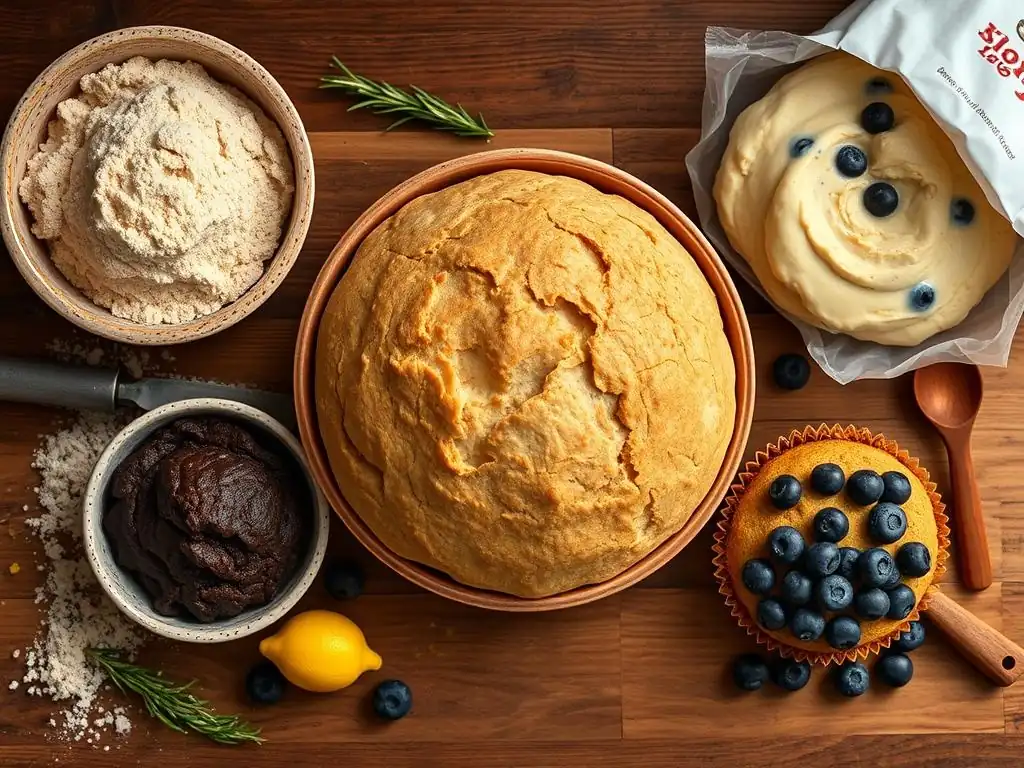
Substituting artisan flours in sourdough bread is a popular way to introduce complex flavors and unique textures. While many sourdough recipes start with strong white bread flour, incorporating whole grains like rye, spelt, or whole wheat, or using stone-milled varieties, adds nutritional value and distinct characteristics. For example, adding 10-30% whole rye flour to a wheat sourdough recipe significantly increases the tang and results in a denser, moister crumb. Using a high-extraction or stone-milled wheat flour can introduce more mineral notes and a slightly coarser texture compared to roller-milled flour.
The key challenges when substituting in sourdough involve managing hydration and fermentation, as artisan flours behave differently with the starter. Whole grain flours require more water, and their bran can affect the starter's activity and dough development. It's often recommended to feed your sourdough starter with a portion of the artisan flour you plan to use in the bake to help it adapt.
Adjusting bulk fermentation and proofing times is also necessary, as the presence of different flours and their enzymatic activity will alter the pace of the rise. A successful artisan flour substitution guide for sourdough emphasizes observation over strict timing.
Recommended Artisan Flour: Organic Artisan Bread Flour
For sourdough bakers looking for a reliable and flavorful artisan flour substitute for standard bread flour, an Organic Artisan Bread Flour is often an excellent choice. This type of flour is typically milled from high-protein wheat varieties (often 12-14%+ protein) and is certified organic, ensuring it's free from synthetic pesticides and fertilizers. The "artisan" designation often implies a milling process that aims to preserve more of the grain's inherent qualities compared to standard mass-produced flours, resulting in better flavor.
Using organic artisan bread flour in sourdough provides the necessary protein structure for excellent gluten development, leading to good oven spring and a desirable open crumb. The organic nature and potentially less refined milling contribute a cleaner, more pronounced wheat flavor that complements the tang of the sourdough starter. It generally behaves similarly to high-quality conventional bread flour in terms of handling and hydration, making the substitution relatively straightforward for those already familiar with high-hydration doughs. This makes it a go-to recommendation in many artisan flour substitution guides for sourdough enthusiasts.
Tips for a Successful Sourdough Starter with Artisan Flour
Maintaining a vibrant and active sourdough starter is crucial, and the flour you feed it with matters, especially when planning to bake with artisan flours. While starters can thrive on various flours, feeding your starter with at least a portion of the specific artisan flour you intend to use in your bread can help the microbial community adapt to that flour's unique composition and enzymatic activity. This can lead to a more vigorous starter that is better suited to leavening dough made with that particular flour.
When feeding a starter with whole grain artisan flours like rye or whole wheat, you may need to adjust the hydration ratio compared to feeding with white flour. These flours are thirstier, so you might need to add a bit more water to achieve the starter's usual consistency (often a thick, pancake batter-like texture for a 100% hydration starter). Observe how your starter reacts to the new flour; it might take a few feedings for it to become consistently active.
Signs of a healthy starter include doubling or tripling in volume within a few hours of feeding (depending on temperature), a bubbly texture, and a pleasant, tangy aroma. Patience and observation are key when incorporating artisan flours into your starter routine.
Substituting in Cake Recipes: Enhancing Flavor and Moistness
While bread baking is a common application for artisan flours, substituting them in cake recipes can also yield interesting results, though it requires a different approach. Standard cake recipes typically call for low-protein cake flour or all-purpose flour, aiming for a tender, fine crumb. Substituting with high-protein or whole-grain artisan flours can easily lead to a tough, dense cake if not done carefully. The goal when using artisan flours in cakes is usually to add nuanced flavor or a slightly different texture, rather than developing strong gluten.
For cakes, consider finely milled, lower-protein artisan flours or substituting only a portion of the standard flour. For example, substituting 20-30% of the AP flour with a finely milled spelt or einkorn flour can add a subtle nutty or slightly sweet flavor without significantly compromising tenderness. Using a very finely ground pastry flour or a specific cake flour substitute (which is often chlorinated to weaken gluten) from an artisan mill can actually improve cake texture by reducing gluten formation and increasing moisture absorption. An artisan flour substitution guide for cakes focuses on minimizing gluten development and balancing moisture.
Recommended Artisan Flour: Cake Flour
Although sometimes not explicitly labeled "artisan," high-quality, finely milled Cake Flour from a reputable mill can be considered an artisan substitute for standard all-purpose flour when aiming for a particularly tender cake crumb. True cake flour is milled from soft wheat and has a protein content typically ranging from 8% to 10%, significantly lower than AP flour. This lower protein level means less gluten can form when the batter is mixed, resulting in a finer, softer, and more delicate texture in baked goods like cakes, cupcakes, and some pastries.
Furthermore, commercial cake flour is often chlorinated, a process that weakens the gluten proteins and alters the starch, allowing the flour to absorb more liquid and sugar. While not all artisan mills chlorinate their cake flour, a finely milled, low-protein soft wheat flour will still provide a superior texture for cakes compared to AP flour. Using this type of flour aligns with the artisan principle of using specialized ingredients for specific purposes, making it a valid consideration in an artisan flour substitution guide for cake baking.
Adjusting Sugar Levels When Using Artisan Flours in Cakes
Substituting artisan flours in cake recipes can sometimes necessitate adjustments to other ingredients, particularly sugar and liquid, to maintain the desired texture and moisture balance. Some whole grain or less refined artisan flours can absorb more liquid than standard white flour, potentially leading to a drier cake if the liquid isn't increased slightly. Additionally, the presence of bran and germ can sometimes give a perception of dryness or a slightly coarser texture that might benefit from increased moisture or fat.
Conversely, some artisan flours might have a naturally sweeter flavor profile (like spelt or einkorn), or their composition might interact differently with sugar, affecting tenderness and browning. While a comprehensive artisan flour substitution guide for cakes might suggest minor adjustments, it's often best to start with the original recipe's sugar and fat levels and make small tweaks in subsequent bakes based on your results. If a cake seems slightly dry or dense after substituting, consider increasing the liquid by a tablespoon or two or adding a bit more fat in the next attempt.
Cookies offer a wide canvas for artisan flour substitutions, as the desired texture varies greatly from crisp and thin to soft and chewy. Standard cookie recipes often use all-purpose flour, which provides a moderate protein level suitable for a range of textures. Substituting with artisan flours allows you to fine-tune these textures and add flavor. For instance, using a lower-protein pastry flour will result in a more tender, less chewy cookie that spreads more easily. Conversely, a higher-protein bread flour substitute will yield a chewier cookie with less spread.
Incorporating whole grain artisan flours like whole wheat or rye into cookies adds significant flavor and chewiness, along with increased fiber. However, the bran can make cookies denser and less tender. As with cakes, substituting only a portion (e.g., 25-50%) of the white flour with whole grain is often a good starting point to balance flavor, texture, and tenderness. The absorption rate of the artisan flour will also affect the dough consistency, potentially requiring minor adjustments to butter or liquid. A good artisan flour substitution guide for cookies helps predict these outcomes.
Recommended Artisan Flour: Fine White Wheat Flour
For many cookie applications where a delicate texture is desired, a Fine White Wheat Flour, such as a high-quality Type 00 flour or a finely milled soft white wheat flour, serves as an excellent artisan substitute for standard all-purpose. Type 00 flour, originating from Italy, is known for its extremely fine texture and relatively low protein content (typically 10-12%, sometimes lower for specific pastry versions). This fine granulation allows it to mix smoothly without clumping and contributes to a tender crumb in baked goods.
Using a fine white wheat flour in cookies can result in a more delicate snap or a tender chew, depending on the recipe's fat and sugar ratios. Its smooth texture integrates beautifully into cookie doughs, leading to consistent results. While its protein content might be similar to some AP flours, the difference in milling and often the specific wheat variety used distinguishes it and makes it a preferred choice for bakers seeking refined textures in their cookies, cupcakes, or pasta – truly embodying the spirit of an artisan flour substitution guide focused on texture.
Controlling Spread and Crispness with Artisan Flours in Cookies
Cookie spread and crispness are significantly influenced by the flour type and its interaction with other ingredients, particularly butter and sugar. Flours with lower protein content and higher absorption rates (like some pastry or fine white flours) tend to produce cookies that spread more and can be crispier, as less gluten is formed to hold the structure, and the flour absorbs liquid readily. Conversely, higher-protein flours create a stronger gluten network that resists spread, resulting in thicker, often chewier cookies.
When substituting artisan flours in a cookie recipe, observe how the dough behaves. If using a flour that you suspect will increase spread (e.g., a low-protein, finely milled flour), chilling the dough thoroughly before baking can help mitigate excessive spread. If using a thirstier, higher-protein, or whole-grain flour that might result in less spread or a drier cookie, ensure your butter is not overly softened and consider whether a slight increase in liquid or fat might be beneficial in future batches. Experimentation is key to dialing in the perfect texture with any artisan flour substitution.
Troubleshooting Common Issues with Artisan Flour Substitutions
Dense or Gummy Bread: Identifying and Correcting Problems
Baking bread with artisan flour substitutes can sometimes result in a dense or gummy texture, which is a common frustration for bakers. Several factors can contribute to this. One primary cause is insufficient gluten development. Artisan flours, especially whole grains or those with lower protein, require adequate mixing or folding to build a strong enough structure to support the rise. Under-kneading or insufficient stretch-and-folds can leave the dough weak, resulting in a collapsed or dense crumb.
Another common issue is improper hydration. If the dough is too dry because the artisan flour wasn't allowed to absorb enough water, the gluten won't hydrate properly, leading to a tight, dense crumb. Conversely, overly wet dough, while often desirable for an open crumb, can be difficult to handle and may collapse if the gluten isn't strong enough to support the high hydration, resulting in a gummy layer at the bottom.
Over-proofing is also a culprit; if the dough rises too long, the gluten structure can weaken and collapse in the oven, leading to a dense texture. Consulting an artisan flour substitution guide for specific flour hydration recommendations is helpful.
Dry or Crumbly Cakes: Solutions for Moisture Balance
When substituting artisan flours in cakes, a common problem is ending up with a dry or crumbly texture. This often happens when using flours that absorb more liquid than the standard flour called for in the recipe, without adjusting the hydration. Whole grain artisan flours, for instance, are much thirstier than refined white cake or AP flour. If you swap them 1:1 by volume or weight without adding more liquid, the flour will absorb all the available moisture, leaving the cake dry.
Another factor can be the protein content and milling style. Higher-protein artisan flours develop more gluten, which can make cakes tougher and drier. Even finely milled artisan flours might behave differently than highly processed cake flour. To combat dryness, consider increasing the liquid (milk, buttermilk, oil, or butter) slightly when substituting with more absorbent flours.
Using ingredients like yogurt, sour cream, or mashed fruit (like banana or applesauce) can also add moisture. Ensure you are not overmixing the batter, as excessive mixing develops gluten and leads to a tougher, drier cake. Referencing an artisan flour substitution guide specifically for cakes can help anticipate these issues.
Cookies made with artisan flour substitutes can sometimes spread too much during baking, resulting in thin, flat cookies, or conversely, remain thick and don't spread enough. The primary driver of cookie spread is the fat (usually butter) and how it melts, but the flour type plays a significant supporting role. Using a lower-protein artisan flour (like pastry flour or fine white wheat flour) generally leads to more spread because less gluten is available to provide structure to the dough as the butter melts. Using butter that is too soft or melted will also increase spread.
If your cookies are spreading too much after an artisan flour substitution, try chilling the dough for at least 30 minutes (or even several hours) before baking. This solidifies the fat, which melts slower in the oven, allowing the cookie to set slightly before spreading. You can also try slightly increasing the flour amount (a tablespoon or two per cup) or reducing the sugar slightly, as sugar promotes spread.
If cookies aren't spreading enough, you might be using a flour that is too high in protein or too absorbent, or your butter might be too cold. Adjusting the flour type or slightly increasing the fat or liquid in the recipe can help achieve the desired spread and chewiness.
The Best Artisan Flours for Bread Baking: A Detailed Guide
Artisan Bread Flour: A Reliable Choice
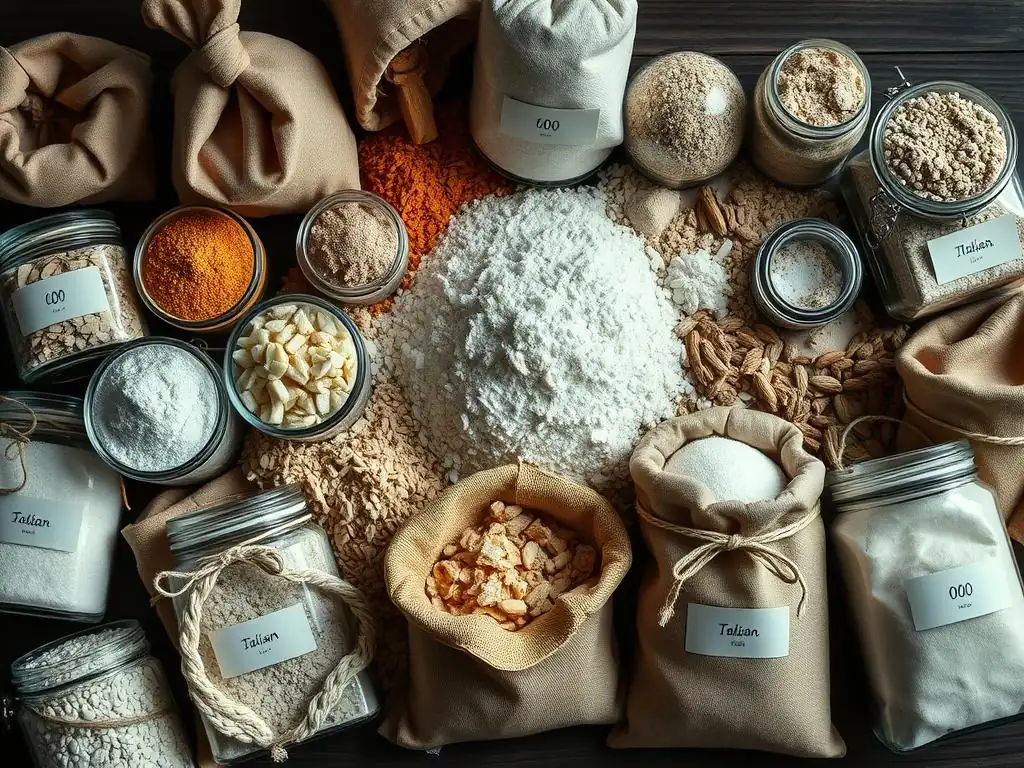
Artisan Bread Flour is a category of flour specifically designed for bread baking, often produced by smaller mills or with methods that emphasize quality and performance over sheer volume. It typically has a high protein content, ranging from 12% to 14% or sometimes higher, which is crucial for developing the strong gluten network required for well-structured, airy bread with good oven spring. This protein level is higher than standard all-purpose flour but comparable to conventional bread flour.
What often sets artisan bread flour apart is the quality of the wheat used and the milling process. It might be milled from specific hard wheat varieties known for their baking performance, and the milling might be less aggressive than large-scale industrial processes, potentially preserving more flavor compounds or resulting in slightly different particle sizes. This can lead to more consistent results and a slightly more complex flavor profile compared to generic bread flour. It's a versatile and reliable substitute when transitioning from AP to dedicated bread flour, making it a staple in many artisan flour substitution guides.
Features: High protein, consistent results
Artisan bread flour boasts a high protein content, typically falling between 12% and 14%, which is its defining feature for bread baking. This protein range ensures robust gluten development, essential for creating doughs with good elasticity and extensibility. The strong gluten network helps trap the carbon dioxide produced by yeast or sourdough starter, facilitating a significant rise during proofing and achieving excellent oven spring during baking. This results in loaves with a desirable open crumb structure and a chewy texture.
Consistency is another key feature often associated with quality artisan bread flour. Mills producing these flours often source specific wheat varieties known for their predictable baking performance and maintain tight control over the milling process. This attention to detail means that bakers can rely on the flour to behave similarly from batch to batch, making recipe development and execution more predictable compared to working with flours that might vary significantly in protein or absorption. This reliability makes it a favored choice for everyday bread baking and a recommended option in any comprehensive artisan flour substitution guide for bread.
Price: Varies by Retailer
The price of artisan bread flour can vary considerably depending on several factors, including the specific mill, the type of wheat used (conventional vs. organic, heritage variety), the milling process (stone-ground vs. roller-milled), packaging size, and the retailer. Generally, you can expect to pay more per pound for artisan bread flour compared to standard commodity bread flour found in large supermarkets. Prices might range from approximately $2 to $5 per pound, or even higher for specialty or certified organic options purchased from smaller retailers or directly from mills.
While the initial cost per bag might be higher, many bakers find the enhanced flavor, texture, and consistent performance offered by artisan bread flour to be well worth the investment, especially for recipes where the flour is a star ingredient, such as sourdough or rustic freeform loaves. Considering it as a key component in your artisan flour substitution guide budget can help manage expectations. Buying in larger quantities, if storage allows, can sometimes offer a lower price per pound.
Benefits: Ideal for beginners, readily available
Artisan bread flour offers numerous benefits, making it an ideal choice for both beginners and experienced bakers practicing artisan flour substitution. For those new to bread baking or transitioning from using only all-purpose flour, artisan bread flour provides a higher chance of success due to its inherent strength and predictable performance. It makes developing gluten easier and more forgiving than working with lower-protein flours or complex whole grains, helping beginners achieve a good rise and crumb structure earlier in their baking journey.
Furthermore, quality artisan bread flour is becoming increasingly readily available. While once confined to specialty stores or direct-from-mill purchases, many well-stocked supermarkets and online retailers now carry various brands of artisan bread flour. This accessibility means bakers can easily source this essential ingredient without needing extensive searching, making it simple to incorporate into regular baking practice and follow an artisan flour substitution guide focused on improving bread quality. Its versatility makes it suitable for a wide range of bread types, from simple sandwich loaves to complex artisan boules.
Organic Artisan Bread Flour: For the Discerning Baker
Organic Artisan Bread Flour takes the qualities of standard artisan bread flour a step further by ensuring the wheat was grown according to organic farming standards. This means the wheat is cultivated without the use of synthetic pesticides, herbicides, or fertilizers, and is not genetically modified. For bakers concerned about agricultural practices and potential chemical residues in their food, choosing organic flour is a priority.
Beyond the farming methods, organic artisan bread flour often comes from mills dedicated to preserving the integrity and flavor of the grain. This can include using specific heritage wheat varieties or stone-milling techniques that retain more of the natural oils and micronutrients found just under the bran layer, contributing to a richer, more complex flavor profile in the finished bread. While typically more expensive than conventional options, the perceived benefits in terms of health, environmental impact, and superior flavor make it a preferred choice for many discerning bakers following an artisan flour substitution guide.
Features: Organic, excellent flavor
The primary defining feature of organic artisan bread flour is its certification as organic, guaranteeing farming practices that avoid synthetic inputs and GMOs. This aligns with a preference for food produced in a more environmentally friendly and potentially healthier way. Beyond this, these flours are often prized for their excellent flavor. The organic cultivation, coupled with potentially less aggressive milling techniques (like stone milling) or the use of specific flavorful wheat varieties, can result in a flour with a more pronounced, nuanced taste compared to conventional white flours.
This enhanced flavor contributes significantly to the final baked product, adding depth and character to bread that cannot be achieved with standard white flour. The taste might be described as nuttier, sweeter, or more complex, depending on the specific grain. While standard bread flour focuses primarily on protein content for structure, organic artisan bread flour often balances high protein with superior flavor, offering a more complete baking experience. This dual focus on quality and flavor is a hallmark feature when considering it in an artisan flour substitution guide.
Price: Varies by Retailer
As with conventional artisan bread flour, the price of organic artisan bread flour fluctuates based on the mill, wheat type, retailer, and packaging size. However, organic certification and the often-associated higher cost of organic farming and smaller-scale milling typically mean that organic artisan bread flour is priced at the higher end of the spectrum compared to both conventional AP and conventional bread flour. Prices can range from approximately $3 to $7 or more per pound, reflecting the premium quality and production methods.
The higher price point is an investment in both the quality of the ingredients and support for organic agriculture. For bakers who prioritize organic ingredients or believe that organic flours offer superior flavor and baking performance, the cost is justified. Shopping around at different retailers, including health food stores, specialty grocery stores, and online suppliers, can help find the best price for the desired quality. Considering the cost is part of implementing a practical artisan flour substitution guide.
Benefits: Premium quality, complex flavor profile
The benefits of using organic artisan bread flour are significant for bakers seeking premium results. The organic certification appeals to those prioritizing health and environmental considerations. From a baking perspective, the key benefits lie in the flour's premium quality and the complex flavor profile it imparts to bread. The careful selection of organic wheat and often less industrialized milling methods can result in a flour that performs exceptionally well, providing consistent gluten development and reliable oven spring.
However, the standout benefit for many bakers is the superior flavor. Bread made with organic artisan bread flour often possesses a depth of flavor that is simply not present in loaves made with standard flours. This complex taste is a direct result of the grain's quality and how it is processed, contributing earthy, nutty, or sweet undertones that enhance the overall eating experience. For bakers aiming to produce bread with exceptional taste and structure, organic artisan bread flour is a top-tier choice highlighted in any high-level artisan flour substitution guide.
Bread Flour: Affordable and Accessible
Standard Bread Flour, while not always marketed with the "artisan" label, is a crucial step up from all-purpose flour for dedicated bread baking and serves as a valuable substitute in many artisan recipes. It is widely available in most supermarkets and grocery stores, making it highly accessible. Bread flour is specifically milled from hard wheat varieties and possesses a higher protein content than all-purpose flour, typically between 12% and 14%.
This higher protein level is its defining characteristic and primary benefit for bread making. It allows for the development of a stronger, more elastic gluten network compared to AP flour, which is essential for creating loaves with good structure, volume, and a desirable chewy texture.
While it may lack the nuanced flavor profiles or specific characteristics of some stone-milled or heritage grain artisan flours, it provides significantly better results for most bread applications than AP flour and is much more affordable than many specialty artisan options. It serves as an excellent entry point for bakers exploring an artisan flour substitution guide.
Features: Versatile, good value
Bread flour's main features are its versatility within the realm of bread baking and its excellent value proposition. With a protein content typically ranging from 12% to 14%, it is suitable for a wide array of bread types, from lean, crusty loaves like baguettes and ciabatta to enriched doughs for brioche and challah, as well as pizzas and bagels. Its consistent high protein ensures reliable gluten development across diverse recipes, making it a go-to flour for everyday bread bakers.
In terms of value, bread flour offers a significant performance improvement over all-purpose flour for bread at a price point that is only marginally higher, if at all, in many markets. It is substantially more affordable than most specialty artisan flours, making it a budget-friendly option for bakers who want to achieve good bread quality without the premium cost. This combination of versatility and value makes bread flour a practical choice discussed in any comprehensive artisan flour substitution guide.
Price: Varies by Retailer
The price of standard bread flour is generally very competitive and varies depending on the brand, retailer, packaging size, and location. In most major supermarkets, you can expect to find bread flour priced slightly higher than all-purpose flour, typically ranging from approximately $0.50 to $1.50 per pound when purchased in standard 5-pound bags. Bulk purchasing can sometimes offer a lower price per pound.
Compared to the prices of specialty artisan bread flours, standard bread flour is significantly more economical. This affordability makes it an accessible option for bakers who bake frequently or are looking to improve their bread quality without a large financial outlay. While it may not offer the unique characteristics of heritage grain or stone-milled flours, its performance-to-cost ratio is excellent, securing its place as a recommended option for many uses within an artisan flour substitution guide.
Benefits: Widely available, budget-friendly
The primary benefits of standard bread flour are its wide availability and budget-friendly nature, coupled with its reliable performance for bread baking. You can find bread flour in nearly any grocery store, making it incredibly convenient to purchase whenever needed, without requiring visits to specialty shops or online orders. This ease of access is a major advantage for regular bakers.
Furthermore, bread flour offers a significant upgrade in baking performance for bread compared to all-purpose flour, providing the necessary protein for strong gluten development, resulting in better volume and texture. This improved performance comes at a very reasonable price point, making it a cost-effective way to enhance your bread baking results. For bakers seeking a practical and accessible artisan flour substitution that consistently performs well for bread without breaking the bank, standard bread flour is an excellent option.
Tools and Equipment for Baking with Artisan Flours
Measuring Tools: Ensuring Accuracy in Your Recipes
Accurate measurement is paramount in baking, and this is even more critical when working with artisan flours due to their varying absorption rates and densities. While volume measurements (cups and spoons) are common, they can be highly inconsistent, especially with flour. A cup of flour can weigh anywhere from 100g to 150g or more depending on how it's scooped and the type of flour, leading to significant variations in the flour-to-liquid ratio in your dough or batter.
Precision in measuring ingredients is key to successfully implementing an artisan flour substitution guide. Even small errors in flour or water measurements can throw off the delicate balance of a recipe, affecting everything from dough consistency and gluten development to proofing time and final texture. Using a digital scale is the most accurate way to measure ingredients by weight, ensuring consistent results regardless of the flour type or how densely it's packed.
Recommended Product: Digital Scale for precise measurements
For the most accurate baking results, especially when exploring artisan flour substitution, a Digital Scale is highly recommended. Measuring ingredients by weight is far more precise than measuring by volume. For instance, 100 grams of all-purpose flour will always be 100 grams, regardless of whether it's lightly spooned or densely packed into a measuring cup. However, a cup of all-purpose flour can weigh anywhere from 120g to 140g. This variability is even greater with artisan flours, which can have different densities and particle sizes.
Using a digital scale eliminates this inconsistency. Recipes written with weights (often called baker's percentages) are inherently more reliable, and many artisan baking resources provide measurements in grams. Investing in a simple kitchen scale that can measure in grams and ounces will dramatically improve the consistency of your baking, making it easier to troubleshoot issues and replicate successful results when experimenting with different artisan flours. It's an essential tool for any baker serious about mastering the artisan flour substitution guide.
Baking Sheets and Pans: Choosing the Right Equipment for Optimal Results
The type of baking sheet or pan you use can significantly impact how heat is transferred to your dough or batter, affecting crust development, browning, and overall texture. For bread baked directly on a surface, a preheated baking stone or steel is often recommended for achieving a crisp bottom crust and contributing to oven spring by providing intense heat transfer upon contact.
For cookies, cakes, muffins, and other pastries made with artisan flours, the material and color of your baking pans matter. Light-colored, heavy-gauge aluminum baking sheets are generally preferred for even heat distribution and preventing over-browning on the bottom. Darker pans absorb more heat and can lead to faster, sometimes uneven browning. Insulated baking sheets, with their double layer of metal, reduce the intensity of heat transfer, which can be useful for preventing burnt bottoms on delicate cookies or pastries. Choosing the right equipment complements the efforts made following an artisan flour substitution guide.
Recommended Product: Baking sheets for even baking
For general baking of cookies, pastries, and some freeform breads, quality Baking Sheets are indispensable. Standard half-sheet pans (approximately 18x13 inches) made from heavy-gauge aluminum are a workhorse in the baker's kitchen. Their light color helps reflect heat, promoting even browning and preventing the bottoms of your baked goods from burning before the tops are done. The heavy gauge prevents warping at high temperatures.
Using parchment paper on your baking sheets is also highly recommended when working with doughs or batters containing artisan flours. Parchment paper prevents sticking, makes cleanup easier, and provides a consistent, non-stick surface that can help regulate heat transfer slightly. It's particularly useful when baking cookies made with flours that might affect spread or tenderness. Having multiple reliable baking sheets allows for efficient batch baking, ensuring consistent results across all your creations made following an artisan flour substitution guide.
Proofing Baskets and Bannetons: Enhancing Bread Shape and Texture
For bakers focusing on artisan bread using substituted flours, Proofing Baskets, also known as bannetons, are valuable tools for shaping and supporting dough during its final rise (proofing). These baskets are typically made from rattan cane, coiled willow, or sometimes plastic, and are lined with linen or dusted heavily with flour (often rice flour, which doesn't absorb moisture and stick to the dough).
Using a proofing basket helps the dough maintain its shape as it expands during proofing, especially for high-hydration doughs that might otherwise spread outwards rather than upwards. The basket's shape imparts a decorative pattern on the surface of the loaf (either the spiral from the cane or the smooth texture of the linen), which not only looks appealing but can also influence how the crust sets and opens during baking (if scored correctly). They are particularly useful when working with sticky doughs resulting from high-hydration artisan flour substitutions.
Recommended Product: Proofing baskets for perfect rise
Proofing baskets are specifically designed to support the dough during its final fermentation period, encouraging it to rise vertically and hold its shape before baking. They are essential for achieving the classic round (banneton) or oval (bâtard) shapes seen in many artisan loaves. Using a proofing basket ensures that the dough develops a taut surface tension on the bottom (which will become the top crust after inverting it onto the baking surface), which is crucial for achieving a good score and oven spring.
To use a proofing basket effectively, dust it generously with flour, especially if using a high-hydration dough or a sticky artisan flour. Rice flour is often preferred as it's gluten-free and less likely to stick. Gently place the shaped dough seam-side up (if baking seam-side down) or seam-side down (if baking seam-side up) in the basket for the final proof.
The basket cradles the dough, preventing it from spreading outwards and promoting a beautiful, well-shaped loaf ready for baking. They are a simple yet effective tool in any artisan bread baker's arsenal, complementing the techniques learned from an artisan flour substitution guide.
Conclusion: Mastering the Artisan Flour Substitution Guide
Embrace the Variety and Enhance Your Baking Experience
Exploring the world of artisan flours and learning how to substitute them for standard varieties is a rewarding journey that can significantly enhance your baking experience. Each artisan flour, from nutty whole wheat and sweet spelt to high-protein bread flour and delicate pastry flour, brings its own unique characteristics in terms of flavor, texture, and handling. Mastering the artisan flour substitution guide means understanding these differences and learning how to adapt recipes to unlock the full potential of these exceptional ingredients.
Don't be intimidated by the prospect of working with new flours. While there's a learning curve involving hydration adjustments, mixing techniques, and proofing times, the results are often well worth the effort. The depth of flavor and variety of textures achievable with artisan flours can transform your everyday baking into something truly special, allowing you to create loaves of bread, cakes, and cookies with character and complexity. Embrace the opportunity to experiment and broaden your baking horizons.
Start Experimenting with Artisan Flours Today!
Now that you have a comprehensive artisan flour substitution guide, the best way to learn is by doing! Start small by substituting a portion of the standard flour in a familiar recipe with an artisan variety. Try replacing 20% of your all-purpose flour with whole wheat in your favorite cookie recipe, or swap out your standard bread flour for an organic artisan bread flour in your next sourdough bake. Pay close attention to how the dough feels, how it rises, and how the final product tastes and looks.
Keep notes on your substitutions and the results. Did the dough need more water? Was the texture different than expected? What did you think of the flavor? This iterative process of experimentation and observation is key to becoming proficient in artisan flour substitution. Armed with this guide and a willingness to try new things, you are well-equipped to explore the rich and diverse world of artisan flours and elevate your baking to new levels of deliciousness. Happy baking!
Frequently Asked Questions
What exactly is artisan flour, and how does it differ from standard all-purpose flour?
Artisan flours are typically milled from heritage wheat varieties and often retain more of the bran and germ. This results in a flour with more complex flavors and nutritional value compared to standard all-purpose flour.
Why would I want to substitute standard flour with artisan flour in my baking?
Substituting with artisan flour can enhance the flavor profile of your baked goods, adding depth and complexity. It also offers potential nutritional benefits due to the higher levels of bran and germ.
Does the type of artisan flour I choose matter when substituting?
Yes! Different artisan flours, like spelt or rye, have varying gluten content and absorbency. This impacts the texture and structure of your bake, requiring adjustments to the recipe.
What are some common challenges encountered when substituting artisan flour?
Common challenges include drier doughs or batters due to increased absorbency, and potentially denser baked goods if the gluten development is insufficient. Experimentation is key!
How do I adjust my recipes to accommodate artisan flour substitutions?
Start by substituting only a portion of the standard flour (e.g., 25-50%). You may need to increase liquid slightly and adjust the baking time. Monitor the dough/batter closely.
Final Reflection: Mastering the Art of Artisan Flour Substitution
The quest for the perfect loaf, the ideal pastry, or that melt-in-your-mouth cookie often hinges on the flour you choose. Understanding the nuances of different artisan flours and how to successfully substitute them for standard all-purpose flour is not just a culinary skill; it's a gateway to unlocking a world of flavor and texture. This knowledge is more relevant than ever, as the demand for high-quality, locally-sourced ingredients continues to grow.
The shift towards artisan flours reflects a broader cultural movement towards mindful consumption and appreciation for craftsmanship. We are increasingly aware of the impact of our food choices, seeking out ingredients that are not only delicious but also ethically sourced and sustainably produced. This resonates deeply with my own baking journey; the simple act of substituting flour becomes a connection to the land, the farmer, and the rich history of baking itself. Bread is the staff of life,
they say, and choosing the right flour is choosing the quality of that staff.
Now, it's your turn. Don't be intimidated by the seemingly complex world of artisan flours. Experiment! Embrace the challenges and the rewards of working with different grains, each with its unique personality. Start small, try one substitution at a time, and savor the journey of discovery. The perfect loaf, the perfect pastry, awaits – and it all begins with the flour you choose.
Unleash Your Inner Baker: Master Artisan Flour!
Thanks for taking the time to explore the world of artisan flours with us! You've now got the knowledge to elevate your baking game. Ready to put your new skills into practice?
- Bake your first artisan loaf: Try substituting one of the flours discussed in your next bread recipe. Note the changes in texture and flavor! This is the best way to experience the differences firsthand.
- Share your baking journey: Post a picture of your creation on social media using #BakeWithEaseArtisanFlour and tag us! Let's inspire each other!
- Experiment with different blends: Don't be afraid to mix and match artisan flours to create unique textures and flavors in your recipes.
What exciting artisan flour creations will you bake next?