
Simple Guide to Using Citrus Segments in Spiced Cakes

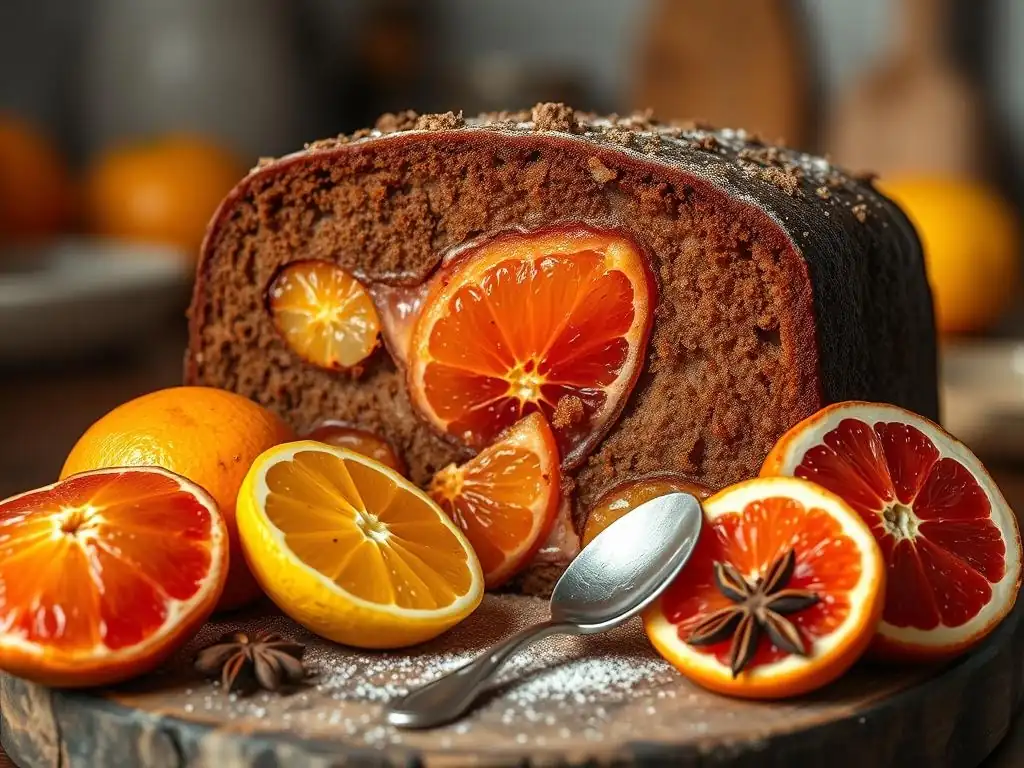
Welcome to BakeWithEase, where baking becomes a joy! Ever wondered how to elevate your cakes with a burst of sunshine and spice? This season, we're diving into the delightful world of citrus spiced cake segments. Discover how a simple technique can transform your baking, adding vibrant flavor and stunning visual appeal. Ready to unlock the secrets to perfectly incorporating citrus into your spiced cakes? Let's get baking!
- Simple Guide to Using Orange Segments in Gingerbread Cake
- Introduction to Orange Segments in Gingerbread Cake
- Preparing Orange Segments for Gingerbread Cake Baking
- Incorporating Orange Segments into Gingerbread Cake Recipes
- Tips and Tricks for Baking with Orange Segments
- Variations and Creative Uses of Orange in Gingerbread Cakes
- Storing and Serving Your Orange Gingerbread Cake
- Frequently Asked Questions
- Final Reflection: The Enduring Allure of Citrus in Spiced Cakes
- Unlock the Zesty Magic: Level Up Your Baking!
Simple Guide to Using Orange Segments in Gingerbread Cake
Introduction to Orange Segments in Gingerbread Cake
Why Orange and Gingerbread are a Perfect Winter Baking Combination
The pairing of orange and gingerbread is a classic for a reason, especially during the cooler months. Gingerbread, with its warm, earthy spices like ginger, cinnamon, cloves, and nutmeg, creates a comforting base. When you introduce the bright, slightly tart, and sweet notes of orange segments, you add a layer of refreshing complexity that cuts through the richness of the cake.
This combination isn't just about flavor; it's also about texture, as the soft, juicy citrus segments provide delightful bursts of moisture within the dense crumb of a spiced cake. It’s a harmonious blend that evokes feelings of coziness and celebration, making orange gingerbread cake a staple in many winter baking traditions.
Historically, citrus fruits became more readily available in colder climates during winter, coinciding with the harvest of warming spices. This natural seasonality cemented the partnership between these ingredients in festive baking. The vibrant color and aroma of oranges also offer a visual and olfactory contrast to the deep brown hues and intense spice profile of gingerbread, enhancing the overall sensory experience of enjoying a slice of this delicious citrus spiced cake. Using citrus spiced cake segments specifically adds a unique moistness and tangy bite that elevates the standard spiced cake.
Understanding Orange Segments and Their Role in Flavor
Orange segments are the individual sections of the orange fruit, separated from the peel, pith, and membranes. Unlike using just orange juice or zest, incorporating the actual segments brings both flavor and texture to a gingerbread cake. The flavor comes from the juice and pulp within the segment, offering a direct burst of sweet and tangy citrus. This provides a contrast to the deep, resonant spices in the gingerbread, creating a more dynamic taste profile.
Beyond flavor, the segments contribute essential moisture and a unique mouthfeel. As the cake bakes, the segments soften, releasing some of their juice into the surrounding crumb, leading to pockets of intense flavor and delightful tenderness. This prevents the gingerbread from becoming too dry and adds a pleasant chewiness. Properly prepared orange segments, free of bitter pith and tough membrane, integrate beautifully into the cake structure, becoming little pockets of sunshine within the spiced batter. Using these citrus spiced cake segments transforms a simple gingerbread into a multi-dimensional dessert.
Preparing Orange Segments for Gingerbread Cake Baking

Choosing the Best Oranges for Gingerbread Cake
Selecting Fresh, High-Quality Navel Oranges
Choosing the right orange variety is crucial for the success of your orange gingerbread cake. Navel oranges are often considered an excellent choice due to several factors. Firstly, they are typically seedless or contain very few seeds, which simplifies the segmentation process significantly.
Secondly, Navel oranges are known for their balanced sweetness and relatively low acidity compared to some other varieties, providing a pleasant, non-overpowering citrus flavor that complements the gingerbread spices beautifully. A good Navel orange should feel heavy for its size, indicating juiciness, and have firm, brightly colored skin without significant blemishes. A medium Navel orange usually weighs around 150-200 grams and can yield roughly 1 cup of clean segments.
When selecting oranges, look for those that are ripe but not overly soft. Overripe oranges can be mushy and harder to segment cleanly, while underripe ones may be too tart. The skin should be relatively smooth; oranges with very thick, bumpy skins might yield less fruit relative to their size. While Navel oranges are highly recommended, other sweet, seedless varieties like Cara Cara oranges (known for their pinkish flesh and berry-like undertones) can also work well, offering slightly different nuances to your citrus spiced cake segments. Aim for fruit that feels substantial and gives off a pleasant citrus aroma.
The Art of Segmenting Oranges: A Step-by-Step Guide
Removing the Peel and Pith for Clean Orange Segments
Properly segmenting an orange, often called "supreming," is key to avoiding bitterness and tough textures in your gingerbread cake. Start by using a sharp knife to slice off the top and bottom of the orange, creating flat surfaces. Place the orange on one of these flat ends.
Then, carefully follow the curve of the orange, slicing downwards from top to bottom, removing the peel and all the white pith. Rotate the orange as you go, ensuring you get as close to the flesh as possible without cutting too much into the fruit. The goal is to reveal the vibrant orange flesh completely, free of any white or bitter remnants.
Once the orange is fully peeled and pith-free, hold it over a bowl to catch any juice. Carefully slice between the membranes separating each segment, cutting inwards towards the center of the orange. The segments should easily release from the membranes. Repeat this process for all segments around the core. Discard the core and membranes. This technique ensures you get clean, juicy citrus spiced cake segments that will bake beautifully into your gingerbread. Any juice collected in the bowl can be reserved for an orange glaze or simple syrup later.
Ensuring Juicy and Tender Orange Segments
The goal is to have segments that remain juicy and tender within the baked cake. The segmentation process itself helps with this by removing the tough membranes, which can become chewy when baked. Using fresh, ripe oranges is the first step, as they naturally contain more juice. After segmenting, handle the segments gently to avoid bruising them, which can cause juice loss before they even hit the batter.
If your oranges seem slightly less juicy than desired, you can gently toss the segments with a tiny amount of sugar (perhaps 1-2 teaspoons per orange) and let them sit for 10-15 minutes before adding them to the batter. This can help draw out a little more moisture. However, for most ripe Navel oranges, this step isn't necessary. The natural moisture content of the citrus spiced cake segments is usually sufficient to keep them tender during the baking process, ensuring those delightful pockets of moisture in every bite of your gingerbread cake.
Incorporating Orange Segments into Gingerbread Cake Recipes
Best Practices for Adding Orange Segments to Cake Batter
Preventing Orange Segments from Sinking in the Cake
A common challenge when adding fruit like orange segments to cake batter is preventing them from sinking to the bottom during baking. A simple and effective technique to combat this is to toss the orange segments with a small amount of the dry ingredients from your recipe before folding them into the batter. About 1-2 tablespoons of flour or a mix of flour and spice is usually sufficient for segments from 1-2 oranges used in a standard cake recipe. This light coating helps the segments suspend more evenly within the batter's structure as it bakes.
Ensure the segments are patted relatively dry with a paper towel after segmenting to remove excess surface juice before tossing them with the dry mix. Too much surface moisture can prevent the flour coating from adhering properly. Gently fold the coated citrus spiced cake segments into the batter as the final step, just before pouring it into the cake pan. Overmixing can cause the segments to sink or break apart, so incorporate them just until they are evenly distributed.
Recipes Featuring Orange Gingerbread Cake Segments
Spiced Orange and Gingerbread Cake Recipe
Here's a simple outline for incorporating orange segments into a classic gingerbread cake recipe:
- Ingredients:
- 1.5 cups All-Purpose Flour
- 1 tsp Baking Soda
- 0.5 tsp Salt
- 1 tbsp Ground Ginger
- 1 tsp Ground Cinnamon
- 0.5 tsp Ground Cloves
- 0.25 tsp Ground Nutmeg
- 0.5 cup Unsalted Butter, softened
- 0.5 cup Granulated Sugar
- 0.5 cup Brown Sugar, packed
- 2 large Eggs
- 0.5 cup Molasses
- 0.5 cup Buttermilk or warm water
- Segments from 1-2 medium Navel Oranges, excess juice patted off, tossed with 1-2 tbsp flour
- Optional: Zest of 1 orange
- Instructions:
- Preheat oven to 350°F (175°C). Grease and flour a 9x5 inch loaf pan or 8x8 inch square pan.
- In a medium bowl, whisk together flour, baking soda, salt, ginger, cinnamon, cloves, and nutmeg. If using orange zest, whisk it into the dry ingredients as well for maximum fragrance release.
- In a large bowl, cream together softened butter and both sugars until light and fluffy, about 3-4 minutes with an electric mixer.
- Beat in the eggs one at a time, ensuring each is fully incorporated before adding the next.
- Stir in the molasses.
- Alternately add the dry ingredients and buttermilk (or warm water) to the wet ingredients, beginning and ending with the dry. Mix on low speed until just combined. Do not overmix.
- Gently fold in the floured orange segments using a spatula until evenly distributed throughout the batter.
- Pour batter into the prepared pan.
- Bake for 50-60 minutes for a loaf cake, or 40-50 minutes for a square cake, or until a toothpick inserted into the center comes out clean. Baking time will vary slightly depending on the moisture content of the orange segments and your oven calibration, but typically expect around 55 minutes for a loaf.
- Let the cake cool in the pan for 10-15 minutes before inverting it onto a wire rack to cool completely.
This recipe showcases how the citrus spiced cake segments become integral to the cake's texture and flavor, creating moist, bright pockets that contrast beautifully with the dense, spicy crumb. The amount of orange segments can be adjusted slightly based on preference, but starting with 1-2 oranges provides a noticeable but not overwhelming citrus presence.
Tips and Tricks for Baking with Orange Segments

Enhancing Orange Flavor in Gingerbread Cakes
Using Orange Zest for an Extra Flavor Boost
While orange segments provide bursts of juicy flavor, the most potent orange aroma and intense flavor compounds are found in the zest – the colorful outer layer of the peel. Incorporating orange zest alongside the segments is an excellent way to amplify the citrus notes in your gingerbread cake without adding excess moisture. The zest contains aromatic oils that are released during baking, infusing the entire cake with vibrant orange essence. For a standard recipe using segments from 1-2 oranges, the zest of one full orange is usually sufficient to provide a significant boost.
When zesting, use a microplane or fine grater and take care to only remove the orange part, avoiding the bitter white pith underneath. You can whisk the zest directly into the dry ingredients at the beginning of the recipe. This helps separate the zest particles and distribute the flavor evenly throughout the flour mixture, ensuring that the orange aroma is present in every bite of the citrus spiced cake segments creation. The combination of zest for aroma and segments for juicy texture creates a truly dynamic orange flavor profile.
Combining Orange Segments with Complimentary Spices
Gingerbread is inherently spicy, but strategically pairing the orange segments with specific spices can further enhance the flavor profile. While ginger, cinnamon, cloves, and nutmeg are standard, consider adding a pinch of cardamom, which has a lovely, slightly floral citrusy note that pairs exceptionally well with both orange and ginger. Allspice can also deepen the warm, spicy notes without overpowering the citrus.
A touch of black pepper might sound unusual, but a tiny amount can add a subtle warmth and complexity that complements the ginger and highlights the brightness of the orange. Experiment with the spice ratios to find your perfect balance, ensuring the spices enhance rather than mask the delicate flavor of the citrus spiced cake segments. For example, slightly increasing the cinnamon or adding a touch more ginger can create a warmer backdrop that makes the orange notes pop even more vibrantly.
Troubleshooting Common Issues When Baking with Orange
Preventing a Soggy Cake Bottom
One potential pitfall when baking with juicy additions like orange segments is a soggy cake bottom. This usually happens if too much moisture pools at the bottom of the pan during baking. To prevent this, ensure your orange segments are patted relatively dry after segmenting and before tossing with flour. The flour coating helps absorb some surface moisture and keeps the segments suspended.
Proper oven temperature and baking time are also critical. Ensure your oven is accurately calibrated (an oven thermometer is a good investment) and bake the cake until a toothpick inserted into the center comes out clean. A cake that is underbaked, especially at the bottom, will retain too much moisture.
Using the correct pan size is also important; using a pan that is too large can cause the cake to spread too thin, while one that is too small can lead to uneven baking and a dense, potentially soggy center or bottom. Baking at the specified temperature, typically around 350°F (175°C) for a loaf or square cake, allows the cake structure to set properly and the moisture to distribute or evaporate appropriately.
Ensuring Even Baking with Orange Segments
Even baking can be tricky with additions like fruit that can alter the batter's density and moisture distribution. As mentioned, coating the citrus spiced cake segments in flour helps distribute them evenly, preventing large clumps that can cause uneven cooking. Avoid overfilling the pan, as this can lead to a dome in the center and undercooked edges or bottom.
If you notice your oven bakes unevenly (e.g., one side browns faster), rotate the cake pan halfway through the baking time. This ensures all sides are exposed to heat equally. Baking in the center rack of the oven is generally recommended for the most even heat distribution.
If your cake browns too quickly on top before the center is done, loosely tent it with foil for the last 15-20 minutes of baking. Monitoring the cake towards the end of the baking time using the toothpick test in several spots (avoiding the segments themselves) is the best way to ensure it is evenly cooked through.
Variations and Creative Uses of Orange in Gingerbread Cakes

Adding Candied Orange Peel for Texture and Flavor
Beyond fresh orange segments, candied orange peel offers another wonderful way to incorporate orange into your gingerbread cake, adding both intense flavor and a delightful chewy texture. Candied peel provides a more concentrated, slightly bittersweet orange taste that complements the rich spices. It can be chopped finely and folded into the batter along with or in place of some of the fresh segments, or used as a beautiful garnish on top of a glaze.
Making your own candied peel involves boiling orange peels multiple times to remove bitterness, then simmering them in a sugar syrup until translucent and tender. While it's a process, the resulting flavor is far superior to most store-bought versions. For a quick alternative, look for high-quality candied orange peel intended for baking. About 1/4 to 1/2 cup of finely chopped candied orange peel can add a lovely textural contrast and a deeper orange note to your citrus spiced cake segments recipe.
Glazing Your Gingerbread Cake with Orange
Creating a Simple Orange Glaze for Added Sweetness
A simple orange glaze is a perfect finishing touch for an orange gingerbread cake, adding sweetness and reinforcing the citrus theme. A basic glaze is made by whisking together powdered sugar with a liquid until it reaches a pourable consistency. For an orange glaze, you can use fresh orange juice, reserved from the segmenting process, or a mix of orange juice and a little orange zest for extra punch.
Start with about 1 cup of powdered sugar and add orange juice a teaspoon at a time, whisking until smooth. You'll likely need only 2-4 tablespoons of juice to reach the desired consistency – thin enough to drizzle but thick enough to set slightly. For a richer glaze, you can use melted butter or cream cheese mixed with powdered sugar and orange juice/zest. Drizzle the glaze over the cooled cake. The sweet, tangy glaze provides a beautiful contrast to the warm, spicy cake and highlights the presence of the baked citrus spiced cake segments within.
Storing and Serving Your Orange Gingerbread Cake
Proper Storage Techniques to Maintain Freshness
To keep your orange gingerbread cake fresh and moist, proper storage is essential. Once the cake has cooled completely on a wire rack, transfer it to an airtight container. If the cake is glazed, ensure the glaze has set before storing.
A whole or large pieces of cake will stay moist longer than individual slices. Store the airtight container at room temperature for up to 3-4 days. If you live in a very warm or humid climate, or if your cake contains fresh dairy components in a frosting or filling (though a simple glaze is common here), refrigeration might be necessary, but it can sometimes slightly dry out the cake crumb.
For longer storage, orange gingerbread cake freezes very well. Wrap the citrus spiced cake segments loaf or individual slices tightly in plastic wrap, then wrap again in aluminum foil or place in a freezer-safe bag. Frozen cake can be stored for up to 2-3 months. Thaw frozen cake overnight in the refrigerator or at room temperature before serving. Storing the cake properly helps preserve the delightful texture and flavor contributed by the orange segments.
Serving Suggestions for Orange Gingerbread Cake
Pairing your Gingerbread Cake with Complementary Flavors
Orange gingerbread cake, especially one studded with juicy citrus spiced cake segments, is delicious on its own, but pairing it with complementary flavors can elevate the experience. A dollop of whipped cream or a scoop of vanilla bean ice cream provides a cool, creamy contrast to the warm spices and moist cake. The simple sweetness of vanilla is a classic pairing with both orange and gingerbread.
For a more sophisticated touch, consider serving a slice with a drizzle of warm caramel sauce or a spiced pear compote. The caramel adds richness, while the pear compote offers another fruity, seasonal element that harmonizes with the spices. A cup of tea, coffee, or even a warm mug of spiced cider makes a perfect accompaniment for a cozy treat. The bright, juicy nature of the orange segments within the cake means it can stand up to slightly richer or more complex accompaniments, making it a versatile dessert for various occasions.
Frequently Asked Questions
How do citrus segments enhance spiced cakes?
Citrus segments add a burst of freshness and acidity that complements the warm spices in the cake. They provide a moist and flavorful contrast, preventing the cake from being overly rich or heavy. The aroma also gets a citrusy kick that's very appealling.
What types of citrus work best in spiced cakes?
Oranges, lemons, and grapefruits are popular choices for spiced cakes. Experiment with different varieties for unique flavor profiles. Consider using seasonal citrus for the best taste.
Can I use canned citrus segments instead of fresh?
While fresh citrus is preferred, canned segments can be used in a pinch. Be sure to drain them well and pat them dry to avoid a soggy cake. The taste and texture might not be as vibrant.
How should I prepare citrus segments for baking?
Carefully remove the membrane and seeds from the citrus segments. Pat them dry to remove excess moisture. You can also toss them lightly in flour to prevent them from sinking to the bottom of the cake.
What are some spice pairings that complement citrus in cakes?
Common spice pairings include cinnamon, ginger, nutmeg, and cloves. These spices offer warmth and depth that harmonize with the citrus. Adjust the spice levels to suit your personal preference for a balanced flavor.
Final Reflection: The Enduring Allure of Citrus in Spiced Cakes
The vibrant burst of citrus in a warm spiced cake remains a culinary delight, a testament to the enduring power of simple, yet perfectly balanced flavors. This seemingly straightforward combination continues to captivate bakers and eaters alike, proving that sometimes the most classic pairings offer the most profound satisfaction. The seemingly simple act of incorporating citrus segments into a spiced cake elevates the experience from comforting to truly memorable.
The influence of citrus in baking, particularly in spiced cakes, transcends mere taste; it speaks to a history of culinary innovation and adaptation. From ancient spice routes to modern baking trends, the use of citrus has always signified freshness, brightness, and a touch of the unexpected. It's a testament to the enduring power of simple ingredients to create something extraordinary. The simplest things are often the truest.
This quote perfectly encapsulates the magic found in the seemingly simple act of adding citrus segments to a spiced cake.
Now, consider your own baking journey. What unique citrus-spiced cake creation will you craft? Will you experiment with different citrus varieties, perhaps blood oranges or Meyer lemons? Will you explore unconventional spice blends to complement your chosen citrus? Embrace the possibilities, let your creativity flow, and discover the joy of transforming simple ingredients into a masterpiece. The journey of baking, much like life itself, is about exploration, experimentation, and the satisfaction of creating something beautiful and delicious.
Unlock the Zesty Magic: Level Up Your Baking!
Thanks for exploring the wonderful world of citrus-spiced cakes with us! We hope you've gained some delicious inspiration and newfound confidence in your baking abilities. Ready to take your skills to the next level?
- Bake a zesty masterpiece! Try out one of the recipes mentioned in the article, or let your creativity run wild with your own citrus-spiced cake creation. Remember to share your results with us!
- Experiment with different citrus fruits and spices! What exciting flavor combinations can you discover? Perhaps a blood orange and cardamom cake? The possibilities are endless!
- Share your baking journey! Tag us on social media with your creations – we’d love to see what you bake.
So, what unique citrus-spice pairing are you most excited to try in your next baking adventure?