
Piping Perfection: Essential Tools for Stunning Cake Designs

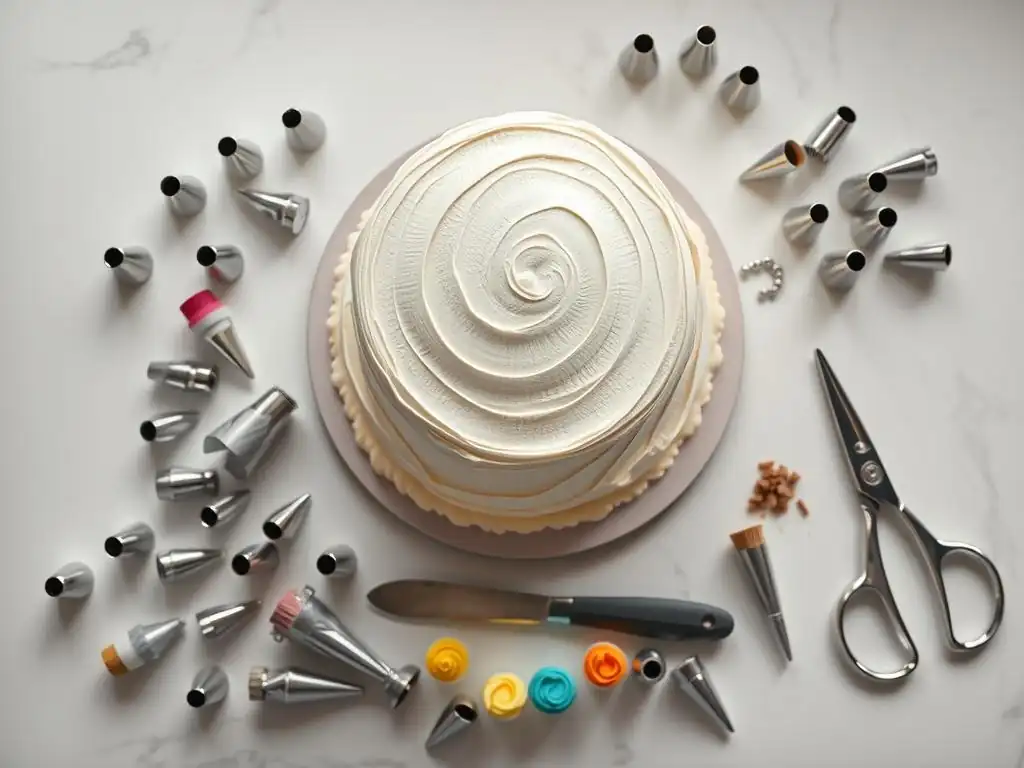
Welcome to BakeWithEase, your guide to a world of delightful baking! Ever wondered how professional bakers achieve those stunning cake designs? We're here to demystify the process. This guide unveils the secrets of cake decorating piping tips, exploring essential tools that will transform your cakes from simple to spectacular. Intrigued? Discover how the right piping tip can unlock a universe of creative possibilities and elevate your baking game!
- The Ultimate Guide to Cake Decorating Piping Tips for BakeWithEase Users
- Essential Types of Cake Decorating Piping Tips: A Buyer's Guide
- Choosing the Right Cake Decorating Piping Tips: Key Factors to Consider
- Beyond the Tips: Essential Cake Decorating Tools
- Mastering the Art of Piping: Tips and Techniques for BakeWithEase Users
- Where to Buy the Best Cake Decorating Piping Tips
- Conclusion: Unleash Your Creativity with the Right Cake Decorating Piping Tips
-
Frequently Asked Questions
- What are the essential cake decorating piping tips for beginners?
- How do I choose the right size piping tip for my cake design?
- What material are cake decorating piping tips typically made of?
- How do I clean and maintain my cake decorating piping tips?
- What are some advanced piping techniques I can learn after mastering the basics?
- Final Reflection: Mastering the Art of Piping, One Exquisite Design at a Time
- Unleash Your Inner Cake Artist!
The Ultimate Guide to Cake Decorating Piping Tips for BakeWithEase Users
Why Invest in Quality Cake Decorating Piping Tips? Elevating Your Baking Game
Investing in a good set of cake decorating piping tips is perhaps one of the most impactful steps you can take to transform homemade cakes into professional-looking masterpieces. Quality tips allow for precision and consistency in your designs, whether you're piping delicate lace patterns, bold borders, or intricate floral arrangements.
Think of the difference between sketching with a dull pencil versus a fine-tipped pen – the latter gives you control and detail that the former simply cannot match. High-quality tips, typically made from durable materials like stainless steel, maintain their shape over time, ensuring that every swirl, star, or petal is as sharp and defined as the last, even after numerous uses and washes.
Beyond mere aesthetics, the right cake decorating piping tips make the decorating process itself more enjoyable and less frustrating. For instance, trying to create a smooth shell border with a bent or poorly formed star tip is a recipe for disappointment. A well-made tip, however, glides smoothly, allowing the decorator to focus on technique and creativity rather than struggling with the tool.
This is particularly true when working with different icing consistencies. Quality tips handle everything from stiff royal icing for detailed work to softer buttercream for swirls and fillings, making them versatile additions to any baker's toolkit and truly essential for anyone serious about beautiful cake decorating.
Essential Types of Cake Decorating Piping Tips: A Buyer's Guide
Round Piping Tips: The Foundation of Cake Decorating
Round cake decorating piping tips are the absolute workhorses of cake decorating, serving as the fundamental tool for a multitude of techniques. They are characterized by a simple, circular opening, ranging in size from incredibly fine (like a #1 or #2 tip, perfect for writing or fine outlines) to very large (such as a #1A or #2A, ideal for piping large dots, smooth swirls, or filling macarons).
Their versatility makes them indispensable for basic tasks like outlining shapes, filling in areas with smooth icing, creating simple dots, beads, or pearls, and even piping messages directly onto the cake surface. A basic set often includes a few common sizes, providing a solid starting point for beginners.
Larger round tips are excellent for creating smooth, even layers or mounds of frosting, often used for cupcake swirls or the base layer of a cake before adding more intricate details. For example, a #12 tip is great for piping medium-sized dots or outlines, while a #4 tip is suitable for finer details and outlining.
The key to using round tips effectively lies in controlling pressure and the angle at which you hold the bag, allowing you to vary the thickness of the line or the size of the dot. Mastering these fundamental cake decorating piping tips unlocks the ability to execute a wide range of designs, laying the groundwork for more complex techniques.
Star Piping Tips: Adding Texture and Dimension to Your Cakes
Star cake decorating piping tips are instantly recognizable by their serrated or pointed opening, designed to create textured lines, swirls, and borders. They come in two main varieties: open star and closed star tips. Open star tips (like #16, #21, #32) produce distinct points and ridges, perfect for classic shell borders, rosettes, and textured swirls. Closed star tips (such as #1M, #2D, #336) have points that curve inward, resulting in a more defined, often deeper groove and a different texture, frequently used for large, dramatic swirls on cupcakes or intricate star patterns.
The number of points on a star tip can also vary, influencing the final look of the piped icing. A tip with more points will create a more densely ridged pattern. These cake decorating piping tips are fantastic for adding visual interest and volume to your cake designs. Imagine a simple cake transformed by a bold star border around the base or elegant star swirls topping each cupcake. They are relatively easy to use, making them popular among bakers of all levels looking to add dimension and a professional touch without requiring advanced freehand skills.
Petal Piping Tips: Crafting Realistic Floral Designs
Petal cake decorating piping tips are specifically shaped to create delicate, flat lines that resemble flower petals. They typically have an opening that is flat and narrow on one side and wider and slightly curved on the other.
By holding the wider end towards the center of the flower and moving the bag in a specific motion (often a circular or back-and-forth movement), you can layer "petals" of icing to build realistic-looking roses, ruffles, carnations, and other blossoms directly onto your cake or onto parchment paper for later transfer. Common petal tips include the #104, #124, and #127, varying primarily in size and the curvature of the wider edge.
Mastering petal tips requires a bit more practice than round or star tips, focusing on consistent pressure and the correct angle and movement to achieve a natural petal shape. However, the results are incredibly rewarding, allowing bakers to add stunning, edible floral arrangements to their creations. These cake decorating piping tips are essential for anyone wanting to venture into realistic flower piping, adding a touch of elegance and artistry that stands out. With practice, you can create everything from small, delicate rosebuds to large, dramatic blooms, making your cakes truly bloom.
Leaf Piping Tips: Bringing Your Floral Designs to Life
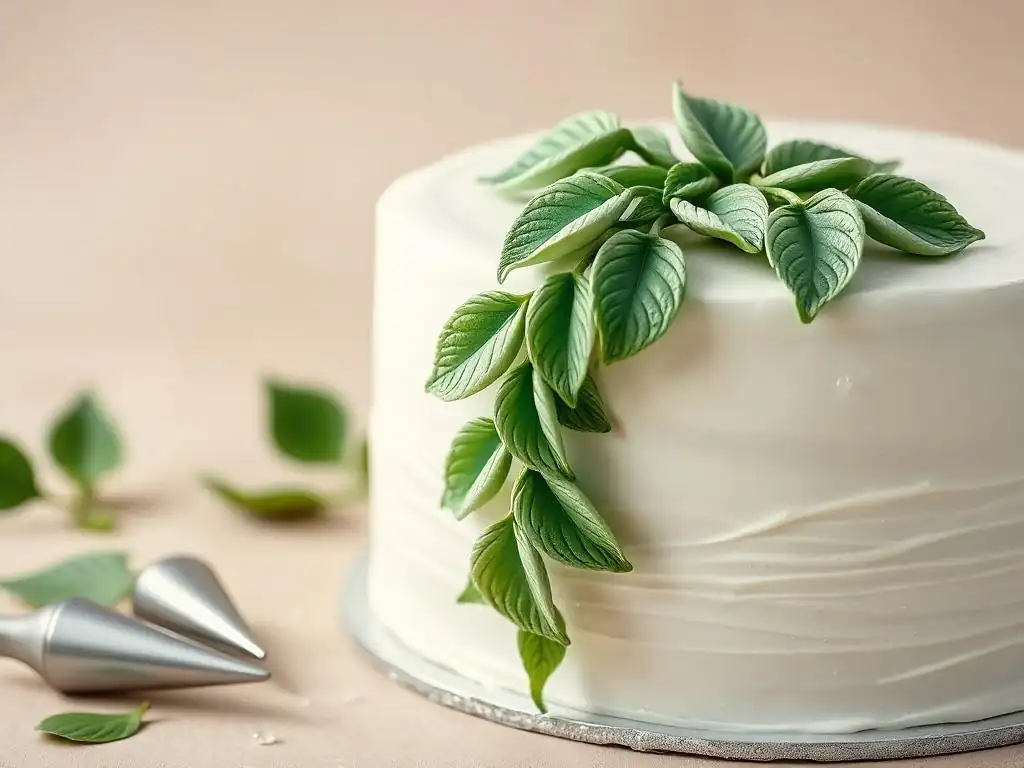
Leaf cake decorating piping tips are designed to pipe icing in a shape that resembles leaves, providing the perfect accompaniment to piped flowers. These tips have a V-shaped opening, and when piped with the correct technique, they create a distinct vein down the center of the "leaf." By varying the pressure and slightly wiggling the tip as you pipe, you can create leaves of different sizes and textures, adding realism and depth to your floral arrangements. Common leaf tips include the #67, #70, and #352, differing mainly in size and the openness of the V-shape.
Leaf tips are relatively simple to use once you understand the basic technique: hold the tip with the V-opening vertical, apply pressure, and pull away while decreasing pressure. A slight side-to-side motion as you pull can enhance the natural look of the leaf. These cake decorating piping tips are invaluable for filling in gaps around piped flowers, adding color contrast (typically green icing), and making your floral sprays appear more complete and lifelike. They are an essential tool for any decorator who enjoys piping flowers and wants to elevate their botanical designs.
Specialty Cake Decorating Piping Tips: For Unique Designs
Beyond the fundamental shapes, there is a vast array of specialty cake decorating piping tips designed for specific, often intricate, patterns. These tips open up a world of creative possibilities, allowing decorators to achieve unique textures and designs that are difficult or impossible with standard tips.
Examples include basketweave tips (like #46 or #48), which have a flat side and a serrated side for creating woven patterns; grass or hair tips (such as #233), with multiple small holes for piping fine strands; ruffle tips (like #86 or #100), designed to create flowing ruffles or swags; and even tips for specific shapes like shells or hearts.
While not essential for basic decorating, specialty cake decorating piping tips are fantastic for adding advanced details and textures that truly set a cake apart. Using a grass tip, for instance, can instantly transform a simple cake into a playful garden scene or a furry creature. Basketweave tips allow for sophisticated woven patterns that add a layer of complexity to the cake's surface.
Exploring these unique tips can inspire new design ideas and techniques, pushing the boundaries of what you can create with icing. They are perfect for bakers looking to expand their repertoire and tackle more ambitious decorating projects.
Choosing the Right Cake Decorating Piping Tips: Key Factors to Consider
Material Matters: Stainless Steel vs. Plastic
When selecting cake decorating piping tips, the material from which they are made is a significant factor influencing durability, performance, and cost. The two most common materials are stainless steel and plastic. Stainless steel tips are widely considered the professional standard due to their strength, resistance to rust, and ability to maintain a precise shape even with frequent use and washing. They don't absorb odors or colors from icing and can withstand high pressure without deforming. While typically more expensive upfront, their longevity often makes them a more economical choice over time for avid bakers.
Plastic cake decorating piping tips are a more budget-friendly option and are often included in beginner decorating kits. They are lightweight and easy to handle, which can be appealing for newcomers. However, plastic tips are less durable than stainless steel; they can crack, bend, or lose their shape, especially when piping stiff icing or after repeated washing. They may also retain odors or become discolored over time. For occasional use or to experiment with different shapes before investing in stainless steel, plastic tips are adequate, but for consistent, high-quality results, stainless steel is generally preferred by experienced decorators.
Size and Shape: Matching the Tip to Your Design
The size and shape of your cake decorating piping tips are paramount, as they directly determine the appearance of the piped icing. Tips are typically numbered, often following standard systems like Wilton or Ateco, though numbers can vary slightly between brands. Smaller numbers (like #1, #2, #3) indicate smaller openings, suitable for fine details, writing, and delicate outlines.
Larger numbers (like #10, #12, #1A) denote larger openings, perfect for bold lines, large dots, filling areas, and piping significant swirls. The shape of the opening dictates the pattern – round for smooth lines, star for textured lines, petal for ruffles and flowers, etc.
Matching the tip size and shape to your intended design is crucial for success. Attempting to pipe fine script with a large round tip (#12) will result in thick, clumsy letters, while trying to pipe a large cupcake swirl with a small star tip (#18) will be incredibly time-consuming and might not achieve the desired volume.
Before you begin decorating, visualize the effect you want to achieve and select the cake decorating piping tips that are appropriately sized and shaped for that specific task. Many decorators find it helpful to have a chart or guide that illustrates the pattern produced by different tip numbers and shapes.
Compatibility with Piping Bags and Couplers
Ensuring your cake decorating piping tips are compatible with your piping bags and couplers is essential for a smooth decorating workflow. Piping bags come in various materials (disposable plastic, reusable silicone, canvas) and sizes. Tips are inserted directly into the bag (either cut to size or used with a coupler). The base of the tip must fit snugly within the bag opening or coupler to prevent icing from leaking out the bottom. Standard-sized tips fit standard couplers and bags, while larger tips often require large couplers and bags.
Couplers are particularly useful as they allow you to switch between different cake decorating piping tips using the same bag of icing. A coupler consists of two parts: a base that goes inside the bag with the tip placed over it, and a ring that screws onto the outside of the bag, holding the tip securely in place. You simply unscrew the ring, swap the tip, and screw the ring back on.
Ensure your tips are compatible with the size of your coupler (standard or large). Using compatible components prevents frustration, saves time, and ensures clean, precise piping every time you use your cake decorating piping tips.
Beyond the Tips: Essential Cake Decorating Tools
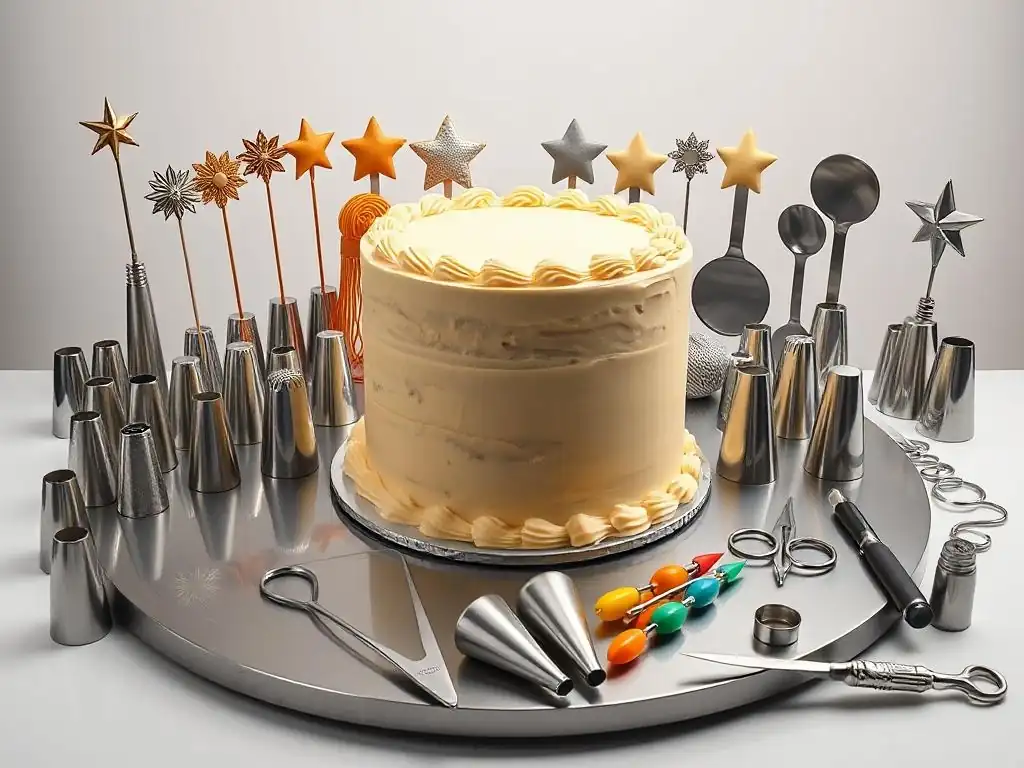
Piping Bags: The Foundation for Precision
Piping bags are the vessel that holds the icing and directs it through the cake decorating piping tips. They are fundamental tools for any kind of piped decoration. There are several types available, each with its own advantages.
Disposable plastic bags are convenient for quick clean-up and are ideal when using multiple colors of icing, as you can simply discard them when finished. Reusable bags, made from materials like silicone or coated canvas, are more environmentally friendly and durable for long-term use. Silicone bags are flexible and easy to clean, while canvas bags are sturdy and can handle stiff icing well.
Choosing the right size of piping bag is also important. Smaller bags are great for detailed work with small amounts of icing, offering more control. Larger bags can hold more icing, which is useful for covering larger areas or piping many cupcakes, reducing the need for frequent refills. Whichever type you choose, ensuring the bag is strong enough for the consistency of your icing and is used correctly (e.g., not overfilled) will make the process of using your cake decorating piping tips much smoother and more efficient.
Couplers: Switching Tips with Ease
Couplers are ingenious two-part tools that simplify the process of changing cake decorating piping tips while using the same color and bag of icing. The base of the coupler is dropped into the piping bag before adding icing, and the bag's tip is snipped just enough for the coupler base to fit through but not fall out.
The piping tip is then placed over the outside of the coupler base, and a ring screws onto the base from the outside of the bag, securing the tip. This allows you to quickly unscrew the ring, swap the tip, and screw the ring back on without emptying or changing the bag.
Using couplers with your cake decorating piping tips is a significant time-saver, especially when you need to use several different tips with the same color icing for various details on a single cake. For example, you might use a round tip for outlining, switch to a star tip for borders, and then to a petal tip for details, all with the same bag of buttercream.
They are particularly useful when working with standard-sized tips. While large tips often don't fit standard couplers and are used by cutting a larger hole in the bag, couplers are invaluable for maximizing efficiency with a wide range of standard cake decorating piping tips.
Icing Smoothers: Achieving a Flawless Canvas
While not directly involved in piping, icing smoothers are an indispensable tool for preparing the surface of your cake before you begin applying designs with cake decorating piping tips. An icing smoother, typically a flat tool made of plastic or metal, is used to create perfectly smooth and even layers of buttercream or ganache on the sides and top of a cake. A smooth canvas is essential because any imperfections in the base layer will be visible beneath your piped decorations, detracting from the overall appearance.
Using an icing smoother requires applying even pressure while rotating the cake on a turntable. Different smoothers have different edge profiles – some are perfectly straight, while others might have angled or serrated edges for creating specific textures (though the primary use is for smooth finishes). Achieving sharp edges and flat surfaces with a smoother provides a professional foundation that makes your piped lines, stars, and flowers pop. It's the unsung hero that ensures the beautiful work you do with your cake decorating piping tips is showcased on a pristine surface.
Mastering the Art of Piping: Tips and Techniques for BakeWithEase Users
Preparing Your Piping Bag: A Step-by-Step Guide
Properly preparing your piping bag is the first step to successful piping with your cake decorating piping tips. If using a reusable bag, ensure it is clean and dry. If using a disposable bag, select the appropriate size. If you are using a coupler, drop the coupler base into the bag and push it down towards the narrow end.
Mark where the bottom of the coupler base meets the bag's tip, then remove the coupler and snip the bag just below that mark. This ensures the coupler base fits snugly without falling out. If not using a coupler, insert the tip you plan to use into the bag and snip the bag just enough so the tip's opening is exposed but the base is still held securely by the bag.
Once the bag is ready, fold the top edge down to create a cuff. This makes it easier to fill the bag cleanly without getting icing all over the outside. Use a spatula or spoon to fill the bag with your prepared icing. A good rule of thumb is to fill the bag about two-thirds full. Overfilling makes the bag difficult to handle and control.
Once filled, unfold the cuff and gently push the icing down towards the tip, squeezing out any air bubbles. Twist the top of the bag closed just above the icing level. This twisted end is where you will apply pressure while piping. Your bag is now ready to be fitted with your chosen cake decorating piping tips (if using a coupler) or is already set up for piping.
Perfecting Your Piping Technique: Pressure and Consistency
Mastering piping with cake decorating piping tips relies heavily on controlling pressure and ensuring your icing has the right consistency. Consistent pressure is key to creating uniform lines, dots, and shapes. Practice applying steady pressure to the twisted end of the bag. For thicker lines or larger shapes, apply more pressure; for finer details, use less pressure. Experiment on a piece of parchment paper first to get a feel for how much pressure is needed for different effects with different tips.
The consistency of your icing is equally critical. Icing that is too stiff will be difficult to pipe smoothly and can strain your hands; it might also break or tear as it comes out of the tip. Icing that is too soft will lose its shape easily, resulting in messy or undefined patterns.
Buttercream should generally be the consistency of softened ice cream – smooth, spreadable, but able to hold a peak. Royal icing needs to be adjusted for different tasks, from a stiff consistency for piping details to a runnier consistency for flooding areas. Adjusting icing consistency with small amounts of liquid (like milk or water) or powdered sugar is a vital skill for using your cake decorating piping tips effectively.
Cleaning and Storing Your Piping Tips: Maintaining Quality
Proper cleaning and storage of your cake decorating piping tips are essential to keep them in good condition and ready for your next baking project. Immediately after use, rinse the tips under warm water to remove as much icing as possible. For thorough cleaning, especially with tips that have intricate openings (like star or grass tips), use a small brush (a clean toothbrush or a specialized tip brush works well) to scrub inside the crevices. Wash them in warm, soapy water, rinse thoroughly, and dry them completely to prevent rust, particularly with stainless steel tips.
Storing your cake decorating piping tips properly prevents them from getting lost, damaged, or mixed up. Many tips come in small plastic cases or sets with designated slots for each tip. Alternatively, you can store them in small containers, tackle boxes, or even dedicated tip organizers. Keeping them organized not only makes it easier to find the tip you need quickly but also protects them from getting bent or scratched, ensuring they maintain their precise shape for beautiful piping results every time. Proper care extends the life of your essential cake decorating piping tips.
Where to Buy the Best Cake Decorating Piping Tips
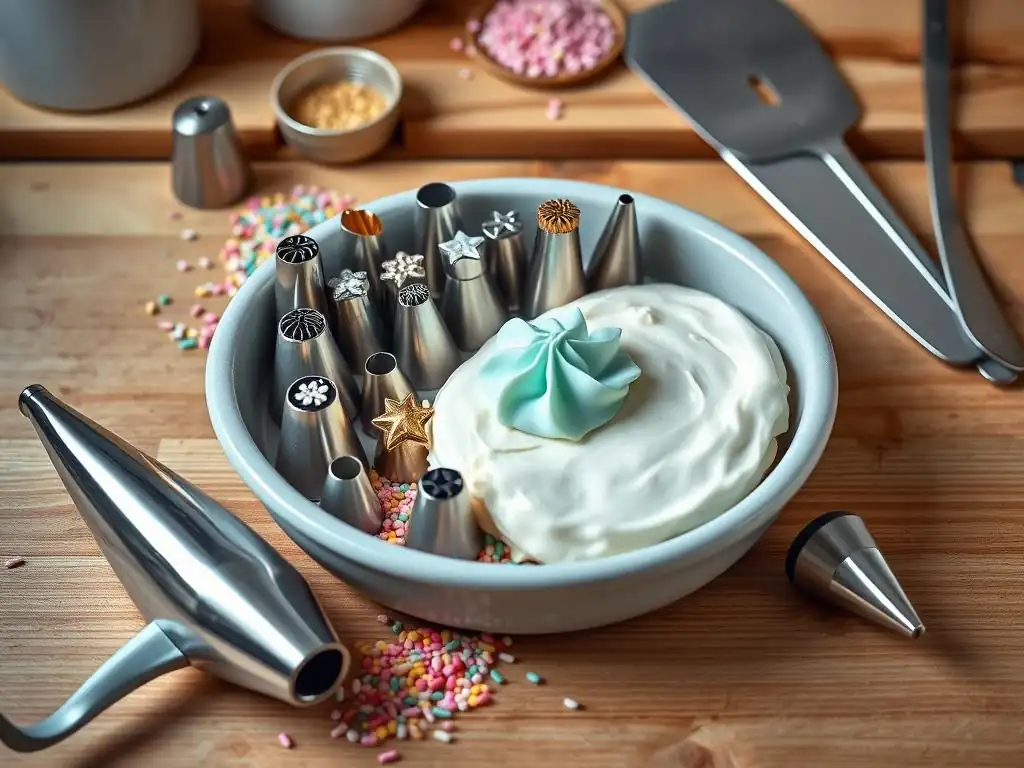
Online Retailers: Convenience at Your Fingertips
Purchasing cake decorating piping tips from online retailers offers unparalleled convenience and access to a vast selection. Websites like Amazon, Wilton.com, Ateco.com, and specialty baking supply stores online provide extensive catalogs featuring individual tips, large sets, and tips from various brands. You can easily compare prices, read customer reviews to gauge quality and performance, and often find obscure or specialty tips that might not be available locally. Many online stores also offer detailed product descriptions and guides on how to use their cake decorating piping tips.
The ease of shopping from home, having products delivered directly to your door, and the sheer variety available make online retailers a popular choice for both beginner and experienced bakers. While you miss the opportunity to physically inspect the tips, relying on reputable brands and reading reviews can help ensure you purchase high-quality cake decorating piping tips that meet your needs. Look for sets that offer a good range of basic shapes and sizes if you're starting out, or individual tips to fill gaps in your existing collection.
Local Baking Supply Stores: Expert Advice and Hands-On Experience
Visiting local baking supply stores provides a different, yet valuable, shopping experience for cake decorating piping tips. These stores often carry a curated selection of popular and professional-grade tips and sets. The key advantage is the ability to see the tips in person, feel their weight, and get a better sense of their size and quality before purchasing. You can inspect the precision of the tip opening and the durability of the material firsthand.
Furthermore, local baking supply stores often employ knowledgeable staff who are experienced bakers themselves. They can offer personalized advice based on your skill level and the types of decorations you want to create. They can help you choose the right cake decorating piping tips for specific techniques, recommend compatible bags and couplers, and even offer troubleshooting tips. While the selection might be smaller than online, the ability to get expert guidance and physically interact with the products makes local stores an excellent option, especially if you're new to piping or looking for specific recommendations.
Conclusion: Unleash Your Creativity with the Right Cake Decorating Piping Tips
Frequently Asked Questions
What are the essential cake decorating piping tips for beginners?
Beginners should start with a round tip for lines and dots, a star tip for borders and rosettes, and a leaf tip for creating realistic foliage. These are the most versatile and easiest to control.
How do I choose the right size piping tip for my cake design?
The size of the piping tip depends on the desired effect. Smaller tips are ideal for intricate details, while larger tips create bold, statement designs. Consider the overall scale of your cake.
What material are cake decorating piping tips typically made of?
Piping tips are commonly made from either stainless steel or plastic. Stainless steel is more durable and resistant to rust, while plastic is often more affordable.
How do I clean and maintain my cake decorating piping tips?
Clean piping tips immediately after use with warm, soapy water and a small brush. Ensure they are completely dry before storing them in an airtight container to prevent rust or damage.
What are some advanced piping techniques I can learn after mastering the basics?
Once comfortable with basic tips, explore techniques like stringwork, basketweave, and creating sugar flowers. These require practice and a good understanding of icing consistency.
Final Reflection: Mastering the Art of Piping, One Exquisite Design at a Time
The pursuit of piping perfection isn't just about creating visually stunning cakes; it's about expressing creativity, celebrating moments, and connecting with others through the artistry of food. In today's world, where personalized experiences are highly valued, the ability to craft a unique and beautiful cake using various piping techniques remains incredibly relevant, offering a tangible way to make a lasting impression. The demand for beautifully decorated cakes continues to grow, making the skills discussed in this article more valuable than ever.
The journey of learning cake decorating, for me, has been one of continuous discovery and self-expression. It's a testament to the power of patience, practice, and the joy of seeing a vision come to life through careful manipulation of frosting and a simple piping tip. The best things in life are homemade.
This sentiment rings especially true when considering the personal touch and emotional connection that a beautifully piped cake can bring to any occasion. The impact extends beyond the visual appeal; it's about the memories created and the shared experience of enjoying something truly special.
Now, it's your turn to embark on your own piping adventure. Don't be afraid to experiment with different techniques, nozzles, and frostings. Embrace the learning process, celebrate your successes, and learn from your "mistakes"—they are often the stepping stones to greater creativity. Remember, the most important tool in your cake decorating arsenal isn't a specific piping tip, but your own passion and dedication to mastering this delightful art. So, gather your supplies, let your imagination run wild, and create cakes that not only look stunning but also tell a story.
Unleash Your Inner Cake Artist!
Thanks for joining us on this piping adventure! We hope you've gained valuable insights into creating stunning cake designs. Ready to transform your baking skills?
- Master a new piping technique: Choose your favorite tip from the article and practice creating different designs. Challenge yourself to recreate a specific element from the examples shown!
- Share your creations: Show us your piping masterpieces on social media using #BakeWithEasePiping. We'd love to see your progress!
- Explore our cake decorating resources: Delve deeper into the world of cake decorating by browsing our collection of tutorials and recipes on BakeWithEase.com (link omitted as per instructions).
What incredible cake design will you create next?