
Farmers Market Mastery: Marketing Your Booth for Maximum Sales

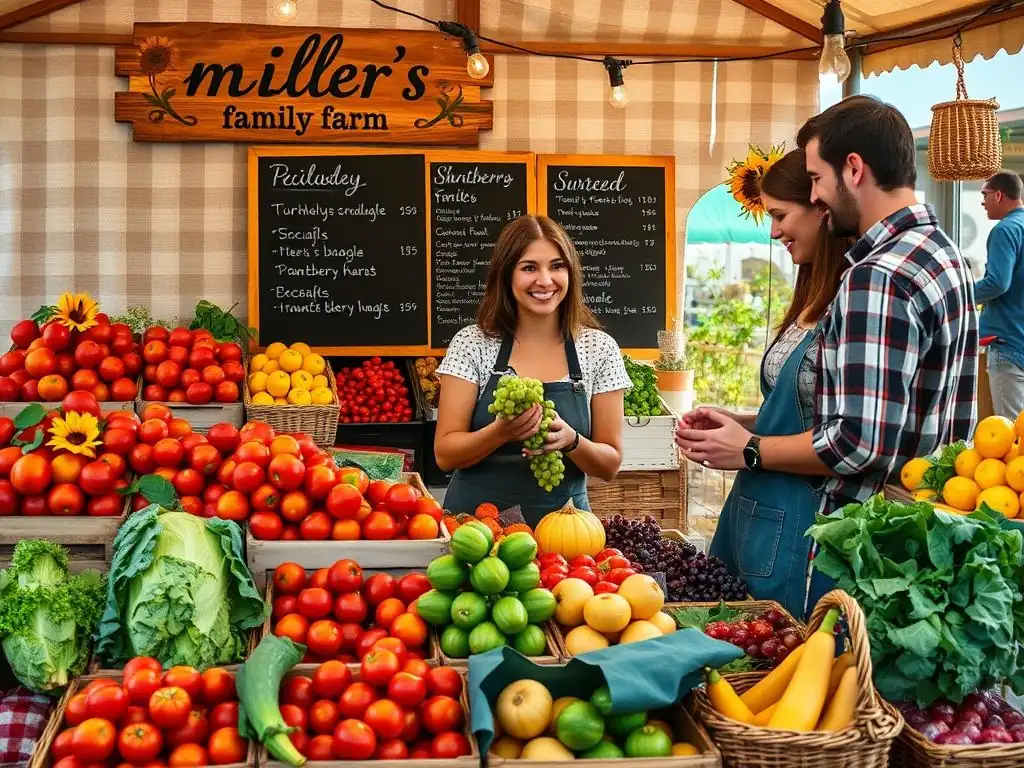
Welcome to BakeWithEase, your ultimate guide to baking brilliance! Ever dreamt of sharing your delicious creations beyond your kitchen? This week, we're diving into the secrets of success with " Farmers Market Booth Marketing Tips." Discover how to transform your passion into profit, attracting customers and maximizing sales at your local market. Ready to turn your baking dreams into a thriving reality? Keep reading to unlock the keys to farmers market mastery!
- Direct-to-Consumer Farm Sales: Marketing Your Stand for Maximum Profit
- Introduction: Succeeding in Direct Farm Sales with Effective Marketing
-
Essential Farm Stand Marketing Tips
- 1. Creating an Appealing Display: Attracting Customers Visually
- 2. Product Sampling: Encouraging Purchases Through Taste
- 3. Customer Engagement: Building Relationships and Fostering Loyalty
- 4. Pricing Strategies for Profitability: Balancing Value and Cost
- 5. Pre-Season Promotion: Generating Excitement and Awareness
- 6. Loyalty Programs and Incentives: Rewarding Repeat Customers
- Local Partnerships for Marketing Expansion
- Post-Season Analysis: Measuring Success and Refining Strategies
- Conclusion: Mastering Farm Stand Marketing for a Thriving Business
-
Frequently Asked Questions
- What are some essential first steps in preparing my BakeWithEase booth for a farmer's market?
- How can I effectively showcase my baked goods at a farmer's market booth?
- What are some proven strategies for attracting customers to my BakeWithEase booth at a busy farmer's market?
- How important is social media marketing in promoting my BakeWithEase farmer's market presence?
- What are some effective ways to build relationships with customers at the farmer's market to ensure repeat business?
- Final Reflection: Harvesting Success: The Enduring Power of Farmers Market Marketing
- Unlock Your Market's Potential: Boost Your Farmers' Market Sales!
Direct-to-Consumer Farm Sales: Marketing Your Stand for Maximum Profit
Introduction: Succeeding in Direct Farm Sales with Effective Marketing
Selling directly to consumers at farmers markets offers a unique opportunity for producers to connect with their customers and build a thriving business. Unlike selling wholesale, direct sales allow you to receive the full retail price for your goods, significantly impacting your overall profitability. This model also fosters a deeper understanding of consumer preferences, allowing you to tailor your offerings and improve your products based on real-time feedback. Mastering direct-to-consumer sales requires more than just great products; it demands strategic marketing to stand out in a busy market environment.
Effective marketing at a farmers market involves a blend of visual appeal, personal interaction, and smart business practices. It's about creating an experience that draws customers in, encourages them to purchase, and motivates them to return week after week. Implementing solid farmers market booth marketing tips can transform your stand from just another vendor into a destination for shoppers. By focusing on key areas like booth presentation, product sampling, and customer engagement, you can significantly boost your sales and cultivate a loyal customer base, ensuring the long-term success of your direct sales efforts.
Why Direct Sales are Beneficial for Farms
Direct sales offer significant advantages for agricultural producers, extending far beyond just financial gains. By cutting out intermediaries, farms can capture a larger portion of the consumer dollar, which can be crucial for financial sustainability, especially for smaller operations. For instance, while a farmer might receive only a fraction of the retail price for a pound of produce sold wholesale, selling that same pound directly at a market could yield the full retail value, potentially doubling or tripling the revenue per unit. This direct financial return provides more capital for farm improvements, labor costs, or expansion.
Furthermore, direct sales provide invaluable market intelligence. Regular interaction with customers offers immediate feedback on product quality, variety preferences, and pricing perceptions. This feedback loop is incredibly powerful; a study by Michigan State University Extension noted that farmers who regularly interact with customers can better anticipate demand and adapt their production plans, leading to reduced waste and increased efficiency.
Direct sales also build brand loyalty and recognition. Customers who know the farmer behind their food are often willing to pay a premium and become strong advocates for the farm, sharing their positive experiences with friends and family, which is a powerful form of organic marketing.
Knowing Your Customer Base: Understanding Your Target Audience
Understanding who your typical farmers market customer is is fundamental to effective marketing. While farmers markets attract a broad demographic, regular patrons often share certain characteristics. They are typically individuals or families who prioritize fresh, local, and often organic products. They are interested in the story behind their food, value quality and seasonality, and are often willing to spend more for products they perceive as healthier or more ethically sourced. Knowing these preferences allows you to tailor your product selection, pricing, and marketing messages to resonate specifically with them.
Conducting simple observations and conversations at your booth can provide significant insights into your target audience. Pay attention to who is stopping at your booth, what questions they ask, and what products they seem most interested in. Are they primarily young families looking for healthy snacks for children? Are they health-conscious individuals seeking specific nutritional benefits?
Are they food enthusiasts looking for unique or heirloom varieties? Gathering this information, perhaps through casual conversation or even a simple, brief survey (like asking how they plan to use a product), helps you refine your farmers market booth marketing tips and strategies. For example, if you notice a strong interest in quick meal solutions, you might highlight products that are easy to prepare or offer recipe suggestions.
Essential Farm Stand Marketing Tips
1. Creating an Appealing Display: Attracting Customers Visually
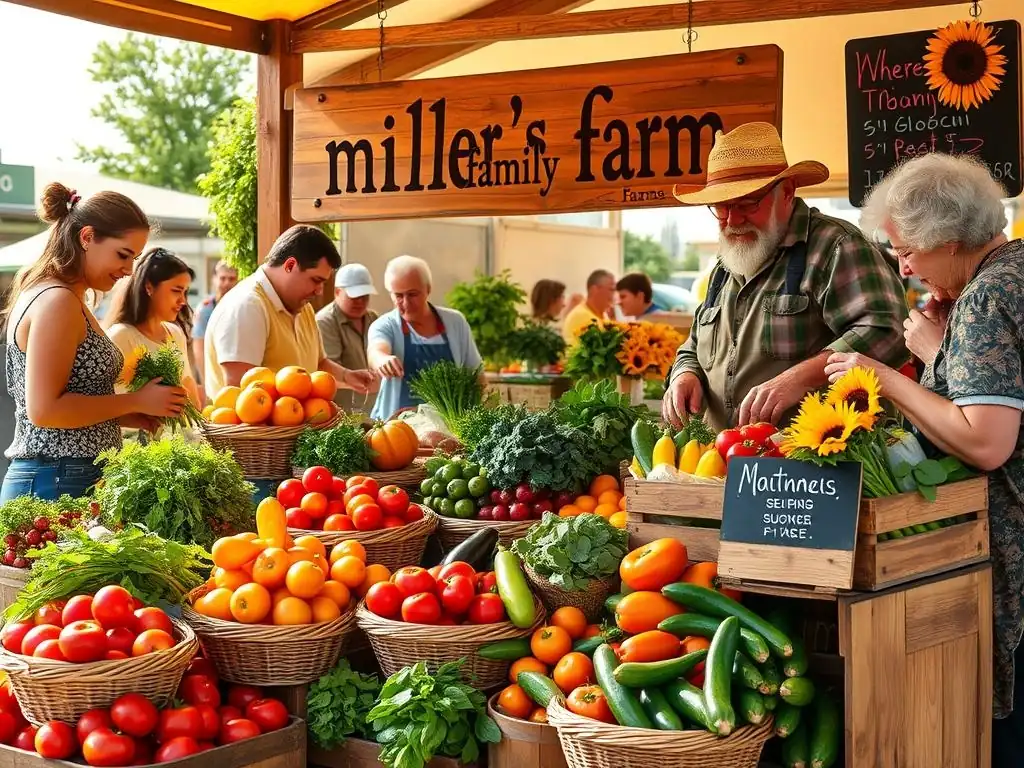
Your booth display is the first impression customers have of your business, and a visually appealing setup can significantly impact traffic and sales. Think of your booth as a storefront; it needs to be inviting, organized, and reflective of the quality of your products. A well-designed display not only attracts attention but also makes it easy for customers to browse and select items. Effective farmers market booth marketing tips often start with optimizing this physical space to draw the eye from across the market aisle and entice potential buyers to stop and explore your offerings.
Studies suggest that customers spend only a few seconds scanning booths as they walk by. This means your display needs to be impactful and communicate what you offer almost instantly. Use varying heights to add visual interest – crates, baskets, or tiered stands can elevate products and create dynamic layers. Keep your display clean, tidy, and well-stocked throughout the market day. Rotate products to keep the display fresh and appealing, and ensure prices are clearly visible. A vibrant, abundant display signals freshness and quality, encouraging customers to linger and make purchases.
Strategic Arrangement: Showcasing Your Produce and Products
The way you arrange your produce and other products can subtly guide customer flow and highlight key items. Group similar items together – all types of berries in one section, leafy greens in another, or baked goods displayed prominently near the front. Place high-value or most visually appealing items at eye level or towards the front of the booth to grab attention.
For instance, showcasing colorful heirloom tomatoes or beautifully decorated pastries where they are easily seen can draw customers in. Consider the flow of traffic at the market and arrange your booth so customers can easily enter, browse, and exit without feeling crowded.
Using appropriate containers also enhances presentation. Woven baskets, wooden crates, or clean, simple bins can make products look more appealing than plastic containers. Ensure products are clean and presented attractively. For baked goods, clear packaging that shows off the product is essential. Arrange items neatly, avoiding overwhelming piles that might look messy. For example, instead of dumping all your apples into one large bin, arrange them in smaller baskets or rows. This makes it easier for customers to select and handle the product and adds a sense of care and quality to your presentation.
Effective Signage: Communicating Your Brand and Product Information
Clear, attractive signage is a critical component of effective farmers market booth marketing tips. Your signs should be easy to read from a distance and quickly communicate essential information: your farm or business name, what you sell, and pricing. Consider using a consistent style that reflects your brand – whether rustic, modern, or playful. Large, bold signs announcing your main products (e.g., "Fresh Baked Sourdough," "Organic Blueberries," "Heirloom Tomatoes") can attract customers looking for specific items.
Beyond basic identification and pricing, use signage to provide valuable information that enhances the customer's shopping experience. Include signs detailing specific varieties, indicating whether products are organic or conventionally grown, or highlighting unique characteristics (e.g., "Sweet Corn picked this morning," "Our Famous Apple Pie," "Spicy Arugula"). You could also use small signs with brief descriptions or suggested uses.
For instance, a sign next to kale might say "Great for smoothies or sautéing!" This type of informative signage helps customers make purchasing decisions and demonstrates your knowledge and passion for your products. Clear, legible pricing is non-negotiable; confusion about price can deter potential buyers.
2. Product Sampling: Encouraging Purchases Through Taste
Offering samples is one of the most effective ways to convert curious browsers into paying customers. Taste is a powerful sense, and allowing shoppers to sample your products can directly influence their decision to buy. This is particularly true for items like baked goods, jams, cheeses, or seasonal produce where flavor is a primary selling point. Sampling provides a low-commitment way for customers to experience the quality of your offerings firsthand, building confidence in their purchase.
Data consistently shows that sampling can significantly boost sales of the featured product. Some studies indicate that sampling can increase sales of a specific item by as much as 50%. It's not just about giving away free food; it's a strategic marketing tool that engages multiple senses and creates a positive interaction. A positive sampling experience can lead to an immediate sale and also encourages repeat business as customers remember the delicious taste and associate it with your stand. It's a tangible demonstration of the quality you promise.
Sample Selection: Choosing the Right Products to Showcase
Choosing which products to sample is a strategic decision. Focus on items that are particularly flavorful, unique, or that you are trying to promote. Seasonal highlights are often great candidates – the first ripe strawberries of the season, a new type of cookie, or a unique blend of herbs. Consider sampling products that might be unfamiliar to customers, allowing them to try something new without risk. For example, if you grow an unusual variety of apple, offering samples is a perfect way to introduce it.
Ensure the samples represent the quality of the full-sized product. Samples should be small, easy to consume, and presented appealingly. Prepare samples hygienically and in bite-sized portions. If sampling multiple items, clearly label each sample so customers know exactly what they are tasting. Don't be afraid to talk about the product as customers sample it – share a quick fact about how it's grown, an ingredient highlight, or a serving suggestion. This interaction enhances the sampling experience and provides an opportunity for conversation.
Safe and Hygienic Sampling Practices
Maintaining strict hygiene standards is paramount when offering samples. Customers need to feel confident that the food they are tasting is safe. Always follow local health regulations regarding food sampling. This typically includes requirements for handwashing facilities or sanitizers, using gloves or utensils to distribute samples, and protecting samples from contamination (e.g., with covers or sneeze guards).
Provide toothpicks, small cups, or napkins for samples to avoid direct contact. Ensure that sampling areas are kept clean and tidy throughout the day. Dispose of waste properly and frequently. Having hand sanitizer readily available for both staff and customers is a good practice. Clearly communicate your hygiene practices if possible, or simply demonstrate them through your actions – customers notice cleanliness. Prioritizing safe and hygienic sampling builds trust and professionalism, reinforcing your commitment to quality in all aspects of your business.
3. Customer Engagement: Building Relationships and Fostering Loyalty
Beyond the transaction, building relationships with your customers is a cornerstone of successful farmers market sales. People come to farmers markets for the personal connection and the opportunity to talk to the people who produced their food. Engaging with customers goes beyond a simple "hello"; it involves creating a friendly, welcoming atmosphere and interacting in a way that makes them feel valued. This personal touch is a key differentiator for direct sales and a powerful farmers market booth marketing tip.
Regular customers are the backbone of many successful market businesses. They provide consistent sales, spread positive word-of-mouth, and offer valuable feedback. Investing time and effort in building rapport pays dividends in loyalty. Remember returning customers' faces, ask about their week, or recall a previous conversation about how they used a product they bought from you. This level of personal recognition makes customers feel appreciated and encourages them to return to your stand specifically, even if similar products are available elsewhere.
Sharing Your Farm's Story: Connecting with Customers
Customers at farmers markets are often interested in the origin of their food. Sharing your farm's story creates an emotional connection and builds trust. Talk about your growing practices, your philosophy, the challenges you face, or what makes your products unique. For a bakery, this might involve talking about using locally sourced ingredients, the art of sourdough fermentation, or a family recipe. Have photos of your farm, fields, or kitchen handy to show customers.
This narrative isn't just interesting; it justifies your pricing and highlights the value you provide. When customers understand the care, effort, and perhaps unique methods that go into producing your goods, they are often more willing to pay a premium. A brief, authentic story about a particular crop, a special ingredient, or the history of your business can resonate deeply and make your stand memorable. For example, explaining that your eggs come from free-range chickens that forage on pasture, or that your bread is made with flour from a specific local mill, adds significant value in the customer's mind.
Gathering Customer Feedback: Improving Your Offerings
Your customers are a valuable source of information about what's working and what could be improved. Actively solicit feedback on your products, pricing, and market experience. Ask customers what they liked, what they didn't like, what they are looking for that you don't currently offer, or how they think your display could be better. This feedback is crucial for refining your product mix, identifying new opportunities, and addressing any issues before they become major problems.
You can gather feedback informally through conversations or more formally through simple surveys (either paper-based at the booth or digital after the market). Pay attention to recurring comments or suggestions. Did multiple people ask for a specific type of baked good you don't make? Are customers confused about how to use a certain vegetable? Use this information to make informed decisions about what to grow, what to bake, or how to present your items. Showing customers that you listen to their input reinforces their value and strengthens their loyalty.
4. Pricing Strategies for Profitability: Balancing Value and Cost
Setting the right prices is a critical aspect of farmers market booth marketing tips. Your prices need to cover your costs (including labor, supplies, market fees, etc.) and provide a reasonable profit margin, while also being perceived as fair by your customers. Unlike retail stores, farmers market pricing often reflects the premium nature of fresh, local, and often artisan products. It's a balance between covering your expenses and demonstrating the value you provide.
Avoid the temptation to simply match the lowest price at the market. Your products likely have unique qualities – freshness, flavor, origin, production methods – that justify a higher price point compared to supermarket alternatives. Customers at farmers markets expect to pay a bit more for these benefits. Focus on communicating the value of your products to support your pricing strategy. Be transparent about your costs if asked, or simply highlight the quality and freshness.
Value-Based Pricing: Reflecting Quality and Local Sourcing
Value-based pricing means setting prices based on the perceived value of your product to the customer, rather than solely on your production costs. At a farmers market, this value is derived from factors like freshness (often picked the same day), quality (superior taste or appearance), production methods (organic, pastured, handmade), and the local connection. Customers are often willing to pay a premium for these attributes. For example, artisanal bread made with local organic flour and a long fermentation process commands a higher price than mass-produced bread.
To implement value-based pricing, understand what aspects of your product your customers value most. Is it the peak ripeness of your fruit? The unique flavor of your heritage vegetables? The specific ingredients in your baked goods? Highlight these features in your signage and conversations. Your price should reflect the quality, care, and unique benefits your products offer. Research suggests that consumers are willing to pay 10-30% more for locally sourced or artisanal products, provided the quality and story are compelling.
Market Analysis: Considering Local Competition and Demand
While value is key, you also need to be aware of the market context. Conduct a simple market analysis by observing your competitors' pricing for similar products. This doesn't mean you should price exactly the same, but it gives you a benchmark and helps you understand the price range customers expect for certain items. Are you significantly higher or lower than everyone else? If your prices are higher, be prepared to explain the added value.
Consider the demand for your products. If you consistently sell out of a specific item early in the day, it might indicate that demand exceeds supply at your current price, suggesting you could potentially increase the price slightly. Conversely, if an item isn't selling well, evaluate if the price is a barrier or if there are other issues (display, quality, etc.).
Pricing can also be dynamic based on seasonality and availability; the first of the season's produce often commands a higher price than the peak season abundance. Regularly reviewing your prices against market conditions and sales performance is a smart business practice.
5. Pre-Season Promotion: Generating Excitement and Awareness
Marketing your farmers market booth shouldn't start on opening day. Building anticipation before the season begins, or before a specific market event, can drive initial traffic to your stand. Pre-season promotion generates excitement, reminds past customers you'll be back, and informs potential new customers about your location and offerings. Effective farmers market booth marketing tips leverage multiple channels to spread the word before the first market bell rings.
Think about your marketing efforts as a marathon, not a sprint. Consistent communication leading up to and throughout the season keeps your business top-of-mind for consumers. Announcing your return to the market, highlighting which products will be available early in the season, or teasing new additions can build significant buzz. This is especially important if you are at a market with many vendors; pre-season promotion helps you cut through the noise and get on shoppers' radar before they even arrive.
Social Media Campaigns: Announcing Products and Location
Social media platforms are powerful tools for pre-season promotion. Use platforms like Instagram, Facebook, or Twitter to announce your return to the farmers market, list the specific market dates and times you'll be there, and showcase photos of your farm, products, or preparations for the season. Post pictures of seedlings, early harvest, baking process, or behind-the-scenes glimpses to build connection.
Create posts highlighting which products will be available at the first market. For example, "Get ready! Our first batch of spring greens will be at the market this Saturday!" or "Our famous blueberry muffins are back next week!" Use relevant hashtags like #farmersmarket #localfood # [YourCity]farmersmarket #supportlocal # [YourFarmOrBusinessName]. Encourage followers to share your posts to expand your reach. Running a small contest or giveaway before the season starts can also generate significant engagement and awareness.
Email List Engagement: Keeping Customers Informed
An email list is a direct line of communication to your most loyal customers. If you've collected email addresses from previous seasons (with customer permission! ), use this list to announce your return to the market. Send out a newsletter detailing your market schedule, the products you plan to have available early in the season, and any changes or new offerings.
Email marketing allows for more detailed communication than social media. You can share longer stories about your farm, provide recipes using your early-season products, or offer special incentives for subscribers. Remind them why they love your products and why they should visit your booth specifically. A well-timed email the week before the market opens can significantly boost traffic on the first day. Consistent communication via email throughout the season also helps maintain engagement and reminds customers to visit your stand regularly.
6. Loyalty Programs and Incentives: Rewarding Repeat Customers
Rewarding customer loyalty is a proven strategy for encouraging repeat business. Implementing a simple loyalty program or offering periodic incentives can significantly boost sales over the season. Customers appreciate being recognized for their continued patronage, and a reward system provides an extra motivation for them to choose your stand over others. These programs are key farmers market booth marketing tips for building a stable customer base.
Loyalty programs foster a sense of community and appreciation. When customers feel valued, they are more likely to become regular visitors and advocates for your business. The cost of retaining an existing customer is generally much lower than the cost of acquiring a new one, making loyalty initiatives a very cost-effective marketing strategy. They also provide valuable data on customer purchasing habits, which can inform future marketing and product decisions.
Reward Systems: Encouraging Continued Patronage
Simple reward systems work well at farmers markets. A common approach is a punch card: "Buy 9 items (or spend $X), get the 10th item (or $Y off) free." Keep the system easy for both you and the customer to track. Another option is a tiered system where customers receive increasing benefits based on their total spending over the season. For example, after spending $100, they get a small discount on future purchases, and after $250, they receive a free product.
Consider digital loyalty programs if appropriate for your market and tech-savviness of your customers, but physical cards are often preferred for their simplicity at a busy market booth. Clearly communicate the rules of the program and make it easy for customers to sign up and participate. Promote your loyalty program prominently at your booth and on your marketing materials. Encourage staff to mention it to every customer.
Seasonal Promotions: Attracting New Customers and Increasing Sales
In addition to ongoing loyalty programs, seasonal promotions can create urgency and attract both new and returning customers. Tie promotions to seasonal availability or holidays. Examples include:
- "First 20 customers get a free bunch of herbs!"
- "Buy 2 pies, get a dozen cookies half price this week!"
- "Special discount on bulk purchases of canning tomatoes."
- "Mention this Facebook post for 10% off your purchase."
These promotions can be announced via social media, email, or signs at your booth. They provide a compelling reason for customers to visit your stand on a specific market day. Promotions can also help move excess inventory or introduce customers to new products. Be creative with your promotions, but ensure they align with your overall profitability goals.
Local Partnerships for Marketing Expansion
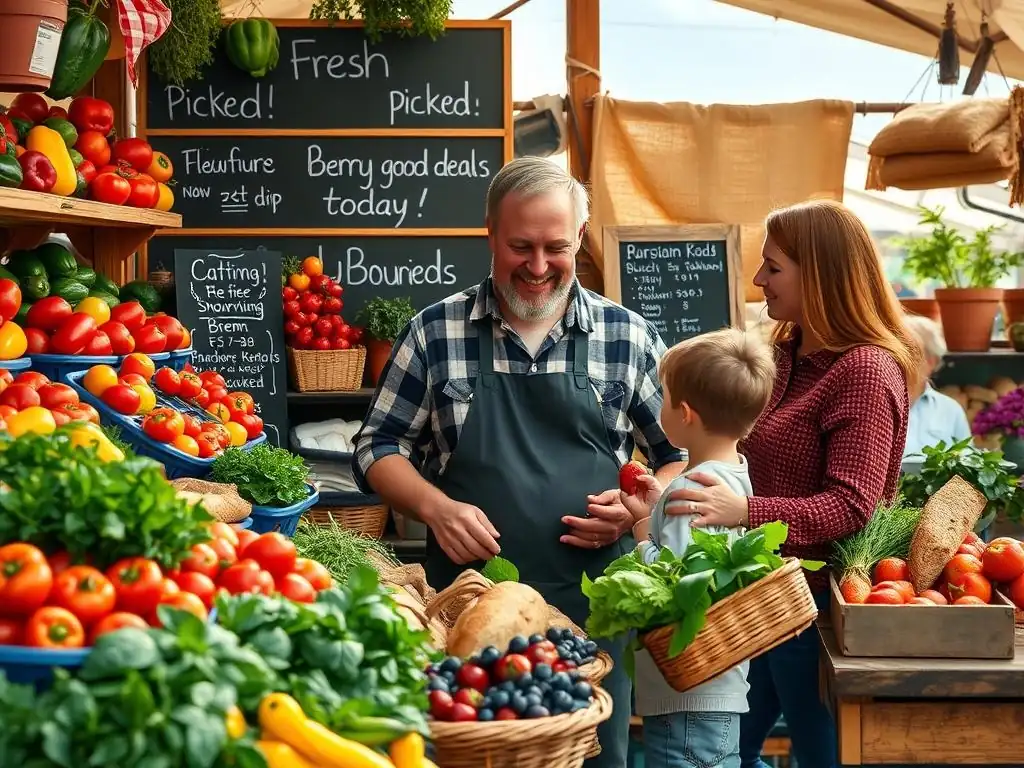
Collaborating with other local businesses, particularly other vendors at the farmers market or complementary businesses in your community, can significantly expand your marketing reach and visibility without requiring a large budget. Partnerships allow you to tap into existing customer bases and cross-promote your offerings. This is a smart way to leverage the collective strength of the local business community and enhance your farmers market booth marketing tips.
Local partnerships build goodwill and strengthen the overall local economy. By working together, businesses can create synergy that benefits everyone involved. These collaborations can range from simple cross-promotion to more integrated joint ventures, offering creative ways to reach new customers and add value for existing ones.
Vendor Collaboration: Cross-Promotional Opportunities
Working with other vendors at the farmers market is a natural partnership opportunity. For example, if you sell baked goods, partner with a coffee vendor to offer a "coffee and pastry" deal, or collaborate with a fruit vendor to promote recipes using their fruit and your baked goods. A vegetable vendor could partner with a cheese vendor, or a meat producer with a spice vendor.
Cross-promotion can be as simple as:
- Referring customers to each other's booths ("These berries would be perfect in a pie from our friends at [Bakery Name]! ").
- Displaying each other's flyers or business cards.
- Running joint social media campaigns or giveaways.
- Creating bundled offers (e.g., a "soup kit" with vegetables from one vendor and bread from another).
This type of collaboration introduces your business to customers who might not otherwise visit your stand.
Business Partnerships: Expanding Your Reach and Visibility
Look beyond the farmers market for potential partnerships. Are there local restaurants, cafes, or specialty food stores that source ingredients locally? Partnering with them to supply products or co-host events can expose your business to a wider audience. For instance, a local restaurant could feature your produce on their menu and mention your farm, or a local bakery could use your fruit in their pies and give you a shout-out.
Consider partnerships with non-food businesses that share a similar customer base, such as local garden centers, health and wellness studios, or even community centers. You could offer a workshop on preserving produce or baking with seasonal fruits in conjunction with a local community group. These partnerships expand your brand visibility beyond the market day and position your business as an integral part of the local community.
Post-Season Analysis: Measuring Success and Refining Strategies
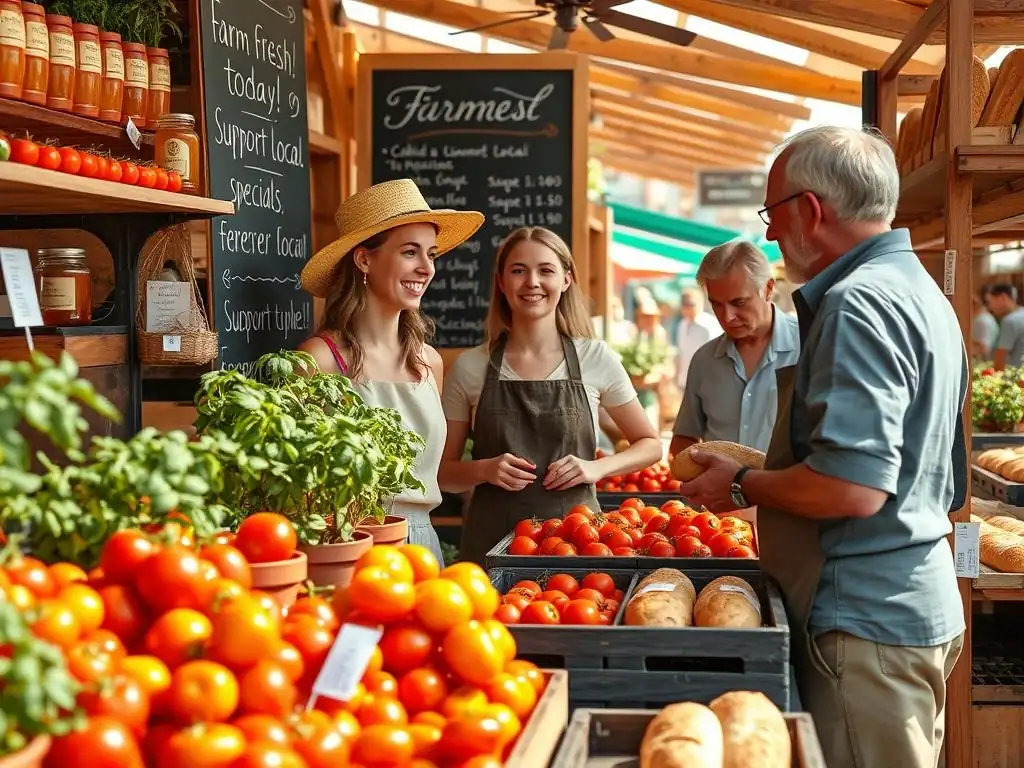
Marketing doesn't end when the market season closes. The off-season is the perfect time to analyze your performance, evaluate what worked and what didn't, and plan improvements for the following year. Conducting a thorough post-season analysis is crucial for refining your farmers market booth marketing tips and strategies and ensuring continuous growth and profitability.
Analyzing data and gathering feedback allows you to make informed decisions based on real performance metrics, rather than just intuition. This process helps you identify your most profitable products, understand customer preferences, evaluate the effectiveness of your marketing efforts, and pinpoint areas for improvement. It's an essential step in turning a seasonal market presence into a sustainable, thriving business.
Data Tracking: Analyzing Sales and Customer Preferences
Throughout the market season, implement a system for tracking sales data. This could be a simple spreadsheet, a point-of-sale (POS) system, or even detailed notes. Track sales by product, by market day, and if possible, by customer type or transaction size. Key metrics to analyze include:
- Total sales revenue
- Sales volume per product
- Average transaction value
- Sales trends over the season (e.g., which products sell best when)
- Performance on different market days or locations (if applicable)
Analyzing this data helps you understand which products are your top sellers and most profitable, which items might need better marketing or pricing adjustments, and how overall sales trend throughout the season. For example, you might discover that while berries are popular, your prepared foods have a higher profit margin, suggesting you should focus more marketing effort there. Or you might find that your mid-season sales dip, indicating a need for promotions during that time next year.
Customer Surveys: Improving Products and Services
Beyond sales data, qualitative feedback from customers is invaluable. During the season, or shortly after it ends, conduct customer surveys to gather more in-depth insights. Keep surveys relatively short and easy to complete. Ask questions about:
- Product satisfaction (quality, variety)
- Pricing perception
- Overall market experience
- Suggestions for new products or improvements
- How they heard about your stand
- Their likelihood of returning
You can distribute surveys via your email list, social media, or print copies at your booth during the last market days. Offer a small incentive for participation (e.g., entry into a drawing for a gift certificate). Analyze the survey responses for common themes and suggestions. Did many customers ask for gluten-free options? Were people confused about how to store a certain vegetable? Use this feedback to inform your product development, production planning, and customer service improvements for the next season.
Conclusion: Mastering Farm Stand Marketing for a Thriving Business
Successfully marketing your direct-to-consumer stand at a farmers market is a multifaceted endeavor that combines appealing presentation, genuine customer interaction, smart business practices, and continuous improvement. It's about more than just showing up with great products; it's about creating a memorable experience that encourages sales and builds lasting relationships. By implementing strategic farmers market booth marketing tips, producers can significantly enhance their profitability and sustainability.
From the initial visual appeal of your booth display and the enticing lure of product samples to the deeper connections forged through sharing your story and gathering feedback, every interaction is a marketing opportunity. Strategic pricing, proactive pre-season promotion, and rewarding customer loyalty are essential components of a robust marketing plan. Furthermore, leveraging local partnerships can extend your reach and visibility within the community.
Key Strategies: Implementing Effective Marketing Techniques
To master farmers market booth marketing, focus on these key strategies:
- Optimize Your Display: Make your booth visually appealing, organized, and easy to navigate. Use clear, informative signage.
- Leverage Sampling: Offer samples of key products to entice customers and demonstrate quality. Maintain strict hygiene.
- Engage Personally: Build rapport with customers, share your story, and actively seek feedback.
- Price Strategically: Set prices that reflect the value of your product and cover costs, while considering the market landscape.
- Promote Proactively: Use social media and email to build excitement and inform customers before and during the season.
- Reward Loyalty: Implement simple programs to encourage repeat business and show customer appreciation.
- Analyze and Adapt: Track sales data and gather customer feedback to refine your strategies annually.
Resources: Connecting with Agricultural Marketing Professionals
Numerous resources are available to help direct-to-consumer businesses improve their marketing efforts. State extension offices, often associated with land-grant universities, typically offer workshops, guides, and one-on-one consultations on agricultural marketing, business planning, and direct sales strategies. Organizations focused on sustainable agriculture or local food systems also frequently provide educational materials and networking opportunities.
Consider connecting with experienced farmers market vendors who have successful marketing strategies. Many are willing to share insights and tips. Farmer cooperatives or associations may also offer marketing support or training programs. Don't hesitate to seek out these resources; learning from experts and peers can provide valuable perspectives and actionable farmers market booth marketing tips to help your business thrive.
Frequently Asked Questions
What are some essential first steps in preparing my BakeWithEase booth for a farmer's market?
Before the market, focus on product selection, ensuring a variety appeals to different tastes. Also, create attractive signage clearly displaying prices and product names.
How can I effectively showcase my baked goods at a farmer's market booth?
Use visually appealing displays with varying heights and textures. Offer free samples to entice customers and let them experience your delicious products firsthand.
What are some proven strategies for attracting customers to my BakeWithEase booth at a busy farmer's market?
Engage with passersby through friendly conversation and personalized recommendations. Consider running special promotions like "buy two, get one free" to boost sales.
It's very important! Use platforms like Instagram to announce your market attendance and showcase your freshly baked goods. Post high-quality photos and videos of your booth.
What are some effective ways to build relationships with customers at the farmer's market to ensure repeat business?
Collect customer email addresses for future newsletters and promotions. Remember customer preferences and offer personalized recommendations during their next visit.
Final Reflection: Harvesting Success: The Enduring Power of Farmers Market Marketing
The art of successfully marketing a farmers market booth isn't just about selling produce; it's about building a community, fostering connection, and creating a sustainable business. In today's increasingly digital world, the tangible experience of a farmers market offers a unique and powerful opportunity to connect directly with consumers, fostering loyalty and building a brand that resonates beyond the immediate sale. This direct connection, coupled with effective marketing strategies, is the key to thriving in this competitive landscape.
The impact of thoughtful farmers market marketing extends far beyond immediate profits. It shapes the very fabric of our local food systems, supporting small farms and fostering a sense of community around sustainable practices. The future of food is local,
a phrase often heard at farmers markets, speaks to the deeper significance of this work. It's about more than just transactions; it's about building relationships, sharing stories, and contributing to a more resilient and equitable food system. My own experience, learning to connect with customers on a personal level, has profoundly impacted my understanding of the power of genuine human interaction in business.
Now, it's your turn. Consider how you can apply these strategies to your own farmers market booth. Think beyond the transactional and focus on building relationships, creating a memorable experience, and telling your unique story. Don't just sell your products; sell your passion, your commitment to quality, and your connection to the land. By embracing these principles, you'll not only increase your sales but also contribute to a vibrant and thriving local food community. The harvest awaits – let's cultivate success together.
Unlock Your Market's Potential: Boost Your Farmers' Market Sales!
Thanks for taking the time to explore the secrets of farmers' market success! You've now got the tools to transform your booth into a sales powerhouse. Ready to put your new knowledge into action?
- Implement at least one of the display tips from today's article. Start small—focus on one key change to see immediate results. Even a minor adjustment can make a big difference!
- Share your favorite market tip in the comments below. Let's build a supportive community and learn from each other's experiences!
- Consider taking a photo of your improved booth setup and sharing it on social media – tagging #BakeWithEaseMarketMastery.
What small change will you make to your booth this week to increase your sales?