
Simple Swaps for Easy Ingredient Celebration Cupcakes

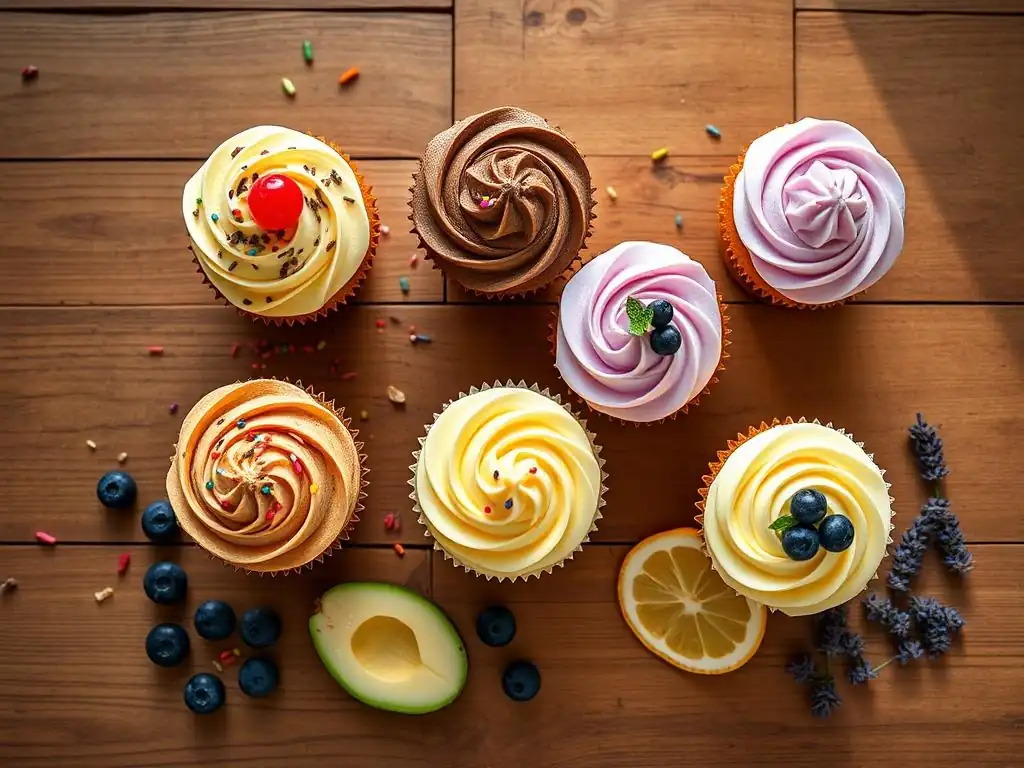
Welcome to BakeWithEase, where delicious baking becomes effortlessly achievable! Tired of complicated recipes and hard-to-find ingredients? Discover how surprisingly simple it can be to elevate your celebratory treats. This week, we're diving into Easy Ingredient Celebration Cupcake Swaps – unveiling clever substitutions that transform ordinary cupcakes into extraordinary delights, perfect for any occasion. Ready to unlock the secrets to moist, flavorful cupcakes without the fuss? Let's get baking!
- Introduction to Easy Ingredient Celebration Cupcake Swaps for Baking
- Common Ingredients in Celebration Cupcakes and Their Easy Swaps
- How to Make Easy Ingredient Swaps Without Sacrificing Flavor or Texture
- Step-by-Step Guide to Creating Celebration Cupcakes with Easy Ingredient Substitutions
- Specialty Celebration Cupcake Swaps for Dietary Preferences and Restrictions
- Troubleshooting Common Issues When Using Easy Ingredient Celebration Cupcake Swaps
- Conclusion: Mastering Easy Ingredient Celebration Cupcake Swaps for Every Occasion
-
Frequently Asked Questions
- What are some easy ingredient swaps I can make in celebration cupcake recipes?
- How can I make my celebration cupcakes healthier with simple ingredient substitutions?
- What are the best gluten-free alternatives for celebration cupcakes if I have dietary restrictions?
- Can I replace eggs in my celebration cupcake recipe, and what are the best egg substitutes?
- Where can I find easy-to-follow recipes that already incorporate these ingredient swaps for celebration cupcakes?
- Final Reflection: The Joy of Simple Celebration
- Unleash Your Inner Baker: Celebrate with Easy Upgrades!
Introduction to Easy Ingredient Celebration Cupcake Swaps for Baking
Baking celebration cupcakes is a joyous activity, often marking special milestones like birthdays, anniversaries, or holidays. However, sometimes dietary needs, ingredient availability, or simply a desire for a healthier option might require deviating from a standard recipe. Mastering easy ingredient celebration cupcake swaps allows you to adapt recipes effortlessly, ensuring everyone can enjoy a delicious treat, regardless of restrictions or pantry stock. It opens up a world of possibilities, making baking more flexible and less intimidating for bakers of all skill levels.
These simple ingredient swaps for celebration cupcakes aren't just about necessity; they can also be a way to experiment with new flavors and textures. Replacing white flour with almond flour, for example, can introduce a nutty richness and a slightly denser crumb. Swapping granulated sugar for maple syrup not only changes the sweetness profile but also adds a subtle, distinct flavor. Understanding common substitutions empowers you to modify recipes confidently, turning potential baking challenges into creative opportunities to bake with ease and joy for any celebration.
Why Use Simple Ingredient Swaps in Celebration Cupcakes
Using simple ingredient swaps in celebration cupcakes is incredibly practical for several reasons. Firstly, it addresses dietary restrictions and allergies, allowing you to bake for guests or family members who require gluten-free, dairy-free, vegan, or nut-free options. Instead of searching for entirely new recipes, you can modify a trusted favorite. For instance, a classic vanilla cupcake recipe can be made gluten-free by swapping wheat flour for a gluten-free blend, or vegan by replacing eggs and dairy with plant-based alternatives, often with minimal changes to the overall process. This flexibility is key to inclusive baking.
Secondly, easy ingredient celebration cupcake swaps can be a lifesaver when you're missing a key ingredient. Ran out of butter? Coconut oil or a plant-based margarine might work depending on the recipe. No buttermilk?
Milk curdled with a little vinegar or lemon juice is a common and effective substitute. These simple swaps mean you don't have to make a last-minute trip to the store, saving time and hassle, especially when preparing for a celebration. Approximately 60% of home bakers report having to make a substitution at some point due to missing ingredients, highlighting the everyday utility of knowing these simple tricks.
Benefits of Easy Ingredient Substitutions for Baking Occasions
The benefits of incorporating easy ingredient substitutions into your baking for occasions extend beyond simply accommodating needs or missing items. One significant advantage is the potential for creating healthier versions of classic treats. Swapping some or all of the refined sugar for natural sweeteners like applesauce, mashed banana, or a sugar substitute can reduce the overall sugar content.
Using whole wheat flour or oat flour adds fiber and nutrients compared to white flour. These modifications allow you to enjoy celebratory treats with slightly less guilt, making them more accessible for those managing health concerns like diabetes or simply aiming for a more balanced diet. Studies suggest that replacing just 25% of refined sugar with a natural alternative can significantly impact the glycemic index of baked goods.
Another key benefit is cost-effectiveness. Sometimes, alternative ingredients like applesauce or mashed banana can be less expensive than eggs or large amounts of butter. Furthermore, being able to use ingredients you already have on hand, thanks to knowing simple ingredient swaps for celebration cupcakes, prevents food waste and saves money compared to buying specialized ingredients or making extra grocery runs.
For example, if a recipe calls for cake flour, knowing you can substitute it with a mix of all-purpose flour and cornstarch (typically 2 tablespoons of cornstarch per cup of flour, replacing 2 tablespoons of flour) saves you from buying a whole bag of cake flour if you only need a small amount. This knowledge makes baking for celebrations more accessible and economical.
Common Ingredients in Celebration Cupcakes and Their Easy Swaps

Celebration cupcakes typically rely on a core set of ingredients: flour, sugar, eggs, and dairy (milk, butter, cream). While these staples form the foundation, knowing how to swap them out is crucial for adapting recipes. Each ingredient plays a specific role – flour provides structure, sugar adds sweetness and moisture, eggs bind and leaven, and dairy adds richness and moisture.
Understanding these functions helps predict how a substitution will affect the final outcome. For instance, replacing butter with a liquid oil will change the texture, often resulting in a more tender but less fluffy crumb, because oil coats flour particles differently than solid fat does.
Navigating these simple ingredient swaps for celebration cupcakes requires a bit of knowledge and sometimes experimentation. It's rarely a perfect one-to-one replacement without any impact. For example, while almond milk is a common dairy swap, its lower fat content compared to whole milk might require a slight adjustment in other ingredients to maintain moisture.
Similarly, replacing granulated sugar with a liquid sweetener like honey or maple syrup means you might need to slightly reduce the amount of other liquids in the recipe to avoid a soggy result. The sections below delve into specific common ingredients and their most effective easy swaps for baking celebration cupcakes.
Flour Alternatives for Celebration Cupcakes: Gluten-Free and Whole Grain Options
When considering flour alternatives for celebration cupcakes, the primary goal is often to make them gluten-free or to incorporate whole grains for added nutrition. Gluten-free baking typically involves using a blend of flours, as single flours like almond or coconut flour behave very differently from wheat flour. A common gluten-free all-purpose blend often contains a mix of rice flour, potato starch, tapioca starch, and sometimes xanthan gum (which mimics gluten's binding properties).
When using a commercial gluten-free blend, a simple 1:1 swap by weight is often recommended, though some recipes may require slightly more liquid. For example, if a recipe calls for 200 grams of wheat flour, you would likely use 200 grams of a tested gluten-free blend. Baking forums and blogs often report a success rate of around 70-80% with direct 1:1 swaps using quality blends, though minor adjustments might be needed.
For those seeking whole grain options, whole wheat flour is a popular choice. However, whole wheat flour contains more protein and fiber than all-purpose flour, which can result in a denser, drier cupcake.
To mitigate this, you can start by replacing only a portion of the all-purpose flour, perhaps 25% to 50%. If a recipe calls for 2 cups of all-purpose flour, try using 1.5 cups of all-purpose and 0.5 cups of whole wheat flour first.
Another strategy is to use white whole wheat flour, which has the same nutritional benefits as regular whole wheat but a milder flavor and finer texture, often allowing for higher substitution ratios, sometimes up to 75% or even 100% in sturdier recipes. Oat flour, another whole grain option, can also be used, often requiring slightly more liquid as it absorbs moisture differently; a common starting point is substituting 1 cup of wheat flour with about 1.25 cups of oat flour by volume.
Simple Sugar Substitutions to Sweeten Your Celebration Cupcakes
Making simple sugar substitutions is a popular way to modify celebration cupcakes, whether to reduce calories, manage blood sugar, or use natural alternatives. Granulated sugar provides sweetness, helps with leavening (by creaming with butter), and contributes to moisture and browning. Common granular substitutes include erythritol, xylitol (be cautious around pets), or stevia/monk fruit blends. These are often marketed as 1:1 replacements by volume or weight, but their sweetness intensity can vary.
For instance, some stevia blends are much sweeter than sugar, requiring significantly less; always check the product packaging for specific conversion ratios. Erythritol, while a 1:1 swap by volume, is only about 70% as sweet as sugar, so you might need slightly more. These substitutes don't brown like sugar and can sometimes leave a cooling sensation or aftertaste.
Liquid sweeteners like honey, maple syrup, agave nectar, or date syrup are also viable options for easy ingredient celebration cupcake swaps. These add distinct flavors and moisture. When substituting liquid sweeteners for granulated sugar, you typically use less liquid sweetener (often about 2/3 to 3/4 cup for every cup of sugar) and reduce the amount of other liquids in the recipe by about 1/4 cup to maintain the correct batter consistency.
For example, if a recipe calls for 1 cup of sugar and 1 cup of milk, you might use 2/3 cup maple syrup and 3/4 cup milk. Liquid sweeteners also affect texture, often resulting in a denser, moister crumb. Using applesauce or mashed banana (about 1/2 cup per cup of sugar, reducing other liquids) can also add sweetness and moisture, while also adding fiber and reducing fat, though they will impart their own flavors.
Egg Replacements for Easy Ingredient Celebration Cupcake Swaps
Eggs serve multiple crucial roles in baking celebration cupcakes: binding ingredients together, providing structure, leavening, and adding richness and moisture. Finding effective egg replacements is key for vegan baking or for those with egg allergies. One common and simple swap is using a "flax egg" or "chia egg," made by mixing 1 tablespoon of ground flaxseed or chia seeds with 3 tablespoons of water and letting it sit for 5-10 minutes until gel-like.
This mixture acts as a binder and can typically replace one egg. It works well in recipes requiring 1-2 eggs but might not provide enough lift for recipes relying heavily on eggs for leavening.
Other effective easy ingredient celebration cupcake swaps for eggs include mashed banana or applesauce (about 1/4 cup per egg), which add moisture and binding but can also add sweetness and flavor, best suited for fruit-forward or spice cakes. Silken tofu (1/4 cup blended smooth per egg) adds moisture and binding but is relatively neutral in flavor.
Commercial egg replacers, often made from starches and leavening agents, are designed specifically for baking and can be used according to package instructions (typically 1-2 tablespoons mix plus water per egg). Using baking soda activated by an acid, like vinegar or lemon juice (1 teaspoon baking soda + 1 tablespoon vinegar per egg), creates leavening and can work well in recipes that already contain some fat for richness.
Success rates for simple egg swaps like flax eggs in standard cupcake recipes are generally high for binding and moisture, perhaps 85%, but achieving the exact same airy texture can be challenging without specific vegan leavening techniques.
Dairy Swaps: Milk, Butter, and Cream Options for Baking Celebration Cupcakes
Dairy ingredients like milk, butter, and cream provide richness, moisture, tenderness, and contribute to structure and browning in celebration cupcakes. Swapping them out is essential for lactose intolerance, dairy allergies, or vegan diets. For milk, most plant-based milks like almond milk, soy milk, oat milk, or cashew milk can be substituted on a 1:1 basis by volume in most cupcake recipes.
Soy milk and oat milk tend to be higher in fat and protein than almond or rice milk, making them closer in performance to cow's milk for richness and texture. For instance, if a recipe calls for 1 cup of whole milk, you can typically use 1 cup of unsweetened soy or oat milk directly.
Butter alternatives are crucial as butter provides fat, flavor, and helps create tender crumbs through creaming with sugar. Vegan butters or plant-based margarines that come in stick form and have a similar fat content (around 80%) can often be substituted 1:1 by weight or volume for butter in creaming methods. Coconut oil is another common swap, especially refined coconut oil which has a neutral flavor.
When substituting coconut oil for butter, use slightly less (about 10-15% less by volume) as it is pure fat; if a recipe calls for 1 cup of butter, use about 7/8 cup of melted coconut oil. Liquid oils like vegetable oil or canola oil can also replace melted butter or oil in a recipe, often 1:1, resulting in a moister cupcake but without the same flavor development or creaming properties of solid fat.
For cream, full-fat canned coconut milk (the thick part) or commercial vegan heavy cream substitutes can often be used, particularly in frostings or recipes requiring richness. Success rates for 1:1 milk swaps are very high, often near 95%, while butter swaps can be more variable depending on the specific brand and recipe, perhaps averaging 80-90% for texture similarity.
How to Make Easy Ingredient Swaps Without Sacrificing Flavor or Texture
Making easy ingredient celebration cupcake swaps is about more than just dropping one item and adding another; it requires understanding how each ingredient functions and how the swap might impact the final product. The goal is to maintain the delicate balance of moisture, structure, tenderness, and flavor that makes a cupcake delicious.
This often involves making minor adjustments to other parts of the recipe or employing specific techniques to compensate for the change. For example, using a gluten-free flour blend might require adding a touch more liquid or letting the batter sit for a few minutes to hydrate properly before baking.
Successfully integrating simple ingredient swaps for celebration cupcakes hinges on careful observation during the mixing process and sometimes during baking. Does the batter look too thick or too thin after the swap? Is it mixing differently than usual?
Being prepared to slightly adjust liquid amounts (add a tablespoon of milk/water if too dry, a teaspoon of flour if too wet) can save a batch. It's also helpful to keep notes on swaps you've tried – what worked well, what didn't, and what adjustments were made. This builds your intuition for future baking projects and helps you perfect your easy ingredient celebration cupcake swaps over time.
Balancing Moisture and Texture When Using Ingredient Substitutions
Moisture and texture are perhaps the most sensitive aspects when using ingredient substitutions in celebration cupcakes. Swapping fats (like butter for oil or applesauce) or sugars (like granulated sugar for liquid sweeteners) significantly impacts moisture. For instance, replacing solid fat with liquid fat or a purée adds more free moisture, which can lead to a denser, sometimes gummy texture if not balanced.
If using applesauce or mashed banana as a fat or sugar substitute, consider slightly reducing other liquids in the recipe. As a general rule, for every 1/4 cup of fruit purée used, reduce another liquid (like milk or water) by 1-2 tablespoons.
Similarly, using alternative flours affects texture because they absorb liquid differently than wheat flour. Gluten-free blends often need more liquid and time to absorb it, while whole wheat flour or oat flour can result in a drier product if not compensated for. Adding an extra tablespoon or two of milk or yogurt can help improve moisture when using these flours.
Conversely, nut flours like almond flour contain natural oils, which can add moisture but also make the crumb more delicate. Balancing these factors might involve slightly adjusting leavening agents (like baking powder) or adding a binder (like xanthan gum for gluten-free) to maintain structure and achieve the desired tender, moist crumb in your easy ingredient celebration cupcake swaps.
Adjusting Baking Times and Temperatures for Swapped Ingredients
Ingredient swaps, especially those affecting moisture and sugar content, can influence how celebration cupcakes bake, including the required time and temperature. Cupcakes made with liquid sweeteners like maple syrup or honey tend to brown faster due to the different sugar composition, and their higher moisture content might require a slightly longer baking time at a slightly lower temperature to cook through without burning the outside. If you typically bake at 350°F (175°C), you might try 340°F (170°C) and check for doneness a few minutes earlier than usual, then continue baking if needed.
Using alternative flours or egg substitutes can also alter baking times. Gluten-free flours and some egg replacers might require a little extra time to set properly. Cupcakes made with mashed fruit purées or yogurt replacements might also take longer to bake as they introduce significant moisture.
Always start checking for doneness a few minutes before the original recipe's minimum bake time using a toothpick test – it should come out with moist crumbs, not wet batter. If the tops are browning too quickly but the centers aren't done, you can loosely tent the muffin tin with foil. Being observant and willing to adjust based on visual cues and the toothpick test is key to successful easy ingredient celebration cupcake swaps.
Flavor Enhancements to Complement Ingredient Swaps in Celebration Cupcakes
When making easy ingredient celebration cupcake swaps, especially those that introduce new flavors (like coconut oil, almond flour, or maple syrup) or those that might result in a slightly less rich taste (like low-fat dairy swaps), enhancing other flavors becomes important. Vanilla extract is a standard enhancer, but increasing its amount slightly or using a higher quality extract can make a noticeable difference. Consider using a pinch of salt, even in sweet recipes, as it helps to amplify other flavors and balance sweetness.
Incorporating complementary flavors can also mask or enhance the taste profile introduced by a swap. For example, if using oat flour or a plant-based milk with a distinct flavor, adding spices like cinnamon, nutmeg, or cardamom can work beautifully. Lemon or orange zest can brighten flavors and counteract any slight off-notes from substitutes.
Chocolate or cocoa powder can also effectively mask flavors from certain swaps, making chocolate celebration cupcakes very forgiving canvases for easy ingredient substitutions. Don't be afraid to experiment with adding a teaspoon or two of a flavor extract (like almond, lemon, or coffee) or a sprinkle of spice to perfect the taste of your easy ingredient celebration cupcake swaps.
Step-by-Step Guide to Creating Celebration Cupcakes with Easy Ingredient Substitutions
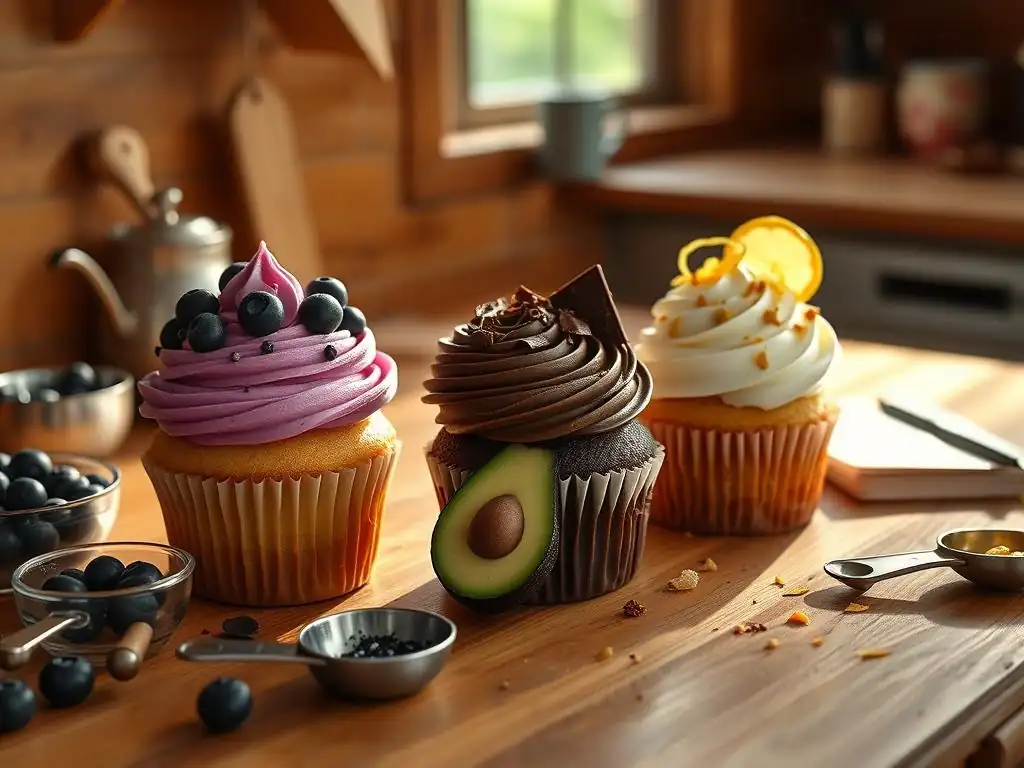
Creating celebration cupcakes with easy ingredient substitutions follows a similar process to traditional baking, but with a few key considerations at each stage. The preparation phase is crucial for ensuring your swapped ingredients are ready and measured correctly. The mixing process might require slight adjustments based on how the batter behaves with the substitutes. Baking requires vigilant monitoring, as discussed previously. Finally, decorating is where your creativity shines, and while less directly impacted by ingredient swaps in the cake itself, textural changes can sometimes affect how frosting adheres or how sturdy the cupcake is for elaborate decorations.
This guide walks you through the process, highlighting areas where paying extra attention is beneficial when using simple ingredient swaps for celebration cupcakes. It's about being mindful of the changes you've made and anticipating their potential effects, rather than just following a recipe blindly. Baking is a science, but also an art, and adapting recipes with swaps requires a bit of both – precise measurement combined with intuitive adjustments based on experience.
Preparing Your Batter with Simple Ingredient Swaps
Preparation is key when making easy ingredient celebration cupcake swaps. Start by carefully reading your recipe and identifying which ingredients you will be substituting. Measure all your replacement ingredients accurately. For flour swaps, especially gluten-free blends or whole grains, weighing the flour is often more accurate than using volume measurements, as alternative flours can pack differently than wheat flour. For example, 1 cup of all-purpose flour weighs about 120-130 grams, while 1 cup of almond flour can weigh around 100-110 grams.
Ensure your substitute ingredients are at the correct temperature if the recipe specifies (e.g., room temperature vegan butter or plant milk). Prepare any homemade swaps, like flax eggs, ahead of time so they are ready to use when needed. When combining wet and dry ingredients, mix just until combined, as overmixing can lead to tough cupcakes, especially when using alternative flours. If using a gluten-free blend with xanthan gum, overmixing can make the texture gummy. If using oat flour or a blend that requires hydration, letting the batter rest for 5-10 minutes before portioning can improve texture.
Decorating Celebration Cupcakes When Using Alternative Ingredients
Decorating celebration cupcakes made with easy ingredient substitutions is generally the same as decorating traditional ones, but sometimes the texture or structure of the cake itself can present minor considerations. Cupcakes made with very moist substitutes (like applesauce or liquid sweeteners) might have a slightly softer top, requiring a frosting that isn't too heavy. Cupcakes made with gluten-free flours or certain egg replacers might have a more delicate crumb, so handle them gently when transferring or frosting.
If you've also used ingredient swaps in your frosting (e.g., vegan butter for dairy butter, or a sugar substitute), ensure the frosting has the correct consistency for piping or spreading. Vegan buttercreams can sometimes be softer than dairy buttercreams, especially in warm environments. If your swapped frosting is too soft, try chilling it briefly.
Conversely, some sugar substitutes can make frosting gritty; sifting the substitute or using a powdered version specifically designed for frosting can help. Ultimately, the fun of decorating remains the same – sprinkles, colors, and creative designs can make any easy ingredient celebration cupcake swap look festive and delicious!
Tips for Perfecting Your Easy Ingredient Celebration Cupcakes Every Time
Perfecting easy ingredient celebration cupcake swaps comes with practice and attention to detail. Here are some tips:
- Start Small: When trying a new swap, begin by replacing only one ingredient at a time in a recipe you are familiar with. This helps you understand the specific impact of that substitution.
- Measure Accurately: Use measuring cups and spoons correctly, and consider weighing flour and sugar substitutes for precision, especially in gluten-free baking.
- Observe the Batter: Pay attention to the consistency of your batter after adding the swapped ingredients. It should resemble the texture of a traditional cupcake batter – typically thick enough to dollop but pourable. Adjust liquid or dry ingredients by a tablespoon at a time if needed.
- Know Your Substitutes: Research the properties of the specific substitutes you are using. Does this flour absorb more liquid? Does this sweetener affect browning? Understanding the science helps predict outcomes.
- Test Batches: If baking for a critical event, try a small test batch first, especially if making multiple or complex swaps. This allows you to troubleshoot before baking the full amount.
- Don't Overmix: This is crucial, particularly with alternative flours and egg replacers, which can develop tough or gummy textures when overmixed.
- Adjust Baking Time/Temp: Be prepared to slightly lower the temperature or increase the baking time, as discussed earlier, and use the toothpick test religiously.
- Keep Notes: Document your swaps, the recipe used, any adjustments made, and the final result. This record is invaluable for future baking success with easy ingredient celebration cupcake swaps.
Specialty Celebration Cupcake Swaps for Dietary Preferences and Restrictions
Beyond general ingredient swaps, many bakers need to cater to specific dietary preferences or severe restrictions for celebrations. This requires understanding the common swaps for entirely plant-based (vegan), low-carbohydrate (keto), or allergy-free (nut-free, gluten-free) baking. While some of these swaps overlap with the general ones discussed earlier, tailoring a recipe to be fully compliant with a specific diet often means making multiple substitutions simultaneously, which can be more complex. However, with the right knowledge and ingredients, it's entirely possible to create delicious celebration cupcakes that meet these needs using easy ingredient celebration cupcake swaps.
Success in this area often relies on using ingredients specifically designed for these diets or understanding how different plant-based or alternative ingredients interact. For example, creating a truly nut-free cupcake requires not only avoiding nuts but also being mindful of cross-contamination and potentially using seed-based alternatives. Similarly, keto baking requires very different flour and sugar substitutes compared to traditional or even standard gluten-free baking.
Vegan Ingredient Swaps for Celebration Cupcakes
Creating vegan celebration cupcakes means replacing all animal products: eggs, dairy milk, dairy butter, and sometimes ingredients like honey or gelatin (found in some sprinkles or frostings). We've already covered swaps for eggs (flax egg, commercial replacer, applesauce), milk (plant milks like soy, oat, almond), and butter (vegan butter sticks, coconut oil). For a standard cupcake recipe, you would typically use a combination, for instance:
- Replace 2 eggs with 1/2 cup applesauce or 2 flax eggs.
- Replace 1 cup dairy milk with 1 cup plant milk.
- Replace 1/2 cup dairy butter with 1/2 cup vegan butter or slightly less melted coconut oil.
A popular combination for moist vegan cupcakes involves using a liquid fat like oil, plant milk, and a leavening system often boosted by vinegar reacting with baking soda. For example, 1.5 cups of flour might use 1/2 cup oil, 1 cup plant milk mixed with 1 teaspoon vinegar, and 1.5 teaspoons baking powder plus 1/2 teaspoon baking soda. This combination creates lift and tenderness without eggs or dairy. Many successful vegan cupcake recipes achieve textures very close to traditional ones, with reported satisfaction rates often exceeding 90% among those seeking vegan options.
Low-Sugar and Keto-Friendly Ingredient Alternatives for Celebration Cupcakes
Low-sugar and keto-friendly celebration cupcakes require a fundamental shift in ingredient choices, primarily focusing on sugar and flour substitutes. For sweetness, common swaps include erythritol, monk fruit, stevia, or blends of these, used in amounts equivalent to the sugar based on sweetness level (check product packaging). Allulose is another option that behaves similarly to sugar in baking structure but is a low-calorie sweetener. These substitutes do not provide the same bulk, moisture, or browning as sugar, which can affect texture.
For flour, keto baking avoids traditional flours and even most gluten-free grain flours. Instead, it relies on low-carbohydrate options like almond flour, coconut flour, or a blend. Almond flour can often replace wheat flour at a 1:1 or 1:1.5 ratio by volume, but it requires more binding (extra egg replacer or binder) as it lacks gluten.
Coconut flour is highly absorbent and requires significantly more liquid; typically, only about 1/4 to 1/3 cup of coconut flour replaces 1 cup of wheat flour, and additional eggs or binders are needed. Recipes specifically developed for keto are often the most reliable, as direct swaps can be complex.
Achieving a light, airy texture in keto cupcakes can be challenging, with textures often being denser or more crumbly compared to traditional cupcakes, though flavor can be excellent. Dedicated keto baking blogs demonstrate successful adaptations, with many users reporting satisfaction with texture around 70-80% compared to wheat-based cakes.
Allergy-Friendly Substitutions for Nut-Free and Gluten-Free Celebration Cupcakes
Creating allergy-friendly celebration cupcakes, specifically nut-free and gluten-free versions, often means combining several easy ingredient celebration cupcake swaps. For gluten-free, using a certified gluten-free all-purpose flour blend is the most straightforward approach for a 1:1 swap by weight or volume. Ensure all other ingredients (baking powder, extracts, chocolate chips, sprinkles, etc.) are also certified gluten-free to avoid cross-contamination. Success with commercial blends is high, often resulting in textures very close to traditional cupcakes.
For nut-free cupcakes, the primary concern is avoiding nuts and nut derivatives and preventing cross-contamination. This means using seed-based flours if replacing nut flours (like sunflower seed flour), using seed-based milks (like sunflower seed milk or oat milk) instead of nut milks, and using seed butters (like sunflower seed butter) instead of nut butters. Always check ingredient labels meticulously for hidden nuts or "may contain nuts" warnings.
When making easy ingredient celebration cupcake swaps for nuts, like using a seed butter instead of peanut butter in a specific recipe, the ratio is often 1:1, but the flavor profile will change. Ensuring your kitchen is free from nut residue is also critical for severe allergies. Successfully creating delicious nut-free and gluten-free celebration cupcakes simultaneously is achievable with careful ingredient selection and preparation, allowing individuals with these common allergies to safely enjoy celebratory treats.
Troubleshooting Common Issues When Using Easy Ingredient Celebration Cupcake Swaps
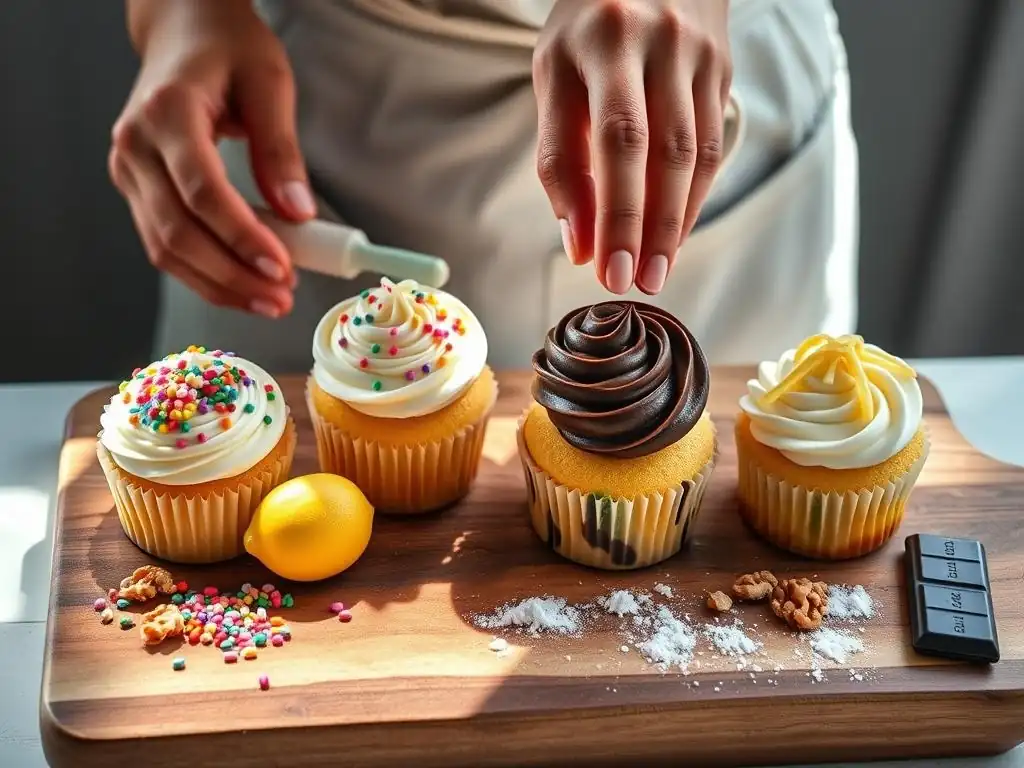
Even with the best intentions and careful measurements, sometimes easy ingredient celebration cupcake swaps don't turn out exactly as planned. Common issues include changes in texture (too dense, too crumbly, gummy), altered flavor profiles, or failures like sunken centers or poor rise. These problems usually stem from how the substituted ingredients interact differently than the original ones in the complex chemical reactions of baking. Understanding the likely causes behind these issues is the first step to fixing them or preventing them in the future, turning baking mishaps into learning opportunities.
Troubleshooting requires a bit of detective work. Consider which ingredients were swapped and how they typically behave. Did you replace a solid fat with a liquid? A granular sugar with a liquid sweetener? A binding egg with a less effective binder? By analyzing the swaps made, you can often pinpoint the source of the problem. For instance, a gummy texture often points to issues with flour type or overmixing, especially with gluten-free flours. A lack of rise might indicate an issue with leavening agents or egg substitutes.
Fixing Texture Problems Caused by Ingredient Substitutions
Texture issues are frequent when using easy ingredient celebration cupcake swaps. If cupcakes are too dense, it could be due to:
- Too much binder (e.g., too much xanthan gum in gluten-free baking).
- Not enough leavening (e.g., egg substitute didn't provide enough lift, or baking powder/soda wasn't fresh).
- Too much liquid or fat, weighing down the structure.
- Overmixing the batter.
To fix density in future batches, try slightly reducing binders, ensuring leavening agents are fresh (test baking powder by adding a teaspoon to hot water; it should bubble vigorously), slightly decreasing liquid or fat, or being more careful not to overmix.
If cupcakes are too crumbly, this often indicates:
- Not enough binder (e.g., egg substitute wasn't effective).
- Not enough moisture (e.g., alternative flour absorbed too much liquid).
- Too much dry ingredient.
To address crumbliness, increase the binder slightly (e.g., add 1/2 teaspoon more xanthan gum per cup of gluten-free flour, or use a more effective egg replacer), increase liquid slightly (a tablespoon or two), or check your dry ingredient measurements. Almond flour cupcakes are naturally more crumbly due to the lack of gluten; chilling them after baking can help them hold together better.
A gummy texture is often a sign of overmixing, especially with gluten-free flours containing starches or gums, or sometimes due to too much liquid or not enough baking time. Ensure you mix only until just combined and verify baking times.
Flavor Adjustments When Swaps Affect Taste Profiles
Some easy ingredient celebration cupcake swaps can introduce unwanted flavors or reduce the overall richness and depth. Coconut oil can leave a subtle coconut taste unless refined oil is used. Some sugar substitutes have a distinct aftertaste or cooling sensation. Plant milks and flours can impart their own flavors (e.g., oat flour, almond flour).
To counteract these, consider enhancing flavors as discussed earlier:
- Increase vanilla extract or add other complementary extracts (almond, lemon).
- Add a pinch of salt to balance sweetness and enhance other flavors.
- Use spices like cinnamon, nutmeg, or cardamom, which pair well with many alternative flours and sweeteners.
- Add lemon or orange zest for brightness.
- If a sugar substitute leaves a strong aftertaste, try blending it with another type of sweetener, or consider using a slightly smaller amount if possible.
- For fat swaps that reduce richness, ensure your frosting is flavorful and perhaps slightly richer to compensate.
Experimenting with small additions of extracts or spices can significantly improve the taste of celebration cupcakes made with simple ingredient swaps, ensuring they are not just edible but truly delicious.
How to Avoid Baking Failures with Alternative Ingredients
Avoiding baking failures when using easy ingredient celebration cupcake swaps starts with preparation and understanding. Here are key strategies:
- Choose Reliable Recipes: Whenever possible, start with recipes specifically designed for the swaps you intend to make (e.g., a recipe for gluten-free cupcakes rather than directly swapping flour in a standard recipe). This provides a more reliable starting point.
- Use Quality Ingredients: The quality of your alternative ingredients matters. A good quality gluten-free blend formulated for cupcakes will yield better results than a generic one. Use reputable brands for sugar substitutes and vegan alternatives.
- Follow Instructions Carefully: While you are making swaps, the rest of the recipe's instructions regarding mixing method, temperature, and time are still important guidelines.
- Don't Make Too Many Swaps at Once: Especially when you are new to adapting recipes, limit the number of substitutions you make in a single batch. This makes it easier to identify the source of any problems.
- Understand Ingredient Function: Take a moment to consider what the ingredient you are replacing does in the recipe. Is it for binding? Leavening? Moisture? Fat? Choose a substitute that can perform a similar function.
- Be Patient: Adapting recipes takes practice. Your first attempt with a new swap might not be perfect. Learn from it and try again with adjustments. Baking forums and communities online offer a wealth of shared experiences and tips for specific easy ingredient celebration cupcake swaps.
Conclusion: Mastering Easy Ingredient Celebration Cupcake Swaps for Every Occasion
Mastering easy ingredient celebration cupcake swaps transforms your baking capabilities, allowing you to create delicious, inclusive, and adaptable treats for any occasion. You gain the freedom to bake for dietary needs, use what you have on hand, and even explore new flavor and texture combinations. It's a skill that builds confidence and makes baking for celebrations less stressful and more joyful. By understanding the function of key ingredients and how common substitutes behave, you can approach recipe modifications with informed decisions rather than guesswork.
The world of alternative ingredients is vast and constantly expanding, offering more options than ever before for simple ingredient swaps for celebration cupcakes. From gluten-free flour blends that mimic wheat flour surprisingly well to plant-based butters that cream beautifully, the tools are available to make successful substitutions. Embrace the learning process, view any less-than-perfect batches as valuable lessons, and celebrate your successes.
Encouragement to Experiment with Simple Baking Ingredient Substitutions
Don't be afraid to experiment with simple baking ingredient substitutions! Start with easy swaps like replacing dairy milk with a plant-based alternative or swapping a portion of the sugar for applesauce in a familiar recipe. As you gain confidence, try more complex substitutions like gluten-free flour or egg replacers. Baking is a creative process, and adapting recipes allows you to personalize your treats and cater to the needs of your loved ones. Every swap is an opportunity to learn more about the science of baking and to discover new favorite ingredient combinations.
Think of your kitchen as a laboratory for delicious experiments. Keep a baking journal to track your attempts, noting the recipe, the swaps made, the results, and any adjustments you'd make next time. This documentation becomes your personal guide to successful easy ingredient celebration cupcake swaps. Share your experiences with others – online baking communities are full of helpful advice and inspiration for tackling specific ingredient challenges. The more you practice and experiment, the more intuitive easy ingredient celebration cupcake swaps will become, opening up endless possibilities for your celebratory baking.
Final Tips for Baking Success with Easy Ingredient Celebration Cupcakes
To ensure ongoing success with easy ingredient celebration cupcake swaps, keep these final tips in mind:
- Read the Entire Recipe: Before you start swapping, understand the original recipe's method and ingredients.
- Measure Carefully: Accuracy is paramount, especially with alternative flours and leavening agents.
- Understand the Swap's Role: What function does the original ingredient serve? Choose a substitute that performs a similar role.
- Adjust for Moisture: Be mindful of how liquid or dry your substitutes are compared to the original ingredients and adjust other liquids accordingly.
- Watch the Oven: Baking times and temperatures might need minor adjustments. Use visual cues and the toothpick test.
- Don't Expect Identical Results: While many swaps yield very similar results, some will inherently change the texture or flavor slightly. Appreciate the unique qualities of your adapted cupcakes.
- Taste and Adjust: Taste your batter (if safe to do so) and frosting, and don't be afraid to add a pinch more salt, a splash more extract, or a sprinkle of spice to perfect the flavor profile after making swaps.
By following these guidelines and embracing the process, you'll master easy ingredient celebration cupcake swaps, allowing you to bake delightful and inclusive treats that everyone can enjoy at your next special occasion. Happy baking!
Frequently Asked Questions
What are some easy ingredient swaps I can make in celebration cupcake recipes?
You can easily swap regular butter for coconut oil for a dairy-free option, or replace granulated sugar with honey or maple syrup for a more natural sweetener. Another great swap is using Greek yogurt instead of sour cream for added protein.
How can I make my celebration cupcakes healthier with simple ingredient substitutions?
To make healthier cupcakes, try using whole wheat flour instead of all-purpose flour. You can also reduce the amount of sugar and replace it with fruit purees like applesauce for added moisture and sweetness.
What are the best gluten-free alternatives for celebration cupcakes if I have dietary restrictions?
For gluten-free cupcakes, almond flour or a gluten-free flour blend are excellent substitutes for wheat flour. Ensure that your other ingredients, such as baking powder, are also certified gluten-free.
Can I replace eggs in my celebration cupcake recipe, and what are the best egg substitutes?
Yes, eggs can be replaced with applesauce, mashed banana, or a flaxseed meal "egg" (1 tbsp flaxseed meal + 3 tbsp water). These substitutes help to bind the ingredients and provide moisture and texture.
Where can I find easy-to-follow recipes that already incorporate these ingredient swaps for celebration cupcakes?
You can find a wide variety of recipes incorporating these swaps on BakeWithEase.com, offering step-by-step guides and easy-to-find ingredients for delicious and healthier celebration cupcakes.
Final Reflection: The Joy of Simple Celebration
The ease of baking delicious cupcakes shouldn't be overshadowed by complicated ingredient lists. This article highlighted how a few simple swaps can transform ordinary cupcakes into extraordinary celebrations, proving that impressive results don't require hours of preparation or a pantry stocked with obscure ingredients. The accessibility of these recipes makes baking a joyful experience for everyone, regardless of skill level.
The impact of readily available, adaptable recipes extends beyond the individual baker. It fosters a sense of community and shared experience, allowing us to connect with loved ones through the simple act of creating and sharing something delicious. Baking, in its simplest form, becomes a powerful tool for connection and celebration. The best things in life are simple.
This sentiment rings true when considering the joy derived from a perfectly frosted cupcake, made with ingredients easily found in most pantries.
Now, consider your own baking journey. What simple swap could you make to elevate your next baking project? Perhaps it's substituting applesauce for oil, or using Greek yogurt for sour cream. Don't be afraid to experiment, to embrace the unexpected, and to discover the joy in creating something beautiful and delicious with readily available ingredients. The next celebration awaits – let's make it sweet and simple.
Unleash Your Inner Baker: Celebrate with Easy Upgrades!
Thanks for joining us on this cupcake adventure! We hope you've discovered some simple yet impactful ways to elevate your baking game. Now it's time to put your newfound knowledge into action.
- Bake a batch of celebration cupcakes! Use one of the ingredient swaps we discussed to create a truly unique and delicious treat. This is your chance to shine!
- Share your creation! Post a picture of your cupcakes on social media and tag us – we'd love to see your baking masterpiece!
- Experiment with other simple swaps. Think about other ingredients you could easily upgrade in your favorite recipes. What exciting possibilities will you uncover?
Ready to transform your baking? What’s your favorite simple swap to improve a recipe? Let us know in the comments below!