
The Impact of Sugar Content on Baking Chocolate Performance

Welcome to BakeWithEase, your haven for baking brilliance! Ever wondered how the sugar content in your baking chocolate drastically affects the final flavor and texture of your creations? Delve into our "Ingredient Deep Dives" as we unravel the secrets behind sugar content baking chocolate and its surprising impact on your pastries, cakes, and everything in between. Prepare to unlock a new level of baking understanding and elevate your treats to extraordinary heights – the answers you seek are just a scroll away!
- The Impact of Cacao Percentage on Baking Chocolate Performance: A BakeWithEase Guide
- Understanding Cacao's Role in Baking Chocolate
- How Cacao Percentage Affects Baking Chocolate's Melting Behavior
- Cacao Content and the Texture of Baked Goods
- The Flavor Profile: Cacao as a Key Ingredient in Baking Chocolate
- Troubleshooting Baking Issues Related to Cacao Content in Chocolate
- Choosing the Right Baking Chocolate: A Cacao Content Comparison
- Advanced Techniques: Manipulating Cacao Content for Specific Baking Results
- Recipes Featuring Different Cacao Levels in Baking Chocolate
- Conclusion: Mastering Baking with Chocolate Through Cacao Content Awareness
-
Frequently Asked Questions
- What is the general impact of sugar content on baking chocolate?
- How does sugar content affect the melting behavior of baking chocolate?
- Does the sugar content impact the sweetness and flavor profile of the final baked product?
- How does sugar content affect the texture of baked goods when using different baking chocolates?
- Where can I find baking chocolates with different sugar levels to experiment with?
- Final Reflection: The Sweet Truth About Sugar in Baking Chocolate
- Unlock Your Baking Potential: Master the Art of Chocolate
The Impact of Cacao Percentage on Baking Chocolate Performance: A BakeWithEase Guide
Understanding the role of cacao percentage is fundamental to mastering baking with chocolate. It's not just about flavor; the amount of cacao significantly influences how chocolate behaves in your recipes, from melting and tempering to the final texture and structure of your baked goods. For home bakers looking to elevate their creations, delving into the nuances of cacao content in baking chocolate is a rewarding step.
Cacao percentage refers to the total proportion of ingredients derived from the cacao bean in a chocolate product. This typically includes cacao mass (also known as chocolate liquor, which contains both cacao solids and cacao butter) and any added cacao butter. The remaining percentage is usually made up of sugar, vanilla, and sometimes emulsifiers like lecithin, and in milk chocolate, milk solids. The variation in this percentage is a key factor distinguishing different types of baking chocolate and impacts the overall sugar content baking chocolate provides.
Understanding Cacao's Role in Baking Chocolate
Cacao beans are the origin of all chocolate products. When processed, they yield several components crucial for baking: cacao mass (liquor), cacao butter (the fat), and cacao powder (the dry solids left after most fat is removed). The percentage of these components, specifically the mass and added butter, determines the listed cacao percentage on a bar of baking chocolate. This percentage dictates the intensity of chocolate flavor, the level of bitterness, and critically, the physical properties like melting point and viscosity.
Cacao's Multifaceted Influence on Chocolate's Baking Properties
Cacao solids are responsible for the deep, complex flavors we associate with chocolate, as well as contributing to the color and structure of baked goods. They absorb moisture and provide bulk. Cacao butter, on the other hand, is a unique fat that is solid at room temperature but melts just below body temperature, providing that signature smooth mouthfeel.
The ratio of cacao solids to cacao butter, determined by the overall cacao percentage, affects how chocolate melts, emulsifies, and sets. A higher cacao percentage generally means a higher proportion of cacao butter relative to other ingredients like sugar or milk solids, which influences everything from tempering success to the richness and fineness of a chocolate glaze or ganache. The inherent sugar content baking chocolate contains inversely correlates with the cacao percentage, profoundly affecting sweetness and texture outcomes.
Defining Baking Chocolate: Unsweetened, Bittersweet, Semisweet & Milk Chocolate
Baking chocolate is broadly categorized based on its cacao percentage and added sugar content. Unsweetened chocolate boasts the highest cacao percentage, typically around 90-100%, and contains no added sugar, making its sugar content baking chocolate provides effectively zero. This results in an intensely bitter flavor and a firm texture.
Bittersweet chocolate usually falls between 60% and 80% cacao. It contains added sugar, offering a balance between intense chocolate flavor and sweetness. Semisweet chocolate traditionally has a lower cacao percentage than bittersweet, often ranging from 35% to 60%, and consequently, a higher proportion of added sugar.
It's a versatile choice with a classic, moderately sweet chocolate flavor. Milk chocolate, with cacao percentages typically between 10% and 35%, contains the most added sugar and includes milk solids, resulting in a sweet, creamy, and less intense chocolate flavor. Understanding these categories is key to predicting the flavor and functional contribution of the sugar content baking chocolate adds to a recipe.
How Cacao Percentage Affects Baking Chocolate's Melting Behavior
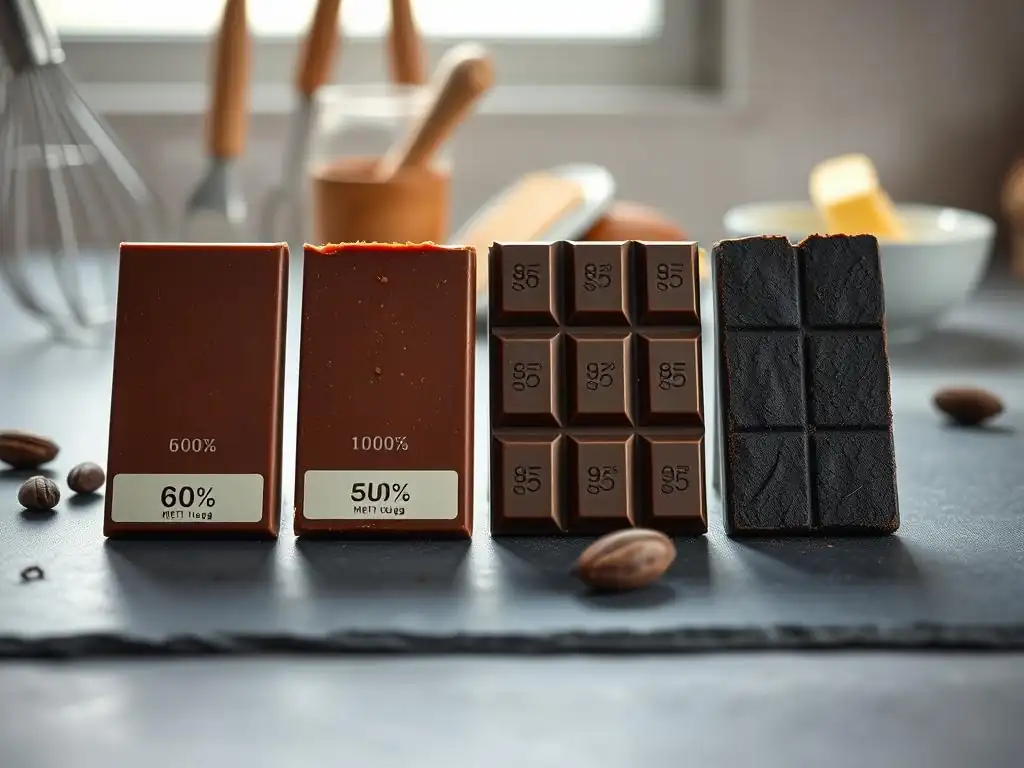
The way baking chocolate melts is paramount in many recipes, from creating smooth ganaches and glazes to incorporating melted chocolate into batters and doughs. This melting behavior is directly tied to the type and amount of fat present, which is primarily cacao butter, and thus, the cacao percentage. Cacao butter has a specific crystalline structure that dictates its melting point and how it solidifies.
The Science Behind Cacao and Chocolate Melting Points
Cacao butter is polymorphic, meaning it can crystallize in several different forms, each with a different melting point. The desired structure for stable, well-tempered chocolate is the Beta (β) crystal form (specifically Form V), which melts sharply between 88°F and 91°F (31°C-33°C). Chocolate with a higher cacao percentage contains a larger proportion of cacao butter relative to other ingredients like sugar and milk solids.
These other ingredients do not melt at the same low temperatures as tempered cacao butter and can interfere with crystal formation. Therefore, chocolates with higher cacao content tend to have melting points closer to that of pure cacao butter and are more sensitive to temperature fluctuations during melting. The sugar content baking chocolate contains also influences its overall melting properties, as sugar crystals themselves do not melt at typical baking temperatures and can affect the fluidity of the melted chocolate mass.
Impact of Different Cacao Concentrations on Chocolate Tempering
Tempering is the process of carefully melting and cooling chocolate to encourage the formation of stable cacao butter crystals, resulting in a shiny finish, a firm snap, and resistance to melting at room temperature. Chocolates with higher cacao percentages, such as unsweetened or bittersweet (60%+ cacao), are generally easier to temper successfully.
This is because they contain a greater proportion of cacao butter and fewer interfering substances like excess sugar or milk solids compared to lower cacao varieties like milk chocolate. The higher the cacao percentage, the more dominant the cacao butter's behavior becomes.
Achieving the correct temperature curves is crucial, but the inherent composition based on cacao level makes higher percentage chocolates more predictable in forming the desired crystal structure. Lower cacao chocolates, with their higher sugar content baking chocolate provides and presence of milk solids, require different tempering temperatures and are more prone to seizing or developing bloom if not handled carefully.
Cacao Content and the Texture of Baked Goods
Beyond flavor, cacao percentage plays a significant role in the final texture of baked goods. The solids and fats from the chocolate interact with other ingredients like flour, sugar, eggs, and fats, influencing everything from the rise of a cake to the chewiness of a cookie.
Cacao's Contribution to Structure in Chocolate Cakes
In chocolate cakes, cacao solids act similarly to flour in that they absorb liquid and contribute to the structure. Higher cacao percentage chocolate introduces more cacao solids into the batter. While this can lead to a more intense chocolate flavor and a darker crumb, it can also result in a denser or potentially drier cake if the recipe is not properly balanced with sufficient fat and moisture.
Recipes designed for high-cacao chocolate often include additional butter or oil, and sometimes extra liquid, to compensate for the moisture-absorbing properties of the cacao solids and fat content. The sugar content baking chocolate contributes also affects moisture; higher sugar helps retain moisture, so using a lower-sugar, high-cacao chocolate requires careful recipe adjustment to prevent dryness.
When chocolate is included as solid pieces or melted into cookie dough, its cacao percentage impacts the cookie's spread and final texture. Chocolate with a higher cacao percentage (and thus lower added sugar) tends to contain a higher proportion of cacao butter relative to total volume compared to lower cacao chocolates (which have more sugar). Cacao butter is a firmer fat than butter or vegetable oil used in cookies.
When this higher-cacao chocolate melts during baking, the higher proportion of cacao butter contributes less spread compared to chocolate with lower cacao (higher sugar content baking chocolate). This can result in thicker, less spread-out cookies. Conversely, using lower cacao chocolate with more sugar can lead to cookies that spread more and potentially have a chewier texture due to the hygroscopic nature of sugar.
Achieving the Perfect Brownie Texture: Balancing Cacao and Fat
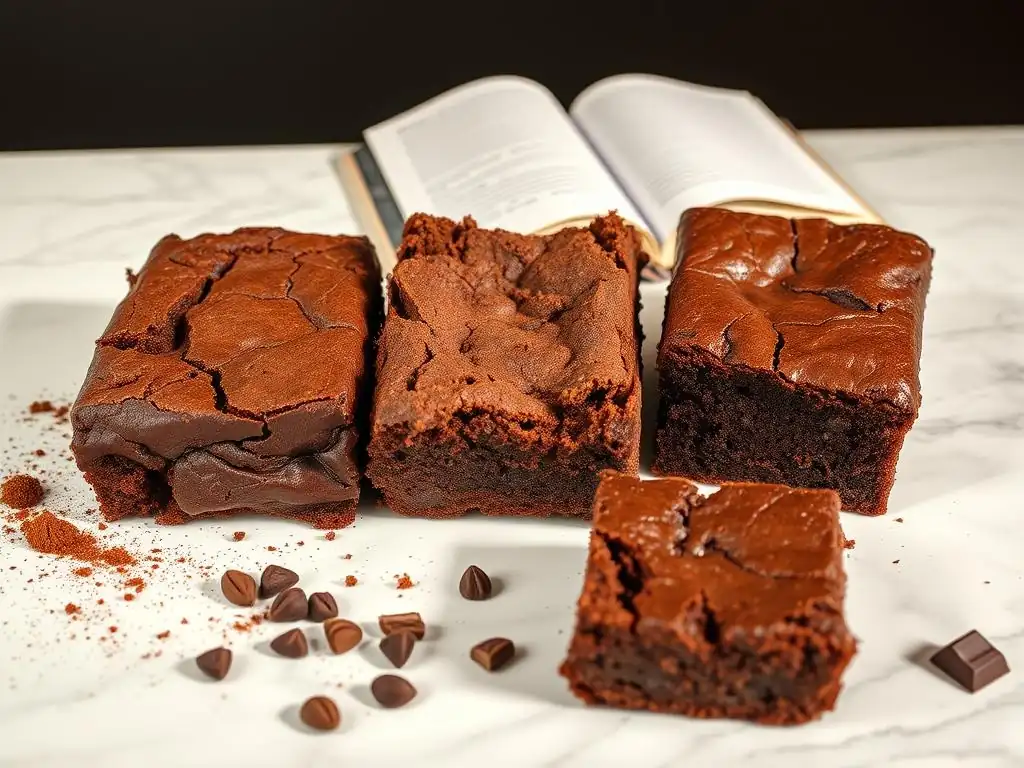
Brownies are a classic example where chocolate choice dramatically affects outcome, ranging from cakey to fudgy. Fudgy brownies often rely on a higher ratio of chocolate (often higher cacao varieties like bittersweet) to flour, with a good amount of fat (butter, and the cacao butter from the chocolate). The cacao solids contribute to the rich, dense texture, while the fat ensures moistness and fudginess.
Using chocolate with a very high cacao percentage (e.g., 70%+) can create incredibly rich, almost truffle-like brownies, but requires careful balancing with added fat and sugar to prevent them from becoming dry or overly bitter. Using lower cacao chocolate (higher sugar content baking chocolate) will generally result in sweeter, potentially chewier brownies due to the increased sugar and lower proportion of cacao solids and butter, sometimes leaning towards a more cakey texture depending on the overall recipe balance.
The Flavor Profile: Cacao as a Key Ingredient in Baking Chocolate
Flavor is arguably the most direct impact of cacao percentage, but it's more complex than just "more cacao equals more chocolatey." The percentage dictates the intensity and characteristics of the chocolate flavor, influencing the overall taste experience of the finished baked good.
How Cacao Intensity Impacts Flavor
The flavor compounds in chocolate are primarily found in the cacao solids. A higher cacao percentage means a greater concentration of these flavor compounds, leading to a more intense and complex chocolate flavor. This intensity can range from fruity and floral notes in chocolates made from specific bean origins to deep, roasted, or even earthy undertones.
Lower cacao percentage chocolates, conversely, have less intense chocolate flavor because the cacao solids are diluted by other ingredients, most notably sugar and milk solids. The sugar content baking chocolate provides in these lower percentage varieties masks some of the subtle nuances of the cacao itself, resulting in a simpler, sweeter profile.
The Bitterness Spectrum: Choosing the Right Baking Chocolate for Your Palate
Bitterness is a natural characteristic of cacao solids, particularly the phenolic compounds present. As the cacao percentage increases, so does the inherent bitterness of the chocolate. Unsweetened chocolate (near 100% cacao) is intensely bitter because it contains almost no added sugar to counteract it. Bittersweet and semisweet chocolates have varying levels of bitterness depending on their exact cacao percentage and the amount of added sugar; the sugar helps to balance the bitterness.
When choosing baking chocolate, consider the desired bitterness level in the final product. A recipe might call for bittersweet chocolate to provide a complex flavor with a hint of bitterness, while semisweet offers a milder, sweeter chocolate taste. The amount of sugar content baking chocolate contributes is a direct way manufacturers control this bitterness spectrum.
Considering Flavor Pairings Based on Cacao Content
The intensity and bitterness level dictated by cacao percentage also influence how well chocolate pairs with other flavors. High-cacao chocolates (70%+), with their intense, often slightly bitter profile, pair wonderfully with robust flavors like coffee, orange zest, chili, or sea salt, which can highlight the complex notes in the cacao.
Lower cacao chocolates, being sweeter and less intense, are more forgiving and pair well with milder flavors such as vanilla, nuts, caramel, or berries. Understanding the flavor profile that comes with different levels of sugar content baking chocolate offers allows bakers to make informed choices for creating harmonious flavor combinations in their desserts.
Substituting one type of baking chocolate for another without adjusting the recipe can lead to undesirable outcomes. The differing amounts of cacao solids, fat, and sugar significantly alter the chemistry and structure of a baked good.
Common Problems: Bitterness, Dryness, and Lack of Structure
Using chocolate with a significantly higher cacao percentage than a recipe calls for (e.g., substituting unsweetened for semisweet) can result in excessive bitterness, especially if insufficient sugar is added elsewhere in the recipe. The increased cacao solids can also absorb more liquid, leading to a dry or crumbly texture in cakes or brownies.
Conversely, using chocolate with a much lower cacao percentage (and thus higher sugar content baking chocolate provides) than intended can make a baked good too sweet, alter its structure (less cacao solid structure), and potentially affect its texture by adding more sugar and potentially different fats (like milk fat in milk chocolate). For instance, a recipe designed for bittersweet might turn out too soft or greasy if milk chocolate is used without modification, due to the higher sugar and different fat composition.
Adjusting Recipes Based on Baking Chocolate Cacao Percentage
When you need to substitute baking chocolate with a different cacao percentage, adjustments are often necessary, primarily to sugar and sometimes fat or liquid. If using chocolate with a higher cacao percentage than specified, you will likely need to add more sugar to compensate for the lower sugar content baking chocolate inherently contains and to balance the increased bitterness.
You might also need a little extra liquid or fat to counteract the dryness from the extra cacao solids. For example, substituting 70% bittersweet for 50% semisweet means less sugar and more cacao solids; adding a tablespoon or two of sugar per ounce of substituted chocolate can be a starting point, along with a splash of milk or extra butter if the batter seems too thick.
Adapting a Mousse Recipe for Unsweetened Chocolate
A classic chocolate mousse recipe often relies on the structure and flavor provided by melted bittersweet or semisweet chocolate, often combined with eggs, sugar, and whipped cream. Adapting such a recipe to use unsweetened chocolate (near 100% cacao, 0% added sugar) requires significant modifications. Because unsweetened chocolate provides no sugar content baking chocolate typically adds, a substantial amount of sugar must be incorporated into the base (e.g., with the egg yolks) to balance the intense bitterness.
Furthermore, unsweetened chocolate is very firm when set due to its high cacao solid and fat content. You might need to adjust the ratios of cream or egg base to melted chocolate to achieve the desired light and airy texture, potentially using less chocolate or more of the cream/egg mixture than a recipe designed for a lower cacao chocolate would specify.
Optimizing Ganache with Semisweet Chocolate
Ganache, a simple mixture of chocolate and hot cream, is highly sensitive to the chocolate's composition. The ratio of chocolate to cream determines its consistency, from a pourable glaze to a firm truffle filling. Semisweet chocolate, typically containing around 35-60% cacao (and a moderate sugar content baking chocolate provides), is a popular choice for ganache because it offers a good balance of flavor and setting ability.
A common ratio for a pourable ganache using semisweet chocolate is 1 part chocolate to 1 part hot cream by weight. For a thicker ganache suitable for frosting or truffles, you might use a ratio of 1.5 or 2 parts chocolate to 1 part cream.
Because semisweet chocolate has a moderate amount of cacao butter and added sugar, it emulsifies smoothly with cream. Using a higher cacao chocolate would require a different ratio (less chocolate or more cream) as it sets firmer, while a lower cacao chocolate (like milk chocolate, with higher sugar content baking chocolate brings) might require more chocolate relative to cream to achieve the same firmness and is more prone to breaking.
Choosing the Right Baking Chocolate: A Cacao Content Comparison
Selecting the appropriate baking chocolate is crucial for achieving the desired flavor, texture, and appearance in your baked goods. Understanding the characteristics of each type based on its cacao percentage is key.
Unsweetened Chocolate: For Intense Chocolate Flavor and Lower Sugar
Unsweetened chocolate, often 90-100% cacao, is pure chocolate liquor with virtually no added sugar. It is intensely bitter and firm. Its primary use is in recipes where a deep, unadulterated chocolate flavor is desired and the sugar is added separately as a distinct ingredient. Because its sugar content baking chocolate provides is negligible, it offers maximum control over the final sweetness level of a recipe. It's ideal for rich brownies, devil's food cake, or sauces where you want powerful chocolate impact without inherent sweetness from the chocolate itself.
Bittersweet Chocolate: A Balanced Option
Bittersweet chocolate, typically 60-80% cacao, offers a robust chocolate flavor with less bitterness than unsweetened chocolate due to the addition of sugar. It's a versatile choice for many baking applications, providing a good balance between intense chocolate flavor and sweetness. The sugar content baking chocolate provides in bittersweet varieties is moderate, making it suitable for everything from cookies and cakes to mousses and ganaches where a pronounced, but not overwhelming, chocolate taste is desired.
Semisweet Chocolate: A Classic Choice for Versatility
Semisweet chocolate, commonly 35-60% cacao, is perhaps the most widely used baking chocolate. It has a milder, sweeter chocolate flavor compared to bittersweet or unsweetened varieties. The higher sugar content baking chocolate provides makes it very palatable and easy to work with. It melts smoothly and is excellent for chocolate chips, glazes, and recipes where a classic, comforting chocolate flavor is the goal. Its versatility makes it a staple in many home baking pantries.
Milk Chocolate: Best Used Judiciously in Baking
Milk chocolate, with its low cacao percentage (10-35%), high sugar content baking chocolate provides, and added milk solids, is the sweetest and creamiest type. While delicious for eating, it presents challenges in baking. Its high sugar and milk content make it prone to scorching when melted, and it has a lower melting point and softer set than darker chocolates.
Its less intense chocolate flavor can get lost in baked goods. Milk chocolate is best used in recipes specifically designed for it, often those where its creamy texture and sweetness are assets, or combined with darker chocolates to balance flavor and texture.
Advanced Techniques: Manipulating Cacao Content for Specific Baking Results
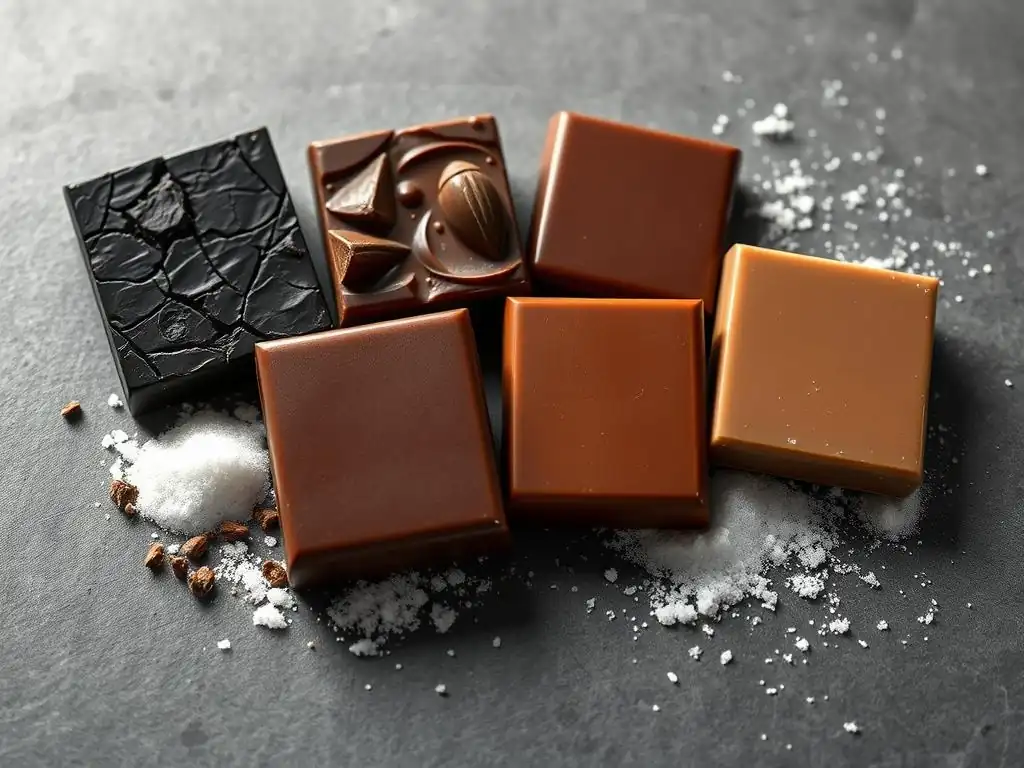
Once you understand the basics of how cacao percentage affects baking chocolate, you can start experimenting with more advanced techniques to fine-tune your results and create unique chocolate experiences.
Creating Custom Blends of Baking Chocolate
One way to achieve a precise cacao percentage and flavor profile is by blending different types of baking chocolate. For example, if a recipe calls for 65% bittersweet but you only have 50% semisweet and 80% bittersweet, you can melt and combine them in specific proportions to approximate the desired cacao level.
Blending also allows you to combine the flavor characteristics of different chocolates – perhaps mixing a fruity single-origin chocolate with a classic blend to add complexity. This technique gives you fine-grained control over both the intensity and the specific flavor notes, as well as the overall sugar content baking chocolate contributes to your recipe.
Using Cocoa Powder to Enhance Cacao Flavor
Cocoa powder is essentially dried, ground cacao solids with most of the cacao butter removed. It's a powerful way to add intense chocolate flavor and color to baked goods without adding significant fat or the sugar content baking chocolate contains. There are two main types: natural cocoa powder (acidic, lighter color) and Dutch-processed cocoa powder (alkalized, darker color, milder flavor).
Adding cocoa powder alongside melted baking chocolate in a recipe can boost the overall cacao intensity and contribute to a richer color and denser texture, particularly in cakes and brownies. The choice between natural and Dutch-processed also impacts leavening when used with baking soda or powder.
Employing Different Roasting Levels for Unique Flavor Profiles
The roasting of cacao beans is a critical step in flavor development. Different roasting temperatures and times can bring out various flavor nuances, from nutty and chocolatey to acidic and fruity.
While not always specified on standard baking chocolate packaging, some artisanal or high-quality chocolates may indicate roasting levels or bean origins that imply specific flavor profiles. Experimenting with chocolates made from beans with different roasting levels, even within the same cacao percentage range, allows you to introduce subtle but distinct flavor dimensions to your baking, moving beyond simple sweetness and bitterness to explore the true complexity of the cacao bean itself, regardless of the total sugar content baking chocolate provides.
Recipes Featuring Different Cacao Levels in Baking Chocolate
Exploring recipes designed for specific cacao percentages is an excellent way to understand their impact firsthand. Here are examples of baked goods where the type of baking chocolate plays a starring role:
Rich and Decadent Flourless Chocolate Cake (High Cacao)
Flourless chocolate cake often relies heavily on high-cacao chocolate (like 70-80% bittersweet or even unsweetened combined with added sugar) for its intense flavor and dense, fudgy texture. The structure comes primarily from the coagulation of eggs and the setting of the chocolate's cacao butter and solids, rather than flour. Using a high-cacao chocolate ensures a deep, complex flavor that is the star of the dish, balanced by the added sugar and often served with cream or fruit to complement the richness and manage the inherent bitterness and low sugar content baking chocolate contributes directly.
Classic chocolate chip cookies traditionally use semisweet chocolate chips, typically around 35-50% cacao. This percentage provides a familiar, moderately sweet chocolate flavor that pairs well with the vanilla and brown sugar in the cookie dough. The sugar content baking chocolate provides in semisweet chips contributes to the cookie's overall sweetness and texture. When the chips melt slightly during baking, they create pockets of creamy, sweet chocolate. Using chips with a higher cacao percentage would result in a less sweet, more intensely flavored, and potentially less melty chocolate chip experience.
Fudgy Chocolate Brownies (Low Cacao)
While many recipes for fudgy brownies use bittersweet or even unsweetened chocolate for intense flavor, some recipes that lean towards a sweeter, chewier texture might utilize chocolate with a lower cacao percentage, like semisweet (35-60%). In these cases, the higher sugar content baking chocolate provides contributes significantly to the sweetness and chewiness.
The lower proportion of cacao solids compared to higher-cacao options can result in a slightly less dense crumb, potentially leaning more towards a cakey texture if not balanced carefully with fat and other ingredients. Achieving fudginess with lower cacao chocolate often requires adjusting the fat-to-flour ratio and baking time.
Conclusion: Mastering Baking with Chocolate Through Cacao Content Awareness
Understanding the cacao percentage in your baking chocolate is more than just knowing how much chocolate is in the bar; it's about predicting how that chocolate will behave, taste, and contribute to the final texture of your baked goods. From melting and tempering properties to flavor intensity and structural contribution, cacao percentage is a fundamental variable in the art of baking with chocolate. Paying attention to this detail, alongside the resulting sugar content baking chocolate offers, empowers you to choose the right chocolate for your desired outcome and troubleshoot issues effectively.
Key Takeaways for Successful Baking with Chocolate
- Cacao Percentage Matters: It dictates flavor intensity, bitterness, melting point, and structural contribution.
- Higher Cacao = Less Sugar: Generally, higher cacao percentage means lower added sugar content, impacting sweetness and texture. The sugar content baking chocolate contains is inversely related to its cacao level.
- Different Types, Different Uses: Unsweetened (high cacao, low sugar) for intense flavor control; Bittersweet/Semisweet (medium cacao, moderate sugar) for versatility; Milk (low cacao, high sugar) for sweetness and creaminess, used judiciously.
- Recipe Adjustments are Key: Substituting chocolates with different cacao percentages requires adjusting other ingredients, especially sugar, fat, and liquid, to maintain balance and achieve desired results.
- Experimentation Leads to Mastery: Don't be afraid to try different chocolates or blend them to find the perfect match for your recipes and palate.
Resources for Further Learning About Chocolate and Cacao in Baking
To deepen your understanding, explore resources focusing on the science of chocolate, the origins and processing of cacao beans, and guides to chocolate tempering. Look for detailed articles on ingredient functionality in baking and how fats, sugars, and solids interact. Investigating the specifics of sugar content baking chocolate provides across different brands and types can also offer valuable insights into predicting baking outcomes. Continued practice and attention to how different chocolates perform in your own kitchen are the best ways to truly master baking with this incredible ingredient.
Frequently Asked Questions
What is the general impact of sugar content on baking chocolate?
The sugar content in baking chocolate significantly affects its melting properties and texture in baked goods. Higher sugar can lead to a softer, chewier result, while lower sugar can result in a more intense chocolate flavor.
How does sugar content affect the melting behavior of baking chocolate?
Higher sugar content generally lowers the melting point of baking chocolate. This can make it easier to work with, but can also cause it to burn more easily if not carefully monitored.
Does the sugar content impact the sweetness and flavor profile of the final baked product?
Absolutely. The sugar content of the baking chocolate directly contributes to the overall sweetness of the baked good. Using chocolate with less sugar allows the chocolate's inherent flavors to shine through more prominently.
How does sugar content affect the texture of baked goods when using different baking chocolates?
Using baking chocolate with higher sugar content can contribute to a softer and more tender crumb in cakes and cookies. Conversely, lower sugar content might result in a denser and more fudgy texture.
Where can I find baking chocolates with different sugar levels to experiment with?
BakeWithEase recommends checking the ingredient list and nutritional information on various baking chocolate products. Look for brands that explicitly state the percentage of cacao and sugar content for best results.
Final Reflection: The Sweet Truth About Sugar in Baking Chocolate
The delicate balance between sugar and chocolate in baking remains a crucial factor in achieving optimal results, impacting not only texture and taste but also the overall success of a recipe. Understanding this intricate relationship is more than just a culinary pursuit; it's the key to unlocking the full potential of chocolate in any baking endeavor. The subtle variations in sugar content can dramatically alter the final product, highlighting the importance of precise measurements and a deep understanding of the ingredients involved.
This exploration into the impact of sugar on baking chocolate has underscored the often-overlooked nuances of this seemingly simple ingredient. The subtle shifts in texture, from a crisp snap to a fudgy chew, are a testament to the power of precise sugar ratios. The best things in life are bittersweet,
a saying that rings especially true when considering the delicate dance between sugar and chocolate. The perfect balance isn't just about sweetness; it's about achieving a harmonious blend of flavors and textures that elevate the entire baking experience.
Now, consider your own baking journey. Are you ready to embrace the challenge of mastering the art of sugar and chocolate interaction? Experiment with different sugar levels in your favorite recipes, observe the changes, and discover the sweet spot that perfectly complements your desired outcome. The path to baking mastery is paved with experimentation and a willingness to learn from each batch, each success, and each delicious (or not-so-delicious!) failure. Embrace the process, and savor the results.
Unlock Your Baking Potential: Master the Art of Chocolate
Thanks for diving deep into the world of chocolate and baking! We hope you now have a clearer understanding of how sugar impacts your chocolate's performance. Ready to put this knowledge into practice?
- Experiment with sugar ratios: Try adjusting the sugar content in your next chocolate recipe based on your desired texture and flavor profile. Note your results – you might be surprised!
- Share your chocolate creations: Show us your baking triumphs (or even your delicious learning experiences!) on social media using #BakeWithEaseChocolate.
- Join our baking community: Connect with fellow baking enthusiasts on our forum to discuss your findings and share tips on mastering chocolate.
What unique sugar-chocolate combination will you create next? Let's hear about it in the comments below!