
How to Master Baking with Cardamom and Clementines This Winter

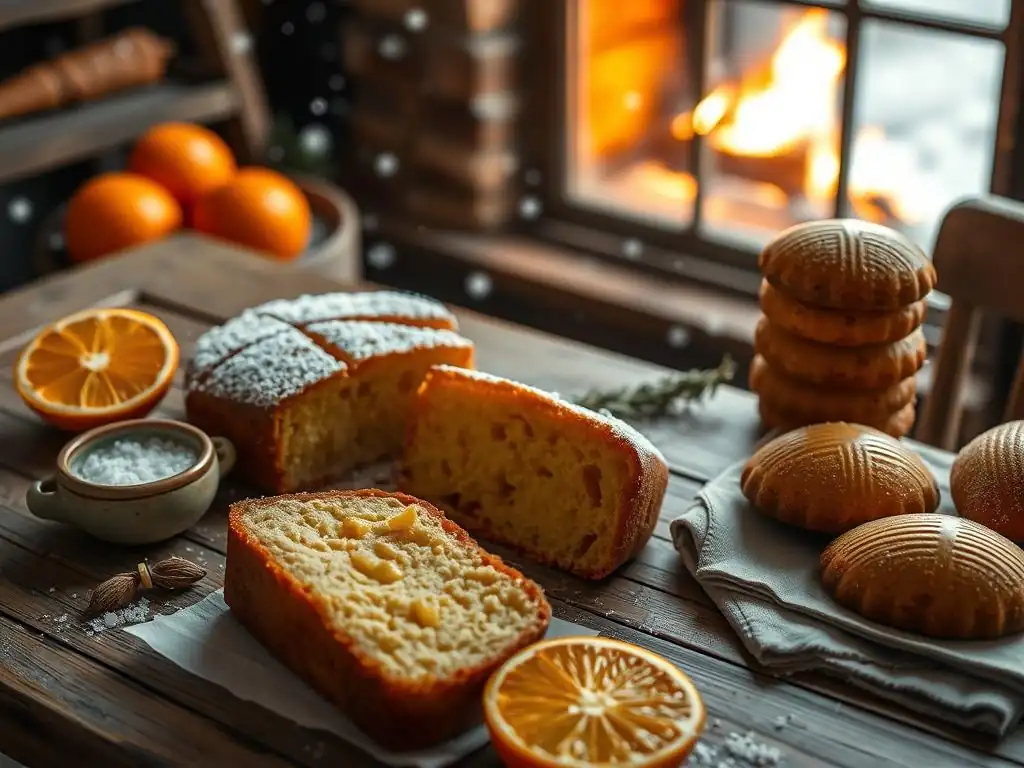
Welcome to BakeWithEase, your sanctuary for all things baking! Are you ready to infuse your kitchen with the warm, comforting aromas of winter? Imagine biting into a perfectly spiced treat, the citrusy zest dancing on your tongue. Today, we're diving into a delectable journey with our Cardamom Clementine Winter Baking Recipe, a delightful exploration of seasonal flavors that will elevate your baking game. Intrigued? Discover the secrets to creating this winter masterpiece and unlock a world of flavorful possibilities!
- BakeWithEase Presents: The Ultimate Cardamom Clementine Winter Baking Guide
- Understanding the Cardamom Clementine Flavor Profile for Winter Baking
- Cardamom Clementine Winter Baking Recipe Essentials
- Step-by-Step: Baking a Cardamom Clementine Cake
- Cardamom Clementine Winter Baking: Beyond Cake - Exploring Variations
- Tips and Tricks for Enhancing Cardamom Clementine Flavor in Winter Baking
- Troubleshooting Common Cardamom Clementine Winter Baking Issues
- Storing Your Cardamom Clementine Baked Goods for Optimal Freshness
- Elevate Your Winter Baking: Cardamom Clementine Recipe Ideas
- Mastering Winter Baking with Spices and Citrus: A Recap
-
Frequently Asked Questions
- What makes cardamom and clementines a good pairing for winter baking?
- Where can I find the best quality cardamom for baking?
- Can I substitute other citrus fruits for clementines in this recipe?
- What types of baked goods work well with cardamom and clementine flavors?
- How can I best store baked goods made with cardamom and clementines?
- Final Reflection: The Sweet Symphony of Winter Baking
- Unlock Your Inner Pastry Chef: Cardamom & Clementine Baking Awaits!
BakeWithEase Presents: The Ultimate Cardamom Clementine Winter Baking Guide
Embrace Winter Flavors: Cardamom and Clementine Baking
As the days grow shorter and the air turns crisp, our kitchens beckon with the promise of warmth and comforting aromas. Winter baking is a cherished tradition, and few flavor combinations capture the season's essence quite like cardamom and clementine. Cardamom brings a fragrant, almost mystical warmth, while clementines offer a bright, sunny citrus counterpoint that cuts through the richness often found in winter treats.
This pairing creates a symphony of taste and smell, perfect for cozy afternoons or festive gatherings. Mastering a cardamom clementine winter baking recipe allows you to infuse your home with the very spirit of the season.
This guide will walk you through the nuances of working with these delightful ingredients, ensuring your bakes are not just tasty, but truly spectacular. We'll explore why these flavors are a match made in winter heaven, delve into essential techniques, provide a step-by-step example for a classic bake, and even suggest exciting variations. Whether you're a novice baker or looking to perfect your skills, you'll find everything you need to confidently create delicious cardamom clementine winter baking delights.
Understanding the Cardamom Clementine Flavor Profile for Winter Baking
The Magic of Cardamom in Winter Desserts
Cardamom, often called the "Queen of Spices," boasts a complex profile that is both warm and slightly floral, with hints of citrus and eucalyptus. The most common type used in baking is green cardamom (Elettaria cardamomum), known for its intense aroma and potent flavor derived from compounds like cineole. In winter desserts, cardamom pairs exceptionally well with dairy (butter, cream, milk), nuts (pistachios, almonds), and fruits like apples, pears, and, of course, citrus.
It's a staple in Scandinavian baking, lending its signature warmth to pastries like Kanelbullar (cinnamon buns, often with cardamom) and other traditional sweets. A standard cake recipe serving 8-10 people might call for 1 to 1.5 teaspoons of ground cardamom to achieve a noticeable yet balanced flavor.
The heat of the oven transforms cardamom, releasing its volatile oils and permeating the entire bake with its intoxicating fragrance. For the most intense flavor, it's highly recommended to use whole green cardamom pods, crack them open, and grind the small black seeds just before adding them to your recipe. Pre-ground cardamom loses potency quickly once exposed to air, resulting in a less vibrant spice note in your cardamom clementine winter baking recipe. Grinding fresh ensures that your bakes have that unmistakable, powerful cardamom punch that defines many classic winter treats.
Clementines: A Burst of Winter Citrus for Baking
Clementines are a winter delight, typically in season from November through January. These small, sweet, and easy-to-peel mandarins offer a brighter, slightly less acidic flavor than navel oranges, making them wonderfully suited for baking. Their sweetness complements the warmth of spices, and their vibrant citrus notes provide a refreshing contrast to rich batters. The key to maximizing clementine flavor in baking lies in the zest, which contains concentrated aromatic oils. The zest from just 1 or 2 medium clementines can infuse a whole loaf cake or batch of muffins with noticeable citrus brightness.
While the zest provides the primary aroma, clementine juice adds moisture and a touch of balancing acidity to baked goods. Using fresh-squeezed juice is always best for a pure, clean flavor. The combination of clementine zest and juice works synergistically with cardamom; the citrus brightness lifts the deep, warm spice notes, preventing the cardamom from becoming heavy or medicinal. This balance is crucial for creating a truly memorable cardamom clementine winter baking recipe that feels both comforting and invigorating.
Cardamom Clementine Winter Baking Recipe Essentials
Key Ingredients for Cardamom and Clementine Treats
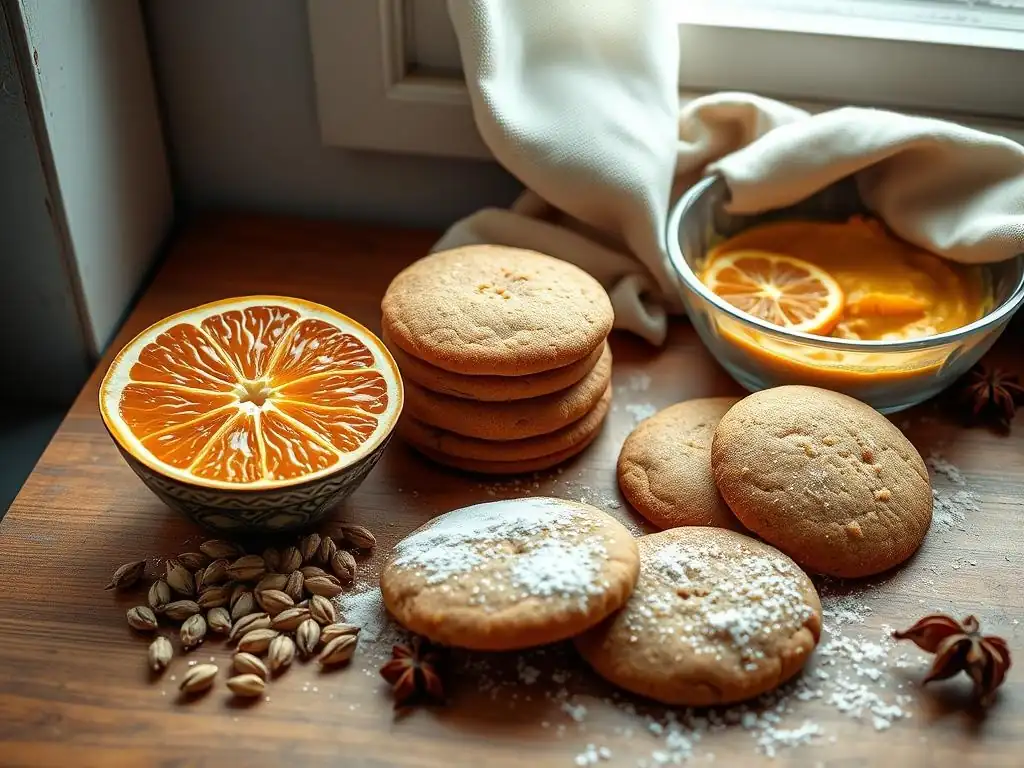
Crafting delicious cardamom clementine winter baking goods starts with high-quality ingredients. Beyond the stars of the show – fresh clementines and fragrant cardamom – you'll need standard baking staples. These include all-purpose flour (or your preferred type), granulated sugar and/or brown sugar, unsalted butter (usually softened), large eggs, a leavening agent like baking powder or baking soda (check those expiration dates! ), salt, and a liquid like milk, buttermilk, or sour cream for moisture and tenderness.
For optimal flavor in your cardamom clementine winter baking recipe, prioritize using fresh ingredients. Ensure your butter and eggs are at room temperature unless the recipe specifically states otherwise, as this helps create a smooth, emulsified batter. For the clementines, choose firm, brightly colored fruit. If using whole cardamom, ensure the pods are green and plump, not dried out. Accurate measurement is also paramount; use dry measuring cups for flour and sugar, and liquid measuring cups for liquids.
Essential Baking Tools for Winter Spice Infusion
Having the right tools makes the cardamom clementine winter baking process much smoother and helps unlock the full potential of your ingredients. Basic baking equipment like mixing bowls, a whisk, rubber spatulas, measuring cups and spoons, and a reliable oven are fundamental. You'll also need the appropriate baking pan for your chosen recipe, whether it's a standard 9x13 inch cake pan, 9-inch round pans, a loaf pan (like a 9x5 inch), or muffin tins.
To effectively incorporate the cardamom and clementine flavors, specific tools are highly beneficial. A Microplane zester is invaluable for grating fine, fluffy clementine zest without digging into the bitter white pith. A citrus juicer (even a simple reamer) will help you extract the necessary juice efficiently. If you're using whole cardamom pods, a mortar and pestle or a dedicated spice grinder is essential for grinding the seeds fresh, significantly enhancing the aroma and flavor compared to using pre-ground spice.
Step-by-Step: Baking a Cardamom Clementine Cake
Preparing the Clementine Zest and Juice
The first step in many cardamom clementine winter baking recipe variations, especially cakes, involves preparing the citrus. Begin by washing your clementines thoroughly. Using a Microplane zester, gently rub the orange skin of the clementine over the grater surface, rotating the fruit as you go. Your goal is to remove only the brightly colored outer layer, as the white pith underneath is bitter and can negatively impact your cake's flavor. Aim for about 1 to 2 tablespoons of finely grated zest for a standard loaf or 8-inch cake.
Once zested, cut the clementines in half and extract the juice using a citrus juicer or by hand. Strain the juice to remove any seeds or pulp. For a cake, you might need anywhere from 1/4 cup to 1/2 cup of fresh clementine juice, depending on the recipe's moisture balance. Often, the zest is added early in the mixing process, sometimes rubbed into the sugar to release its oils, while the juice is incorporated with the wet ingredients.
Infusing Cardamom into Your Cake Batter
Properly adding cardamom ensures its flavor is evenly distributed throughout your cardamom clementine winter baking recipe. If using pre-ground cardamom, it's typically added along with the other dry ingredients like flour, baking powder, and salt. Whisking the dry ingredients together helps disperse the spice evenly before they are combined with the wet components. Using 1 to 1.5 teaspoons of ground cardamom is a good starting point for a cake recipe designed to serve around 10-12 people.
For a more intense and nuanced cardamom flavor, crack open whole green pods, extract the tiny black seeds, and grind them into a fine powder using a mortar and pestle or spice grinder just before adding them to the batter. These freshly ground seeds can also be whisked into the dry ingredients.
Some bakers like to briefly warm the ground cardamom in melted butter or milk before adding to the batter, which can help bloom the spice and deepen its flavor, though simply adding it to the dry ingredients is usually sufficient for a vibrant cardamom clementine winter baking cake.
Baking to Perfection: Time and Temperature Guide
Successful baking relies heavily on accurate oven temperature and timing. Always preheat your oven fully before placing the cake inside, typically to 350°F (175°C). Ensure your cake pan is properly prepared – greased and floured, or lined with parchment paper, to prevent sticking. Pour the batter into the prepared pan, spreading it evenly.
The baking time for a cardamom clementine winter baking recipe cake will vary depending on the size and type of pan. A standard loaf cake (9x5 inches) might take 50-60 minutes, while an 8 or 9-inch round cake could take 30-40 minutes. Muffins bake much faster, around 20-25 minutes. Test for doneness by inserting a wooden skewer or toothpick into the center; it should come out clean or with just a few moist crumbs attached. Avoid opening the oven door frequently, especially during the first two-thirds of the baking time, as this can cause the cake to sink.
Cardamom Clementine Winter Baking: Beyond Cake - Exploring Variations
Cardamom Clementine Scones: A Winter Morning Delight
Cardamom Clementine Scones offer a delightful, flaky treat perfect for a winter breakfast or afternoon tea. The buttery richness of the scone provides a wonderful canvas for the bright citrus and warm spice flavors. To make these, you'd typically cut cold butter into a mixture of flour, sugar, baking powder, salt, ground cardamom (perhaps 1 teaspoon for a batch of 8 scones), and clementine zest (from 1-2 clementines).
The liquid component is usually heavy cream or buttermilk, often enhanced with a tablespoon or two of fresh clementine juice. The key to flaky scones is using cold ingredients and handling the dough minimally. After shaping, they are typically baked at a relatively high temperature, around 400°F (200°C), for 15-20 minutes until golden brown. A simple drizzle of cardamom clementine glaze elevates these further, making them a truly special cardamom clementine winter baking recipe variation.
Cookies infused with cardamom and clementine are wonderfully festive and make excellent gifts. Shortbread, sugar cookies, or simple butter cookies are ideal bases. Incorporate finely ground cardamom (about 1/2 to 1 teaspoon per standard batch) and the zest of 1-2 clementines directly into the dough along with the sugar and butter. This ensures the flavors are well distributed.
Depending on the cookie type, you might bake them at 350°F (175°C) for 10-15 minutes. For roll-out cookies, chilling the dough first is crucial for clean shapes. These cookies can be enjoyed plain, dusted with powdered sugar, or finished with a bright clementine glaze or even dipped partially in white chocolate, which pairs beautifully with both cardamom and citrus. A batch of these cardamom clementine winter baking cookies is sure to spread cheer.
Cardamom Clementine Bread: A Festive Loaf
A Cardamom Clementine quick bread is a moist, fragrant loaf that's a joy to bake and eat during the winter months. Think of it like a spiced citrus pound cake or muffin bread. A typical recipe would involve creaming butter and sugar, adding eggs, then alternating additions of dry ingredients (flour, baking powder, salt, ground cardamom – around 1 to 1.5 teaspoons) and wet ingredients (milk or sour cream mixed with clementine juice – about 1/4 to 1/2 cup) along with the clementine zest (from 2-3 clementines).
This batter is usually poured into a greased and floured 9x5 inch loaf pan and baked at 350°F (175°C) for 50-60 minutes, or until a skewer inserted comes out clean. The result is a tender crumb infused with warm spice and bright citrus. Adding chopped nuts like almonds or pistachios, or dried fruits like cranberries or cherries, can introduce extra texture and complementary flavors to this comforting cardamom clementine winter baking recipe.
Tips and Tricks for Enhancing Cardamom Clementine Flavor in Winter Baking
Maximizing Clementine Zest Flavor
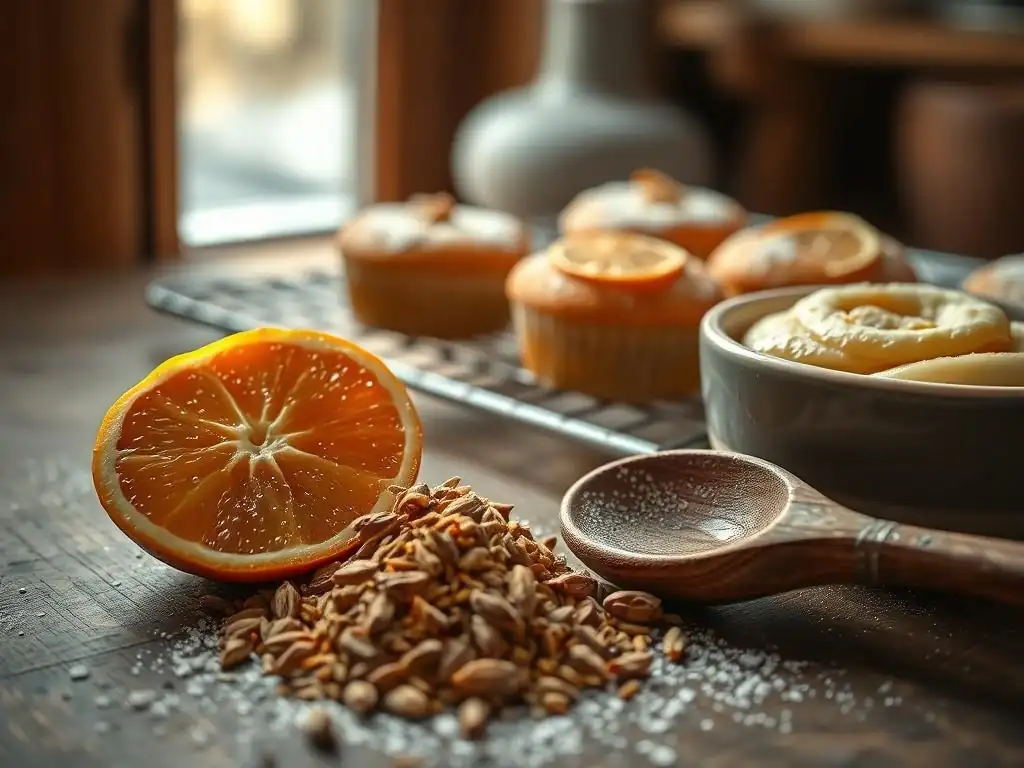
To get the most vibrant clementine flavor into your cardamom clementine winter baking recipe, proper zesting is key. Always use a Microplane or the smallest holes on a box grater to produce very fine zest; this breaks down the oil glands effectively. Rub the zest into the granulated sugar with your fingertips before adding it to the wet ingredients. This simple step helps release the aromatic oils from the zest and infuses the sugar, distributing the flavor more thoroughly throughout the batter.
Ensure you are using fresh, unwaxed clementines if possible. Wash them well before zesting. Zest only the bright orange part of the peel, avoiding the bitter white pith underneath. If you have extra clementine zest, you can store it in an airtight container in the refrigerator for a few days or freeze it for longer storage, though fresh is always superior for peak aroma.
Grinding Cardamom for Optimal Aroma
For truly outstanding cardamom clementine winter baking, the biggest flavor boost comes from using freshly ground cardamom seeds. Whole green cardamom pods protect the volatile oils that give the spice its intense aroma. To use, simply crack open the pods (you can use your fingers or the flat side of a knife) and scoop out the tiny, dark seeds inside. Discard the papery green pods.
Grind the seeds using a mortar and pestle until they form a fine powder, or use a clean electric spice grinder. Compare the smell of freshly ground seeds to pre-ground cardamom from a jar – the difference is remarkable. Use the freshly ground spice immediately in your recipe. Store whole cardamom pods in a cool, dark, airtight container, and they will retain their potency for much longer than ground spice.
Balancing Sweetness and Spice in Your Winter Bakes
Achieving the perfect balance between the sweetness of the baked good, the warmth of the cardamom, and the brightness of the clementine is crucial for a successful cardamom clementine winter baking recipe. Cardamom is potent, so it's often better to start with a moderate amount (e.g., 1 teaspoon for a standard cake) and increase in future batches if you desire a stronger flavor. Too much cardamom can taste medicinal or soapy.
The clementine zest provides aroma and a slight bitterness that balances sweetness, while the juice adds acidity. Ensure you are using enough zest to make the citrus presence known alongside the cardamom. Taste your batter (if it doesn't contain raw egg) or a small test bake if unsure. If a finished bake seems too sweet or the spice is overwhelming, serving it with a bright clementine glaze or a tangy cream cheese frosting infused with citrus can help create balance on the palate.
Troubleshooting Common Cardamom Clementine Winter Baking Issues
Preventing a Dry Cake: Moisture Management
A common issue in baking is a dry cake, which can happen with any cardamom clementine winter baking recipe. This is often caused by overmixing the batter (leading to excess gluten development), overbaking, or incorrect ingredient measurements, particularly too much flour or not enough liquid/fat. Always measure your flour accurately, preferably by spooning it into the measuring cup and leveling it off, rather than scooping directly from the bag.
Ensure your oven temperature is accurate by using an oven thermometer; ovens can run hot or cool. Bake your cake only until a toothpick inserted into the center comes out with a few moist crumbs attached, as residual heat will continue to cook it slightly as it cools. Using ingredients like buttermilk, sour cream, oil instead of all butter, or incorporating mashed fruit (like a bit of applesauce or even mashed clementine flesh if appropriate for the recipe type) can help boost moisture.
Avoiding Cardamom Overpowering the Clementine
Cardamom has a strong personality, and sometimes it can dominate the more delicate clementine flavor in a cardamom clementine winter baking recipe. If your bake tastes primarily of cardamom, you might be using too much ground spice, or not enough clementine zest/juice. Remember that freshly ground cardamom is much more potent than pre-ground, so adjust the quantity accordingly.
To ensure the clementine flavor stands out, make sure you are using plenty of fresh zest – rubbing it into the sugar is an excellent technique for flavor infusion. Use fresh clementine juice, not juice from concentrate. If a bake is already complete and the cardamom is too strong, pairing it with a bright clementine sauce, glaze, or a dollop of citrus-infused whipped cream can help introduce the missing citrus note and balance the flavors.
Achieving the Perfect Rise and Texture
A cake or bread that doesn't rise properly or has a poor texture can be disappointing. In a cardamom clementine winter baking recipe, this is often related to leavening agents, mixing technique, or oven issues. First, check the expiration date of your baking powder or baking soda; old leavening agents lose their effectiveness. Ensure you are using the correct type and amount specified in the recipe.
Avoid overmixing the batter once the wet and dry ingredients are combined; mix only until just combined. Overmixing develops gluten, which can lead to a tough texture and a poor rise. Ensure your oven is properly preheated before putting the cake in, and resist the urge to open the oven door during the first 20-30 minutes of baking, as the sudden temperature drop can cause the cake to collapse.
Storing Your Cardamom Clementine Baked Goods for Optimal Freshness
Proper Storage Techniques for Cakes and Breads
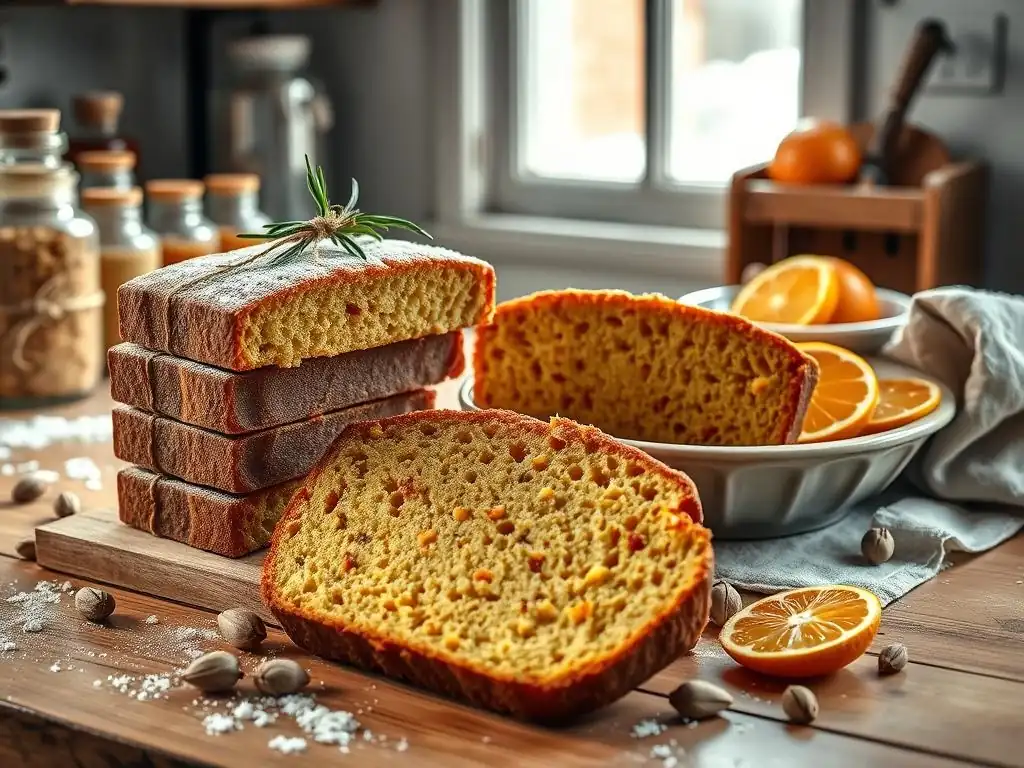
Once your cardamom clementine winter baking creations have cooled completely on a wire rack, proper storage is key to maintaining their freshness and texture. Cakes and quick breads are best stored at room temperature unless they contain perishable fillings or frostings (like cream cheese frosting, which needs refrigeration). Wrap them tightly in plastic wrap or store them in an airtight container to prevent them from drying out.
A whole cake stored in a cake dome also works well. Loaf cakes and quick breads can be wrapped in plastic wrap, then aluminum foil. Stored this way, most cakes and quick breads will stay fresh and moist for 3-4 days. Keep them away from direct sunlight or sources of heat, which can degrade their quality faster.
Freezing Cardamom Clementine Treats for Later
Freezing is an excellent way to preserve your cardamom clementine winter baking recipe creations for enjoyment later. Most cakes, quick breads, and cookies freeze beautifully. Ensure the baked goods are completely cooled before freezing. For cakes and breads, wrap slices or the whole item tightly in plastic wrap, then wrap again in aluminum foil or place in a freezer-safe bag or container. This double layer helps prevent freezer burn.
Label the package with the contents and date. Baked goods can typically be frozen for 2-3 months. Cookies can often be frozen baked or as balls of dough. Thaw frozen items overnight in the refrigerator or at room temperature, depending on the item. Freezing allows you to bake ahead for holidays or simply enjoy your delicious cardamom clementine winter baking treats whenever the craving strikes.
Elevate Your Winter Baking: Cardamom Clementine Recipe Ideas
Cardamom Clementine Glaze Recipe
A simple glaze is a fantastic way to add an extra layer of flavor and moisture to your cardamom clementine winter baking treats, such as cakes, scones, or cookies. To make a quick cardamom clementine glaze, whisk together about 1 cup of powdered sugar with 1-2 tablespoons of fresh clementine juice. Start with 1 tablespoon of juice and add more gradually until you achieve a thick but pourable consistency.
For the cardamom flavor, add just a pinch (about 1/8 to 1/4 teaspoon) of finely ground cardamom to the glaze and whisk until smooth. A tiny bit of finely grated clementine zest can also be added for visual appeal and extra citrus punch. Drizzle or spread the glaze over your completely cooled baked goods. The bright, slightly tangy citrus combined with the subtle warmth of cardamom makes this glaze a perfect complement.
Cardamom Clementine Cream Cheese Frosting
For a richer topping for your cardamom clementine winter baking cakes or cupcakes, a cream cheese frosting infused with these flavors is divine. You'll need softened cream cheese (typically 8 ounces), softened unsalted butter (about 1/4 cup), powdered sugar (around 2-3 cups, depending on desired sweetness and consistency), vanilla extract (1/2 teaspoon), and your flavorings.
Beat the softened cream cheese and butter together until smooth and creamy. Gradually add the powdered sugar, mixing on low speed until incorporated, then beat on higher speed until fluffy. Stir in the vanilla extract. Finally, add 1-2 tablespoons of fresh clementine juice and about 1/4 to 1/2 teaspoon of ground cardamom, mixing until just combined and smooth. This tangy, spiced citrus frosting beautifully complements the flavors of the cake or bread it adorns.
Mastering Winter Baking with Spices and Citrus: A Recap
Embrace the Flavors of the Season
Winter baking is a celebration of warmth, comfort, and the bounty of the season. Cardamom and clementines together offer a uniquely delightful flavor profile – the deep, aromatic warmth of cardamom perfectly balanced by the bright, sweet acidity of clementine citrus. This combination is versatile, working beautifully in everything from cakes and breads to scones and cookies.
By understanding the nuances of working with these ingredients – from selecting fresh cardamom and maximizing clementine zest flavor to balancing the spice and sweetness – you can elevate your cardamom clementine winter baking from good to truly exceptional. Don't hesitate to experiment and make these flavors your own.
Perfect Your Cardamom Clementine Winter Baking Skills
Like any skill, baking improves with practice. Don't be discouraged if your first cardamom clementine winter baking recipe isn't absolutely perfect. Pay attention to the details: the quality of your spices, the freshness of your citrus, accurate measurements, and understanding how your oven performs.
With the tips, techniques, and recipe ideas explored in this guide, you have the foundation to confidently bake delicious treats that capture the essence of winter. Embrace the process, enjoy the incredible aromas filling your kitchen, and share your delightful cardamom clementine winter baking creations with friends and family. Happy baking!
Frequently Asked Questions
What makes cardamom and clementines a good pairing for winter baking?
Cardamom's warm, spicy notes complement the bright, citrusy flavor of clementines, creating a comforting and festive taste profile perfect for winter. This pairing offers a unique and delightful alternative to more traditional winter flavors.
Where can I find the best quality cardamom for baking?
Look for whole cardamom pods whenever possible and grind them yourself for the freshest flavor. Specialty spice shops or online retailers specializing in high-quality spices are good places to start.
Can I substitute other citrus fruits for clementines in this recipe?
While clementines are recommended for their sweetness and ease of peeling, you can substitute with other citrus fruits like mandarins or tangerines. Just be mindful of the sweetness level and adjust the sugar accordingly.
What types of baked goods work well with cardamom and clementine flavors?
This flavor combination shines in a variety of baked goods, including cakes, muffins, scones, and cookies. It also works beautifully in breads and even some pastries.
How can I best store baked goods made with cardamom and clementines?
To maintain freshness, store your baked goods in an airtight container at room temperature. This will help prevent them from drying out and preserve the aromatic flavors.
Final Reflection: The Sweet Symphony of Winter Baking
The comforting aroma of cardamom and clementine baking is more than just a seasonal treat; it's a potent reminder of the simple joys and the power of mindful creation. This winter, as we navigate the often-chaotic pace of modern life, the act of carefully measuring spices, zesting citrus fruits, and patiently waiting for a golden-brown crust offers a much-needed counterpoint. It's a chance to slow down, connect with the process, and savor the tangible results of our efforts.
The enduring appeal of these flavors, woven into the fabric of countless winter traditions across cultures, speaks volumes about their ability to evoke warmth, nostalgia, and a sense of belonging. The best things in life are the simple things.
This simple truth resonates deeply when considering the profound satisfaction derived from creating something delicious and beautiful from humble ingredients. The process itself, from selecting the perfect clementines to the final dusting of powdered sugar, becomes a meditative practice, a small act of self-care in a busy world.
Now, I invite you to take what you've learned from this exploration of cardamom and clementine baking and apply it to your own life. Don't just bake these recipes; experience them. Embrace the imperfections, savor the successes, and allow the process to nourish not only your body but also your soul. This winter, let the sweet symphony of these flavors inspire you to find moments of peace, creativity, and connection within the everyday. Let the warmth of the oven mirror the warmth you bring to your own life and the lives of those around you.
Unlock Your Inner Pastry Chef: Cardamom & Clementine Baking Awaits!
Thanks for spending time with us and delving into the wonderful world of cardamom and clementine baking! We hope you’ve discovered new flavor combinations and techniques to elevate your winter baking. Ready to put your newfound knowledge to the test?
- Bake your own masterpiece! Try one of the recipes mentioned in the article, or get creative and experiment with your own cardamom and clementine creations. Let your imagination run wild!
- Share your baking journey! Post a picture of your delicious results on social media using #BakeWithEaseCardamomClementine. We’d love to see your creations!
- Explore further! Dive deeper into our recipe archives for more seasonal baking inspiration – you might just discover your new favorite flavor pairing.
What unique twist will you add to your next cardamom and clementine bake? Let's discuss in the comments below!