
Secrets to Baking with Juicy Summer Berries

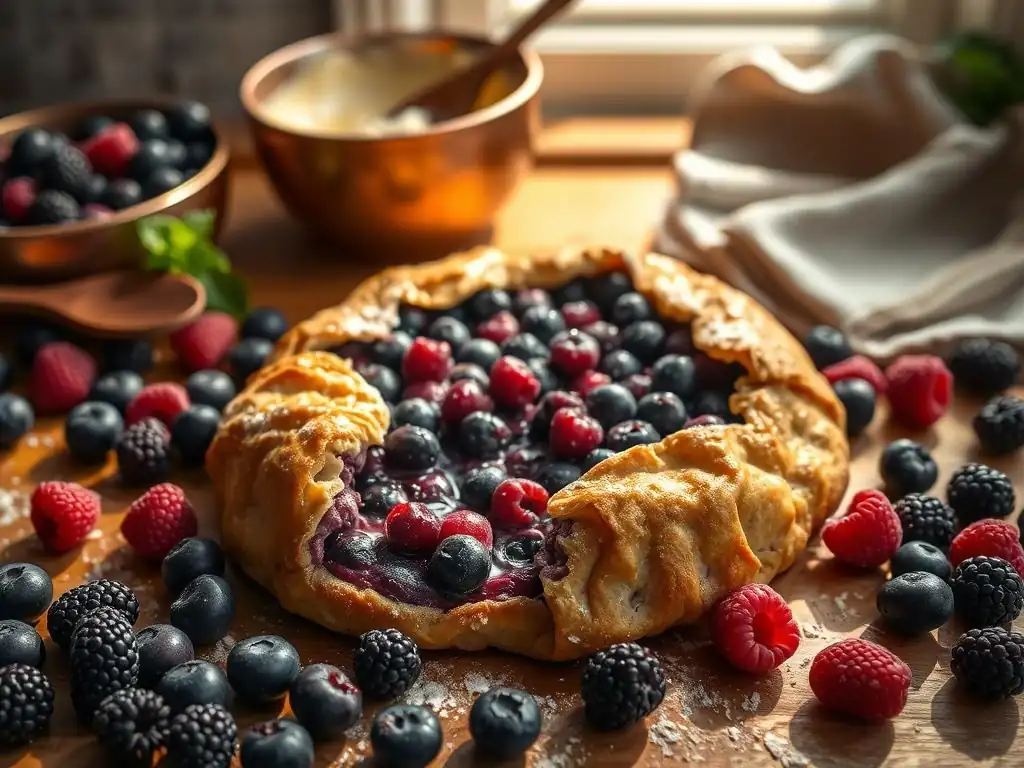
Welcome to BakeWithEase, your passport to pastry perfection! Ever wondered how to unlock the secret to baking juicy berry desserts that explode with flavor, not become a soggy mess? Prepare to discover the insider techniques that will transform your summer baking from good to unforgettable. Let's dive in and explore the art of perfectly balanced berry bliss!
- Secrets to Baking with Juicy Summer Berries - BakeWithEase.com
- Introduction to Baking Juicy Berry Desserts
- Selecting the Best Summer Berries for Baking
- Preparing Summer Berries for Baking: A Step-by-Step Guide
- Essential Baking Techniques for Juicy Berries
- Key Ingredients That Complement Summer Berries
- Baking Recipes Featuring Summer Berries
- Tips for Storing and Serving Berry Desserts
- Troubleshooting Common Berry Baking Problems
- Advanced Techniques for Baking with Berries
- Conclusion: Mastering the Art of Baking Delicious Berry Treats
-
Frequently Asked Questions
- What makes baking with summer berries different from other fruits?
- How do I prevent my berry filling from becoming too runny in a pie or tart?
- Can I use frozen berries instead of fresh berries for baking?
- What are some tips for maintaining the vibrant color of berries in baked goods?
- What are some easy dessert recipes that showcase juicy summer berries?
- Final Reflection: The Enduring Sweetness of Summer Berries
- Unleash Your Inner Berry Baker!
Secrets to Baking with Juicy Summer Berries - BakeWithEase.com
Introduction to Baking Juicy Berry Desserts
Summer brings a bounty of vibrant, flavorful berries, and there's nothing quite like incorporating their juicy sweetness into your baking. From pies and crumbles to muffins and cakes, baking juicy berry desserts is a cherished seasonal tradition for many home bakers. Harnessing the intense flavor and beautiful color of these fruits can elevate simple recipes into spectacular treats. This guide from BakeWithEase will walk you through the essential tips and techniques to ensure your berry bakes are always a success, bursting with fresh, fruity goodness.
The Allure of Summer Berries in Baking
There's an undeniable magic to baking with summer berries. Their peak ripeness means maximum flavor, sweetness, and that characteristic juicy pop that makes every bite a delight. The vibrant hues – deep blues of blueberries, ruby reds of raspberries and strawberries – also add incredible visual appeal to baked goods, making them as beautiful as they are delicious. Whether it's the comforting aroma of a bubbling berry pie or the tender crumb of a muffin studded with fruit, baking juicy berry desserts captures the very essence of the sunny season.
Beyond their sensory appeal, summer berries offer a range of textures, from the soft yielding of raspberries to the slight firmness of blueberries. This variety allows for diverse applications in baking, contributing moisture, acidity, and sweetness that balance fats and flours. Mastering the art of baking with these delicate fruits is key to unlocking their full potential and creating truly memorable summer treats.
Why Summer Berries are Perfect for Baking: A Seasonal Treat
Summer berries are at their absolute prime during the warmer months, usually from late spring through early fall, depending on the region. This seasonality is crucial because berries picked at peak ripeness offer the most intense flavor and sweetness, requiring less added sugar in your recipes. For instance, a pint of mid-July strawberries from a local farm often has significantly more natural sweetness and aroma than those available out of season.
Furthermore, the high water content inherent in juicy summer berries is exactly what makes them perfect for creating moist and tender baked goods, provided you manage that moisture correctly. A classic blueberry muffin recipe, for example, relies on the moisture from the berries to contribute to its soft texture. Utilizing berries when they are naturally at their best ensures you're working with the highest quality ingredients, leading to superior results in all your baking juicy berry desserts.
Selecting the Best Summer Berries for Baking
Choosing the right berries is the first step to successful baking. The quality of your final baked good is directly tied to the quality of the fruit you start with. Taking a moment to inspect and select the best berries will pay dividends in flavor, texture, and appearance.
Identifying Ripe and Flavorful Berries
Ripe berries are the foundation of delicious baking juicy berry desserts. For strawberries, look for a uniform bright red color with no green or white spots near the stem, and a sweet fragrance. Blueberries should be plump, firm, and have a dusty bloom; avoid soft, shriveled, or leaky berries. Raspberries and blackberries should be full-colored, plump, and easily detach from their core; avoid crushed or moldy ones.
A key indicator of ripeness is smell – truly ripe berries will have a distinct, sweet aroma. While visual cues are important, a sniff test can confirm their flavor potential. For example, a box of fragrant strawberries is almost guaranteed to produce a more flavorful shortcake than one with little scent. Aim for berries that feel dry to the touch in their container; excess moisture can indicate they are overripe or have been handled roughly.
Best Berry Varieties for Baking: Strawberries, Blueberries, Raspberries, and More
While many berries work well in baking, some are particularly popular for their flavor profiles and structural integrity. Blueberries are perhaps the most common, holding their shape well and distributing evenly in batters like muffins or scones. Their tart-sweet flavor is universally loved in baking juicy berry desserts. Strawberries, when ripe, offer intense sweetness and a slightly softer texture, perfect for pies, tarts, and shortcakes.
Raspberries bring a lovely tartness and delicate texture, ideal for sauces, fillings, or gently folded into cakes and muffins (though they can be more fragile). Blackberries are similar to raspberries but often larger and earthier, excellent in crumbles, pies, and jams used in baking. Other great options include marionberries, boysenberries, or even huckleberries, each offering unique regional flavors that can make your baking juicy berry desserts truly special.
Where to Source the Freshest Berries for Your Baking
The absolute best place to source berries for baking is often directly from the source: local farms or farmer's markets. Berries sold here are typically harvested at peak ripeness and have traveled shorter distances, meaning they are fresher and more flavorful than those found in large supermarkets. Visiting a pick-your-own farm is another fantastic option, guaranteeing freshness and allowing you to select only the best fruit.
When purchasing from a grocery store, look for berries that are displayed in single layers to prevent crushing. Check the bottom of the container for any signs of bruising, mold, or excessive juice, which indicate damaged or overripe fruit. Aim for organic berries if possible, as their flavor can sometimes be more intense, and you avoid pesticide residues. A typical recipe for a large pie might require 5-6 cups (around 2-3 pounds) of fresh berries, so sourcing them well is essential for success.
Preparing Summer Berries for Baking: A Step-by-Step Guide
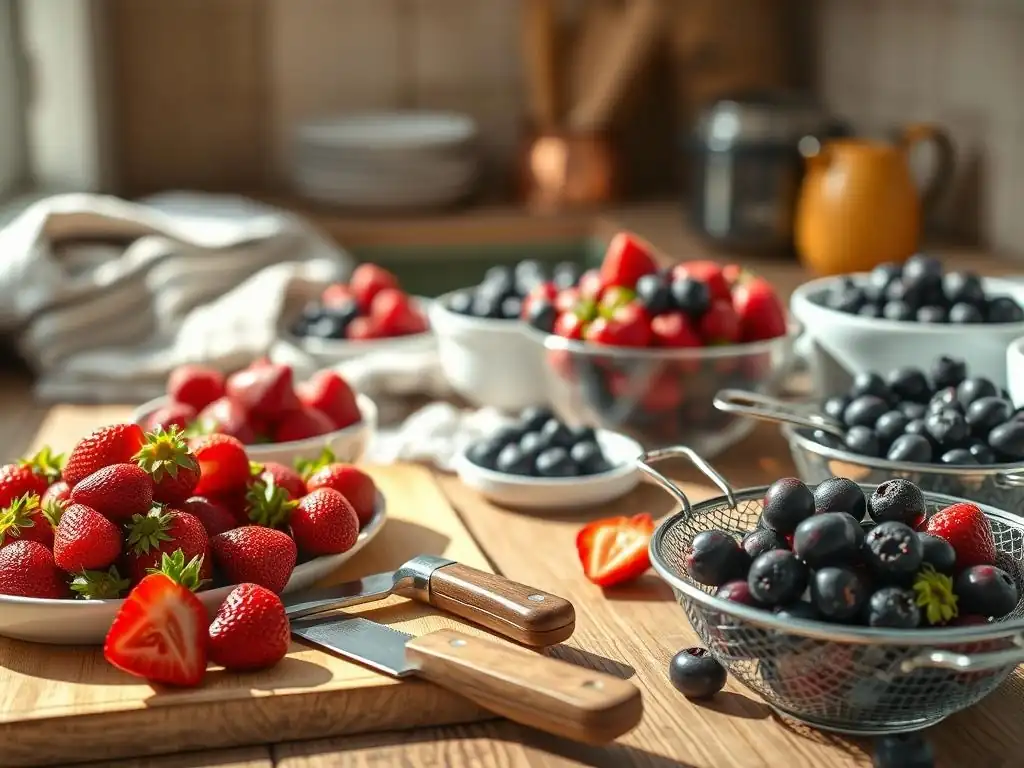
Proper preparation is crucial when baking with juicy summer berries to prevent common issues like soggy bottoms or bleeding colors. Taking a few simple steps ensures your berries perform perfectly in the oven.
Washing and Drying Berries: Preventing Soggy Bakes
Washing berries is important to remove dirt and any potential residues, but how you wash and dry them is critical. Wash berries gently under cool running water just before you are ready to use them. Washing them too far in advance, especially for delicate berries like raspberries, can cause them to absorb excess water and deteriorate quickly. Avoid soaking them in a bowl of water.
After washing, thorough drying is paramount to prevent soggy baked goods. Spread berries in a single layer on paper towels or a clean kitchen towel and gently pat them dry. For blueberries, you can often gently roll them on the towel. Ensure they are as dry as possible before adding them to your batter or filling. Excess moisture introduced into doughs or batters can negatively affect texture and rise, leading to less than ideal results when baking juicy berry desserts.
Cutting Techniques for Different Berries: Maximizing Flavor and Texture
How you prepare berries varies depending on the type and the recipe. Small berries like blueberries are often used whole, which helps them retain their shape and prevents them from turning the entire batter purple. Larger berries like strawberries might need to be hulled (removing the green top and core) and then sliced or quartered.
Consider the desired outcome: for a rustic crumble, larger chunks of strawberries or blackberries work well. For a delicate cake or muffin, smaller pieces or slices might be preferred for more even distribution. For example, halving or quartering large strawberries ensures they don't create large pockets of moisture in a cake, while keeping blueberries whole maintains their distinct burst of flavor when bitten into. Some recipes might even call for pureeing or mashing a portion of the berries to enhance the overall fruit flavor.
Pre-Treating Berries to Reduce Moisture Content
For recipes where excess moisture is a major concern, such as pies or tarts with a delicate crust, pre-treating berries can be beneficial. One common method is maceration: tossing sliced or whole berries with a little sugar and letting them sit for 15-30 minutes. The sugar draws out excess liquid, creating a flavorful syrup. You can then drain off some of this liquid (and perhaps use it in a glaze or sauce) before adding the berries to your filling.
Another technique, especially for blueberries or raspberries going into muffins or cakes, is to toss them gently with a tablespoon or two of flour, cornstarch, or tapioca starch. This light coating helps absorb some of the surface moisture released during baking and prevents the berries from sinking to the bottom of the batter. Using about 1 tablespoon of flour per cup of berries is a good starting point for this method when baking juicy berry desserts.
Essential Baking Techniques for Juicy Berries
Baking with delicate, juicy fruits requires attention to detail. Certain techniques can help you achieve better results, ensuring your berries remain flavorful focal points without causing structural issues in your baked goods.
Preventing Berry Bleeding in Your Baked Goods
Berry bleeding, where the color from the berries seeps into the surrounding batter or dough, is a common challenge. While sometimes unavoidable, especially with dark berries like blueberries and blackberries, you can minimize it. Tossing berries with a small amount of flour or cornstarch before adding them to the batter helps create a barrier that contains some of the color and juice.
Using berries that are slightly less ripe (though still flavorful) can also help, as they tend to release less juice. For recipes where a clear batter is desired, like a vanilla cake, you might consider using a portion of the berries as a topping rather than mixing them all in, or using a white cake mix base which shows less color bleed than a yellow one. Baking juicy berry desserts with minimal bleeding results in a more visually appealing product.
Adjusting Baking Times for Berry-Rich Recipes
Adding juicy berries to a recipe introduces extra moisture, which can sometimes increase baking time. The water from the berries needs to evaporate for the surrounding batter or dough to cook through properly. Pay attention to visual cues rather than strictly relying on recipe time. A berry-filled muffin or cake might take 5-10 minutes longer than a plain one of the same size.
Test for doneness by inserting a skewer or toothpick into the batter portion, avoiding hitting a berry. If it comes out clean or with a few moist crumbs attached, the bake is likely done. For pies and crumbles, look for a golden-brown crust and bubbling fruit filling. Over-baking to compensate for perceived wetness from berries can lead to dry results, so monitor carefully when baking juicy berry desserts.
Maintaining Berry Shape and Integrity During Baking
To keep berries from completely collapsing or turning into mush during baking, handling them gently is key. When folding berries into batter, use a rubber spatula and mix just until they are evenly distributed – overmixing can crush the fruit. For delicate berries like raspberries, consider adding them towards the end of mixing or even placing them on top of the batter before baking.
Using the flour/starch coating method mentioned earlier also helps the berries hold their shape by managing moisture release. For pies and tarts, ensure the filling isn't excessively liquid before baking. Baking at the correct temperature is also important; too low a temperature might cause berries to stew rather than bake properly. Aim for temperatures typically between 350°F and 400°F (175°C - 200°C) for most berry baked goods.
Key Ingredients That Complement Summer Berries
While berries are the stars, the supporting ingredients play a vital role in enhancing their flavor and creating a balanced baked good. Choosing the right flour, sweetener, and dairy can make a significant difference.
Flour Choices for Berry Desserts: Enhancing Flavor and Texture
All-purpose flour is the standard choice for most baking juicy berry desserts, providing reliable structure. However, exploring other flours can add complexity and texture. A blend of all-purpose and whole wheat flour (perhaps a 1:1 ratio) can add a nutty depth that pairs wonderfully with the sweetness of berries, particularly in muffins, scones, or crumbles.
For lighter, more tender results in cakes or biscuits, a cake flour or a blend with a lower protein content might be suitable. Some recipes might even benefit from alternative flours like almond flour or oat flour, which can add unique flavors and textures complementary to berries. For instance, using a mix of almond flour and all-purpose flour in a crumble topping can create a delightful contrast to the soft fruit filling.
Sweeteners That Pair Perfectly with Berries: Honey, Maple Syrup, and More
Granulated sugar is the most common sweetener, providing clean sweetness that lets the berry flavor shine. However, other sweeteners can add layers of flavor. Honey, especially a mild variety like clover or acacia, can add a floral note that complements berries beautifully in tarts or glazes. Maple syrup brings a warm, earthy sweetness, excellent in crumbles, muffins, or as a topping.
Brown sugar adds moisture and a caramel-like flavor, pairing well with darker berries like blackberries or in spiced berry desserts. For recipes where you want the purest berry flavor, consider using less sugar if your berries are exceptionally ripe and sweet. A typical berry pie might use 1/2 to 3/4 cup of sugar for about 5 cups of berries, but this can be adjusted based on the fruit's natural sweetness.
Dairy and Non-Dairy Options for Berry Baking
Dairy ingredients like butter, milk, yogurt, and cream add richness, tenderness, and flavor to berry baked goods. Unsalted butter is preferred for most recipes as it allows you to control the salt content. Buttermilk or yogurt can add tanginess and moisture to muffins and cakes, creating a lovely contrast to the sweet berries. Heavy cream is essential for flaky pie crusts or as a luscious topping.
For those seeking non-dairy options, many alternatives work well. Vegan butter substitutes perform similarly to dairy butter in most recipes. Almond milk, oat milk, or soy milk can replace dairy milk cup-for-cup in batters. Coconut yogurt or almond yogurt can substitute for dairy yogurt, offering their own subtle flavors that can complement certain berry combinations. Experimenting with these options allows everyone to enjoy baking juicy berry desserts.
Baking Recipes Featuring Summer Berries
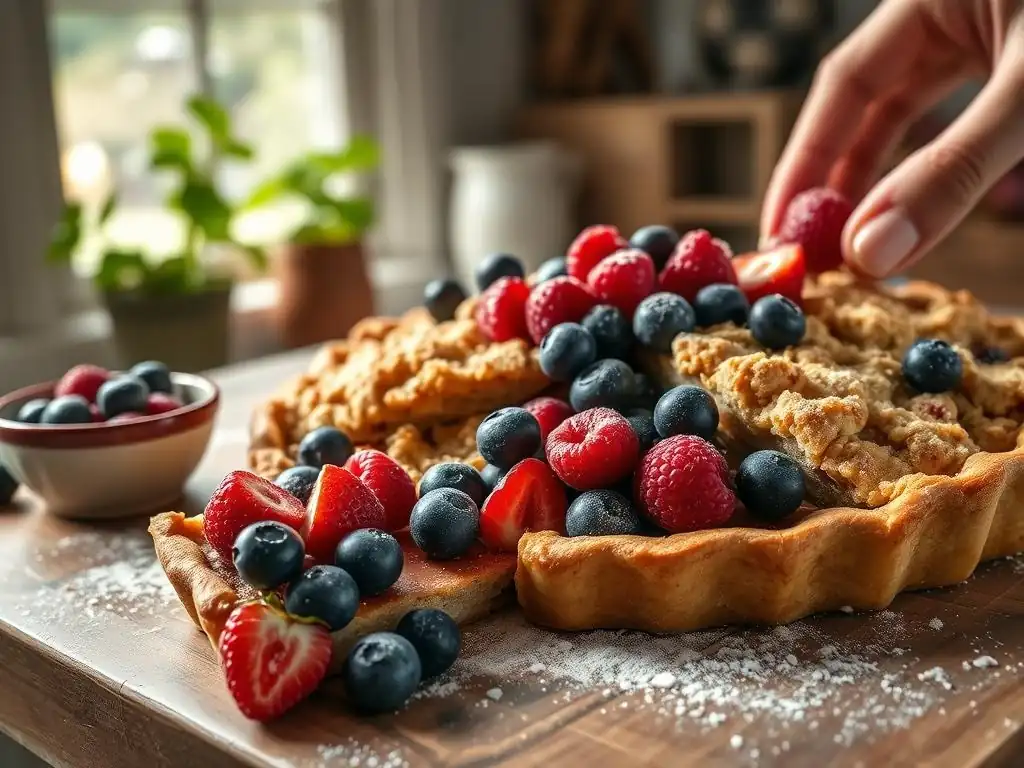
Now that you know the secrets to selecting and preparing berries, let's explore some classic BakeWithEase recipes perfect for utilizing your summer bounty. These recipes highlight how versatile berries are in the kitchen.
Classic Berry Pie Recipe: A BakeWithEase Staple
A classic berry pie is the quintessential summer dessert. This recipe typically features a flaky double crust filled with a mixture of fresh berries (like a mix of blueberries, raspberries, and blackberries), sugar, a thickener (like cornstarch or tapioca), and a touch of lemon juice for brightness. Baking juicy berry desserts like pie requires careful attention to the crust and filling consistency.
The filling should be thick enough to hold its shape when sliced but still juicy. Using about 1/4 cup of cornstarch or 1/3 cup of tapioca starch per 5-6 cups of mixed berries is a common ratio to prevent a watery pie. Baking usually occurs at around 400°F (200°C) for the first 15-20 minutes to set the crust, then reduced to 375°F (190°C) for another 30-40 minutes until the crust is golden and the filling is bubbling.
Berry Muffins: A Quick and Easy Baking Treat
Berry muffins are a simple yet satisfying way to use summer berries. A basic muffin batter, often enriched with buttermilk or yogurt, is gently folded with fresh blueberries, raspberries, or a mix. The key to tender muffins is not to overmix the batter; stir just until the dry ingredients are incorporated, even if lumps remain.
Adding about 1 cup of fresh berries per 12 standard muffins is a good ratio. Remember to toss the berries with a tablespoon of flour before folding them in to help prevent sinking and bleeding. Muffins typically bake at 375°F to 400°F (190°C - 200°C) for 20-25 minutes, resulting in moist interiors and golden-brown tops studded with bursts of fruit. They are perfect for breakfast or a snack, showcasing the simple joy of baking juicy berry desserts.
Berry Scones: Perfect for Breakfast or Afternoon Tea
Scones offer a delightful crumbly texture that pairs wonderfully with juicy berries. Made with cold butter cut into flour, sugar, and a liquid like cream or buttermilk, scones are a quick bake. Adding about 3/4 cup of chopped berries (like strawberries or blueberries) to a batch yielding 8-12 scones adds moisture and flavor.
Handle the dough minimally to ensure tenderness; overworking develops gluten and leads to tough scones. Baking at a relatively high temperature, around 400°F (200°C), helps them rise quickly and achieve a golden exterior while the inside remains soft. Berry scones are fantastic served warm with clotted cream and jam, a true indulgence when baking juicy berry desserts.
Berry Crumbles and Crisps: A Simple Summer Dessert
Crumbles and crisps are perhaps the easiest way to showcase summer berries. A simple fruit filling (often just berries, sugar, and a thickener) is topped with a streusel-like mixture of flour, sugar, butter, and sometimes oats or nuts. A typical crumble might use 4-6 cups of berries in a large baking dish, topped with a mixture made from 1 cup flour, 1/2 cup sugar, and 1/2 cup cold butter.
These desserts are incredibly forgiving and highlight the natural juiciness and flavor of the fruit. They bake until the topping is golden and the berry filling is hot and bubbling, usually around 375°F (190°C) for 30-40 minutes. Served warm, perhaps with a scoop of vanilla ice cream, they embody the simple pleasure of baking juicy berry desserts.
Berry Cakes: Layered Delights and Bundt Beauties
Berries can be incorporated into various cake recipes, from simple loaf cakes to elaborate layer cakes. Gentle folding is key when adding berries to cake batter to avoid crushing them. Consider using a denser cake batter, like a pound cake or a standard butter cake, which can better support the weight and moisture of the fruit compared to a very light sponge.
For layer cakes, berries can be baked directly into the layers or used in fillings, sauces, or as decoration. A strawberry shortcake, for instance, relies on fresh, macerated strawberries piled high between layers of tender cake or biscuit. Baking a Bundt cake with blueberries or raspberries mixed into the batter results in a beautiful presentation and moist crumb, perfect for showcasing the beauty of baking juicy berry desserts.
Tips for Storing and Serving Berry Desserts
Once your delicious berry creations are baked, proper storage ensures they remain fresh and enjoyable. How you serve them can also enhance the overall experience.
Keeping Your Berry Desserts Fresh for Longer
Most berry baked goods are best enjoyed the day they are made, especially those with delicate fruit fillings like pies or tarts. However, many can be stored for a few days. Muffins, scones, and loaf cakes can be stored at room temperature in an airtight container for 2-3 days. Ensure they are completely cooled before storing to prevent condensation, which can make them soggy.
Pies and tarts filled with fresh fruit (not cooked jam) should ideally be stored in the refrigerator, particularly in warm weather, to prevent the fruit from spoiling or the filling from becoming too runny. Cover them loosely with plastic wrap or foil. Crumbles and crisps can be covered and stored at room temperature for a day or two, or refrigerated for longer storage (up to 3-4 days), though the topping may lose some crispness.
Serving Suggestions: Pairing Berry Desserts with Toppings and Sauces
Serving berry desserts is an opportunity to add extra indulgence. A warm berry crumble or pie is heavenly served with a scoop of vanilla ice cream or a dollop of whipped cream. The cool, creamy texture provides a lovely contrast to the warm, fruity filling.
Muffins and scones are delicious on their own, but can also be served with butter, jam, or clotted cream. Berry cakes can be served simply dusted with powdered sugar, or dressed up with glazes, frostings, or fresh berry sauces. A simple berry coulis (a strained berry puree, often sweetened) can be drizzled over almost any berry dessert to intensify the fruit flavor and add moisture, truly elevating the experience of baking juicy berry desserts.
Troubleshooting Common Berry Baking Problems
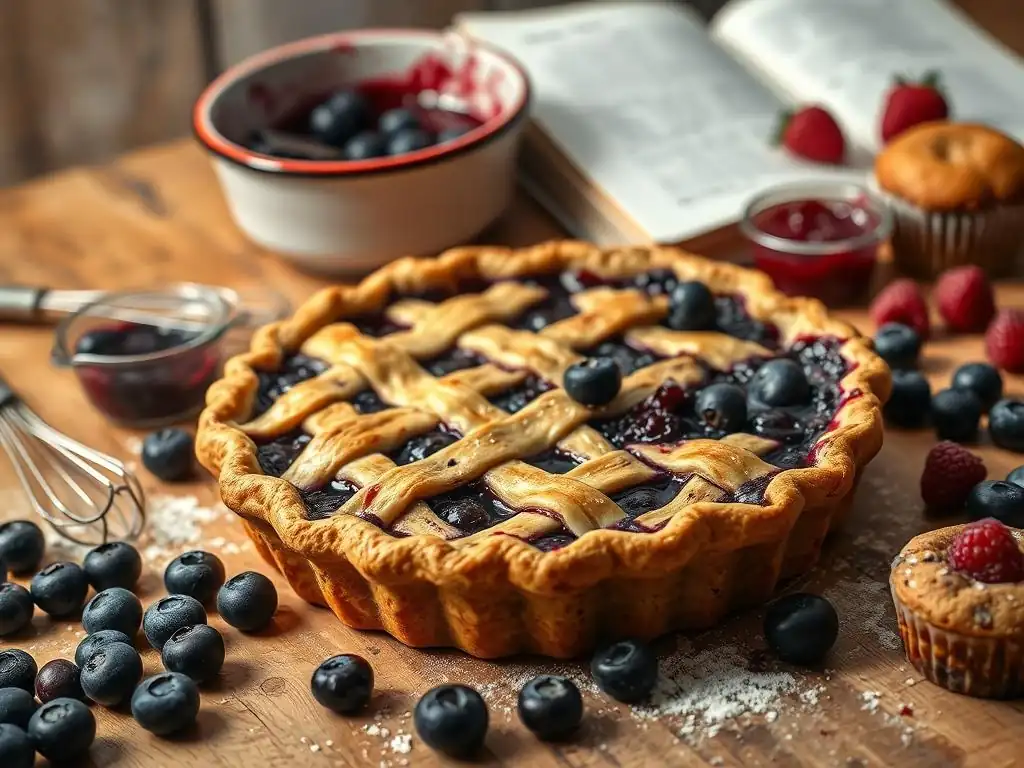
Even experienced bakers can encounter challenges when working with juicy fruits. Knowing how to address common issues can save your bake and reduce frustration.
Addressing Berry Sinkage in Cakes and Muffins
Berry sinkage, where most of the berries end up at the bottom of your cake or muffin, is a frequent problem. This often happens because the berries are too heavy or wet for the batter to support. The best way to combat this is by tossing the berries with a small amount of flour, cornstarch, or tapioca starch (about 1-2 tablespoons per cup of berries) before folding them into the batter.
This coating absorbs some surface moisture and helps the berries "stick" to the batter, preventing them from sinking. Ensure your batter isn't too thin; a thicker batter is better able to suspend the fruit. Also, avoid overmixing, as this can deflate the batter's structure. Using smaller berry pieces can also help, as they are lighter than whole, large berries when baking juicy berry desserts.
Preventing Berry Burning During Baking
Sometimes, berries on the surface of a bake can burn or become dry before the rest of the item is cooked. This can happen if the oven temperature is too high, or if the berries are exposed on the surface for too long. If you notice the berries browning too quickly, you can loosely tent the baked good with aluminum foil for the remainder of the baking time.
For recipes like crumbles or pies where berries are on top, ensure there's enough topping to cover most of the fruit. If using a lattice top on a pie, the exposed fruit might caramelize significantly, which is often desirable, but keep an eye on it. Reducing the oven temperature slightly and increasing the baking time can also help ensure the inside cooks thoroughly without burning the surface berries when baking juicy berry desserts.
Fixing a Runny Berry Pie Filling
A runny pie filling is disappointing after anticipating a perfectly sliced piece. This is usually due to insufficient thickener or the type of thickener used not performing as expected with the amount of moisture from the berries. Ensure you are using the correct amount of cornstarch, tapioca starch, or flour specified in the recipe, and that it is properly mixed with the fruit and sugar before filling the pie crust.
If your baked pie is still too runny after cooling (fillings thicken as they cool), there's not much you can do to fix that specific pie. However, for future bakes, consider increasing the thickener slightly (e.g., adding an extra teaspoon or two of cornstarch per 4-5 cups of berries). Using a combination of thickeners, like cornstarch for clarity and tapioca for stability, can also help. Pre-macerating and draining some berry juice can also reduce overall moisture before baking juicy berry desserts.
Advanced Techniques for Baking with Berries
Ready to take your berry baking to the next level? These techniques can add intense flavor and stunning visual appeal to your creations.
Making Berry Purees and Coulis for Flavor Enhancement
Creating berry purees and coulis is a fantastic way to concentrate berry flavor and add a smooth, vibrant element to desserts. A puree is simply blended fresh or cooked berries. A coulis is a strained puree, often sweetened with sugar and sometimes flavored with lemon juice or a liqueur, resulting in a smooth sauce.
To make a simple coulis, simmer about 2 cups of berries with 1/4 cup sugar and 1 tablespoon lemon juice for 5-10 minutes until softened. Cool slightly, then blend until smooth. Strain through a fine-mesh sieve to remove seeds (essential for raspberries and blackberries). This coulis can be drizzled over cakes, cheesecakes, or served alongside scones and muffins, adding an intense burst of fresh berry flavor to your baking juicy berry desserts.
Infusing Berries with Liqueurs or Extracts
Infusing berries adds an extra layer of sophisticated flavor. This is particularly effective when using berries in fillings or sauces. Toss fresh berries with a small amount of liqueur like Chambord (raspberry liqueur), Grand Marnier (orange liqueur), or a fruit-flavored brandy. A tablespoon or two per pint of berries is usually sufficient.
Allow the berries to sit for 30 minutes to an hour to absorb the flavor. Alternatively, extracts like vanilla bean, almond, or a hint of rosewater can complement berry flavors beautifully. For instance, adding a teaspoon of almond extract to a blueberry muffin batter enhances the blueberry flavor. Using these infusions adds complexity and depth when baking juicy berry desserts.
Creating Stunning Berry Decorations for Cakes and Pastries
Beyond mixing them into batters, fresh berries are perfect for decorating. Their natural beauty and vibrant colors make them ideal for topping tarts, garnishing cakes, or arranging on pastries. Ensure berries used for decoration are perfectly ripe, unblemished, and dry.
Arrange whole or sliced berries in appealing patterns on frosted cakes or glazed tarts. A simple glaze made from powdered sugar and a little lemon juice or milk can help berries adhere to cakes and add a finished look. For a glossy finish, you can brush berries with a warm, strained apricot jam glaze. Combining different types and colors of berries creates visually stunning results, making your baking juicy berry desserts true showstoppers.
Conclusion: Mastering the Art of Baking Delicious Berry Treats
Baking with juicy summer berries is a rewarding experience that connects you with the seasonality of ingredients and yields incredibly flavorful results. By understanding how to select, prepare, and handle these delicate fruits, you can confidently tackle a wide range of recipes, from comforting pies to elegant cakes. Addressing common challenges like moisture control and sinkage ensures consistently successful outcomes.
Embrace the Flavors of Summer with BakeWithEase
Whether you're a beginner or an experienced baker, the tips and techniques outlined here will help you make the most of the summer berry season. Experiment with different berry combinations, explore new recipes, and don't be afraid to get creative. Baking juicy berry desserts is a delicious way to celebrate summer's bounty. Visit BakeWithEase.com for more recipes and guides to help you perfect your baking skills and enjoy the sweet rewards.
Frequently Asked Questions
What makes baking with summer berries different from other fruits?
Summer berries are often more delicate and contain a higher water content than other fruits. This requires adjustments to recipes to prevent soggy desserts and ensure even baking.
How do I prevent my berry filling from becoming too runny in a pie or tart?
To prevent a runny filling, consider using a thickening agent like cornstarch or tapioca starch. Also, pre-baking the crust can help create a barrier and prevent sogginess.
Can I use frozen berries instead of fresh berries for baking?
Yes, you can use frozen berries, but they tend to release more moisture. Do not thaw frozen berries before baking, and consider adding a bit more thickener to your recipe.
What are some tips for maintaining the vibrant color of berries in baked goods?
Adding a touch of lemon juice to the berries can help maintain their bright color during baking. Avoid over-baking, as excessive heat can cause the berries to lose their vibrancy.
What are some easy dessert recipes that showcase juicy summer berries?
Simple berry cobblers, crisps, and buckles are fantastic options. These recipes are generally less fussy and allow the natural flavors of the berries to shine through.
Final Reflection: The Enduring Sweetness of Summer Berries
The vibrant hues and burst-of-freshness flavor of summer berries aren't just seasonal treats; they're a testament to the simple joys of nature's bounty, and a reminder that even the most seemingly simple ingredients can yield extraordinary results. This article explored the secrets to unlocking the full juicy potential of these delightful fruits, transforming them into unforgettable baked goods. From understanding berry selection to mastering techniques for preserving their moisture, we've journeyed through the art of creating truly exceptional berry desserts.
The enduring appeal of berry desserts lies not just in their deliciousness, but in their ability to evoke powerful memories and emotions. The scent of baking berries can transport us back to childhood summers, filled with sunshine and carefree moments. Summer is a state of mind,
as someone once wisely said, and baking with summer berries captures that essence perfectly, allowing us to savor those feelings long after the season has passed. The recipes shared here are more than just instructions; they're a pathway to creating lasting memories and sharing the joy of homemade goodness with loved ones.
Now, I invite you to step into your kitchen, armed with the knowledge gained from this exploration. Don't be afraid to experiment, to adapt the techniques, and to infuse your own personal touch into these recipes. Let the juicy sweetness of summer berries inspire you to create something truly special, something that reflects not only your baking skills but also the unique joy you find in the simple act of creating and sharing delicious food. The possibilities are as endless as the summer sky itself.
Unleash Your Inner Berry Baker!
Thanks for joining us on this delicious journey into the world of summer berry baking! We hope you’ve discovered some new techniques and recipes to elevate your baking game. Ready to put your newfound knowledge to the test?
- Bake your dream berry pie: Grab your favorite berries and try out one of the recipes mentioned in the article – or let your creativity run wild and invent your own! This is your chance to truly own your berry baking skills.
- Share your berry creations: Show us your stunning berry baked goods on social media using #BakeWithEaseBerryBliss – we can't wait to see what you whip up!
- Explore our extensive recipe collection: Dive deeper into our website for even more inspiring berry recipes and baking tips to help you become a true baking pro.
What’s the most exciting berry-based creation you plan on baking next? Let us know in the comments below!