
Why Your Dough Changes Color in the Oven: It's the Maillard Reaction!

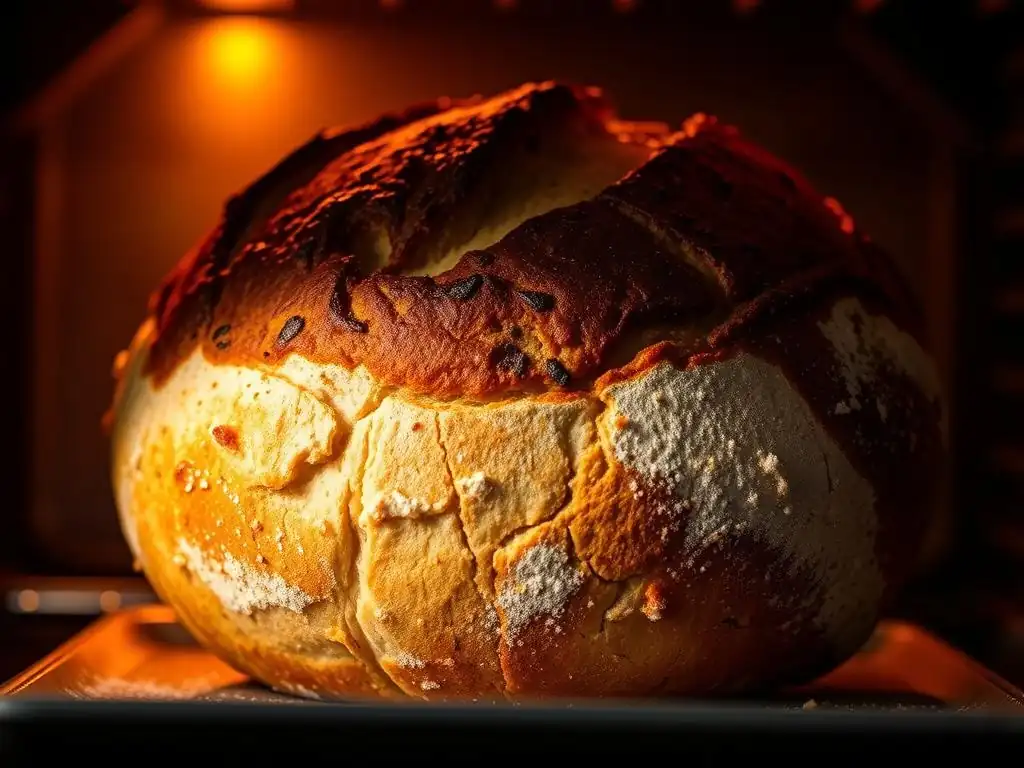
Welcome to BakeWithEase, your trusted guide to unlocking baking brilliance! Ever wondered why your dough transforms into that golden-brown perfection in the oven? It's all thanks to the fascinating Maillard reaction, a critical process we'll be diving into. Prepare to unravel the science behind that irresistible crust and learn how to harness its power for even more delicious results. Intrigued? Keep reading to discover the secrets of the Maillard reaction dough color and elevate your baking game!
- The Maillard Reaction: Achieving Perfect Color in Bread Baking
- Understanding the Maillard Reaction in Baking: The Science Behind Crust Color
- The Role of the Maillard Reaction in Crust Color Development
- Factors Influencing the Maillard Reaction and Crust Color
- Controlling the Maillard Reaction: Tips for Achieving Desired Crust Color
- Troubleshooting Crust Color Issues Related to the Maillard Reaction
- Examples of the Maillard Reaction in Different Bread Types
- Optimizing Your Recipes for the Maillard Reaction: Sourdough Bread
- Conclusion: Mastering the Maillard Reaction for Baking Excellence
-
Frequently Asked Questions
- What is the Maillard Reaction and why is it important in baking?
- How does the Maillard Reaction affect the color of my dough?
- What are the key factors that influence the Maillard Reaction in dough?
- Can I control the Maillard Reaction to achieve a specific color in my baked goods?
- What happens if the Maillard Reaction doesn't occur properly in my dough?
- Final Reflection: The Golden Hue of Understanding
- Unlock the Secrets of Golden-Brown Baking!
The Maillard Reaction: Achieving Perfect Color in Bread Baking
Understanding the Maillard Reaction in Baking: The Science Behind Crust Color
What is the Maillard Reaction? A Baker's Introduction
The Maillard reaction is a complex chemical process that occurs when amino acids (found in proteins) and reducing sugars react together under heat. It's not just one reaction, but a cascade of reactions that produce hundreds of different flavor and aroma compounds, as well as the characteristic brown pigments we see on baked goods. Think of the wonderful smell and color of toasted bread or roasted coffee – that's the Maillard reaction at work!
This reaction is crucial for developing the rich Maillard reaction dough color and complex flavors that make bread so appealing. It's a fundamental part of baking science, transforming simple dough into a delicious, golden-brown loaf.
This reaction doesn't happen instantly; it requires specific conditions, primarily heat and the presence of both proteins and reducing sugars. For bread dough, this means the magic largely happens in the oven, typically starting around 140°C (284°F) and intensifying as the temperature rises. The longer the dough is exposed to these temperatures (up to a point) and the right conditions, the more pronounced the Maillard reaction dough color becomes, contributing significantly to the crust's appearance and overall taste profile. Understanding this process helps bakers control the outcome, ensuring a desirable crust color and depth of flavor.
The Maillard Reaction vs. Caramelization: Key Differences for Baking Success
While both the Maillard reaction and caramelization contribute to browning and flavor in baked goods, they are distinct chemical processes. Caramelization is the browning of sugars alone when heated, typically starting at higher temperatures than the Maillard reaction – around 160°C (320°F) for sucrose. It involves the thermal decomposition of sugars, resulting in nutty, buttery, and sometimes slightly bitter flavors, like those found in caramel candies or browned sugar. This process primarily affects the sugars present in the dough or on the surface.
In contrast, the Maillard reaction involves the interaction between sugars and proteins (specifically, amino acids). It occurs at lower temperatures, generally starting around 140°C (284°F), and produces a much wider range of flavor compounds, including savory, roasted, and toasted notes, along with the characteristic brown melanoidin pigments responsible for the Maillard reaction dough color.
While caramelization might contribute to the sweetness and some brown notes, the Maillard reaction is the primary driver behind the complex crust color and aroma development in most breads. Both can occur simultaneously in the oven, but their relative contribution depends on the dough's composition and baking conditions.
The Role of the Maillard Reaction in Crust Color Development
How the Maillard Reaction Creates Beautiful Brown Crusts
The beautiful golden-brown to deep brown hues on your bread crust are largely thanks to the Maillard reaction. As the dough heats up in the oven, the amino acids and reducing sugars on the surface react. This complex series of reactions produces various compounds, including melanoidins. Melanoidins are large, nitrogen-containing polymers that are responsible for the brown color and many of the desirable flavors and aromas in baked goods. The longer the Maillard reaction proceeds under optimal conditions, the more melanoidins are formed, leading to a darker Maillard reaction dough color.
Consider a simple white bread dough. Before baking, it's pale and soft. As it bakes, the surface dries out and reaches temperatures sufficient for the Maillard reaction to take place. This chemical transformation creates the appealing crust color that signals the bread is properly baked and developed. The intensity of the brown color is a visual cue to the depth of flavor achieved through this reaction. Achieving the perfect Maillard reaction dough color is a key goal for many bakers, indicating a successful bake.
Maillard Reaction and Flavor: A Powerful Partnership in Baking
The Maillard reaction is not just about color; it's a powerhouse of flavor development. While melanoidins provide the brown color, the intermediate compounds formed during the reaction contribute significantly to the complex taste and aroma profile of baked bread. These compounds can include aldehydes, ketones, and pyrazines, which lend nutty, roasted, malty, and sometimes even savory notes. The specific flavors produced depend on the types of amino acids and sugars present in the dough, as well as the baking conditions.
Think about the difference in flavor between steamed bread (where the Maillard reaction is minimal due to lack of dry heat) and baked bread with a well-developed crust. The baked bread has a much richer, more complex flavor profile directly attributable to the Maillard reaction. This reaction is why a perfectly baked baguette has that irresistible aroma and depth of flavor in its crust, going far beyond just the taste of flour and water. The development of the Maillard reaction dough color is intrinsically linked to the development of these desirable crust flavors.
Factors Influencing the Maillard Reaction and Crust Color
Temperature's Impact on the Maillard Reaction in Your Oven
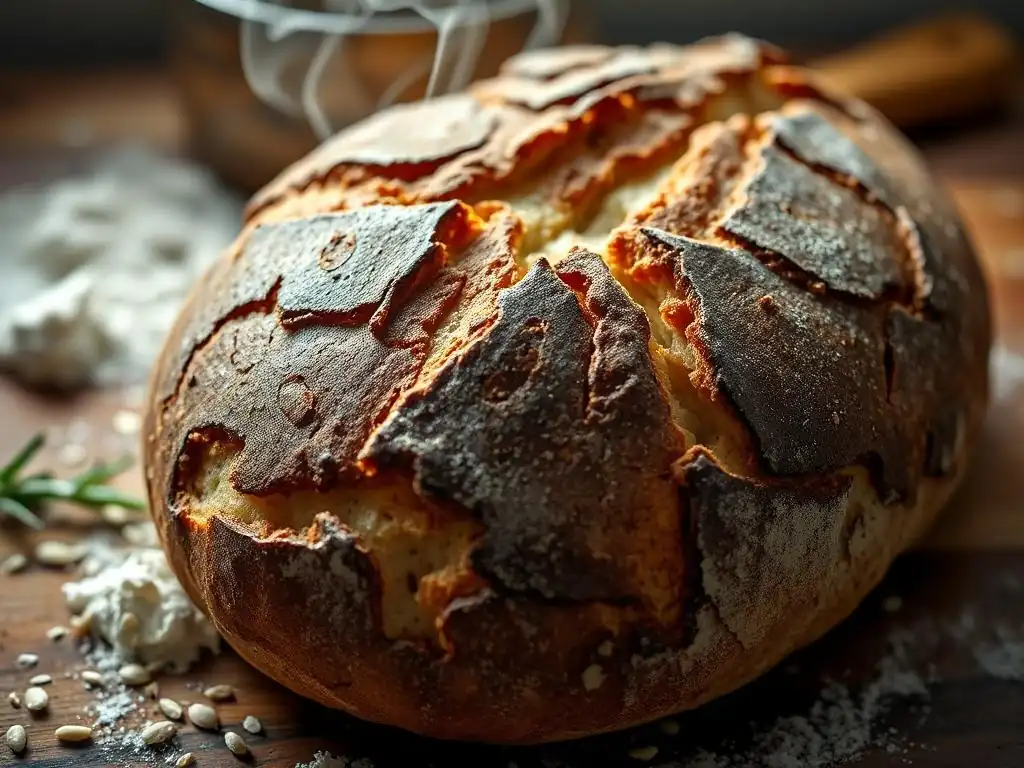
Temperature is perhaps the most critical factor influencing the rate and extent of the Maillard reaction in your oven. The reaction generally begins to occur at temperatures around 140°C (284°F) and accelerates significantly as the temperature increases. Baking at higher temperatures, such as 230°C (450°F) or 250°C (480°F) often used for artisan breads, promotes a faster and more intense Maillard reaction on the crust. Lower temperatures, like 180°C (350°F) used for softer rolls or cakes, will result in a slower reaction and lighter Maillard reaction dough color.
However, excessively high temperatures can cause the crust to brown too quickly before the interior is fully baked, or even lead to burning, which involves different chemical processes than the desired Maillard reaction. Conversely, temperatures that are too low might not provide enough energy for the reaction to proceed effectively, resulting in a pale, underdeveloped crust. Finding the optimal temperature range, often between 190°C and 230°C (375°F and 450°F) for many loaves, is key to achieving the desired Maillard reaction dough color and internal bake.
Moisture Levels and the Maillard Reaction: Achieving a Crisp Crust
Moisture plays a dual role in the Maillard reaction during baking. Initially, high moisture on the surface of the dough (from fermentation or added steam) inhibits the Maillard reaction because water needs to evaporate for the surface temperature to rise sufficiently (above 100°C or 212°F) for the reaction to begin. This is why bakers often use steam at the beginning of the bake – it keeps the crust soft, allowing for maximum oven spring before the crust sets, and delays the Maillard reaction dough color development until later in the bake.
Once the surface moisture evaporates, the crust temperature can rise significantly, and the Maillard reaction proceeds rapidly. A dry surface is essential for achieving a crisp crust and promoting the Maillard reaction. Doughs with higher hydration tend to stay moist longer, potentially delaying the start of browning, while drier doughs might start browning sooner. Managing steam and baking time is crucial to balance crust development, including the Maillard reaction dough color, with the internal bake.
pH Levels and Dough Color: Adjusting for Optimal Results
The pH level of the dough can also influence the rate of the Maillard reaction. The reaction is generally favored in slightly alkaline conditions (higher pH), while acidic conditions (lower pH) tend to slow it down. Most bread doughs are slightly acidic due to fermentation, especially sourdoughs. This acidity can contribute to a slower, more controlled Maillard reaction dough color development and potentially different flavor profiles.
For example, sourdough bread, with its lower pH (often between 4.5 and 5.5), tends to brown more slowly than a yeasted white bread dough (with a pH closer to 5.5-6.0). This difference in pH is one reason why sourdough often requires a longer bake time to achieve a deep crust color compared to enriched or standard yeasted loaves. While bakers don't typically adjust pH directly for Maillard reaction purposes, understanding its effect helps explain differences in browning behavior between different types of dough.
Sugar's Contribution to Maillard Reaction and Browning
Reducing sugars are essential reactants in the Maillard reaction. These include glucose, fructose, maltose, and lactose. While bread dough doesn't typically contain large amounts of added sugar compared to cakes or cookies, the yeast fermentation process breaks down complex carbohydrates (like starch) into simpler reducing sugars like maltose. These naturally produced sugars are key participants in the Maillard reaction dough color development.
Adding sugar to a bread dough (as in enriched breads like brioche or challah) significantly increases the amount of available reducing sugars, leading to a much faster and more intense Maillard reaction and caramelization. This is why sweet breads often develop a deep golden-brown crust much more readily than lean doughs. Even a small amount of added sugar, say 2-5% of the flour weight, can noticeably impact the final Maillard reaction dough color and flavor.
Protein's Role in the Maillard Reaction in Bread
Proteins, specifically the free amino acids they contain, are the other essential component for the Maillard reaction. Flour contains proteins, primarily gluten-forming proteins like gliadin and glutenin, but also other non-gluten proteins. When these proteins are broken down, they release amino acids that can participate in the reaction with reducing sugars. Different amino acids react at different rates and produce different flavor compounds.
Flours with higher protein content can potentially contribute more amino acids to the reaction, influencing the extent of browning and flavor development. While the total protein content is less critical than the availability of free amino acids and reducing sugars, it is a necessary component for the Maillard reaction dough color change. The type of flour used (e.g., whole wheat vs. white) will also affect the protein and sugar profile, thus influencing the Maillard reaction.
Controlling the Maillard Reaction: Tips for Achieving Desired Crust Color
Adjusting Baking Time and Temperature for Precise Browning
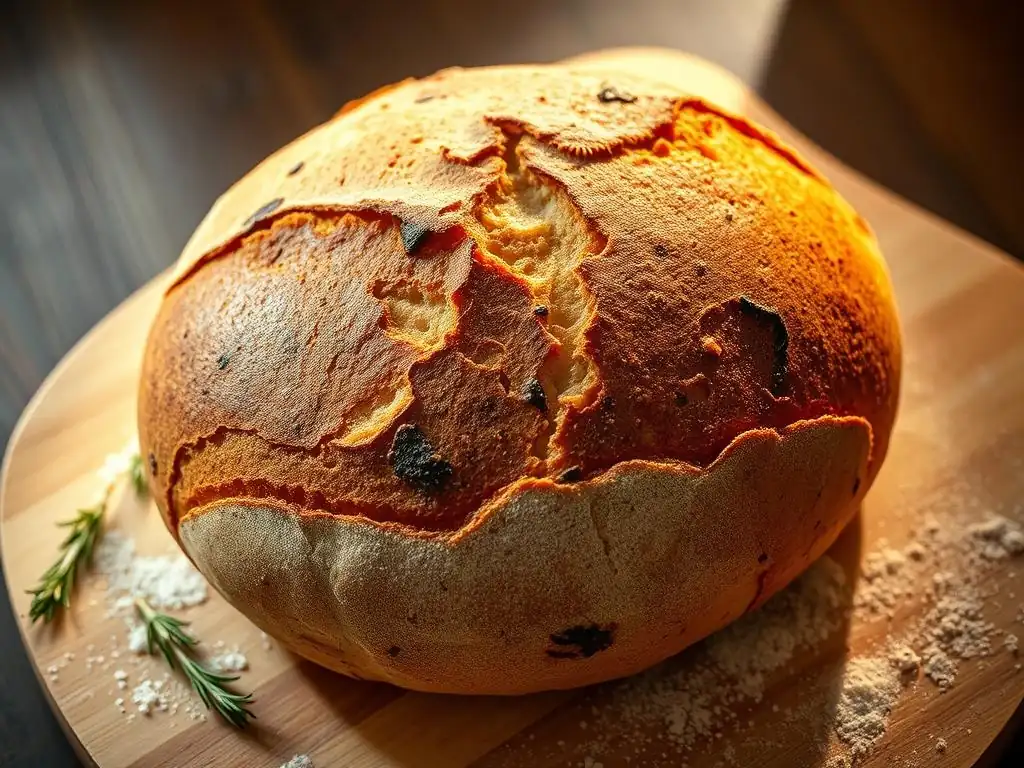
Controlling baking time and temperature is the most direct way to influence the Maillard reaction and achieve your desired Maillard reaction dough color. For a darker crust, you can try increasing the oven temperature slightly (within safe limits for your bread type) or extending the baking time once the internal temperature is nearing completion. Conversely, if your crust is browning too fast, lowering the temperature or covering the loaf with foil can slow the reaction down.
- For darker crust: Bake at a higher temperature (e.g., 230°C / 450°F) for the initial phase, or extend total baking time.
- For lighter crust: Bake at a lower temperature (e.g., 190°C / 375°F) or reduce baking time.
- Monitor closely: Use visual cues and internal temperature (around 93-99°C / 200-210°F for most breads) to guide your adjustments.
Precise control, often involving preheating your oven thoroughly and using a baking stone or steel for consistent heat transfer, helps ensure predictable Maillard reaction dough color development.
Using Egg Washes to Enhance the Maillard Reaction
Applying an egg wash to the surface of your dough before baking is a classic technique to promote browning and shine. Egg washes contain proteins and, depending on what's added, potentially some sugars (from milk or a pinch of sugar). When exposed to heat, the proteins and sugars in the egg wash readily participate in the Maillard reaction, resulting in a deeper, richer Maillard reaction dough color and a beautiful glossy finish.
Different egg washes yield different results:
- Whole egg + water: Good shine and even browning.
- Egg yolk + water/milk: Deeper color and more shine due to higher fat content.
- Egg white + water: Less color, more shine (often used for bagels).
- Milk or cream: Provides lactose (a reducing sugar) and some protein, promoting lovely golden-brown color without as much gloss as egg.
Using an egg wash is an effective way to boost the Maillard reaction dough color on softer rolls, enriched breads, or pastries where a pronounced crust isn't the primary goal, but appealing color is.
Milk and Sugar Additions: Boosting the Maillard Reaction
Adding milk or sugar directly into your dough formulation significantly impacts the Maillard reaction. Milk contains lactose, a reducing sugar, and proteins. When milk is used as part of the liquid, it provides more reactants for the Maillard reaction throughout the crumb, though the effect is most visible and intense on the crust. This is why milk breads often have a soft, evenly golden crust.
Adding sugar, even just a small percentage (2-5% of flour weight), provides additional reducing sugars beyond those produced by fermentation. This accelerates the Maillard reaction and caramelization on the crust, leading to faster and darker browning. Recipes with higher sugar content, like brioche (which can have 10-20% sugar), will brown very quickly and intensely due to the abundance of reactants for the Maillard reaction dough color change. Be mindful that high sugar content requires careful temperature management to prevent burning.
The Impact of Baking Soda and Baking Powder on Crust Color
Baking soda (sodium bicarbonate) and baking powder (a mix of baking soda, an acid, and often cornstarch) are leavening agents, but baking soda, being alkaline, can also influence the Maillard reaction. As mentioned earlier, the Maillard reaction is favored in slightly alkaline conditions. While not typically used in large quantities in traditional bread doughs (except maybe soda bread), the presence of baking soda can slightly increase the dough's pH, potentially promoting a faster Maillard reaction dough color development compared to a purely yeast-leavened dough.
Soda bread, which uses baking soda and buttermilk (an acid) for leavening, often develops a rustic, browned crust relatively quickly. The alkalinity from the soda, reacting with the sugars and proteins, contributes to this browning. While baking powder also contains baking soda, its effect on pH is buffered by the added acid, so its impact on the Maillard reaction is less pronounced than using baking soda alone. Understanding this can help explain differences in browning between various quick bread recipes.
Crust Not Browning? Common Causes and Solutions
A pale crust when you were expecting a rich Maillard reaction dough color can be frustrating. Several factors might be the culprit:
- Insufficient Temperature: The oven temperature might be too low or not accurately calibrated. Solution: Check oven temperature with an external thermometer. Increase baking temperature.
- Too Much Steam/Moisture: The surface stayed wet for too long, preventing the temperature from rising sufficiently. Solution: Reduce steaming time. Ensure good ventilation later in the bake to allow the crust to dry.
- Not Enough Baking Time: The dough simply didn't spend enough time at the required temperature. Solution: Extend the baking time.
- Low Sugar/Protein Content: The dough is very lean with minimal fermentable sugars remaining. Solution: Consider adding a small amount of sugar (1-2%) to the dough or using an egg/milk wash.
- Dough pH Too Low: Highly acidic dough (like some sourdoughs) can slow browning. Solution: This is characteristic of the style, but ensuring sufficient baking time at adequate temperature is key.
Task List for Pale Crust:
- [ ] Verify oven temperature.
- [ ] Increase baking temperature if safe for the bread type.
- [ ] Extend baking time.
- [ ] Reduce steaming time if using steam.
- [ ] Consider an egg or milk wash for future bakes.
Crust Browning Too Quickly? Prevention and Rescue Strategies
Conversely, a crust that develops too much Maillard reaction dough color before the inside is done can also be a problem. This often leads to a burnt or excessively hard crust.
- Oven Temperature Too High: The heat is causing the Maillard reaction to accelerate too fast. Solution: Lower the oven temperature. Use an oven thermometer to check calibration.
- Too Much Sugar in Dough/Wash: High sugar content leads to rapid browning. Solution: Reduce sugar in the recipe if possible. Be cautious with sweet doughs at high temperatures.
- Baking Too Close to Heat Source: Direct radiant heat can scorch the top or bottom. Solution: Move the rack position. Use a baking stone/steel to even out heat.
- Insufficient Moisture/Steam: Crust dries out and heats up too quickly from the start. Solution: Increase steaming time at the beginning of the bake.
Rescue Strategy (if browning too fast):
- Carefully cover the loaf loosely with aluminum foil. This reflects radiant heat and slows down the browning of the crust while allowing the inside to finish baking.
Uneven Crust Color: Achieving Uniform Baking Results
Uneven Maillard reaction dough color can result in some parts of the crust being perfectly browned while others are pale or even burnt.
- Uneven Oven Heat: Hot spots in the oven are a common cause. Solution: Rotate the loaf halfway through the baking time. Use a baking stone or steel to create a more even heat source.
- Uneven Dough Shape: A loaf with thin sections and thick sections will bake and brown unevenly. Solution: Practice consistent shaping techniques to create loaves of uniform thickness.
- Uneven Wash Application: If using an egg or milk wash, patchy application will lead to uneven browning. Solution: Apply washes evenly with a pastry brush.
- Placement in Oven: Baking multiple loaves too close together can block heat circulation. Solution: Ensure adequate space between loaves and the oven walls/door.
Achieving uniform Maillard reaction dough color requires understanding your oven's quirks and consistent dough handling. Rotating the bread and using a stone/steel are often the simplest and most effective solutions.
Examples of the Maillard Reaction in Different Bread Types
Maillard Reaction in Sourdough Baking: Complexity and Color
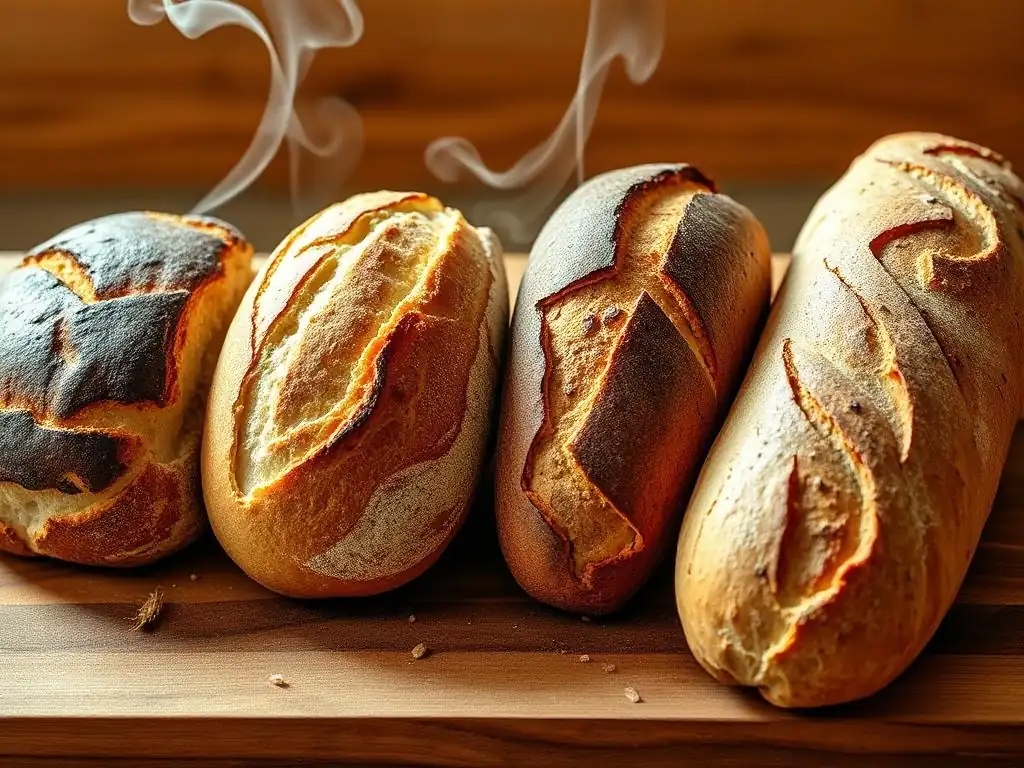
Sourdough bread is a prime example of the Maillard reaction contributing to complex flavor and crust color. Due to its lower pH from the natural fermentation process, the Maillard reaction in sourdough tends to proceed more slowly than in standard yeasted breads. This slower reaction, combined with typically longer fermentation times, allows for the development of a wide array of flavor compounds before the rapid browning phase in the oven. The resulting Maillard reaction dough color on a well-baked sourdough is often a deep, mottled brown with blisters, indicative of both the Maillard reaction and effective steam management.
The characteristic dark crust of many artisan sourdoughs isn't just for show; it's where much of the flavor resides. The interaction of the specific amino acids and sugars present after a long, slow fermentation, coupled with baking at high temperatures (often 230-250°C / 450-480°F) with steam, creates a unique flavor profile distinct from yeasted breads. Achieving that deep, satisfying Maillard reaction dough color on a sourdough crust is a mark of a successful bake, promising complex flavors within.
Maillard Reaction in Enriched Breads: Golden Brown Perfection
Enriched breads, those made with ingredients like milk, sugar, butter, and eggs, showcase a different aspect of the Maillard reaction. The addition of milk provides lactose and protein, while sugar provides readily available reducing sugars. These extra reactants accelerate the Maillard reaction significantly compared to lean doughs. This is why enriched breads like challah, brioche, or dinner rolls develop a beautiful golden-brown crust so quickly in the oven.
The presence of fats (butter, egg yolks) also influences the crust texture and color. While fats don't directly participate in the Maillard reaction, they can contribute to a tender crumb and, in combination with sugar and milk, promote even, rich Maillard reaction dough color. Baking temperatures for enriched breads are often lower (180-200°C / 350-390°F) to prevent the sugar from burning before the interior is cooked. The resulting crust is typically softer and more uniformly colored than that of lean artisan loaves.
Maillard Reaction in Baguette Baking: Achieving a Crackling Crust
Baguette baking relies heavily on the Maillard reaction and steam management to achieve its signature thin, crisp, and crackling crust with a beautiful Maillard reaction dough color. Baguette dough is typically very lean (just flour, water, salt, yeast), meaning the primary sugars available for the Maillard reaction come from the breakdown of starch during fermentation. Baking baguettes at high temperatures (often 230-250°C / 450-480°F) with significant steam in the initial phase is crucial.
The steam keeps the surface moist, allowing the dough to expand fully without the crust setting prematurely. Once the steam is released (or runs out), the surface temperature rapidly increases, and the Maillard reaction kicks into high gear on the now-dry surface. This rapid browning creates the thin, glass-like crust and the desirable Maillard reaction dough color. The crispness comes from the thinness of the crust and the thorough drying that occurs during the later stages of baking, further enhanced by the Maillard reaction products.
Optimizing Your Recipes for the Maillard Reaction: Sourdough Bread
Sourdough Bread: A Case Study in Maillard Reaction Management
Optimizing the Maillard reaction in sourdough baking involves a nuanced approach, balancing fermentation, hydration, temperature, and steam. A typical sourdough formula might contain just flour, water, salt, and a sourdough starter (which provides both yeast and lactic/acetic acid bacteria). The bacteria lower the pH, which slows the Maillard reaction compared to yeasted doughs. However, the long fermentation breaks down starches into reducing sugars over time, providing the necessary reactants.
Consider a sourdough recipe with 100% bread flour, 75% hydration, 20% starter, and 2% salt, fermented for 12-18 hours at room temperature, followed by a cold proof. This long fermentation develops flavor and sugars. Baking might involve preheating a Dutch oven to 250°C (480°F), baking covered for 20 minutes (with steam trapped inside the Dutch oven), then uncovered at 220°C (425°F) for 25-30 minutes.
The initial steam allows for oven spring and delays the Maillard reaction dough color. The subsequent uncovered bake at high heat drives the Maillard reaction, developing the deep crust color and complex flavors characteristic of sourdough. Factors like flour type (whole wheat has more reactants), hydration, and fermentation time all play a role in the final Maillard reaction dough color and flavor achieved.
Conclusion: Mastering the Maillard Reaction for Baking Excellence
Understanding the Maillard reaction is fundamental to mastering bread baking. It's the fascinating chemical process responsible for transforming pale, soft dough into a beautifully colored, flavorful, and aromatic crust. From the science behind the interaction of amino acids and sugars to the practical impact of temperature, moisture, and ingredients like milk and sugar, the Maillard reaction dictates much of what we love about baked bread.
By learning to control the factors that influence this reaction – adjusting baking time and temperature, managing steam, and understanding ingredient roles – you gain the power to achieve your desired Maillard reaction dough color and flavor profile in every loaf. Whether you're aiming for the deep, complex crust of a sourdough or the soft, golden hue of an enriched roll, a grasp of the Maillard reaction is your key to baking excellence.
Frequently Asked Questions
What is the Maillard Reaction and why is it important in baking?
The Maillard Reaction is a chemical reaction between amino acids and reducing sugars that occurs when heated. It's crucial in baking as it's responsible for the browning and flavor development of your dough.
How does the Maillard Reaction affect the color of my dough?
During baking, the Maillard Reaction causes the dough to gradually darken, creating a beautiful golden-brown crust. The intensity of the color depends on factors like temperature, time, and ingredients.
What are the key factors that influence the Maillard Reaction in dough?
Several factors influence the Maillard Reaction, including the temperature, the type of sugars present in the dough, and the pH level. Higher temperatures generally lead to more browning.
Can I control the Maillard Reaction to achieve a specific color in my baked goods?
Yes, you can influence the Maillard Reaction by adjusting the oven temperature, baking time, and even adding ingredients like milk or sugar which enhance browning.
What happens if the Maillard Reaction doesn't occur properly in my dough?
If the Maillard Reaction is insufficient, your baked goods might appear pale and lack flavor. This could be due to low oven temperature or a lack of available sugars in the recipe.
Final Reflection: The Golden Hue of Understanding
The Maillard reaction isn't just about browning bread; it's a fundamental process that shapes our culinary experiences and understanding of food chemistry. This seemingly simple color change in your oven, from pale to golden brown, is a testament to the complex interplay of sugars and amino acids, a reaction that has captivated scientists and bakers alike for centuries. Understanding this reaction unlocks a deeper appreciation for the artistry and science behind food preparation.
The Maillard reaction's influence extends far beyond the simple act of baking bread; it's the backbone of countless flavors and aromas in our everyday meals. From the rich crust of a perfectly roasted chicken to the satisfying crispness of seared steak, this reaction is responsible for the development of hundreds of volatile compounds that contribute to the complex tapestry of taste and smell. The Maillard reaction is not merely a chemical process; it is a culinary alchemy, transforming simple ingredients into something extraordinary.
This quote, though not directly from a published source, encapsulates the magic and wonder of this transformative process.
Now, consider your own kitchen. Think about the next time you bake a loaf of bread, roast vegetables, or sear a piece of meat. Remember the Maillard reaction, and appreciate the intricate chemical dance occurring before your eyes. Experiment with different ingredients and cooking techniques, observing how the color changes and the flavors evolve. By understanding the science behind the browning, you can elevate your culinary skills and gain a deeper appreciation for the delicious complexity of food. Let the golden hue of understanding guide your next culinary adventure.
Unlock the Secrets of Golden-Brown Baking!
Thanks for exploring the fascinating world of the Maillard reaction with us! We hope you now have a deeper appreciation for what makes your baked goods so delicious. Ready to put your new knowledge to the test?
- Master the Maillard Reaction: Experiment with different baking temperatures and times to see how the browning changes – notice the difference in flavor and texture! This is the best way to put your knowledge into practice.
- Share your Baking Triumphs: Post a photo of your perfectly browned creation on social media and tag us @BakeWithEase – we'd love to see your results!
- Dive Deeper: Explore our other articles on baking science to further enhance your baking skills.
What surprising changes in color have you noticed while baking, and how did you adjust your technique?