
Beyond Soap & Water: Advanced Handwashing for Home Bakers

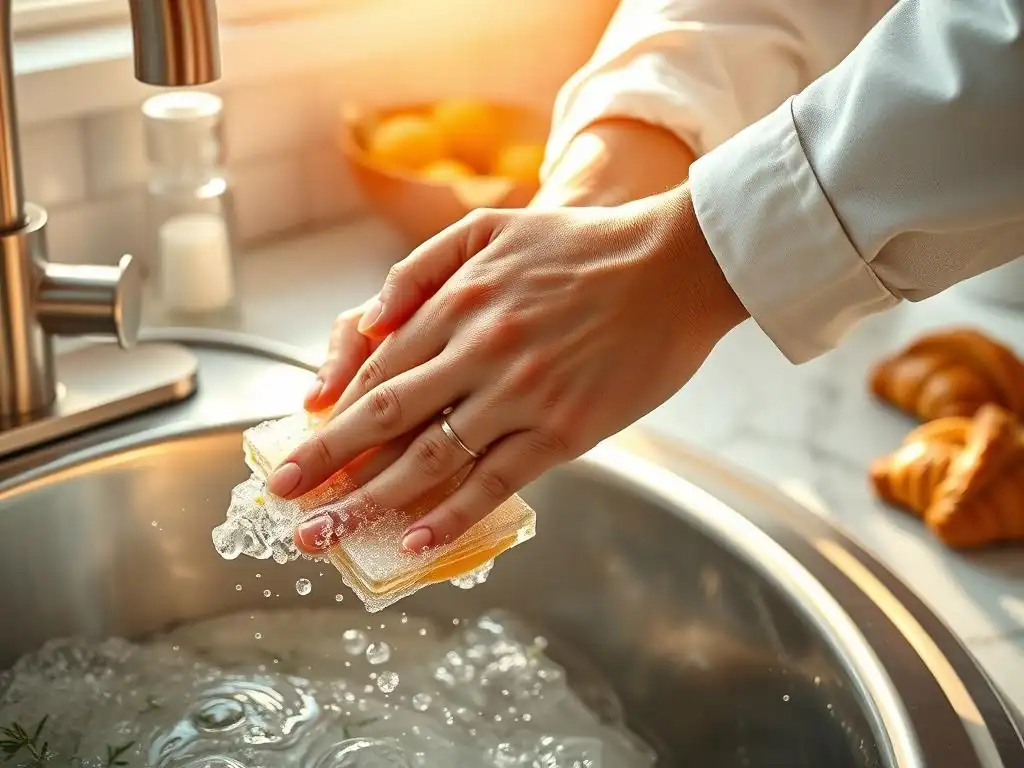
Welcome to BakeWithEase, where baking becomes a joy, not a chore! Are you absolutely certain you're washing your hands correctly before handling dough? In this article, "Beyond Soap & Water: Advanced Handwashing for Home Bakers," we delve into the often-overlooked, yet critically important, topic of proper handwashing for bakers. Discover the advanced techniques that can elevate your baking hygiene and ensure the safety and quality of your delicious creations. Curious to learn more? Let's get started!
- Introduction: Why Proper Handwashing is Crucial for Home Baking
- The Science of Clean Hands: Understanding Germs and Baking
-
Step-by-Step Guide to Advanced Handwashing for Baking
- Step 1: Preparing for Handwashing – Jewelry, Sleeves, and Workspace
- Step 2: Wetting Hands with Warm, Running Water – The Ideal Temperature
- Step 3: Applying Soap – Choosing the Right Soap for Baking
- Step 4: The 20-Second Scrub – A Baker's Handwashing Technique
- Step 5: Rinsing Thoroughly – Ensuring No Soap Residue Remains
- Step 6: Drying Hands Properly – Paper Towels vs. Air Dryers
- Advanced Handwashing Techniques for Specific Baking Scenarios
- Maintaining a Handwashing Station in Your Home Baking Kitchen
- Beyond Handwashing: Additional Hygiene Practices for Bakers
- The Long-Term Benefits of Proper Handwashing for Your Baking Business
- Common Handwashing Mistakes Bakers Make and How to Avoid Them
- Conclusion: Elevating Your Baking with Safe Hand Hygiene Practices
-
Frequently Asked Questions
- How often should I wash my hands while baking?
- What's the best water temperature for handwashing when baking?
- Are antibacterial soaps necessary for proper handwashing when baking?
- What's the proper handwashing technique for bakers, according to BakeWithEase?
- What are some common handwashing mistakes bakers make?
- Final Reflection: The Unsung Hero of Baking Perfection
- Elevate Your Baking: Master Clean Hands, Master Baking!
Introduction: Why Proper Handwashing is Crucial for Home Baking
The Importance of Hand Hygiene in Food Safety for Bakers
Proper handwashing is arguably the single most critical step a home baker can take to ensure food safety. Our hands come into contact with countless surfaces and ingredients throughout the day, picking up microscopic organisms – both harmless and potentially harmful. When we bake, these hands directly interact with flour, sugar, eggs, butter, and finished goods.
Without effective hand hygiene, these ingredients and products can become contaminated with bacteria, viruses, or other pathogens that can cause foodborne illness. Think of your hands as the primary tool in your baking kit; keeping them impeccably clean is as vital as using the right measuring cups or having a properly calibrated oven.
Neglecting proper handwashing for bakers can lead to serious consequences, impacting not only the baker but also anyone who consumes their creations. Even small amounts of contaminants can multiply rapidly in favorable conditions, turning a delicious cake or loaf of bread into a health risk. Studies show that poor hand hygiene is a leading cause of foodborne disease outbreaks.
For a home baker, especially one sharing their goods with family, friends, or even selling them, maintaining rigorous hand hygiene in baking isn't just a best practice; it's an ethical responsibility. It safeguards the health of others and protects the reputation of your delicious baked goods.
Preventing Cross-Contamination: A Baker's Responsibility
Cross-contamination occurs when bacteria or other microorganisms are transferred from one substance or object to another, with harmful effect. In baking, this often happens when handling raw ingredients like eggs or unbaked dough and then touching ready-to-eat items or clean surfaces without washing hands in between. For example, Salmonella can be present on eggshells or inside raw eggs.
If you crack eggs for a custard filling and then immediately handle the pre-baked tart shell without washing your hands, you risk transferring that bacteria. Flour, too, can harbor pathogens like E. coli, which can be transferred from hands to other ingredients or surfaces if not washed away.
A baker's hands are constantly moving between different tasks and ingredients. You might handle packaging, touch utensils, mix ingredients, adjust oven settings, or even answer a phone call. Each interaction presents an opportunity for cross-contamination. Implementing proper handwashing for bakers at key moments – such as after handling raw ingredients, after touching potentially contaminated surfaces, and before handling finished products – breaks the chain of contamination. This diligent practice ensures that harmful microbes don't travel from their source to your delicious treats, maintaining the safety and integrity of everything you bake.
BakeWithEase's Commitment to Baking Safety
At BakeWithEase, our mission is to empower bakers of all levels, from beginners to seasoned pros, with the knowledge and confidence to create delicious baked goods. This mission extends beyond just recipes and techniques; it fundamentally includes ensuring that every baking experience is safe and healthy. We believe that understanding and practicing food safety principles, like proper handwashing for bakers, is an essential ingredient in creating truly exceptional results. A beautiful cake or a perfect loaf of bread is only truly successful if it's safe to eat.
We are committed to providing clear, practical, and reliable information on food safety tailored specifically for the home baking environment. This means breaking down complex hygiene principles into easy-to-follow steps and explaining the why behind each recommendation. By focusing on topics like advanced handwashing, safe ingredient handling, and proper storage, we aim to equip you with the knowledge to bake not just easily, but safely. Our resources are designed to build your confidence not only in your baking skills but also in your ability to protect yourself and those you bake for.
The Science of Clean Hands: Understanding Germs and Baking
Types of Germs Found on Hands and Their Impact on Baked Goods
Our hands are home to a diverse ecosystem of microorganisms, collectively known as hand flora. This flora includes both transient and resident microorganisms. Resident flora are deeply ingrained in the skin layers and are generally not easily removed by routine washing; they are typically harmless. Transient flora, however, are acquired through contact with surfaces, people, or animals.
These are the germs we pick up throughout our day – the ones that pose a significant risk in a baking environment. Common transient pathogens include bacteria like Staphylococcus aureus (often found on skin and in nasal passages), E. coli (from fecal matter, though some strains are harmless), Salmonella (from raw eggs, poultry, and other sources), and Listeria monocytogenes (found in soil, water, and some foods). Viruses like Norovirus, a common cause of foodborne illness, can also be easily spread via contaminated hands.
When these transient germs are transferred from hands to food, they can multiply, especially in moist, nutrient-rich environments common in baking (like dough, batter, or fillings). While baking at high temperatures often kills bacteria within the product, many baked goods are handled after baking (frosting cakes, slicing bread, packaging cookies) when re-contamination can occur. Moreover, some pathogens produce toxins that are heat-stable and may not be destroyed during baking. Therefore, preventing the introduction of these germs via improper hand hygiene for bakers is paramount to avoiding food spoilage and, more importantly, foodborne illness.
How Proper Handwashing Eliminates Harmful Bacteria
Proper handwashing for bakers works by a combination of mechanical action and chemical interaction. Warm, running water helps to loosen dirt, grease, and microorganisms from the skin surface. Soap, specifically, contains surfactants – molecules with both a water-attracting (hydrophilic) and a fat-attracting (hydrophobic) end. These surfactants work by lifting grease and dirt, trapping microbes within micelles (tiny spheres), and helping to break down the outer membranes of bacteria and the lipid envelopes of some viruses. The friction created by rubbing your hands together during the scrubbing phase physically dislodges the remaining germs.
The recommended 20-second scrubbing time is crucial because it provides sufficient time for the soap to interact with the germs and for the mechanical action of rubbing to be effective across all surfaces of the hands, including between fingers and under nails. Rinsing under running water then washes away the loosened dirt, soap, and trapped microorganisms.
Studies have shown that washing hands with soap and water for at least 20 seconds can remove up to 99% of transient bacteria and viruses from the skin surface, drastically reducing the risk of transferring them to food. This makes the simple act of cleaning hands for baking an incredibly powerful tool for food safety.
Debunking Handwashing Myths in the Baking World
There are several common misconceptions about hand hygiene in baking. One prevalent myth is that using very hot water is more effective at killing germs. While hot water might feel more sanitary, water hot enough to kill bacteria instantly would scald your skin. Warm water is just as effective at helping soap lather and lift dirt and is much safer and more comfortable, encouraging longer, more thorough washing.
Another myth is that antibacterial soap is necessary for home baking. For routine handwashing, plain soap and water are just as effective at removing most germs. Antibacterial soaps can contribute to antibiotic resistance over time and aren't typically required in a home setting unless specifically recommended for public health reasons.
Some bakers might also believe that wearing gloves negates the need for handwashing. This is false. Gloves can become contaminated just like bare hands and should be changed frequently, especially after handling raw ingredients or touching non-food surfaces. Furthermore, washing hands before putting on gloves ensures that any sweat or natural skin bacteria don't proliferate inside the glove. Finally, the idea that a quick rinse under water is sufficient is dangerous. Water alone does not effectively remove grease, dirt, or most microbes. The combination of soap, water, and the 20-second scrub is essential for effective proper handwashing for bakers.
Step-by-Step Guide to Advanced Handwashing for Baking
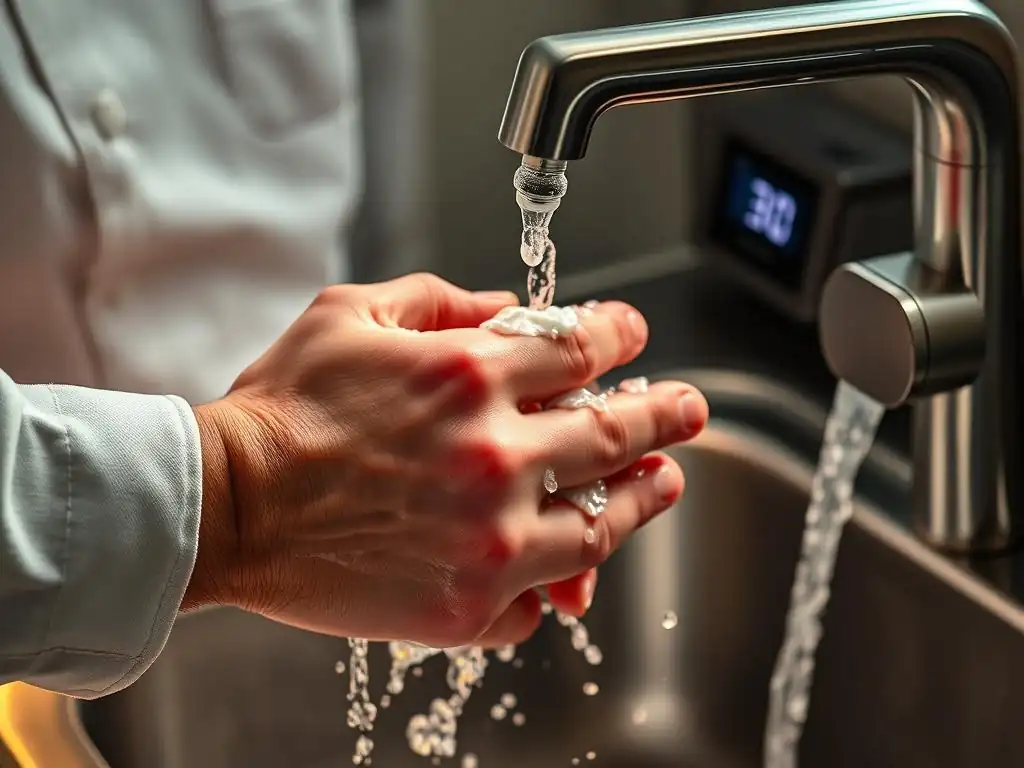
Step 1: Preparing for Handwashing – Jewelry, Sleeves, and Workspace
Before you even turn on the tap, take a moment to prepare yourself and your immediate surroundings. Remove any jewelry from your hands and wrists, including rings, watches, and bracelets. Jewelry can trap bacteria and make it difficult to clean the skin underneath and around it thoroughly. Studies have shown that bacteria counts are significantly higher on skin underneath rings compared to adjacent skin. Push up long sleeves past your elbows so they don't become wet and potentially touch the sink or other surfaces, picking up germs.
Ensure your sink area is clear and accessible. Have your soap dispenser and paper towels within easy reach. Avoid having dirty dishes or other items cluttering the sink, as these can re-contaminate your hands after washing. This preparatory step is fundamental to ensuring that your handwashing for home bakers is effective and that you don't immediately re-contaminate your newly cleaned hands. It's about creating a clean environment for the cleaning process itself.
Step 2: Wetting Hands with Warm, Running Water – The Ideal Temperature
Once prepared, turn on the tap and wet your hands thoroughly with running water. The water temperature is important for comfort and effectiveness. While hot water doesn't kill germs any better than warm water for washing hands, water that is too cold might not effectively loosen oils and dirt. The ideal temperature is comfortably warm, typically between 40°F (4°C) and 140°F (60°C), though most guidelines recommend a warm temperature that you can comfortably tolerate. Aim for a temperature similar to body temperature or slightly warmer.
Using running water is key. Standing water in a basin can become contaminated. Running water ensures that loosened dirt and germs are continuously washed away down the drain. Make sure to wet your hands completely before applying soap, as this helps create a good lather, which is essential for the soap to work effectively. This simple step sets the stage for the soap to do its job in the next phase of proper handwashing for bakers.
Step 3: Applying Soap – Choosing the Right Soap for Baking
Apply enough liquid or bar soap to your hands to create a good lather. For home baking, any standard liquid or bar soap is suitable. As mentioned earlier, antibacterial soaps are not necessary for routine handwashing in a home kitchen setting. The mechanical action of washing and the surfactants in regular soap are sufficient to remove germs. Liquid soap dispensed from a pump is often preferred in a kitchen environment as the dispenser itself is less likely to harbor germs compared to a bar of soap that sits wet in a dish.
Ensure you use enough soap to cover all surfaces of your hands. Rubbing your hands together at this stage begins the lathering process. The goal is to have enough soap to create a rich foam that can work its way into all the nooks and crannies of your hands during the scrubbing phase. Choosing a gentle yet effective soap is also a good idea, as frequent handwashing for home bakers can dry out the skin.
Step 4: The 20-Second Scrub – A Baker's Handwashing Technique
This is the most critical step: scrubbing your hands thoroughly for at least 20 seconds. Why 20 seconds? This amount of time is recommended by health authorities like the CDC because it's the minimum duration needed for the soap and friction to effectively remove most transient microorganisms. To make it easier to time, you can hum the "Happy Birthday" song twice from beginning to end. Focus on scrubbing all surfaces: palms, backs of hands, between fingers, and especially under fingernails.
Pay particular attention to areas often missed, like the thumbs and the fingertips. Interlace your fingers and rub your palms together. Cup one hand and rub the fingertips of the opposite hand against the palm to clean under the nails. This vigorous scrubbing action physically dislodges germs and allows the soap to break down their structures. This dedicated scrub is the heart of proper handwashing for bakers and makes the difference between a superficial rinse and a truly clean hand.
Step 5: Rinsing Thoroughly – Ensuring No Soap Residue Remains
After scrubbing for the full 20 seconds, rinse your hands thoroughly under clean, running water. Allow the water to flow from your wrists down to your fingertips, ensuring that all soap and loosened dirt are washed away. Soap residue left on hands can not only feel unpleasant but can also potentially affect the flavor or texture of delicate baked goods if transferred.
Ensure you rinse both the front and back of your hands, as well as between your fingers. Let the water carry everything away down the drain. This step completes the removal process, leaving your hands free from both germs and cleaning agents, ready to handle your ingredients or finished products safely.
Step 6: Drying Hands Properly – Paper Towels vs. Air Dryers
The final step in proper handwashing for bakers is drying your hands completely. Wet hands can easily pick up germs from surfaces they touch. The most recommended method for drying hands in a food preparation environment is using single-use paper towels. Paper towels offer a hygienic way to dry hands and can then be used to turn off the faucet (if it's not motion-activated) and open the door if necessary, preventing re-contamination from potentially dirty surfaces.
While some home kitchens might have cloth towels, these are not ideal for hand drying during baking sessions as they can harbor bacteria if they remain damp or are used multiple times. Air dryers are less common in home kitchens but are also less effective than paper towels at removing bacteria and can even blow germs around the environment. For the highest level of safety in home baking, stock up on paper towels and use them diligently after every wash.
Advanced Handwashing Techniques for Specific Baking Scenarios
Handwashing After Handling Raw Ingredients (Eggs, Flour, Meat Fillings)
Handling raw ingredients like eggs, raw meat (if making savory baked goods like meat pies), or even flour requires immediate and thorough handwashing afterwards. Raw eggs can carry Salmonella, raw meat can harbor E. coli, Salmonella, and other bacteria, and raw flour has been linked to E. coli outbreaks. Even though these ingredients will likely be cooked, transferring these pathogens to surfaces or ready-to-eat components (like pie crusts before filling, or cooling racks) is a serious risk.
After cracking eggs, handling raw dough containing eggs or raw flour, or preparing a meat filling, perform the full 6-step proper handwashing for bakers process. This ensures that any pathogens transferred from these ingredients to your hands are effectively removed before you move on to other tasks or handle finished products. This is a non-negotiable step for preventing cross-contamination.
Handwashing After Touching Hair, Face, or Phone
During a busy baking session, it's easy to absentmindedly touch your face, adjust your hair, or glance at your phone. Your face and hair can carry bacteria and oils, and phones are notorious germ magnets, often carrying far more bacteria than a toilet seat (some studies report over 25,000 bacteria per square inch on phone screens). Touching any of these and then returning to handle food or equipment can introduce contaminants.
Make a conscious effort to avoid touching your face, hair, or phone while actively baking. If you must, or if you accidentally do, immediately stop what you are doing and perform a quick but thorough handwash. Even a 20-second scrub with soap and water after touching your phone can significantly reduce the risk of transferring germs to your baking environment. Establishing this habit is crucial for maintaining hand hygiene in baking.
Handwashing Before and After Using Baking Equipment
Washing your hands before you start handling clean equipment is just as important as washing after handling dirty items. Your hands might be clean from your initial wash, but if you've touched door handles, cabinet pulls, or ingredient containers since then, they could have picked up transient germs. Washing before handling clean bowls, whisks, spatulas, or measuring tools ensures you don't contaminate the equipment you're about to use.
Similarly, wash your hands after using equipment, especially if it has come into contact with raw ingredients or if you are switching between different types of tasks (e.g., from mixing raw dough to frosting a baked cake). This prevents transferring any residual ingredient particles or potential contaminants from the equipment back to your hands and then onto other surfaces or products. This double-check approach reinforces your commitment to proper handwashing for bakers.
While soap and water is the gold standard for proper handwashing for bakers, there might be rare instances where it's not immediately accessible, perhaps during a baking demonstration away from your home kitchen setup. In such cases, an alcohol-based hand sanitizer can be used as a temporary measure, but it's important to understand its limitations. Hand sanitizers are effective at killing many bacteria and viruses but do not remove dirt, grease, or physical contaminants. They also may not be effective against certain types of germs, like Norovirus or Clostridium difficile.
If using hand sanitizer, ensure it contains at least 60% alcohol (check the product label). Apply a sufficient amount to the palm of one hand (read the label for the correct amount, usually a dime-sized dollop). Rub your hands together, covering all surfaces, including between your fingers, until your hands are completely dry. Do not wipe your hands on a towel or clothing. Remember, sanitizer is a supplement to washing, not a replacement, especially in a food handling context. Use it only when soap and water are truly unavailable, and wash with soap and water as soon as possible.
Maintaining a Handwashing Station in Your Home Baking Kitchen
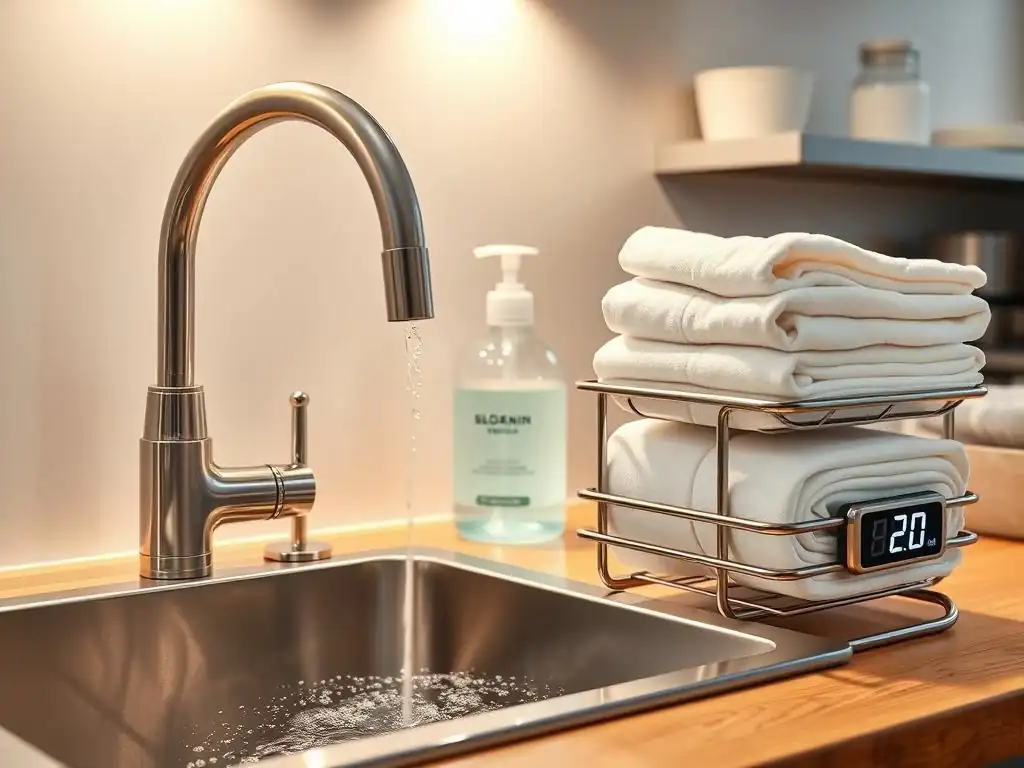
Setting Up a Dedicated Handwashing Area
Designating a specific sink solely for handwashing in your kitchen, if possible, is ideal. This prevents the handwashing sink from becoming contaminated with food particles, dishwater, or cleaning chemicals. If you only have one kitchen sink, clear one side or section to be primarily used for handwashing during your baking activities. Ensure there is easy access to warm running water.
The location of your handwashing station should be convenient to your main baking workspace but slightly separate to minimize splashing or cross-contamination onto ingredients or clean equipment. Think about the flow of your baking process and place the handwashing area where it makes the most sense to encourage frequent use. Having a clear, accessible spot reinforces the importance of proper handwashing for bakers.
Stocking Essential Supplies: Soap, Paper Towels, and Sanitizer
A functional handwashing station requires specific supplies that are always readily available. Ensure you keep your soap dispenser filled. Liquid soap is generally recommended for hygiene. Next, you need a reliable way to dry hands. As discussed, single-use paper towels are the safest option for a baking environment. Keep the paper towel dispenser or roll well-stocked and easily accessible, ideally positioned so you can grab a towel before turning off the tap.
While soap and water are preferred, having a bottle of alcohol-based hand sanitizer (at least 60% alcohol) near your handwashing station can serve as a backup for specific situations where a full wash might be momentarily impractical (e.g., a quick clean after touching a non-food surface mid-task, followed by a full wash at the next opportunity). Regularly checking and replenishing these supplies is a simple but vital part of maintaining effective hand hygiene in baking.
Regular Cleaning and Sanitizing of the Handwashing Station
The handwashing station itself can become a source of contamination if not properly maintained. Soap dispensers, faucet handles, and the sink basin can accumulate germs. Make it a habit to clean and sanitize your sink area regularly, ideally before and after major baking projects. Use a household cleaner and disinfectant spray or wipes according to the product instructions.
Pay attention to high-touch areas like faucet handles and the soap dispenser pump. Regularly wipe down the counter space immediately surrounding the sink as well. Keeping the handwashing station clean ensures that the very place you go to remove germs isn't adding new ones back onto your hands. This diligent upkeep is a critical component of proper handwashing for bakers in a home setting.
Beyond Handwashing: Additional Hygiene Practices for Bakers
Wearing Gloves: When and How to Use Gloves Effectively
While proper handwashing for bakers is the foundation of hand hygiene, gloves can offer an additional layer of protection in specific situations. They are particularly useful when handling ready-to-eat foods that will not undergo further cooking, such as decorating cakes, frosting cupcakes, or handling finished pastries. Gloves can also be helpful if you have small cuts or open wounds on your hands, provided the cuts are covered with a bandage first.
However, gloves are not a substitute for washing hands. Always wash your hands before putting on a fresh pair of gloves. Change gloves frequently – immediately if they become torn, soiled, or after handling raw ingredients, touching non-food surfaces (like your phone or a doorknob), or after any interruption in your work. Wearing the same pair of gloves for an extended period, or using them for multiple tasks, can actually spread more germs than bare hands that are washed frequently. Choose food-grade, disposable gloves and dispose of them properly after use.
Keeping Fingernails Clean and Short for Food Safety
Fingernails can harbor significant amounts of dirt, grease, and bacteria, including pathogens like Staphylococcus aureus and those found in fecal matter. Even with thorough washing, it can be difficult to remove all contaminants from under long nails. Therefore, keeping your fingernails short and clean is an essential part of proper hand hygiene for bakers.
Before you begin baking, take a moment to check your nails. Ensure they are trimmed short and scrub under them thoroughly with soap and water during your handwashing routine. Using a clean nail brush dedicated to kitchen use can help remove stubborn dirt from beneath the nails. Avoid wearing nail polish or artificial nails when baking, as they can chip or break off and fall into food, creating a physical hazard, and can also make it harder to keep the nail surface and underneath clean.
Avoiding Touching Your Face While Baking
We've touched on this before, but it warrants reiterating: consciously avoiding touching your face, hair, nose, or mouth while baking is vital for food safety. Our faces and hair can carry bacteria and viruses, and touching them transfers these microbes to our hands. From our hands, they can easily be transferred to ingredients, equipment, or finished products.
Develop an awareness of where your hands are. If you feel the urge to scratch an itch, adjust your glasses, or brush hair out of your face, stop, step away from your ingredients, and perform a quick handwash or use sanitizer (followed by a wash when possible) before resuming your task. This simple habit, combined with proper handwashing for bakers, significantly reduces the risk of contaminating your delicious creations.
The Long-Term Benefits of Proper Handwashing for Your Baking Business
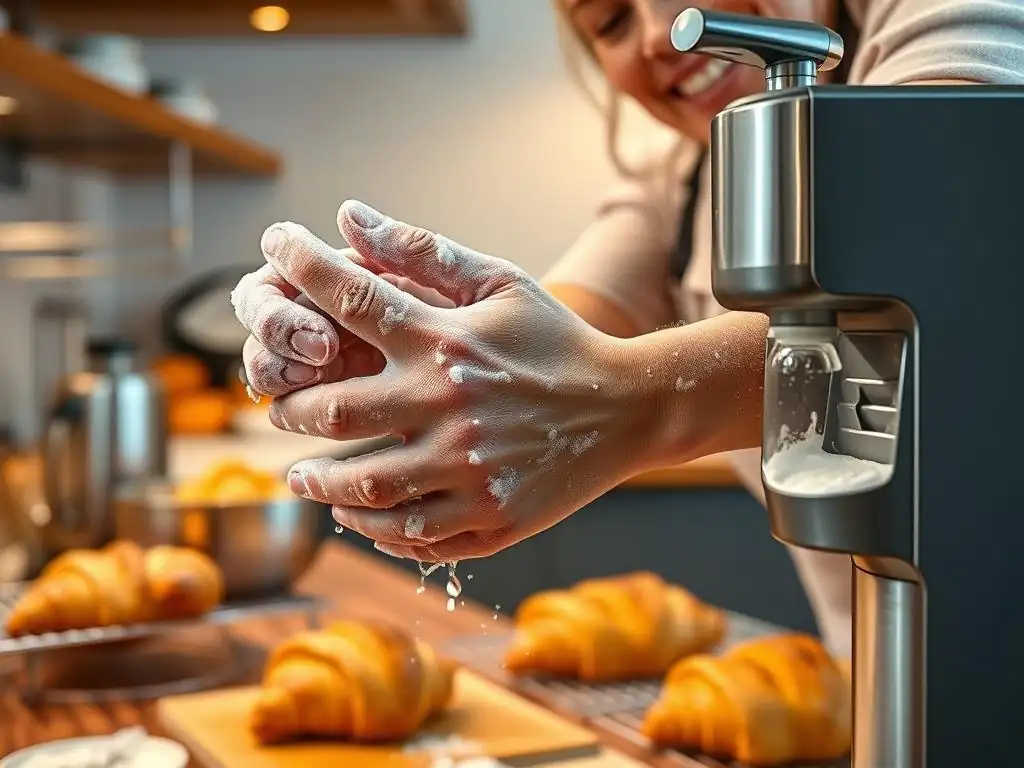
Protecting Your Customers' Health and Safety
If you sell your baked goods, whether occasionally or as a regular home business, the health and safety of your customers is your utmost priority. Foodborne illness can range from uncomfortable stomach upset to severe, life-threatening conditions, particularly for vulnerable populations like children, the elderly, or those with weakened immune systems. Implementing rigorous proper handwashing for bakers is your primary defense against causing such harm.
By consistently practicing excellent hand hygiene, you dramatically reduce the risk of transferring harmful bacteria or viruses to the food you sell. This protects your customers from potential illness and demonstrates a deep commitment to their well-being. In the age of social media and online reviews, a single incident of foodborne illness linked to your products could have devastating consequences, making prevention through clean hands non-negotiable.
Building Trust and Reputation as a Safe Baker
In the competitive world of home baking, reputation is everything. Customers want to know that the food they purchase is not only delicious but also prepared safely and hygienically. When you prioritize and visibly practice proper handwashing for bakers (perhaps through photos or descriptions of your process, or simply by having an immaculate kitchen), you build trust with your clientele.
Knowing that a baker takes food safety seriously gives customers confidence in the quality and reliability of their products. This trust can lead to repeat business, positive word-of-mouth referrals, and a strong brand reputation based on safety and quality. Conversely, any hint of poor hygiene can quickly erode trust and damage your business's standing. Your commitment to clean hands is an investment in your business's future success and credibility.
Preventing Foodborne Illness Outbreaks
Even a small-scale home baking operation can potentially be the source of a localized foodborne illness outbreak if hygiene practices are lax. An outbreak involves two or more people getting the same illness from the same contaminated food or drink. These incidents are investigated by local health authorities and can lead to significant legal issues, financial losses, and irreparable damage to your business and personal reputation.
Consistent and proper handwashing for bakers is one of the most effective ways to prevent such scenarios. By eliminating pathogens from your hands before they can contaminate ingredients or finished products, you break the chain of transmission. This proactive approach safeguards your business from the potentially catastrophic consequences of causing an outbreak and allows you to continue sharing your passion for baking safely with your community.
Common Handwashing Mistakes Bakers Make and How to Avoid Them
Not Washing Long Enough
One of the most frequent mistakes is simply not washing for the recommended duration. Many people wash their hands for less than 10 seconds, which is insufficient time for the soap and friction to effectively remove germs. Remember, the goal is at least 20 seconds of active scrubbing.
- How to Avoid: Use a timer or sing a song (like "Happy Birthday" twice) to ensure you meet the 20-second minimum. Make it a habit, like preheating your oven.
Using Cold Water
While hot water isn't necessary, using ice-cold water can make it difficult to create a good lather and comfortably scrub for the required time. It's also less effective at dissolving oils and dirt where germs can hide.
- How to Avoid: Always use comfortably warm, running water. Adjust the tap temperature before you start wetting your hands.
Neglecting to Clean Under Fingernails
Fingernails are prime real estate for trapped dirt and bacteria. A quick rinse over the palms often misses the crucial area under the nails.
- How to Avoid: Keep nails short. During the 20-second scrub, rub your fingertips against your palms or use a clean nail brush to specifically clean under your nails.
Drying Hands on Dirty Towels
Washing your hands perfectly is pointless if you immediately re-contaminate them by drying them on a soiled cloth towel or touching dirty surfaces with wet hands.
- How to Avoid: Use clean, single-use paper towels to dry your hands thoroughly. Use the paper towel to turn off the faucet if needed. Ensure your handwashing station is clean and clutter-free.
Conclusion: Elevating Your Baking with Safe Hand Hygiene Practices
Mastering proper handwashing for bakers is just as important as mastering the perfect pie crust or the fluffiest cake. It's the invisible ingredient that ensures everything you create is not only delicious but also safe to eat. By understanding the science behind clean hands, following a thorough step-by-step process, and applying advanced techniques in specific baking scenarios, you build a robust foundation for food safety in your home kitchen.
Maintaining a dedicated handwashing station, stocking essential supplies, and practicing additional hygiene habits like keeping nails short and avoiding touching your face further elevate your safety standards. These practices protect the health of your loved ones and customers, build trust in your baking, and safeguard your reputation. BakeWithEase is here to support you on this journey, providing the knowledge you need to bake with confidence and care. Embrace these advanced hand hygiene practices, and continue to create wonderful, safe baked goods with ease and joy!
Frequently Asked Questions
How often should I wash my hands while baking?
You should wash your hands frequently while baking, especially after handling raw ingredients, touching your face, or using your phone. Aim for washing every 20-30 minutes.
What's the best water temperature for handwashing when baking?
Use warm, not hot, water for handwashing. Warm water is more effective at removing germs and bacteria without damaging your skin.
Are antibacterial soaps necessary for proper handwashing when baking?
No, antibacterial soaps aren't essential. Regular soap and water, used correctly, are highly effective at removing contaminants. Focus on technique and duration.
What's the proper handwashing technique for bakers, according to BakeWithEase?
The proper technique involves wetting hands, applying soap, scrubbing for at least 20 seconds, rinsing thoroughly, and drying with a clean towel.
What are some common handwashing mistakes bakers make?
Common mistakes include not washing long enough, neglecting to clean under fingernails, and re-contaminating hands by touching dirty surfaces after washing.
Final Reflection: The Unsung Hero of Baking Perfection
Proper handwashing isn't just a hygiene practice; it's the cornerstone of safe and delicious baking. Failing to prioritize meticulous hand hygiene can compromise even the most meticulously crafted recipe, leading to spoiled batches and potential health risks. This isn't simply about cleanliness; it's about upholding a standard of excellence that elevates baking from a hobby to a craft.
The impact of proper handwashing extends far beyond the individual baker. It influences the safety and enjoyment of those who consume the baked goods, fostering trust and confidence in the process. The subtle nuances of texture, flavor, and overall quality are all impacted by the unseen work of clean hands. The best baker is the one who respects the ingredients and the process, and that respect begins with clean hands.
– (This quote can be replaced with a relevant quote if you have one). This simple act of hygiene is a powerful symbol of dedication to quality and care.
Now, consider your own baking practices. Are you truly satisfied with your current handwashing routine? Do you feel confident in the safety and quality of your creations? I encourage you to reflect on this, to elevate your handwashing techniques, and to experience the difference it makes. The journey to baking perfection begins not with flour and sugar, but with clean, sanitized hands. Embrace the power of this often-overlooked step, and unlock a new level of success and satisfaction in your baking endeavors.
Elevate Your Baking: Master Clean Hands, Master Baking!
Thanks for taking the time to learn about advanced handwashing techniques for bakers! You've now got the knowledge to create truly sanitary and delicious treats. Ready to put your new skills into practice?
- Prioritize a meticulous handwash before, during, and after each step of your baking process. Notice the difference in your final product!
- Share this article with fellow baking enthusiasts – let's elevate baking hygiene together!
- Consider trying a new handwashing technique mentioned, then tell us in the comments which one you found most effective!
What surprising improvement will you see in your baking with these new handwashing habits?