
How to Thicken Fruit Pie Filling: Simple Solutions

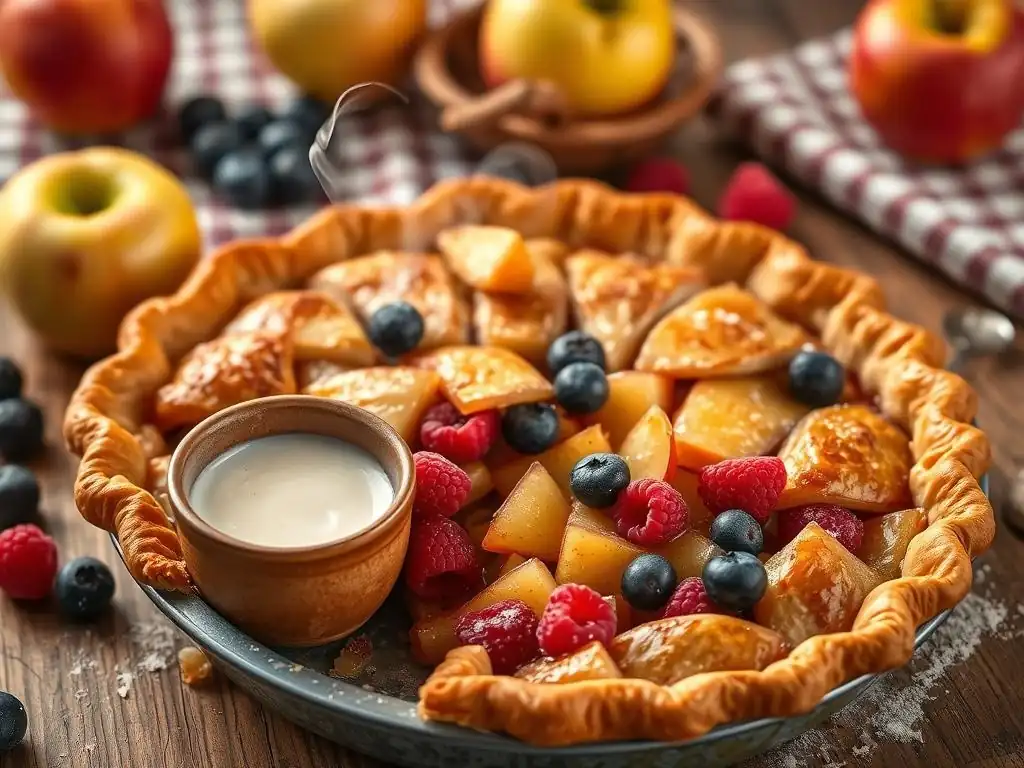
Welcome to BakeWithEase, your trusted guide to baking bliss! Ever faced the frustration of a runny fruit pie? Don't worry, you're not alone! This article dives into the secrets of achieving that perfectly thickened fruit pie filling. Discover our easy fruit pie thickening tips and say goodbye to soggy bottoms forever. Intrigued? Keep reading to unlock the simple solutions that will transform your pies from good to gorgeous!
- How to Thicken Fruit Pie Filling: Simple Solutions for Perfect Pies
- BakeWithEase's Guide to Easy Fruit Pie Thickening Tips
- Easy Fruit Pie Thickening Tips: Different Methods Explained
- Troubleshooting Runny Fruit Pie Filling After Baking
- Choosing the Right Thickener for Different Fruits
- Mastering the Art of Fruit Pie Filling Thickness: Expert Tips
- BakeWithEase Fruit Pie Recipes with Perfect Filling Consistency
- Conclusion: Achieving Fruit Pie Perfection with the Right Thickening Techniques
-
Frequently Asked Questions
- How can I thicken fruit pie filling if it's too runny after baking?
- What are the most common thickeners used in fruit pies?
- How does the type of fruit affect the amount of thickener needed?
- Can I use too much thickener in my fruit pie filling?
- What's the best way to prevent a runny fruit pie from the start?
- Final Reflection: The Enduring Allure of a Perfect Pie
- Unlock Perfectly Thick Pie Filling: Your Next Bake Awaits!
How to Thicken Fruit Pie Filling: Simple Solutions for Perfect Pies
BakeWithEase's Guide to Easy Fruit Pie Thickening Tips
Why is My Fruit Pie Filling Runny? Common Causes
A common frustration for home bakers is pulling a beautiful fruit pie from the oven only to find the filling is a watery mess when sliced. This happens for several key reasons. Firstly, fruit naturally contains a significant amount of water, and as it heats during baking, this water is released, turning into juice. If there isn't enough thickener to absorb this liquid, the filling remains thin. Secondly, selecting the wrong type or insufficient amount of thickener is a frequent culprit. Different thickeners have varying strengths and react differently to temperature and acidity.
Furthermore, underbaking the pie can prevent the thickener from reaching its full potential. Many thickeners, particularly starches, require sufficient heat and time to activate and form a stable gel. If the pie is removed from the oven too soon, before the filling reaches a vigorous bubbling stage, the thickener may not have had adequate time to work its magic. The type of fruit itself also plays a major role; some fruits, like berries or peaches, release considerably more juice than others, such as apples or cherries, requiring adjustments in the amount of thickener used.
Factors Affecting Pie Filling Thickness
Several factors influence how thick a fruit pie filling will become. The type of fruit is paramount – softer, more watery fruits like strawberries or ripe peaches will produce more liquid than firmer fruits like Granny Smith apples or sour cherries. The ripeness of the fruit also matters; overripe fruit is often softer and juicier. The amount of sugar added to the filling also impacts consistency. Sugar draws moisture out of the fruit through osmosis, increasing the liquid that needs to be thickened. A pie with a high sugar content may require slightly more thickener.
The specific thickener chosen (cornstarch, flour, tapioca, etc.) and the quantity used are direct determinants of thickness. Each has a different thickening power and behavior during baking. For instance, flour requires a higher temperature and longer cooking time to thicken effectively compared to tapioca starch. Baking temperature and time are critical; the filling must reach a high enough temperature for a sufficient duration for the thickener to activate. Insufficient heat or time means the thickener won't fully hydrate and gel, leading to a runny filling.
Easy Fruit Pie Thickening Tips: Different Methods Explained
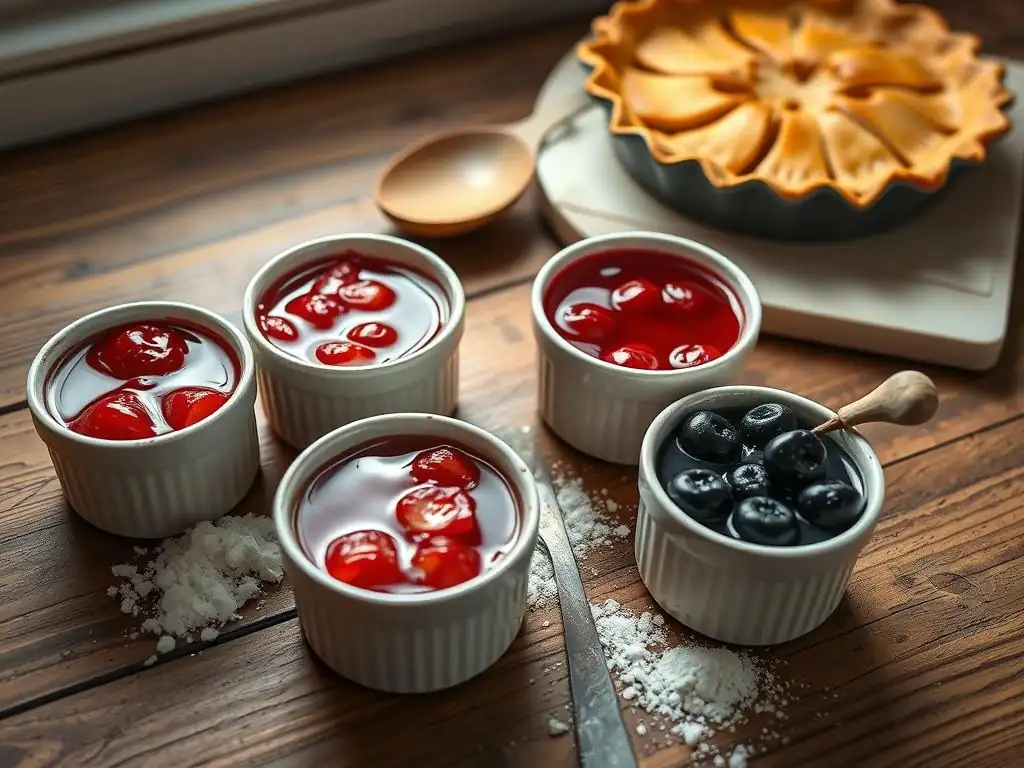
Using Cornstarch to Thicken Fruit Pie Filling
Cornstarch is a popular and effective thickener, known for creating a clear, glossy filling. It works by absorbing liquid and swelling when heated, forming a gel. This gelatinization process typically begins around 140°F (60°C) and is most effective near boiling point. Cornstarch provides a relatively stable thickening, though it can break down if subjected to prolonged boiling or excessive stirring after thickening. It's a great choice when you want the vibrant color of the fruit to shine through.
To successfully use cornstarch for easy fruit pie thickening, proper incorporation is key.
How Much Cornstarch to Use for Fruit Pie Filling: A Guide
A general guideline for using cornstarch is to use about 2 to 4 tablespoons per 6 cups of fruit. However, this amount can vary significantly based on the type of fruit. For very juicy fruits like berries or peaches, you might lean towards the higher end of this range, perhaps 3 to 4 tablespoons.
For less juicy fruits like apples or cherries, 2 to 3 tablespoons might suffice. It's often helpful to start with a standard amount and adjust based on your experience with specific recipes or fruits. Remember that cornstarch reaches its full thickening power as the pie cools.
For instance, a standard 9-inch pie using approximately 6 cups of sliced apples might benefit from 2.5 tablespoons of cornstarch, while a similar volume of mixed berries might require 3.5 tablespoons. Always check your specific recipe recommendations, but these approximations offer a starting point for achieving good fruit pie thickening results.
Tips for Incorporating Cornstarch Correctly
Incorporating cornstarch correctly is crucial to avoid lumps and ensure even thickening. The most common method is to create a "slurry" by whisking the cornstarch with a small amount of cold liquid (water, juice from the fruit, or milk if applicable) before adding it to the fruit mixture. Use about 1/4 cup of cold liquid per tablespoon of cornstarch. Whisk until completely smooth, then gently stir this slurry into your fruit and sugar mixture.
Alternatively, you can toss the dry cornstarch directly with the fruit and sugar before adding the fruit to the pie crust. Ensure the fruit pieces are well coated. This method works best if the fruit is slightly damp, allowing the cornstarch to adhere evenly. Avoid just dumping dry cornstarch into a wet mixture, as this almost guarantees lumps. Ensure the pie bakes until the filling is visibly bubbling in the center, as this indicates the cornstarch has reached a high enough temperature to thicken properly.
Flour as a Fruit Pie Thickener: A Baker's Alternative
Flour is a traditional and readily available thickener for fruit pies. It works similarly to cornstarch, relying on starch granules absorbing liquid and swelling when heated. Flour provides a more opaque, sometimes slightly cloudy, filling compared to cornstarch or tapioca. It generally requires a higher temperature and longer cooking time to thicken fully and lose its raw, starchy taste, typically needing to reach near boiling point. Flour is a reliable choice for pies with longer baking times, like many apple pies.
While flour is a simple option for easy fruit pie thickening, choosing the right type and knowing when to use it makes a difference.
Best Types of Flour for Pie Filling
All-purpose flour is the most commonly used type of flour for thickening fruit pie filling due to its availability and balanced protein content. Its starch content is sufficient for creating a decent thickness. Pastry flour, with a lower protein content, can also be used and might result in a slightly more tender filling, though its thickening power might be slightly less than all-purpose. Other flours like whole wheat or bread flour are generally not recommended as they can impart stronger flavors and textures less suited for delicate fruit fillings.
For effective fruit pie thickening with flour, use slightly more than you would cornstarch. A common ratio is about 3 to 5 tablespoons of all-purpose flour per 6 cups of fruit. Again, this varies by fruit juiciness; juicy berries might need 4-5 tablespoons, while apples might need 3-4. Make sure the pie bakes long enough for the flour taste to cook out and the filling to thicken properly.
When to Use Flour Instead of Cornstarch
Flour is often preferred for pies that require longer baking times, such as deep-dish apple pies. Its thickening power is generally more stable under extended heat compared to cornstarch, which can sometimes break down. If you prefer a more traditional, slightly opaque filling, flour is an excellent choice. It's also a convenient option when you don't have cornstarch or tapioca on hand, as all-purpose flour is a pantry staple in most homes.
However, if you want a perfectly clear, vibrant fruit filling, or if you are making a pie with very delicate fruit where you want the texture to remain distinct (like whole berries), cornstarch or tapioca might be better options. Flour can sometimes make the filling slightly pasty if too much is used or if it's not cooked sufficiently. Consider flour when stability during long baking and a traditional appearance are priorities for your fruit pie thickening efforts.
Tapioca for Fruit Pie Filling: A Natural Thickening Agent
Tapioca starch (often labeled as tapioca flour) is derived from the cassava root and is another excellent natural thickener for fruit pies. It creates a very clear, slightly shiny gel and is particularly good at thickening acidic fruit fillings. One of tapioca's key advantages is its ability to thicken at a lower temperature than cornstarch or flour and its stability when frozen and thawed, making it ideal for pies you plan to freeze. It's also less prone to breaking down during longer baking times than cornstarch.
Using tapioca effectively contributes to easy fruit pie thickening, especially for high-moisture fruits.
Using Tapioca Starch (Tapioca Flour) Effectively
Tapioca starch is very effective for fruit pie thickening and is quite easy to use. It can typically be tossed directly with the fruit and sugar mixture before filling the pie crust. It dissolves easily and begins thickening as the pie heats. Use about 2 to 3 tablespoons of tapioca starch per 6 cups of fruit. For exceptionally juicy fruits like strawberries or rhubarb, you might increase this to 3.5 tablespoons.
Tapioca starch creates a smooth, clear filling that highlights the fruit's color and texture. It provides a tender set, making it a favorite for berry pies. Ensure the pie bakes until the filling is bubbling vigorously, as this indicates the tapioca has fully hydrated and thickened.
Tapioca Pearls vs. Tapioca Starch: Which to Choose
For thickening fruit pie filling, tapioca starch (or tapioca flour) is almost always the preferred choice. Tapioca starch is finely ground and dissolves readily into the fruit juices, creating a smooth, clear gel without altering the texture of the fruit itself. It provides reliable and easy fruit pie thickening.
Small tapioca pearls, while also derived from cassava, are different. They require soaking and longer cooking times to become tender. If used directly in a pie filling without proper preparation, they would remain hard or chewy. Even when properly cooked, they result in distinct, gelatinous spheres within the filling, which is generally not the desired texture for a standard fruit pie. Stick to tapioca starch for a smooth, evenly thickened filling.
Pre-Cooking Fruit Pie Filling: A Proactive Approach to Thickening
Pre-cooking fruit pie filling on the stovetop before baking is a technique used by some bakers to ensure perfect consistency. This method allows you to see exactly how thick the filling will be before it even goes into the oven, offering a high degree of control. It's particularly useful for very juicy fruits or when you're trying a new recipe and are unsure about the thickener amount.
Pre-cooking offers several advantages for achieving reliable fruit pie thickening.
Benefits of Pre-Cooking the Filling
One of the main benefits of pre-cooking is the ability to achieve the desired thickness before the pie enters the oven. This eliminates the guesswork often associated with relying solely on oven heat to activate the thickener. It also helps to evaporate some of the excess moisture from the fruit upfront, reducing the risk of a soggy bottom crust caused by a very wet filling.
Pre-cooking can also slightly soften firmer fruits like apples or rhubarb, ensuring a tender texture in the final pie. By thickening the filling beforehand, the pie requires less time in the oven for the filling itself to set, primarily needing enough time for the crust to bake properly and the filling to heat through. This can lead to a more evenly baked pie overall.
How to Pre-Cook Fruit Pie Filling: A Step-by-Step Guide
Here’s a basic guide to pre-cooking fruit pie filling for effective fruit pie thickening:
- Combine the prepared fruit, sugar, thickener (cornstarch, flour, or tapioca), and any spices or flavorings in a saucepan.
- Stir gently to combine, ensuring the thickener is evenly distributed (if using cornstarch, you might add it as a slurry).
- Heat the mixture over medium heat, stirring constantly, until it comes to a simmer.
- Continue to cook, stirring, until the mixture thickens to your desired consistency. This usually takes 5-10 minutes depending on the fruit and thickener. It should be thick enough to coat the back of a spoon.
- Remove from heat and let the filling cool completely before spooning it into your pie crust. This step is crucial; adding hot filling to a raw crust can make it soggy.
Using this method ensures you have a perfectly thickened filling ready to bake into your delicious pie.
Quick-Cooking Fruit: Reducing Moisture Content
Another strategy for improving fruit pie thickening is to address the source of the excess liquid: the fruit itself. Some fruits release a significant amount of juice as they sit with sugar or heat up. By taking steps to reduce this initial moisture before combining with the thickener and baking, you lessen the workload on your thickening agent.
Techniques that reduce excess moisture upfront contribute to easier fruit pie thickening.
Techniques for Reducing Excess Moisture in Fruit
One common technique is maceration. This involves tossing the cut fruit with the sugar called for in the recipe and letting it sit for 30 minutes to a few hours. The sugar draws liquid out of the fruit. You can then drain off some of this accumulated juice before adding the thickener and placing the fruit in the pie crust. This drained juice can be reduced on the stovetop and added back if desired, but often simply draining it off is enough to prevent a runny pie.
Another method is to briefly cook the fruit on the stovetop before adding the thickener. For example, simmering sliced peaches or berries for 5-10 minutes can help release and evaporate some of their moisture. This also slightly softens the fruit. After this quick cook, you can proceed with adding your thickener and baking, or drain excess liquid before thickening.
Which Fruits Benefit Most from Quick Cooking
Fruits with particularly high water content benefit most from these moisture-reducing techniques. This includes:
- Strawberries: Known for releasing a lot of juice when heated.
- Raspberries: Also very juicy and delicate.
- Peaches: Especially ripe ones, which can turn very watery.
- Plums: Similar to peaches, they release significant liquid.
- Rhubarb: While not a fruit, its high water content means it benefits greatly from pre-cooking or maceration to manage moisture for successful fruit pie thickening.
Apples, especially firmer varieties like Granny Smith, typically don't require extensive moisture reduction techniques, though macerating them with sugar can still yield some juice to manage.
Troubleshooting Runny Fruit Pie Filling After Baking
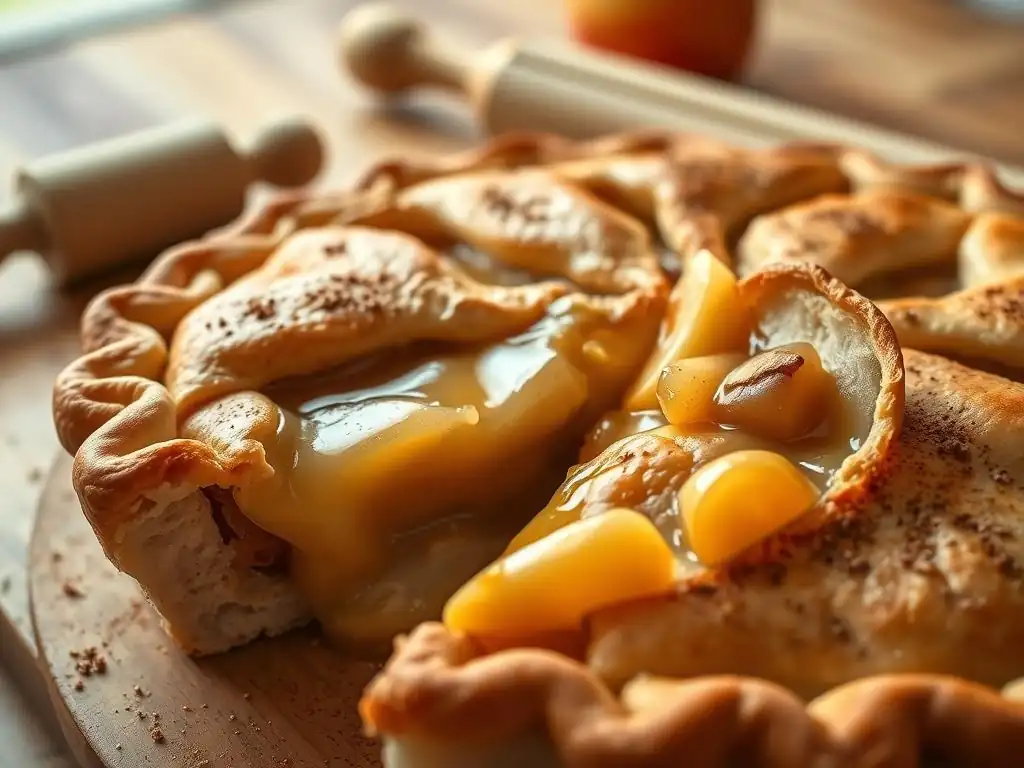
Discovering a runny fruit pie filling after all your hard work can be disheartening. While preventing it during preparation is the best approach, there are limited options for attempting a rescue. Post-baking fixes for fruit pie thickening issues are challenging and often not completely successful, but here are some considerations.
Rescue Remedies for a Too-Thin Pie Filling
If your pie filling is only slightly too thin, sometimes simply chilling the pie thoroughly can help. As the pie cools, starches continue to set, and the filling may firm up somewhat. Allow the pie to cool at room temperature for several hours, then refrigerate it for at least 4-6 hours or even overnight. This is the simplest and least invasive potential fix.
For a significantly runny filling, options are limited. If the top crust is intact, you might try carefully spooning off any excess liquid that has pooled on top or around the edges (if visible). In some cases, you could gently reheat the pie slice by slice in a microwave or oven, which might slightly activate residual thickener, but this is unpredictable and can soften the crust.
Another approach, though unconventional, is to carefully remove the top crust (if possible), spoon out the runny filling, thicken it further on the stovetop with more thickener, cool it slightly, and then return it to the pie shell, potentially adding a crumble topping for a quick finish. This is often more effort than it's worth.
Adding Thickener After Baking: Is it Possible?
Directly adding dry thickener or a thickener slurry to a runny fruit pie after it has baked is generally not an effective solution and can ruin the texture and appearance of the pie. Dry thickeners added to a baked pie will likely remain as gritty pockets of powder. Adding a slurry introduces more liquid and is unlikely to penetrate and thicken the existing filling evenly without further heating, which would require dismantling and reheating the pie as described above.
The reality is that achieving proper fruit pie thickening is best accomplished before or during the baking process. Post-baking remedies are mostly about damage control or serving the pie in a way that minimizes the appearance of the runny filling, such as serving it cold (which firms it up slightly) or alongside a sauce like whipped cream or ice cream that complements the texture.
Choosing the Right Thickener for Different Fruits
The best thickener for your fruit pie depends largely on the type of fruit you're using, its moisture content, and your desired filling appearance and texture. Matching the thickener to the fruit is a key part of achieving easy fruit pie thickening tailored to your specific recipe.
Best Thickeners for Apple Pie
Apple pie is versatile when it comes to thickeners. Flour is a traditional choice, especially for classic, slightly opaque apple fillings. It works well with the longer baking time often required for apples and provides a stable set. Use about 3-4 tablespoons of all-purpose flour per 6 cups of sliced apples.
Cornstarch is another excellent option for apple pie, resulting in a clearer, slightly glossy filling that lets the apple color show through. Use about 2-3 tablespoons per 6 cups of apples. Tapioca starch (2-3 tablespoons per 6 cups) also works well, providing a clear, tender set and holding up well if the pie is frozen. For a blend of stability and clarity, some bakers even use a combination of flour and cornstarch or tapioca.
Best Thickeners for Berry Pies (Blueberry, Raspberry, Strawberry)
Berries, particularly strawberries and raspberries, are high in moisture and can release a lot of juice. Tapioca starch is often considered the best choice for berry pies because it handles high moisture levels effectively, thickens at a relatively lower temperature, and creates a beautiful, clear, slightly tender gel that doesn't cloud the vibrant color of the berries. Use about 2-3 tablespoons of tapioca starch per 4 cups of berries, possibly slightly more for very juicy mixes.
Cornstarch is also a good option for blueberries, providing a clear, glossy filling. Use about 2-3 tablespoons per 4 cups of blueberries. Flour can be used, but it will result in a cloudy filling and may require more cooking time to lose its raw flavor, which can sometimes overcook delicate berries. For easy fruit pie thickening with berries, tapioca starch is a top recommendation.
Best Thickeners for Stone Fruit Pies (Peach, Cherry, Plum)
Stone fruits like peaches, cherries, and plums also contain significant moisture. Cornstarch and tapioca starch are both excellent choices for these fruits, providing clear, glossy fillings that highlight the fruit's color. Cornstarch is a reliable option, typically used at 2-3 tablespoons per 5-6 cups of sliced fruit. It creates a nice, firm set.
Tapioca starch is also highly effective for stone fruits, offering similar clarity and a slightly more tender gel, which works well with the soft texture of peaches or plums. Use about 2-3 tablespoons per 5-6 cups of fruit. Flour can be used (3-4 tablespoons), but like with berries, it will make the filling opaque and might require longer baking. For achieving easy fruit pie thickening with stone fruits while maintaining visual appeal, cornstarch or tapioca are generally preferred.
Mastering the Art of Fruit Pie Filling Thickness: Expert Tips
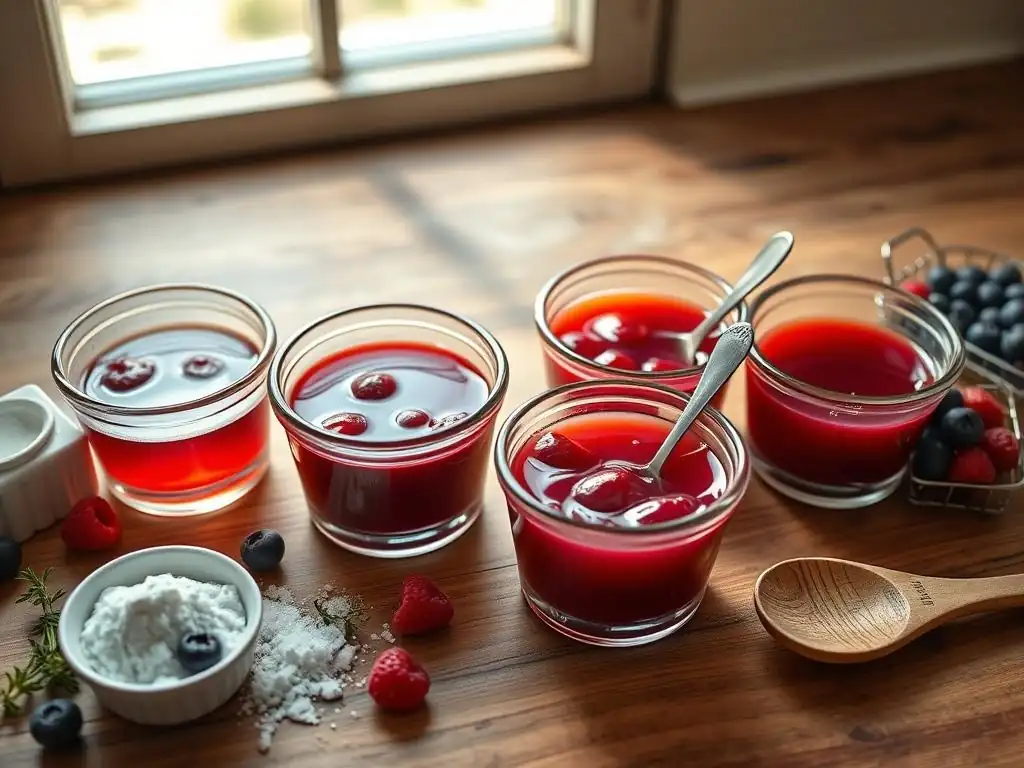
Beyond choosing the right thickener, several other factors contribute to achieving perfect fruit pie thickening every time. Paying attention to these details can elevate your pie-baking game.
Measuring Fruit for Consistent Results
Consistent measurement of your fruit is fundamental to consistent fruit pie thickening. Recipes are typically developed using a standard amount of fruit – for example, 6 cups of sliced apples for a 9-inch pie or 4 cups of berries. If you use significantly more or less fruit than the recipe intends, the ratio of fruit juice to thickener will be off, leading to an unpredictable outcome.
Using measuring cups designed for solids to scoop your fruit ensures you're starting with the intended volume. For even greater precision, especially for different types of fruit, weighing the fruit is the most accurate method. A standard 9-inch pie often uses between 2 to 2.5 pounds (approximately 900g to 1.1kg) of fruit, depending on the type. Sticking to consistent measurements allows you to accurately judge how much thickener is needed for reliable fruit pie thickening.
Adjusting Sweetness and Acidity for Optimal Thickening
The balance of sugar and acidity in your fruit filling also impacts thickening. As mentioned, sugar draws moisture out of the fruit, potentially requiring slightly more thickener to manage the increased liquid. If you significantly reduce the sugar in a recipe, you might need slightly less thickener, and vice-versa.
Acidity can also influence the effectiveness of some thickeners. High acidity, like in rhubarb or sour cherries, can sometimes weaken the gelling power of cornstarch if heated for too long or at too high a temperature. Tapioca starch is generally more stable in acidic environments. Adding a touch of lemon juice to a filling (common for flavor balance) usually doesn't cause significant thickening issues, but extreme acidity should be considered when selecting and measuring your thickener for easy fruit pie thickening.
Don't Overbake! The Importance of Baking Time
While adequate baking time is essential for activating thickeners and achieving fruit pie thickening, overbaking can actually reverse the process. Starches, particularly cornstarch, can begin to break down if subjected to prolonged high heat after they have already thickened. This phenomenon is sometimes called "weeping" or "thinning."
Bake your fruit pie until the crust is golden brown and, crucially, the filling is visibly bubbling in the center. Bubbling indicates that the internal temperature has reached the point where the thickener is fully activated and the filling is setting. Once you see vigorous bubbling, it's a sign that the pie is likely done or very close to it. Continuing to bake significantly longer after this point to brown the crust excessively might risk thinning the filling. Trust the bubbling filling as a key indicator of successful fruit pie thickening during baking.
BakeWithEase Fruit Pie Recipes with Perfect Filling Consistency
Achieving perfect fruit pie thickening is a hallmark of a great pie. At BakeWithEase, we incorporate these easy fruit pie thickening tips into our recipes to guide you to success. Here's how we approach thickening in some classic pies:
BakeWithEase Apple Pie Recipe
In our classic BakeWithEase Apple Pie, we typically use a combination of all-purpose flour and a touch of cornstarch for fruit pie thickening. For a standard 9-inch double-crust pie using about 6 cups of thinly sliced apples (like a mix of Granny Smith and Honeycrisp), we recommend 3 tablespoons of all-purpose flour and 1 tablespoon of cornstarch, tossed directly with the apples, 1/2 cup of sugar, and spices.
This blend provides the traditional, slightly opaque set from the flour while the cornstarch adds extra insurance against runniness and helps create a pleasing texture. We instruct bakers to bake until the crust is deeply golden and the filling is visibly bubbling vigorously in the center, ensuring both thickeners fully activate.
BakeWithEase Berry Pie Recipe
For our vibrant BakeWithEase Mixed Berry Pie, which often includes high-moisture fruits like strawberries and raspberries alongside blueberries, we rely on tapioca starch for superior fruit pie thickening. Using about 2.5 to 3.5 tablespoons of tapioca starch per 4-5 cups of mixed berries (adjusting based on the mix), tossed with sugar and a splash of lemon juice, yields a beautifully clear, stable, and tender filling.
Tapioca handles the varying moisture levels of the berries exceptionally well and maintains clarity, letting the gorgeous colors of the fruit shine through. We emphasize ensuring the pie bubbles well during baking to guarantee the tapioca has fully thickened.
BakeWithEase Stone Fruit Pie Recipe
Our BakeWithEase Peach Pie recipe often calls for cornstarch to achieve reliable fruit pie thickening while maintaining a lovely, clear filling. For a 9-inch pie with about 5-6 cups of sliced peaches, we suggest 2.5 to 3.5 tablespoons of cornstarch tossed with the peaches, sugar, and spices.
Cornstarch gives the peach filling a nice, slightly glossy set that holds its shape well when sliced. Alternatively, tapioca starch at a similar amount could be used for a slightly softer set, which some prefer with the tender texture of peaches or plums. Both options provide effective and easy fruit pie thickening for these juicy fruits.
Conclusion: Achieving Fruit Pie Perfection with the Right Thickening Techniques
Mastering fruit pie thickening is a key skill for any baker aiming for perfect pies. Understanding the factors that contribute to a runny filling – from fruit moisture to thickener choice and baking time – empowers you to take control. Whether you choose traditional flour, reliable cornstarch, or versatile tapioca, selecting the right thickener for your specific fruit and using it correctly is paramount.
Incorporating easy fruit pie thickening tips like properly measuring fruit, considering pre-cooking or moisture reduction for juicy varieties, and knowing when your pie is truly finished baking will significantly improve your results. By applying these simple solutions and techniques, you can confidently bake fruit pies with beautifully set, flavorful fillings that are a joy to slice and serve every time.
Frequently Asked Questions
How can I thicken fruit pie filling if it's too runny after baking?
If your pie filling is too runny after baking, you can try a slurry of cornstarch or tapioca starch mixed with cold water. Carefully pour the slurry into the pie through a small opening and bake for a few more minutes.
What are the most common thickeners used in fruit pies?
The most common thickeners for fruit pies are cornstarch, tapioca starch, all-purpose flour, and sometimes even a small amount of instant clearjel. Each has its own properties and can affect the pie's final texture.
How does the type of fruit affect the amount of thickener needed?
Juicier fruits, like berries or peaches, will generally require more thickener than drier fruits such as apples. Consider the fruit's natural moisture content when adjusting the recipe.
Can I use too much thickener in my fruit pie filling?
Yes, using too much thickener can result in a gummy or overly stiff pie filling. It's best to start with a smaller amount and gradually add more if needed, erring on the side of slightly runny rather than overly thick.
What's the best way to prevent a runny fruit pie from the start?
To prevent a runny pie from the beginning, be sure to drain excess juices from canned or frozen fruits. Also, ensure your pie is baked at the correct temperature for the appropriate amount of time to allow the thickener to activate properly.
Final Reflection: The Enduring Allure of a Perfect Pie
The quest for the perfect fruit pie filling, thick and luscious, remains a timeless culinary pursuit. From family kitchens to professional bakeries, the struggle against a runny filling is a common thread. This article explored simple, accessible solutions, proving that achieving that ideal texture is within everyone's reach, regardless of baking experience.
The enduring appeal of fruit pie lies not just in its deliciousness, but in its ability to evoke memories and connect us to traditions. It's a dish that transcends generations, a symbol of comfort and celebration. A pie is a love letter to the earth.
– While I don't know the original author of this quote, its sentiment perfectly encapsulates the feeling of creating something beautiful and delicious from simple ingredients. The techniques shared here are designed to empower you, the baker, to create these cherished moments with confidence and ease.
Now, I invite you to consider your own pie-making journey. Perhaps you've wrestled with a watery filling in the past, or maybe you're just beginning your baking adventures. Regardless, remember the simple yet effective methods outlined in this article. Experiment with different techniques, find what works best for you, and most importantly, enjoy the process of creating something delicious and meaningful. The perfect pie, thick and satisfying, awaits your creation.
Unlock Perfectly Thick Pie Filling: Your Next Bake Awaits!
Thanks for taking the time to learn how to achieve that perfect, luscious pie filling! We hope you gained some valuable tips and tricks. Now it's time to put your newfound knowledge into action.
- Try our recommended thickening method: Pick your favorite from the article and give it a whirl in your next pie creation! Imagine that incredible, thickened texture.
- Share your pie-making journey: Let us (and the BakeWithEase community!) know which method worked best for you. Share a picture of your masterpiece!
- Explore our other pie recipes: Dive into our extensive collection of recipes for even more baking inspiration.
Ready to create a pie that's as beautiful as it is delicious? What unique twist will you add to your next pie-making adventure?