
From Pale to Perfect: Controlling the Maillard Reaction for Any Bake

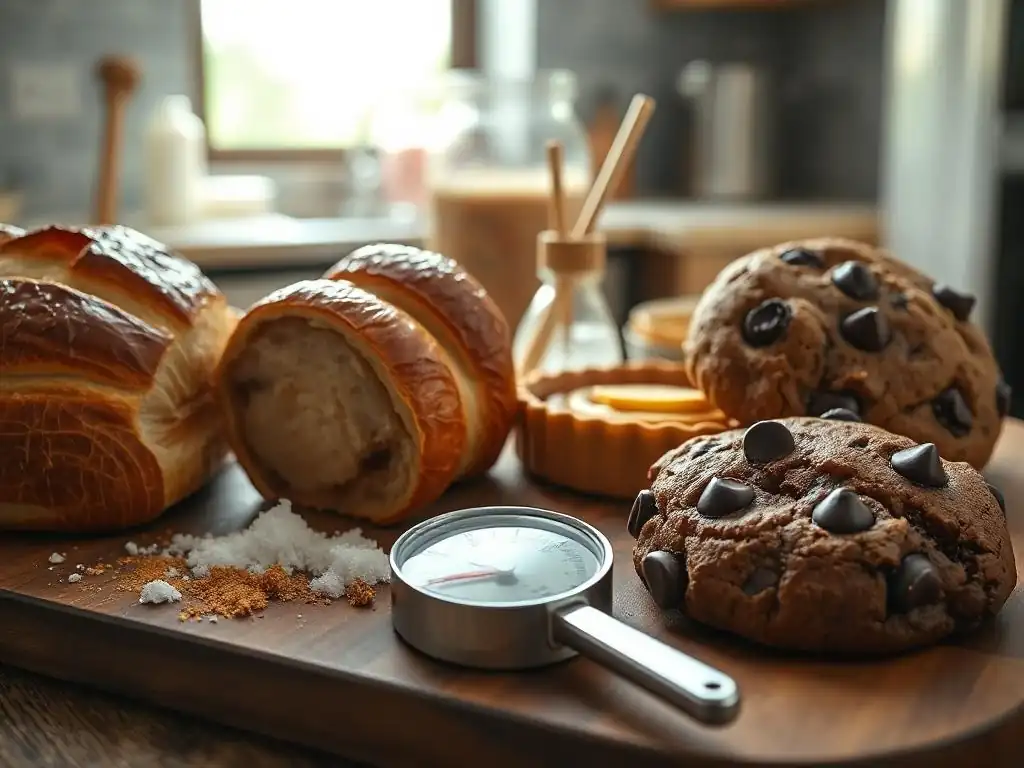
Welcome to BakeWithEase, your guide to unlocking baking brilliance! Ever wondered how to achieve that perfect golden-brown crust and irresistible aroma? This week, we're diving deep into the fascinating world of the Maillard reaction baking tips, uncovering the secrets to controlling this crucial process for consistently stunning results. Prepare to elevate your baking game and say goodbye to pale, lackluster bakes!
- Achieving Perfect Crust: Mastering the Maillard Reaction in Baking
- Understanding the Maillard Reaction in Baking
- Mastering the Maillard Reaction: Baking Tips for Perfect Browning
- Techniques to Enhance the Maillard Reaction
- Preventing Undesirable Browning: Troubleshooting
- Ingredient Selection for Better Browning
- Advanced Techniques for Bakers
- Achieving Your Desired Color and Flavor Every Time
-
Frequently Asked Questions
- What is the Maillard reaction, and why is it important in baking?
- How can I encourage the Maillard reaction in my baking?
- What ingredients specifically contribute to the Maillard reaction?
- What happens if the Maillard reaction goes too far in my baking?
- How can I prevent excessive browning due to the Maillard reaction?
- Final Reflection: Mastering the Maillard Reaction: A Journey to Baking Perfection
- Unlock Your Baking Potential: Master the Maillard Reaction!
Achieving Perfect Crust: Mastering the Maillard Reaction in Baking
Understanding the Maillard Reaction in Baking
What is the Maillard Reaction and Why Does it Matter?
The Maillard reaction is a complex series of chemical reactions that occur when amino acids and reducing sugars are heated in the presence of water. It's responsible for the delicious browning, rich aroma, and deep flavor development we associate with many cooked foods, including baked goods.
Think about the golden crust of a perfectly baked loaf of bread, the rich brown surface of a cookie, or the savory notes in roasted meat – the Maillard reaction is the star player behind these desirable characteristics. Without it, our baked goods would be pale, lack complex flavor, and have a less appealing texture.
For bakers, understanding and controlling the Maillard reaction is key to achieving consistent, high-quality results. It's not just about color; the reaction generates hundreds of different flavor compounds, ranging from nutty and caramel-like to savory and roasted. Mastering this reaction allows you to move beyond just following a recipe and truly understand why certain techniques work, giving you the power to troubleshoot issues like pale crusts or burnt bottoms and consistently produce baked goods with the ideal color, aroma, and flavor profile. It's one of the most fundamental Maillard reaction baking tips you can learn.
The Science Behind Browning in Baked Goods
At a simplified level, the Maillard reaction begins when a reducing sugar (like glucose or fructose) reacts with an amino acid (building blocks of proteins) under heat. This initial reaction kicks off a cascade of further reactions, including rearrangements, fragmentations, and polymerizations. These complex steps ultimately produce melanoidins, which are large, brown, nitrogen-containing polymers responsible for the characteristic color of browned food. Simultaneously, intermediate compounds are formed, contributing to the diverse range of flavors and aromas.
Unlike caramelization, which involves only the browning of sugars at high temperatures (typically above 320°F or 160°C), the Maillard reaction occurs at lower temperatures, starting noticeably around 285°F (140°C). This lower temperature threshold means it's active in many baking processes where caramelization might not fully take place, especially in doughs or batters with significant protein content (from flour, eggs, or milk) and moderate sugar levels. The presence of water is also crucial, as it acts as a medium for the initial reactions, although the reaction accelerates as the surface dries out and temperatures rise.
Factors Influencing the Maillard Reaction: A Baker's Guide
Several key factors influence the rate and extent of the Maillard reaction in your baking. Temperature is paramount; the reaction speeds up significantly with increasing heat. While it begins around 285°F (140°C), it becomes much more vigorous at typical baking temperatures like 350°F to 400°F (175°C to 200°C). The presence and type of sugar also matter; reducing sugars like glucose, fructose, and maltose react more readily than non-reducing sugars like sucrose (table sugar), although sucrose will break down into glucose and fructose under heat and acidic conditions.
Moisture content plays a dual role: some water is needed for the initial reactions, but the reaction proceeds fastest on a relatively dry surface. This is why the exterior of baked goods browns more readily than the interior. The pH level also has a significant impact; alkaline (higher pH) conditions accelerate the Maillard reaction, while acidic (lower pH) conditions slow it down.
Finally, the availability of amino acids (from proteins in flour, milk, or eggs) is essential, providing the other half of the necessary reactants for this complex chemical dance. Understanding these factors is fundamental to applying effective Maillard reaction baking tips.
Mastering the Maillard Reaction: Baking Tips for Perfect Browning
Controlling Oven Temperature for Optimal Results
Oven temperature is arguably the most critical factor in managing the Maillard reaction. Too low a temperature, and your baked goods will remain pale and underdeveloped in flavor. Too high, and they might brown too quickly on the outside before the inside is cooked, or even burn. The sweet spot for the Maillard reaction is generally above 300°F (150°C). For many bread and pastry recipes, temperatures between 350°F and 425°F (175°C and 220°C) are common, providing sufficient heat for efficient browning while allowing the interior to cook through.
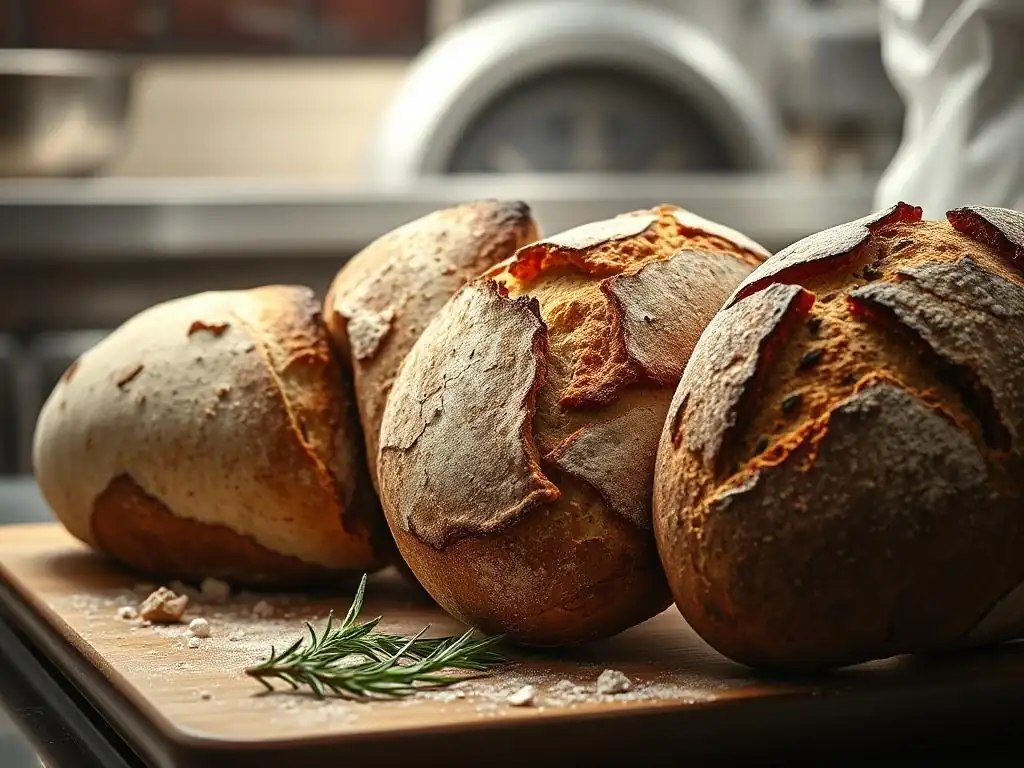
Consider baking a loaf of lean bread. Starting at a high temperature, say 450°F (230°C), for the first 10-15 minutes can give a strong initial boost to crust development and oven spring, accelerating the Maillard reaction on the surface. Then, lowering the temperature to 400°F (200°C) allows the interior to finish cooking without the crust becoming excessively dark.
For more delicate items like cakes or cookies, slightly lower temperatures, around 325°F to 375°F (160°C to 190°C), are typically used to ensure the inside bakes evenly as the exterior browns. Accurate oven calibration is key here; an oven thermometer can be a baker's best friend for consistent Maillard reaction baking tips.
The Role of Sugars in Achieving Desired Color and Flavor
Sugars are primary reactants in the Maillard reaction, and their presence significantly influences browning. Recipes with higher sugar content, like cookies, cakes, and enriched breads (think brioche or challah), tend to brown more readily and deeply than lean doughs with minimal sugar, like a classic French baguette. Different types of sugar also behave differently.
Glucose and fructose, found in honey, maple syrup, and inverted sugar, are reducing sugars and participate directly and quickly in the Maillard reaction. Sucrose (table sugar) is a non-reducing sugar but breaks down into glucose and fructose during baking, especially in the presence of moisture and heat, allowing it to contribute to browning as well.
Using a mix of sugars can fine-tune browning. For instance, adding a small amount of malt (which contains maltose, another reducing sugar) to bread dough not only feeds the yeast but also provides reducing sugars for enhanced crust color. In cookies, using brown sugar (which contains molasses, a source of fructose and glucose) alongside white sugar will result in richer color and chewiness compared to using only white sugar. Controlling the amount and type of sugar is a fundamental Maillard reaction baking tip for achieving your desired crust color and flavor profile.
Acidity and Alkalinity: How pH Affects Browning
The pH level of your dough or batter has a profound effect on the rate of the Maillard reaction. Alkaline conditions (higher pH, above 7) speed up the reaction, leading to faster and deeper browning. Acidic conditions (lower pH, below 7) slow it down. This is why pretzels, which are briefly dipped in an alkaline solution (like food-grade lye or baking soda), develop their characteristic deep brown crust so quickly during baking. The high pH on the surface dramatically accelerates the Maillard reaction.
Conversely, acidic ingredients like buttermilk, yogurt, lemon juice, or vinegar, often used in cakes or quick breads for leavening or tenderness, will slow down the Maillard reaction. This can result in paler baked goods unless other factors, like high baking temperature or significant sugar content, compensate. Understanding how ingredients like baking soda (alkaline) and baking powder (which contains acidic components) influence pH gives you another lever to pull when applying Maillard reaction baking tips to control your bake's final appearance and flavor.
Techniques to Enhance the Maillard Reaction
Milk and Egg Washes: Boosting Browning and Shine
Applying a wash to the surface of your dough or pastry before baking is a classic technique to enhance both browning and shine, largely by providing additional reactants and promoting surface drying. An egg wash, typically made with a whole egg, yolk, or white mixed with a little water or milk, is rich in both proteins (amino acids) and sometimes sugars (from milk), providing ample material for the Maillard reaction.
A wash made with just egg yolk tends to give a richer, more golden color due to its fat content and pigment, while egg white washes contribute more shine and a slightly lighter brown.
Milk washes, while providing less protein than egg washes, contain lactose, a reducing sugar, and whey proteins, both of which contribute to browning. A simple milk wash can give a soft, matte brown finish, often seen on dinner rolls. Combining milk and egg offers the benefits of both. Applying these washes not only provides the necessary components for accelerated Maillard browning on the surface but also helps create a seal that encourages even heat distribution on the exterior, leading to more uniform color development. This is a go-to Maillard reaction baking tip for visually appealing baked goods.
Sugar Glazes and Syrups: Adding Flavor and Color
Applying a sugar-based glaze or syrup before or during baking is another effective way to boost color and flavor through both Maillard reactions and caramelization (especially at higher temperatures). A simple sugar syrup (sugar dissolved in water) brushed onto dough provides readily available sugar for the Maillard reaction. As the water evaporates, the sugar concentration on the surface increases, and temperatures rise, promoting browning.
For a more intense effect, glazes containing milk, butter, or other ingredients with proteins and fats can be used, further fueling the Maillard reaction alongside caramelization. Think of the sticky bun glaze applied before baking, which results in a deeply colored, flavorful crust. Even a simple wash of milk with a pinch of sugar can significantly improve the browning of a lean dough. These glazes add not just color but also layers of sweet, caramelized flavor that complement the Maillard-induced savory and nutty notes.
Baking Soda and Powder: Manipulating pH for Enhanced Browning
As mentioned, pH strongly affects the Maillard reaction rate. Baking soda (sodium bicarbonate) is alkaline (pH ~8.3) and can be used strategically to increase the pH of the surface of baked goods, thereby accelerating browning. The most dramatic example is the use of a baking soda or lye bath for pretzels, which gives them their signature dark, mahogany crust. A less intense application involves adding a small amount of baking soda to cookie dough; this not only helps with spread but also raises the pH slightly, contributing to faster browning and a chewier texture.
Baking powder, on the other hand, is typically formulated to be pH neutral or slightly acidic once its reactions are complete. While it provides leavening, it doesn't inherently boost the Maillard reaction like baking soda does. Some recipes might use a combination of baking soda and an acidic ingredient (like buttermilk or brown sugar) to balance leavening and pH effects. Understanding how these common leaveners influence pH is a practical Maillard reaction baking tip for controlling crust color and texture.
Preventing Undesirable Browning: Troubleshooting
Over-Browning: Solutions for Dark Crusts
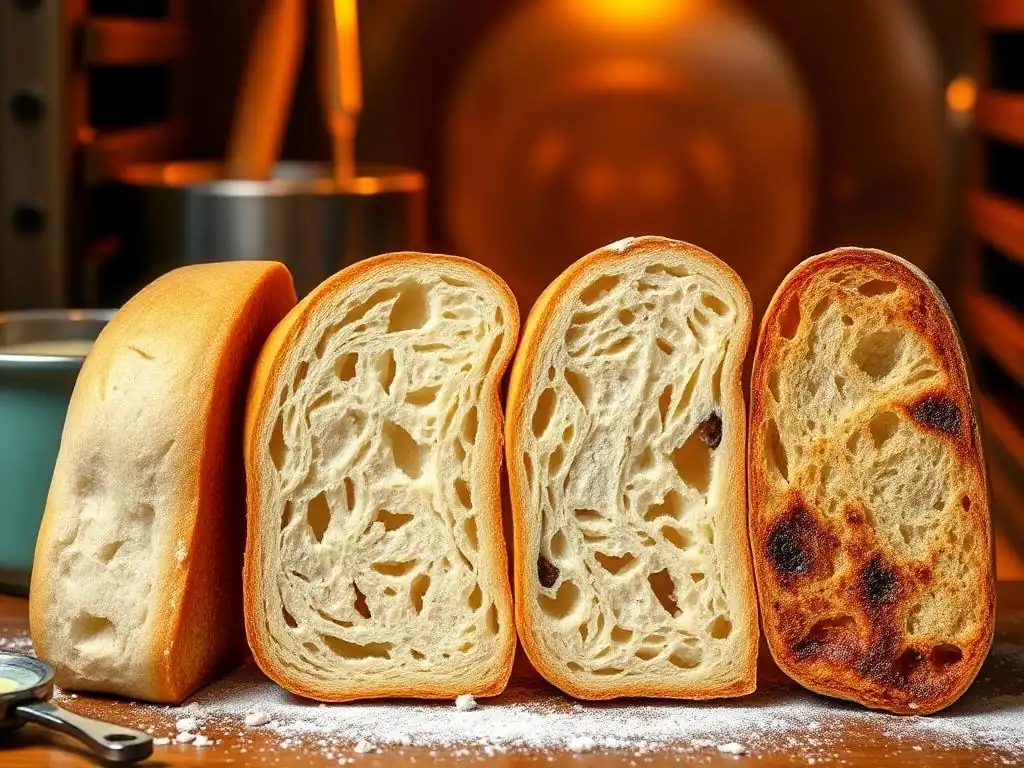
Over-browning, or burning, typically occurs when the surface of your baked item reaches too high a temperature for too long, causing the Maillard reaction and caramelization to proceed too aggressively. This results in a dark, hard crust with bitter, burnt flavors.
Here are some troubleshooting steps:
- Lower Oven Temperature: If your crust is browning too quickly, try reducing the oven temperature by 25-50°F (15-30°C) for the remainder of the baking time.
- Tent with Foil: A common and effective trick is to loosely tent the top of the baked good with aluminum foil once the desired color is achieved. This reflects radiant heat away from the surface, slowing down further browning while the interior continues to cook.
- Move Oven Rack: If the bottom is browning too fast (common with dark pans), move the item to a higher rack in the oven. If the top is browning too fast, move it to a lower rack (unless the bottom is also an issue).
- Use Lighter Pans: Dark metal pans absorb and radiate heat more efficiently than lighter colored or shiny pans, leading to faster browning, especially on the bottom crust. Switching to lighter pans can help.
Pale Baked Goods: Tips for Encouraging Browning
Pale crusts indicate that the Maillard reaction hasn't occurred sufficiently. This could be due to low oven temperature, short baking time, low sugar/protein content, or high moisture.
To encourage more browning:
- Increase Oven Temperature: Ensure your oven is accurately calibrated and consider increasing the temperature slightly (25°F/15°C), provided the item can handle it without burning inside.
- Extend Baking Time: Simply baking for a few extra minutes can allow more time for the reaction to develop color and flavor, assuming the interior isn't already overcooked.
- Apply Washes or Glazes: As discussed earlier, egg, milk, or sugar washes provide reactants and promote surface drying, significantly boosting browning.
- Add a Pinch of Baking Soda: For certain recipes where it's appropriate (like some cookies or quick breads), a tiny amount of baking soda can raise the pH and accelerate browning. Use sparingly!
- Increase Sugar Content (if recipe allows): In some cases, slightly increasing the sugar content (e.g., in a cookie or cake) can provide more reducing sugars for the reaction.
Achieving Even Browning: Techniques for Uniform Color
Uneven browning can result from hot spots in your oven, uneven dough thickness, or improper placement.
Techniques for uniform color:
- Rotate Your Pan: Midway through baking, rotate the baking sheet or pan 180 degrees. This helps compensate for oven hot spots and ensures all sides are exposed to similar heat levels.
- Check Oven Calibration: An uncalibrated oven can have significant temperature variations. Use an oven thermometer to check for accuracy and hot spots.
- Ensure Uniform Thickness: When shaping dough (like cookies, rolls, or bread loaves), try to make them as uniform in size and thickness as possible so they brown at a similar rate.
- Proper Spacing: Don't crowd the baking sheet. Allow adequate space between items for hot air to circulate evenly around them.
Ingredient Selection for Better Browning
Choosing the Right Flour
Flour is a primary source of protein in many baked goods, providing amino acids essential for the Maillard reaction. Different flours have varying protein contents. High-protein flours, like bread flour (typically 12-14% protein), offer more amino acids and contribute significantly to crust development and color compared to lower-protein flours like cake flour (typically 8-10% protein). Using bread flour in a lean dough, for example, will generally result in a more robust and deeply colored crust than using all-purpose flour.
However, the type of flour interacts with other ingredients and techniques. While cake flour is lower in protein, recipes using it (like many cakes) often compensate with higher sugar and fat content and specific leavening, which also impact browning. Understanding the protein content of your flour and how it interacts with the recipe's sugar and moisture levels is a nuanced Maillard reaction baking tip.
The Impact of Fats on Browning
Fats (like butter, oil, or shortening) influence browning in several ways. They can coat flour particles, potentially slightly inhibiting the initial sugar-protein contact needed for the Maillard reaction. However, fats also transfer heat efficiently, helping to crisp the surface and promote even cooking. More significantly, fats can contribute to tenderness and moisture retention, which indirectly affect browning by influencing how quickly the surface dries out.
Recipes high in fat, like shortbread or certain types of cookies, might brown less intensely than lower-fat items if sugar content is low, but the fat contributes to a desirable crisp texture. In other cases, like brioche or croissants (rich in butter), the combination of high fat, eggs, and sugar leads to beautiful golden-brown results. The type of fat can also play a minor role due to varying smoke points and fatty acid compositions, but its primary impact on Maillard browning is often related to texture and moisture dynamics.
Sugar Substitutes and Their Effect
Sugar substitutes behave very differently from real sugars when it comes to the Maillard reaction. Most artificial sweeteners (like aspartame, saccharin, sucralose) and sugar alcohols (like erythritol, xylitol) are not reducing sugars and do not participate in the Maillard reaction or caramelization. Baking with these substitutes often results in baked goods that remain pale, lacking the characteristic brown color and complex flavors that sugar provides through browning.
Some newer sugar substitutes or blends might contain components that contribute slightly to browning, or they might be mixed with small amounts of real sugar or molasses to improve baking performance and color. When using sugar substitutes, you often need to rely more heavily on other Maillard reaction baking tips, such as egg washes, higher baking temperatures (if appropriate for the recipe), or external glazes to achieve any significant color development. Achieving the same depth of flavor from the Maillard reaction alone is typically not possible with most substitutes.
Advanced Techniques for Bakers
Cold Proofing and its Effect on Browning
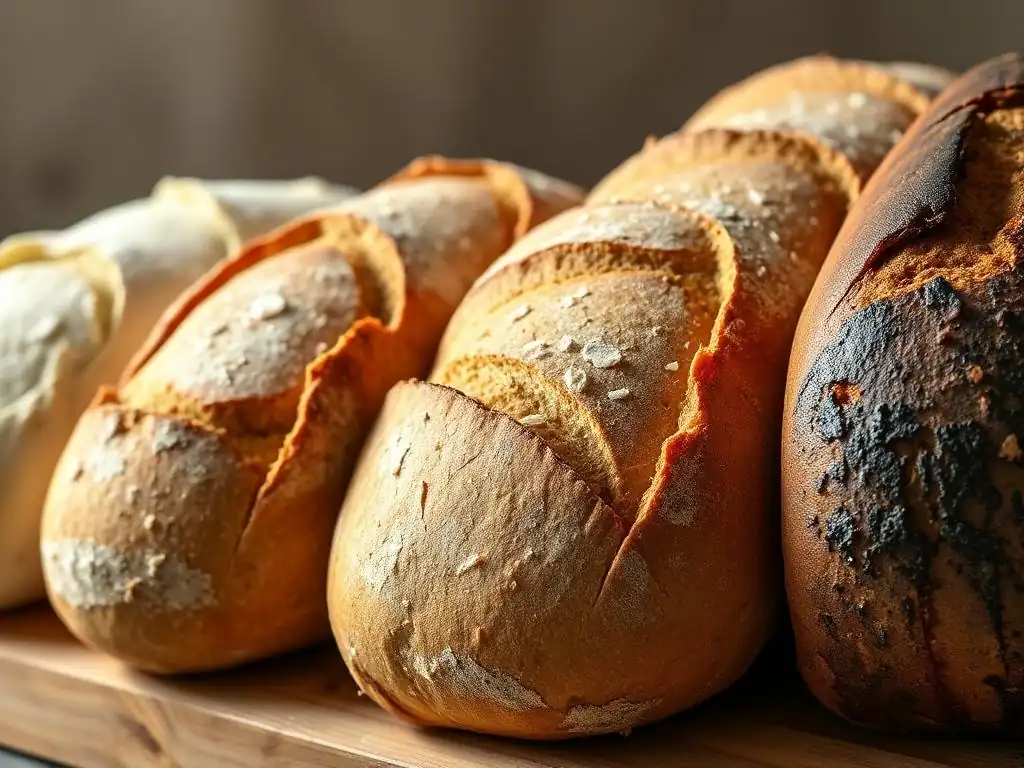
Cold proofing, where dough is left to ferment slowly in the refrigerator for an extended period (from 12 hours up to several days), has a significant positive impact on crust browning and flavor development. During this slow, cool fermentation, enzymatic activity in the dough breaks down starches into simpler sugars, including maltose, glucose, and fructose. These are all reducing sugars that are highly reactive in the Maillard reaction.
By increasing the concentration of these reactive sugars on the dough's surface over time, cold proofing provides more fuel for the Maillard reaction during baking. This results in a richer, deeper crust color and more complex, nuanced flavors compared to dough proofed quickly at room temperature. It's a technique widely used in artisan bread baking to enhance both interior structure and exterior characteristics, making it a valuable advanced Maillard reaction baking tip.
Utilizing Enzymes to Enhance Maillard Reaction
Enzymes, naturally present in flour or sometimes added as dough conditioners, can be harnessed to improve browning. Amylase enzymes, for instance, break down starch into sugars (like maltose). Providing more of these simple sugars directly increases the reactants available for the Maillard reaction during baking. Malted barley flour, often added in small quantities to bread flour, contains active amylase enzymes for this purpose.
While home bakers don't typically work directly with isolated enzymes, understanding their role explains why ingredients like diastatic malt powder (rich in amylase) are used in professional baking to ensure consistent crust color, especially in lean doughs where sugar content is low. The enzymatic conversion creates the necessary reducing sugars over the fermentation period, ready to participate in the Maillard reaction upon hitting the hot oven.
Caramelized Onion Tart with Gruyere: A Study in Maillard
Consider a savory dish like a caramelized onion tart with Gruyere cheese. This single item showcases multiple instances of the Maillard reaction and caramelization working together. First, the onions are slowly cooked. This process, often involving medium heat over a long time, encourages both caramelization (browning of the onions' natural sugars) and Maillard reactions (between sugars and amino acids present in the onion). The result is a rich, sweet, complex flavor and deep brown color in the onions themselves.
When the tart bakes, the pastry crust undergoes the Maillard reaction, turning golden brown and flaky. The Gruyere cheese on top, rich in proteins and fats, also participates in the Maillard reaction and fat rendering, creating those desirable bubbly, browned, and slightly crispy bits on the surface. This tart is a perfect example of how understanding Maillard reaction baking tips applies not just to sweet goods but also to savory pastries, where browning contributes significantly to both appearance and depth of flavor.
Achieving Your Desired Color and Flavor Every Time
Summary of Key Tips
Mastering the Maillard reaction in baking gives you control over the color, aroma, and flavor of your baked goods. Key Maillard reaction baking tips involve manipulating temperature, sugar content, pH, and surface treatments.
- Temperature: Bake above 300°F (150°C), adjusting temperature and time to control browning rate. Tent with foil if browning too fast.
- Sugars: Higher sugar content and the presence of reducing sugars (glucose, fructose, maltose) lead to more browning.
- pH: Alkaline conditions (like adding a touch of baking soda or using a wash) accelerate browning; acidic conditions slow it down.
- Surface Treatments: Egg washes, milk washes, and sugar glazes provide reactants and promote surface drying for enhanced color and shine.
- Ingredients: Flours with higher protein content contribute more amino acids for the reaction. Real sugars brown; most substitutes do not.
- Techniques: Cold proofing increases reactive sugars through enzymatic action, leading to better crust color and flavor.
Here's a quick checklist for troubleshooting browning issues:
- [ ] Is my oven temperature accurate?
- [ ] Is the baking time appropriate?
- [ ] Does my recipe have enough sugar/protein?
- [ ] Could a wash help?
- [ ] Is the pH hindering browning (too acidic)?
- [ ] Am I using the right kind of pan?
- [ ] Is the item placed correctly in the oven?
Further Resources for Mastering the Maillard Reaction
To continue deepening your understanding of the Maillard reaction and refining your baking tips, explore resources that delve into the science of baking. Look for books or articles specifically on baking chemistry or the science of cooking. Experiment with recipes that highlight browning, like artisan bread, pretzels, or cookies with varying sugar types.
Pay close attention to how changes in temperature, time, or ingredients affect the final crust color and flavor. Practice applying different washes and glazes to see their impact firsthand. By observing, experimenting, and understanding the 'why' behind the techniques, you'll become a true master of achieving perfect browning every time.
Frequently Asked Questions
What is the Maillard reaction, and why is it important in baking?
The Maillard reaction is a chemical reaction between amino acids and reducing sugars that occurs upon heating. It's crucial because it's responsible for the browning, flavor, and aroma of baked goods.
How can I encourage the Maillard reaction in my baking?
To promote the Maillard reaction, ensure there are enough sugars and amino acids in your recipe. Baking at higher temperatures and using ingredients like milk or eggs can also help.
What ingredients specifically contribute to the Maillard reaction?
Ingredients rich in proteins and sugars, such as milk, eggs, honey, and certain flours, are key contributors. Also, adding a touch of baking soda can increase the pH and accelerate browning.
What happens if the Maillard reaction goes too far in my baking?
Overdoing the Maillard reaction can lead to burnt or bitter flavors. The baked good may also become too dark or even charred, making it unappetizing.
How can I prevent excessive browning due to the Maillard reaction?
Lower the oven temperature, use an oven thermometer for accuracy, and cover the baked good with foil if it's browning too quickly. You can also reduce the sugar content slightly.
Final Reflection: Mastering the Maillard Reaction: A Journey to Baking Perfection
Understanding the Maillard reaction is no longer a niche pursuit for culinary professionals; it's the key to unlocking truly exceptional baked goods in your own kitchen. The principles discussed—from temperature control to ingredient selection—are directly applicable to everyday baking, transforming even the simplest recipes into masterpieces of flavor and texture. This isn't just about following instructions; it's about understanding the fundamental chemistry that makes baking so rewarding.
The impact of the Maillard reaction extends far beyond the golden-brown crust of a perfectly baked loaf. It's woven into the very fabric of our culinary heritage, shaping our expectations of taste and texture. The Maillard reaction is the magic behind the deliciousness of so many foods,
as renowned chef Jacques Pépin once said. This reaction isn't merely a scientific process; it's an artistic expression, a dance between heat, time, and ingredients that results in a symphony of flavors. It's a process I've personally found endlessly fascinating, constantly revealing new nuances and possibilities.
Now, it's your turn to experiment. Don't be afraid to adjust temperatures, play with different sugars, and observe the subtle shifts in color and aroma. Each bake is an opportunity to deepen your understanding of this remarkable reaction and to create something truly special. Embrace the science, appreciate the art, and most importantly, enjoy the delicious results of your newfound mastery over the Maillard reaction. The journey to baking perfection begins with understanding, and continues with experimentation and passion.
Unlock Your Baking Potential: Master the Maillard Reaction!
Thanks for diving into the world of the Maillard reaction! You've now got the power to elevate your baking to the next level – achieving that perfect golden-brown crust and irresistible depth of flavor. Ready to put your new knowledge into action?
- Experiment with different sugars and proteins: Try substituting various sugars (brown sugar, honey, maple syrup) and proteins (different types of flour) in your next recipe to see how they impact the Maillard reaction. This is your chance to really discover what works best for you!
- Share your Maillard masterpieces: Post pictures of your perfectly browned creations on social media and tag us! Let's inspire each other with baking success!
- Dive deeper into our recipe collection: Explore our extensive recipe library for more delicious ideas – all optimized to maximize the Maillard effect.
So, what amazing baked good will you create to showcase your newfound Maillard mastery?