
How to Bake with Blood Orange Zest and Cardamom

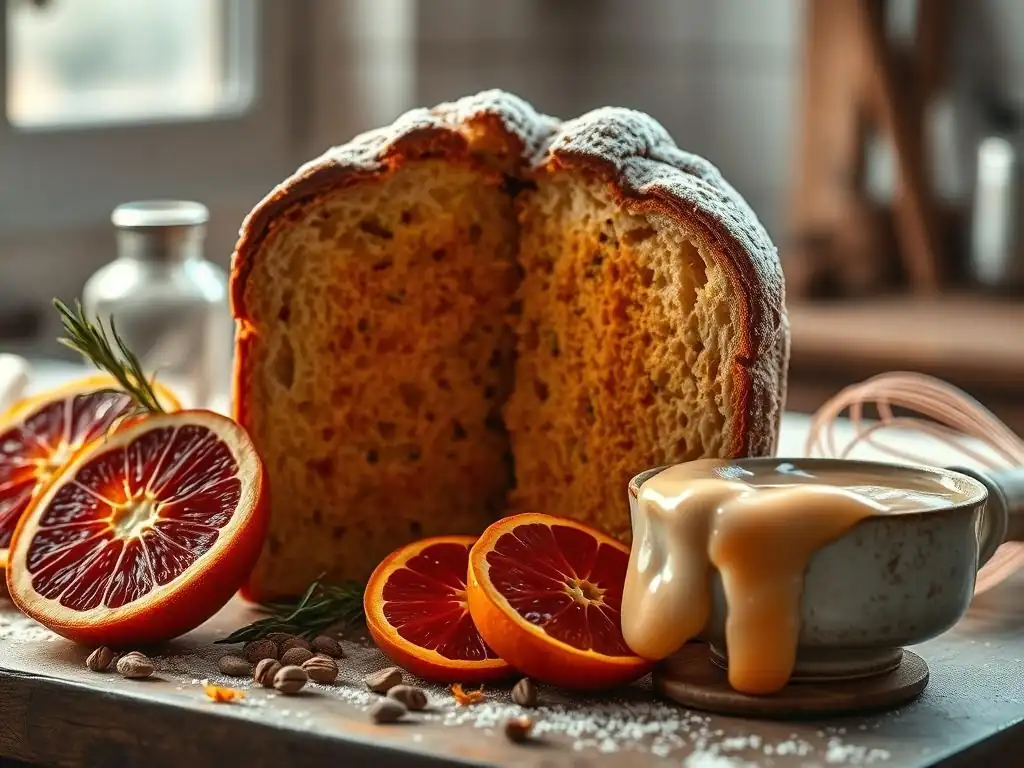
Welcome to BakeWithEase, your trusted companion on the baking journey! Intrigued by the vibrant flavors of winter citrus? Discover how to elevate your baking with our Blood Orange Cardamom Cake recipe, a delightful blend of sweet, tart, and aromatic notes. Ready to unlock the secrets to baking this sensational seasonal treat? Let's get started!
- Introduction to Baking with Blood Orange and Cardamom
- Blood Orange Cardamom Cake Recipe: A Step-by-Step Guide
- Baking the Blood Orange Cardamom Cake
- Blood Orange Cardamom Glaze Recipe
- Tips for Baking the Best Blood Orange Cardamom Cake
- Variations and Additions to Your Blood Orange Cardamom Cake
- Troubleshooting Common Blood Orange Cardamom Cake Baking Issues
- Conclusion: Enjoying Your Homemade Blood Orange Cardamom Cake
-
Frequently Asked Questions
- What makes this blood orange cardamom cake recipe stand out from other citrus cakes?
- Is it difficult to find blood oranges for this recipe?
- What level of baking experience is required to successfully bake this cake?
- Can I substitute any ingredients in this blood orange cardamom cake recipe?
- How should I store the blood orange cardamom cake to maintain its freshness?
- Final Reflection: The Unexpected Symphony of Blood Orange and Cardamom
- Unleash Your Inner Pastry Chef!
Introduction to Baking with Blood Orange and Cardamom
Discover the Delight of Blood Orange and Cardamom in Baking
Baking is an adventure in flavor, and sometimes the most exciting discoveries come from pairing ingredients you might not immediately think of together. Blood orange, with its distinct, slightly berry-like sweetness and vibrant hue, offers a wonderful acidity and moisture to baked goods. When combined with the warm, aromatic, and slightly floral notes of cardamom, you unlock a truly unique taste experience that is both comforting and sophisticated. This pairing elevates simple recipes, like a classic pound cake or muffins, into something truly special.
The magic happens because the bright, citrusy punch of the blood orange cuts through the richness of butter and sugar, while the complex spice of cardamom adds depth and warmth without being overwhelming. It's a balance of tangy and sweet, bright and earthy. Think of how vanilla complements chocolate; blood orange and cardamom have a similar synergistic effect, each enhancing the best qualities of the other. Mastering the use of these two ingredients can open up a whole new world in your baking repertoire, moving beyond standard lemon or orange zest combinations.
Why Blood Orange and Cardamom are Perfect for Winter Baking
Winter is the season when citrus fruits, including blood oranges, are at their peak ripeness and flavor. Their availability makes winter the natural time to incorporate them into your baking. The vibrant color of blood orange is also a welcome splash of brightness during the often grey days of winter. Furthermore, spices like cardamom are inherently warming, providing that cozy, comforting feeling we crave when the weather turns cold. This makes the blood orange and cardamom combination feel perfectly suited for the season, like a ray of sunshine wrapped in a warm blanket.
Imagine baking a Blood orange cardamom cake recipe on a chilly afternoon. The aroma filling your kitchen – a mix of sweet citrus and exotic spice – is incredibly inviting and festive. These flavors evoke a sense of warmth and indulgence that pairs beautifully with hot drinks like tea or coffee. While you could certainly enjoy these flavors year-round, their natural peak season and inherent warming qualities make them an ideal choice for winter baking projects, from simple loaves to elaborate layered cakes. It's a taste of the season you can bake and share.
Blood Orange Cardamom Cake Recipe: A Step-by-Step Guide
Gather Your Ingredients for Blood Orange Cardamom Cake
Creating a delicious Blood orange cardamom cake recipe starts with having the right ingredients measured and ready. Precision in baking is key, and this holds true for complex flavors like blood orange and cardamom. Using fresh, high-quality ingredients will make a significant difference in the final taste and texture of your cake. Ensure your butter and eggs are at room temperature for proper emulsification, and use fresh blood oranges for the best zest and juice.
Having everything laid out before you begin, often called mise en place, simplifies the baking process significantly. It reduces the chances of forgetting an ingredient or scrambling mid-recipe. For this specific Blood orange cardamom cake recipe, you'll be working with both dry and wet ingredients, and having them prepped means you can move smoothly through the mixing steps, ensuring the batter develops correctly.
Key Ingredients for a Flavorful Blood Orange Cardamom Cake
To achieve that perfect balance of citrus and spice, the quality and preparation of your blood oranges and cardamom are paramount. Zesting the blood orange correctly ensures you capture the essential oils without including the bitter white pith. For cardamom, using freshly ground pods will provide a much more potent and aromatic flavor than pre-ground spice that has been sitting on a shelf for months. Grinding it just before adding it to the batter is a small step that yields significant flavor rewards in your Blood orange cardamom cake recipe.
Another crucial element is the fat source, typically butter. Using unsalted butter allows you to control the salt content in the recipe, which helps to balance the sweetness and enhance the other flavors. The type of flour also matters; a standard all-purpose flour works well for most cakes, providing a good balance of structure and tenderness. Ensuring your baking powder and baking soda are fresh is also vital for proper leavening, giving your cake the desired rise and texture.
Ingredients
- 2 ¼ cups All-Purpose Flour
- 1 ½ teaspoons Baking Powder
- ½ teaspoon Baking Soda
- ¼ teaspoon Salt
- 1 ½ teaspoons Ground Cardamom (preferably freshly ground)
- 1 cup Unsalted Butter, softened
- 1 ¾ cups Granulated Sugar
- 3 large Eggs, room temperature
- Zest of 2-3 Blood Oranges (about 2 tablespoons)
- ½ cup Freshly Squeezed Blood Orange Juice (from 2-3 blood oranges)
- ½ cup Buttermilk, room temperature
- 1 teaspoon Vanilla Extract
Equipment Needed for Blood Orange Cardamom Baking
Having the right tools makes the baking process much smoother and helps ensure consistent results for your Blood orange cardamom cake recipe. You don't need a professional kitchen setup, but a few essential items will make a big difference. These tools help with accurate measurements, efficient mixing, and proper baking.
From getting your ingredients ready to cooling the final product, specific equipment is designed to make each step easier. Using the correct size cake pan, for instance, is vital for achieving the proper bake time and cake height. A good quality mixer makes creaming butter and sugar much more effective than doing it by hand, leading to a lighter cake texture.
Essential Baking Tools for Perfect Results
Accurate measuring cups and spoons are fundamental. Baking is a science, and ratios matter greatly. Using liquid measuring cups for liquids and dry measuring cups for dry ingredients, leveled off correctly, prevents common baking errors. A kitchen scale is also highly recommended for weighing flour, as volume measurements can be inconsistent, leading to variations in your Blood orange cardamom cake recipe results. A difference of just half an ounce of flour can impact the cake's moisture.
A stand mixer or a good quality hand mixer is invaluable for creaming butter and sugar until light and fluffy, a crucial step for cake texture. Rubber spatulas are essential for scraping down the bowl during mixing and folding in ingredients gently. A fine-toothed zester or microplane is necessary to get that fragrant blood orange zest without the bitter pith. And, of course, the right cake pan, properly prepared, is key to preventing sticking and ensuring even baking.
Equipment
- Standard 9-inch round cake pan (or two 8-inch pans)
- Parchment paper
- Cooking spray or butter and flour for greasing the pan
- Large mixing bowl(s)
- Stand mixer with paddle attachment or hand mixer
- Measuring cups and spoons
- Kitchen scale (optional, but recommended for flour)
- Rubber spatulas
- Wire whisk
- Fine-toothed zester or microplane
- Citrus juicer
- Wire cooling rack
Preparing the Blood Orange Cardamom Cake Batter
Mixing the batter for your Blood orange cardamom cake recipe involves several key steps, each contributing to the final texture and rise of the cake. Following the steps in order and avoiding overmixing are crucial for a tender crumb. This method, often called the creaming method, is standard for many butter-based cakes and creates a light, airy structure.
The goal is to incorporate air into the batter at specific stages and ensure all ingredients are well combined without developing tough gluten strands. Temperature is also important; having ingredients at room temperature helps them emulsify properly, creating a smooth, homogeneous batter.
Step 1: Creaming Butter and Sugar
Begin by creaming the softened butter and granulated sugar together in your mixing bowl. Use a stand mixer fitted with the paddle attachment or a hand mixer on medium speed. Beat for 3 to 5 minutes, or until the mixture is light, fluffy, and pale yellow. This process incorporates air bubbles into the fat, which will expand during baking and help the cake rise. Scraping down the sides and bottom of the bowl occasionally with a rubber spatula ensures everything is evenly combined. This step is foundational for a tender Blood orange cardamom cake recipe.
- Combine softened butter and sugar in a bowl.
- Beat on medium speed until light and fluffy (3-5 minutes).
- Scrape down the bowl as needed.
Step 2: Incorporating Eggs and Blood Orange Zest
Add the large, room-temperature eggs one at a time, beating well after each addition. This allows the eggs to fully incorporate into the butter-sugar mixture without curdling. Once the eggs are mixed in, beat for another minute or two until the mixture looks emulsified and slightly thickened. Now, add the blood orange zest and vanilla extract. Beat on low speed just until the zest is distributed throughout the batter. The essential oils in the zest infuse into the fat, distributing that wonderful blood orange flavor throughout your Blood orange cardamom cake recipe.
- Add eggs one at a time, beating after each.
- Beat until mixture is emulsified.
- Add blood orange zest and vanilla; mix briefly.
Step 3: Adding Dry Ingredients and Cardamom
In a separate bowl, whisk together the flour, baking powder, baking soda, salt, and ground cardamom. This ensures the leavening agents and spice are evenly distributed throughout the dry mixture. Add the dry ingredients to the wet ingredients in three alternating additions with the liquids (blood orange juice and buttermilk), starting and ending with the dry. For instance, add about one-third of the dry ingredients, mix on low speed until just combined, then add about half of the liquid mixture, mix, and repeat. This method prevents overmixing the flour, which can lead to a tough cake.
- Whisk together flour, baking powder, baking soda, salt, and cardamom.
- Add dry ingredients in 3 additions, alternating with liquids.
- Mix on low speed until just combined after each addition.
Step 4: Folding in Blood Orange Juice
Combine the blood orange juice and buttermilk in a small bowl. As you alternate adding dry ingredients, add the liquid mixture in two additions. After the final addition of dry ingredients is just combined, give the batter one final gentle mix on low speed or fold by hand with a spatula until no dry streaks remain.
Be careful not to overmix at this stage; a few small lumps are okay. The blood orange juice adds both flavor and acidity, which reacts with the baking soda to help the cake rise and contributes moisture to your Blood orange cardamom cake recipe.
Overmixing develops gluten, resulting in a tough cake. Mix until just combined!
Baking the Blood Orange Cardamom Cake
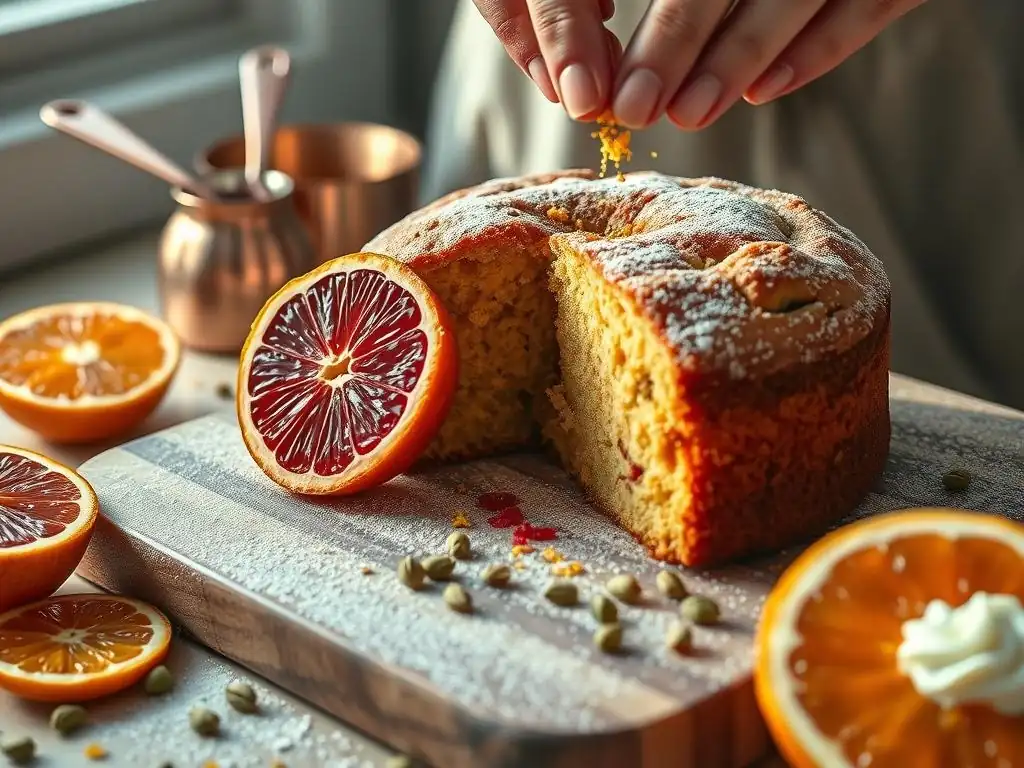
Baking is where the magic truly happens, transforming the batter into a fragrant, delicious cake. Proper oven temperature and bake time are critical for ensuring your Blood orange cardamom cake recipe bakes evenly and achieves the perfect texture. An oven thermometer can be a helpful tool, as many home ovens can be off by 25°F (about -4°C to +14°C) or more from the setting.
Preheating your oven fully is essential before placing the cake inside. Placing a cake in a cool oven can affect its rise and texture. Patience is also key; resist the urge to open the oven door frequently, especially during the first half of the baking time, as sudden temperature changes can cause the cake to sink.
Setting the Oven Temperature for Optimal Baking
For most butter-based cakes like this Blood orange cardamom cake recipe, a standard oven temperature of 350°F (175°C) is ideal. This temperature allows the cake to rise and set properly without burning the edges before the center is cooked through. Ensure your oven is fully preheated before you put the cake in. This usually takes 15-20 minutes after the oven indicates it has reached the set temperature. Using an oven thermometer inside the oven is the most reliable way to verify the actual temperature.
If your oven tends to bake unevenly, rotating the cake pan halfway through the baking time (e.g., turning it 180 degrees) can help ensure a more consistent bake. However, avoid doing this too early in the process. Wait until the cake has set around the edges, typically after about 20-25 minutes for a 9-inch cake.
Preparing the Cake Pan
Properly preparing your cake pan is vital to prevent the cake from sticking, which can be incredibly frustrating after all your effort. For this Blood orange cardamom cake recipe, you can use a combination of grease and flour, or cooking spray and parchment paper. First, grease the bottom and sides of the pan generously with butter or cooking spray.
Next, if using butter, dust the greased pan with flour, tapping out the excess. If using cooking spray, you can often skip the flour step, but adding a circle of parchment paper to the bottom of the pan provides extra insurance against sticking. Cut a circle of parchment paper to fit snugly in the bottom of the pan, lay it in, and then lightly grease the parchment paper as well. This double layer of protection ensures your beautiful Blood orange cardamom cake recipe releases cleanly from the pan.
Baking Time and Doneness Check
The baking time for a 9-inch round Blood orange cardamom cake recipe at 350°F (175°C) is typically between 30 and 40 minutes. If using two 8-inch pans, the time might be slightly shorter, around 28-35 minutes. The exact time can vary depending on your oven, the pan material, and even the humidity on the day you bake. Start checking for doneness around the 30-minute mark.
To check if the cake is done, insert a wooden skewer, toothpick, or cake tester into the center of the cake. If it comes out clean or with just a few moist crumbs attached, the cake is ready. If it comes out with wet batter, continue baking and check again in 2-3 minute intervals. The cake should also look set around the edges and slightly pulled away from the sides of the pan. The top should spring back lightly when gently pressed. Avoid overbaking, as this can result in a dry cake.
Blood Orange Cardamom Glaze Recipe
A simple glaze is the perfect finishing touch for a Blood orange cardamom cake recipe. It adds an extra layer of blood orange flavor and a beautiful visual appeal. This type of glaze is quick to make and requires only a few ingredients.
The tanginess of the blood orange juice in the glaze perfectly complements the sweetness of the cake and the warmth of the cardamom, creating a harmonious flavor profile. It's also an easy way to add moisture and a professional look to your homemade cake.
Creating a Simple Blood Orange Glaze
A basic blood orange glaze is made from powdered sugar and blood orange juice. The key is to add the juice gradually to achieve the desired consistency. You want it thick enough to coat the back of a spoon and drizzle slowly, but thin enough to spread or drip down the sides of the cake appealingly.
You can adjust the amount of blood orange juice to make the glaze thicker or thinner. For a thicker glaze, use less juice; for a thinner, more pourable glaze, add a little more. The flavor of the glaze is primarily from the blood orange juice, so using fresh juice is recommended for the best taste.
Ingredients for the Blood Orange Glaze
- 1 ½ cups Powdered Sugar (confectioners' sugar)
- 2-4 tablespoons Freshly Squeezed Blood Orange Juice
Step-by-Step Glaze Instructions
- Place the powdered sugar in a medium bowl.
- Add 2 tablespoons of blood orange juice to the powdered sugar.
- Whisk together until smooth. The mixture will be quite thick at this point.
- Add more blood orange juice, 1 teaspoon at a time, whisking well after each addition, until the glaze reaches your desired consistency.
- If you want a brighter blood orange flavor, you can add a tiny pinch of blood orange zest to the glaze, but be aware this will create small flecks in the glaze.
- Use the glaze immediately.
Glazing the Blood Orange Cardamom Cake
Ensure your Blood orange cardamom cake recipe is completely cooled on a wire rack before applying the glaze. Applying glaze to a warm cake will cause it to melt and soak into the cake rather than set on top. Once the cake is cool, place the wire rack over a baking sheet or piece of parchment paper to catch any drips.
You can apply the glaze in various ways. For a simple look, pour the glaze over the center of the cake and let it naturally spread and drip down the sides. For more control, you can use a spoon or piping bag to drizzle the glaze in patterns. The glaze will set as it sits, usually within 15-30 minutes, depending on its thickness and humidity.
Tips for a Perfect Glaze Application
- Always glaze a fully cooled cake.
- Place the cake on a wire rack set over a tray to catch excess glaze.
- Stir the glaze just before applying it, as it can thicken slightly as it sits.
- For an even coat, pour the glaze over the center and use an offset spatula to gently encourage it towards the edges.
- For a rustic look, simply drizzle the glaze back and forth over the top of the cake.
- Allow the glaze to set for at least 15-20 minutes before slicing the cake, if possible.
Tips for Baking the Best Blood Orange Cardamom Cake
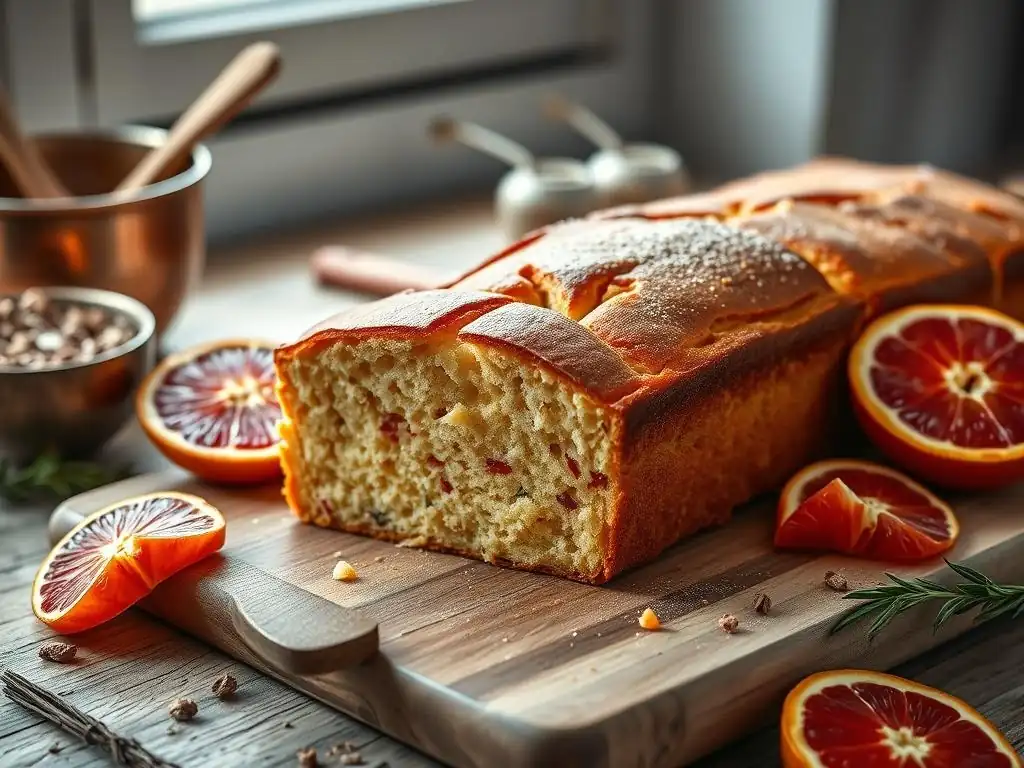
Achieving a moist, flavorful Blood orange cardamom cake recipe consistently involves paying attention to a few key details beyond just following the recipe steps. Small adjustments in technique and ingredient handling can make a significant difference in the final outcome.
From ingredient temperature to mixing technique and even how you store the finished cake, these tips can help elevate your baking from good to great. They address common pitfalls and highlight practices that enhance both texture and flavor.
Ensuring a Moist and Tender Cake
Several factors contribute to a cake's moisture and tenderness. Using room-temperature ingredients, particularly butter, eggs, and buttermilk, helps create a smooth emulsion that traps air and moisture. Overmixing the batter after adding the flour is a common culprit for dry, tough cakes; mix only until the dry ingredients are just combined. The buttermilk and blood orange juice in this Blood orange cardamom cake recipe add acidity, which helps tenderize the cake crumb by partially breaking down gluten.
Measuring your flour correctly is also crucial. Scooping flour directly from the bag with your measuring cup can compact it, resulting in too much flour by weight, which absorbs excess liquid. Instead, lightly spoon the flour into the measuring cup and level it off with a straight edge, or better yet, weigh your flour using a kitchen scale (2 ¼ cups is roughly 280-290 grams depending on the flour). Finally, avoid overbaking; check for doneness at the lower end of the suggested time range.
Maximizing Blood Orange Flavor
To get the most vibrant blood orange flavor in your Blood orange cardamom cake recipe, use fresh, ripe blood oranges. The zest contains the most potent oils, so don't skimp on zesting. Ensure you're only getting the colored part of the peel, not the bitter white pith underneath. Adding zest early in the mixing process (like with the eggs) allows its oils to infuse into the fat. Using fresh juice, not bottled, is also essential for a bright, authentic flavor in both the cake and the glaze.
Consider boosting the cardamom flavor by using freshly ground pods instead of pre-ground spice. Cardamom loses its potency quickly once ground. A mortar and pestle or a spice grinder works well for grinding pods. You can also add a pinch of cardamom directly to the glaze for an extra punch of spice that complements the citrus. Sometimes, adding a small amount of citrus extract alongside the zest and juice can also amplify the flavor, though fresh ingredients are always preferred for the primary flavor source.
Storing Your Blood Orange Cardamom Cake
Proper storage helps keep your Blood orange cardamom cake recipe fresh and moist for as long as possible. Once the cake has completely cooled and the glaze has set, the best way to store it is in an airtight container at room temperature. This prevents the cake from drying out. A whole, uncut cake will stay fresh longer than slices, as cutting exposes more surface area to the air.
If you need to store it for more than 3-4 days, or if your kitchen is particularly warm, you can store it in the refrigerator. However, refrigeration can sometimes slightly alter the texture of cake, making it a bit denser. If refrigerating, make sure it's in a truly airtight container to prevent it from absorbing odors or drying out. For longer storage, slices or the whole cake can be wrapped tightly in plastic wrap and then foil and frozen for up to 2-3 months. Thaw at room temperature.
Variations and Additions to Your Blood Orange Cardamom Cake
While the classic Blood orange cardamom cake recipe is delightful on its own, there's plenty of room for creativity and personalization. Adding other ingredients can introduce new textures and complementary flavors that enhance the blood orange and cardamom pairing.
Exploring variations allows you to tailor the cake to your preferences or simply try something new. These additions can transform the cake into a different kind of dessert or even inspire related baked goods like muffins.
Adding Nuts or Dried Fruit
Adding chopped nuts or dried fruit can provide a pleasant textural contrast and additional layers of flavor to your Blood orange cardamom cake recipe. Toasted pecans or walnuts pair wonderfully with the warm notes of cardamom. About ½ cup of finely chopped nuts folded into the batter just before pouring it into the pan works well.
Dried cranberries or chopped dried apricots can also be a delicious addition, offering chewy pockets of sweetness and a slight tang that complements the blood orange. If adding dried fruit, you can toss it with a tablespoon of flour before adding it to the batter to prevent it from sinking to the bottom during baking. Adding about ½ cup of dried fruit is a good starting point.
Exploring Different Spices to Complement Blood Orange
While cardamom is the star spice in this Blood orange cardamom cake recipe, other spices can also pair well with blood orange and complement the cardamom itself. A pinch of ginger can add a little warmth and spice, while a touch of cinnamon can deepen the overall flavor profile.
Consider adding ¼ teaspoon of ground ginger or ½ teaspoon of ground cinnamon to the dry ingredients along with the cardamom. You could also explore other warm spices like a tiny pinch of ground cloves or nutmeg, though use these sparingly as they can be quite potent. Experimenting with small amounts of other spices can lead to exciting new flavor combinations.
Blood Orange Cardamom Muffins: A Variation
The batter for a Blood orange cardamom cake recipe can often be adapted to make muffins. Muffins bake faster and are perfect for individual servings. To turn this recipe into muffins, prepare the batter as directed.
Line a muffin tin with paper liners and fill each cup about two-thirds full. The baking time will be significantly shorter, likely around 18-25 minutes at 375°F (190°C). Check for doneness by inserting a toothpick into the center of a muffin; it should come out clean. You can glaze the cooled muffins just like the cake, or simply sprinkle them with a little granulated sugar before baking for a sparkly finish.
Troubleshooting Common Blood Orange Cardamom Cake Baking Issues
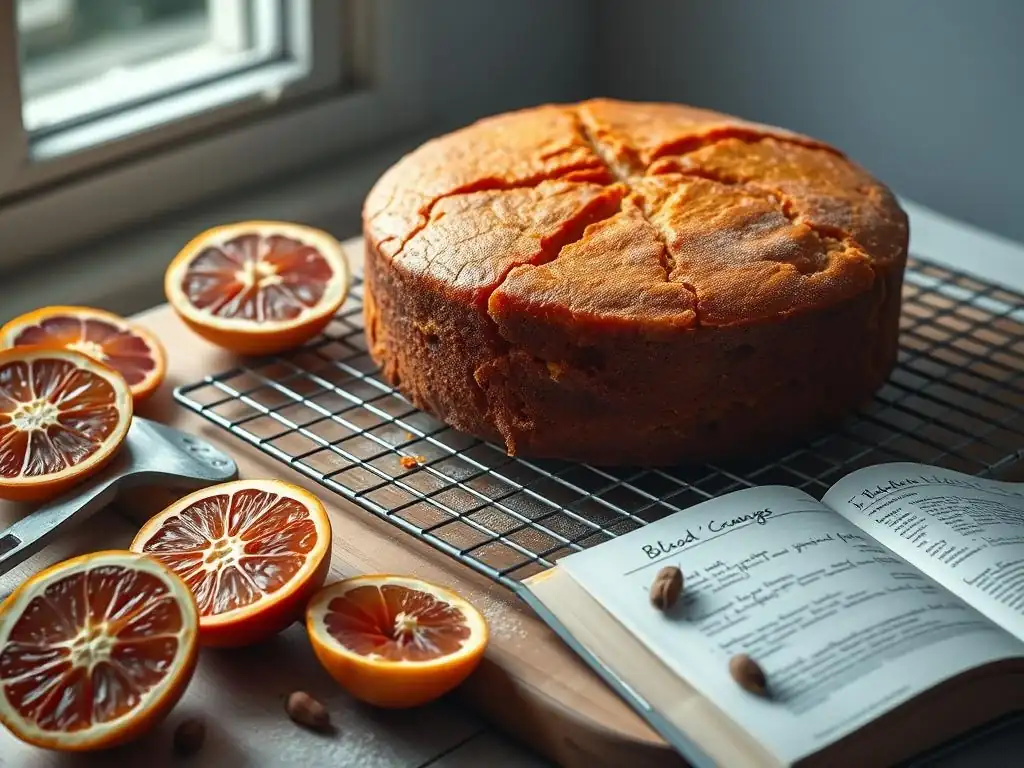
Even experienced bakers occasionally run into issues. Understanding why problems occur can help you prevent them in the future and improve your results with this Blood orange cardamom cake recipe. Common issues range from cakes sticking to the pan to sinking or being dry.
Knowing the potential causes allows you to adjust your technique or ingredients next time. Don't be discouraged if your first attempt isn't perfect; baking is a learning process, and troubleshooting is part of mastering any recipe.
Cake Sticking to the Pan
A cake sticking to the pan is usually a result of inadequate pan preparation or trying to remove the cake before it has cooled slightly. Ensure you generously grease and flour the pan (or use cooking spray and parchment paper) covering all surfaces where the cake will touch. Pay special attention to any nooks or crannies if using a Bundt pan.
Allowing the cake to cool in the pan for the recommended time (usually 10-15 minutes) before attempting to invert it is also crucial. This allows the cake to firm up slightly and pull away from the sides of the pan naturally. If the cake is still warm, the structure is fragile, and it's more likely to break or stick. If you've had persistent sticking issues, consider using a non-stick baking spray specifically designed for baking, which contains flour.
Cake Sinking in the Middle
A cake that sinks in the middle can be caused by several factors, including the oven temperature being too low, the cake being underbaked, or the oven door being opened too early in the baking process. If the oven temperature is too low, the cake's structure doesn't set before the gases produced by the leavening agents expand and then collapse.
Opening the oven door during the first half of baking causes a rush of cool air, which can also lead to the cake sinking because the structure hasn't set. Ensure your oven is fully preheated to the correct temperature (use an oven thermometer!) and resist the urge to check the cake until at least two-thirds of the way through the estimated baking time. Overmixing the batter can also contribute to sinking, as it can create a weak structure.
Cake Being Too Dry
A dry Blood orange cardamom cake recipe is often a result of overbaking or using too much flour. As mentioned earlier, accurately measuring flour, preferably by weight, is the best way to avoid adding too much. Overbaking evaporates moisture from the cake, resulting in a dry crumb. Always check for doneness at the earliest recommended time using the skewer test.
Ensuring ingredients like butter, eggs, and buttermilk are at room temperature helps with proper emulsification, which contributes to a moist texture. Using fresh blood orange juice and buttermilk (or another acidic liquid like yogurt or sour cream) also adds moisture and tenderness. If you find your cakes consistently dry, you might slightly reduce the baking time or ensure your oven temperature isn't running too high.
Conclusion: Enjoying Your Homemade Blood Orange Cardamom Cake
You've successfully baked a beautiful and fragrant Blood orange cardamom cake recipe! The process, from zesting the blood oranges to watching the glaze set, is rewarding, and the result is a truly special treat. This cake embodies the cozy warmth of cardamom and the bright, refreshing tang of blood orange, making it a perfect centerpiece for any winter gathering or a delightful indulgence with your afternoon tea.
Sharing homemade baked goods is one of the simple joys of life. Your Blood orange cardamom cake recipe is sure to impress with its unique flavor profile and vibrant citrus notes. Whether you followed the recipe exactly or added your own twist with nuts or extra spice, take a moment to appreciate your baking accomplishment.
The Perfect Winter Baking Treat
The Blood orange cardamom cake recipe stands out as an ideal winter baking project. It utilizes seasonal blood oranges at their peak, filling your home with incredible aromas and delivering flavors that are both comforting and uplifting on a cold day. The combination is sophisticated enough for a special occasion but approachable enough for a casual weekend bake.
Enjoy a slice while it's still slightly warm, or once the glaze has fully set. Pair it with a hot cup of coffee, tea, or even a glass of mulled wine. The vibrant flavors are a welcome contrast to heavier winter dishes. This cake is not just a dessert; it's a celebration of seasonal ingredients and the simple pleasure of baking something truly delicious from scratch with BakeWithEase.
Frequently Asked Questions
What makes this blood orange cardamom cake recipe stand out from other citrus cakes?
This recipe utilizes blood orange zest for an intense citrus flavor and cardamom which adds a warm, aromatic spice, creating a unique flavor profile unlike standard lemon or orange cakes.
Is it difficult to find blood oranges for this recipe?
Blood oranges are seasonal, typically available during the winter months. If unavailable, you can substitute with regular oranges and add a touch of red food coloring for visual appeal (though the flavor will be different).
What level of baking experience is required to successfully bake this cake?
The recipe is designed with simplicity in mind, making it suitable for bakers of all levels. The step-by-step guide and easy-to-find ingredients ensure a successful bake, even for beginners.
Can I substitute any ingredients in this blood orange cardamom cake recipe?
While substitutions can be made, they may affect the final outcome. Consider using regular orange zest if blood oranges are unavailable, or nutmeg as a substitute for cardamom in a pinch.
How should I store the blood orange cardamom cake to maintain its freshness?
Store the cake in an airtight container at room temperature for up to 3 days, or in the refrigerator for up to a week. This helps to prevent it from drying out and preserves its flavor.
Final Reflection: The Unexpected Symphony of Blood Orange and Cardamom
The vibrant zest of blood oranges, combined with the warm embrace of cardamom, creates more than just a delicious cake; it's a sensory experience that speaks to the power of unexpected flavor pairings. This recipe, while seemingly simple, offers a gateway to culinary exploration and the joy of creating something beautiful and delicious from humble ingredients. The current interest in unique baking recipes, driven by social media and a renewed focus on artisanal food, makes this exploration more relevant than ever.
The journey of creating this blood orange and cardamom cake was more than just following a recipe; it was a meditation on the subtle nuances of flavor and texture. The process itself, from zesting the fragrant oranges to carefully measuring the spices, became a mindful practice. The resulting cake, with its stunning color and aromatic perfume, is a testament to the transformative power of simple ingredients. The best things in life are simple,
a sentiment often repeated, rings especially true when considering the profound satisfaction derived from creating something beautiful and delicious from scratch.
Now, I invite you to step into your own kitchen and embark on this culinary adventure. Don't be afraid to experiment, to adjust the recipe to your own taste, and to savor the process as much as the final product. The true magic lies not just in the perfectly baked cake, but in the journey of creation itself. Let the vibrant flavors of blood orange and cardamom inspire you to explore the endless possibilities within your own culinary imagination. What unexpected flavor combinations will you discover next?
Unleash Your Inner Pastry Chef!
Thanks for joining us on this flavorful journey into the world of blood orange and cardamom baking! We hope you've discovered some delicious new techniques and recipes. Ready to take your baking skills to the next level?
- Bake your own blood orange cardamom cake! This is your chance to put your newfound knowledge into practice – the results will be amazing!
- Share your creations! Show us your baking masterpieces on social media using #BakeWithEaseBloodOrange. We'd love to see what you come up with.
- Explore our other citrus recipes – we've got a whole collection waiting to be discovered!
What surprising flavor combinations will you experiment with next?