
Master the Art of Baking with Spring Herbs

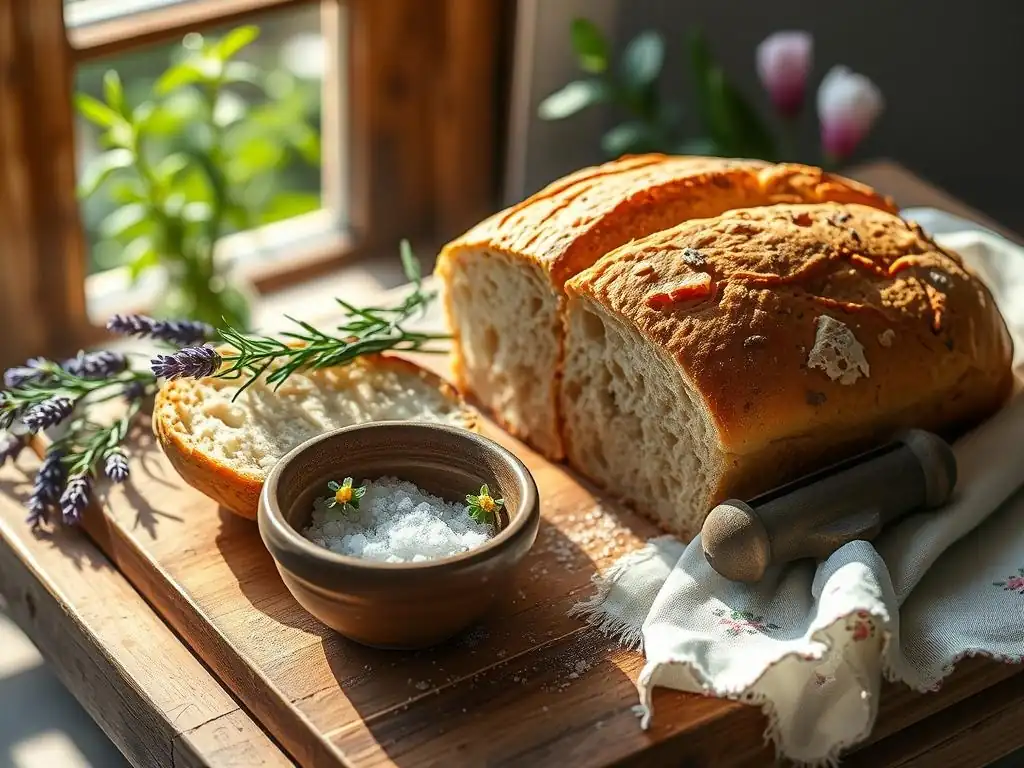
Welcome to BakeWithEase, your passport to the delectable world of baking! Discover how simple it can be to create extraordinary treats, no matter your skill level. Ready to infuse your kitchen with the fresh, vibrant flavors of the season? This week, we're diving into the aromatic world of Spring herb baking recipes. But which herb is perfect for that lemon drizzle cake? And how do you prevent your rosemary focaccia from becoming too overpowering? Read on to unlock the secrets!
- Discover the Delights of Spring Herb Baking Recipes
- Essential Spring Herbs for Baking
- Spring Herb Baking Recipes: From Savory to Sweet
- Tips and Techniques for Baking with Spring Herbs
- Mastering the Art of Spring Herb Baking: Advanced Techniques
- Storing Your Spring Herb Baked Creations
- Spring Herb Baking: Inspiration and Variations
-
Frequently Asked Questions
- What kind of herbs are best to use in spring baking recipes?
- Can I substitute dried herbs for fresh herbs in BakeWithEase's recipes?
- What types of baked goods pair well with spring herbs?
- How can I ensure the herbs are evenly distributed throughout my baked goods?
- Where can I find more detailed instructions and specific spring herb baking recipes on BakeWithEase.com?
- Final Reflection: The Enduring Allure of Spring in Every Bite
- Unleash Your Inner Herb Baker!
Discover the Delights of Spring Herb Baking Recipes
Welcome Spring with Fresh Herb Infused Baked Goods
As the days lengthen and the world outside bursts into vibrant green, our kitchens naturally crave the fresh, lively flavors of spring. This season offers a unique opportunity to elevate your baking from good to truly exceptional by incorporating the abundance of herbs coming into their prime. Think beyond the usual sweet treats; spring herbs bring a delightful complexity to both savory and sweet baked goods, adding fragrance, color, and a touch of seasonal magic. Exploring spring herb baking recipes allows you to capture the essence of this rejuvenating time of year right in your oven.
Integrating fresh herbs into your baking is surprisingly versatile. A simple loaf of bread can be transformed with a sprinkle of rosemary, while a classic scone takes on a new dimension with chives and dill. Even sweet items like cakes and cookies can benefit from the subtle notes of mint or lemon thyme.
This approach isn't just about flavor; it's about connecting with the season, using ingredients at their peak freshness, and adding a homemade touch that store-bought items simply can't replicate. Get ready to discover how easy and rewarding it is to infuse your baked goods with the spirit of spring.
Essential Spring Herbs for Baking
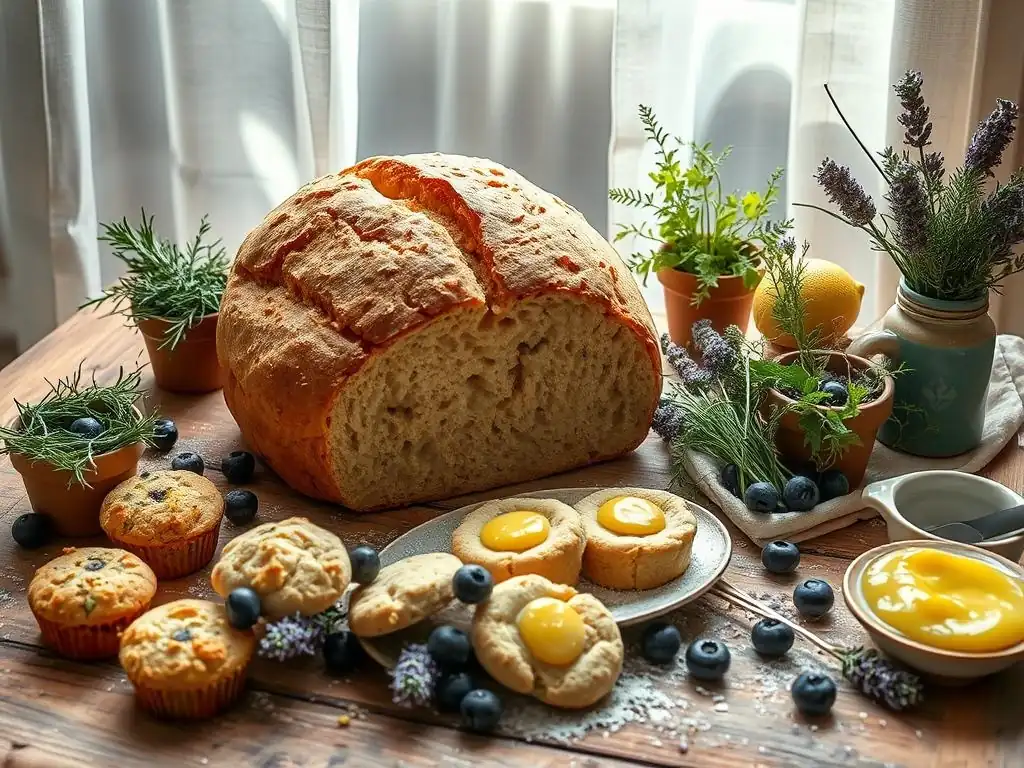
Exploring Aromatic Herbs for Spring Baking: A Baker's Guide
Spring is the perfect time to visit your garden or local market and gather handfuls of fragrant herbs ready to be incorporated into your baking projects. Understanding which herbs pair well with different types of baked goods is key to successful spring herb baking recipes. Some herbs, like rosemary and thyme, are robust and hold up well to heat, making them ideal for savory breads and pastries. Others, like mint or chives, are more delicate and best added towards the end of mixing or used in fillings and toppings to preserve their fresh flavor.
When selecting herbs, always prioritize freshness. Look for vibrant green leaves without wilting or yellowing. Herbs grown in your own garden are often the most potent, but high-quality fresh herbs from a market or grocery store will also yield excellent results.
A small bunch of fresh rosemary, typically weighing around 0.5 to 1 ounce, can infuse several batches of bread or scones. Similarly, a modest pot of chives can provide enough snippings for multiple batches of savory biscuits or egg-based bakes like quiches. Experimenting with different varieties, such as lemon thyme or chocolate mint, can also introduce exciting nuances to your spring herb baking recipes.
Popular Spring Herbs and Their Baking Applications
Rosemary in Baking: Savory and Sweet Combinations
Rosemary is a powerhouse herb with a strong, piney aroma that lends itself beautifully to savory spring herb baking recipes. It pairs exceptionally well with cheese, potatoes, and olive oil, making it a natural fit for focaccia, savory muffins, and breadsticks. When baking with rosemary, finely chopping the leaves is crucial to distribute the flavor evenly and prevent large, tough pieces in your bake. Roughly 1-2 tablespoons of finely minced fresh rosemary is often sufficient for a loaf of bread made with 3-4 cups of flour.
While less common, rosemary can also surprisingly complement certain sweet flavors. Its aromatic notes can provide a unique counterpoint to citrus or even chocolate. Imagine a subtle hint of rosemary in a lemon pound cake or shortbread cookies. For sweet applications, use rosemary more sparingly than you would in savory dishes, perhaps infusing milk or butter with a sprig before incorporating it into the batter, or adding just a pinch of very finely minced leaves.
Thyme in Baking: Adding Depth and Complexity
Thyme, with its earthy and slightly floral notes, is incredibly versatile in spring herb baking recipes. It works wonderfully in savory items like biscuits, tarts, and cornbread, often pairing well with vegetables like mushrooms or onions, or cheeses like goat cheese. Like rosemary, thyme leaves should be removed from their woody stems before use. A small bunch of fresh thyme (around 0.25-0.5 ounces) can provide enough leaves for several recipes.
Beyond savory uses, certain varieties of thyme, particularly lemon thyme, are fantastic in sweet baking. Lemon thyme brings a bright, citrusy note that enhances cakes, cookies, and scones, pairing beautifully with berries or citrus fruits. Consider adding lemon thyme to a simple sugar cookie dough or incorporating it into a glaze for a lemon drizzle cake. The delicate flavor of thyme adds depth without overpowering other ingredients.
Chives in Baking: A Delicate Onion Flavor
Chives offer a mild, fresh onion flavor that is perfect for savory spring herb baking recipes. They are less pungent than onions or garlic, providing a subtle allium note that complements eggs, cheese, and cream. Chives are fantastic in scones, biscuits, savory muffins, and quick breads. Because their flavor is delicate and they are prone to wilting, it's best to snip chives just before adding them to your dough or batter, typically folding them in near the end of the mixing process.
A common ratio for chives in baking is about 1/4 to 1/3 cup of finely snipped chives per 2 cups of flour in a biscuit or scone recipe. They add beautiful flecks of green and a burst of fresh flavor. Chives are particularly good in recipes designed to be served warm, allowing their gentle aroma to be fully appreciated. They are a staple in many classic spring herb baking recipes for savory treats.
Mint in Baking: Refreshing Spring Flavors
Mint is perhaps most associated with sweet spring herb baking recipes, bringing a wonderfully refreshing and cooling sensation. Peppermint and spearmint are the most common varieties used in baking. Mint pairs famously with chocolate, creating classic combinations like mint chocolate chip cookies or brownies with a mint swirl. It also works well with fruit, especially berries and citrus.
When using fresh mint in baking, the leaves should be finely chopped. For a strong flavor, consider infusing milk or cream with mint leaves before adding it to your recipe. Alternatively, chopped mint can be folded directly into batters or doughs, or used in fillings and frostings. Approximately 2-3 tablespoons of finely chopped fresh mint can add a noticeable flavor to a batch of cookies or a cake. Mint is a fantastic way to add a bright, seasonal twist to your sweet spring herb baking recipes.
Spring Herb Baking Recipes: From Savory to Sweet
Savory Spring Herb Baking Ideas
Savory baking is where many spring herbs truly shine, transforming simple doughs into flavorful accompaniments for meals or delicious snacks on their own. Incorporating herbs like rosemary, thyme, chives, and dill into breads, biscuits, and tarts adds layers of flavor that are both comforting and sophisticated. These spring herb baking recipes are perfect for picnics, brunches, or alongside a springtime soup or salad.
Creating savory baked goods with herbs often involves adding finely chopped fresh herbs directly into the dough. The heat of the oven helps to release their aromatic oils, infusing the entire bake with their fragrance and flavor. Cheeses, particularly cheddar, parmesan, or goat cheese, are common companions to herbs in savory baking, creating rich and satisfying combinations. Experimenting with different herb blends, such as a mix of chives, parsley, and dill, can yield unique and delightful results in your spring herb baking recipes.
Spring Herb and Cheese Scones Recipe
These savory scones are a perfect example of spring herb baking recipes that are quick, easy, and packed with flavor. A typical recipe might use 2 cups of all-purpose flour, 1/2 cup of cold butter cut into cubes, 1 cup of grated sharp cheddar cheese, and 1/4 cup of mixed finely chopped fresh herbs like chives, parsley, and a touch of thyme. Combine the dry ingredients, cut in the butter until crumbly, then stir in the cheese and herbs. Add about 3/4 cup of buttermilk or milk to form a soft dough.
After gently bringing the dough together, pat it out to about 1-inch thickness and cut into wedges or rounds. Bake at around 400°F (200°C) for 15-20 minutes, or until golden brown and risen. The result is a tender scone with pockets of melted cheese and bursts of fresh herb flavor. These are delicious served warm with butter or alongside scrambled eggs for a delightful springtime breakfast or brunch.
Rosemary and Olive Oil Bread Recipe: A Springtime Staple
A rosemary and olive oil bread is a rustic and incredibly satisfying spring herb baking recipe. This type of bread, often a focaccia or a simple loaf, highlights the robust flavor of rosemary and the richness of good olive oil. A basic recipe might involve 3 cups of bread flour, 1 teaspoon of active dry yeast, 1 teaspoon of salt, 1/4 cup of olive oil, and about 1.5 cups of warm water, plus 2-3 tablespoons of finely chopped fresh rosemary.
After the dough is mixed and kneaded (either by hand or mixer), incorporate the chopped rosemary. Allow the dough to rise until doubled, then shape and bake. For focaccia, dimple the top generously with your fingers, drizzle with more olive oil, and sprinkle with flaky sea salt and additional rosemary sprigs before baking. Bake at around 400°F (200°C) for 20-30 minutes. The aroma filling your kitchen is intoxicating, and the bread itself is perfect for dipping in olive oil, serving with soup, or using for sandwiches.
Sweet Spring Herb Baking Creations
While savory uses might come to mind first, spring herbs offer exciting possibilities for sweet baking as well. The subtle fragrance of herbs can add an unexpected layer of complexity that elevates classic desserts. Spring herb baking recipes in the sweet category often use herbs like mint, lavender (though use sparingly! ), lemon thyme, or even basil in creative ways.
Integrating herbs into sweet recipes can involve chopping them finely and folding them into batters or doughs, creating infused syrups or glazes, or using them to flavor creams and custards. The goal is often a gentle hint of flavor rather than an overpowering presence. These herb-infused sweets are perfect for springtime gatherings, adding a unique and memorable touch.
Lemon and Thyme Cake Recipe: A Zesty Spring Treat
A lemon and thyme cake is a delightful example of how well herbs can work in sweet spring herb baking recipes. The bright acidity of lemon is beautifully complemented by the earthy, slightly floral notes of thyme, especially lemon thyme. A standard loaf cake recipe using 1.5 cups of flour, 1 cup of sugar, 1/2 cup of butter, 2 eggs, and 1/2 cup of milk can be transformed by adding the zest of one large lemon and 1-2 tablespoons of fresh lemon thyme leaves to the batter.
Bake the cake as usual, typically at 350°F (175°C) for 45-55 minutes. For an extra layer of flavor, you can make a simple lemon glaze using powdered sugar and lemon juice, and stir in a teaspoon of finely minced lemon thyme before drizzling it over the cooled cake. The combination is incredibly fragrant and offers a sophisticated twist on a classic lemon cake, making it a standout among spring herb baking recipes.
Mint Chocolate Chip Cookies: A Spring Baking Twist
Give a classic cookie a springtime makeover with fresh mint. While peppermint extract is common, using fresh mint in spring herb baking recipes for cookies offers a brighter, more natural flavor. Adapt your favorite chocolate chip cookie recipe (one using about 2 cups of flour and 1.5 cups of chocolate chips is a good starting point) by adding 1/4 to 1/3 cup of finely chopped fresh mint leaves along with the chocolate chips.
The fresh mint will add a refreshing counterpoint to the rich chocolate. For an even more intense mint flavor, you could slightly crush the mint leaves before adding them to help release their oils. Bake the cookies as directed, usually at 375°F (190°C) for 8-10 minutes. The result is a chewy cookie with bursts of sweet chocolate and a cool, invigorating hint of mint – a perfect treat for a warm spring day.
Tips and Techniques for Baking with Spring Herbs

Preparing Fresh Herbs for Baking: A Step-by-Step Guide
Proper preparation is key to ensuring your spring herb baking recipes are successful and flavorful. Fresh herbs need careful handling to remove dirt and maximize their flavor potential.
- Wash: Gently rinse the herbs under cool running water. If they came from your garden, inspect carefully for any soil or small insects.
- Dry: This is a crucial step, especially for savory bakes. Excess moisture can negatively affect the texture of doughs and batters. Lay the herbs flat on paper towels or use a salad spinner to remove as much water as possible. Pat them dry gently.
- Strip Leaves: For herbs with woody stems like rosemary and thyme, hold the top of the stem and gently run your fingers down, stripping the leaves off. Discard the stems. For softer herbs like parsley, chives, or mint, you can often use the tender upper stems, but discard any thick or tough parts.
- Chop/Mince: Most spring herb baking recipes require finely chopped or minced herbs to ensure even distribution of flavor throughout the baked good. Use a sharp knife for a clean cut that doesn't bruise the leaves. For chives, sharp kitchen scissors work well for snipping directly into a bowl.
Following these steps ensures your herbs are clean, dry, and ready to impart their best flavor and aroma to your spring herb baking recipes.
Incorporating Herbs into Different Types of Dough
The best way to incorporate herbs depends on the type of dough or batter you are working with. For yeasted bread doughs, herbs are typically added during the kneading process, often after the initial ingredients have come together but before the final rise. This allows the herbs to distribute evenly throughout the dough. A good rule of thumb is to use about 1-2 tablespoons of chopped herbs per cup of flour in the recipe for a noticeable flavor.
For quick breads, muffins, scones, and cookie doughs, herbs are usually added towards the end of the mixing process, along with other add-ins like cheese, chocolate chips, or nuts. Overmixing after adding herbs can bruise them, leading to a less vibrant color and flavor. Gently fold them in just until they are evenly dispersed. For delicate herbs like chives or mint in certain recipes, sometimes they are stirred into a wet component (like melted butter or milk) first, or even sprinkled on top before baking, as seen in some spring herb baking recipes.
Maximizing Herb Flavor in Your Baked Goods
The Importance of Freshness in Spring Herb Baking
The single most important factor in achieving vibrant flavor in spring herb baking recipes is the freshness of your herbs. Freshly harvested herbs contain the highest concentration of aromatic oils, which are responsible for their distinct taste and fragrance. As herbs age, these oils begin to dissipate, resulting in a weaker flavor. Using bright, perky herbs straight from the garden or a reputable source ensures that their essence is fully captured during the baking process.
Compare the aroma of a fresh sprig of rosemary to one that has been sitting in the refrigerator for a week – the difference is significant. This is why timing is important; purchase or harvest your herbs close to when you plan to bake. For optimal flavor in your spring herb baking recipes, use the freshest herbs possible and prepare them just before adding them to your dough or batter.
Drying Herbs for Baking: When and How
While fresh herbs are generally preferred for their vibrant flavor and aroma in spring herb baking recipes, dried herbs can be used, especially for robust varieties like rosemary, thyme, and oregano. However, the flavor profile changes when herbs are dried – they become more concentrated and earthy. As a general rule, use about one-third the amount of dried herbs compared to fresh herbs called for in a recipe, as their flavor is more potent. For example, if a recipe calls for 3 tablespoons of fresh rosemary, use 1 tablespoon of dried rosemary.
Drying herbs is a simple process. You can air-dry bunches of herbs by hanging them upside down in a cool, dry, dark place for 1-2 weeks, or use a dehydrator or even a low oven setting (around 100-150°F or 40-65°C) for a few hours until brittle. Store dried herbs in airtight containers away from light and heat. While dried herbs lack the bright punch of fresh ones, they can still provide a good base flavor in spring herb baking recipes, particularly in savory breads or crackers where a more subtle, earthy note is desired.
Mastering the Art of Spring Herb Baking: Advanced Techniques
Infusing Oils and Butters with Spring Herb Flavors
Taking your spring herb baking recipes to the next level can involve infusing fats like oil or butter with herb flavors before incorporating them into your bake. This technique extracts the fat-soluble flavor compounds from the herbs, distributing them evenly throughout the fat and subsequently throughout your baked good. To infuse oil, gently warm about 1 cup of a neutral oil (like olive or grapeseed) with a few sprigs of herbs (rosemary, thyme, or even basil work well) over low heat for 15-20 minutes.
Do not let it boil. Let it cool, then strain out the herbs. This infused oil can be used in bread doughs, savory muffins, or brushed over focaccia before baking.
For butter, gently melt the desired amount of butter with chopped fresh herbs (chives, dill, parsley, or thyme are excellent choices) over low heat. Allow the herbs to steep in the melted butter for 5-10 minutes off the heat, then strain if desired, or leave the herbs in for extra flavor and visual appeal, especially in things like biscuits or cornbread. Herb-infused butter is fantastic brushed on warm bread rolls or incorporated into scone doughs, adding a rich layer of flavor to your spring herb baking recipes.
Creating Herb-Infused Sugars for Baking
For sweet spring herb baking recipes, creating herb-infused sugar is a wonderful technique. This works particularly well with fragrant herbs like mint, lavender, or lemon thyme. Simply combine granulated sugar with fresh herb leaves (about 1 cup of sugar to 1/4 cup of lightly bruised herb leaves) in a food processor and pulse until the herbs are very finely minced and distributed throughout the sugar. Alternatively, layer sugar and herb sprigs in an airtight jar and let it sit for a week or two, shaking occasionally, for a more subtle infusion.
This herb-infused sugar can then be used cup-for-cup in any recipe calling for granulated sugar. It adds a delicate floral or refreshing note that complements cakes, cookies, meringues, and even simple syrups for drizzling over fruit. For instance, lemon thyme sugar in a shortbread recipe or mint sugar in a simple vanilla cake batter adds an unexpected and delightful complexity, elevating your sweet spring herb baking recipes.
Storing Your Spring Herb Baked Creations
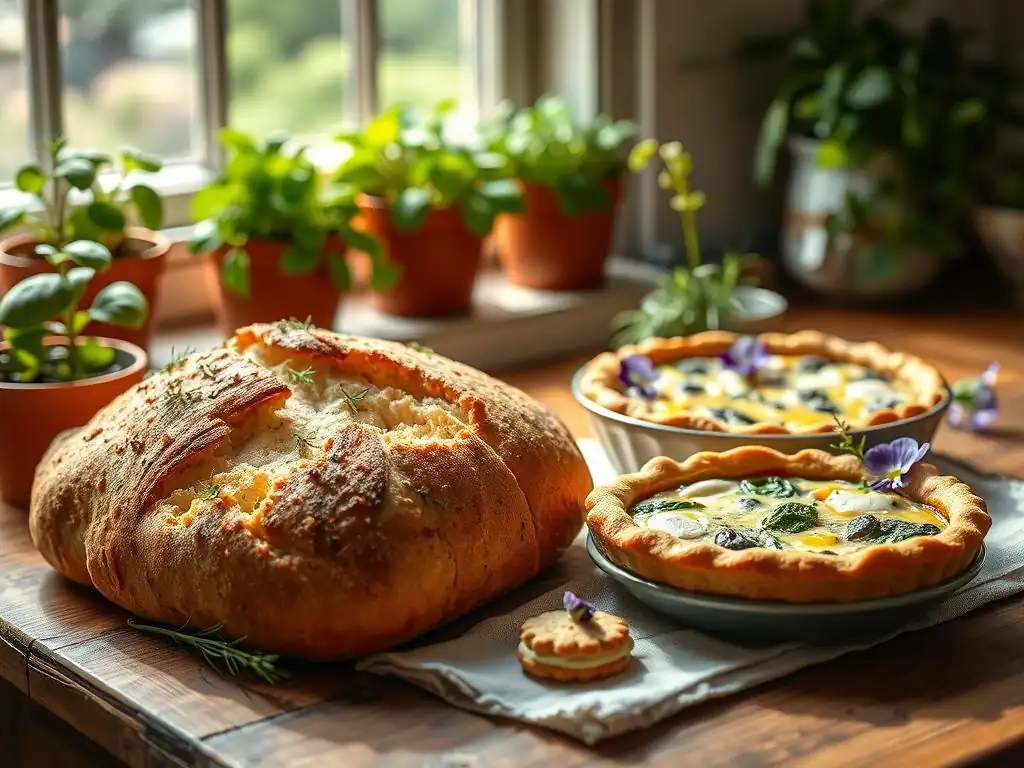
Keeping Your Herb-Infused Breads and Cakes Fresh
Proper storage is essential to maintain the flavor and texture of your spring herb baking recipes. Breads infused with herbs, especially savory ones with added oil or cheese, tend to stay moist longer than plain loaves. Once cooled completely, store bread in a bread box, a paper bag, or wrapped in a clean kitchen towel at room temperature for 2-3 days. Avoid plastic wrap if possible, as it can trap moisture and make the crust soggy, though it can help prevent drying out over a longer period.
Herb-infused cakes and quick breads should also be stored at room temperature once cooled. If they are unfrosted, wrap them tightly in plastic wrap or aluminum foil, or place them in an airtight container. They will typically stay fresh for 3-4 days. If the cake has a perishable frosting (like cream cheese frosting), it should be stored in the refrigerator, though this can slightly alter the texture of the cake itself. Always ensure baked goods are completely cooled before storing to prevent condensation, which can lead to sogginess or mold.
Freezing Spring Herb Baked Goods for Later Enjoyment
Many spring herb baking recipes freeze exceptionally well, allowing you to enjoy the taste of spring long after the season has passed. Breads, muffins, scones, and most cookies can be frozen successfully. Ensure the baked goods are completely cooled before freezing. For individual items like scones or muffins, it's best to flash freeze them first by placing them in a single layer on a baking sheet in the freezer until solid (about 1-2 hours).
Once flash-frozen, transfer the items to a freezer-safe bag or airtight container, removing as much air as possible to prevent freezer burn. Label clearly with the contents and date. Most baked goods will keep well in the freezer for up to 2-3 months. To thaw, simply place them on a wire rack at room temperature. Breads and scones can often be refreshed by warming them gently in a low oven (around 300°F or 150°C) for a few minutes, which can help crisp up the crust and revive the herb aromas.
Spring Herb Baking: Inspiration and Variations
Exploring Unique Herb Combinations in Baking
While classic pairings like rosemary and olive oil are wonderful, don't be afraid to explore more unique herb combinations in your spring herb baking recipes. Some intriguing possibilities include:
- Basil and Lemon: Fantastic in cakes, muffins, or even shortbread.
- Dill and Feta: A winning combination for savory scones, muffins, or bread rolls.
- Lavender and Earl Grey: For delicate cookies or pound cake (use food-grade lavender sparingly! ).
- Sage and Brown Butter: Adds a warm, savory note to biscuits or cornbread.
- Tarragon and Chive: Great in savory pastries or egg bakes.
Consider the flavor profiles of the herbs and how they might complement or contrast with other ingredients in your recipe. A good starting point is to combine one stronger herb with one or two milder ones. A simple test is to rub the herbs together between your fingers and smell them – if the aroma is pleasant, the flavor combination is likely to work in your spring herb baking recipes.
Adapting Your Favorite Recipes for Spring Herb Infusion
One of the easiest ways to start creating your own spring herb baking recipes is to adapt recipes you already know and love. Think about which of your go-to recipes could benefit from a touch of fresh, seasonal flavor. Could your favorite biscuit recipe handle some chopped chives and cheddar? Would your standard sugar cookie recipe be interesting with a hint of lemon thyme?
- Savory Adaptations: Add 1-3 tablespoons of finely chopped fresh herbs per 2 cups of flour in bread, scone, or muffin recipes. Consider adding complementary ingredients like cheese, garlic powder, or a pinch of black pepper.
- Sweet Adaptations: For cakes and cookies, start with 1-2 tablespoons of finely chopped delicate herbs like mint or lemon thyme per batch. Consider infusing liquids or fats instead of adding chopped herbs directly for a more subtle flavor.
Start with small amounts and adjust in future batches. Keep notes on what works well. Adapting familiar recipes is a rewarding way to build confidence in creating your own unique spring herb baking recipes.
Baking with Edible Flowers: A Springtime Enhancement
Beyond herbs, spring offers another beautiful botanical addition to baking: edible flowers. Incorporating edible flowers like violets, pansies, borage, or calendula into your spring herb baking recipes adds a touch of visual elegance and sometimes subtle flavor. Ensure the flowers are specifically grown for culinary use and are free from pesticides.
Edible flowers can be pressed onto cookie dough before baking, added to cake batter (though some colors may fade), or used to decorate frostings and glazes. For example, pressing small pansies onto shortbread cookies before baking creates stunning, easy-to-make treats. Candied violets are a classic decoration for cakes and pastries. While not strictly spring herb baking recipes, edible flowers perfectly complement the fresh, natural theme of spring baking and can be paired with herb flavors, such as lavender shortbread decorated with edible violas.
Frequently Asked Questions
What kind of herbs are best to use in spring baking recipes?
The best herbs for spring baking are those with fresh, vibrant flavors. Consider using mint, basil, rosemary, thyme, and chives in your baked goods.
Can I substitute dried herbs for fresh herbs in BakeWithEase's recipes?
While fresh herbs offer the best flavor, you can substitute dried herbs. A general rule is to use one teaspoon of dried herbs for every one tablespoon of fresh herbs. Adjust to taste.
What types of baked goods pair well with spring herbs?
Spring herbs work well in both sweet and savory baked goods. Think herb-infused breads, savory scones, herb and cheese muffins, and even herb-flavored cakes.
How can I ensure the herbs are evenly distributed throughout my baked goods?
To ensure even distribution, finely chop the herbs and gently fold them into the batter or dough. Avoid overmixing, as this can lead to tough baked goods. You can also try infusing the herbs into the butter or oil before adding it to the recipe for a more subtle flavor.
Where can I find more detailed instructions and specific spring herb baking recipes on BakeWithEase.com?
Visit BakeWithEase.com's recipe section and search for "Spring Herb Baking Recipes" to access our collection of step-by-step guides and easy-to-follow instructions. You can also filter by specific herbs or types of baked goods.
Final Reflection: The Enduring Allure of Spring in Every Bite
The vibrant flavors of spring herbs are more than just a seasonal trend; they represent a powerful connection to nature's renewal and a delicious way to elevate our everyday baking. This article explored the versatility of spring herbs in baking, showcasing recipes that transform familiar treats into something truly special. From the delicate sweetness of lavender shortbread to the bright, herbaceous notes in a rosemary focaccia, the possibilities are endless.
The impact of seasonal ingredients on our culinary landscape is profound. It's a reminder to appreciate the fleeting beauty of each season and to incorporate those ephemeral flavors into our lives. The earth laughs in flowers.
– Ralph Waldo Emerson. This quote perfectly encapsulates the joy and vibrancy that spring herbs bring to our baking, transforming simple recipes into celebrations of the season. Their use isn't merely about taste; it's about connecting with the natural world and finding beauty in the ephemeral.
Now, I invite you to step into your kitchen and experiment. Don't be afraid to try new combinations, to let your creativity bloom alongside the herbs themselves. Choose your favorite spring herb, select a recipe that sparks your interest, and let the fragrant aromas and delightful flavors transport you to a sun-drenched meadow. The art of baking with spring herbs is a journey of discovery, a celebration of the senses, and a testament to the enduring power of nature's bounty. Embrace it, and let your baking reflect the vibrant beauty of the season.
Unleash Your Inner Herb Baker!
Thanks for taking the time to explore the wonderful world of spring herb baking! We hope you've discovered some delicious new ideas to elevate your baking game. Ready to get started?
- Bake your favorite recipe with a twist! Try substituting fresh herbs like rosemary, thyme, or chives for a unique flavor profile. This is your chance to experiment and create something truly special.
- Share your culinary creations! Post a picture of your herb-infused masterpiece on social media and tag us – we'd love to see what you bake!
- Explore our extensive recipe archive for more inspiration and ideas on how to use herbs in your baking.
What delicious herb-infused treat will you create first?