
Beyond Carrot: Creative Spring Vegetable Baking Ideas

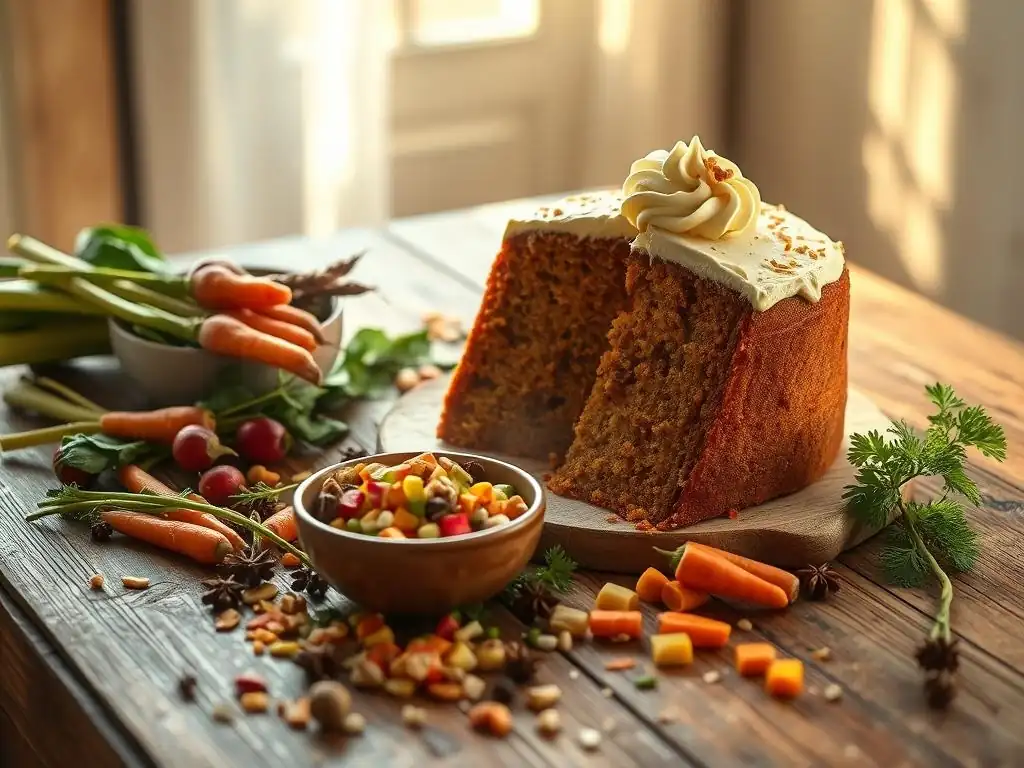
Welcome to BakeWithEase, your haven for baking brilliance! Ever thought about taking your carrot cake to the next level? Our Spring vegetable carrot cake recipe is just the beginning. Discover how to unlock a symphony of flavors with seasonal produce, and transform ordinary baking into extraordinary culinary creations. Intrigued? Let's explore the vibrant world of spring vegetable baking!
- Beyond Carrot: Creative Spring Vegetable Baking Ideas - BakeWithEase
- Introduction to Spring Vegetable Baking
- Root Vegetable Baking Delights
- Leafy Green Vegetable Baking Surprises
- Spring Vegetable Baking Recipes: Beyond the Basics
- Tips and Tricks for Successful Vegetable Baking
- Spring Vegetable Baking: Recipe Variations
- Conclusion: Enjoying the Flavors of Spring in Your Baking
-
Frequently Asked Questions
- What other vegetables besides carrots can be used in baking, according to BakeWithEase?
- Does BakeWithEase offer recipes for specific skill levels?
- Where can I find the Spring Vegetable Carrot Cake recipe mentioned on BakeWithEase?
- Does BakeWithEase only focus on sweet baking recipes?
- What kind of resources does BakeWithEase provide for bakers?
- Final Reflection: Beyond the Carrot: A Springtime Awakening
- Unleash Your Inner Spring Baker!
Beyond Carrot: Creative Spring Vegetable Baking Ideas - BakeWithEase
Introduction to Spring Vegetable Baking
Embrace the Season: Baking with Fresh Spring Vegetables
As spring arrives, bringing with it longer days and a burst of color, our kitchens often yearn for fresh, seasonal ingredients. This is the perfect time to look beyond traditional fruits and explore the vibrant world of spring vegetables for your baking adventures. Think of the crispness of fresh peas, the earthy sweetness of beets, the tender young greens, and yes, the ever-popular carrot.
Incorporating these seasonal gems into your cakes, muffins, breads, and even savory pastries not only adds unique flavors and textures but also brings beautiful natural colors and beneficial nutrients to your baked goods. It's a delightful way to connect with the season and elevate your baking skills.
Beyond the classic Spring vegetable carrot cake recipe, which is a beloved staple, there's a whole spectrum of possibilities waiting to be discovered. Imagine the moistness a grated zucchini can impart to a loaf or the subtle sweetness parsnips can bring to a spice cake. Using spring vegetables in baking is a fantastic way to add natural moisture, reduce reliance on fats, and introduce complex flavor profiles that go far beyond simple sweetness. It encourages creativity and allows you to experiment with unexpected pairings, transforming humble vegetables into star ingredients in your sweet and savory treats.
Why Bake with Vegetables? Unlock Flavor and Moisture
Baking with vegetables offers numerous advantages that go beyond just adding nutrients. Vegetables, especially those like zucchini, pumpkin, sweet potato, and even beets, contain a significant amount of water. When incorporated into batters, this moisture is released during baking, resulting in incredibly moist and tender baked goods. This often allows you to reduce the amount of added fats, like butter or oil, without sacrificing texture. For instance, using 1 cup of grated zucchini in a loaf recipe can replace a portion of the oil while adding structure and moisture.
Furthermore, vegetables bring unique and often subtle flavors that can complement both sweet and savory profiles. The natural sweetness of carrots or sweet potatoes can enhance a dessert, while the earthy notes of beets or parsnips can add depth. Spinach or kale, when pureed, can add a mild, almost undetectable flavor but contribute vibrant color and moisture.
This opens up a world of flavor combinations, pairing vegetables with spices like ginger, cinnamon, nutmeg, or even herbs like mint and dill, creating baked goods that are both delicious and intriguing. It's a simple trick used in many recipes, including the popular Spring vegetable carrot cake recipe, to achieve that perfect moist crumb.
Spring Vegetable Carrot Cake Recipe: A Twist on a Classic
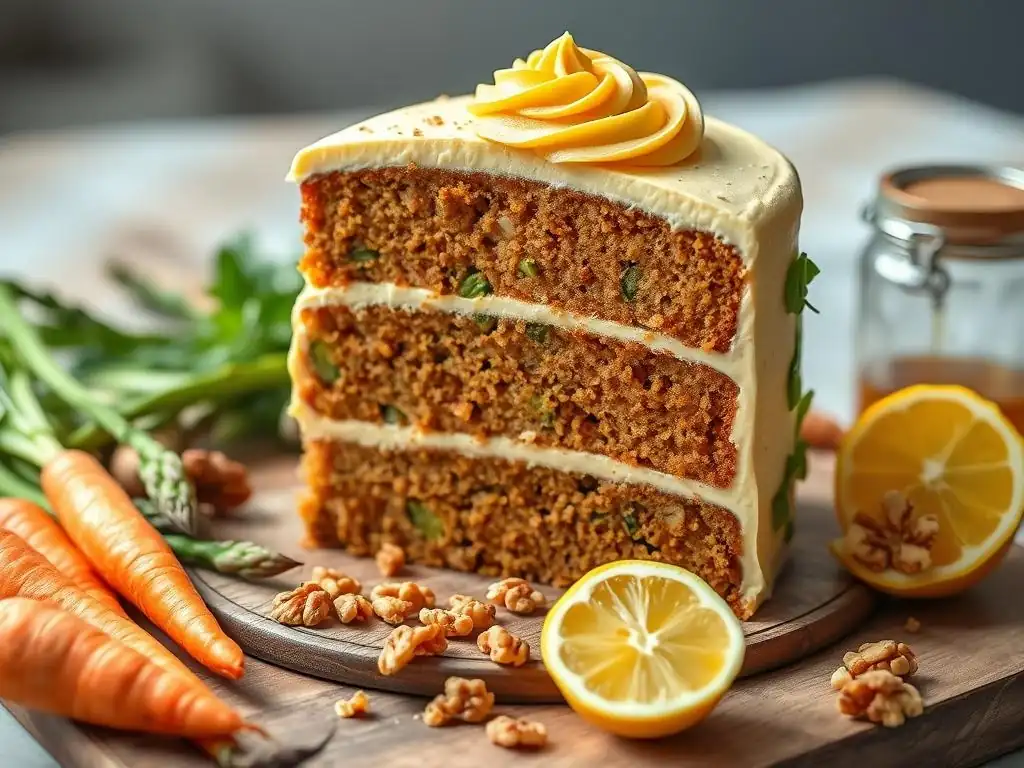
The Spring vegetable carrot cake recipe is arguably the most famous example of vegetable baking, and for good reason. Carrots add natural sweetness, moisture, and a lovely texture to the cake. A standard recipe often calls for 1 to 2 cups of finely grated carrots for a 9x13 inch cake, along with spices like cinnamon, nutmeg, and sometimes ginger. The moisture from the carrots helps prevent the cake from drying out, resulting in a wonderfully tender crumb that pairs perfectly with cream cheese frosting.
While the classic is always a winner, you can add a spring twist by incorporating other seasonal elements. Consider adding a touch of grated parsnip alongside the carrot for an earthier sweetness, or perhaps some finely chopped crystallized ginger for a bit of warmth and spice. You could also experiment with different nuts or seeds, like toasted pecans or pumpkin seeds, to add texture.
For a lighter spring feel, infuse the frosting with lemon zest or a hint of orange blossom water. Even small adjustments to the traditional Spring vegetable carrot cake recipe can create a fresh, seasonal variation that celebrates the bounty of spring.
Root Vegetable Baking Delights
Beetroot Brownies: A Rich and Earthy Treat
Beetroot might seem like an unusual ingredient for brownies, but its earthy sweetness and vibrant color make it a fantastic addition. Pureed cooked beetroot adds incredible moisture and a subtle, almost chocolatey depth of flavor that pairs beautifully with cocoa. Typically, a brownie recipe for an 8x8 inch pan might use about 1/2 cup to 1 cup of smooth beetroot puree. This replaces some of the fat and liquid while contributing that stunning reddish-purple hue.
The key to successful beetroot brownies is ensuring the beetroot is cooked until very tender, then pureed until completely smooth. Roasting the beets before pureeing can enhance their sweetness. When baking, the beetroot helps create a fudgy, dense texture that is highly desirable in a brownie. Pair them with dark chocolate chips and perhaps a touch of orange zest or a sprinkle of flaky sea salt to complement the beetroot's unique flavor profile. These are a delightful and visually striking alternative to standard brownies, proving that root vegetables belong in your dessert repertoire.
Parsnip Cake: Sweet and Spiced Spring Baking
Parsnips, with their sweet and slightly spicy flavor profile, are another underappreciated root vegetable perfect for spring baking. Similar to carrots, grated parsnips add moisture and a unique sweetness to cakes and muffins. A cake recipe using parsnips might call for 1 to 1.5 cups of grated parsnip for a standard loaf or round cake. Their flavor pairs exceptionally well with warm spices like cinnamon, ginger, cardamom, and cloves, much like a Spring vegetable carrot cake recipe.
Parsnip cake tends to have a slightly denser crumb than carrot cake, with a distinctive aroma. It's often enhanced with additions like chopped walnuts, pecans, or dried cranberries. A drizzle of maple glaze or a light cream cheese frosting complements the parsnips' natural sweetness. Baking with parsnips offers a wonderful way to utilize this seasonal root and create a spiced cake that is both comforting and slightly adventurous, moving beyond the familiar flavors of carrot or apple.
Sweet Potato Pie: A Comforting Spring Dessert
While often associated with autumn, sweet potatoes are available year-round and their natural sweetness makes them a perfect fit for spring desserts, particularly pies. A classic sweet potato pie uses mashed or pureed cooked sweet potatoes mixed with eggs, milk or cream, sugar, and spices like cinnamon, nutmeg, and sometimes ginger or allspice. A typical pie filling might use about 1.5 to 2 cups of sweet potato puree for a standard 9-inch pie shell.
Sweet potato pie offers a creamy, smooth texture and a rich flavor that is less dense than pumpkin pie. It's a comforting yet elegant dessert that feels right at home on a spring table. The natural sweetness of the sweet potatoes means you might even be able to slightly reduce the added sugar compared to some fruit pies. Serve it with a dollop of whipped cream or a sprinkle of toasted pecans for added texture. It's a simple, delicious way to enjoy the versatility of sweet potatoes in baking.
Leafy Green Vegetable Baking Surprises
Spinach Cake: Vibrant Green and Surprisingly Delicious
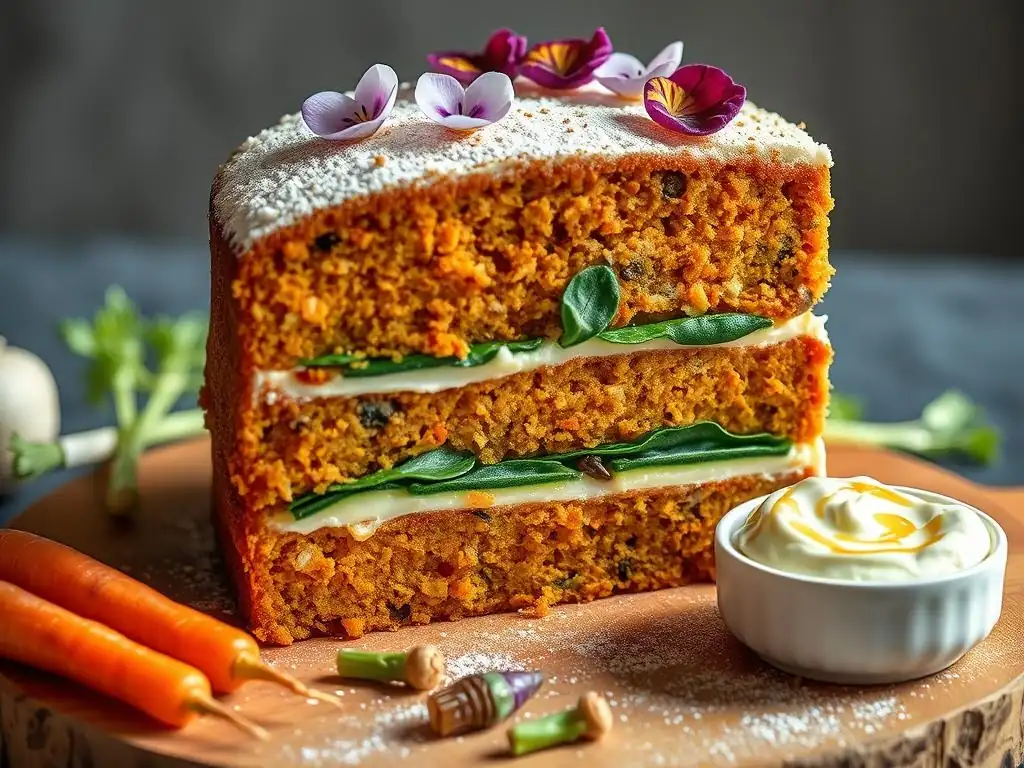
Baking with leafy greens like spinach might sound unconventional, but it's a clever way to add moisture, nutrients, and a surprising vibrant color without a strong vegetable flavor. Cooked and pureed spinach can be incorporated into cake batters, muffins, or even pancakes. For a standard cake or batch of muffins, you might use about 1/2 cup of packed, cooked, and pureed spinach. The mild flavor of spinach is easily masked by sweeter ingredients like sugar, vanilla, or chocolate.
The primary benefit of using spinach in baking is the incredible moisture it adds and the beautiful green hue it imparts naturally. It's often used in "green" themed baked goods or simply as a way to sneak in extra nutrients. A lemon-flavored cake with spinach puree, for example, results in a bright green cake with no discernible spinach taste, only enhanced moisture. It's a fun experiment that proves even leafy greens have a place in sweet baking.
Zucchini Bread: A Spring Baking Staple
Zucchini bread is a quintessential example of using vegetables in baking, and it's especially popular in spring and summer when zucchini is abundant. Grated zucchini adds significant moisture to quick breads, muffins, and even cakes, resulting in an incredibly tender and moist crumb. A standard loaf recipe typically calls for 1 to 2 cups of grated zucchini, often squeezed slightly to remove excess water, though some recipes embrace the extra moisture.
The mild flavor of zucchini makes it a perfect base for various additions like nuts, chocolate chips, or spices like cinnamon and nutmeg. It's a versatile recipe that can be easily adapted. For a springtime twist, consider adding lemon zest, blueberries, or even a touch of fresh mint. Zucchini bread is forgiving, easy to make, and a delicious way to use up a surplus of this versatile spring vegetable.
Kale and Apple Muffins: A Healthy and Flavorful Option
Kale might be known for smoothies and salads, but it can also find its way into baked goods, particularly muffins. When finely chopped or pureed, kale adds moisture and nutrients without overpowering the flavor, especially when paired with fruits like apples. A muffin recipe might use about 1/2 cup of finely chopped kale (stems removed) or kale puree per batch of 12 muffins, combined with grated apple for sweetness and moisture.
The combination of kale and apple creates a muffin that is both healthy and flavorful. The apple's sweetness balances the slight bitterness of the kale, while spices like cinnamon or ginger enhance the overall taste. Adding ingredients like oats, nuts, or seeds can boost texture and nutritional value. Kale and apple muffins are a great option for a wholesome breakfast or snack, demonstrating that even robust greens can be incorporated into delicious baked goods.
Spring Vegetable Baking Recipes: Beyond the Basics
Rhubarb Crumble: A Tart and Sweet Spring Classic
While technically a vegetable (though often used as a fruit), rhubarb is a true harbinger of spring and a beloved ingredient in baking. Its distinct tartness pairs beautifully with sugar and is most famously used in crumbles, pies, and tarts. A typical rhubarb crumble might use 4-6 cups of chopped rhubarb, mixed with sugar, and topped with a buttery streusel topping made from flour, sugar, and butter.
Baking transforms the firm, tart rhubarb stalks into soft, sweet, and slightly tangy pockets of flavor. The contrast between the sharp rhubarb filling and the sweet, crumbly topping is what makes rhubarb crumble a classic. It's simple to prepare and can be enhanced with additions like strawberries (another early spring fruit), orange zest, or a hint of ginger. Served warm with a scoop of vanilla ice cream, it's the perfect celebration of spring's arrival.
Asparagus and Gruyere Tart: Savory Spring Baking
Not all vegetable baking has to be sweet! Asparagus is a prime example of a spring vegetable that shines in savory baked goods, like tarts and quiches. A simple asparagus and Gruyere tart might feature tender-crisp asparagus spears arranged over a layer of rich Gruyere cheese and a creamy egg custard, all baked in a flaky pastry crust. A standard 9 or 10-inch tart might use about 1-1.5 pounds of fresh asparagus.
This savory tart is elegant enough for brunch or a light dinner. The delicate flavor of fresh asparagus pairs wonderfully with the nutty, slightly sharp taste of Gruyere cheese. Other additions like caramelized onions, ham, or other spring vegetables like peas or leeks can also be included. Baking the tart brings out the best in these ingredients, creating a harmonious blend of flavors and textures within a buttery crust.
Spring Pea and Mint Scones: A Refreshing Twist
Fresh spring peas and vibrant mint are a classic pairing that translates beautifully into savory scones. Adding blanched and roughly mashed or whole peas and finely chopped fresh mint to a scone dough creates a unique and refreshing baked good. A batch of 8-12 scones might incorporate about 1/2 cup of peas and 1/4 cup of chopped mint. The moisture from the peas also contributes to a tender scone.
These scones are a delightful departure from traditional sweet varieties. They are perfect served warm with butter, alongside soup or salad, or as part of a springtime tea spread. The sweetness of the peas and the coolness of the mint provide a surprising but welcome flavor combination in a scone. It’s a simple yet effective way to incorporate fresh spring produce into your baking in a savory application.
Tips and Tricks for Successful Vegetable Baking
Preparing Vegetables for Baking: Roasting, Pureeing, and Grating
Proper vegetable preparation is key to successful vegetable baking. The method depends on the vegetable and the desired outcome.
- Grating: Carrots, zucchini, parsnips, and sometimes beets are often grated. For vegetables like zucchini, you might need to squeeze out excess moisture, especially if the recipe doesn't account for it, to prevent a soggy result. Aim for a consistent grate size.
- Pureeing: Cooked root vegetables (beets, sweet potato, pumpkin) or greens (spinach, kale) are often pureed until smooth. Ensure the vegetables are cooked until very tender before blending for the smoothest texture. Roasting root vegetables before pureeing can concentrate their sweetness.
- Chopping/Dicing: Larger pieces are used in savory bakes like tarts or quiches (asparagus, peas, leeks) or in some sweet bakes like rhubarb crumble. Ensure pieces are relatively uniform in size for even cooking.
Using the correct preparation method ensures the vegetable integrates well into the batter or dough, distributing moisture and flavor evenly. For instance, finely grated carrots are essential for the classic moist texture in a Spring vegetable carrot cake recipe.
- Select fresh, seasonal vegetables.
- Wash and peel vegetables as required.
- Choose the appropriate preparation method (grate, puree, chop).
- Cook vegetables until tender if pureeing or using in savory bakes.
- Manage moisture content as needed (e.g., squeezing grated zucchini).
- Measure prepared vegetables accurately according to the recipe.
Balancing Flavors: Pairing Vegetables with Spices and Sweeteners
Balancing the natural flavors of vegetables with other ingredients is crucial in baking. Sweet vegetables like carrots, sweet potatoes, or parsnips pair wonderfully with warm spices such as cinnamon, nutmeg, ginger, and cloves. These spices enhance the vegetable's sweetness and add complexity, as seen in a Spring vegetable carrot cake recipe.
Less sweet or more earthy vegetables benefit from different pairings:
- Beets pair well with chocolate, citrus (orange), and sometimes ginger or cardamom.
- Zucchini is quite neutral and works with almost anything – chocolate, nuts, berries, lemon, or spices.
- Leafy greens like spinach are often paired with vanilla, lemon, or even chocolate to mask their flavor, relying on other ingredients for sweetness.
- Savory vegetables like asparagus, peas, or leeks are best paired with herbs (mint, dill, chives), cheeses (Gruyere, cheddar, feta), and sometimes garlic or onion.
Consider the vegetable's inherent flavor profile and choose spices, sweeteners (sugar, maple syrup, honey), and other additions that complement it. A touch of acidity (lemon juice, buttermilk) can also brighten flavors.
"Think of vegetables not just as adding bulk or moisture, but as contributors to the overall flavor profile. A hint of ginger can elevate the sweetness of parsnip, just as a sprinkle of sea salt can enhance the richness of beetroot and chocolate."
Adjusting Recipes: Adapting Existing Recipes for Vegetable Additions
Adapting existing recipes to include vegetables requires a little understanding of how vegetables affect batter consistency and baking time. When adding grated or pureed vegetables, you are adding moisture and sometimes bulk.
- Moisture: If adding a very moist vegetable like zucchini or pumpkin puree to a standard cake or muffin recipe, you might need to slightly reduce the amount of liquid (milk, oil, butter) called for. Start by reducing by 1/4 to 1/3 cup and adjust based on batter consistency. A good batter consistency should be thick but pourable (for cakes/muffins) or scoopable (for muffins/cookies).
- Bulk: Vegetables add volume. Ensure your pan size is adequate, as the batter volume will increase.
- Baking Time: Due to the added moisture, vegetable baked goods sometimes require a slightly longer baking time. Check for doneness using a skewer inserted into the center – it should come out clean or with a few moist crumbs (depending on the type of bake). Baking temperature usually remains the same.
Experimentation is key! Start with recipes specifically designed for vegetables (like a Spring vegetable carrot cake recipe or zucchini bread), then try adapting others with small amounts of finely prepared vegetables, observing how the batter and final product change. Keep notes on your adjustments for future reference.
Spring Vegetable Baking: Recipe Variations
Gluten-Free Spring Vegetable Baking Options
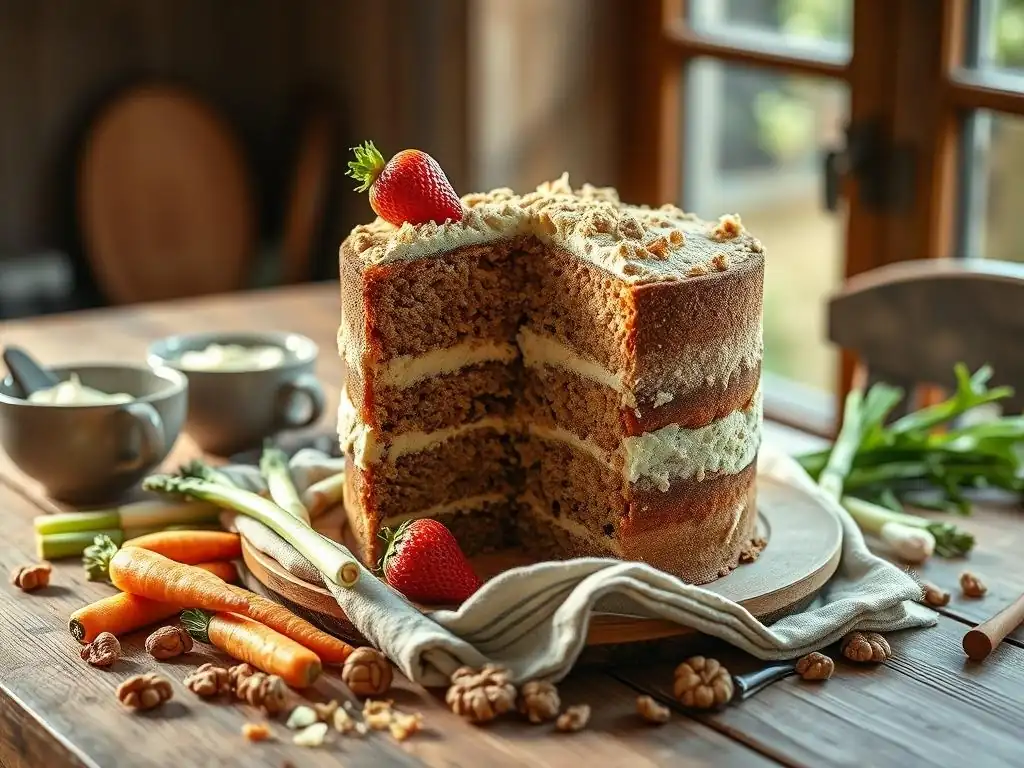
Adapting spring vegetable baking recipes to be gluten-free is very achievable, as many vegetables naturally complement gluten-free flours. Replacing wheat flour with a good quality gluten-free all-purpose blend is often the first step. These blends typically contain a mix of rice flour, potato starch, tapioca starch, and sometimes xanthan gum to provide structure. For recipes like a Spring vegetable carrot cake recipe, a 1:1 gluten-free blend often works well.
Vegetables like grated carrots, zucchini, or pureed sweet potato add moisture and binding properties, which can be particularly helpful in gluten-free baking where dryness can be an issue. Consider using alternative flours like almond flour or oat flour (certified gluten-free) which can add flavor and texture, pairing nicely with the earthy notes of vegetables. For savory tarts, use a gluten-free pastry dough or a crust made from nuts or seeds. Always ensure leavening agents (baking powder, baking soda) are also gluten-free.
Vegan Spring Vegetable Baking Recipes
Creating vegan versions of spring vegetable baked goods involves substituting animal products like eggs, dairy milk, and butter. Vegetables themselves are naturally vegan, making them excellent candidates for this adaptation.
- Eggs: In vegetable baking, eggs often provide structure and moisture. Flax eggs (1 tbsp flax meal + 3 tbsp water, rested), applesauce, mashed banana, or commercial egg replacers can work. The moisture from the vegetables (like in a Spring vegetable carrot cake recipe) also helps compensate for the lack of eggs.
- Dairy Milk: Easily replaced with plant-based milks like almond, soy, oat, or coconut milk.
- Butter: Solid fats like vegan butter sticks, coconut oil, or vegetable oil can replace butter. For richness and moisture, consider using vegetable purees or applesauce to reduce the amount of oil needed.
Many spring vegetable recipes, like zucchini bread or sweet potato pie, adapt beautifully to vegan substitutions. For creamy fillings in pies or tarts, silken tofu, coconut cream, or cashew cream can be used as a base alongside vegetable purees.
Low-Sugar Spring Vegetable Baking Ideas
Many spring vegetables possess natural sweetness, allowing for a reduction in added sugars in baking recipes. Carrots, sweet potatoes, parsnips, and beets are particularly useful for this. When developing or adapting recipes, consider relying more on the inherent sweetness of these vegetables. For example, a Spring vegetable carrot cake recipe can often have its sugar content reduced by 20-30% without compromising flavor or texture, especially if using naturally sweet varieties of carrots.
You can also enhance the perception of sweetness and flavor using spices like cinnamon, nutmeg, cardamom, or vanilla extract, which add warmth and depth without sugar. Incorporating fruits like applesauce or mashed banana (in small quantities, as they also add moisture) can also contribute natural sweetness. For low-sugar options, consider using alternative sweeteners, but be mindful that these can sometimes affect texture. Focusing on recipes where the vegetable is the star, like a sweet potato pie with minimal added sugar, is a great approach.
Conclusion: Enjoying the Flavors of Spring in Your Baking
Expand Your Baking Repertoire with Spring Vegetables
Incorporating spring vegetables into your baking is a rewarding way to add freshness, unique flavors, and beautiful colors to your creations. From moist and tender cakes enhanced by grated carrots or zucchini, to earthy and rich brownies made with beets, or savory tarts featuring asparagus and peas, the possibilities are vast. Moving beyond the familiar Spring vegetable carrot cake recipe opens up a world of culinary exploration.
Embracing seasonal produce like rhubarb, parsnips, spinach, and sweet potatoes challenges you to experiment with new flavor combinations and techniques. It's an opportunity to learn how different vegetables behave when baked, how they contribute moisture and texture, and how best to pair them with spices, sweeteners, or savory ingredients. This approach not only makes your baking more interesting but also allows you to enjoy the peak flavors of the season.
We love seeing what you create in your kitchens! Spring is a time for renewal and creativity, and your spring vegetable baking adventures are sure to inspire others. Whether you've perfected a classic Spring vegetable carrot cake recipe, experimented with beetroot brownies, or invented a new savory scone featuring seasonal greens, your experiences are valuable.
Share your successes, your experiments, and even your learning moments. Did you find a clever way to use radish greens? Did your parsnip cake turn out exceptionally moist? What's your favorite twist on a Spring vegetable carrot cake recipe? Join the conversation on BakeWithEase.com and connect with fellow baking enthusiasts who are also exploring the delightful world of baking with spring vegetables. Let's celebrate the flavors of the season together!
Frequently Asked Questions
What other vegetables besides carrots can be used in baking, according to BakeWithEase?
BakeWithEase encourages experimentation! Other vegetables like zucchini, sweet potatoes, and even beets can add moisture and unique flavor profiles to baked goods.
Does BakeWithEase offer recipes for specific skill levels?
Yes, BakeWithEase caters to all bakers. They provide step-by-step guides and recipes suitable for beginners, as well as more complex techniques for those perfecting their sourdough.
Where can I find the Spring Vegetable Carrot Cake recipe mentioned on BakeWithEase?
The "Beyond Carrot: Creative Spring Vegetable Baking Ideas" article on BakeWithEase likely includes a Spring Vegetable Carrot Cake recipe, or provides a link to it. Search the site for "carrot cake" to find it.
Does BakeWithEase only focus on sweet baking recipes?
No, BakeWithEase covers a wide range of baking, including both sweet and savory options. They offer recipes for pastries, breads, cakes, cookies, and more.
What kind of resources does BakeWithEase provide for bakers?
BakeWithEase provides simple recipes, easy-to-follow techniques, and helpful tips to assist bakers of all levels in mastering the art of baking.
Final Reflection: Beyond the Carrot: A Springtime Awakening
The vibrant hues and fresh flavors of spring vegetables offer so much more than just a simple side dish; they represent a culinary canvas ripe for exploration. This article has explored the exciting possibilities of incorporating these seasonal ingredients into beloved baked goods, moving beyond the familiar carrot cake to embrace a wider spectrum of springtime delights. The recipes presented are not just about taste; they are about celebrating the season and embracing creativity in the kitchen.
The shift towards incorporating more seasonal produce into our baking reflects a growing awareness of sustainability and a desire to connect more deeply with nature's rhythms. This isn't just a trend; it's a movement towards mindful eating and a celebration of the bounty available to us. The earth laughs in flowers.
– Ralph Waldo Emerson. This quote perfectly encapsulates the joy and vibrancy that spring vegetables bring to our baking, transforming simple recipes into expressions of the season's beauty. My own journey in developing these recipes has been one of discovery, highlighting the surprising versatility of ingredients often overlooked.
Now, I invite you to step beyond the familiar and embrace the possibilities. Experiment with the recipes presented, adapt them to your own tastes, and most importantly, let your creativity bloom. Don't be afraid to try new combinations, to explore the unique flavors of each spring vegetable, and to create your own signature springtime baked masterpiece. The kitchen is your canvas; let the vibrant colors and tastes of spring inspire your next culinary adventure.
Unleash Your Inner Spring Baker!
Thanks for exploring the vibrant world of spring vegetable baking with us! We hope you’ve discovered some delicious new ideas to brighten up your baking repertoire. Ready to get creative in the kitchen?
- Bake your favorite spring vegetable recipe today! Let us know how it turns out – we'd love to see your creations!
- Share this article with fellow baking enthusiasts – inspire them to try something new!
- Explore our other seasonal recipes for even more tasty inspiration. Which spring vegetable are you most excited to bake with?
Ready to transform your kitchen into a spring garden of deliciousness? What innovative spring vegetable baking adventure will you embark on next?