
Eccles Cakes: Flaky Pastry and Currant Filling Perfection

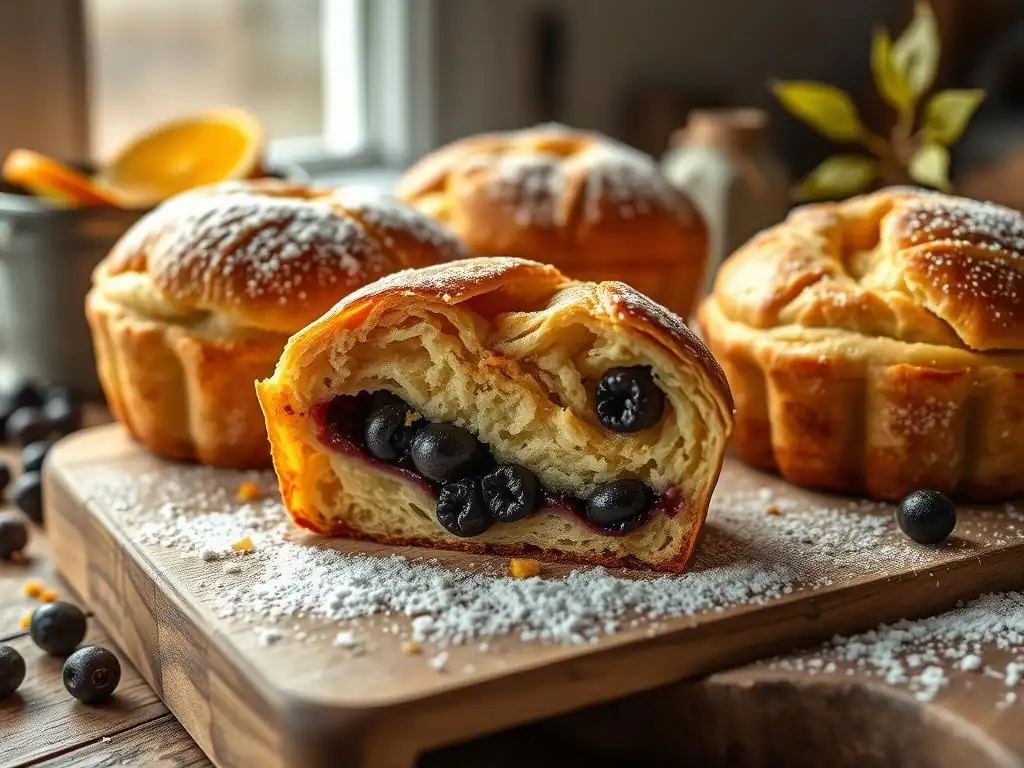
Welcome to BakeWithEase, your trusted guide to unlocking the joy of baking! Ever dreamt of creating those irresistibly flaky, fruit-filled treats you see in bakeries? Wonder no more! This week, we're diving into the delicious world of regional baking with a special focus on a British classic. Discover our easy Eccles cake recipe and prepare to be amazed at how simple it is to create these perfectly imperfect delights in your own kitchen. What's the secret to that signature flaky crust and the burst of currant sweetness? Read on to find out!
- BakeWithEase Presents: Mastering the Eccles Cake
- What are Eccles Cakes? A Flaky Pastry Delight
- Easy Eccles Cake Recipe: Bake Your Own at Home
- Tips for the Best Eccles Cakes: BakeWithEase's Secrets
- Variations on the Classic Eccles Cake Recipe
- Serving and Storing Your Homemade Eccles Cakes
- Troubleshooting Your Eccles Cakes: Common Issues and Solutions
- Enjoying Your Homemade Eccles Cakes: A Taste of Britain
- Frequently Asked Questions
- Final Reflection: The Enduring Allure of the Humble Eccles Cake
- Unleash Your Inner Baker: Bake Eccles Cakes Today!
BakeWithEase Presents: Mastering the Eccles Cake
Eccles cakes, a beloved British pastry, are a delightful combination of flaky, buttery puff pastry and a sweet, spiced currant filling. Often enjoyed with a cup of tea or coffee, these oval-shaped treats are a staple in bakeries across the UK and have gained popularity worldwide. Their simplicity in ingredients belies the wonderful texture and flavor they deliver.
At BakeWithEase, we believe that even the most traditional recipes can be approached with ease. This article will guide you through understanding what makes Eccles cakes special, their rich history, and provide an easy Eccles cake recipe so you can bake these perfect pastries right in your own kitchen. Get ready to impress your friends and family with a taste of authentic British baking!
A Deep Dive into British Baking Favorites
British baking boasts a rich tapestry of regional specialties, each with its own unique history and charm. From the dense fruitiness of a Dundee cake to the crumbly delight of a scone, these treats often tell a story of local ingredients, historical events, or simple, comforting traditions passed down through generations. Eccles cakes fit perfectly into this category, representing a specific corner of England with a history intertwined with trade and local produce.
Exploring these regional favorites like the Eccles cake offers a window into the culinary heritage of the British Isles. Many of these recipes, including an easy Eccles cake recipe, rely on fundamental baking techniques and readily available ingredients, making them accessible for home bakers eager to try something new. Understanding their context enhances the baking experience, turning a simple recipe into a journey through history and culture.
What are Eccles Cakes? A Flaky Pastry Delight
Eccles cakes are small, round or oval pastries filled with currants and often spiced with nutmeg and lemon zest. They are typically made with puff pastry, which is rolled out thinly, filled, folded, and then baked until golden and flaky. Before baking, the tops are usually scored with a knife to allow steam to escape and often sprinkled with sugar for a sweet, slightly crunchy finish.
The defining characteristics of an Eccles cake are the contrast between the crisp, flaky pastry and the moist, chewy, sweet filling. Unlike some fruit tarts, the filling is contained entirely within the pastry casing. This structure makes them portable and perfect for enjoying on the go, a tradition that likely contributed to their enduring popularity.
History and Origins of the Eccles Cake
The Eccles cake originates from the town of Eccles, near Manchester in Lancashire, England. Historical records suggest the cake has been associated with the town for centuries, with mentions dating back to the 1700s. They were traditionally sold at fairs and markets, becoming a popular local delicacy enjoyed by residents and travelers alike.
While the exact origin story is debated, one popular tale involves a baker named James Birch, who is often credited with first selling them commercially in Eccles in the late 18th century. The use of currants and spices likely reflects the availability of imported goods via nearby ports and trade routes, combined with local baking traditions. The recipe, though simple, has remained largely unchanged for generations, a testament to its enduring appeal.
Eccles Cakes: The Signature Currant Filling
The heart of an Eccles cake is its distinctive filling. Traditionally, this filling is made primarily from currants, specifically Zante currants, which are small, sweet, and slightly tangy dried grapes. These are often mixed with sugar, butter, and spices, most commonly nutmeg and sometimes mixed spice or cinnamon. A touch of lemon zest is frequently added to provide a bright, contrasting note to the sweetness.
The filling is cooked briefly before being enclosed in the pastry. This process helps to soften the currants and meld the flavors. The ratio of ingredients is crucial; too many currants can make the filling dry, while too little spice can result in a bland taste. The ideal filling is rich, fruity, and aromatic, perfectly complementing the buttery layers of the flaky pastry.
Easy Eccles Cake Recipe: Bake Your Own at Home
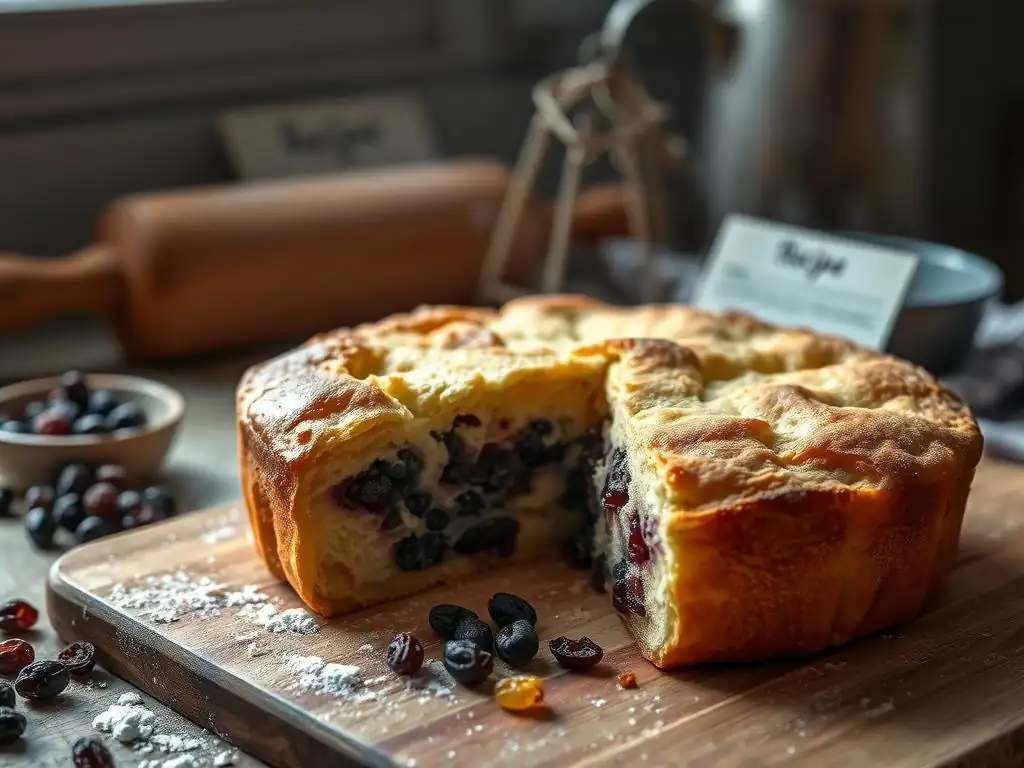
Ready to try your hand at making these British classics? This easy Eccles cake recipe simplifies the process, allowing you to achieve delicious results without needing advanced baking skills. We'll guide you through preparing both the pastry (using a shortcut if you prefer) and the flavorful currant filling.
Making homemade Eccles cakes is incredibly rewarding. The aroma that fills your kitchen as they bake is simply wonderful. Follow these steps closely, and you'll soon be enjoying warm, flaky Eccles cakes fresh from your oven.
Ingredients for Perfect Eccles Cakes
Gathering the right ingredients is the first step to success with any baking project, including this simple Eccles cake recipe. Quality ingredients will make a noticeable difference in the final taste and texture of your pastries. Pay particular attention to the type of butter and dried fruit you use.
Below is a breakdown of the ingredients you'll need for both the pastry and the signature currant filling. Quantities are provided for a standard batch, typically yielding 6-8 cakes, but can be scaled up or down as needed.
Pastry Ingredients: Achieving Flaky Perfection
For the classic flaky texture of an Eccles cake, puff pastry is key. While making puff pastry from scratch is an option, using good quality store-bought puff pastry is a perfectly acceptable and much easier alternative for a simple Eccles cake recipe. Look for all-butter puff pastry for the best flavor.
You will need approximately 320g to 375g (around 1 sheet) of ready-rolled puff pastry. If using a block, you'll need about 250g of butter and 250g of plain flour, plus cold water and a pinch of salt, following a standard rough puff or quick puff pastry method. For this easy Eccles cake recipe, we'll assume using ready-rolled pastry for simplicity.
Currant Filling Ingredients: Sweet and Spicy Goodness
The filling requires just a few simple ingredients to create that iconic sweet and spiced flavor. The quality of the currants is important – plump, moist ones are best.
You will need:
- 100g currants (Zante currants preferred)
- 50g unsalted butter, melted
- 50g soft brown sugar (light or dark)
- 1/4 teaspoon ground nutmeg
- Pinch of mixed spice (optional, about 1/8 teaspoon)
- Zest of half a lemon
- 1-2 tablespoons of water or brandy (optional, for moisture and flavor)
These quantities are designed to create a filling that is generous but won't overflow during baking, ensuring your easy Eccles cake recipe yields perfect results.
Step-by-Step Guide to Baking Eccles Cakes
Baking Eccles cakes is a straightforward process once you break it down into manageable steps. This guide is tailored for an easy Eccles cake recipe, making it accessible for bakers of all levels. We'll cover preparing the dough, making the filling, assembling the cakes, and finally, baking them to golden perfection.
Follow these steps carefully, and you'll be enjoying your homemade Eccles cakes in no time. Remember that precision in baking, especially with pastry, often leads to the best results.
Preparing the Flaky Pastry Dough: A Baker's Secret
If you are using ready-rolled puff pastry, preparing the dough is simple. Just unroll it carefully onto a lightly floured surface. Ensure it is cold, as cold pastry is easier to work with and essential for achieving flaky layers. You may need to roll it out slightly thinner if it seems too thick, aiming for about 3mm in thickness.
If you're making rough puff or quick puff from scratch for your easy Eccles cake recipe, the secret is to keep everything cold – the butter, the water, and even the flour. The butter should be cut into small cubes or grated and mixed lightly into the flour before adding just enough cold water to bring it together. The dough is then folded and rolled multiple times, with chilling periods in between, to create the distinct layers. Chilling the dough for at least 30 minutes before rolling is crucial.
Making the Currant Filling: Infusing Flavor
Making the currant filling is perhaps the easiest part of this easy Eccles cake recipe. In a small bowl, combine the currants, melted butter, soft brown sugar, nutmeg, mixed spice (if using), and lemon zest. Stir everything together until well combined.
If the mixture seems a little dry, especially if your currants aren't very plump, you can add a tablespoon or two of water or brandy. This adds a touch more moisture and can enhance the flavor. Let the mixture sit for about 10-15 minutes while you prepare the pastry; this allows the flavors to meld and the currants to absorb some of the liquid.
Assembling the Eccles Cakes: Shaping the Pastries
To assemble your Eccles cakes, first, cut the rolled-out puff pastry into squares. A typical size might be around 10-12cm (about 4-5 inches). The number of squares you get will depend on the size of your pastry sheet and the desired size of your cakes, but you should aim for 6-8 squares.
Place a generous spoonful (about 1.5 to 2 tablespoons) of the currant filling in the center of each pastry square. Moisten the edges of the pastry with a little water. Bring the four corners of the square up to meet in the center over the filling, pinching the edges firmly together to seal the pastry completely, forming a rough ball or slightly flattened shape. Turn the cake over so the seam is underneath, then gently flatten and shape it into an oval or round disc, about 1cm thick.
Baking to Golden Perfection: Time and Temperature
Preheat your oven to a relatively high temperature, typically around 200°C (180°C fan/Gas Mark 6). This high heat helps the puff pastry to rise quickly and create those beautiful flaky layers. While the oven heats, place the assembled Eccles cakes seam-side down on a baking sheet lined with parchment paper.
Before baking, score the tops of each cake with a sharp knife, making 3-4 parallel slits. This allows steam to escape during baking and prevents the cakes from bursting. Lightly brush the tops with milk or a beaten egg (optional, for shine) and sprinkle generously with granulated or caster sugar. Bake for 18-20 minutes, or until the pastry is puffed, golden brown, and looks crisp. Baking time can vary slightly depending on your oven, so keep an eye on them.
Tips for the Best Eccles Cakes: BakeWithEase's Secrets
Achieving truly perfect Eccles cakes goes beyond just following the steps of an easy Eccles cake recipe. A few insider tips can elevate your baking from good to spectacular. These secrets focus on optimizing texture, flavor, and appearance, ensuring each bite is exactly what you expect from a classic Eccles cake.
From handling the pastry correctly to tweaking the filling, these tips are designed to help you master this British favorite. Incorporating these small techniques can make a big difference in the final result of your homemade Eccles cakes.
Achieving the Perfect Flaky Texture
The flakiness of the pastry is paramount in an Eccles cake. The key to achieving this lies in keeping the pastry cold and handling it as little as possible. When rolling and shaping, work quickly to prevent the butter from melting into the dough before it hits the hot oven.
Ensure your oven is fully preheated to the correct temperature before baking. The sudden heat causes the water in the butter layers to turn to steam, separating the layers of dough and creating the characteristic puff. Avoid opening the oven door unnecessarily during the first 10-15 minutes of baking, as this can cause the temperature to drop and the pastry to deflate.
Enhancing the Currant Filling Flavor
While the basic filling is simple, you can enhance its depth of flavor. Toasting the currants lightly in a dry pan for a minute or two before adding them to the butter and sugar mixture can bring out their natural sweetness. Ensure they don't burn.
Consider adding a tiny pinch of black pepper to the filling – a traditional, though perhaps surprising, addition that adds a subtle warmth and complexity without being overtly peppery. Using dark brown sugar instead of light brown can also add a richer, slightly more treacly note to the filling.
Preventing Soggy Bottoms: Baking Techniques
A common issue with filled pastries is a soggy bottom. To prevent this with your easy Eccles cake recipe, ensure your oven rack is placed in the lower third of the oven. This positioning allows the bottom of the cakes to receive more direct heat, helping to crisp up the base.
Baking on a preheated baking stone or steel can also help transfer heat quickly and evenly to the bottom of the pastries. If you don't have one, ensure your baking sheet is not overly crowded, allowing hot air to circulate freely around each cake. Ensure the filling isn't excessively wet before enclosing it in the pastry.
Shaping Techniques for Beautiful Eccles Cakes
While the traditional shape is often oval, consistency in size and shape makes for even baking and a visually appealing batch. After sealing and turning the cakes seam-side down, gently flatten them using the palm of your hand or a rolling pin to achieve a uniform thickness of about 1cm.
Use a sharp knife or razor blade to make the scores on top. Clean, decisive cuts are best. Don't cut too deep, just through the top layer of pastry. Applying a light egg wash (one egg yolk mixed with a tablespoon of milk) instead of just milk before sugaring can give the tops a lovely golden sheen after baking.
Variations on the Classic Eccles Cake Recipe
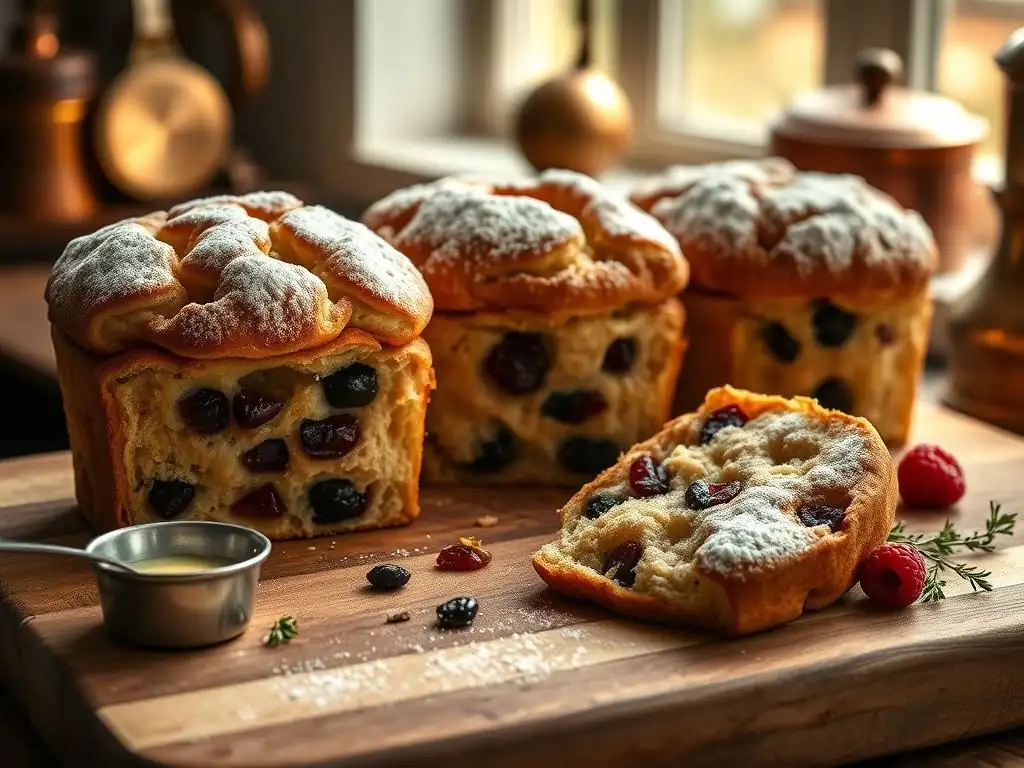
While the traditional Eccles cake is a classic for a reason, feel free to experiment once you've mastered the basic easy Eccles cake recipe. Small variations in the filling can offer delightful new flavor profiles while still maintaining the core concept of a fruit-filled pastry.
These variations allow you to personalize your batch and cater to different tastes. They are simple modifications that don't require significantly altering the fundamental techniques of making Eccles cakes.
Adding Citrus Zest for a Zesty Twist
Beyond the traditional lemon zest, consider adding orange zest to the currant filling. Orange zest pairs beautifully with currants and spices, adding a sweeter, more aromatic citrus note compared to the brighter tang of lemon.
You could use a mix of lemon and orange zest for a more complex citrus profile. Ensure you only use the colored part of the peel, avoiding the bitter white pith. Approximately half a teaspoon of extra zest can make a noticeable difference in the filling's aroma and taste.
Using Different Dried Fruits in the Filling
While currants are classic, substituting or adding other dried fruits can create delicious alternatives. Raisins, sultanas, chopped dried apricots, or even dried cranberries can be used. A popular variation includes mixed dried fruit, often found in fruitcake mixes.
If using larger dried fruits like apricots or cranberries, chop them finely so they distribute evenly within the filling and don't poke through the pastry. You might need to adjust the amount slightly depending on the sweetness and moisture of the alternative fruit. A mix of currants and raisins (e.g., 50g of each) works very well.
Experimenting with Spices: A Flavor Adventure
The traditional spices are nutmeg and sometimes mixed spice. However, you can experiment with other warm spices. A pinch of ground ginger can add a lovely warmth, especially if using apricots or cranberries. Cinnamon is another common addition that pairs well with most dried fruits.
Consider adding a tiny amount of ground cloves or cardamom for a more exotic flavor. Start with just a small pinch, as these spices can be quite potent. The goal is to complement the fruit and sugar, not overpower them.
Serving and Storing Your Homemade Eccles Cakes
Once your homemade Eccles cakes are baked to golden perfection, the best part is enjoying them! They are wonderful warm or at room temperature. Proper serving and storage will ensure you get the most enjoyment from your batch.
Knowing how to best serve and store your easy Eccles cake recipe creations will help you savor them over several days or prepare them ahead of time for guests.
Serving Suggestions: Complementing the Flavor
Eccles cakes are traditionally enjoyed on their own, perhaps dusted with a little extra sugar. They are perfect alongside a cup of tea or coffee, making them an ideal mid-morning or afternoon treat.
For a more indulgent dessert, they can be served warm with a dollop of clotted cream, a scoop of vanilla ice cream, or a drizzle of custard. The warm, flaky pastry and sweet filling contrast beautifully with the cool, creamy accompaniment.
Storing Eccles Cakes for Maximum Freshness
To keep your Eccles cakes fresh and flaky, store them in an airtight container at room temperature. They will typically stay fresh for 2-3 days. Avoid refrigerating them, as this can make the pastry lose its crispness.
If you want to store them for longer, they freeze well. Once baked and cooled completely, place them in a single layer in an airtight container or freezer bag. They can be frozen for up to 2-3 months. To reheat from frozen, bake them in a preheated oven at 180°C (160°C fan/Gas Mark 4) for about 10-15 minutes, or until heated through and the pastry is crisp again.
Troubleshooting Your Eccles Cakes: Common Issues and Solutions
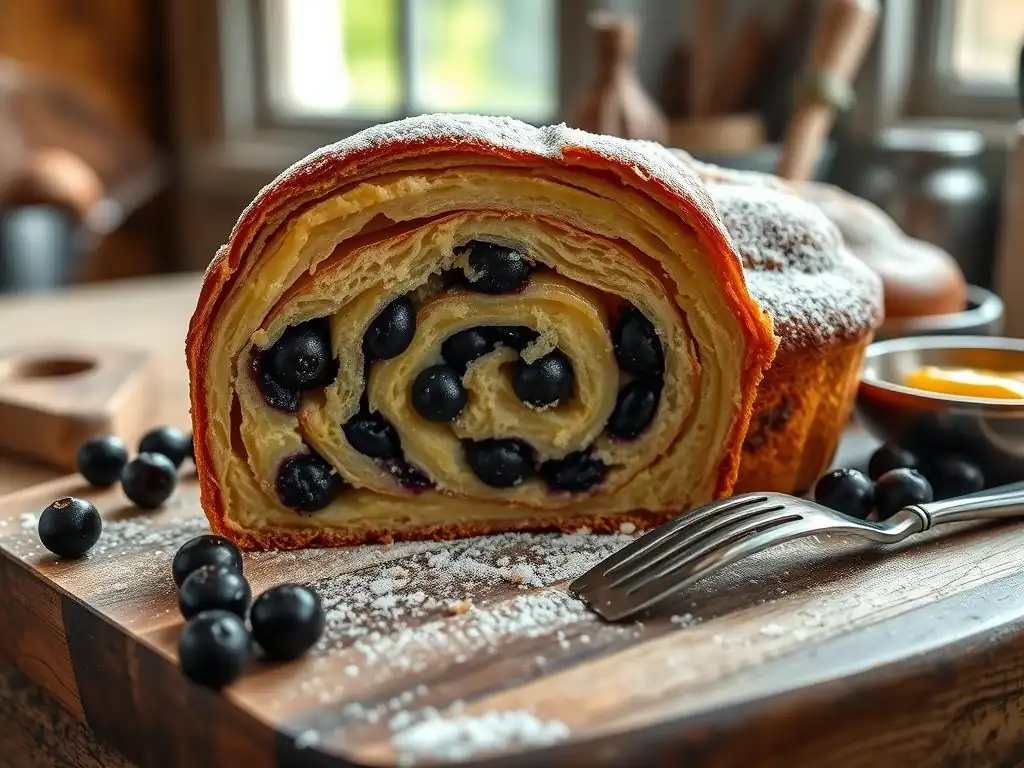
Even with an easy Eccles cake recipe, sometimes things don't go exactly as planned. Don't worry, many common issues have simple solutions. Identifying the problem is the first step to fixing it.
Here are some typical challenges you might encounter when baking Eccles cakes and how to address them in future batches.
Pastry Dough Too Dry or Too Wet
If your pastry dough is too dry, it will be crumbly and difficult to roll without cracking. This usually means you didn't add enough liquid (cold water) when initially mixing the dough. Solution: Next time, add water gradually, just until the dough comes together. If you can salvage the current dough, try sprinkling a tiny bit more cold water and gently kneading it in, but avoid overworking the dough.
If the pastry dough is too wet, it will be sticky and hard to handle. This means too much liquid was added. Solution: Gently knead in a tiny bit more flour. For future batches, add liquid sparingly. If using ready-rolled pastry that seems too soft, it might be too warm; chill it thoroughly before use.
Filling Leaking During Baking
Leaking filling is often caused by inadequate sealing of the pastry edges or overfilling the cakes. If the seal isn't tight, the melting sugar and butter can bubble out. Solution: Ensure you firmly pinch the edges of the pastry together after folding them over the filling. Turning the cake seam-side down helps reinforce the seal. Also, avoid putting too much filling in each cake; about 1.5 to 2 tablespoons for a 10-12cm square is usually sufficient.
Another cause can be scoring the tops too deeply, cutting through the bottom layer of pastry. Solution: Only score the top layer of pastry with shallow cuts.
Eccles Cakes Not Baking Evenly
Uneven baking can result in some cakes being perfectly golden while others are pale or overcooked. This is often due to hot spots in your oven or crowding the baking sheet. Solution: Rotate your baking sheet halfway through the baking time (e.g., after 9-10 minutes).
Ensure there is enough space between each Eccles cake on the baking sheet to allow hot air to circulate evenly around them. Avoid placing the baking sheet too close to the top or bottom heating elements unless specified by the recipe for a particular reason (like preventing soggy bottoms).
Enjoying Your Homemade Eccles Cakes: A Taste of Britain
Baking Eccles cakes at home is a rewarding experience, bringing a piece of traditional British baking into your kitchen. This easy Eccles cake recipe provides a fantastic starting point for anyone wanting to try these delightful pastries. The combination of crisp, flaky pastry and sweet, spiced currant filling is simply irresistible.
Whether you enjoy them warm from the oven or saved for a tea-time treat, your homemade Eccles cakes are sure to be a hit. They are a testament to how simple ingredients and techniques can create something truly delicious and comforting. So, gather your ingredients, follow our guide, and enjoy the process of baking and savoring these classic British favorites!
Frequently Asked Questions
What makes this Eccles cake recipe "easy"?
This recipe focuses on simplified techniques and readily available ingredients. We provide clear, step-by-step instructions suitable for bakers of all skill levels.
Can I substitute any ingredients in the Eccles cake recipe?
While we recommend following the recipe for best results, you can substitute the currants with other dried fruits like raisins or sultanas. However, be mindful of any potential flavor changes.
What kind of pastry is best for Eccles cakes?
Traditionally, Eccles cakes use flaky puff pastry. Our recipe provides instructions for making your own, but store-bought puff pastry can also be used for convenience.
How do I prevent my Eccles cakes from bursting while baking?
Be sure to score the top of each cake before baking. This allows steam to escape and prevents the pastry from splitting open during the baking process.
How should I store leftover Eccles cakes?
Leftover Eccles cakes should be stored in an airtight container at room temperature. They are best enjoyed within 2-3 days to maintain their flaky texture.
Final Reflection: The Enduring Allure of the Humble Eccles Cake
The seemingly simple Eccles cake, with its delicate pastry and sweet currant filling, holds a surprising power to connect us to tradition and bring joy to the kitchen. Its enduring popularity, readily apparent in countless online searches for "easy Eccles cake recipe," speaks volumes about our desire for comforting, handcrafted treats in a fast-paced world. The ease of making them, coupled with the undeniable deliciousness, ensures their continued relevance in modern baking.
The journey of creating these little pastries, from the initial chilling of the dough to the satisfying golden-brown bake, is a meditative process. It's a reminder to slow down and appreciate the simple pleasures in life. The best things in life are simple,
a sentiment perfectly encapsulated by the humble Eccles cake. Its enduring appeal transcends generations, a testament to the power of quality ingredients and a time-honored recipe. The subtle variations in technique and ingredient choices found across different recipes only serve to highlight the cake's adaptability and enduring charm.
Now, I invite you to roll up your sleeves, gather your ingredients, and embark on your own Eccles cake adventure. Don't be intimidated by the seemingly intricate pastry; the process is rewarding, and the results are undeniably delicious. Let the aroma of warm spices and sweet currants fill your kitchen, and share the joy of these little pockets of perfection with friends and family. The experience, like the cake itself, is a testament to the enduring power of simple pleasures and the magic found in the heart of the home kitchen.
Unleash Your Inner Baker: Bake Eccles Cakes Today!
Thanks for joining us on this delicious journey into the world of Eccles cakes! We hope you've gained a newfound appreciation for this classic treat and are ready to tackle the recipe. Now it's time to put your newfound knowledge to the test.
- Bake a batch of Eccles cakes: This is your chance to experience the incredible flaky pastry and sweet currant filling firsthand. Follow our recipe, and don't be afraid to experiment!
- Share your baking journey: Snap a picture of your delicious creations and share them on social media using #BakeWithEaseEccles. Let's inspire each other!
- Explore other BakeWithEase recipes: Discover more delightful treats and expand your baking repertoire with our extensive collection of easy-to-follow recipes.
Ready to create your own perfect Eccles cake? What unique twist will you add to the classic recipe?