
The Most Loved British Bakes (And How to Make Them)

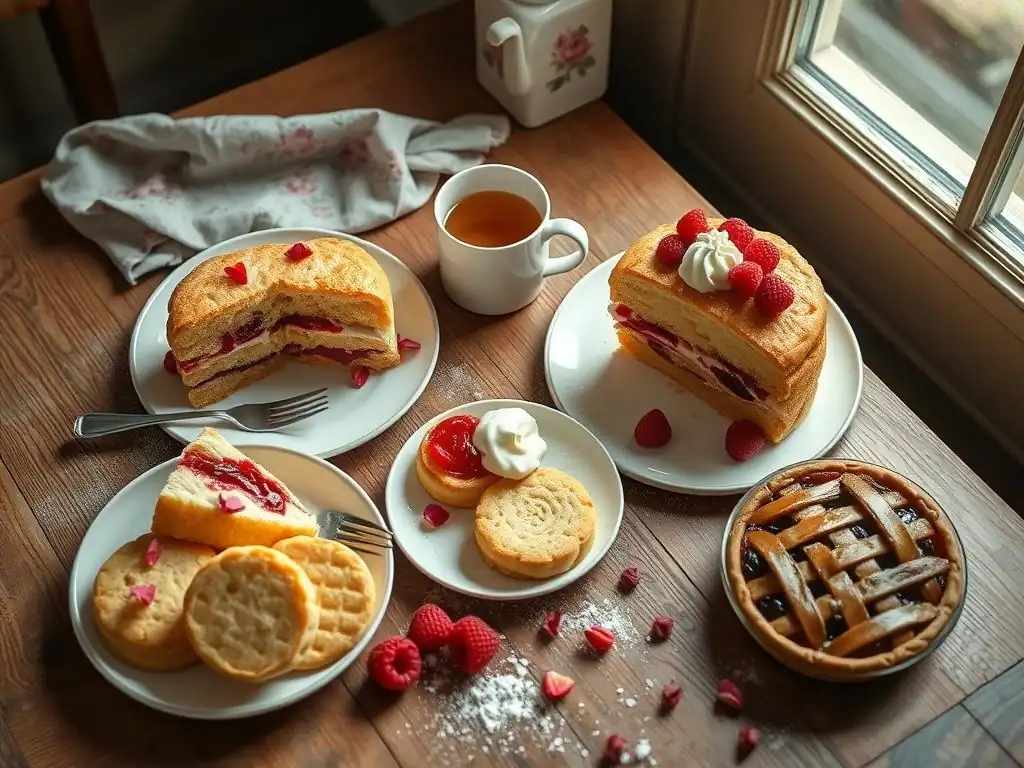
Welcome to BakeWithEase, your guide to unlocking the secrets of delicious homemade treats! Ever dreamt of mastering the comforting classics of British baking? Our latest article dives into a collection of easy British baking recipes, offering a delightful journey through iconic flavors and simple techniques. Curious to know which beloved British bake takes the crown and how you can recreate it in your own kitchen? Let's get baking!
- BakeWithEase Presents: Your Guide to Easy British Baking Recipes
- Why British Baking is So Beloved
- Easy British Baking Recipes: Top 5 Bakes to Try
- Tips for Successful British Baking at Home
- Mastering British Baking Techniques: A Summary
- Enjoy the Art of Baking with Ease: British Baking Recipes Await!
-
Frequently Asked Questions
- What defines a baking recipe as "British"?
- Are these "easy British baking recipes" suitable for beginners?
- What are some examples of the "most loved" British bakes mentioned in the article?
- Where can I find the specific ingredients required for these recipes?
- Does the article provide step-by-step guides for making these bakes?
- Final Reflection: A Slice of British Baking History, Baked Fresh Today
- Unlock Your Inner Baker: Let's Get Baking!
BakeWithEase Presents: Your Guide to Easy British Baking Recipes
Exploring Regional & Cultural Baking: A Taste of Britain
British baking boasts a rich tapestry woven from centuries of culinary history, reflecting regional traditions and cultural shifts. From the buttery shortbread of Scotland to the fruity tarts of England and the unique bara brith of Wales, each corner of the British Isles contributes its own delicious specialties.
These traditional bakes often originated from necessity, using readily available local ingredients like butter, flour, sugar, and seasonal fruits, evolving over time into the beloved treats we know today. The emphasis has always been on simple, honest ingredients transformed through straightforward techniques, making many classic British baking recipes surprisingly accessible for home bakers.
The popularity of these regional and cultural bakes extends far beyond the UK's borders, with classics like scones and Victoria sponge enjoyed globally. This widespread appeal is partly due to their comforting nature and straightforward preparation. For instance, a traditional Lancashire Eccles cake, filled with currants, requires only a few basic ingredients and puff pastry, yet offers a burst of sweet, buttery flavour.
Similarly, a Welsh cake, often cooked on a griddle, uses a simple dough similar to scones but provides a distinct chewy texture. Exploring these diverse regional favourites offers a delicious journey through Britain's culinary heritage and highlights the simplicity and charm at the heart of easy British baking recipes.
Why British Baking is So Beloved
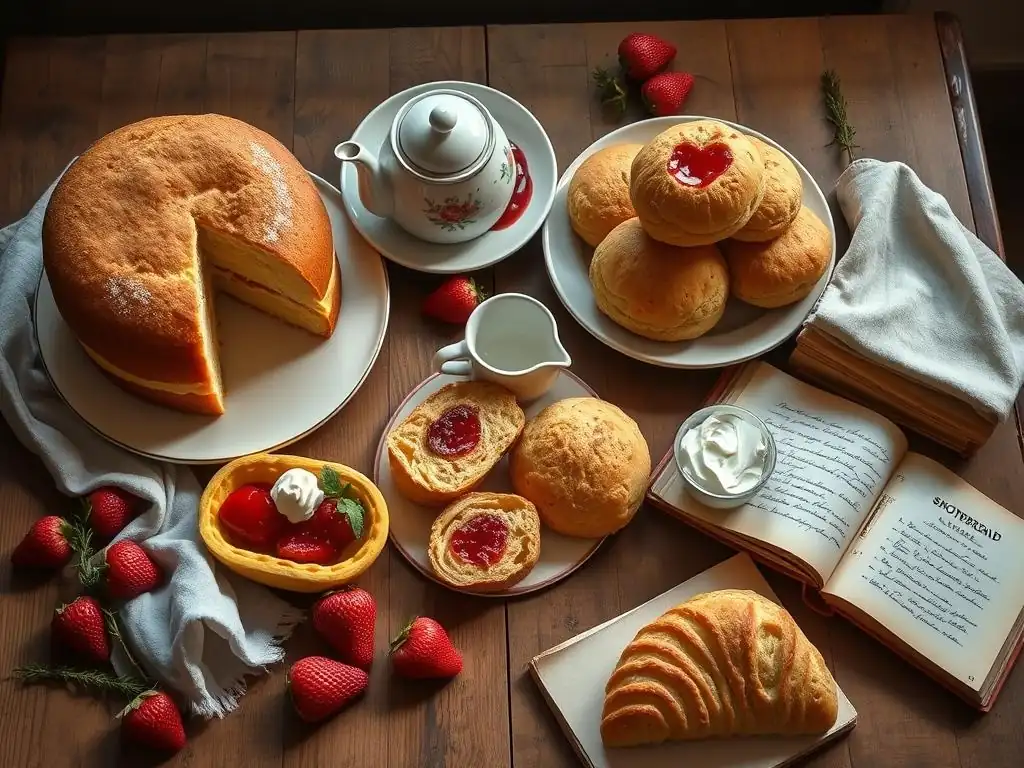
Comforting Flavors and Traditional Techniques
The enduring appeal of British baking lies deeply rooted in its comforting flavours and time-honoured traditional techniques. Imagine the warmth of a freshly baked scone, the rich sweetness of treacle tart, or the simple elegance of a perfect sponge cake filled with jam and cream.
These bakes often rely on core ingredients like butter, sugar, flour, and eggs, combined in ways that evoke nostalgia and a sense of home. Techniques such as the 'rubbing in' method for pastry and scones, or the 'creaming' method for cakes, are fundamental and have been passed down through generations, contributing to the distinctive textures and tastes that are synonymous with British baking.
Furthermore, the seasonality of British produce plays a role, with bakes often featuring apples, berries, rhubarb, or currants when they are at their peak. This focus on fresh, simple ingredients prepared with care creates a comforting familiarity. Consider the classic crumble, a simple combination of stewed fruit topped with a buttery, crumbly mixture – a perfect example of transforming humble ingredients into a beloved dessert using a straightforward technique. This blend of simple, accessible ingredients, comforting flavours, and reliable traditional methods makes easy British baking recipes a go-to for many seeking warmth and deliciousness.
The Appeal of Simple, Home-Baked Goodness
There's an undeniable charm and appeal in the simplicity and authenticity of home-baked British goods. Unlike elaborate patisserie, many classic British bakes pride themselves on their unpretentious nature. They are the sort of treats shared at family gatherings, afternoon teas, or simply enjoyed with a cup of tea. This focus on 'home-baked goodness' emphasizes natural flavours and textures achieved without complex processes or exotic ingredients. A good loaf of soda bread, for example, requires just four ingredients and minimal kneading, yet provides a satisfying, rustic result that embodies this philosophy.
The very act of making these easy British baking recipes at home contributes to their appeal. The process is often forgiving, allowing even novice bakers to achieve satisfying results. This accessibility fosters confidence and encourages more people to get into baking. The aroma filling the kitchen, the simple pleasure of seeing a cake rise or biscuits turn golden brown – these are all part of the experience. This combination of ease, comforting results, and the rewarding process of creating something delicious from scratch makes simple British bakes incredibly popular and keeps the tradition of home baking alive and well.
Easy British Baking Recipes: Top 5 Bakes to Try
1. Scones: A Classic British Baking Recipe
Scones are arguably one of the most iconic and easy British baking recipes, perfect for afternoon tea or a simple snack. They are quick to make and incredibly versatile. A basic scone dough consists primarily of flour, butter, a leavening agent (usually baking powder), and milk or buttermilk. The key to light scones is to handle the dough minimally and ensure your ingredients are cold, particularly the butter. Baking powder reacts with the liquid and heat to create the rise, resulting in that desirable fluffy texture.
Understanding the Key Ingredients for Perfect Scones
The foundation of great scones lies in using the right ingredients and handling them correctly. Typically, a recipe for about 8-12 scones might use around 225g of self-raising flour, 50g of cold butter, 25g of caster sugar (optional, but adds tenderness), and about 150ml of milk or buttermilk. Self-raising flour contains baking powder already mixed in, providing the necessary lift. Cold butter, rubbed into the flour until it resembles breadcrumbs, creates pockets of fat that expand during baking, contributing to flakiness. Buttermilk adds a slight tang and reacts with the baking powder for extra rise, resulting in a tender crumb.
Using cold ingredients and a light touch is paramount. Overworking the dough develops the gluten in the flour, leading to tough scones. The mixture should just come together into a soft dough. Some recipes also call for an egg wash brushed on top before baking to give a golden, shiny finish. The quality of your butter also makes a difference; a good quality, high-fat butter will yield better flavour and texture.
Step-by-Step Scone Recipe: From Mixing to Baking
Making scones is a straightforward process, perfect for beginners looking for easy British baking recipes. Here's a simplified guide:
- Preheat your oven to
220°C (200°C Fan/Gas Mark 7). Lightly grease a baking tray or line it with baking paper. - Sift the
225gself-raising flour into a large bowl. Add the50gcold butter (cut into small cubes) and rub it into the flour using your fingertips until the mixture resembles fine breadcrumbs. Try to do this quickly to keep the butter cold. - Stir in the
25gcaster sugar (if using). - Make a well in the centre and add most of the
150mlmilk or buttermilk. Use a knife or a round-bladed palette knife to mix the liquid into the dry ingredients, bringing it together to form a soft, slightly sticky dough. Add a little more milk if needed, but avoid making it too wet. - Turn the dough out onto a lightly floured surface. Gently pat or lightly roll the dough to about
2cmthickness. Avoid kneading. - Using a floured scone cutter (about
5cmdiameter), cut out rounds and place them onto the prepared baking tray. Gather the scraps, gently press them together, and cut out more until all the dough is used. Don't twist the cutter as this can seal the edges and prevent a good rise. - If desired, brush the tops of the scones with a little milk or egg wash for a golden finish.
- Bake for
10-15 minutesuntil well-risen and golden brown. - Transfer to a wire rack to cool slightly before serving, ideally warm, split open, and spread generously with jam and clotted cream.
Variations on a Theme: Adding Fruits, Cheese, or Herbs to Your Scones
While the plain scone is a classic, adding simple ingredients can create delicious variations, expanding your repertoire of easy British baking recipes. Fruit scones are incredibly popular; simply fold about 50-75g of dried fruit like sultanas or currants into the dry ingredients before adding the milk. Ensure the fruit is evenly distributed.
For a savoury twist, cheese scones are a fantastic option. Reduce the sugar or omit it entirely, and fold in about 50-75g of grated mature cheddar cheese (or your favourite cheese) into the dry ingredients. You can also add a pinch of cayenne pepper or mustard powder for extra flavour. Herb scones, perhaps with chives or parsley, are another savoury variation that pairs well with soup or savoury spreads. The basic scone technique remains the same, making these variations just as easy to master.
2. Victoria Sponge Cake: The Quintessential British Cake
The Victoria Sponge is a true icon of British baking, named after Queen Victoria who is said to have enjoyed a slice with her afternoon tea. It's a simple yet elegant cake, consisting of two light sponge layers sandwiched together with jam and cream. Its simplicity is its strength, making it one of the most approachable and easy British baking recipes for a show-stopping result. The key is achieving a light, tender crumb for the sponge layers.
Mastering the Victoria Sponge: Tips for a Light and Airy Texture
Achieving that perfect light and airy texture in a Victoria sponge relies on a few key techniques and ingredient ratios. The traditional method uses equal weights of butter, sugar, flour, and eggs – often referred to as the 'all-in-one' or creaming method. Using soft butter and caster sugar, creaming them together thoroughly until pale and fluffy incorporates air, which is crucial for a light sponge. Adding eggs gradually and beating well after each addition helps maintain this airy structure.
Using self-raising flour is also important for providing lift, though some recipes use plain flour with added baking powder. Sifting the flour helps prevent lumps and aerates it further. Gently folding the flour into the wet ingredients prevents knocking out the air you've incorporated. Baking at the correct temperature (usually around 180°C / 160°C Fan / Gas Mark 4) ensures the cake rises evenly and cooks through without drying out. A standard recipe for a 20cm cake might use 225g each of butter, sugar, flour, and 4 large eggs.
Easy Victoria Sponge Recipe: A Simple Guide
This easy British baking recipe for Victoria Sponge uses the 'all-in-one' method, simplifying the process for beginners.
- Preheat your oven to
180°C (160°C Fan/Gas Mark 4). Grease and line two20cmsandwich tins with baking paper. - In a large mixing bowl, add
225gsoftened butter,225gcaster sugar,225gself-raising flour, and 4 large eggs. You can also add 1 tsp vanilla extract for flavour. - Beat all the ingredients together using an electric mixer or a wooden spoon until the mixture is smooth and well combined. Be careful not to overmix; stop once everything is incorporated. The batter should have a dropping consistency.
- Divide the batter evenly between the two prepared tins. Level the tops with a spatula.
- Bake for
20-25 minutes, or until the cakes are golden, well-risen, and a skewer inserted into the centre comes out clean. - Let the cakes cool in the tins for a few minutes before turning them out onto a wire rack to cool completely.
Once cooled, spread one cake with a generous layer of strawberry or raspberry jam (about 100-150g), then top with whipped double cream or buttercream (made from 100g butter, 200g icing sugar, and a splash of milk). Place the second cake on top, and dust with icing sugar.
Creative Filling Ideas: Jams, Cream, and More
While the classic filling of strawberry or raspberry jam and whipped cream is traditional, you can easily adapt this easy British baking recipe with other delicious fillings. For a richer cake, use buttercream instead of whipped cream. Buttercream can be flavoured with vanilla, lemon zest, or even cocoa powder for a chocolate sponge variation.
Consider using different jams, such as blackcurrant, cherry, or even a sharp lemon curd for a zesty contrast. Fresh berries like strawberries or raspberries can be added to the cream layer for extra freshness and texture. Some modern twists include adding a layer of white chocolate ganache or a salted caramel filling, proving that this classic cake is versatile enough to welcome creative interpretations while still maintaining its simple, comforting appeal.
3. Shortbread: A Buttery British Biscuit Delight
Shortbread is a simple yet utterly delicious British biscuit (cookie) known for its rich butteriness and crumbly texture. Originating in Scotland, it traditionally contains just three ingredients: butter, sugar, and flour. The high butter content is key to its signature melt-in-the-mouth quality. Mastering shortbread is a fundamental step in exploring easy British baking recipes.
Achieving the Perfect Crumble: Shortbread Baking Secrets
The secret to achieving that perfect, delicate crumble in shortbread lies in the ratio of ingredients and minimal handling. A classic ratio is 3 parts flour : 2 parts butter : 1 part sugar by weight (e.g., 300g flour, 200g butter, 100g sugar). Using plain flour gives a tender result, while some recipes use a little rice flour or cornflour (cornstarch) to enhance the crumbly texture further – perhaps replacing 50g of the plain flour with one of these.
Using cold butter is crucial. It's often rubbed into the flour and sugar until it resembles coarse breadcrumbs, or simply creamed with the sugar before adding the flour. The mixture should then be pressed gently together to form a dough, not kneaded. Overworking the dough develops gluten, resulting in a tough biscuit. Baking at a low temperature (around 150-160°C / 130-140°C Fan / Gas Mark 2-3) for a longer time ensures the shortbread cooks through without browning too much, maintaining its pale colour and delicate texture. Pricking the shortbread with a fork before baking (known as 'docking') allows steam to escape and prevents puffing.
Simple Shortbread Recipe: A Classic Treat
This straightforward recipe for easy British baking recipes yields classic, buttery shortbread fingers or rounds.
- Preheat your oven to
160°C (140°C Fan/Gas Mark 3). Lightly grease a baking tray or line it with baking paper. - In a bowl, cream together
200gsoftened butter and100gcaster sugar until light and fluffy. - Sift in
300gplain flour (or250gplain flour and50grice flour/cornflour) and mix until it just comes together to form a dough. You can use your hands to bring it together gently. - Turn the dough out onto a lightly floured surface. Gently press or roll the dough to about
1-1.5cmthickness. - Cut into fingers, rounds, or use cookie cutters. Place the shapes onto the prepared baking tray.
- Prick the surface of each shortbread piece several times with a fork.
- Bake for
20-30 minutes, or until pale golden and cooked through. The time will depend on the thickness of your shortbread. - While still warm, you can sprinkle with a little extra caster sugar. Let cool completely on the tray before handling, as they are fragile when hot.
Flavor Variations: Chocolate Chip, Lavender, or Salted Caramel Shortbread
While traditional shortbread is perfect on its own, it serves as an excellent base for flavour variations, keeping your easy British baking recipes exciting. Fold in about 50-75g of mini chocolate chips into the dough before shaping for a chocolate chip version.
For a sophisticated twist, add 1-2 teaspoons of culinary lavender to the dry ingredients. Lemon zest is another popular addition, providing a lovely citrus aroma and flavour. A sprinkle of sea salt flakes on top before baking creates delicious salted caramel shortbread without needing any caramel filling – the salt enhances the buttery sweetness. These simple additions transform the classic into something new and delightful.
4. Bakewell Tart: A Fruity and Nutty British Baking Icon
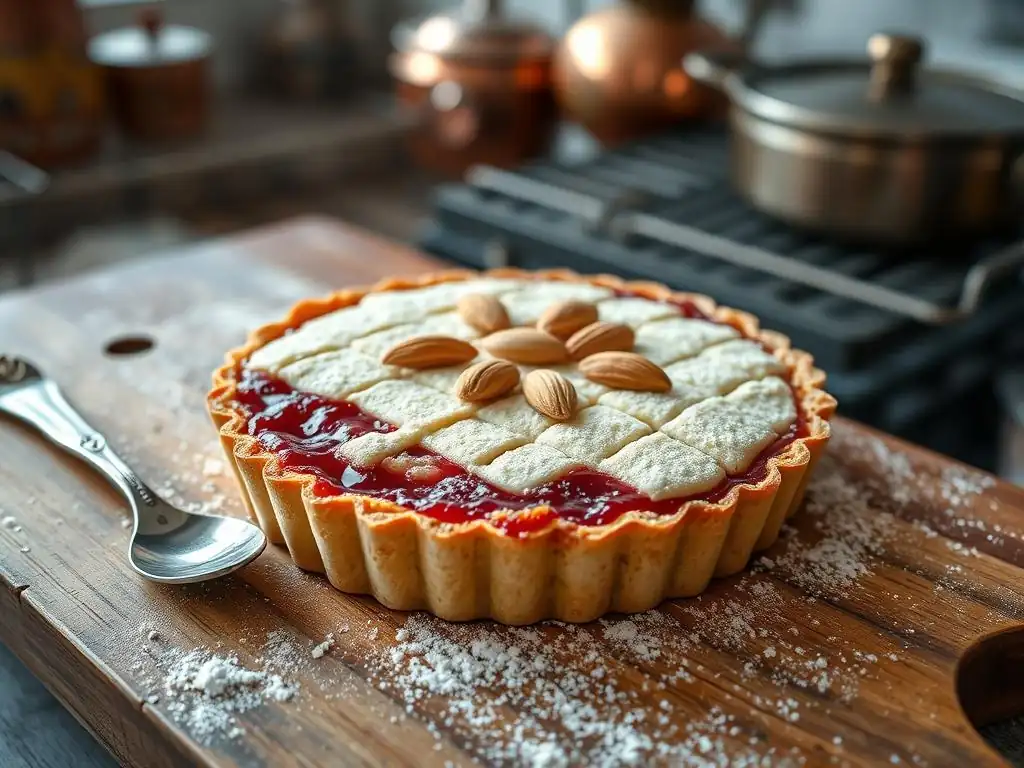
The Bakewell Tart is a beloved British classic, originating from Bakewell in Derbyshire. It typically consists of a shortcrust pastry case filled with a layer of jam, followed by a frangipane (almond) filling, topped with flaked almonds. Its combination of textures and flavours – crumbly pastry, sweet jam, moist almond filling, and crunchy almonds – makes it a perennial favourite and a rewarding addition to your repertoire of easy British baking recipes.
The Secret to a Delicious Bakewell Tart Filling
The heart of a great Bakewell Tart is the frangipane filling. This is essentially a rich almond cream made from butter, sugar, eggs, ground almonds, and usually a little flour. The key to a delicious filling is using good quality ground almonds and ensuring the butter and sugar are creamed together well before adding the eggs and almonds. Some recipes add a dash of almond extract to boost the flavour, though this is optional.
A standard recipe for a 23cm tart might use 125g softened butter, 125g caster sugar, 2 large eggs, 125g ground almonds, and 25g plain flour. The mixture should be smooth and spreadable. The layer of jam underneath (traditionally raspberry jam, about 100-150g) provides moisture and a contrasting sweet and slightly tart flavour that cuts through the richness of the frangipane. Baking the tart until the frangipane is set and golden brown is essential for the correct texture.
Easy Bakewell Tart Recipe: A Beginner's Guide
Making a Bakewell Tart might seem daunting, but this easy British baking recipe breaks it down into manageable steps.
- Start with a pre-baked
23cmshortcrust pastry case. You can use store-bought pastry or make your own (using about200gplain flour and100gcold butter, baked blind for about15-20 minutesat180°C / 160°C Fan / Gas Mark 4). - Once the pastry case is ready and slightly cooled, spread a layer of raspberry jam evenly over the base (use
100-150g). - Prepare the frangipane filling: Cream
125gsoftened butter and125gcaster sugar together until pale and fluffy. Beat in 2 large eggs, one at a time, adding a spoonful of the25gplain flour with the second egg to prevent curdling. Fold in the remaining flour and125gground almonds. Add a few drops of almond extract if desired. - Spoon the frangipane filling over the jam layer in the pastry case and spread gently to level the top.
- Sprinkle the top generously with flaked almonds (about
25-50g). - Bake in a preheated oven at
180°C (160°C Fan/Gas Mark 4)for30-40 minutes, or until the frangipane is set, golden brown, and slightly risen. - Let the tart cool completely in the tin before slicing.
Toppings and Garnishes: Elevating Your Bakewell Tart
While flaked almonds are the traditional topping for a Bakewell Tart, there are ways to elevate this easy British baking recipe further. A drizzle of white icing (made from icing sugar and a little water or lemon juice) in a feathered pattern over the cooled tart is a common and decorative touch. Some bakers prefer a simple dusting of icing sugar.
For added texture, you can lightly toast the flaked almonds before sprinkling them on top of the frangipane. This brings out their nutty flavour. Serving the tart warm with a dollop of clotted cream, custard, or vanilla ice cream is a popular way to enjoy it, contrasting the warm, nutty tart with a cool, creamy accompaniment.
5. Chelsea Buns: A Sticky and Sweet British Pastry
Chelsea Buns are a delightful, sticky, sweet roll originating from the Chelsea area of London in the 18th century. They are made from enriched yeast dough, similar to cinnamon rolls, filled with dried fruit (typically currants or sultanas), brown sugar, and butter, then rolled, sliced, and baked close together. A sweet glaze or icing is usually applied while they are still warm, creating that signature sticky finish. They are a lovely sweet treat and a fun challenge when exploring easy British baking recipes involving yeast.
Making the Perfect Chelsea Bun Dough: A Step-by-Step Guide
The foundation of delicious Chelsea buns is a soft, enriched yeast dough. Enrichment comes from adding ingredients like butter, sugar, and eggs, which make the dough softer, richer, and more tender than a basic bread dough.
- You'll need about
500gstrong white bread flour,75gcaster sugar,10gsalt,10ginstant dried yeast, 2 large eggs, and about200-250mlwarm milk, plus75gsoftened butter. - Combine the flour, sugar, salt, and yeast in a large bowl.
- In a separate jug, whisk the eggs into the warm milk.
- Pour the wet ingredients into the dry and mix to form a rough dough.
- Turn the dough out onto a lightly floured surface and knead for about
5-10 minutesuntil smooth and elastic. - Gradually knead in the softened butter, a little at a time, until fully incorporated and the dough is smooth, soft, and no longer sticky.
- Place the dough in a lightly oiled bowl, cover, and leave to rise in a warm place for
1-1.5 hours, or until doubled in size.
This enriched dough requires sufficient kneading (either by hand or machine) to develop the gluten, allowing it to rise and hold its shape while remaining tender due to the added fat and sugar. The warm milk activates the yeast, while the sugar provides food for it, ensuring a good rise.
Easy Chelsea Bun Recipe: Indulge in a Sweet Treat
Once your dough has risen, completing this easy British baking recipe is straightforward.
- Punch down the risen dough and turn it out onto a lightly floured surface. Roll the dough into a large rectangle, roughly
40cm x 30cm. - Prepare the filling: Mix
50gsoftened butter with75glight brown sugar and about100-150gdried fruit (currants, sultanas, or mixed peel). Some recipes also add a pinch of mixed spice or cinnamon. - Spread the filling evenly over the rolled dough, leaving a small border along one of the longer edges.
- Starting from the long edge opposite the border, tightly roll up the dough like a Swiss roll.
- Trim the ends and cut the roll into
12-15equal slices (about2.5-3cmthick). - Arrange the slices, cut side up, in a greased or lined baking tray (about
25cm x 30cm), leaving a small gap between each bun. They will expand as they bake. - Cover the tray and leave the buns to prove in a warm place for another
30-45 minutes, or until they have almost doubled in size and are touching each other. - Preheat your oven to
180°C (160°C Fan/Gas Mark 4). - Bake the buns for
20-25 minutes, or until golden brown and cooked through.
Glazing and Icing: Adding the Finishing Touch
The signature sticky glaze is what makes Chelsea buns so irresistible and completes this easy British baking recipe. While the buns are still warm from the oven, brush them generously with a simple glaze made from hot water and sugar. A ratio of 50g caster sugar dissolved in 50ml hot water works well. This soaks into the buns, keeping them moist and creating that classic sticky exterior.
Alternatively, you can make a simple icing by mixing icing sugar with a little water or lemon juice to a pouring consistency and drizzling it over the warm buns. Some prefer a thicker glacé icing. Applying the glaze or icing while the buns are warm allows it to melt slightly and seep into the crevices, enhancing the sweetness and stickiness. Let them cool slightly before pulling them apart to serve – the best part!
Tips for Successful British Baking at Home
Sourcing High-Quality Ingredients: The Foundation of Great Baking
Using high-quality ingredients is perhaps the most impactful step you can take to ensure success with any easy British baking recipe. Because many traditional British bakes rely on simple components, the flavour and texture of the final product are directly influenced by the quality of those key ingredients. For instance, using a good quality butter with a high fat content will significantly improve the richness and flakiness of scones or shortbread compared to a lower-fat spread. Similarly, fresh eggs contribute to better texture and rise in cakes, and good self-raising flour ensures your bakes achieve the desired lightness.
Don't underestimate the difference that good quality jam can make in a Victoria sponge or Bakewell tart – a preserve with a high fruit content and vibrant flavour will elevate the entire bake. Even seemingly simple ingredients like caster sugar (finely granulated sugar) are preferred in many recipes over standard granulated sugar because they dissolve more easily, leading to a smoother batter or dough. While you don't need the most expensive ingredients, opting for reputable brands and ensuring freshness will lay the best foundation for mastering easy British baking recipes.
Understanding British Baking Measurements and Conversions
Navigating recipes from different regions often means encountering different measurement systems. Many traditional British baking recipes still use imperial measurements (pounds and ounces) or rely heavily on weight measurements in grams, which is the standard in the UK (metric system). Understanding these measurements and knowing how to convert them accurately is crucial for consistent results. For example, a recipe calling for '8oz self-raising flour' is equivalent to approximately 225g. Similarly, '4oz butter' is about 115g.
While volume measurements (cups and spoons) are common in American recipes, British baking primarily uses scales for dry ingredients and butter, and measuring jugs for liquids. Using scales is generally more accurate than using cups, as the density of ingredients can vary. A cup of flour, for instance, can weigh differently depending on how it's packed. Relying on gram measurements as provided in many authentic easy British baking recipes will give you the most reliable outcome. Keep a good set of kitchen scales handy, and if converting from an older recipe, use a reliable online conversion tool or chart.
Essential Baking Equipment for British Treats
You don't need a professional kitchen setup to enjoy making easy British baking recipes at home, but a few essential pieces of equipment will make the process smoother and more successful. A good set of kitchen scales is fundamental for accurate ingredient measurements. Mixing bowls in various sizes are necessary for combining ingredients. A sturdy whisk and a wooden spoon are basic tools, though an electric hand mixer or stand mixer can significantly speed up tasks like creaming butter and sugar or making cake batter.
Other useful items include scone cutters (around 5-6cm diameter is standard), a rolling pin for pastry and doughs, a sieve for sifting flour and icing sugar, and baking tins of common sizes – a 20cm round cake tin for Victoria sponge, and a 23cm tart tin for Bakewell tart are good starting points. Baking trays are essential for biscuits and scones. Having these basic tools will equip you to tackle a wide range of easy British baking recipes efficiently and effectively.
Mastering British Baking Techniques: A Summary
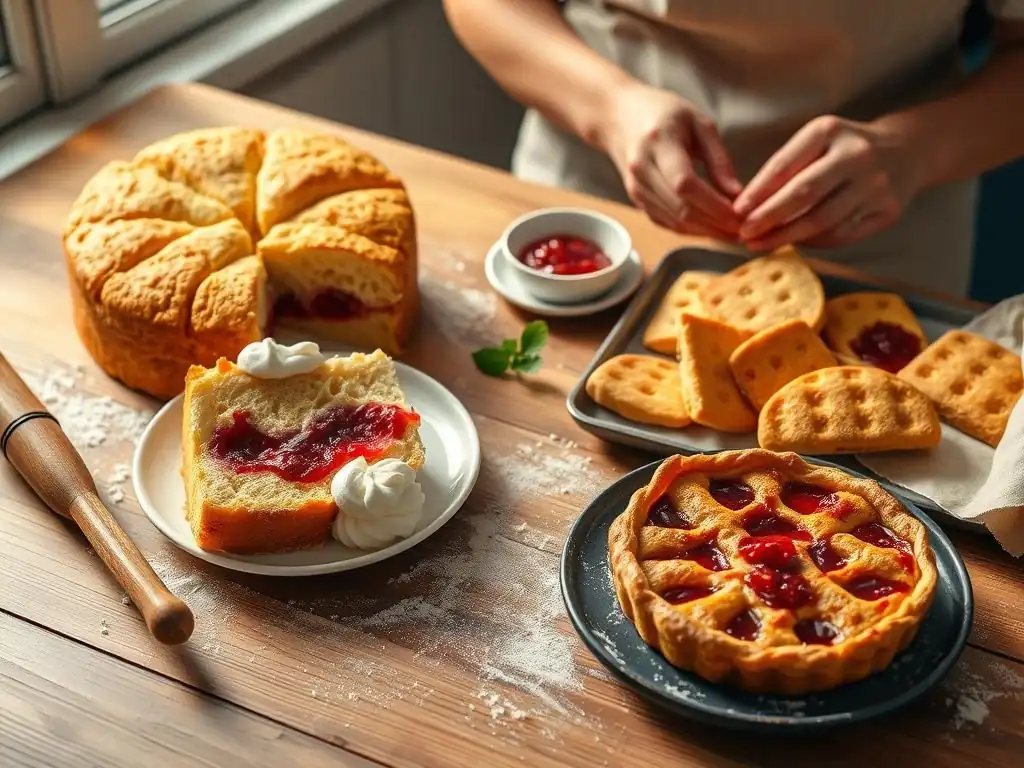
From Scones to Shortbread: Simple Recipes for Every Baker
As we've explored, many of the most loved British bakes are surprisingly simple and accessible, making them perfect easy British baking recipes for bakers of all levels. The core techniques involved – such as rubbing in butter for scones and pastry, creaming butter and sugar for cakes and shortbread, and gentle kneading for enriched doughs like Chelsea buns – are fundamental and transferable across many different recipes. Starting with classics like scones or shortbread allows you to practice these essential skills before moving on to slightly more involved bakes like Victoria sponge or Bakewell tart.
The beauty of these recipes lies in their clear instructions and reliance on basic kitchen equipment. You don't need years of experience to achieve delicious results. Patience with yeast doughs, a light hand with pastry and scone dough, and accurate measurements are key. By focusing on these simple principles, anyone can confidently bake a range of traditional British treats, building confidence and skill with each successful bake.
Elevate Your Baking Skills with British Classics
Diving into easy British baking recipes is an excellent way to elevate your overall baking skills. While the recipes themselves are often straightforward, mastering the nuances – achieving a truly light scone, a perfectly crumbly shortbread, or a moist Victoria sponge – teaches valuable lessons about ingredient interaction, temperature control, and dough handling. These are skills that will benefit you in any baking endeavour.
Furthermore, exploring variations on classic themes, like adding different fruits to scones or experimenting with Bakewell tart toppings, encourages creativity and deepens your understanding of how different ingredients behave. By consistently practicing these simple, rewarding recipes, you'll not only fill your kitchen with delicious aromas and treats but also build a strong foundation in fundamental baking techniques that can be applied to a vast world of pastries, cakes, and breads.
Enjoy the Art of Baking with Ease: British Baking Recipes Await!
Frequently Asked Questions
What defines a baking recipe as "British"?
A British baking recipe typically features ingredients and techniques that are traditional to the United Kingdom, often reflecting regional specialties and historical influences. Think scones, crumbles, and Victoria sponge!
Are these "easy British baking recipes" suitable for beginners?
Yes! BakeWithEase prioritizes simple recipes with clear instructions, making them accessible for bakers with little to no prior experience. We focus on easy-to-find ingredients.
What are some examples of the "most loved" British bakes mentioned in the article?
The article likely highlights popular choices like Victoria sponge cake, scones with clotted cream, and perhaps a classic apple crumble. These are staples of British baking.
Where can I find the specific ingredients required for these recipes?
BakeWithEase recipes aim to use easily sourced ingredients found in most supermarkets. Any specialty items will be clearly identified with suggestions for alternatives.
Does the article provide step-by-step guides for making these bakes?
Absolutely! BakeWithEase prides itself on providing detailed, step-by-step instructions to guide you through each recipe, ensuring success even for novice bakers.
Final Reflection: A Slice of British Baking History, Baked Fresh Today
The enduring appeal of classic British bakes isn't just about nostalgia; it's a testament to the simple joy of good food, shared. These recipes, passed down through generations, represent a comforting connection to our past, yet remain incredibly relevant in our busy modern lives. Their simplicity and accessibility make them perfect for both seasoned bakers and enthusiastic beginners, offering a delicious gateway to culinary exploration.
The influence of these recipes extends far beyond the kitchen table; they are woven into the fabric of British culture, representing community, celebration, and comfort. From the humble Victoria sponge shared at a tea party to the hearty crumble warming a family on a cold evening, these bakes are more than just food; they are memories, traditions, and expressions of love. Baking is at once child's play and adult joy. And love, of course.
– This sentiment perfectly captures the essence of these timeless recipes and their enduring power to connect us.
So, as you dust off your mixing bowls and preheat your ovens, remember the rich history and enduring appeal of these beloved British bakes. Don't just follow the recipes; let them inspire you to create your own traditions, to share the joy of baking with loved ones, and to savor the simple pleasures that these classic recipes offer. Embrace the process, experiment with flavors, and most importantly, enjoy the delicious results!
Unlock Your Inner Baker: Let's Get Baking!
Thanks for taking the time to explore the wonderful world of British baking with us! We hope you've discovered some delicious new recipes and inspiration. Ready to put your newfound knowledge to the test?
- Bake your favorite treat: Choose one recipe from the article and get baking! We'd love to see your creations!
- Share your baking journey: Tag us on social media (@BakeWithEase) and show off your baking skills. Let's inspire each other!
- Explore our other recipes: Dive deeper into our recipe collection and find even more delicious British bakes to master.
What British bake are you most excited to try first, and why?