
Creating a KetoFriendly, GlutenFree Pound Cake: Tricks and Recipes

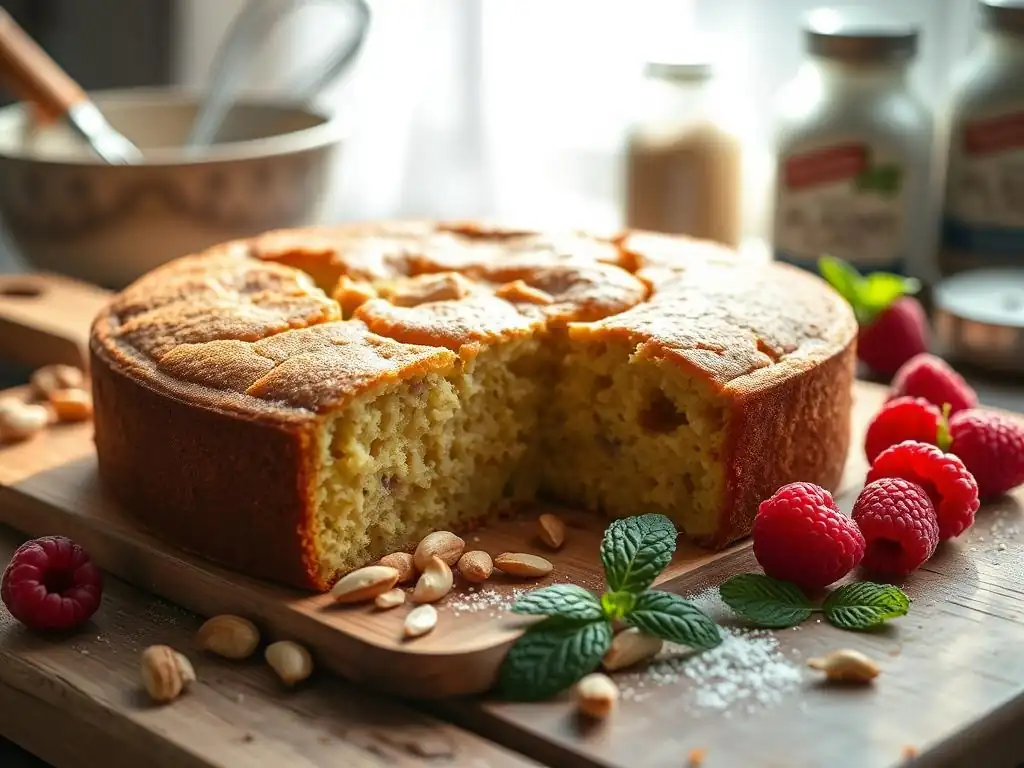
Welcome to BakeWithEase, your haven for effortless baking!
Ever dreamt of indulging in a moist, delicious pound cake without the guilt or gluten? You've come to the right place! This article unlocks the secrets to crafting the perfect Keto glutenfree pound cake recipe, revealing simple techniques and ingredient swaps that will revolutionize your dietary baking. Prepare to be amazed at how easy it is to enjoy a classic treat, reimagined for a healthier lifestyle. Intrigued? Let's get baking!
- The Ultimate Keto Gluten-Free Pound Cake Guide
- Understanding Keto and Gluten-Free Baking for Pound Cake
- Key Ingredients for a Delicious Keto Gluten-Free Pound Cake
- Step-by-Step Keto Gluten-Free Pound Cake Recipe
- Mastering Keto Gluten-Free Pound Cake Variations
- Troubleshooting Common Keto Gluten-Free Pound Cake Issues
- Tips and Tricks for the Best Keto Gluten-Free Pound Cake
- Enjoying Your Keto Gluten-Free Pound Cake: Serving Suggestions
- Keto Gluten-Free Pound Cake Recipe: Detailed Instructions
- Frequently Asked Questions
- Final Reflection: The Sweet Success of Keto-Friendly Baking
- Unleash Your Inner Baker: Create Your Dream Pound Cake!
The Ultimate Keto Gluten-Free Pound Cake Guide
Welcome to the world of dietary-friendly baking, where you don't have to compromise on taste or texture! Creating a truly delicious pound cake that is both keto-friendly and gluten-free might seem like a daunting task, but with the right knowledge and ingredients, it's entirely achievable. This guide will walk you through the essential techniques and provide a reliable keto gluten-free pound cake recipe to get you started. We'll cover everything from understanding the unique challenges of this type of baking to troubleshooting common issues, ensuring your low-carb, gluten-free treat turns out perfectly every time.
Traditional pound cake relies heavily on equal weights of butter, sugar, eggs, and wheat flour – hence the name "pound" cake. Adapting this classic to fit a keto and gluten-free lifestyle requires substituting these key components without sacrificing the dense, moist crumb and rich flavor that define a great pound cake. This means finding alternative flours that mimic the structure provided by gluten, selecting sweeteners that don't impact blood sugar, and using fats and binding agents effectively. Let's dive into the specifics of how to master this delightful low-carb baking challenge.
Understanding Keto and Gluten-Free Baking for Pound Cake
What Makes a Pound Cake Keto-Friendly?
Making a pound cake keto-friendly primarily involves drastically reducing its carbohydrate content, especially from sugar and traditional flour. A standard slice of pound cake can contain upwards of 40-50 grams of net carbohydrates, largely from refined sugar and wheat flour. To make it align with ketogenic dietary principles, which typically limit daily net carb intake to 20-50 grams, we must replace these high-carb ingredients with low-carb alternatives.
This substitution involves using non-nutritive or low-glycemic sweeteners like erythritol, stevia, or monk fruit extract instead of sugar, and replacing wheat flour with nut flours or seed flours such as almond flour or coconut flour. These alternatives have significantly lower net carbohydrate counts. For example, 1/4 cup of almond flour contains approximately 3 grams of net carbs, compared to about 22 grams in 1/4 cup of wheat flour. This fundamental shift in ingredients is what transforms a traditional, carb-heavy pound cake into a viable low-carb dessert option for those following a ketogenic lifestyle.
The Challenge of Gluten-Free Pound Cake
Baking a gluten-free pound cake presents its own set of unique challenges, primarily related to structure and texture. Gluten, a protein found in wheat, rye, and barley, provides elasticity and structure to baked goods, allowing them to hold their shape and develop a characteristic crumb. When gluten is removed, baked goods can become crumbly, dense, or dry if the right substitutes and techniques aren't employed.
In pound cake, gluten contributes to the cake's ability to rise and maintain its shape under the weight of the butter and eggs. Gluten-free flours, like almond or coconut flour, lack this elastic network. Therefore, bakers must rely on other ingredients, often called binding agents, to replicate gluten's function. Ingredients such as xanthan gum, psyllium husk powder, or extra eggs help hold the batter together, prevent crumbling, and create a more cohesive crumb structure. Mastering the balance of these binding agents with the chosen gluten-free flours is crucial for achieving a moist, tender, and structurally sound pound cake.
Key Ingredients for a Delicious Keto Gluten-Free Pound Cake
Almond Flour: The Foundation
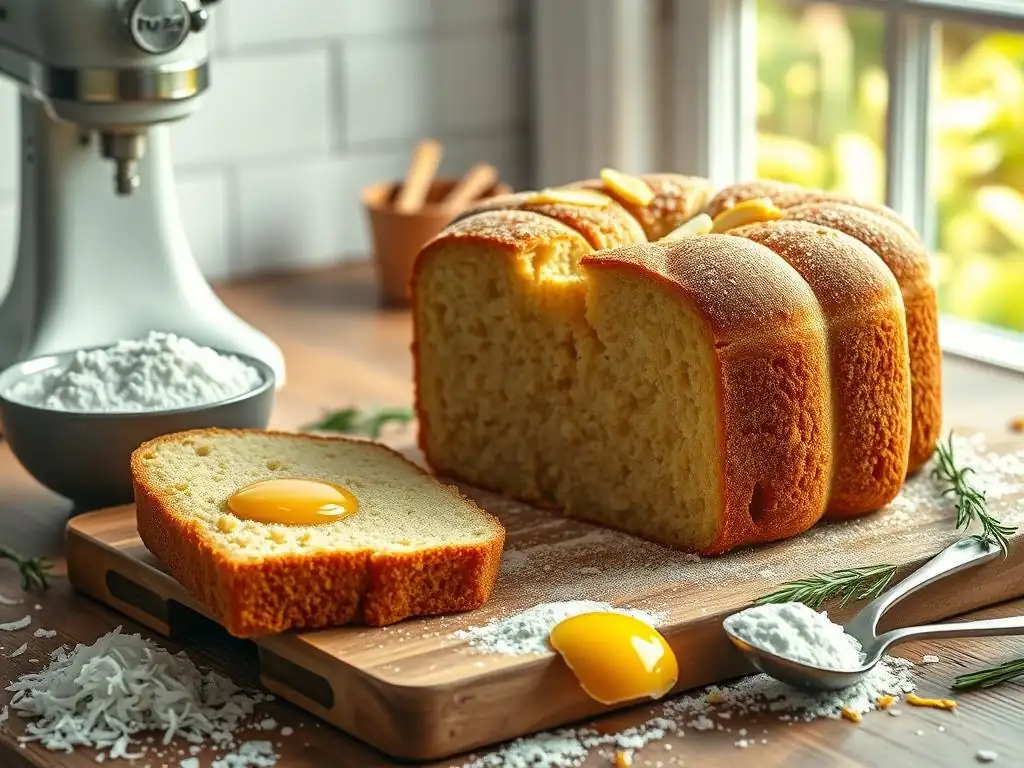
Almond flour is often the primary flour used in a keto gluten-free pound cake recipe because of its fine texture and mild flavor, which closely mimics wheat flour in many applications. It's made from ground blanched almonds, with the skins removed, resulting in a light-colored, relatively fine powder. A high-quality super fine almond flour is preferred for pound cake as it leads to a smoother batter and a less grainy texture in the final product compared to coarser almond meal.
Rich in healthy fats and protein, almond flour is significantly lower in carbohydrates than wheat flour. Per 100 grams, it contains roughly 10-12 grams of net carbohydrates, compared to over 70 grams in wheat flour. This makes it an excellent base for a low-carb cake. However, almond flour absorbs moisture differently than wheat flour and lacks gluten, so it cannot be simply swapped cup-for-cup in traditional recipes. It requires careful balancing with other ingredients, particularly liquids and binding agents, to prevent the cake from becoming too dense or crumbly.
Coconut Flour: Texture and Moisture
Coconut flour is another popular gluten-free and keto-friendly flour, often used in combination with almond flour in pound cake recipes. It is made from dried, defatted coconut meat and is exceptionally absorbent. This high absorbency means you need far less coconut flour than almond flour or wheat flour in a recipe. For example, you might use only 1/4 cup of coconut flour for every cup of almond flour, depending on the specific recipe.
While coconut flour adds a subtle sweetness and unique texture, using too much can result in a very dry or crumbly cake because it soaks up liquids like a sponge. It also has a slightly higher fiber content than almond flour, contributing to its low net carb count (around 20-25 grams of net carbs per 100 grams, but remember you use much less). When used correctly, typically in smaller amounts alongside almond flour, it can improve the cake's texture and moisture retention, contributing to a tender crumb in your keto gluten-free pound cake.
Sweeteners: Keto-Approved Options
Replacing sugar is a critical step in creating a keto-friendly pound cake. Granulated sugar is a simple carbohydrate that significantly impacts blood glucose levels. Keto-approved sweeteners are sugar alcohols (like erythritol, xylitol, and maltitol) or high-intensity sweeteners (like stevia and monk fruit extract) that have minimal to no impact on blood sugar. Erythritol is a widely used option in baking because it behaves similarly to sugar in terms of bulk and crystallization, although it is only about 70% as sweet as sugar.
Many keto pound cake recipes utilize a blend of sweeteners to achieve the best flavor profile and texture. For instance, combining erythritol with a little stevia or monk fruit can help mitigate the cooling sensation sometimes associated with erythritol or the slight aftertaste of other sweeteners.
Allulose is another excellent option that caramelizes and browns like sugar, providing a more authentic pound cake experience, though it can be more expensive. The total amount of sweetener used will depend on the desired sweetness level and the specific blend chosen, but it must provide enough bulk and sweetness to replace the large quantity of sugar in a traditional recipe, often measured by weight for accuracy.
Binding Agents: Structure and Stability
Since gluten is absent in a keto gluten-free pound cake recipe, binding agents are essential for providing structure and preventing the cake from falling apart. The most common binding agent is xanthan gum, a polysaccharide produced by fermentation. Just a small amount, typically 1/2 to 1 teaspoon per cup of gluten-free flour blend, can dramatically improve the texture and elasticity of the batter, mimicking the effect of gluten.
Another effective binding agent is psyllium husk powder. Like xanthan gum, it absorbs liquid and creates a gel-like consistency, helping to bind the ingredients together. However, psyllium husk can sometimes give baked goods a slightly purplish tint or a distinct texture if too much is used.
Eggs also play a crucial role as a binder in pound cake, providing structure and richness. Keto pound cake recipes often use more eggs than traditional versions to compensate for the lack of gluten and the different properties of the alternative flours. Using large eggs at room temperature helps them incorporate better and contribute more effectively to the cake's structure and rise.
Flavor Enhancers: Vanilla and Citrus
While the core ingredients provide the structure and sweetness, flavor enhancers are key to making your keto gluten-free pound cake truly delicious. Vanilla extract is a classic addition to pound cake, adding warmth and depth of flavor. Using a high-quality pure vanilla extract, rather than imitation vanilla, will yield a superior taste. Typically, 1 to 2 teaspoons of vanilla extract are sufficient for a standard loaf-sized pound cake.
Citrus zest is another fantastic flavor enhancer, particularly lemon zest, which is traditional in many pound cake variations. The oils in the zest provide a bright, fresh counterpoint to the richness of the butter and eggs. Orange zest can also be used for a different profile. Incorporating the zest directly into the batter, often by rubbing it into the sweetener or butter initially, helps distribute the flavor throughout the cake. Other flavorings like almond extract can also be used, especially in an almond-based keto gluten-free pound cake recipe, to enhance the nutty notes.
Step-by-Step Keto Gluten-Free Pound Cake Recipe
Preparation: Ingredients and Setup
Before you begin mixing, ensure all your ingredients are measured accurately and are at the correct temperature. For a keto gluten-free pound cake recipe, using room temperature butter and eggs is particularly important. Room temperature butter creams more easily with sweeteners, incorporating air which is vital for lift in gluten-free baking. Similarly, room temperature eggs emulsify better into the batter, contributing to a smoother texture and improved structure. Take butter and eggs out of the refrigerator at least 30-60 minutes before you plan to start baking.
- [ ] Preheat your oven to 325°F (160°C). Lower temperatures are often preferred for pound cakes to ensure even baking without burning the exterior before the center is cooked.
- [ ] Grease and flour your loaf pan. For gluten-free baking, you can use a keto-friendly flour like almond flour or coconut flour for dusting after greasing, or simply use parchment paper to line the bottom and sides for easy removal. A standard 9x5 inch loaf pan is typical for this keto gluten-free pound cake recipe.
- [ ] Measure all dry ingredients precisely. Using a kitchen scale for flours and sweeteners can provide the most accurate results, which is especially helpful in gluten-free and keto baking where ingredient ratios are sensitive.
Mixing the Batter: Consistency is Key
The mixing process for a keto gluten-free pound cake differs slightly from traditional methods due to the absence of gluten development. The goal is to create a smooth, well-emulsified batter without overworking it. Start by creaming the softened butter with your chosen keto sweetener(s) until light and fluffy, typically for 3-5 minutes using an electric mixer on medium speed. This step is crucial for incorporating air, contributing to the cake's rise and texture.
Next, add the eggs one at a time, beating well after each addition to ensure full incorporation. Scrape down the sides of the bowl as needed. In a separate bowl, whisk together your dry ingredients: almond flour, coconut flour (if using), binding agent (like xanthan gum), baking powder (if the recipe calls for a leavener, though traditional pound cake relies on eggs and creaming for lift), and salt.
Gradually add the dry ingredients to the wet ingredients, mixing on low speed just until combined. Do not overmix; overmixing can lead to a tough or dense cake, even without gluten, by developing certain starches or negatively impacting the structure built by fats and eggs.
Baking to Perfection: Time and Temperature
Baking a keto gluten-free pound cake requires patience and precise temperature control. As mentioned, a lower oven temperature, around 325°F (160°C), is often recommended to allow the cake to bake through evenly without browning too quickly on the outside. The baking time will vary depending on your oven and the pan size, but typically ranges from 60 to 75 minutes for a standard loaf pan.
You'll know your keto gluten-free pound cake is done when a toothpick or thin skewer inserted into the center comes out clean. The top should be golden brown, and the edges should appear set and slightly pulled away from the sides of the pan. If the top is browning too quickly before the center is cooked, you can loosely tent the cake with aluminum foil for the remaining baking time. Avoid opening the oven door frequently during baking, especially in the first 45-50 minutes, as sudden temperature changes can cause the cake to sink.
Cooling and Slicing: Maintaining Texture
Allowing your keto gluten-free pound cake to cool properly is just as important as the baking process for achieving the desired texture. Once removed from the oven, let the cake cool in the loaf pan on a wire rack for about 15-20 minutes. This allows the structure to set and prevents the cake from breaking when you remove it from the pan.
After the initial cooling period in the pan, carefully invert the cake onto the wire rack to cool completely. Cooling on a wire rack ensures air circulation around the entire cake, preventing moisture buildup on the bottom, which can lead to a soggy texture. Allow the cake to cool for at least 1-2 hours, or until it reaches room temperature, before slicing. Slicing a warm pound cake, especially a gluten-free one, can cause it to crumble. Use a sharp, serrated knife for clean slices.
Mastering Keto Gluten-Free Pound Cake Variations
Lemon Keto Gluten-Free Pound Cake
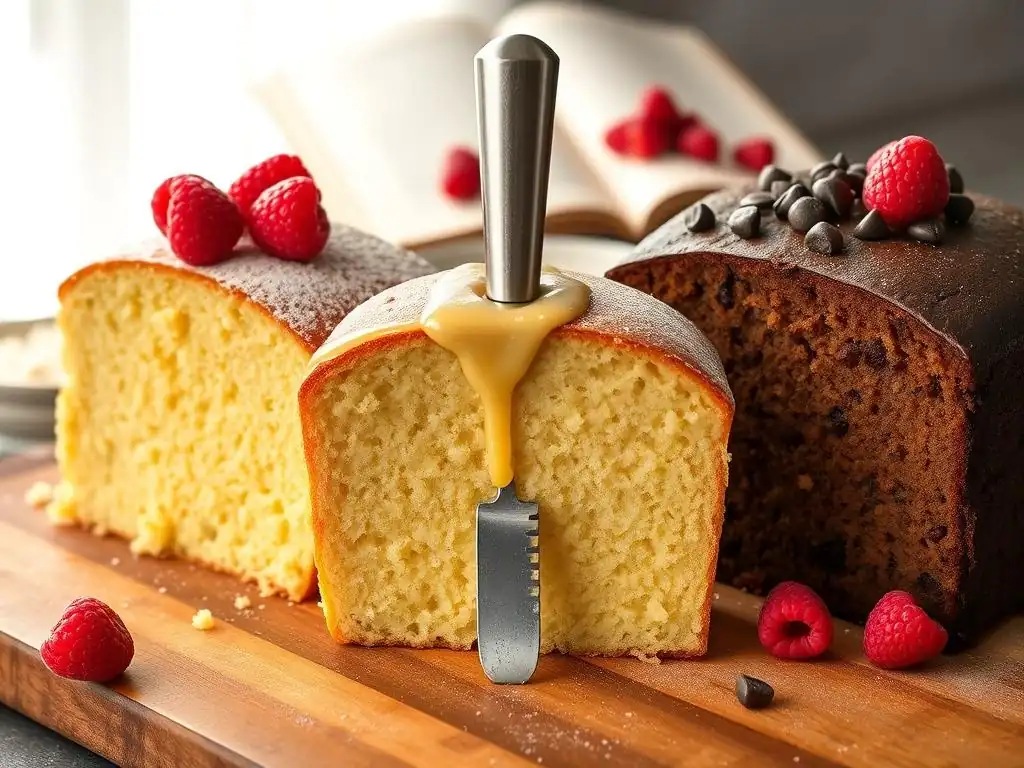
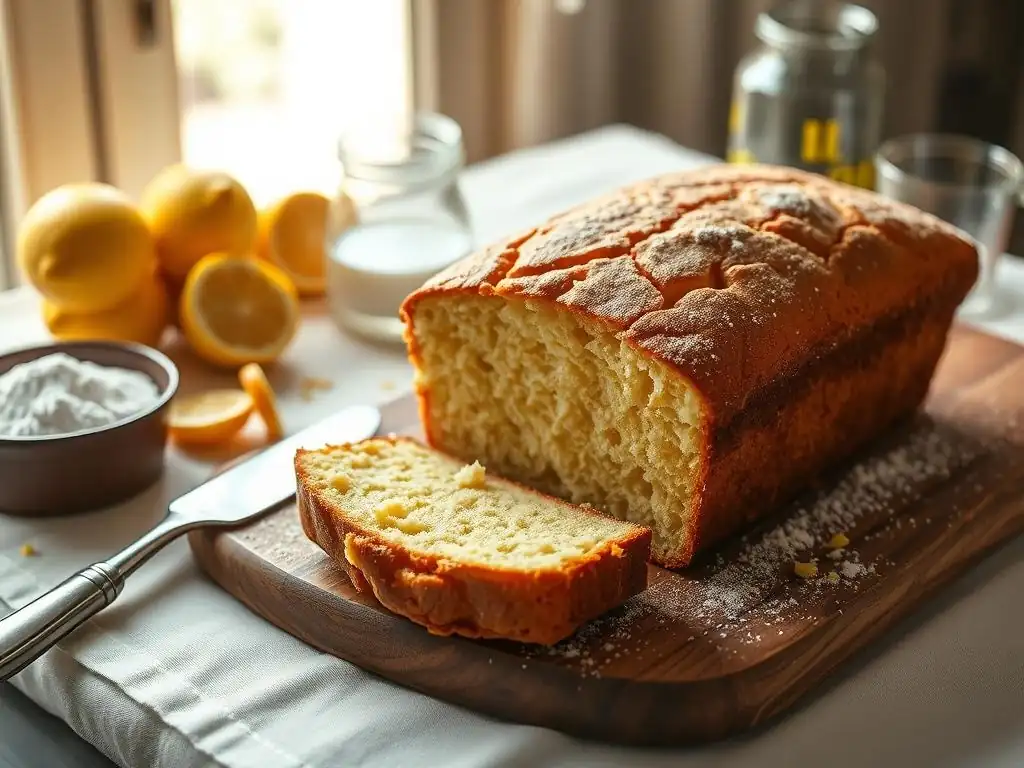
A classic variation of pound cake is the lemon version, which adds a bright, zesty flavor. To create a Lemon Keto Gluten-Free Pound Cake, simply incorporate the zest of one or two organic lemons into your base batter during the creaming stage with the butter and sweetener. For an extra punch of lemon flavor, you can also add 1-2 tablespoons of fresh lemon juice to the wet ingredients.
After baking and cooling, consider adding a simple keto-friendly lemon glaze. This can be made by whisking together powdered keto sweetener (like powdered erythritol or a blend) with a small amount of lemon juice or a mixture of lemon juice and heavy cream until you reach a pourable consistency. A typical glaze might use 1/2 cup powdered sweetener and 1-2 tablespoons liquid. Drizzle this over the cooled cake. The tang of the lemon perfectly complements the rich, buttery flavor of the pound cake base.
Chocolate Keto Gluten-Free Pound Cake
For chocolate lovers, transforming the basic keto gluten-free pound cake recipe into a rich chocolate version is straightforward. This typically involves substituting a portion of the dry ingredients with unsweetened cocoa powder. A common ratio is to replace about 1/4 cup of the almond flour with 1/4 cup of good quality unsweetened cocoa powder, ensuring it's whisked well with the other dry ingredients to avoid clumps.
You can enhance the chocolate flavor further by adding keto-friendly chocolate chips to the batter before baking. Look for brands sweetened with erythritol or stevia. A tablespoon or two of instant espresso powder or strong brewed coffee can also deepen the chocolate notes without adding significant carbs. Serve a slice of Chocolate Keto Gluten-Free Pound Cake with a dollop of whipped cream or a keto chocolate ganache for an indulgent treat.
Vanilla Bean Keto Gluten-Free Pound Cake
Elevating the classic vanilla flavor is easy with the addition of vanilla bean. Instead of or in addition to vanilla extract, scrape the seeds from one whole vanilla bean pod and add them to the wet ingredients. The tiny black specks distributed throughout the cake are visually appealing and provide a more complex, pure vanilla flavor than extract alone.
When using vanilla bean, ensure it is thoroughly mixed into the batter. You can slice the pod lengthwise, scrape out the seeds with the back of a knife, and even rub the seeds into the sweetener before creaming with the butter to help disperse them evenly and release their flavor. The subtle yet distinct taste of real vanilla bean makes this variation a sophisticated take on the basic keto gluten-free pound cake.
Almond Keto Gluten-Free Pound Cake
To double down on the nutty flavor provided by the almond flour base, you can create an Almond Keto Gluten-Free Pound Cake. This is achieved by adding almond extract to the batter, typically 1/2 to 1 teaspoon, along with or in addition to the vanilla extract. Almond extract is potent, so a little goes a long way.
You can also incorporate slivered or chopped almonds into the batter or sprinkle them on top before baking for added texture and flavor. Ensure any added nuts are accounted for in your total carbohydrate count if tracking macros strictly. This variation enhances the natural characteristics of the almond flour, resulting in a deeply flavorful and aromatic pound cake.
Troubleshooting Common Keto Gluten-Free Pound Cake Issues
Dry and Crumbly Pound Cake: Causes and Solutions
One of the most frequent issues encountered when making a keto gluten-free pound cake recipe is a dry or crumbly texture. This is often caused by an imbalance of ingredients or overbaking. Gluten-free flours, particularly coconut flour, are very absorbent. Using too much flour relative to the wet ingredients (butter, eggs, liquids) will result in a dry batter and a crumbly cake. Overbaking also dries out the cake by evaporating too much moisture.
To fix this, ensure you are measuring your flours accurately, preferably by weight. If your recipe uses volume measurements, spoon the flour into the measuring cup and level it off without packing. Verify your oven temperature with an oven thermometer to prevent overbaking; ovens can be off by as much as 25-50°F (15-30°C). If a cake turns out slightly dry, serving it with a keto-friendly glaze, sugar-free syrup, or whipped cream can help add moisture. Adjusting the fat content (slightly increasing butter) or adding a bit more liquid (like almond milk or cream) in future attempts can also help.
Dense and Heavy Pound Cake: Achieving Lightness
A dense or heavy keto gluten-free pound cake can be disappointing. This is often a result of insufficient leavening or improper mixing techniques. While traditional pound cake relies heavily on the air creamed into the butter and eggs, some keto recipes benefit from a small amount of chemical leavener like baking powder. If your recipe includes baking powder, ensure it is fresh and active.
Improper creaming of butter and sweetener (not creaming long enough to incorporate sufficient air) or overmixing the batter after adding the dry ingredients can also lead to a dense texture. Overmixing can toughen the structure provided by the binding agents and fats. Ensure your butter and eggs are at room temperature for optimal emulsification and air incorporation. Mix the dry ingredients into the wet just until they are combined. A light hand is key to achieving a tender, less dense crumb.
Sinking Pound Cake: Preventing a Soggy Center
A cake that sinks in the center during or after baking can be caused by several factors, including underbaking, opening the oven door too early, or an incorrect ratio of wet to dry ingredients. If the cake is removed from the oven before the center is fully set, the structure isn't strong enough to support itself as it cools, leading to a collapse. Opening the oven door too early exposes the cake to a sudden temperature drop, which can also cause it to sink.
Ensure you bake the cake until a toothpick inserted into the deepest part comes out clean, indicating it's cooked through. Use an oven thermometer to confirm your oven's temperature is accurate. Avoid the temptation to check on the cake frequently, especially in the first two-thirds of the baking time. If you consistently have sinking issues, slightly increasing the dry ingredients or decreasing the liquid/fat might be necessary to provide more structural support.
Uneven Baking: Tips for a Level Cake
Uneven baking, where one part of the cake bakes faster than another, resulting in a lopsided or unevenly browned loaf, is often due to hot spots in your oven or improper pan placement. Ovens rarely heat perfectly uniformly.
To mitigate uneven baking, try rotating the pan halfway through the baking time (e.g., after 30-40 minutes). This helps expose all sides of the cake to the heat source evenly. Ensure the oven rack is in the center position, which is typically the most consistent temperature zone. Avoid placing the pan directly against the oven walls. If your oven has a significant hot spot, you might need to experiment with pan placement or use an oven stone to help regulate temperature.
Tips and Tricks for the Best Keto Gluten-Free Pound Cake
Measuring Ingredients Accurately
Accuracy in measuring ingredients is paramount in baking, and even more so in gluten-free and keto baking where the properties of alternative flours are different from wheat. Using too much or too little of a key ingredient can drastically affect the outcome of your keto gluten-free pound cake.
For dry ingredients like flours and sweeteners, using a digital kitchen scale to measure by weight (grams or ounces) is the most accurate method. If using volume measurements (cups), spoon the flour lightly into the measuring cup and level it off with a straight edge rather than scooping directly from the bag, which can compact the flour and result in using too much. Liquids should be measured in liquid measuring cups placed on a flat surface at eye level.
Butter should be measured accurately, whether using the markings on the wrapper or weighing it. Precision ensures consistency and the best possible texture.
Using Room Temperature Ingredients
As highlighted earlier, using room temperature butter and eggs is crucial for success with your keto gluten-free pound cake recipe. Softened butter creams properly with the sweetener, incorporating essential air bubbles that contribute to the cake's lift and tender texture. Cold butter will not cream effectively, resulting in a dense cake.
Similarly, room temperature eggs emulsify more easily with the butter and sweetener mixture, creating a smooth, homogeneous batter. Cold eggs can cause the batter to curdle, leading to a less desirable texture in the final cake. Plan ahead and take your butter and eggs out of the refrigerator 30-60 minutes before you start mixing. If you're short on time, you can quickly soften butter by cutting it into cubes and letting it sit for 10-15 minutes, or warm eggs by placing them in a bowl of warm water for 5-10 minutes.
Avoiding Overmixing the Batter
While creaming the butter and sweetener requires sufficient mixing to incorporate air, once the dry ingredients are added to your keto gluten-free pound cake batter, it's important to mix just until everything is combined. Overmixing can negatively impact the cake's texture.
Even though there's no gluten to develop, overworking the batter can still lead to a tougher or gummy texture, especially if using binding agents like xanthan gum or psyllium husk powder. Mix on low speed and stop as soon as no streaks of dry ingredients are visible. A few small lumps are acceptable. Gentle mixing at the end helps preserve the delicate structure created by the emulsified fats and eggs and ensures a tender crumb.
Storing for Optimal Freshness
Proper storage is key to keeping your keto gluten-free pound cake fresh and moist. Once the cake is completely cooled, wrap it tightly in plastic wrap, then place it in an airtight container or a resealable plastic bag. This prevents air exposure, which can dry out the cake and cause it to become stale quickly.
Stored at room temperature, a well-wrapped keto gluten-free pound cake will typically stay fresh for 2-3 days. For longer storage, it can be refrigerated for up to a week or frozen for up to 2-3 months. To freeze, wrap individual slices or the whole cake tightly in plastic wrap, then aluminum foil, and place in a freezer-safe bag or container. Thaw frozen cake overnight in the refrigerator or at room temperature.
Enjoying Your Keto Gluten-Free Pound Cake: Serving Suggestions
Pairing with Keto-Friendly Toppings
One of the best ways to enjoy a slice of keto gluten-free pound cake is by pairing it with delicious keto-friendly toppings. A dollop of freshly whipped heavy cream (sweetened with a little keto sweetener) is a classic and simple option that adds richness and moisture.
Other great toppings include a sugar-free chocolate sauce or ganache made with sugar-free chocolate chips and cream, or a sugar-free fruit compote made with low-carb berries and a keto sweetener. A simple glaze made from powdered keto sweetener and a liquid like lemon juice, almond milk, or cream is also a popular choice, adding both sweetness and visual appeal. Consider a sprinkle of sugar-free chopped nuts for crunch.
Serving with Berries and Cream
Fresh berries are naturally lower in carbohydrates than many other fruits and pair beautifully with the rich flavor of pound cake. Strawberries, raspberries, blueberries, and blackberries are all excellent choices for a keto diet.
Serving a slice of your keto gluten-free pound cake with a generous portion of mixed berries and a spoonful of unsweetened or lightly sweetened whipped cream or mascarpone cheese creates an elegant and delicious dessert. The slight tartness of the berries provides a lovely contrast to the sweet, buttery cake, and the cream adds moisture and richness.
Pound Cake as a Dessert Base
Think of your keto gluten-free pound cake as a versatile base for numerous keto-friendly desserts. Cut slices into cubes and layer them with sugar-free pudding or mousse and berries for a low-carb trifle. Use slices as the base for individual servings of sugar-free strawberry shortcake.
You can also toast slices lightly and serve them warm with a scoop of keto ice cream. The sturdy texture of pound cake makes it ideal for soaking up sauces or accompanying various toppings without becoming soggy. Experiment with different fruit combinations, sugar-free sauces, and keto-friendly ice creams or custards to create a variety of delicious low-carb desserts using your homemade pound cake.
Keto Gluten-Free Pound Cake Recipe: Detailed Instructions
Recipe Card: Ingredients and Directions
Here is a reliable keto gluten-free pound cake recipe to get you started. This recipe is designed for a standard 9x5 inch loaf pan and yields approximately 12 slices, with each slice containing roughly 4-6 grams of net carbs, depending on specific ingredients used.
Ingredients:
- 1 cup (112g) Super Fine Almond Flour
- 1/4 cup (28g) Coconut Flour
- 1 tsp Baking Powder (optional, for extra lift)
- 1/2 tsp Xanthan Gum
- 1/4 tsp Salt
- 1 cup (226g) Unsalted Butter, softened
- 1.5 cups (300g) Granulated Keto Sweetener Blend (like Erythritol/Monk Fruit)
- 4 large Eggs, room temperature
- 2 tsp Pure Vanilla Extract
- 1/4 cup Unsweetened Almond Milk or Heavy Cream

Equipment:
- 9x5 inch Loaf Pan
- Electric Mixer (stand or hand)
- Wire Rack
Directions:
- Prep: Preheat oven to 325°F (160°C). Grease and dust a 9x5 inch loaf pan with almond flour or line with parchment paper.
- Combine Dry: In a medium bowl, whisk together the almond flour, coconut flour, baking powder (if using), xanthan gum, and salt. Set aside.
- Cream Wet: In a large bowl, cream the softened butter and keto sweetener blend using an electric mixer on medium speed until light and fluffy, about 3-5 minutes. Scrape down the sides of the bowl as needed.
- Add Eggs: Add the eggs one at a time, beating well after each addition until fully incorporated.
- Add Flavor: Beat in the vanilla extract.
- Combine: On low speed, gradually add the dry ingredients to the wet ingredients, mixing just until combined. Do not overmix. Stir in the almond milk or heavy cream until the batter is smooth.
- Bake: Pour the batter evenly into the prepared loaf pan. Bake for 60-75 minutes, or until a toothpick inserted into the center comes out clean and the top is golden brown. If the top browns too quickly, tent loosely with foil.
- Cool: Let the cake cool in the pan on a wire rack for 15-20 minutes. Then, invert the cake onto the wire rack to cool completely before slicing, about 1-2 hours.
Enjoy your homemade keto gluten-free pound cake!
Frequently Asked Questions
What makes a pound cake "keto-friendly"?
A keto-friendly pound cake uses low-carb alternatives to traditional flour and sugar, such as almond flour and erythritol, to keep the net carb count low. This allows it to fit within a ketogenic diet's guidelines.
Can I substitute other gluten-free flours for almond flour in this recipe?
While possible, it's not recommended without adjustments. Almond flour provides a specific texture and moisture balance; other gluten-free flours like coconut flour may require different liquid ratios.
What type of sweetener is best for a keto gluten-free pound cake?
Erythritol or monk fruit are often preferred due to their minimal impact on blood sugar and their granular texture. Avoid sweeteners like honey or maple syrup, which are high in carbohydrates.
How do I prevent my keto gluten-free pound cake from being dry?
The key is to use sufficient fats and moisture. Incorporate ingredients like cream cheese, sour cream, or extra egg yolks, and be careful not to overbake the cake.
Is it possible to make this recipe dairy-free?
Yes, with some substitutions. You can replace butter with dairy-free butter alternatives and cream cheese or sour cream with dairy-free yogurt or coconut cream. Consider adjusting the recipe for moisture.
Final Reflection: The Sweet Success of Keto-Friendly Baking
The demand for delicious, healthy alternatives is higher than ever, and the ketogenic diet's popularity continues to surge. This means that creating satisfying, guilt-free desserts, like a truly decadent keto and gluten-free pound cake, is no longer a niche pursuit but a vital part of a growing culinary landscape. The recipes and techniques explored in this article demonstrate that it's entirely possible to enjoy the richness of a classic pound cake while adhering to dietary restrictions.
The journey of adapting traditional recipes to accommodate specific dietary needs is a testament to human ingenuity and our persistent desire for culinary exploration. It's a journey that reflects our evolving understanding of nutrition and health, and the importance of finding balance and pleasure in our food choices. The best way to find yourself is to lose yourself in the service of others.
– Mahatma Gandhi. While not directly about baking, this quote speaks to the broader theme of adaptation and finding creative solutions to meet diverse needs, a sentiment that resonates deeply with the spirit of this article and the keto-friendly baking community.
Now, it's your turn. Consider the recipes and techniques shared within this article. Don't be afraid to experiment, to adjust the ingredients to your preferences, and to embrace the challenge of creating your own perfect keto and gluten-free pound cake. The satisfaction of baking a delicious and healthy treat, knowing you've mastered a new skill and catered to your specific dietary needs, is a reward in itself. So, roll up your sleeves, gather your ingredients, and embark on your own culinary adventure. The sweet success awaits!
Unleash Your Inner Baker: Create Your Dream Pound Cake!
Thanks for joining us on this delicious journey into the world of keto-friendly, gluten-free pound cakes! You've now unlocked the secrets to creating light, fluffy, and guilt-free treats. Ready to take your baking to the next level?
- Bake your perfect pound cake: Grab your ingredients and try one of the recipes shared in the article—we're confident you'll be amazed by the results! This is your chance to experiment with flavors and techniques.
- Share your creations: Snap a picture of your masterpiece and show us your baking prowess! Tag us on social media – we'd love to see your delicious creations and share your success with our community.
- Explore more keto-friendly recipes: Dive deeper into our website and discover a treasure trove of other delicious and healthy baking options. We've got something for everyone, regardless of dietary needs!
What unique twist will you add to your next keto-friendly pound cake? Let us know in the comments!