
Baking with Flavored Chocolate Bars: Mint, Orange, Chili

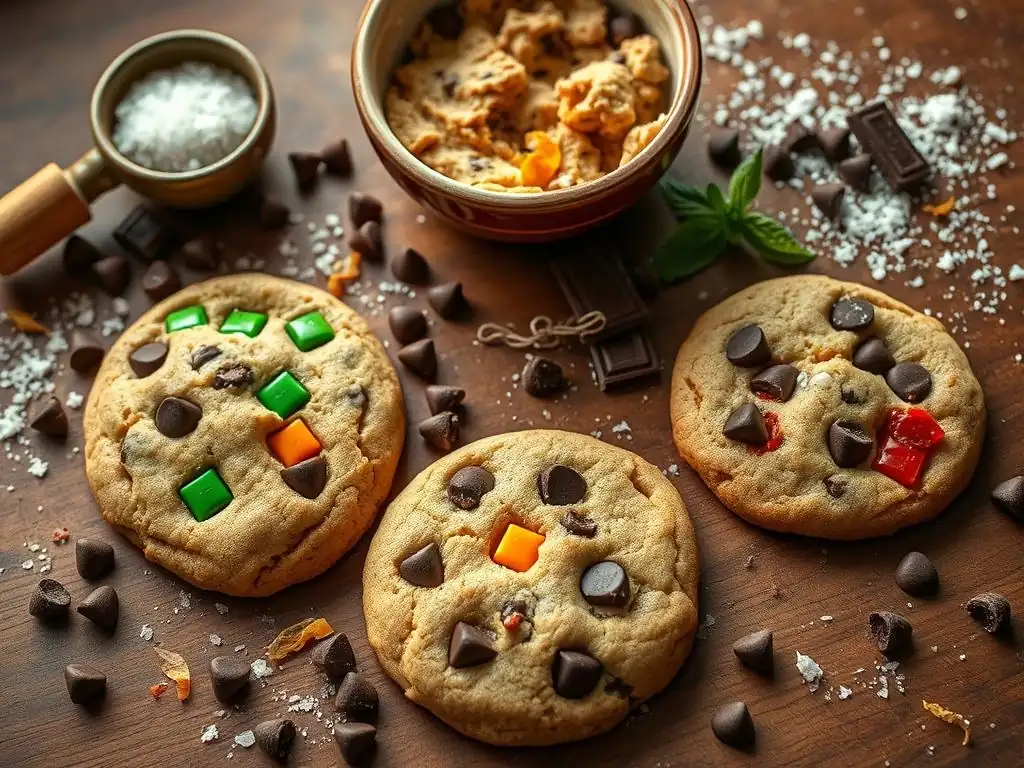
Welcome to BakeWithEase, your trusted guide to effortless baking! Ever wondered how to elevate your treats with a single, powerful ingredient? Unleash your creativity with our ingredient deep dive and discover exciting flavored chocolate bars baking recipes. From the cool zest of mint to the fiery kick of chili, get ready to transform ordinary desserts into extraordinary creations. Read on to unlock the secrets!
- Baking with Flavored Chocolate Bars: Coffee, Raspberry, Sea Salt
- Introduction to Baking with Flavored Chocolate
- Coffee Chocolate Baking: Recipes and Techniques
- Raspberry Chocolate Baking: Recipes and Flavor Pairings
- Sea Salt Chocolate Baking: Adding a Salty Sweetness
- Tips and Tricks for Baking with Flavored Chocolate
- Troubleshooting Common Issues When Baking with Flavored Chocolate
- Conclusion: Elevating Your Baking with Flavored Chocolate Bars
-
Frequently Asked Questions
- How does using flavored chocolate bars affect the overall sweetness of my baked goods?
- Can I substitute different flavored chocolate bars in the same recipe?
- What types of recipes are best suited for incorporating flavored chocolate bars?
- How do I prevent flavored chocolate bars from burning when baking?
- Where can I find reliable recipes specifically designed for baking with flavored chocolate bars?
- Final Reflection: The Sweet Symphony of Flavored Chocolate
- Unleash Your Inner Chocolatier!
Baking with Flavored Chocolate Bars: Coffee, Raspberry, Sea Salt
Introduction to Baking with Flavored Chocolate
Exploring the World of Flavored Chocolate in Baking
The journey into baking often starts with classic ingredients, but incorporating flavored chocolate bars into your repertoire opens up a vast landscape of exciting possibilities. These aren't just plain chocolate with an added flavor; they are carefully crafted bars where the flavor is integrated into the chocolate itself, offering a more nuanced and often more intense profile than simply adding an extract or inclusion separately. Think of a high-quality coffee chocolate bar: the roasted coffee notes are infused directly into the chocolate base, creating a complex flavor that melts seamlessly into batters and doughs.
Using flavored chocolate bars for baking recipes allows you to build layers of flavor effortlessly. Instead of just adding chocolate chips to a cookie, imagine adding sea salt caramel chocolate chunks, introducing both sweetness, bitterness from the chocolate, saltiness, and a hint of caramel in one go. This approach simplifies the ingredient list while elevating the final taste profile significantly. It encourages creativity and provides home bakers with tools to produce results that feel both familiar and delightfully innovative, making everyday baking feel a little more special.
Why Use Flavored Chocolate Bars in Baking Recipes?
Beyond just adding a specific taste, using flavored chocolate bars in baking recipes contributes significantly to texture and overall sensory experience. The way the chocolate melts and integrates into the baked good is crucial.
A well-chosen flavored bar will melt smoothly, distributing its unique flavor evenly throughout the crumb or crust, unlike some extracts which can evaporate or inclusions which might sink or burn. For instance, a raspberry flavored chocolate might contain freeze-dried raspberry pieces or a natural raspberry oil infused into the chocolate liquor, ensuring the bright, tart fruit flavor is present in every bite alongside the chocolate richness.
Furthermore, using flavored chocolate bars can streamline your baking process. Instead of measuring multiple extracts or inclusions, you simply chop the bar and add it. This not only saves time but also ensures consistency in flavor distribution. It allows bakers to easily replicate complex flavor profiles that might otherwise require advanced techniques or a multitude of ingredients. For aspiring bakers looking to elevate their creations without overwhelming complexity, exploring baking recipes with flavored chocolate bars is a fantastic next step.
Coffee Chocolate Baking: Recipes and Techniques
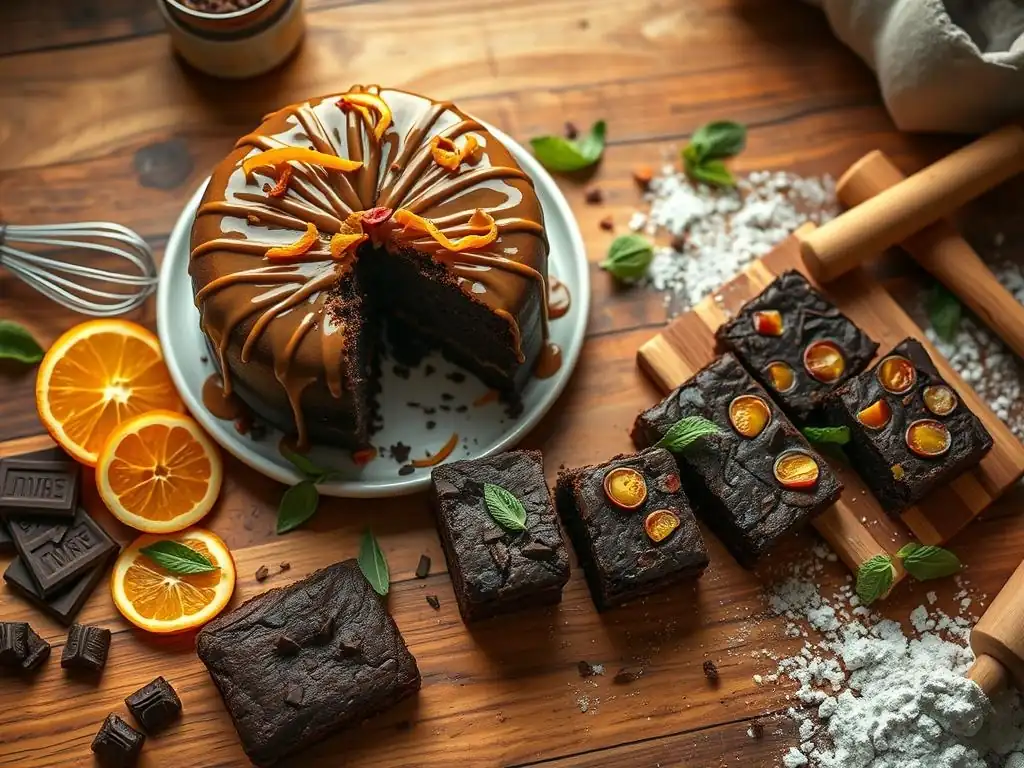
Understanding Coffee Chocolate Flavors for Baking
Coffee flavored chocolate bars bring a sophisticated depth to baked goods, combining the rich, sometimes bitter notes of coffee with the sweetness and intensity of chocolate. The flavor profile can range from subtle hints of coffee to bold espresso notes, depending on how the bar is made – whether it uses coffee extract, finely ground coffee beans, or coffee oil infused into the chocolate.
When selecting a coffee chocolate bar for baking, consider the roast of the coffee used; a dark roast will impart a more intense, slightly bitter flavor, while a lighter roast might offer more aromatic and acidic notes.
This unique flavor combination pairs wonderfully with a variety of ingredients commonly found in baking recipes. Nuts like walnuts or pecans complement the earthy tones of coffee and chocolate. Spices such as cinnamon, cardamom, or a touch of chili can enhance the warmth and complexity. Even fruits like orange or cherry can create intriguing contrasts. Understanding how the specific coffee flavor in your chosen bar interacts with these ingredients is key to developing truly memorable flavored chocolate bars baking recipes.
Recipe 1: Coffee Chocolate Chunk Muffins
Coffee Chocolate Chunk Muffins are a beloved classic elevated by the inclusion of flavored chocolate bars. Imagine a tender, moist muffin batter studded with pockets of melted coffee-infused chocolate. The warmth of the muffin enhances the aroma of both coffee and chocolate, making for a truly comforting treat. The key to great muffins lies in not overmixing the batter, which can lead to a tough texture.
Ingredients for Coffee Chocolate Chunk Muffins
A standard muffin base typically includes flour, sugar, leavening agents (like baking powder and baking soda), salt, eggs, milk or buttermilk, and melted butter or oil. The star ingredient here is, of course, a good quality coffee flavored chocolate bar, roughly chopped into chunks. The size of the chunks is important – too small, and they disappear; too large, and they can create dense spots. Aim for pieces roughly the size of a small pea to a large lentil.
Step-by-Step Baking Instructions for Coffee Chocolate Chunk Muffins
Begin by combining the dry ingredients in one bowl and the wet ingredients in another. Create a well in the dry ingredients and pour the wet ingredients in. Mix just until the dry ingredients are moistened; a few lumps are perfectly acceptable. Gently fold in the chopped coffee chocolate bar chunks. Portion the batter into prepared muffin tins, filling each cavity about two-thirds full. Baking typically occurs at around 375°F (190°C) for 18-22 minutes, or until a toothpick inserted into the center comes out clean.
Recipe 2: Coffee Chocolate Layer Cake with Espresso Buttercream
A Coffee Chocolate Layer Cake with Espresso Buttercream is a showstopper, perfect for special occasions. This recipe leverages the deep, rich flavor of coffee chocolate in the cake layers themselves, complemented by a strong, aromatic espresso buttercream. The interaction of the slightly bitter coffee chocolate cake with the sweet, coffee-spiked frosting creates a harmonious balance that is intensely satisfying.
Tips for Perfect Coffee Chocolate Layer Cake
Achieving a perfect layer cake involves careful attention to detail. Ensure all ingredients are at room temperature before mixing, which helps create a smooth, emulsified batter. Do not overmix the cake batter once the flour is added; this can develop gluten and result in a tough cake.
Baking time is critical; bake until a toothpick inserted into the center comes out with moist crumbs, not wet batter. Cooling the cakes completely on a wire rack before assembling is crucial to prevent breakage and melting the buttercream. For the espresso buttercream, use high-quality instant espresso powder dissolved in a minimal amount of hot liquid (like milk or cream) to avoid thinning the frosting too much.
Raspberry Chocolate Baking: Recipes and Flavor Pairings
The Fruity Appeal of Raspberry Chocolate in Baked Goods
Raspberry flavored chocolate bars introduce a vibrant, slightly tart fruitiness that cuts through the richness of chocolate, creating a lively and sophisticated flavor profile. This flavor combination is a classic for a reason; the bright acidity of raspberry provides a beautiful counterpoint to the deep, sometimes bitter notes of dark chocolate, and a delightful complement to the creamy sweetness of milk or white chocolate. The raspberry flavor is often achieved through freeze-dried raspberry pieces embedded in the bar, or through natural raspberry oil or essence infused into the chocolate.
Incorporating raspberry flavored chocolate bars into baking recipes adds both flavor and often appealing visual elements, especially if freeze-dried pieces are visible. This flavor pairs exceptionally well with vanilla, almond, and other berries. It can also stand up to richer flavors like pistachios or even a hint of black pepper for an adventurous twist. When developing flavored chocolate bars baking recipes featuring raspberry, consider how the tartness of the raspberry will interact with the sweetness of the dessert and adjust sugar levels if necessary.
Recipe 1: Raspberry Chocolate Swirl Bread
Raspberry Chocolate Swirl Bread is a delightful way to incorporate raspberry flavored chocolate into a baked good, creating beautiful swirls of color and flavor within a soft, often slightly sweet bread dough. The key challenge here is creating distinct, visible swirls that distribute the chocolate and raspberry flavor throughout the loaf without collapsing the dough structure. This often involves rolling out the dough, spreading a filling (often made from melted raspberry chocolate or a mix with cocoa), and then rolling it up before baking.
Baking Raspberry Chocolate Swirl Bread: Achieving the Right Swirl
To achieve impressive swirls, the dough needs to be elastic enough to roll thinly without tearing, and the filling should be spread evenly. After spreading the filling, rolling the dough tightly helps create defined layers. Some techniques involve slicing the rolled dough lengthwise and twisting the halves together (as in Babka), while others simply involve rolling it into a log.
The consistency of the filling is also important; too runny, and it leaks out; too stiff, and it doesn't spread well. Using a slightly thickened filling or allowing melted chocolate to cool slightly before spreading can help. Baking time and temperature are standard for enriched bread doughs, typically around 350°F (175°C) for 30-40 minutes, depending on the size of the loaf.
Recipe 2: Raspberry Chocolate Tart
A Raspberry Chocolate Tart is an elegant dessert where the intense flavor of raspberry flavored chocolate can truly shine. This often involves a crisp pastry crust filled with a ganache or custard made with the flavored chocolate, sometimes topped with fresh raspberries. The contrast between the flaky crust, the smooth, rich filling, and the bright burst of fresh fruit (if used) makes this a multi-sensory experience.
Enhancing the Raspberry Chocolate Tart with a Chocolate Ganache
A ganache made with raspberry flavored chocolate bars is a classic filling for tarts. It's simple yet incredibly effective. Typically, hot cream is poured over finely chopped chocolate, allowed to sit for a moment, and then gently stirred until smooth and glossy.
The ratio of chocolate to cream can be adjusted to achieve different consistencies – more chocolate for a firmer set, more cream for a softer, almost sauce-like texture. For a raspberry chocolate tart, using a good quality raspberry chocolate bar ensures the fruit flavor is fully integrated into the creamy ganache, providing a harmonious blend of rich chocolate and tart raspberry notes in every luxurious bite.
Sea Salt Chocolate Baking: Adding a Salty Sweetness
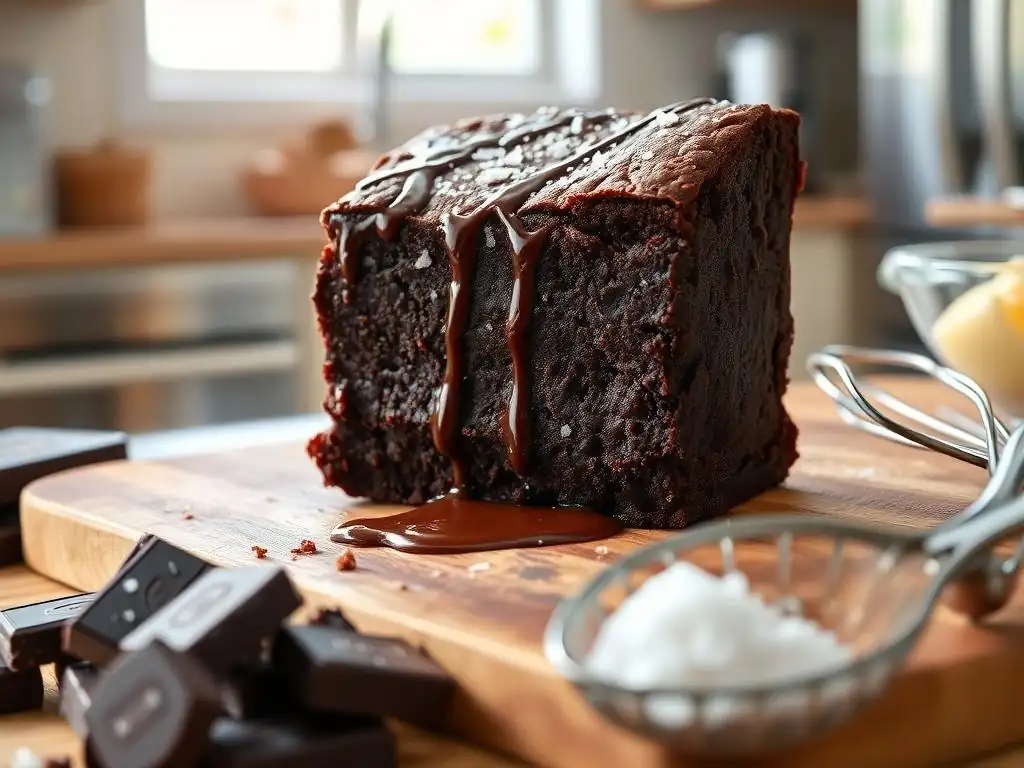
The Unexpected Delight of Sea Salt Chocolate in Baking
Sea salt flavored chocolate bars offer a unique and highly addictive flavor profile that balances sweetness with a subtle salinity. The salt doesn't just make the chocolate taste salty; it enhances the inherent flavors of the cocoa itself and cuts through the sweetness, making the chocolate taste richer and more complex. When used in baking, sea salt chocolate introduces pockets of salty sweetness that create delightful surprises in every bite, preventing the baked good from being overly cloying.
This flavor combination works exceptionally well in a wide range of baked goods, from simple cookies to elaborate cakes and brownies. The salt crystals, if visible in the chocolate bar, can also add a slight textural contrast.
When incorporating sea salt flavored chocolate bars into baking recipes, consider where the saltiness will have the most impact – mixed into a dough, sprinkled on top, or melted within a ganache. The size and type of sea salt used in the bar can also influence the final taste; flaky sea salt provides bursts of saltiness, while finer salt distributes the flavor more evenly.
Sea Salt Chocolate Cookies are a popular application for this flavored chocolate. The simple cookie base allows the complex flavor of the sea salt chocolate to take center stage. Imagine a classic chocolate chip cookie, but with chunks of sea salt chocolate providing bursts of intense chocolate flavor punctuated by delightful pops of salt.
Mastering the Salt Level in Sea Salt Chocolate Cookies
The key to great Sea Salt Chocolate Cookies is balancing the saltiness from the chocolate bar with any additional salt in the cookie recipe itself. Many cookie recipes include salt to enhance flavor, and you may need to slightly reduce or omit this if your sea salt chocolate bar is particularly salty. Tasting the chocolate bar beforehand gives you an indication of its salt intensity.
Additionally, some bakers like to sprinkle a little extra flaky sea salt on top of the cookies just before baking to emphasize the salty-sweet contrast and add visual appeal. Baking time is standard for chocolate chip cookies, typically 8-12 minutes at around 350°F (175°C), depending on size and desired chewiness.
Recipe 2: Sea Salt Chocolate Bark - A Simple Treat
Sea Salt Chocolate Bark is perhaps one of the easiest and most direct ways to enjoy sea salt flavored chocolate. It requires minimal effort and highlights the quality and flavor of the chocolate bar itself. It's essentially melted chocolate spread thinly and allowed to harden, often with additional toppings.
Balancing Sweet and Salty in Sea Salt Chocolate Bark
Making sea salt chocolate bark involves gently melting the flavored chocolate bar, spreading it thinly on a parchment-lined surface, and allowing it to set. The balance of sweet and salty is inherent in the chocolate bar itself. However, you can enhance this by adding other toppings.
For example, adding roasted nuts provides a textural contrast, while a sprinkle of extra flaky sea salt before the chocolate sets can intensify the salty element. Other additions like dried fruit, crushed pretzels, or even a drizzle of caramel can further complement the sweet and salty notes. The key is to use a high-quality sea salt flavored chocolate bar as the base, as its flavor will define the final product.
Tips and Tricks for Baking with Flavored Chocolate
Choosing the Right Flavored Chocolate Bar for Your Recipe
Selecting the appropriate flavored chocolate bar is crucial for successful flavored chocolate bars baking recipes. Consider the flavor profile you want to achieve and how it will interact with other ingredients. A strong, intense flavor like coffee might be best in recipes where it can be a dominant note, while a more subtle flavor like orange might work well in a lighter cake or pastry.
Also, pay attention to the percentage of cocoa solids in the chocolate bar; this affects its melting properties and overall richness. Darker chocolate (higher cocoa percentage, typically 55-70% or more) will melt differently and provide a more intense chocolate flavor than milk or white chocolate.
The quality of the chocolate itself is paramount. High-quality chocolate melts more smoothly and has a better flavor than compound chocolate or lower-grade varieties. Look for bars made with cocoa butter, not vegetable oil. If the bar contains inclusions like nuts or dried fruit, consider how these will behave during baking – will they burn or become too hard? For applications like melting into ganaches or batters, a bar with a smooth texture is preferable. For chunks in cookies or muffins, a bar with a firmer snap is ideal.
Adjusting Baking Times for Flavored Chocolate Recipes
While the flavored chocolate itself doesn't drastically change the fundamental baking time of a recipe, the type of recipe and the amount of chocolate used can have subtle effects. Recipes with larger amounts of chocolate chunks or a very rich, chocolate-heavy batter might require a slightly longer baking time or a slightly lower temperature to ensure the center is cooked through without the edges burning. Conversely, recipes where flavored chocolate is used as a swirl or a thin layer might not require significant adjustments.
It's always best to rely on visual cues and doneness tests (like the toothpick test for cakes and muffins, or visual browning for cookies) rather than strictly adhering to a time. Pay attention to how the chocolate is melting within the baked good; if it seems to be burning or seizing on the surface while the inside is still raw, covering the baked good loosely with foil can help slow down the surface browning. Always monitor your oven, as temperatures can vary, and adjust baking time as needed based on your specific oven and the quantity of the bake.
Storing Baked Goods with Flavored Chocolate
Proper storage is key to maintaining the quality and flavor of baked goods made with flavored chocolate bars. Like all chocolate, flavored chocolate can be sensitive to temperature fluctuations, moisture, and odors. Baked goods containing chocolate are best stored in airtight containers at room temperature, away from direct sunlight or heat sources. This prevents the chocolate from melting or developing a "bloom" (a harmless white or grayish film caused by fat or sugar crystals migrating to the surface).
If the baked good is very moist or contains perishable fillings (like fresh fruit or cream), refrigeration might be necessary, but this can sometimes affect the texture of the chocolate, making it harder. In such cases, allowing the item to come to room temperature for a short period before serving can improve the texture. For longer storage, many baked goods with flavored chocolate can be frozen. Wrap them tightly in plastic wrap and then in foil or place them in a freezer-safe container. Thaw them gradually in the refrigerator or at room temperature to preserve their quality.
Troubleshooting Common Issues When Baking with Flavored Chocolate
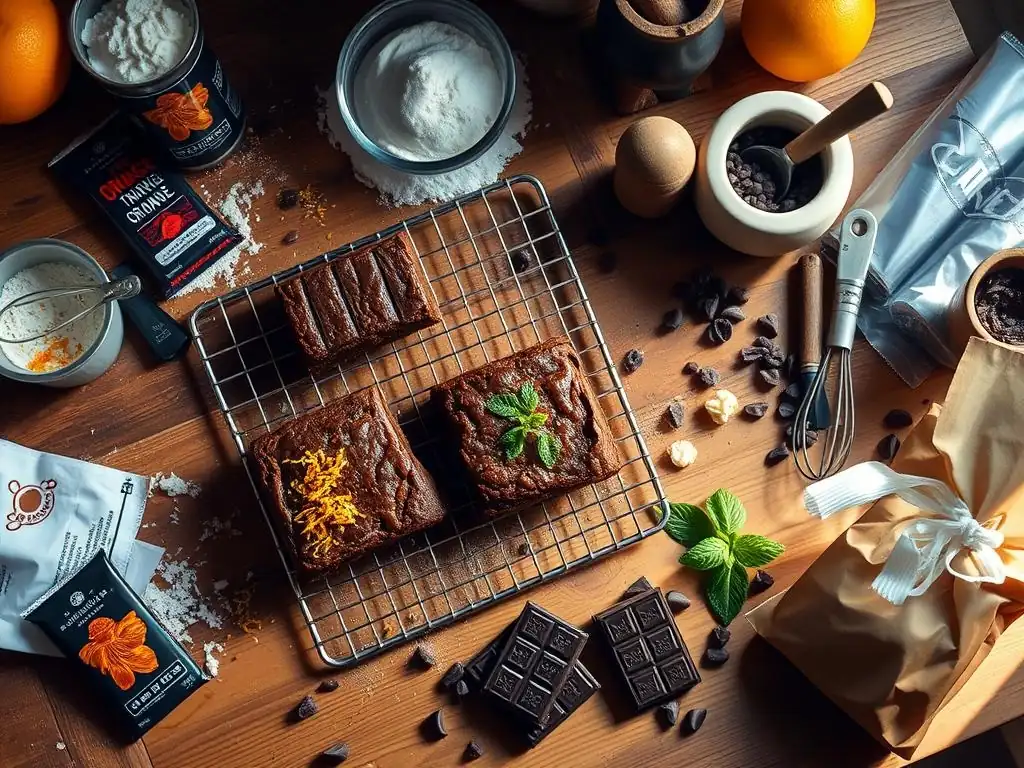
Preventing Chocolate from Burning
Burning chocolate is a common pitfall when baking. This happens when chocolate is exposed to too high heat, either directly or indirectly within the baked good. When melting flavored chocolate bars, always use a gentle method, such as a double boiler or melting slowly in the microwave on low power, stirring frequently. Avoid overheating; chocolate melts at a relatively low temperature, typically between 86°F and 90°F (30°C and 32°C) for dark chocolate, and slightly lower for milk and white chocolate.
When incorporating chocolate chunks into batters or doughs, ensure they are fully coated with the batter or dough to protect them during baking. If baking recipes call for chocolate on the surface, like a sprinkle on cookies or a topping on a cake baked from scratch, add it towards the end of the baking time or immediately after removing from the oven using residual heat to melt it gently. If you notice chocolate on the surface starting to burn during baking, covering the item loosely with aluminum foil can shield it from direct heat.
Achieving the Right Texture with Flavored Chocolate
The texture of flavored chocolate within a baked good can vary depending on the recipe and the type of chocolate used. In cookies or muffins, you often want distinct pockets of melted or slightly softened chocolate chunks. Using chopped flavored chocolate bars rather than chips (which often contain stabilizers to hold their shape) can lead to a smoother, more satisfying melt. Ensure the chocolate is evenly distributed throughout the batter or dough.
In cakes or brownies where chocolate is melted and incorporated into the batter, the quality of the chocolate significantly impacts the final texture. High-quality flavored chocolate with a good amount of cocoa butter contributes to a moist, tender crumb. Overbaking is a common cause of dry, tough textures, which also negatively affects the melted chocolate within the bake. Using the correct amount of chocolate as specified in the flavored chocolate bars baking recipes and baking for the appropriate time are key to achieving the desired texture.
Dealing with Melting Issues in Warm Climates
Baking with chocolate in warm climates presents unique challenges, as chocolate can melt prematurely or become too soft to work with. If you are adding chopped flavored chocolate bars to a dough or batter, chilling the chopped chocolate in the refrigerator or freezer for 15-30 minutes before adding it can help prevent it from melting into the batter too quickly during mixing.
When working with batters or doughs containing chocolate chunks, keeping the ingredients and the workspace cool is beneficial. If your dough becomes too soft to handle, briefly chilling it in the refrigerator can make it easier to shape or portion. For recipes like chocolate bark or ganache, ensuring the finished product sets properly requires cooling. In warm environments, this might mean allowing it to set in a cool room, a basement, or even the refrigerator (though setting at room temperature is often preferred for texture if possible).
Conclusion: Elevating Your Baking with Flavored Chocolate Bars
The Versatility of Coffee, Raspberry, and Sea Salt Chocolate in Baking
Exploring flavored chocolate bars for baking recipes unlocks a new level of creativity and flavor complexity in your kitchen. Coffee, raspberry, and sea salt are just three examples of the incredible range of flavors available, each offering unique properties that can transform simple baked goods into extraordinary treats. Coffee chocolate adds depth and sophistication, pairing beautifully with nuts and spices. Raspberry chocolate brings a bright, tart contrast that livens up rich desserts. Sea salt chocolate provides a captivating balance of sweet and salty that enhances the overall flavor experience.
These flavored chocolate bars are not just substitutions; they are ingredients that bring their own character to a recipe. Whether you're making cookies, cakes, muffins, or tarts, incorporating these flavored chocolates can elevate the final product with minimal extra effort. They offer a convenient way to introduce complex flavor profiles that would otherwise require multiple steps or ingredients, making gourmet baking more accessible to everyone.
Experimenting with Your Own Flavored Chocolate Baking Creations
Once you've tried some established flavored chocolate bars baking recipes, don't hesitate to start experimenting! Think about your favorite flavor combinations and how they might translate using a flavored chocolate bar. Could a lime-flavored chocolate work in a white chocolate blondie? How about a ginger-flavored chocolate in gingerbread cookies? The possibilities are vast. Start by substituting flavored chocolate for plain chocolate in familiar recipes and observe the results.
Consider the intensity of the flavored chocolate bar and how it will complement or contrast with the other flavors in your recipe. Keep notes on your experiments – what worked, what didn't, and why. Baking is a journey of discovery, and incorporating flavored chocolate bars is an exciting path to explore new tastes and textures. So grab a bar, get creative, and enjoy the delicious results of your flavored chocolate baking adventures!
Frequently Asked Questions
How does using flavored chocolate bars affect the overall sweetness of my baked goods?
Using flavored chocolate bars can significantly impact sweetness. Consider the sugar content of the bar and adjust other sweeteners in your recipe accordingly to avoid excessive sweetness. Taste as you go is always a good idea.
Can I substitute different flavored chocolate bars in the same recipe?
Yes, you can often substitute different flavored chocolate bars, but be mindful of flavor pairings. A mint chocolate bar might work well in a brownie, while a chili chocolate bar could complement a Mexican spice cake.
What types of recipes are best suited for incorporating flavored chocolate bars?
Flavored chocolate bars work well in recipes where the chocolate flavor is prominent, such as brownies, cookies, cakes, and even some breads. They can add a unique twist to classic recipes.
How do I prevent flavored chocolate bars from burning when baking?
To prevent burning, chop the chocolate into smaller, even pieces and add them towards the end of the baking process, if possible. You can also use a double boiler or microwave to melt the chocolate separately and then incorporate it into the batter.
Where can I find reliable recipes specifically designed for baking with flavored chocolate bars?
Websites like BakeWithEase.com often feature recipes tailored for flavored chocolate bars. Look for recipes that provide guidance on flavor pairings and adjustments for sweetness levels.
Final Reflection: The Sweet Symphony of Flavored Chocolate
The unexpected versatility of flavored chocolate bars in baking is transforming the culinary landscape, proving that sometimes, the most exciting creations come from the simplest ingredients. This isn't just about adding a chocolate chip; it's about unlocking a world of flavor profiles and textures, elevating everyday baking to an art form. From the refreshing zing of mint to the fiery kick of chili, the possibilities are truly endless.
The journey through these recipes has highlighted not only the technical aspects of baking with flavored chocolate, but also the emotional connection we have with food. The act of creating something delicious, something that evokes memories and sparks joy, is profoundly rewarding. The best things in life are the simple things, and good food is one of them.
This sentiment perfectly encapsulates the essence of this exploration – finding extraordinary results in the ordinary. The subtle nuances of each flavored chocolate bar, when carefully incorporated, create a unique sensory experience that transcends mere sustenance.
Now, it's your turn. Don't be afraid to experiment! Grab a selection of flavored chocolate bars, let your imagination run wild, and embark on your own culinary adventure. The next time you bake, consider the power of a single ingredient to transform a familiar recipe into something truly special. Let the sweet symphony of flavored chocolate inspire your next masterpiece.
Unleash Your Inner Chocolatier!
Thanks for exploring the delicious world of flavored chocolate baking! You've now unlocked a treasure trove of creative possibilities. Ready to take your baking to the next level?
- Craft your signature flavored chocolate creation: Use the techniques and recipes inspired by this article to develop your own unique baked good featuring your favorite flavored chocolate. Think outside the box – what unexpected combinations can you dream up?
- Share your baking journey! Show off your creations on social media using #BakeWithEaseFlavoredChocolate and tag us – we'd love to see what you make!
- Explore other exciting baking adventures on BakeWithEase.com – we have tons more recipe ideas waiting for you.
What unique flavored chocolate masterpiece will you bake next?