
Ingredient Intelligence: Sourcing Safe Supplies for Your Baked Goods


Welcome to BakeWithEase, your guide to a sweeter, simpler baking journey! Ever wondered if you're truly getting the best and safest ingredients for your delectable creations? Our latest article, "Ingredient Intelligence: Sourcing Safe Supplies for Your Baked Goods," dives deep into the world of safe baking ingredient sourcing, revealing the secrets to ensuring every bite is as wholesome as it is delicious. Curious to discover how to protect your home baking business and your health? Keep reading to unlock the key to confident and conscious baking!
- Introduction to Safe Baking Ingredient Sourcing
- Understanding Baking Ingredient Labels for Food Safety
- Finding Reliable Baking Ingredient Suppliers
- Assessing the Safety of Specific Baking Ingredients
- Safe Storage Practices for Baking Ingredients
- Recognizing and Responding to Ingredient Spoilage
- Maintaining a Clean and Sanitary Baking Environment
- Resources for Safe Baking Ingredient Sourcing
- Conclusion: Baking with Confidence Through Ingredient Intelligence
-
Frequently Asked Questions
- What are the biggest risks involved in not practicing Safe Baking Ingredient Sourcing?
- How can I verify the legitimacy and safety of a new baking ingredient supplier?
- What are some "red flags" I should watch out for when sourcing baking ingredients?
- Does BakeWithEase have any specific recommendations for brands known for Safe Baking Ingredient Sourcing?
- What are some simple steps I can take to ensure the safety of my baking ingredients once I've sourced them?
- Final Reflection: Baking a Better Future, One Ingredient at a Time
- Unlock Your Baking Potential: Source Smarter, Bake Better!
Introduction to Safe Baking Ingredient Sourcing
Why Safe Ingredients Matter for Home Bakers
For anyone passionate about baking, whether it's a hobby or a budding home business, the safety of your ingredients is paramount. It's not just about achieving the perfect texture or flavor; it's fundamentally about protecting the health of those who enjoy your creations. Using contaminated or expired ingredients can lead to foodborne illnesses, ranging from mild discomfort to severe health issues. This is why safe baking ingredient sourcing is the first crucial step in ensuring everything you bake is not only delicious but also completely safe to eat.
Think of your ingredients as the building blocks of your baked goods. Just as a sturdy house requires quality materials, safe and reliable ingredients are essential for a safe and successful bake. Even the most experienced baker can't fix issues introduced by compromised ingredients. Prioritizing safe baking ingredient sourcing means taking proactive steps to select, handle, and store your supplies correctly, minimizing risks before they even reach your mixing bowl.
The Importance of Ingredient Quality in Baking
Ingredient quality extends beyond just flavor and performance in a recipe; it's intrinsically linked to safety. High-quality ingredients are typically handled with greater care throughout the supply chain, from farming and processing to packaging and distribution. This careful handling often translates to a lower risk of contamination from pests, microbes, or foreign materials. Investing in quality is a key aspect of safe baking ingredient sourcing.
Furthermore, the nutritional value and freshness of ingredients contribute to both the quality and safety of your final product. For example, rancid fats can not only ruin the taste of a cake but also contain harmful compounds. Stale flour might not rise properly and could harbor pantry pests if stored incorrectly. Focusing on high-quality ingredients as part of your safe baking ingredient sourcing strategy ensures better results and greater peace of mind.
Understanding Baking Ingredient Labels for Food Safety
Decoding Ingredient Lists: What to Look For
Understanding what's in your ingredients starts with reading the label. The ingredient list is a critical tool for safe baking ingredient sourcing. Ingredients are listed in descending order by weight, meaning the first ingredient is the most abundant in the product. Pay close attention to this list to understand the primary components of what you're buying. Look for familiar names and be wary of excessively long lists filled with unpronounceable chemicals, though many additives are perfectly safe and serve specific purposes like preservation or texture improvement.
Beyond the main ingredients, look for information regarding processing methods or potential cross-contamination warnings. Phrases like "processed in a facility that also handles nuts" are vital for identifying risks, especially when dealing with allergies. Understanding these details is a fundamental part of safe baking ingredient sourcing and making informed choices about what you bring into your kitchen.
Identifying Potential Allergens and Additives
Food allergies are a serious concern, and labels are legally required in many regions (like the US and EU) to highlight common allergens. In the US, the "Big 8" allergens (milk, eggs, peanuts, tree nuts, soy, wheat, fish, and shellfish) must be clearly identified. For bakers catering to others, or baking for a household with allergies, meticulously checking for these is non-negotiable for safe baking ingredient sourcing. Look for bolded ingredients or a separate "Contains:" statement near the bottom of the ingredient list.
Additives, such as preservatives, colorings, and stabilizers, are also listed. While most approved additives are considered safe for consumption in specified amounts, some individuals may have sensitivities. For those seeking to avoid certain additives, the label provides the necessary information. Being aware of these components is crucial for safe baking ingredient sourcing, particularly when choosing ingredients for specific dietary needs or preferences.
Understanding Expiration Dates and Storage Guidelines
Expiration dates, best by dates, and sell-by dates provide vital information about an ingredient's freshness and safety. A "Best By" date indicates when the product is expected to be at its peak quality, not necessarily when it becomes unsafe. However, using ingredients significantly past this date can affect the outcome of your baking and, in some cases, safety (e.g., oils becoming rancid). A "Use By" or "Expiration Date" is more critical and indicates the date by which the product should be consumed for safety.
Storage instructions are equally important for maintaining ingredient safety and quality after purchase. Labels often specify conditions like "Store in a cool, dry place," "Refrigerate after opening," or "Keep frozen." Ignoring these guidelines can lead to premature spoilage or the growth of harmful bacteria. Following these instructions is a key component of safe baking ingredient sourcing and management in your own kitchen.
Finding Reliable Baking Ingredient Suppliers
Choosing Reputable Online Suppliers
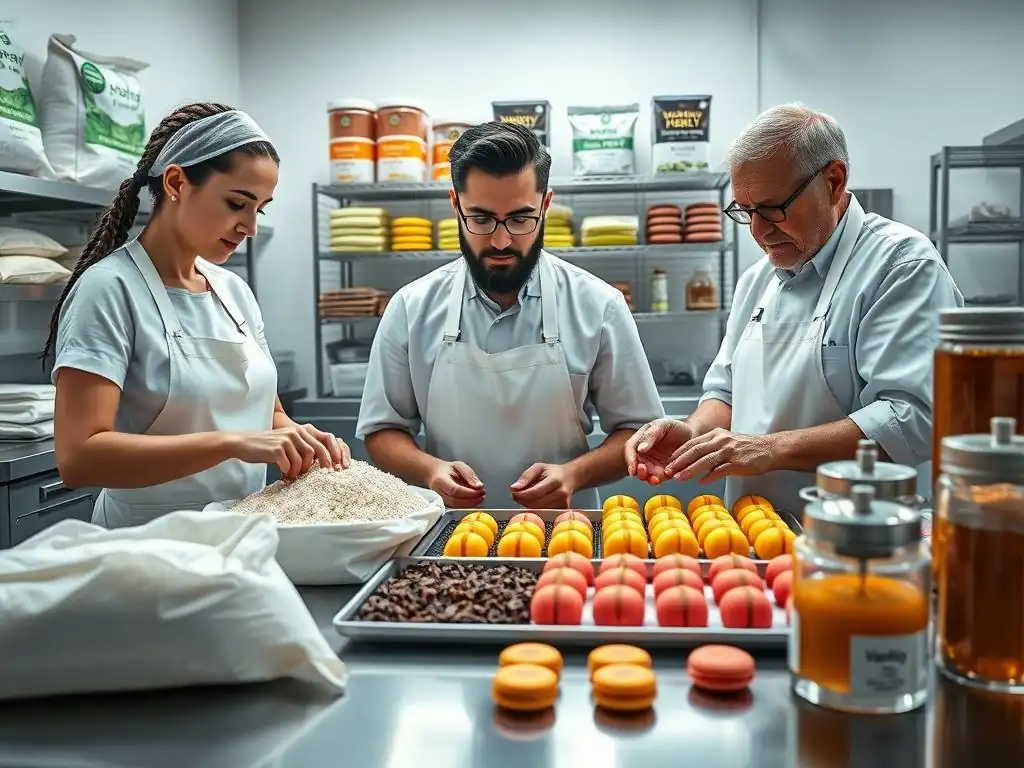
The convenience of online shopping has expanded options for safe baking ingredient sourcing, offering access to specialty items and bulk quantities. When choosing online suppliers, look for established businesses with positive customer reviews and clear information about their sourcing practices and quality control measures. A reputable supplier will be transparent about where their ingredients come from and how they are handled.
Consider the supplier's shipping practices, especially for temperature-sensitive ingredients like chocolate or yeast. Proper packaging and timely delivery are essential to maintain the integrity and safety of these items during transit. Comparing several suppliers based on their reputation, transparency, and handling of ingredients is a smart strategy for safe baking ingredient sourcing online.
Sourcing Locally: Farmers Markets and Local Producers
Sourcing ingredients locally, such as from farmers' markets or direct from local producers, can be an excellent way to ensure freshness and understand exactly where your food comes from. Building relationships with local farmers allows you to ask specific questions about their farming practices, use of pesticides, and harvesting methods. This direct line of communication contributes significantly to safe baking ingredient sourcing.
While local sources offer transparency, it's still important to observe hygiene practices at the point of sale. Look for clean stalls and properly stored produce. For processed goods like flour or honey from a local mill or apiary, inquire about their processing and packaging standards. Local sourcing combines freshness with community support, enhancing your approach to safe baking ingredient sourcing.
Evaluating Supplier Certifications and Standards
For home bakers who take safe baking ingredient sourcing seriously, looking into supplier certifications can provide an extra layer of confidence. Certifications like organic verify that ingredients were produced following specific environmental and non-GMO standards. While not directly a safety certification in the microbial sense, they indicate adherence to regulated practices.
Some suppliers, particularly those operating on a larger scale, may adhere to food safety standards like Good Manufacturing Practices (GMPs). While you might not see a specific certificate for every small bag of flour, a supplier's commitment to quality control and sanitation speaks volumes. Don't hesitate to check a supplier's website or ask about their quality assurance processes as part of your safe baking ingredient sourcing efforts.
Assessing the Safety of Specific Baking Ingredients
Flour: Ensuring Quality and Preventing Contamination
Flour is a staple in baking, but it's a raw agricultural product and can be susceptible to contamination. Safe baking ingredient sourcing for flour involves choosing reputable brands that process flour under sanitary conditions. Flour can sometimes contain pathogens like E. coli or Salmonella from the field, which is why recipes emphasize not consuming raw dough or batter.
Proper storage of flour at home is also critical. Keep it in an airtight container in a cool, dry place to prevent moisture absorption, which can lead to mold, and to keep out pantry pests like weevils. Checking flour for any off smells, discoloration, or signs of infestation before use is a non-negotiable safety step.
Sugar: Types and Potential Safety Concerns
Sugar, in its various forms, is generally considered a low-risk ingredient for microbial contamination due to its low water activity. However, proper safe baking ingredient sourcing and storage are still important. Ensure sugar is stored in a dry, airtight container to prevent it from clumping and hardening, and to keep out moisture and pests.
The main "safety concern" with sugar in baking often relates to its impact on health when consumed in excess, rather than immediate microbial danger. From a sourcing perspective, ensure the packaging is intact and free from signs of tampering or moisture damage before purchasing.
Fats and Oils: Choosing Healthy and Safe Options
Fats and oils are crucial for texture and flavor. Safe baking ingredient sourcing for these involves choosing products that are fresh and stored correctly. Oils, especially those high in polyunsaturated fats (like vegetable or canola oil), can become rancid over time or if exposed to heat and light. Rancid oils have an unpleasant smell and taste and can contain harmful free radicals.
Butter and other solid fats should be stored properly refrigerated or frozen. When sourcing, check expiration dates and ensure packaging is sealed. For oils, look for opaque containers or store them in dark cupboards to protect them from light. Signs of rancidity include an off smell (often described as waxy, metallic, or crayon-like).
Eggs: Sourcing and Handling for Food Safety
Eggs are a common source of Salmonella contamination if not handled properly. Safe baking ingredient sourcing for eggs means buying them from a reputable source that stores them under refrigeration. In many countries, eggs are washed and sanitized before sale, which removes the natural protective bloom, necessitating refrigeration to prevent bacteria from entering through the shell pores.
Always check eggs for cracks or damage before buying; discard any cracked eggs as the shell's barrier has been compromised. Store eggs in their original carton in the coldest part of your refrigerator (usually the back), not in the door where temperatures fluctuate. Ensure eggs are within their "sell by" or "best by" date for optimal safety.
Leavening Agents: Understanding Their Role and Safety
Leavening agents like baking soda and baking powder are chemical compounds that produce gas to make baked goods rise. From a safety perspective, these are generally stable ingredients. The primary concern is ensuring they are fresh and have been stored correctly to maintain their efficacy.
Safe baking ingredient sourcing for leavening agents involves checking the expiration date, as they lose their potency over time, especially after being opened and exposed to moisture. Store them in airtight containers in a cool, dry place. Using expired leavening won't pose a direct health risk, but it will result in flat, dense baked goods.
Chocolate: Sourcing Ethical and Safe Chocolate
Sourcing chocolate involves considerations of both safety and ethics. From a safety standpoint, chocolate is relatively low risk if stored correctly. However, it can absorb odors easily and develop "bloom" (a harmless white film caused by sugar or fat crystals migrating to the surface) if subjected to temperature fluctuations. Safe baking ingredient sourcing means buying chocolate that has been stored properly by the supplier.
Ethical sourcing is also a significant factor for many bakers. This involves choosing chocolate producers who ensure fair labor practices and sustainable farming methods. Look for certifications like Fair Trade or Rainforest Alliance if ethical sourcing is part of your criteria for safe baking ingredient sourcing.
Safe Storage Practices for Baking Ingredients
Proper Storage Containers and Conditions
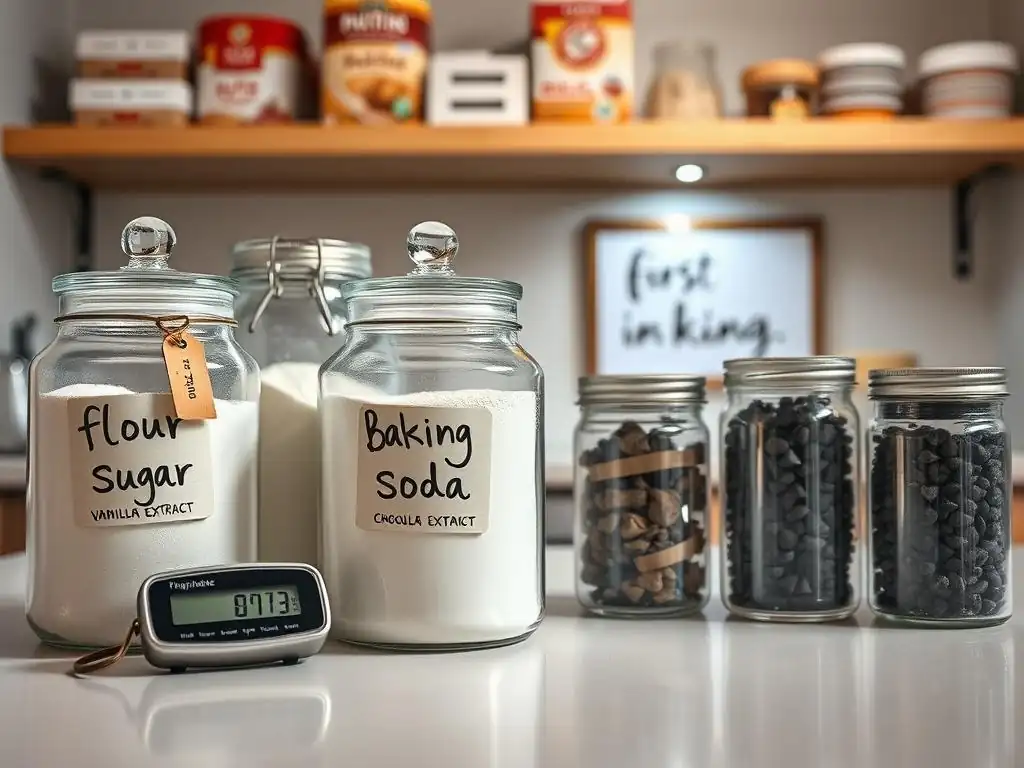
Once you've invested time in safe baking ingredient sourcing, proper storage at home is the next critical step. Most dry ingredients like flour, sugar, grains, and nuts benefit from being transferred from their original packaging into airtight containers made of food-grade plastic, glass, or metal. This protects them from moisture, air, light, and pests, all of which can degrade quality and safety.
Store these containers in a cool, dry, dark place like a pantry or cupboard, away from heat sources like ovens or stoves. Recommended temperatures for dry storage are typically below 70°F (21°C). Ingredients like oils, nuts, and whole grain flours benefit from refrigeration or even freezing to extend their shelf life and prevent rancidity.
Preventing Cross-Contamination in Your Baking Area
Preventing cross-contamination is vital for maintaining ingredient safety. This means keeping raw ingredients, especially eggs or dairy, separate from ready-to-use ingredients or finished products. Use separate cutting boards and utensils if handling ingredients like fresh fruit or nuts that might carry surface bacteria or allergens before adding them to your baked goods.
Ensure your storage area is clean and free from pests. Regularly wipe down shelves and check containers for any signs of spills or damage. Practicing good hygiene in your storage area is an extension of safe baking ingredient sourcing and helps ensure your ingredients remain safe until use.
Rotating Your Stock to Maintain Freshness
Implementing a "first-in, first-out" (FIFO) system for your baking ingredients is a simple yet effective strategy for managing freshness and preventing waste. When you purchase new ingredients, place them behind older stock of the same item. This ensures that you use the older ingredients first, minimizing the chance of items expiring before they are used.
Regularly inventorying your pantry helps you keep track of what you have and when it expires. Discard any ingredients that are past their "use by" date or show signs of spoilage. Rotating your stock is a practical aspect of safe baking ingredient sourcing management in your home kitchen.
Recognizing and Responding to Ingredient Spoilage
Identifying Signs of Mold, Pests, or Off-Odors
Even with the best safe baking ingredient sourcing and storage practices, spoilage can occasionally occur. It's crucial to be able to identify the signs. Mold can appear as fuzzy or discolored patches on ingredients like flour, nuts, or dried fruit. If you see mold, discard the entire contaminated ingredient, as mold can have unseen roots and produce toxins.
Pantry pests, such as weevils or moths, can infest dry goods like flour, grains, or dried fruits. Look for small insects, larvae, webbing, or tiny holes in packaging. If you find pests, discard the affected ingredient and thoroughly clean the storage area. Off-odors are another clear sign of spoilage; fresh ingredients should smell neutral or characteristic of the food itself. A rancid, musty, or chemical smell indicates the ingredient is no longer safe to use.
Safe Disposal of Spoiled Ingredients
Properly disposing of spoiled ingredients is important to prevent contamination from spreading. Seal spoiled ingredients in a plastic bag before placing them in the trash. If pests were involved, consider taking the trash out immediately.
Thoroughly clean the area where the spoiled ingredient was stored, including shelves and surrounding containers. Use hot, soapy water and consider a mild disinfectant if pests or mold were present. This prevents cross-contamination to your other, still-safe ingredients and reinforces your commitment to safe baking ingredient sourcing and storage.
Responding to Suspected Flour Contamination
If you suspect your flour is contaminated, either from pests, mold, or potential pathogens like E. coli, the safest course of action is to discard it. Do not attempt to salvage contaminated flour by sifting or heating, as this may not eliminate all risks, particularly toxins produced by some molds or heat-resistant bacteria.
While heating flour thoroughly (like in baking) typically kills pathogens, if there's visible mold or pest infestation, the quality and potential for toxins make it unsafe. Discard the entire bag or container of flour and clean the storage area meticulously to prevent reoccurrence. This is a critical step in maintaining safe baking ingredient sourcing protocols in your kitchen.
Maintaining a Clean and Sanitary Baking Environment
Cleaning and Sanitizing Utensils and Equipment
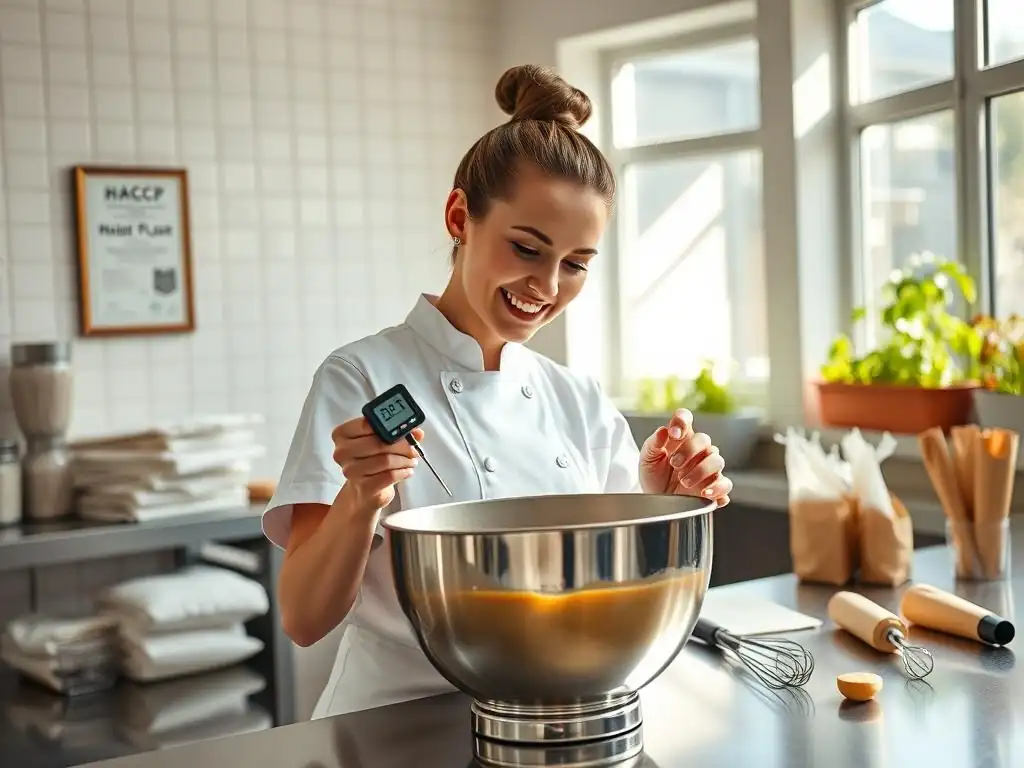
A clean workspace is just as important as safe baking ingredient sourcing. All utensils, bowls, mixers, and surfaces that come into contact with ingredients should be thoroughly cleaned between uses. Washing with hot, soapy water is usually sufficient for removing food residues.
For an extra layer of safety, especially after handling raw ingredients like eggs or flour, consider sanitizing surfaces and equipment. This can be done using a diluted bleach solution (following recommended concentrations for food-contact surfaces) or a commercial food-safe sanitizer. Ensuring all equipment is clean and dry before storing also prevents the growth of mold or bacteria.
Handwashing Practices for Food Safety
Frequent and proper handwashing is perhaps the single most effective measure to prevent the spread of foodborne illness in any kitchen. Before you start baking, after handling raw ingredients (especially eggs or flour), after touching your face or hair, after using the restroom, and after handling trash, wash your hands thoroughly with soap and warm water for at least 20 seconds.
Dry your hands with a clean towel or paper towel. Clean hands are fundamental to safe baking ingredient sourcing and handling, preventing the transfer of bacteria from your hands to your ingredients or finished baked goods. Make handwashing a non-negotiable part of your baking routine.
Resources for Safe Baking Ingredient Sourcing
Trusted Certification Programs
While specific certifications for every home baking ingredient might not be common, understanding broader food safety and quality certifications can inform your safe baking ingredient sourcing. Look for suppliers who mention adherence to recognized food safety standards or certifications related to organic production, non-GMO verification, or ethical sourcing (like Fair Trade).
These certifications indicate that the ingredients have been produced, handled, or processed according to specific guidelines designed to ensure quality, and often, minimize contaminants or harmful practices. While not a guarantee against all issues, they provide an extra layer of assurance about the supplier's commitment to standards.
Reputable Food Safety Organizations
Various national and international food safety organizations provide valuable information and guidelines relevant to safe baking ingredient sourcing and handling. Resources from organizations like the FDA (Food and Drug Administration) in the US, the EFSA (European Food Safety Authority) in Europe, or local public health departments offer guidance on safe food handling, storage temperatures, and recognizing spoilage.
Many of these organizations publish consumer guides or fact sheets that can help home bakers stay informed about best practices for keeping their ingredients and kitchens safe. Consulting these resources is a smart way to deepen your understanding of safe baking ingredient sourcing principles.
Conclusion: Baking with Confidence Through Ingredient Intelligence
Key Takeaways for Safe Baking Ingredient Sourcing
Mastering safe baking ingredient sourcing is an ongoing process that empowers you to bake with confidence. Key takeaways include understanding ingredient labels to identify contents, allergens, and storage needs; choosing reputable suppliers who prioritize quality and safety; and implementing rigorous safe storage practices at home.
Remember that ingredients are raw materials that require careful handling from purchase to mixing bowl. Being vigilant about expiration dates, recognizing signs of spoilage, and maintaining impeccable kitchen hygiene are all integral parts of safe baking ingredient sourcing that protect your health and the enjoyment of your baked goods.
Continuous Learning and Staying Informed
The world of food safety is dynamic, with new research and recommendations emerging periodically. Staying informed about best practices for safe baking ingredient sourcing and food handling is crucial for any dedicated baker. Follow reputable food safety organizations, read updates from health authorities, and continue to educate yourself on the ingredients you use.
Baking is a joyful and rewarding activity. By prioritizing safe baking ingredient sourcing and handling, you ensure that joy is shared safely with everyone who gets to taste your delicious creations. Your commitment to ingredient intelligence is an investment in both the quality and safety of your baking journey.
Frequently Asked Questions
What are the biggest risks involved in not practicing Safe Baking Ingredient Sourcing?
Ignoring safe sourcing can lead to using contaminated ingredients that cause illness or introduce undesirable flavors to your baked goods. You also risk supporting unethical or unsustainable production practices.
How can I verify the legitimacy and safety of a new baking ingredient supplier?
Start by researching their reputation through online reviews and industry reports. Look for certifications like organic or fair trade. Always request product specifications and safety data sheets.
What are some "red flags" I should watch out for when sourcing baking ingredients?
Be wary of unusually low prices, lack of transparent labeling, or suppliers who are unwilling to provide documentation of origin and safety testing.
Does BakeWithEase have any specific recommendations for brands known for Safe Baking Ingredient Sourcing?
While BakeWithEase doesn't endorse specific brands, we encourage you to look for brands that prioritize transparency, are certified organic or fair trade, and have a strong reputation for quality and safety.
What are some simple steps I can take to ensure the safety of my baking ingredients once I've sourced them?
Always store ingredients in airtight containers in a cool, dry place. Label containers with purchase dates to track freshness. Regularly inspect ingredients for signs of spoilage or contamination.
Final Reflection: Baking a Better Future, One Ingredient at a Time
The quest for safe baking ingredients isn't just a trend; it's a fundamental shift in how we approach food production and consumption. Knowing where our ingredients come from and understanding their journey to our kitchens is no longer a luxury, but a necessity for ensuring both our health and the health of our planet. This directly impacts the quality of our baked goods and, ultimately, our well-being.
The journey to understanding ingredient sourcing has been a deeply personal one for me, highlighting the interconnectedness of our food systems and the profound impact our choices have on farmers, communities, and the environment. We are what we eat, and what we eat is what we grow.
This simple statement underscores the responsibility we all share in demanding transparency and ethical practices from those who produce our food. The more we understand the origins of our flour, sugar, and chocolate, the more empowered we become to make informed decisions that support sustainable and responsible practices.
Now, it's your turn. Consider the ingredients you use in your next baking project. Take a moment to research their origins, the farming practices involved, and the ethical considerations surrounding their production. By making conscious choices about the ingredients we use, we can collectively bake a better future, one delicious and ethically sourced recipe at a time. Let's rise to the challenge and create a baking community committed to both flavor and integrity.
Unlock Your Baking Potential: Source Smarter, Bake Better!
Thanks for taking the time to learn about sourcing the safest and best ingredients for your baking! We hope you gained valuable insights into building a healthier and more delicious baking experience. Now it's time to put that knowledge into action.
- Prioritize your pantry: Begin by reviewing your current baking supplies and identifying areas for improvement based on what you learned. This is your first step towards a more confident and informed baking journey.
- Explore local farmers' markets: Discover the freshest, most ethically sourced ingredients near you. It's a great way to connect with your community and support local producers.
- Share your baking triumphs (and challenges!): Tell us about your experiences sourcing new ingredients! Share your stories and tips in the comments below – let’s build a supportive baking community together.
What's one ingredient you're excited to source differently now, and why?