
Baking from EmiliaRomagna: Culinary Delights

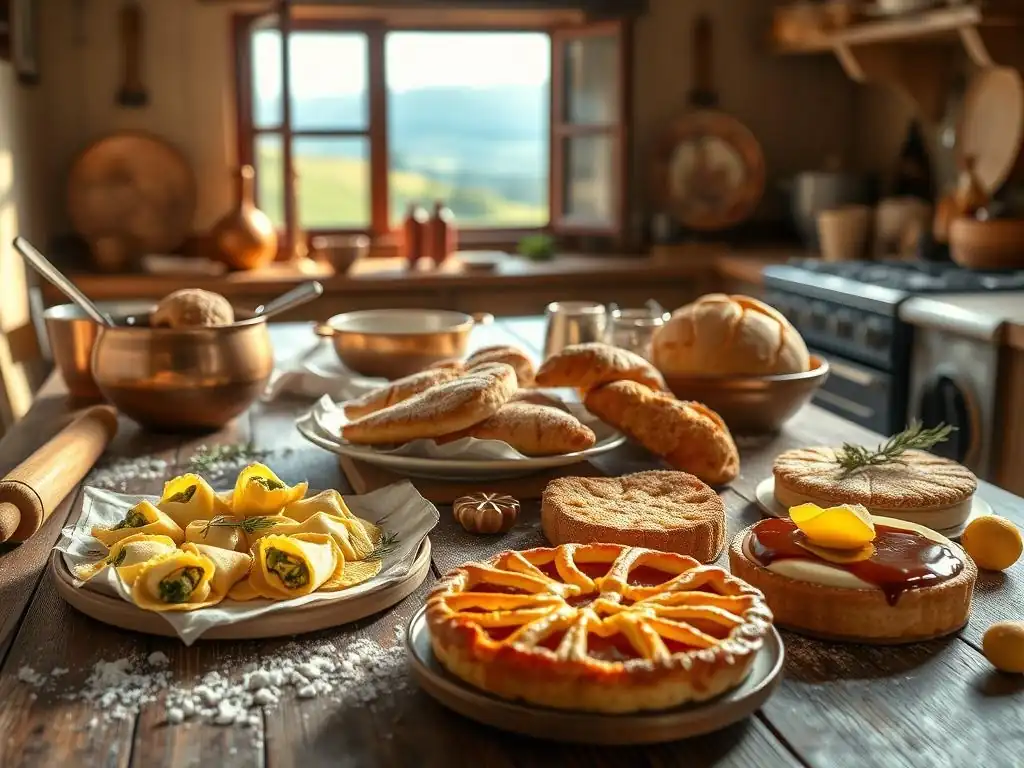
Welcome to BakeWithEase, your kitchen companion for all things baking!
Ever dreamt of recreating the rustic charm and delectable flavors of Italy in your own home? Dive into the heart of Italian baking with our exploration of Emilia Romagna baking recipes! Discover the secrets behind the region's most cherished treats, from flaky pastries to comforting breads. Intrigued? Keep reading to unlock a world of authentic Italian flavors and elevate your baking skills. Prepare to be transported to the rolling hills of Emilia Romagna, one delicious bite at a time!
- Baking from Emilia-Romagna: A Culinary Journey
- Exploring the Baking Traditions of Emilia-Romagna
- Sweet Delights: Emilia-Romagna's Dessert Baking
- Savory Breads and Baking in Emilia-Romagna
- Key Ingredients in Emilia-Romagna Baking
- Techniques for Emilia-Romagna Baking
- Emilia-Romagna Baking: Adaptations and Innovations
- Experiencing Authentic Emilia-Romagna Baking
- Conclusion: Savoring the Flavors of Emilia-Romagna
- Frequently Asked Questions
- Final Reflection: The Enduring Legacy of Emilia-Romagna's Baking Traditions
- Unleash Your Inner Emilia-Romagna Baker!
Baking from Emilia-Romagna: A Culinary Journey
Exploring the Baking Traditions of Emilia-Romagna
A Deep Dive into Emilia-Romagna's Baking History
The baking traditions of Emilia-Romagna are deeply rooted in the region's rich agricultural history and its status as the "breadbasket" of Italy. For centuries, the fertile Po Valley has provided abundant grains, forming the foundation of a culinary heritage centered around pasta, bread, and baked goods. The region's history, influenced by Roman rule, medieval duchies, and papal states, has left an indelible mark on its baking.
Early forms of flatbreads and simple leavened doughs were staples, evolving over time with the introduction of new techniques and ingredients. The focus has always been on utilizing high-quality, readily available produce and grains, crafting simple yet profoundly flavorful Emilia Romagna baking recipes.
This historical context explains the regional variations seen today. For instance, the use of lard was historically prevalent in areas raising pigs, contributing to the flaky texture of items like piadina romagnola or gnocco fritto. The influence of noble courts in cities like Ferrara or Parma also led to the development of more elaborate pastries and festive bakes, often incorporating expensive spices or sugar when available.
Understanding this evolution helps appreciate the simplicity of a perfectly baked loaf of bread alongside the complexity of a layered dessert. The emphasis remains on technique and the quality of a few core ingredients, defining the authentic Emilia Romagna baking experience.
Authentic Recipes from the Heart of Italy
Authentic Emilia Romagna baking recipes celebrate the region's identity, often using simple, high-quality ingredients to create dishes with deep flavor. These recipes are not just instructions; they are a connection to generations of home cooks and bakers who perfected their craft. The key lies in understanding the why behind each step, from the type of flour used for a specific bread to the traditional filling for a savory tart. Authenticity in Emilia Romagna baking means respecting the regional variations – a piadina in Rimini will differ slightly from one in Cesena, each proud of its local nuances.
Moreover, authentic Emilia Romagna baking recipes are often tied to seasonality and local festivals. Specific sweets or savory bakes might appear only during certain times of the year, using ingredients that are at their peak. Think of pumpkin-filled tortelli, a staple in autumn, or special sweet breads baked for Easter or Christmas. Mastering these recipes involves more than just following a list of ingredients; it requires an appreciation for the rhythm of the seasons and the culinary calendar, ensuring that the spirit of Emilia Romagna baking is truly captured in every bite.
Sweet Delights: Emilia-Romagna's Dessert Baking
Torta di Riso: Creamy Rice Cake from Bologna
Torta di Riso is a beloved dessert from Bologna, particularly associated with the feast day of the city's patron saint, San Petronio (October 4th), but enjoyed year-round. This creamy cake is made primarily from rice cooked in milk until tender, then combined with eggs, sugar, and often flavored with lemon zest, candied fruit, or a splash of amaretto or rum. The mixture is baked in a shallow pan, resulting in a dense yet creamy texture with a slightly caramelized top. It's a comforting, rustic dessert that showcases the region's ability to transform simple ingredients into something special.
The preparation of Torta di Riso involves patiently cooking the rice to the perfect consistency before mixing it with the rich custard base. The balance of sweetness and the aromatic notes from citrus or liqueur are crucial. While variations exist, the core remains the same: a celebration of rice, milk, and eggs.
This cake is a testament to the thrifty origins of many traditional Emilia Romagna baking recipes, turning pantry staples into a delicious treat suitable for family gatherings or festive occasions. A typical recipe might call for around 150g of rice, 1 litre of milk, 4-6 eggs, and 200-300g of sugar, baked for about an hour.
Bussolà, also known as Bussolano, are traditional ring-shaped cookies originating from Ferrara. These simple, yet delightful, biscuits are characterized by their firm, slightly crumbly texture and delicate flavor, often enhanced with lemon zest or vanilla. Made with basic ingredients like flour, sugar, butter (or sometimes lard), and eggs, they are typically shaped into rings or knots before baking. Their simplicity makes them a perfect accompaniment to coffee, tea, or sweet wine, embodying the straightforward elegance found in many Emilia Romagna baking recipes.
Historically, Bussolà were often associated with religious festivals and were baked in large quantities. The ring shape is said to symbolize continuity or good luck. While the recipe is simple, achieving the correct texture requires careful handling of the dough and precise baking time. Some variations might include a touch of local liqueur or a sprinkle of sugar on top before baking. These cookies are a wonderful example of how minimal ingredients, when combined with traditional techniques, can produce a truly satisfying baked good, a hallmark of authentic Emilia Romagna baking.
Coppa Golosa: Layered Dessert with Zabaglione and Amaretti
Coppa Golosa, meaning "greedy cup," is a decadent layered dessert from Emilia-Romagna that combines rich textures and flavors. Its key components typically include a creamy zabaglione, crushed amaretti cookies, and often a liquid element like coffee, espresso, or a sweet wine or liqueur (such as Marsala or Vin Santo) to soak the cookies. The dessert is assembled in individual cups or a larger bowl, alternating layers of zabaglione and soaked amaretti, sometimes with the addition of whipped cream or chocolate shavings.
The star of Coppa Golosa is often the zabaglione, an airy custard made by whisking egg yolks and sugar over heat with Marsala wine until thick and frothy. This requires careful temperature control to prevent scrambling. The amaretti cookies provide a delightful crunch and almond flavor, softening slightly as they absorb the liquid. The layering creates a wonderful contrast between the smooth custard and the textured cookies. While not strictly a 'baked' item itself, it relies on components (like the cookies) that are part of the broader Emilia Romagna baking landscape and is a celebrated regional sweet ending.
Savory Breads and Baking in Emilia-Romagna
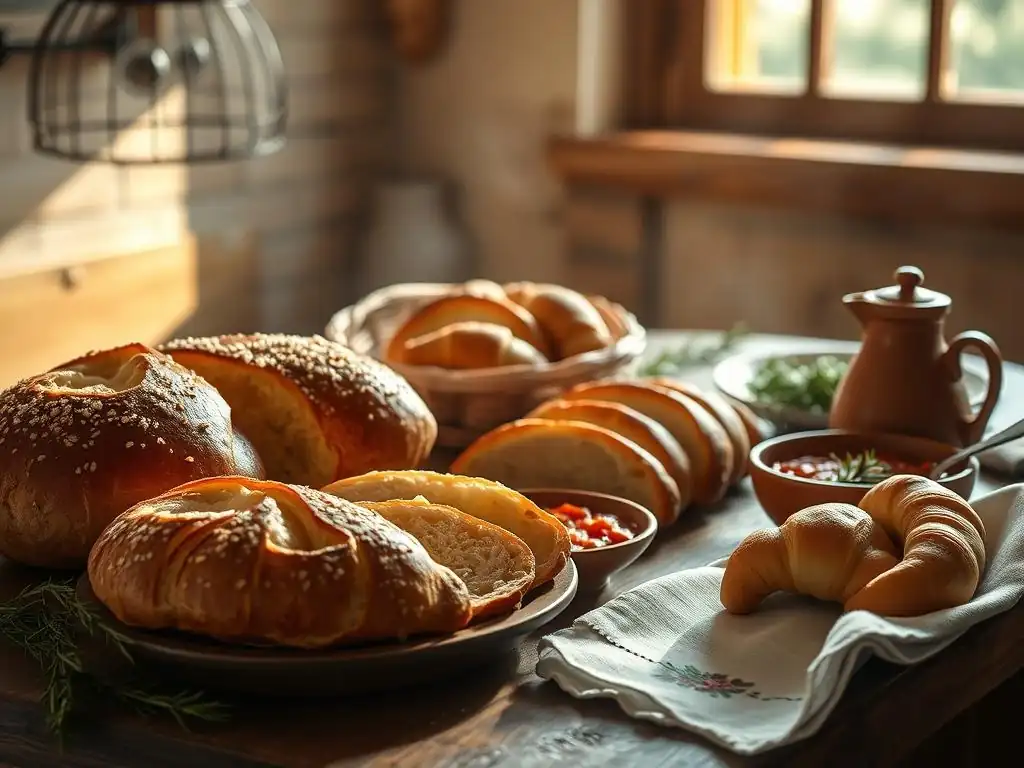
Erbazzone: Savory Spinach and Cheese Pie from Reggio Emilia
Erbazzone is a quintessential savory pie from the province of Reggio Emilia, showcasing the region's agricultural bounty. It consists of a thin pastry crust enclosing a generous filling primarily made of cooked spinach or chard, often mixed with ricotta cheese, Parmesan cheese, garlic, onion, and nutmeg. The name "Erbazzone" comes from erbe, meaning herbs or greens, highlighting the core ingredient. It's a versatile dish, served warm or at room temperature, perfect as an appetizer, a light lunch, or part of a picnic spread.
The pastry dough for Erbazzone is typically simple, often made with flour, water, olive oil or lard, similar to a basic bread or pizza dough. The key is rolling it very thinly to create a crisp casing for the moist, flavorful filling. Some traditional recipes use pasta matta, a simple dough without yeast or leavening. The filling should be well-drained to prevent the bottom crust from becoming soggy during baking. A typical Erbazzone might use over 1kg of greens for a standard rectangular baking sheet, mixed with 250-500g of cheese, demonstrating the substantial nature of the filling.
Gnocco Fritto: Fried Dough Pillows from Modena
Gnocco Fritto, known by various names across the region like Crescentina in Bologna or Torta Fritta in Parma, is a beloved fried dough specialty from Emilia-Romagna, particularly associated with Modena. These light, airy dough pillows are made from a simple mixture of flour, water, yeast (or sometimes baking powder), and often lard or olive oil. Small pieces of dough are rolled thin and then deep-fried until they puff up and turn golden brown. The result is a crispy exterior and a hollow, soft interior.
Gnocco Fritto is traditionally served as an antipasto alongside a generous platter of local cured meats, such as Prosciutto di Parma, Mortadella di Bologna, Salame Felino, and Coppa, as well as soft cheeses like Squacquerone. The warmth and slight saltiness of the fried dough beautifully complement the rich, savory flavors of the charcuterie. It's a simple yet incredibly satisfying example of Emilia Romagna baking, demonstrating how humble ingredients can be transformed through technique into a truly iconic regional dish.
Pizza al Taglio: Tray-Baked Pizza from Bologna
While Naples is the undisputed home of classic round pizza, Bologna has its own distinct pizza tradition with Pizza al Taglio, or pizza by the slice. This style is characterized by a relatively thick, airy, rectangular crust baked in large trays. The dough is typically allowed a longer fermentation period than Neapolitan pizza, resulting in a lighter, more digestible base with a soft interior crumb and a slightly crisp bottom. It's sold by weight or by the piece ("taglio") from bakeries and specialized pizza shops.
Pizza al Taglio offers a wide variety of toppings, from classic tomato and mozzarella (often called Pizza Rossa) to more creative combinations using local ingredients. Popular variations in Bologna might include toppings like mortadella, prosciutto, various vegetables, or different cheeses. The focus is on the quality of the crust and the freshness of the toppings. It represents a practical, everyday form of Emilia Romagna baking, perfect for a quick lunch or snack on the go, showcasing the region's versatility in using dough.
Key Ingredients in Emilia-Romagna Baking
Using Local Flour for Authentic Textures
The success of many Emilia Romagna baking recipes hinges on the quality and type of flour used. The Po Valley is a major grain-producing area, and local mills produce excellent soft wheat flours (Tipo 00, Tipo 0) and sometimes durum wheat flour. Soft wheat flour, particularly Tipo 00, is crucial for achieving the smooth, elastic dough required for fresh pasta, which is often baked with fillings. It provides the necessary gluten structure for rolling thin sheets while remaining tender.
For items like bread, focaccia, or savory pie crusts, a mix of different flours or slightly less refined flours might be used to achieve desired textures and flavors. The protein content and milling process of the flour directly impact how the dough hydrates, develops gluten, and reacts during baking. Using authentic local flour, even if approximated by quality Italian or European flours elsewhere, is key to replicating the specific textures and crumb structures characteristic of genuine Emilia Romagna baking.
Prosciutto di Parma: Enhancing Savory Bakes
Prosciutto di Parma, the renowned dry-cured ham from the Parma province, is not only enjoyed sliced thinly on its own or with Gnocco Fritto but also plays a significant role in savory Emilia Romagna baking. Its intense, savory flavor and slight saltiness can elevate simple baked goods. Small pieces or strips of prosciutto are often incorporated into fillings for savory tarts, quiches, or even bread doughs, adding pockets of rich flavor.
Consider how prosciutto can be layered into an Erbazzone filling for an extra dimension of taste, or wrapped around breadsticks before baking for a delightful salty crunch. The fat in the prosciutto also renders during baking, contributing moisture and flavor. While using authentic Prosciutto di Parma provides the best result due to its specific curing process and quality standards (PDO status guarantees this), other high-quality dry-cured hams can offer a similar savory enhancement to Emilia Romagna baking recipes.
Traditional Liqueurs: Adding Unique Flavor Profiles
Emilia-Romagna boasts several traditional liqueurs and spirits that find their way into regional baking, adding distinct aromatic and flavor profiles. Nocino, a dark, rich liqueur made from unripe walnuts, is a classic example, often used in cakes, drizzled over desserts, or included in doughs for its earthy, slightly bitter notes. Another example is Sassolino, an anise-flavored liqueur from Modena, which can add a subtle warmth and aroma to biscuits or cakes.
These liqueurs are typically used in small quantities but have a significant impact, contributing complexity that sugar and extracts alone cannot replicate. They might be brushed onto a cake layer to keep it moist and add flavor, mixed into a cream or filling, or incorporated directly into the dough. Using these traditional spirits is part of what makes Emilia Romagna baking recipes unique, connecting the baked goods to the broader regional culture of distillation and flavor creation.
Techniques for Emilia-Romagna Baking
Mastering Fresh Pasta Making
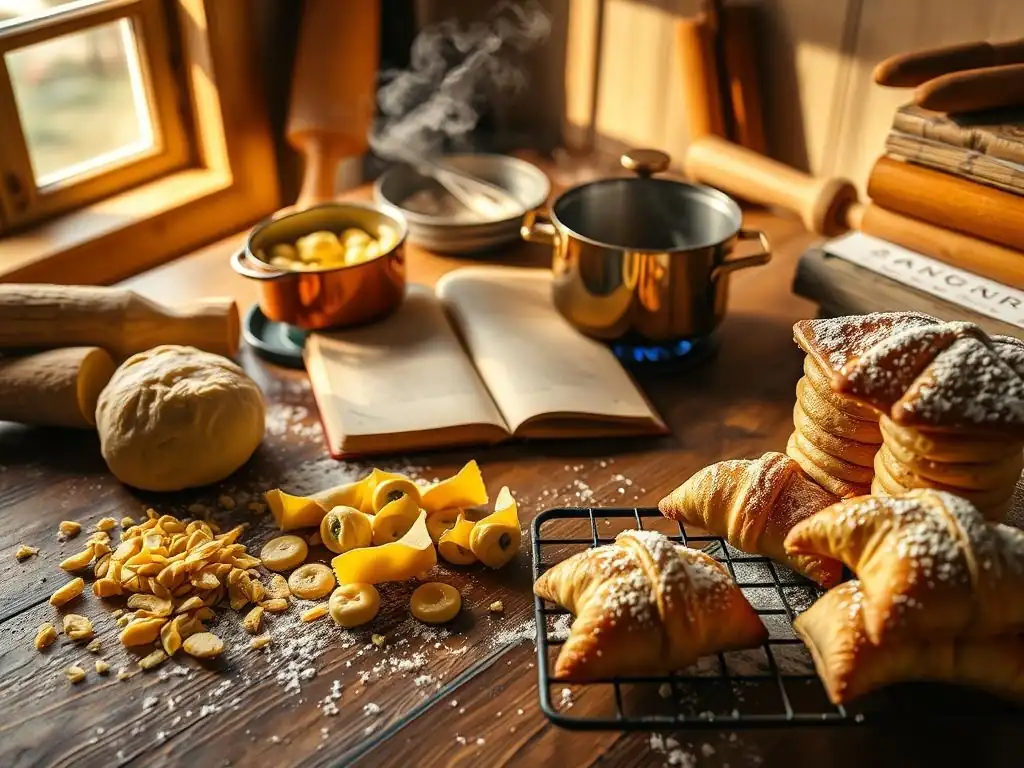
While often associated with savory dishes like tortellini or tagliatelle, the technique of making fresh egg pasta is fundamental to many baked items in Emilia-Romagna, particularly those involving filled pasta or savory pies with delicate doughs. The traditional method involves creating a well in a mound of flour on a wooden board ( tagliere), breaking eggs into the center, and gradually incorporating the flour to form a firm, elastic dough. This dough is then kneaded vigorously, often for 10-15 minutes, until smooth and pliable.
The skill lies in achieving the correct hydration and gluten development, resulting in a dough that can be rolled incredibly thin without tearing. This technique is crucial for items like the casing of baked tortelli or ravioli, or the thin layers of pastry for Erbazzone. Mastering this basic dough is a cornerstone for anyone wishing to delve deeply into authentic Emilia Romagna baking, as it provides the foundation for numerous recipes, both sweet and savory.
Cooking with a Traditional "Mattarello"
The "mattarello" is the iconic, long wooden rolling pin of Emilia-Romagna, distinct from the shorter, handled rolling pins common elsewhere. Typically measuring 60-100 cm (about 2-3 feet) in length and 3-6 cm in diameter, this tool is essential for rolling fresh pasta dough and other doughs incredibly thinly and evenly on a large wooden board ( tagliere). The technique involves using the weight of the mattarello and your body to stretch and thin the dough gradually, working from the center outwards in all directions.
Using a mattarello requires practice to develop the right feel and control. It allows for rolling large sheets of dough, which is particularly useful for making multiple portions of filled pasta or large savory pies like Erbazzone. This traditional tool is not just a piece of equipment; it represents a specific approach to dough handling that is central to achieving the authentic textures found in many Emilia Romagna baking recipes.
Achieving the Perfect Consistency for Fillings
In Emilia-Romagna baking, especially for filled items like tortelli, savory pies, or layered desserts, the consistency of the filling is paramount. A filling that is too wet can make the dough soggy and difficult to handle, while one that is too dry will result in a crumbly or unappealing texture after baking. For savory fillings like spinach and ricotta (used in Erbazzone or baked tortelli), ensuring the greens are thoroughly drained after cooking is critical, often by squeezing out excess moisture by hand.
Sweet fillings, such as pumpkin for tortelli or creamy custards for layered desserts, require careful cooking and balancing of ingredients to achieve a smooth, stable consistency that holds up during assembly and baking or chilling. For example, a pumpkin filling needs to be cooked until very dry before being mashed and mixed with other ingredients. Mastering the art of preparing fillings with the right moisture level and texture is key to the success of many intricate Emilia Romagna baking recipes.
Emilia-Romagna Baking: Adaptations and Innovations
Simplifying Recipes for Home Bakers
Traditional Emilia Romagna baking recipes, while yielding incredible results, can sometimes seem complex or time-consuming for the modern home baker. However, many authentic dishes can be adapted without sacrificing their essence. For instance, while a traditional mattarello is ideal for pasta, a quality pasta machine can significantly simplify the process of rolling dough thinly and evenly. Similarly, while hand-chopping vegetables for a savory filling is traditional, a food processor can speed up preparation, provided care is taken not to over-process.
Simplification might also involve reducing the scale of a recipe designed for a large family gathering or adapting cooking methods to standard home ovens. The goal is to make these delicious Emilia Romagna baking recipes accessible to everyone, encouraging more people to try them. This involves providing clear, step-by-step instructions that account for typical home kitchen equipment and ingredient availability, demystifying potentially intimidating techniques.
Vegan Emilia-Romagna Baking Options
Many classic Emilia Romagna baking recipes heavily rely on eggs, butter, lard, and cheese, presenting a challenge for vegan bakers. However, with increasing availability of plant-based alternatives, it's possible to create delicious vegan versions that capture the spirit of the originals. Vegan butters and margarines can often substitute for butter or lard in doughs and pastries, achieving similar flakiness and richness. Egg substitutes made from commercial powders, flaxseed, or aquafaba can be used in doughs and some fillings, although replicating the richness of egg-based pasta dough is particularly challenging.
For savory fillings, nutritional yeast can add a cheesy flavor, and plant-based milks and creams can replace dairy in sauces or custards. While a vegan Erbazzone filling using spinach and a dairy-free ricotta alternative is relatively straightforward, adapting something like egg-rich pasta all'uovo for filled bakes requires significant innovation. Exploring vegan Emilia Romagna baking options expands the reach of these wonderful recipes, allowing more people to enjoy the regional flavors.
Erbazzone with Seasonal Vegetables
While the classic Erbazzone features spinach or chard, the concept of a savory pie with greens is highly adaptable to other seasonal vegetables, reflecting the region's emphasis on fresh, local produce. In autumn, a delicious variation can be made using roasted pumpkin or squash mixed with cheese and herbs, creating a sweeter, earthier filling. Spring might inspire an Erbazzone filled with asparagus, peas, or artichokes, combined with ricotta or other fresh cheeses.
This adaptation allows home bakers to experiment with Emilia Romagna baking techniques throughout the year, utilizing whatever vegetables are freshest and most flavorful. The basic structure of a thin pastry crust enclosing a rich, seasoned vegetable and cheese filling remains the same, but the specific flavors change with the seasons. This approach keeps the tradition alive while embracing culinary creativity and the bounty of the local harvest.
Experiencing Authentic Emilia-Romagna Baking
Traditional Bakeries and Shops in Emilia-Romagna
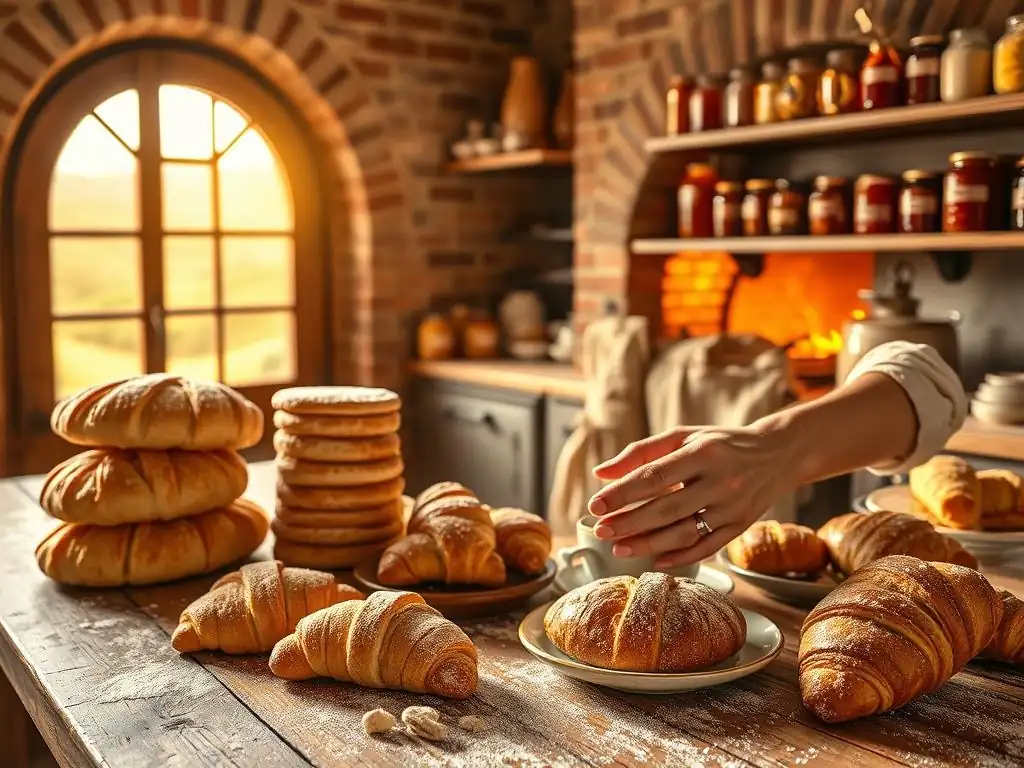
Visiting traditional bakeries ( panifici) and pastry shops ( pasticcerie) in Emilia-Romagna offers a sensory immersion into the region's baking culture. These establishments are often bustling hubs where locals pick up their daily bread, morning pastries, or savory snacks. The air is filled with the aroma of freshly baked goods – crusty loaves, golden focaccia, sweet cornetti, and savory tarts. Observing the variety on display, from simple loaves to intricate fruit tarts, provides insight into the diversity of Emilia Romagna baking.
Many traditional bakeries still use age-old techniques and recipes passed down through generations. Engaging with the bakers, if possible, can offer valuable snippets of information about regional specialties or the importance of specific ingredients. These shops are not just retail outlets; they are keepers of culinary heritage, offering a taste of authentic Emilia Romagna baking that is deeply woven into the fabric of daily life.
Sourcing Local Ingredients Online
For those outside Italy wishing to recreate authentic Emilia Romagna baking recipes, sourcing key regional ingredients can be a challenge. However, many specialized online retailers now offer high-quality Italian products. Look for specific types of Italian flour, such as Tipo 00, which is widely available and crucial for many doughs. Authentic cheeses like Parmigiano Reggiano (PDO) and Prosciutto di Parma (PDO) can also be found online, ensuring the foundational flavors are correct.
While some ingredients, like specific local greens or very regional cheeses, might be harder to obtain, using the highest quality available substitutes is key. For example, using fresh, local spinach for Erbazzone is more important than sourcing it specifically from Emilia-Romagna if that's not feasible. The goal is to capture the spirit of Emilia Romagna baking by prioritizing quality and understanding the role each ingredient plays in the final dish.
Food Tours and Culinary Experiences in Emilia-Romagna
Participating in food tours or culinary experiences within Emilia-Romagna provides an unparalleled opportunity to learn about the region's baking and broader culinary traditions firsthand. Many cooking classes focus on pasta making, but some also delve into bread baking, pastry, or savory pies. Learning from local chefs or home cooks allows you to practice traditional techniques, understand the nuances of ingredients, and gain confidence in tackling Emilia Romagna baking recipes.
Food tours often include visits to local markets, bakeries, and producers, offering insights into where ingredients come from and how they are used. Tasting freshly baked goods in their place of origin, perhaps a warm slice of Erbazzone or a just-fried Gnocco Fritto, is an experience that deepens appreciation for the culture and craft behind Emilia Romagna baking. These experiences provide context and inspiration that go beyond simply following a recipe from a book or website.
Conclusion: Savoring the Flavors of Emilia-Romagna
Bringing the Essence of Emilia-Romagna to Your Table
Exploring the world of Emilia Romagna baking is a journey into a region celebrated for its culinary excellence. From the simplicity of Gnocco Fritto and Bussolà to the comforting layers of Torta di Riso and the savory depth of Erbazzone, these recipes reflect a deep connection to the land, its produce, and centuries of tradition.
Mastering these techniques and understanding the role of key ingredients allows you to recreate the authentic flavors of Emilia-Romagna in your own kitchen. It's about more than just baking; it's about embracing a philosophy of using quality ingredients and simple, time-tested methods to create food that is both nourishing and deeply satisfying.
Bringing the essence of Emilia Romagna baking to your table means sharing these delightful creations with friends and family, just as they are shared in Italian homes. Whether you attempt a complex filled bake or a simple batch of cookies, each effort is a step towards connecting with a rich culinary heritage. So gather your ingredients, perhaps find a good wooden rolling pin, and start your own journey into the wonderful world of Emilia Romagna baking recipes. Buon appetito!
Frequently Asked Questions
What makes Emilia Romagna baking recipes unique?
Emilia Romagna baking recipes are known for their rich flavors and use of high-quality ingredients, such as Parmigiano Reggiano and Balsamic Vinegar of Modena, reflecting the region's agricultural abundance.
Are Emilia Romagna baking recipes difficult for beginners?
Not necessarily! While some are intricate, many are surprisingly simple and use easy-to-find ingredients. BakeWithEase provides step-by-step guides to help beginners succeed.
What are some popular types of baked goods from Emilia Romagna?
Popular choices include Torta Barozzi (a chocolate cake), Zuppa Inglese (a trifle-like dessert), and Piadina Romagnola (a flatbread). These showcase the region's diverse baking traditions.
Where can I find reliable Emilia Romagna baking recipes?
BakeWithEase.com offers a curated collection of authentic Emilia Romagna baking recipes, complete with detailed instructions and tips for success in your home kitchen.
What ingredients are commonly used in Emilia Romagna baking?
Common ingredients include fresh eggs, butter, Parmigiano Reggiano, and locally sourced fruits. These regional ingredients are key to achieving authentic flavor.
Final Reflection: The Enduring Legacy of Emilia-Romagna's Baking Traditions
The rich tapestry of Emilia-Romagna's baking traditions continues to weave its magic, offering not just recipes, but a tangible connection to history, culture, and the simple pleasures of life. These aren't just recipes; they are stories passed down through generations, imbued with the warmth of family kitchens and the heart of a vibrant region. The enduring appeal of these baked goods speaks volumes about the enduring power of culinary heritage.
The influence of Emilia-Romagna's baking extends far beyond its borders, shaping the palates and culinary landscapes of countless individuals. These recipes, with their emphasis on simple, high-quality ingredients and time-honored techniques, represent a powerful counterpoint to the fast-paced, often processed nature of modern food culture. The best things in life are simple,
a phrase often heard in Emilia-Romagna, perfectly encapsulates the philosophy behind its baking. This simplicity, however, belies the depth of skill and passion that goes into creating these culinary masterpieces. It's a reminder that true satisfaction often lies in the appreciation of the fundamental elements.
Now, consider your own kitchen. Imagine the aromas of freshly baked ciambella or the satisfying crunch of a biscotto. Take a moment to reflect on the power of food to connect us to our past, our heritage, and to each other. Don't just bake these recipes; experience them. Embrace the process, savor the flavors, and share the joy with those you love. Let the culinary legacy of Emilia-Romagna inspire you to create your own lasting memories, one delicious bake at a time.
Unleash Your Inner Emilia-Romagna Baker!
Thanks for joining us on this delicious journey through the culinary heart of Emilia-Romagna! We hope you've discovered some inspiring new baking techniques and recipes. Ready to put your newfound knowledge to the test?
- Bake your favorite Emilia-Romagna treat: Choose a recipe that excites you – be it Torta Barozzi or Zuppa Inglese – and get baking! Let the aroma fill your kitchen.
- Share your creations: Post a picture of your masterpiece on social media and tag us! Let's build a BakeWithEase Emilia-Romagna baking community.
- Explore regional variations: Dive deeper into Emilia-Romagna's baking traditions. Research different versions of classic recipes and see what unique ingredients you can discover!
What local ingredient will you incorporate into your next Emilia-Romagna baking adventure?