
Sardinian Baked Goods: Unique Flavors Made Simple

Welcome to BakeWithEase!
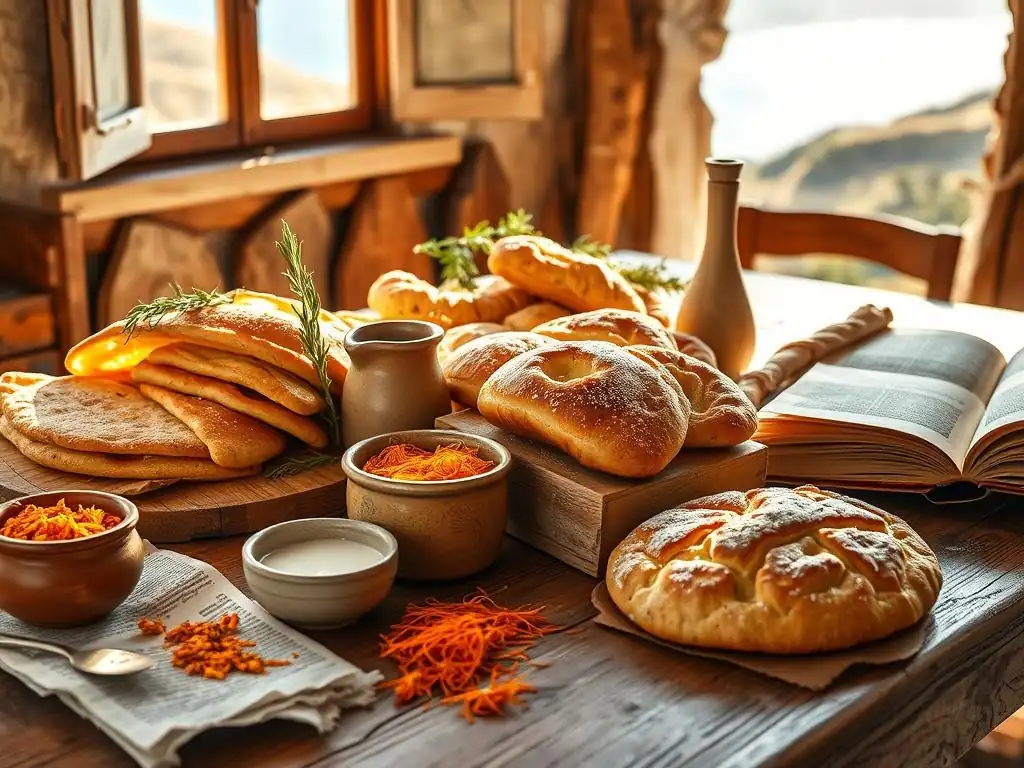
Ever dreamt of transporting your taste buds to the sun-drenched shores of Sardinia? Discover the secrets to authentic Italian baking with our collection of Sardinian baked goods recipes, designed to be surprisingly easy to recreate in your own kitchen. Uncover the unique flavors and traditions behind these regional delights, and prepare to impress with techniques and tips you won't find anywhere else. Ready to embark on a delicious adventure?
- Sardinian Baked Goods: Unique Flavors Made Simple with BakeWithEase
- Discover the Delightful World of Sardinian Baking
- Easy Sardinian Baked Goods Recipes for Home Bakers
- Must-Try Sardinian Breads: A Baker's Guide
- Sweet Sardinian Treats: Dessert Recipes Made Easy
- Key Ingredients in Sardinian Baking: A BakeWithEase Guide
- Tips and Tricks for Perfect Sardinian Pastries
- Adapting Sardinian Recipes for Modern Kitchens
- Enjoying Your Homemade Sardinian Baked Goods
- Frequently Asked Questions
- Final Reflection: The Enduring Sweetness of Sardinia
- Unleash Your Inner Sardinian Baker!
Sardinian Baked Goods: Unique Flavors Made Simple with BakeWithEase
Discover the Delightful World of Sardinian Baking
Explore Regional Italian Baking: Sardinian Specialties
Sardinia, a large island nestled in the heart of the Mediterranean, boasts a culinary heritage as unique and rugged as its landscape. Unlike mainland Italy, Sardinian cuisine has historically been shaped by pastoral traditions and a reliance on ingredients like durum wheat, sheep's milk cheese, and wild herbs.
This distinct identity is beautifully reflected in its Sardinian baked goods, which range from ancient, durable flatbreads designed for shepherds to delicate pastries enjoyed during festive occasions. Exploring these regional specialties offers a fascinating glimpse into the island's history and culture, proving that making authentic Sardinian baked goods recipes easy is achievable for any home baker curious about this rich tradition.
The baking techniques and ingredients used in Sardinia often differ significantly from those found in other Italian regions. While pasta is ubiquitous elsewhere, bread holds a paramount place in Sardinian meals. Many traditional breads, like Pane Carasau, were developed out of necessity, requiring long shelf lives for people who spent extended periods away from home.
Similarly, sweet treats often incorporate locally sourced ingredients like saffron, honey, citrus zest, and fresh ricotta or Pecorino Sardo cheese. These elements combine to create flavors that are distinctly Sardinian, providing a rewarding experience when you try these Sardinian baked goods recipes easy in your own kitchen.
Easy Sardinian Baked Goods Recipes for Home Bakers
Bake Authentic Sardinian Treats with Simple Recipes
Bringing the flavors of Sardinia into your home kitchen is more accessible than you might think. Many traditional Sardinian baked goods recipes rely on fundamental baking principles and readily available ingredients, making them surprisingly easy to tackle. For instance, simple doughs made from durum wheat semola form the base of many breads and pastries. The key often lies in understanding the traditional techniques, which, while sometimes requiring patience, are not overly complex. With step-by-step guides and a little practice, you can recreate these authentic tastes.
Focusing on a few key Sardinian baked goods recipes easy to start with can build your confidence. Recipes like Pardulas, small ricotta-filled pastries, or simple flatbreads require minimal special equipment. The unique flavors come from quality ingredients and straightforward processes. Our goal at BakeWithEase is to demystify these traditional bakes, breaking down each recipe into manageable steps so you can successfully enjoy the taste of Sardinia without needing years of experience. It's about embracing the simple, rustic beauty of these foods.
Must-Try Sardinian Breads: A Baker's Guide
Pane Carasau: The Crispy Flatbread of Sardinia
Pane Carasau, often called "carta da musica" (music paper) due to its thin, crisp texture, is perhaps the most iconic Sardinian bread. This ancient flatbread dates back thousands of years and was a staple for shepherds spending months away from home because of its incredible durability and long shelf life – it can last for several months if stored properly. The traditional process involves a double baking (carasatura) which gives it its characteristic crispness. While the original method uses wood-fired ovens, you can achieve excellent results in a standard home oven.
Making Pane Carasau involves a simple dough of durum wheat semola, water, yeast, and salt. The dough is kneaded, proofed, divided, and rolled into incredibly thin discs. These are then baked briefly until they puff up like pillows, sliced horizontally into two thin sheets, and then baked again at a lower temperature until dry and brittle.
The challenge lies in rolling the dough thin enough and managing the puffing process. However, with practice, mastering this Sardinian baked goods recipe becomes easy, yielding a versatile bread perfect for eating plain, drizzled with olive oil and salt, or as a base for various dishes like Pane Frattau (layers soaked in broth with tomato sauce and egg).
Civraxiu Bread: A Traditional Sardinian Loaf Recipe
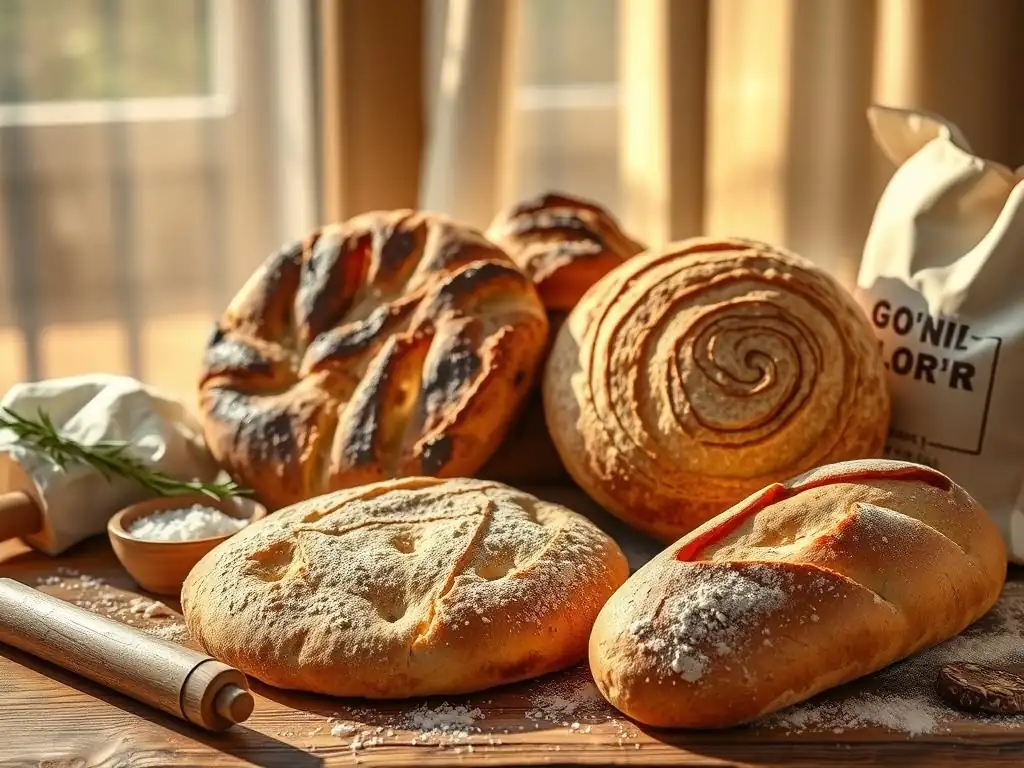
Civraxiu is a large, round sourdough bread originating from the Campidano area of Sardinia. In contrast to the thin Pane Carasau, Civraxiu is a substantial loaf with a thick, rustic crust and a soft, airy interior. It's a fundamental part of the Sardinian table, often weighing anywhere from 1 kg to over 3 kg in traditional bakeries. This bread is typically made with a blend of durum wheat semola and sometimes a small amount of soft wheat flour, leavened with a natural sourdough starter (lievito madre).
The process for Civraxiu involves building strength in the dough through kneading and allowing for a long fermentation period, often overnight, to develop its characteristic flavor and texture. Shaping the large, round loaf requires practice, and baking it properly to achieve the thick, crackling crust demands a hot oven, often started at a higher temperature (around 230°C) and then lowered ( 200°C). While managing a sourdough starter adds a step, the actual mixing and baking process for this Sardinian baked goods recipe can be made easy with clear instructions, rewarding you with a truly satisfying and flavorful loaf that embodies the heartiness of Sardinian baking.
Sweet Sardinian Treats: Dessert Recipes Made Easy
Pardulas: Saffron-Infused Ricotta Pastries
Pardulas are delightful, small, tart-like pastries traditionally made for Easter, but enjoyed year-round. They consist of a delicate pastry shell filled with a sweet mixture primarily made from fresh sheep's milk ricotta, flavored distinctly with saffron, lemon zest, and sometimes orange zest. The filling is often shaped into a dome atop a round pastry base, and the edges of the pastry are pinched decoratively to hold the filling, creating a sunburst effect.
Making Pardulas involves preparing a simple dough, often enriched with lard or olive oil, which is rolled thinly and cut into circles. The ricotta filling is mixed with sugar, saffron threads (infused in a little warm water), and citrus zest. A tablespoon or two of filling is placed on each pastry circle, and the edges are carefully pinched up. They are then baked until golden brown, typically for 15-20 minutes at around 180°C. While pinching the edges takes a little practice, the overall process for this Sardinian baked goods recipe is quite easy, resulting in fragrant, subtly sweet pastries that are truly unique. A typical batch might yield 12-18 Pardulas.
Seadas: Fried Cheese Pastries Drizzled with Honey
Seadas (or Sebadas) are arguably one of Sardinia's most famous sweet treats, although they blur the lines between sweet and savory. These large, fried pastries feature a filling of fresh, young Pecorino cheese, often flavored with lemon zest, encased in a semola-based dough. They are fried until golden and puffy and traditionally served immediately, generously drizzled with warm, local Sardinian honey, often bitter honey made from the corbezzolo (strawberry tree).
The dough for Seadas is similar to pasta dough, made with durum wheat semola, water, and sometimes lard or olive oil. It's rolled thinly, and rounds are cut. A portion of the cheese filling (grated or finely chopped young Pecorino mixed with lemon zest) is placed on one round, covered with another, and the edges are sealed tightly, often using a crimping wheel. The sealed pastries are then deep-fried in hot oil ( 170-180°C) for just a few minutes per side until they puff up and turn golden. While deep-frying requires caution, the steps to assemble Seadas are straightforward, making this iconic Sardinian baked goods recipe relatively easy once you get the hang of sealing the edges properly. The contrast of the warm, melting cheese, crisp pastry, and sweet honey is simply divine.
Key Ingredients in Sardinian Baking: A BakeWithEase Guide
Saffron: Adding Flavor and Color to Sardinian Baked Goods
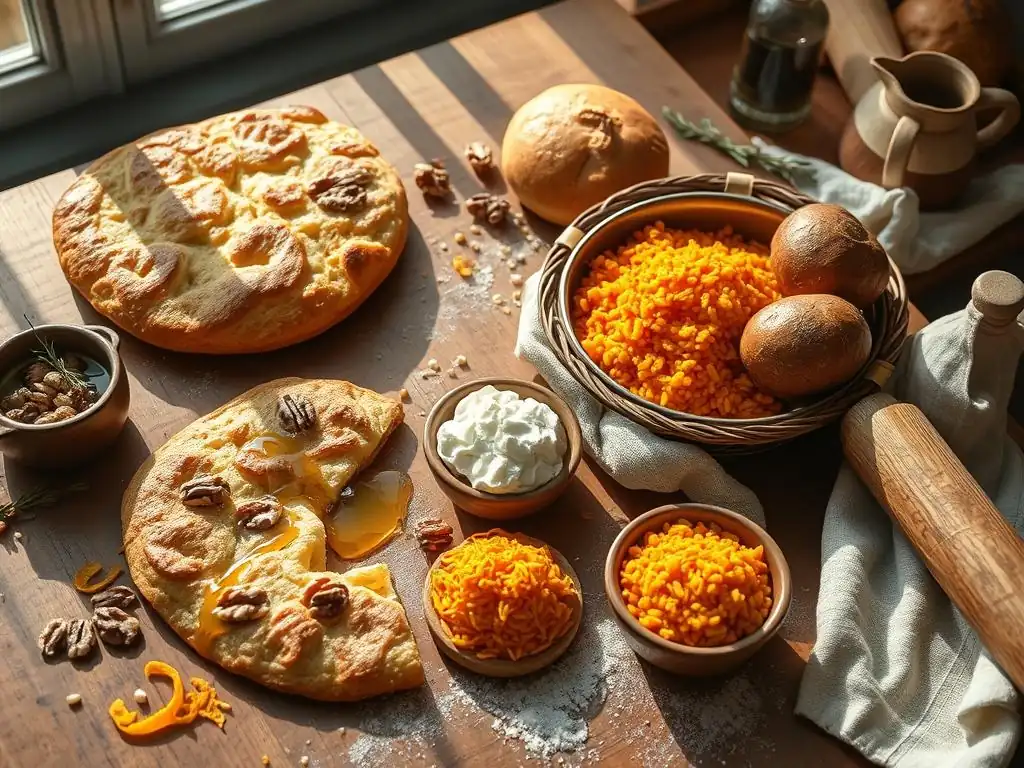
Saffron is a prized spice deeply embedded in Sardinian culinary traditions, particularly in baking. It's not just used for its vibrant golden hue, but also for its distinct, slightly earthy and floral flavor, which is crucial in pastries like Pardulas and some traditional breads. Sardinia is one of Italy's significant saffron producers, particularly in areas like San Gavino Monreale, known for high-quality threads.
When using saffron in Sardinian baked goods recipes, it's best to use threads rather than powder for superior flavor and color. A small pinch (perhaps 10-15 threads) is usually sufficient for a batch of pastries like Pardulas (yielding 12-18). Infuse the threads in a tablespoon or two of warm water, milk, or white wine for about 10-15 minutes before adding the liquid and threads to the mixture. This allows the color and flavor compounds to release fully. The subtle yet unmistakable aroma and the beautiful golden tint it imparts are essential characteristics of authentic Sardinian baked goods.
Pecorino Sardo: The Signature Sardinian Cheese
Pecorino Sardo is the cornerstone cheese of Sardinia and plays a vital role in many Sardinian baked goods recipes, both sweet and savory. Made from sheep's milk, it has a protected designation of origin (PDO) status. While aged Pecorino Sardo ( maturo) is firm and sharp, the young, fresh version ( dolce) is softer, milder, and melts beautifully, making it ideal for fillings like in Seadas.
For Seadas, using young, sweet Pecorino Sardo is critical. It melts into a wonderfully gooey consistency when fried. If authentic young Pecorino Sardo is unavailable, a mild, young sheep's milk cheese or even a firm, fresh cow's milk cheese like a young provolone or mozzarella (though the flavor will differ) could be used as an approximation, but the authentic taste comes from the sheep's milk. Understanding the different stages of Pecorino Sardo helps in selecting the right one for your Sardinian baked goods recipes easy to make at home.
Semola di Grano Duro: The Secret to Authentic Texture
Durum wheat semola (semola di grano duro) is the primary flour used in traditional Sardinian baking, forming the basis for iconic breads like Pane Carasau and Civraxiu, as well as the dough for Seadas and Pardulas. Unlike the softer common wheat used for many cakes and pastries, durum wheat is harder and yields a flour with a higher protein content and a characteristic golden color and slightly gritty texture.
Using semola provides structure and a unique texture to Sardinian baked goods. For breads, it contributes to a rustic crust and a chewy interior. For pastries like Seadas, it creates a dough that is both pliable for rolling and sturdy enough to encase the filling and withstand frying. While some recipes might use a mix with '00' flour, particularly for softer elements, using authentic semola rimacinata di grano duro (twice-milled durum wheat semola) is key to achieving the genuine texture and flavor of many Sardinian baked goods recipes easy to replicate.
Tips and Tricks for Perfect Sardinian Pastries
Achieving the Right Dough Consistency for Sardinian Breads
The dough for Sardinian breads like Civraxiu or Pane Carasau relies heavily on durum wheat semola, which absorbs water differently than common wheat flour. Achieving the correct hydration and development is key. The dough is often quite firm but needs to be elastic enough to be rolled incredibly thin (for Pane Carasau) or develop a strong structure (for Civraxiu). A typical hydration level might range from 55% to 65% of the flour weight, but this can vary.
Kneading is crucial to develop the gluten structure in the semola dough. Traditional methods often involve vigorous hand kneading. For Sardinian baked goods recipes easy at home, a stand mixer with a dough hook can significantly reduce the effort, usually requiring 10-15 minutes of mixing on medium speed. The dough should be smooth, elastic, and pass the windowpane test (you should be able to stretch a small piece thin enough to see light through it without tearing). Proper resting periods between steps also help relax the gluten, making the dough easier to work with.
Mastering the Art of Frying Seadas: A Step-by-Step Guide
Frying Seadas might seem intimidating, but it's a straightforward process once you follow a few key steps.
- Ensure your oil is at the correct temperature, typically
170°Cto180°C. Too cool, and the pastry will absorb too much oil; too hot, and the outside will burn before the cheese melts. - Use a neutral-flavored oil with a high smoke point, like sunflower or peanut oil. You'll need enough oil to submerge the Seadas or at least come halfway up the sides.
- Carefully lower one or two Seadas into the hot oil using a slotted spoon or spider tool, being careful not to overcrowd the pan.
- Fry for 1-2 minutes per side, or until the pastry is golden brown and puffed up. The cheese inside should be melting.
- Remove from the oil and drain briefly on paper towels.
- Serve immediately, drizzled generously with warm honey.
Following these steps makes this part of the Sardinian baked goods recipe surprisingly easy, ensuring you get that perfect crispy exterior and gooey cheese interior that defines a great Seada.
Adapting Sardinian Recipes for Modern Kitchens
Substituting Ingredients When Necessary
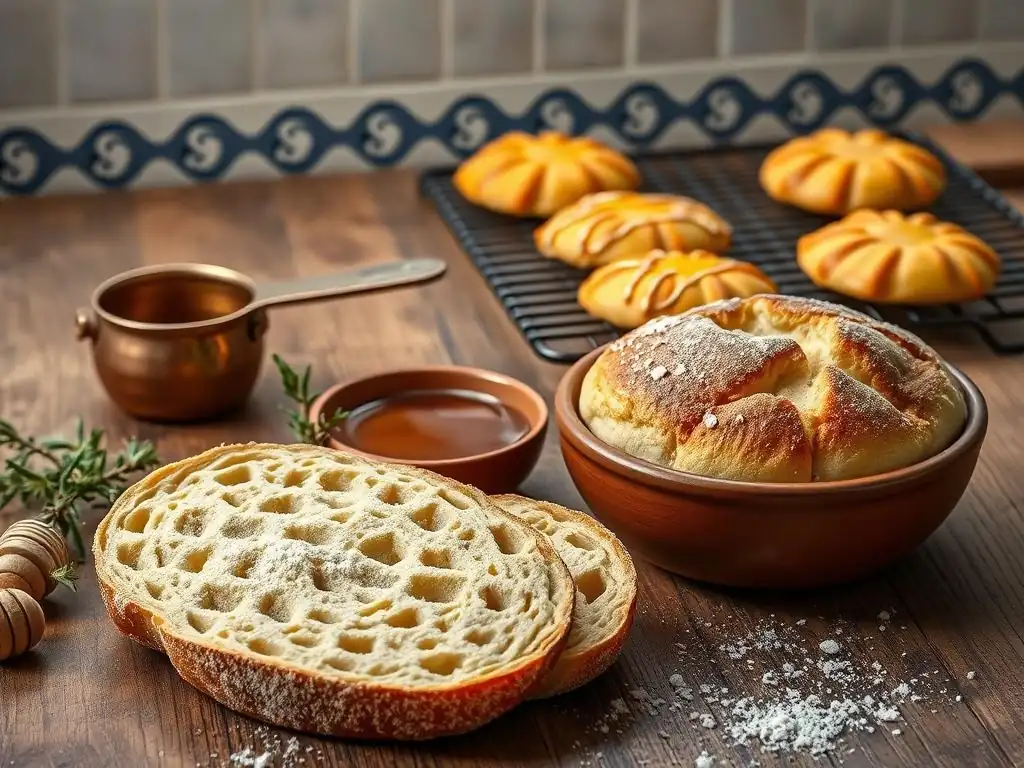
While using authentic Sardinian ingredients like Pecorino Sardo and specific types of semola is ideal for traditional flavor, you can still make delicious Sardinian baked goods recipes easy to prepare even if some ingredients are hard to find. For example, if young Pecorino Sardo is unavailable for Seadas, a young, mild provolone or even a mixture of mozzarella and ricotta (though this alters the flavor significantly) could be used in a pinch. For the dough, while semola rimacinata is preferred, a finely ground durum wheat flour or even a mix of regular semolina and all-purpose flour can work for some recipes, though the texture will differ.
Saffron is quite specific, but if unavailable or cost-prohibitive, a tiny pinch of turmeric can provide color, but it won't replicate the unique flavor. Lard, traditionally used in some doughs for flakiness, can often be substituted with olive oil or butter, depending on the recipe. The key is to understand the role of the ingredient and choose a substitute that mimics its function and texture as closely as possible, while acknowledging that the final taste might not be exactly traditional. These adaptations help make Sardinian baked goods recipes easy for bakers worldwide.
Scaling Sardinian Recipes for Smaller Batches
Traditional Sardinian recipes, designed for large families or community gatherings, often yield substantial quantities. A Civraxiu loaf can be massive, and recipes for cookies or pastries might call for ingredients suitable for dozens. For the home baker, scaling these Sardinian baked goods recipes down to more manageable sizes is often necessary. This usually involves simple division of ingredients.
When scaling down, it's important to be precise with measurements, especially for leavening agents like yeast or baking powder. Using a digital kitchen scale is highly recommended for accuracy. Baking times might also need slight adjustments for smaller items or loaves, so keep a close eye on your bake. For recipes involving techniques like kneading or frying, the method remains the same, just on a smaller scale. Scaling down ensures you can enjoy a variety of Sardinian baked goods recipes easy to make without being overwhelmed by excessive quantities.
Enjoying Your Homemade Sardinian Baked Goods
Serving Suggestions and Pairings
Serving homemade Sardinian baked goods is a simple pleasure. Pane Carasau is incredibly versatile; enjoy it plain as a snack, use it like crackers with cheese and charcuterie, or break it over soups and stews. For Pane Frattau, layer the soaked bread sheets with tomato sauce, grated Pecorino, and a poached egg on top – a classic way to use stale Pane Carasau. Civraxiu bread is perfect for slicing and serving with meals, using for sandwiches, or simply with good olive oil.
Sweet treats have their own traditions. Pardulas are lovely with a cup of coffee or tea. Seadas, as mentioned, must be served hot, immediately after frying, with a generous drizzle of warm honey. Sometimes, a sprinkle of powdered sugar is added too. Pairing these unique flavors with local Sardinian wines or spirits can enhance the experience, but they are equally delightful enjoyed on their own, showcasing the simple yet profound flavors of the island's baking heritage. These Sardinian baked goods recipes easy to make are meant to be shared and savored.
Storing Your Baked Sardinian Delights
Proper storage is key to keeping your homemade Sardinian baked goods fresh and delicious.
- Pane Carasau, being a dry flatbread, has an exceptionally long shelf life. Store it in a dry place, away from moisture, perhaps in a sealed container or bag. It can last for months.
- Civraxiu bread is best stored at room temperature, cut side down on a cutting board or in a bread bin, for a few days. Avoid refrigeration, which can dry it out. For longer storage, it freezes well, either whole or sliced.
- Pardulas are best enjoyed fresh, but can be stored in an airtight container at room temperature for 2-3 days. The pastry may soften slightly over time.
- Seadas are meant to be eaten immediately after frying. The filling and pastry texture are at their peak then. Unfried Seadas can be prepared ahead of time and stored in the refrigerator for up to a day, or frozen individually on a tray before transferring to a bag for longer storage. Fry them directly from the refrigerator or freezer (they may take slightly longer).
Knowing how to store your bakes ensures you can enjoy the fruits of your labor for as long as possible, making the effort put into these Sardinian baked goods recipes easy even more rewarding.
Frequently Asked Questions
What makes Sardinian baked goods unique?
Sardinian baked goods are unique due to their use of ancient grains and local ingredients like pecorino cheese and myrtle berries. These ingredients create distinctive and complex flavors rarely found elsewhere.
Are Sardinian baked goods recipes generally difficult to make?
Not necessarily! While some traditional recipes can be complex, BakeWithEase focuses on easy-to-follow methods and simplified recipes for Sardinian baked goods, making them accessible to bakers of all skill levels.
What are some popular Sardinian baked goods I can try?
Some popular options include pane carasau (crispbread), pardulas (cheese pastries), and seadas (fried cheese pastries with honey). These are all classic Sardinian treats that showcase the island's culinary heritage.
Where can I find the ingredients needed for Sardinian baked goods?
While some specialty ingredients might require online ordering, many recipes utilize easily accessible ingredients found in most well-stocked grocery stores. BakeWithEase also offers ingredient substitution suggestions for harder-to-find items.
Can I adapt Sardinian baked goods recipes to be gluten-free?
Yes, it's possible! With careful ingredient substitutions, such as using gluten-free flour blends, you can adapt many Sardinian baked goods recipes to be gluten-free. Always double-check recipes for suitable alternatives.
Final Reflection: The Enduring Sweetness of Sardinia
The simple act of baking, imbued with the unique flavors of Sardinia, connects us to a rich culinary heritage and offers a surprisingly accessible path to deliciousness. These traditional recipes, often passed down through generations, are more than just instructions; they are stories whispered through flour and sugar, carrying the scent of sun-drenched islands and the warmth of family kitchens. The ease with which many of these recipes can be recreated today makes this connection even more powerful.
The enduring appeal of Sardinian baked goods lies not just in their taste, but in their ability to transport us. Each bite is a journey, a fleeting glimpse into a culture rich in history and tradition. Food is symbolic of love when words are inadequate.
– Alan D. Wolfelt. This quote perfectly encapsulates the emotional resonance these recipes hold, offering a tangible link to a place and a people, even for those who have never set foot on the island. The simplicity of the recipes allows us to share this experience, to create these tastes and share them with loved ones, fostering connection and understanding.
Now, consider your own kitchen. Imagine the aroma of freshly baked pardulas or seadas filling your home. I invite you to try one of these recipes, to experience the joy of creating something delicious and meaningful. Don't be intimidated by the unfamiliar ingredients; embrace the opportunity to learn, to explore, and to share a piece of Sardinian culture with your family and friends. The sweetness you create will be far more than just a taste; it will be a testament to the power of simple recipes and the enduring legacy of a vibrant island.
Unleash Your Inner Sardinian Baker!
Thanks for joining us on this delicious journey through Sardinia's baking traditions! We hope you've discovered some new favorite recipes and techniques. Ready to put your newfound knowledge to the test?
- Bake your own Sardinian masterpiece today! Choose your favorite recipe from the article and get started. Let the aroma of fresh-baked goods fill your kitchen.
- Share your baking adventures with us! Post a picture of your creation on social media using #BakeWithEaseSardinia – we can't wait to see your results.
- Explore other regional baking styles on BakeWithEase.com – expand your culinary horizons and discover even more exciting flavors!
What unique Sardinian twist will you add to your next baking project?