
Bake Delicious Italian Fritters at Home

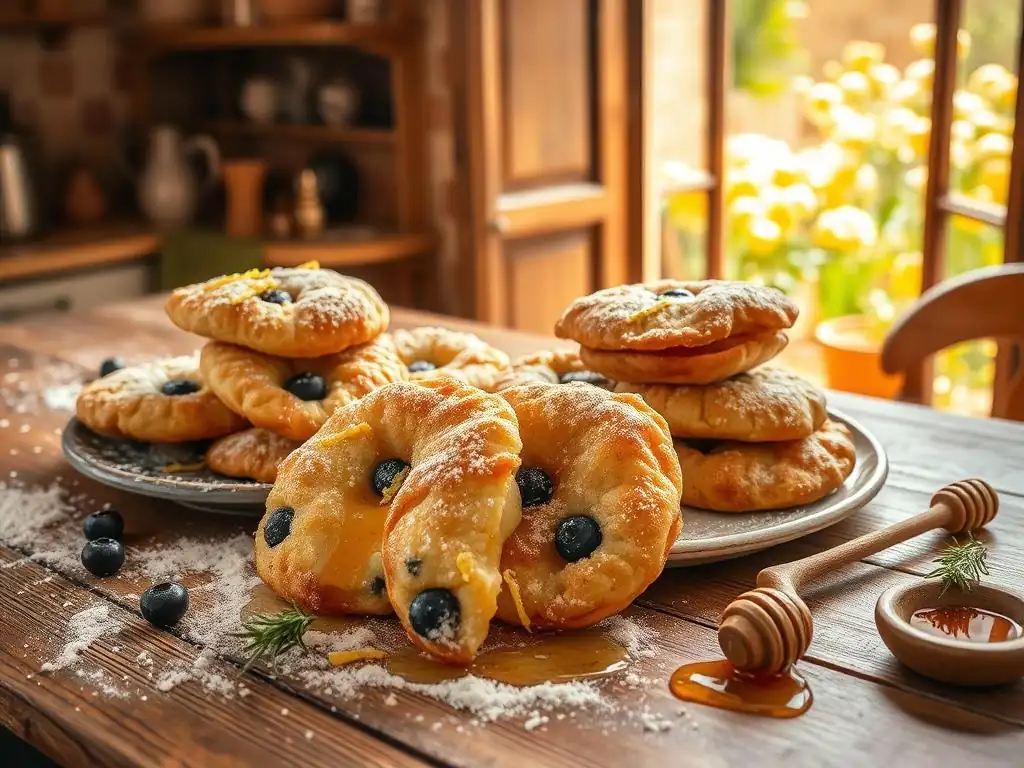
Welcome to BakeWithEase, your guide to unlocking baking brilliance!
Ever dreamt of effortlessly whipping up delectable Italian treats? Imagine the aroma of warm, golden fritters filling your kitchen... Our latest article dives deep into an easy Italian fritter recipe, revealing simple techniques to achieve authentic flavor and texture right at home. Discover the secrets to this beloved classic and embark on a culinary adventure! Ready to get started?
- Bake Delicious Italian Fritters at Home: An Easy Recipe
- Introduction to Italian Fritters: A BakeWithEase.com Guide
- Easy Italian Fritter Recipe: Step-by-Step Guide
- Variations on the Classic Italian Fritter Recipe
- Troubleshooting Your Italian Fritters: Common Issues and Solutions
- Tips for the Best Italian Fritters: BakeWithEase.com's Expert Advice
- Storing and Reheating Your Italian Fritters
- Enjoy Your Homemade Italian Fritters!
-
Frequently Asked Questions
- What makes this Italian fritter recipe "easy"?
- What are the key ingredients needed for this easy Italian fritter recipe?
- Can I customize the flavor of these Italian fritters?
- How do I know when the fritters are properly cooked?
- What are some suggested toppings or serving ideas for these Italian fritters?
- Final Reflection: The Enduring Joy of Simple Italian Fritters
- Unleash Your Inner Pastry Chef!
Bake Delicious Italian Fritters at Home: An Easy Recipe
Introduction to Italian Fritters: A BakeWithEase.com Guide
Discover the Charm of Italian Baking Traditions
Italian baking traditions are deeply rooted in history, regional diversity, and the celebration of life's simple pleasures. From the rich, yeasted panettone of Milan to the crisp, almond-studded cantucci of Tuscany, each region boasts its unique array of baked goods, often tied to specific holidays or seasons. These traditions emphasize quality ingredients and time-honored techniques, passed down through generations, creating treats that are not just food but a taste of cultural heritage. Learning an easy Italian fritter recipe is a wonderful way to connect with this rich culinary past.
The beauty of Italian baking lies in its accessibility and focus on flavor. Many classic recipes, including various types of frittelle, rely on straightforward methods and readily available ingredients like flour, eggs, sugar, and milk. This makes them perfect for home bakers looking to explore new flavors without needing specialized equipment. Whether you're crafting delicate pastries or rustic breads, delving into Italian baking offers a rewarding journey into a world of delicious possibilities, perfectly exemplified by mastering an easy Italian fritter recipe at home.
What are Fritters (Frittelle)? A Sweet Treat Overview
Frittelle, the Italian term for fritters, are delightful morsels of dough, often enriched with ingredients like fruit, ricotta, or leavening agents, that are deep-fried until golden brown and crispy on the outside, and soft on the inside. They are a versatile sweet treat found throughout Italy, with countless regional variations. While some frittelle are made from a simple batter akin to pancake batter, others use a yeast-leavened dough similar to doughnuts or a choux pastry base. Their appeal lies in their simple preparation and comforting texture, making them a popular choice for celebrations and everyday enjoyment.
The history of frittelle dates back centuries, with roots potentially in Roman times. They have long been associated with festive occasions, particularly Carnival (Carnevale), where they are a ubiquitous street food enjoyed by revelers. Different regions call them by various names, such as fritole in Venice or zeppole in Naples (though zeppole can also refer to cream-filled pastries).
Regardless of the name or specific ingredients, the core concept remains the same: a delicious fried dough confection, often dusted with powdered sugar or drizzled with honey, offering a taste of Italian sweetness. An easy Italian fritter recipe is a fantastic entry point into this world.
Easy Italian Fritter Recipe: Step-by-Step Guide
Gathering Your Ingredients: What You'll Need for Authentic Frittelle
To make a classic, easy Italian fritter recipe, you'll typically need a handful of common pantry staples. The exact quantities can vary slightly depending on the specific recipe variation, but a standard base often includes about 250 grams of all-purpose flour, two large eggs, roughly 50-100 grams of granulated sugar, a pinch of salt, and a liquid component like milk or water, usually around 200-250 milliliters.
You might also need a leavening agent, such as 10 grams of baking powder or a small amount of fresh or active dry yeast, depending on the desired texture – baking powder yields quicker, cake-like fritters, while yeast provides a lighter, airier result after rising.
Beyond the dough base, you'll need about 500-1000 milliliters of neutral frying oil, such as vegetable, canola, or sunflower oil, depending on the size of your pot. For coating, approximately 100-150 grams of granulated or powdered sugar is standard. Optional additions like lemon zest (from about half a lemon), vanilla extract (a teaspoon), or a splash of rum (a tablespoon) can enhance the flavor profile significantly. Having all ingredients measured and ready before you begin ensures a smooth baking process for this easy Italian fritter recipe.
Preparing the Dough: The Foundation of Delicious Fritters
The process for preparing the dough for an easy Italian fritter recipe varies based on whether you're using baking powder or yeast. For a quick, baking powder version, whisk together the dry ingredients (flour, sugar, baking powder, salt) in a large bowl. In a separate bowl, whisk the wet ingredients (eggs, milk, vanilla, zest if using).
Gradually add the wet mixture to the dry, whisking until a smooth batter forms, similar in consistency to thick pancake batter or a very soft cake batter. Avoid overmixing, which can develop gluten and result in tough fritters. Let the batter rest for about 10-15 minutes before frying.
If using yeast for a lighter texture, you'll typically proof the yeast first by dissolving it in warm milk (around 40-45°C or 105-115°F) with a pinch of sugar for about 5-10 minutes until frothy. Combine the flour, sugar, and salt in a bowl, then add the activated yeast mixture and eggs. Mix until a soft, sticky dough forms.
This dough will be much wetter than bread dough. Cover the bowl and let it rise in a warm place for 1 to 1.5 hours, or until roughly doubled in size. This rise is crucial for creating airy pockets within the fritters.
Tips for Perfect Dough Consistency
Achieving the right dough consistency is key to a successful easy Italian fritter recipe. For baking powder batters, the consistency should be thick enough to hold its shape somewhat when dropped from a spoon but still pourable. If it's too thin, the fritters will be flat and greasy; too thick, and they'll be dense. You may need to adjust the liquid slightly based on the flour's absorption. Start with the lower amount of liquid and add more a tablespoon at a time until the desired consistency is reached.
Yeast doughs for fritters are typically very soft and sticky. Don't be tempted to add too much extra flour during mixing or handling, as this will make the fritters heavy. Embrace the stickiness; it's what contributes to the light interior after frying. If you need to handle the dough (though often it's spooned directly into the oil), lightly oiling your hands or using two spoons dipped in oil can help manage the stickiness. Patience during the rising time is also vital for yeast-leavened fritters.
Frying the Fritters: Achieving Golden Perfection
Frying is the final cooking stage for your easy Italian fritter recipe, transforming the dough into golden, delicious spheres. Heat about 2-4 inches of neutral oil in a deep pot or Dutch oven over medium heat. The ideal temperature for frying fritters is typically between 170°C and 180°C (340°F and 355°F). Using a kitchen thermometer is highly recommended to monitor the temperature accurately. If the oil is too cool, the fritters will absorb excess oil and be greasy; if too hot, they will brown too quickly on the outside while remaining raw in the center.
Once the oil is at the correct temperature, carefully drop spoonfuls of the dough into the hot oil. Don't overcrowd the pot; fry in batches to maintain the oil temperature and allow the fritters space to cook evenly. Depending on their size and the oil temperature, they will usually take 2-4 minutes per side, or about 4-8 minutes total, to become deeply golden brown and cooked through. Use a slotted spoon or spider strainer to gently turn them halfway through frying and to remove them from the oil once done.
Choosing the Right Oil for Frying
Selecting the right oil is important for the best results in your easy Italian fritter recipe. A neutral-flavored oil with a high smoke point is ideal. Vegetable oil, canola oil, and sunflower oil are excellent choices as they won't impart unwanted flavors to your delicate fritters and can withstand the necessary frying temperatures without breaking down. Olive oil, especially extra virgin, has a lower smoke point and a distinct flavor that isn't typically desired for sweet fritters.
You'll need enough oil to allow the fritters to float freely without touching the bottom of the pot, ensuring even cooking. For a standard medium-sized pot, this might require anywhere from 500 milliliters to a liter of oil. Ensure the pot is deep enough to prevent oil from bubbling over when the fritters are added. Safety is paramount when frying; never leave hot oil unattended and keep children and pets away from the cooking area.
Maintaining Oil Temperature for Even Cooking
Consistent oil temperature is perhaps the most critical factor for achieving perfectly cooked fritters that are golden outside and cooked inside, not greasy. As you add cold dough to the hot oil, the temperature will drop. After removing a batch, it will rise again. Use a thermometer to constantly monitor the temperature, adjusting the heat under the pot as needed. If the temperature drops below 170°C (340°F), the fritters will absorb too much oil. If it rises above 180°C (355°F), they will burn on the outside before the inside cooks.
Frying in small batches helps maintain the temperature more effectively than trying to cook too many at once. Be patient and allow the oil to reheat between batches if necessary. As the fritters fry, they should bubble actively but not violently. A gentle, consistent sizzle indicates the temperature is likely within the correct range. Remember to drain the fried fritters on a wire rack set over paper towels immediately after removing them from the oil to remove excess grease.
Coating and Serving: Adding the Final Touches to Your Italian Fritters
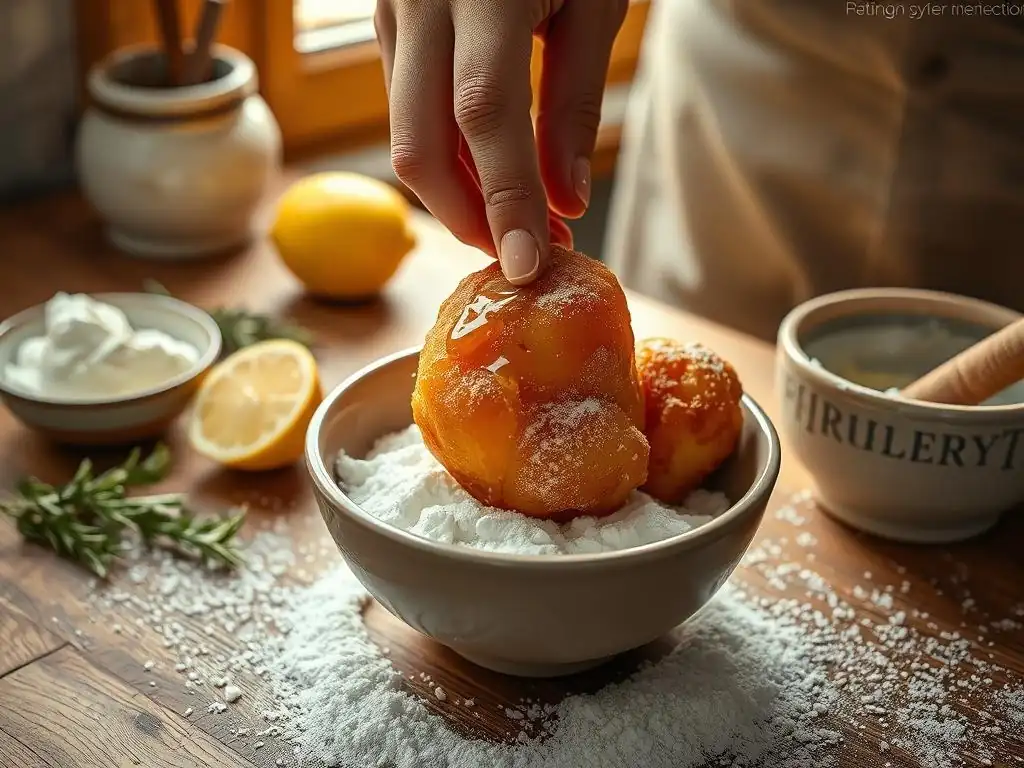
Once your easy Italian fritters are fried to golden perfection and drained, the final touch is adding a delicious coating. The most traditional method involves a simple sugar coating. While the fritters are still warm (but not piping hot, which can melt the sugar too quickly), gently toss them in a bowl filled with granulated sugar. The warmth helps the sugar adhere beautifully, creating a sparkling, sweet crust. For a finer coating, powdered sugar (also known as confectioners' sugar or icing sugar) can be dusted generously over the warm fritters using a sieve.
Another classic coating option is honey. Warm up some good quality honey slightly to make it more fluid, then drizzle it over the warm fritters. Sometimes, a sprinkle of cinnamon or a touch of citrus zest is mixed with the sugar or drizzled with the honey for added flavor. The key is to coat them while they are still warm so the sugar or honey sticks effectively, creating that irresistible sweet exterior that complements the soft interior.
Traditional Sugar Coating Options
The two primary traditional sugar coatings for an easy Italian fritter recipe are granulated sugar and powdered sugar. Granulated sugar provides a delightful coarse texture and sparkle. To apply, simply put about a cup of granulated sugar in a medium bowl. Add warm fritters a few at a time and gently toss or roll them until evenly coated. Remove and repeat with the remaining fritters.
Powdered sugar offers a softer, more delicate sweetness and a cloud-like appearance. For this method, place powdered sugar in a sieve and hold it over the warm fritters arranged on a plate or serving platter. Tap the sieve gently to create an even dusting. Some bakers prefer a mix of both, dusting with powdered sugar after coating in granulated sugar for both texture and visual appeal. About 100-150 grams of sugar is usually sufficient for a batch made with 250 grams of flour.
Creative Serving Suggestions for Frittelle
While delicious on their own, warm frittelle offer many creative serving possibilities beyond a simple sugar coating. Consider serving them alongside a warm chocolate sauce or a fruit compote, such as berry or apple, for dipping. A scoop of vanilla or ricotta ice cream makes a wonderful accompaniment, creating a delightful contrast in temperatures and textures.
For a more elegant presentation, arrange the fritters on a platter and garnish with fresh berries, a sprig of mint, or a dusting of cocoa powder in addition to the sugar. In some regions, they are served with a simple custard cream or even a sweet wine like Vin Santo for dipping. Don't hesitate to experiment with flavors; a sprinkle of orange zest or a pinch of cardamom mixed with the sugar can add an unexpected twist to your easy Italian fritter recipe.
Variations on the Classic Italian Fritter Recipe
Apple Fritters: A Fruity Twist on a Classic
Adding fruit is a popular variation on the easy Italian fritter recipe, with apple fritters being a beloved choice. To make apple fritters, small pieces of finely diced apple (about 1-2 medium apples per 250 grams of flour) are folded directly into the prepared dough or batter before frying. The apples soften and become tender within the hot oil, adding bursts of sweet, slightly tart flavor and a pleasant texture contrast to the soft dough.
Using varieties like Granny Smith, Honeycrisp, or Fuji works well, offering a good balance of sweetness and acidity. Ensure the apple pieces are small enough (around 1/4 inch cubes) to cook through quickly during the frying process. Sometimes, a pinch of cinnamon or nutmeg is added to the batter along with the apples to enhance the warm, autumnal flavors. These fritters are particularly delicious served warm with a dusting of powdered sugar or a drizzle of caramel sauce.
Ricotta Fritters: Adding Creaminess and Richness
Ricotta fritters, or frittelle di ricotta, introduce a wonderful creaminess and richness to the easy Italian fritter recipe. This variation typically involves adding fresh ricotta cheese directly into the batter or dough. For a batch using 250 grams of flour, you might incorporate anywhere from 150 to 250 grams of well-drained ricotta cheese. Using whole milk ricotta is recommended for the best flavor and texture.
The ricotta makes the interior of the fritters incredibly moist and tender. The batter is often flavored with lemon zest and sometimes a hint of orange liqueur. Due to the moisture from the ricotta, this batter tends to be a bit softer, so ensure the oil temperature is stable to prevent them from becoming greasy. Ricotta fritters are traditionally served warm, often dusted generously with powdered sugar or drizzled with honey, highlighting their delicate, creamy nature.
Carnival Fritters: Celebrating Italian Festivities
Carnival fritters, or frittelle di Carnevale, are a quintessential treat enjoyed during the festive pre-Lenten period in Italy. While many types of frittelle are eaten year-round, those specifically for Carnival often use a slightly richer, sometimes yeast-leavened dough, and can include additions like raisins, pine nuts, or candied citrus peel. The dough might also be flavored with rum or anise liqueur, adding a distinct festive aroma.
These fritters are often shaped differently than simple dropped fritters; some are rolled and cut into strips or shapes before frying, similar to chiacchiere or bugie, though frittelle are typically softer and puffier. The key characteristic of Carnival frittelle is their association with celebration and indulgence before the fasting period of Lent begins. They are a symbol of joy and abundance, making an easy Italian fritter recipe a perfect way to partake in this delicious tradition at home.
Troubleshooting Your Italian Fritters: Common Issues and Solutions
Fritters are Too Oily: How to Avoid Excess Oil Absorption
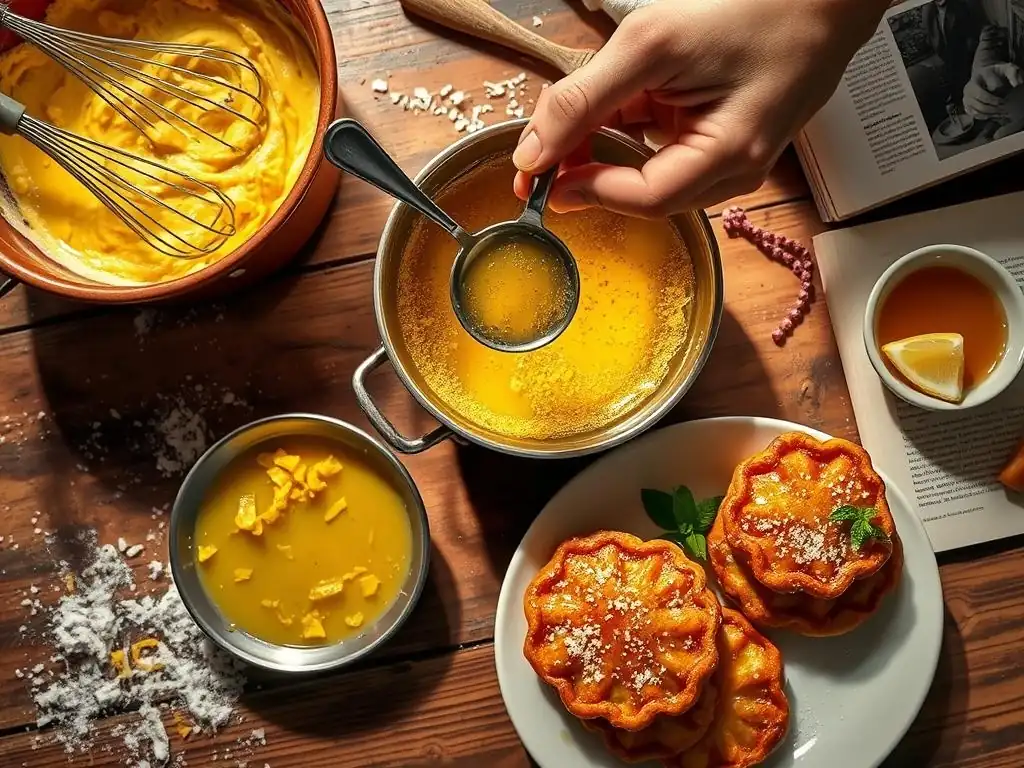
One common issue when making an easy Italian fritter recipe is ending up with oily fritters. This usually happens when the frying oil is not hot enough. If the temperature is below the ideal range of 170-180°C (340-355°F), the dough will cook slowly and absorb excessive amounts of oil before the exterior has a chance to crisp up and form a barrier. Ensure you are using a thermometer to verify the oil temperature before and during frying.
Another factor can be overcrowding the pot, which causes the oil temperature to drop significantly. Fry in small batches to maintain a consistent temperature. Also, make sure your dough or batter isn't too thin; a very loose consistency can also lead to more oil absorption. Finally, always drain the fried fritters immediately on a wire rack set over paper towels (not directly on paper towels, which can trap oil) to allow excess oil to drip away.
Fritters are Not Cooking Evenly: Ensuring Consistent Results
Unevenly cooked fritters, where some parts are darker than others or the inside isn't fully cooked, can be frustrating. This is often due to inconsistent oil temperature or not turning the fritters frequently enough. If the oil has hot spots, some fritters will cook faster than others. Using a heavy-bottomed pot like a Dutch oven helps distribute heat more evenly than a thin-walled pot.
Ensure you are using enough oil so the fritters can float and aren't touching the bottom where the heat source is directly applied. Gently turn the fritters halfway through the frying time using a slotted spoon or spider strainer to ensure both sides brown evenly. Frying in smaller batches also allows you to monitor each fritter more closely and ensures the oil temperature remains stable, leading to more consistent results across all batches of your easy Italian fritter recipe.
Fritters are Too Dense: Achieving a Light and Airy Texture
Dense fritters lack the delightful light and airy interior that makes them so enjoyable. Several factors can contribute to this. If you used baking powder, ensure it's fresh and hasn't expired, as old leavening won't provide sufficient lift. Also, avoid overmixing the batter, which can develop gluten and make the fritters tough. A brief rest after mixing the batter can help relax the gluten.
If using yeast, insufficient rising time is a common culprit for density. The dough needs enough time in a warm place to double in size, allowing the yeast to produce carbon dioxide bubbles that create air pockets. The temperature of the milk used to activate the yeast is also important; if too hot (above 50°C/120°F), it can kill the yeast. Finally, ensure your oil is hot enough when frying (170-180°C); oil that is too cool can prevent the fritters from puffing up properly.
Tips for the Best Italian Fritters: BakeWithEase.com's Expert Advice
Using Fresh, High-Quality Ingredients
The quality of your ingredients significantly impacts the final taste and texture of your easy Italian fritter recipe. Use fresh eggs; their leavening power and flavor are superior. Ensure your flour is relatively fresh and stored properly. If using yeast, check its expiry date and activate it correctly in warm liquid to ensure it's active. For baking powder, confirm it's not expired – you can test it by adding a teaspoon to a small amount of hot water; it should bubble vigorously.
If your recipe includes additions like lemon zest or ricotta, use fresh, good-quality versions. Freshly grated zest from an organic lemon will provide a much brighter flavor than dried zest. Using whole milk ricotta, drained of excess liquid, will yield a creamier, richer interior compared to low-fat or watery ricotta. Paying attention to the quality of each component elevates a simple easy Italian fritter recipe into something truly special.
The Importance of Resting the Dough
Allowing the dough or batter to rest is a small step that makes a big difference in your easy Italian fritter recipe. For baking powder batters, a rest of 10-15 minutes allows the flour to fully hydrate, resulting in a smoother batter and more tender fritters. It also gives the baking powder a chance to start working slightly.
For yeast-leavened doughs, the rest period is a crucial rise time, typically 1 to 1.5 hours, allowing the yeast to ferment and produce gas, which creates the light, airy structure. This rise also develops flavor in the dough. Even a quick 10-minute rest for yeast dough before frying can help relax the gluten, making the dough easier to handle (if applicable) and contributing to a softer texture. Don't skip this step for the best results.
Mastering the Art of Frying
Mastering the frying technique is essential for producing perfect, non-greasy fritters with a beautiful golden crust and tender interior. The most critical aspect is controlling the oil temperature, keeping it consistently between 170°C and 180°C (340°F and 355°F). Use a thermometer and adjust the heat as needed throughout the process.
Fry in small batches to avoid lowering the oil temperature too much. Use a slotted spoon or spider strainer to gently add and remove fritters, turning them halfway through for even cooking. Ensure there's enough oil (at least 2-3 inches deep) for the fritters to float. Finally, drain them immediately on a wire rack after frying. With practice, monitoring the bubbling and browning will become intuitive, allowing you to consistently achieve perfectly fried fritters from your easy Italian fritter recipe.
Storing and Reheating Your Italian Fritters
Best Practices for Storing Leftover Fritters
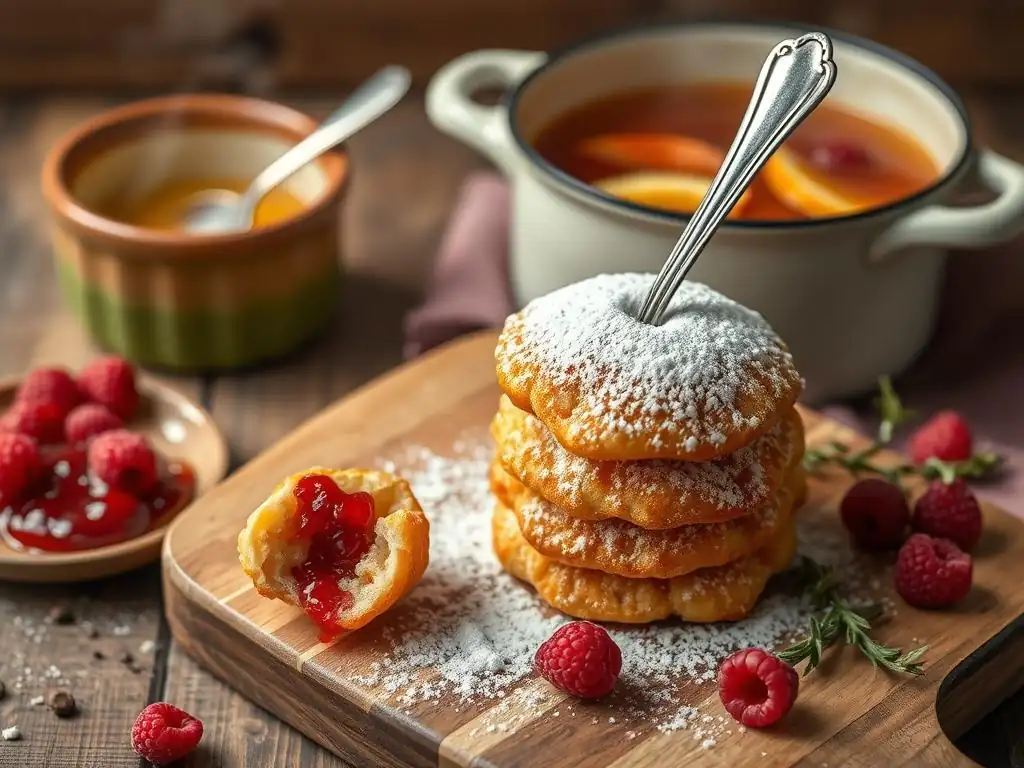
While frittelle are best enjoyed warm and fresh, you can store leftovers from your easy Italian fritter recipe. Allow the fritters to cool completely on a wire rack before storing. If they are coated in granulated sugar, storing them might cause the sugar to slightly melt or become sticky over time. Powdered sugar will often absorb into the fritter.
Store cooled fritters in an airtight container at room temperature for up to 1-2 days. If they contain perishable fillings or ingredients like ricotta, they should be stored in the refrigerator and consumed within 2-3 days. Layering parchment paper between fritters can help prevent them from sticking together. While they will lose some of their initial crispness upon storage, they remain a delicious treat.
How to Reheat Fritters to Maintain Crispness
Reheating fritters can help restore some of their texture. Avoid using a microwave, which will make them soft and potentially rubbery. The best methods involve dry heat. Preheat your oven or toaster oven to around 160°C (320°F). Place the fritters in a single layer on a baking sheet.
Warm them for about 5-10 minutes, or until heated through and the exterior begins to crisp up slightly. You can also use an air fryer; heat at 160-170°C (320-340°F) for 3-5 minutes. Reheating will never perfectly replicate the fresh-from-the-fryer crispness, but these methods are the most effective for enjoying your easy Italian fritter recipe leftovers. If they were originally coated in sugar, you might want to give them a fresh dusting after reheating.
Enjoy Your Homemade Italian Fritters!
We love seeing what our community is baking! Once you've successfully made this easy Italian fritter recipe, share your photos and experiences. Did you try a variation? Discover a new favorite coating? Your successes and lessons learned inspire other bakers on their journey. Connecting with fellow baking enthusiasts is part of the joy of exploring recipes like this.
Embrace the Joy of Italian Baking at Home
Making Italian fritters at home is more than just following a recipe; it's about embracing a tradition, sharing warmth, and creating delicious memories. This easy Italian fritter recipe is a gateway to exploring more of Italy's incredible baking heritage. So gather your ingredients, invite some friends or family (or simply treat yourself! ), and savor the simple pleasure of homemade frittelle. Buon appetito!
Frequently Asked Questions
What makes this Italian fritter recipe "easy"?
This recipe focuses on simple ingredients and clear, step-by-step instructions, making it accessible even for novice bakers. The emphasis is on a quick and easy dough that doesn't require extensive kneading or proofing.
What are the key ingredients needed for this easy Italian fritter recipe?
The core ingredients include all-purpose flour, baking powder, sugar, eggs, and milk. You'll also need vegetable oil for frying and your choice of toppings like powdered sugar or cinnamon.
Can I customize the flavor of these Italian fritters?
Absolutely! You can add citrus zest, such as lemon or orange, to the dough for a brighter flavor. Consider incorporating spices like cinnamon or nutmeg, or even a splash of vanilla extract.
How do I know when the fritters are properly cooked?
The fritters should be golden brown on all sides and cooked through. A good indication is when they float to the surface of the hot oil, typically within a few minutes of frying.
What are some suggested toppings or serving ideas for these Italian fritters?
Common toppings include powdered sugar, cinnamon sugar, or a drizzle of honey. You can also serve them with fresh fruit, whipped cream, or even a scoop of ice cream for a more decadent treat.
Final Reflection: The Enduring Joy of Simple Italian Fritters
The seemingly simple act of frying dough, elevated by Italian ingenuity, remains a powerful symbol of culinary connection and comforting tradition. These easy-to-make fritters, far from being mere snacks, represent a bridge between generations, a taste of home, and a testament to the enduring power of simple recipes. Their accessibility makes them a perfect entry point for anyone wanting to explore the rich world of Italian cooking.
The influence of these humble fritters extends far beyond the kitchen table; they represent a shared culinary heritage, passed down through families and cherished across communities. They are a reminder that the most profound flavors often come from the simplest ingredients and techniques. Food is symbolic of love when words are inadequate.
– Alan D. Wolfelt. This quote perfectly captures the emotional resonance these fritters hold, offering a tangible expression of care and connection.
Now, I invite you to embrace the joy of creating these delicious fritters. Don't be afraid to experiment with different flavors and additions – let your creativity flow! More importantly, share this experience with loved ones, creating memories as rich and satisfying as the fritters themselves. The true magic lies not just in the taste, but in the shared moments of preparation and enjoyment. Let the aroma of frying fritters fill your home with warmth and the spirit of Italian hospitality.
Unleash Your Inner Pastry Chef!
Thanks for joining us on this delicious journey into the world of Italian fritters! We hope you've gained the confidence to tackle these delightful treats. Now it's time to put your newfound skills to the test.
- Dive right in and bake your first batch of fritters! Use the recipe we provided as your guide, and don't be afraid to experiment with different flavors.
- Share your creations! Post a picture of your fritters on social media and tag us – we'd love to see your culinary masterpieces.
- Explore more delightful Italian dessert recipes on BakeWithEase.com (this one will be replaced with a relevant internal link in the actual implementation).
What unique twist will you add to your Italian fritters to make them truly your own?